Our buildings, our selves

Screen Shot 2016-06-06 at 2.15.56 PM.png

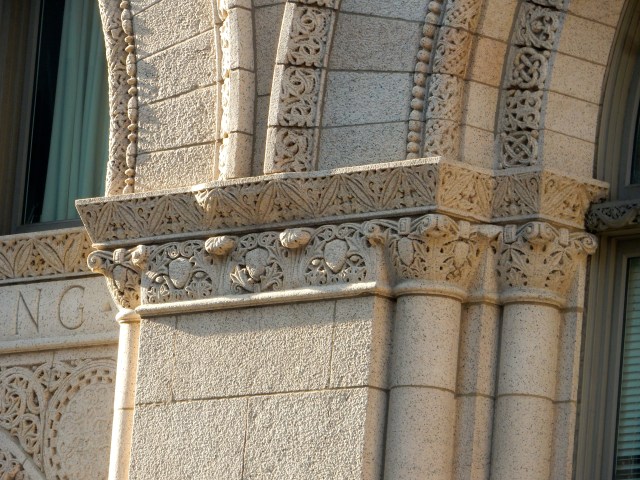
Details of Trinity Church, Copley Square, Boston. (Photo by David Brussat)

Ann Sussman, author with Justin Hollander of Cognitive Architecture, has an article in Planning magazine, “Planning for the Subconscious,” that suggests that the millennia-long evolution of how we shape buildings and places placates the inner urges of our minds and bodies (and hearts).

Or at least it used to. Modern architecture ended that. But now, she writes, advances in our understanding of biology through biometrics “means we can record how people see and feel about their surroundings, not as machines, but as animals keen on connection and ruled by anxieties.” She adds:

Imagine being able to collect real-world, real-time data about emotional habits in the built environment and to definitively answer perennial questions such as why people enjoy walking through miles of a dense urban settings like Manhattan but consistently shun barren landscapes like Boston’s infamously empty City Hall Plaza.

The eye-tracking experiment that Sussman describes demonstrates how human-centric our eyes are (via our brains). It showed, she says, that at Boston’s Copley Plaza test subjects’ eyes focused most intensely on an art installation of a man on a raft high up on the “infamous” Hancock Tower.

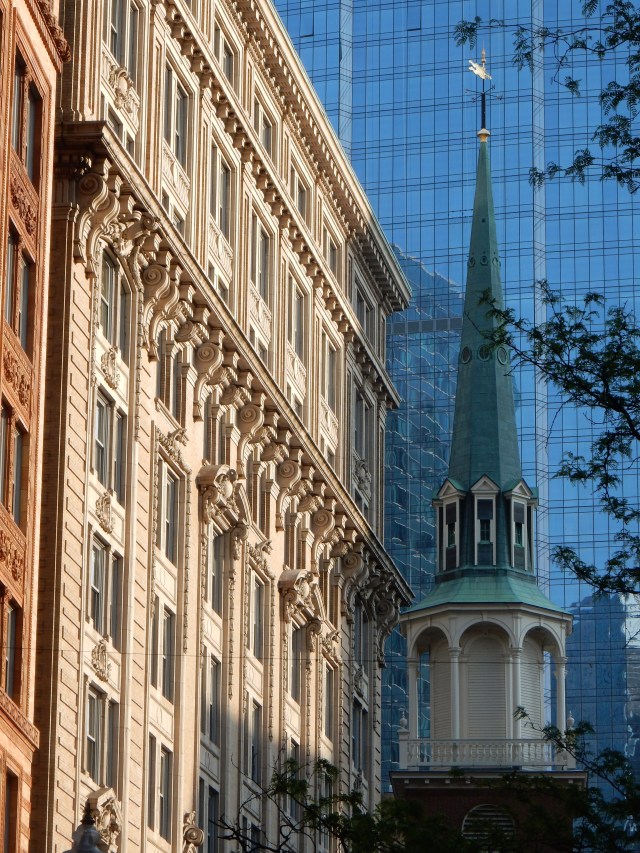
Yet it also shows that the intensely detailed façade of Trinity Church received the first and the most eye contact. The seeming contradiction might perhaps be explained by the oddity of the man on the raft high up the skyscraper (whose original windows popped out and had to be replaced). It is new to most viewers, whereas Trinity, though much more alluring, and with plenty of human figures in its ornament, is a sight they are used to. The Hancock is interesting only from the angle where it looks like a razor blade standing on end, and where Trinity may be seen in its otherwise tedious reflective glass.

If that’s what the various techniques Sussman describes of monitoring what the eye and brain are telling us, then perhaps these techniques are really just more examples of how science is helping us to belabor – oh, excuse me, to describe – the obvious. Yes! We do prefer places embellished with eye- catching detail to barren, banal settings.

But the world we live in today has banished embellishment and, when it comes to how we create where we live, it has put banality in the catbird seat. (What is a catbird seat, anyway?) We need to have science tell us what we already know because ideology has tried to smother our intuitive grasp of nature. What we once knew must be forced out into the open by science.

To confront the forces that suppress our ability to believe what our own brains tell us is not the purpose of Sussman’s article, but in her email urging me to read it she writes:

It turns out the subconscious rules – are we surprised? And it will also turn out down the pike that more intuitively designed traditional, vernacular, classical architecture fits our subconscious predispositions the way most modern architecture – from the outside at least – does not.

As I have said many times, Nikos Salingaros, Christopher Alexander and other theorists are already out there making that case, as Sussman herself has pointed out in other writings. Science must continue to flush out the truths suppressed by modern architecture. That’s what science is for.

Screen Shot 2016-06-06 at 2.16.30 PM.png

Razor blade “Wow factor” of the Hancock Tower, Copley Plaza. (Photo by David Brussat)
Posted in Architects, Architecture, Architecture Education, Architecture History, Art and design, Books and Culture, Development, Urbanism and planning | Tagged , , , , , , , , , , , , , | 1 Comment

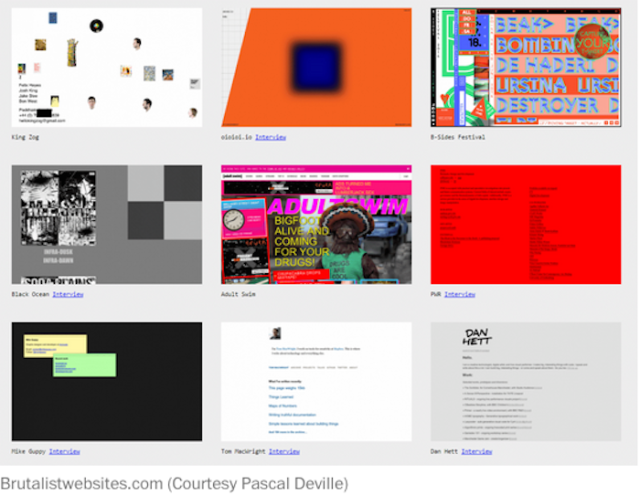
The “Brutalist” website fad

Screen Shot 2016-06-05 at 12.31.35 PM.png

The Washington Post reports that “The hottest trend in Web design is making intentionally ugly, difficult websites.”  The article by Katherine Acrement states:

Look at Hacker News. Pinboard. The Drudge Report. Adult Swim. Bloomberg Businessweek features. All of these sites — some years old, some built recently — and hundreds more like them, eschew the templated, user-friendly interfaces that have long been the industry’s best practice. Instead they’re built on imperfect, hand- coded HTML and take their design cues from ’90s graphics. The name of this school, if you could call it that, is “Web brutalism.”

What strikes me is how inevitably the phenomenon came to be known as “Web brutalism.” Perfect fit!

Thanks to Jim Colleran for slipping this article onto Pro-Urb and clarifying matters by referring to the trend as “digital modernism,” and to Andres Duany for putting the news into context by remarking: “We have a sick society. Do we express it or do we reform it? The GSD and Rem express it. The CNU attempts to reform or heal it. We do not share an epistemology.”

To decode Duany: The GSD is the Graduate School of Design, at Harvard, modernist to the core, exclusionary and proud of it. Rem is the Dutch architect Rem Koolhaas. CNU is the Congress of the New Urbanism, inaugurated in the 1990s largely by Duany himself. It seeks to promote new urban design based on the old principles of urbanism that were purged by modernist planning and design promoted by the GSD. New Urbanist ideas have largely won out in municipal planning departments around the nation, thankfully, but almost all architects, architecture schools, architecture organizations, architecture scholarship and architectural media are still modernist, resistent to alternative ideas, and proud of it.

Is digital headed that way? Except for this weird trend, very unlikely. The internet is far too diverse and unruly to become a cult as the field of architecture has done. And yet there are quite a few young Turks trying to beat some sense into their profession. They are called classicists, although their work often strays from the classical orders, and they are based in the Institute of Classical Architecture & Art.

Just after this post was published Sara Hines sent her excellent thoughts to the Pro-Urb listserv, a forum mainly for discussing the New Urbanism:

Did you miss the memo on “ugly is the new pretty”? Once you grasp this, and related topics like “illogical is the new rationality,” you are good to go with the new millennium. I could point you to other concepts in women’s clothing like “designer bags are ugly but better because they cost more or have someone’s name on it,” or “the new design is to make things smaller and with materials that are so weak that you can find them shredded on hangers – and for this you will pay a lot more.”

Websites?  Though the red one with the fuzzy square looked interesting, I am more unnerved by the ones that feature a nearly black background with slightly lighter or darker type, if any is visible, and you have to mouse over to see any detail or things to click on. Note that how to contact people is becoming progressively lost on websites from Amazon to CNU. In fact, I have been mystified by how to get information on the upcoming CNU. Like where would you pick up your tickets or information packets? Oops, how dumb am I, they probably only have that on computer links that I’m slow to find in the evanescent drop-down menus. But back to paragraph 1, we just haven’t adjusted to the new Good.  The old Good apparently just didn’t work out.

We are getting to Idiocracy sooner than even I had thought possible!

Posted in Architects, Architecture, Architecture Education, Architecture History, Art and design, Urbanism and planning | Tagged , , , , , , , , , , , | 9 Comments

Providence PVDfest today!

DSCN0833.JPG

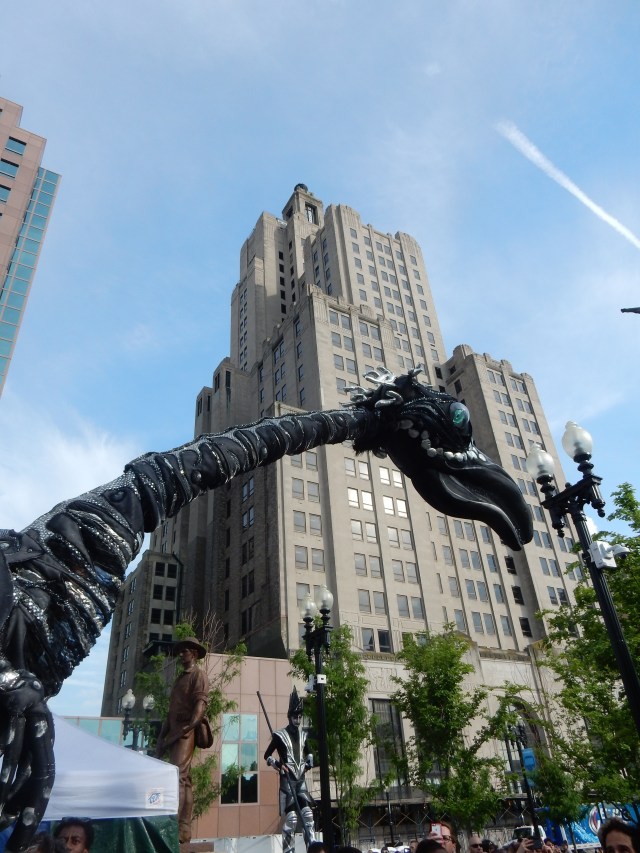
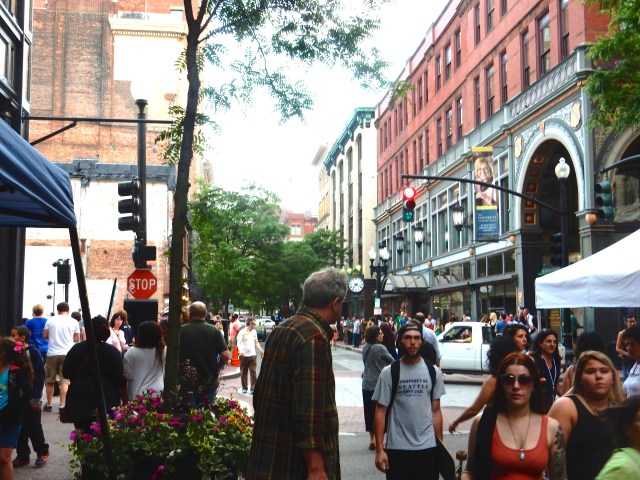
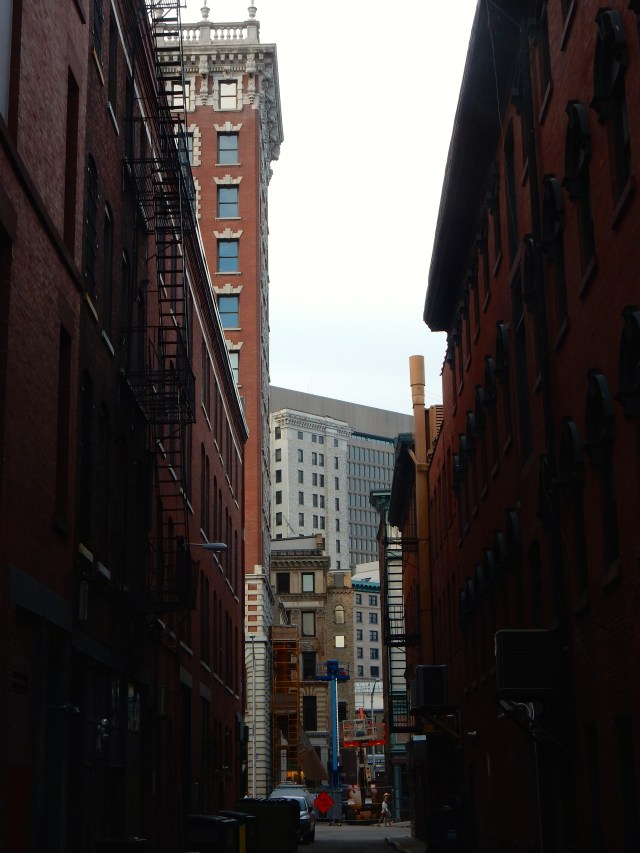
We adventured into downtown Providence late this afternoon for PVDfest, the city’s second annual international arts festival (last year’s shindig was the Providence International Arts Festival – deemed too big a mouthful). Day was grayish but without any seeming threat of rain, so down we went. Saw the dinosaurs, a herd of just three – after the Jurassic herd in the adverts it seemed pale but they were a hoot, the work of Close-Act Theatre, which hails from the Netherlands. Finally, we found a great corner table at Blake’s with one of those to-die-for windows on the world. Could have hung out all night, protected by plate glass from thunderous music across Mathewson – drums, to which people were dancing. People were dancing all over the place – the mayor had ordered us all to dance. By the time we wandered from Blake’s back to the car, however, the scene was dying down. It was all free to attend, and will wrap up tomorrow.

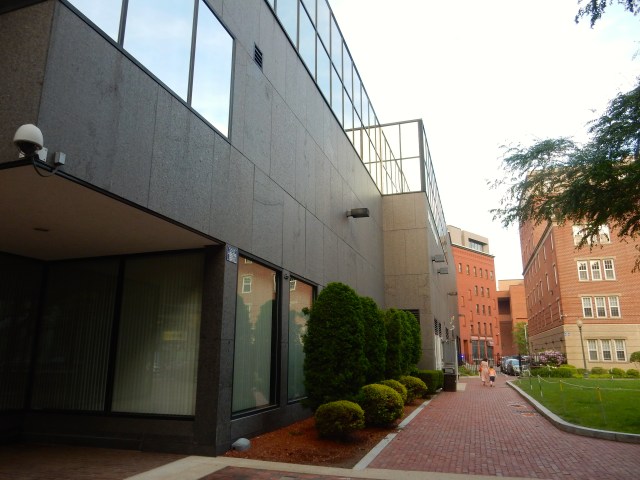
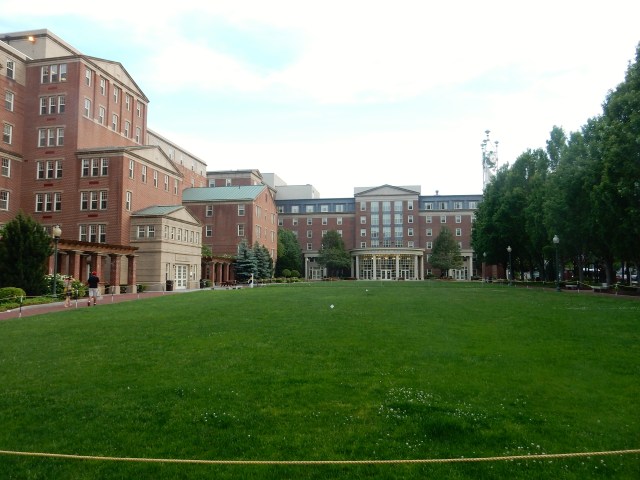
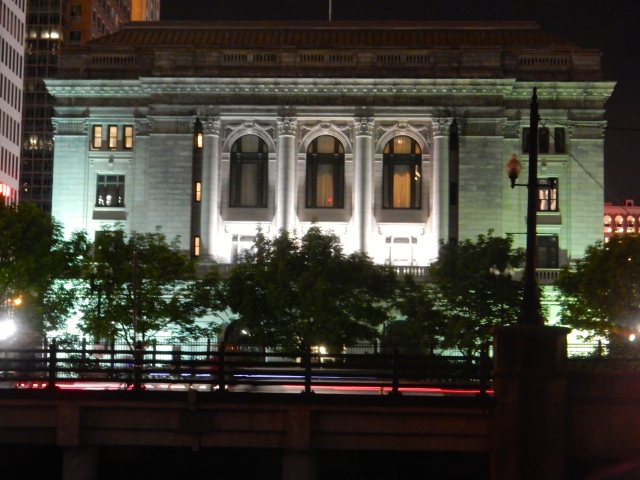
The photos below are in the order they were taken, except the scene-setters of the dinosaurs up top. The one just below shows a dinosaur backgrounded by the Industrial Trust (“Superman”) Building, which might strike some as wry. Next shot is the articulate rear of what had been the Masonic Temple occupied by the order when it began construction of the Masonic Temple that was unfinished for 75 years before it became the Renaissance in 2007. And the last five photos show the Gaebe Quadrangle of Johnson & Wales. including the East German Embassy (my derisive moniker for Broadcast House, now the JWU library and administration building) facing the quad from the east. Johnson & Wales’s culinary program is one of the reasons Providence’s cuisine scene is so delicious.

Two points for spotting Billy and Victoria.

DSCN0837.jpg

DSCN0844.jpg

DSCN0846.JPG

DSCN0850.JPG

DSCN0849.JPG

DSCN0851.JPG

DSCN0868.JPG

DSCN0875.JPG

DSCN0876.JPG

DSCN0878.JPG

DSCN0880.JPG

DSCN0882.JPG

DSCN0884.JPG

DSCN0885.JPG

DSCN0887.jpg

DSCN0888.jpg

DSCN0893.JPG

DSCN0892.JPG

DSCN0894.JPG

DSCN0896.JPG

Posted in Architecture, Architecture History, Art and design, Development, Landscape Architecture, Photography, Preservation, Providence, Rhode Island, Urbanism and planning | Tagged , , , , , , , | 4 Comments

Degrading Paris newsstands

Screen Shot 2016-06-03 at 3.10.40 PM.png

My correspondent in Paris, Mary Campbell Gallagher, warns that its mayor, Anne Hidalgo, wants to replace the city’s historic newsstands with a new version of greater spaciousness but lesser gloire. In its relative mildness, this initiative seems to contradict almost all of her administration’s previous decisions aimed at destroying Paris’s beauty.

The proposal offers not the modernist insult to Paris that you would expect from her but rather an inarguably traditional style for the new kiosk. If not for the excellence of the existing historic kiosks, originally selected by Baron Haussmann, one might receive the new ones with open arms. Why has she not proposed littering Paris with wee abominations more in line with the major developments she has supported for the City of Light?

Is Hidalgo wimping out? That is the $64,000 question. The riches of Parisian beauty are an embarrassment to France’s architectural establishment and its cult-like infatuation with the modernist style. The establishment wants to ruin cityscapes around whose every corner lies an inarguable contradiction of its aesthetic philosophy. The mayor could have sapped the strength of this ubiquitous contradiction by strewing Paris with new modernist newsstands. Such a step would everywhere weaken the ambiance of loveliness that is the chief source of inspiration for those such as Mary Campbell Gallagher who oppose the uglification of Paris.

Campbell might be well placed to assess the politics behind Mayor Hidalgo’s newsstand initiative. I will report her analysis as soon as she sends it. In the meantime, she has sent a petition against the kiosks to sign for those who want to stop the mayor’s latest initiative.

Posted in Architecture, Architecture Education, Architecture History, Art and design, Development, Other countries, Preservation, Urbanism and planning | Tagged , , , , , , | 1 Comment

The Palladio Awards of 2016

Screen Shot 2016-06-03 at 12.15.55 PM.png

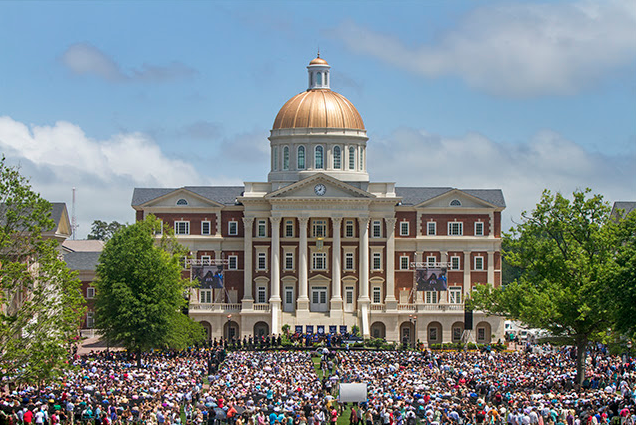
Palladio-winning Christopher Newport Hall during CNU commencement, 2015.

The Palladio Awards may not get the attention of the Driehaus Prize, which does not get the attention of the Pritzker Prize. But the Palladios are the first and only national architecture award that recognizes specific traditional projects and their design teams.

The 2016 Palladio Awards have been announced by the award program’s sponsor, Active Interest Media. The commercial/institutional winners will appear in the June issue of Traditional Building; and the residential winners will appear in the July issue of Period Homes. They will all be celebrated on July 19 during the Traditional Building Conference at the Lawn Club, in New Haven, Conn. (Each winner’s photo at the link above can be clicked to view the identity and details of the winning submission.)

Screen Shot 2016-06-03 at 12.23.17 PM.png

Winner, Exterior Space

Because both the Pritzker and the Driehaus prizes recognize the life work of their winning architects, they play a different role in the conversation over architecture. The Palladio awards celebrate specific projects in order to identify their techniques and to track progress in the discourse. Unlike the two more widely known awards, the purpose of a program such as the Palladio is not only to reward well-established talent but also to encourage young talent coming up.

For traditional architects, artists, artisans and designers, a target-rich environment for awards exists. The Driehaus is joined not only by the Arthur Ross Awards of the Institute of Classical Architecture & Art, the Stanford White Awards of the ICAA’s New York chapter, and a host of awards programs sponsored by an increasing roster of the institute’s 15 or so regional chapters, such as the Bulfinch Awards recently celebrated by the New England chapter. I hope that I will hear about those of which I am unaware or that I have forgotten to mention.

Granted, these bouts for honor in the traditional sphere of architecture represent, sadly, a fraction of the camp followers of the Pritzker that litter the landscape of bad architecture schools and self-indulgent professional organizations such as the American Institute of Architects and its ilk.

But laureates in such competitions pick up their medals, scrolls, plaques, statuettes and other paraphernalia of victory with, one must suppose, a sour taste in their mouths and a glance over their shoulders. This is because in spite of a hundred years of modern architecture, the style has yet to achieve legibility beyond the frothy interpretation of modernist scholarship and the mod-symp media, or to develop a formal language by which juries may judge the relative worth of designers, projects or, indeed, entire careers.

If you were to take all the winners of the Pritzker Prize since its inception in 1979, and throw them into competition for a new prize for the greatest modernist architect in history, a jury would have no plausible or systematic way to select a victor. It would be the founders’ boring purity of line versus, in recent decades, the latest whackadoodle de jour. How to choose? There is virtually no way to choose that has anything to do with architectural craft or principle. I suspect winners of the Pritzker realize this, and their silence is assured by dint of the $100,000 doled out to each year’s Pritzker laureate.

The winners of a Palladio, however, when they walk off the podium in New Haven with applause ringing in their ears, they will know that their prizes were chosen by juries weighing the merits of their work against the standards of an achitectural language that has grown, alongside the evolution of civilization, over two and a half millennia.

Pritzker laureates may well laugh all the way to the bank, but on their way, as the number of awards programs for traditional work expands, those “winners” will be whistling past the graveyard if Truth, Justice and the Palladian Way have any say in the matter.

Posted in Architects, Architecture, Architecture Education, Architecture History, Art and design, Interior Design, Landscape Architecture, Urbanism and planning | Tagged , , , , , , , , , , | 4 Comments

The architecture of burglary

Screen Shot 2016-06-02 at 12.07.23 PM.png

I’ve been wanting to read A Burglar’s Guide to the City, by Geoff Manaugh, whose fascinating blog BLDGBLOG has recently infatuated me. Here is something he recently said to Ellen Gamerman of the Wall Street Journal for “The Dying Art of Burglary,” her review of the book.

Architects tend to think that they’re the only people really concerned about the built environment, but when you read police reports about burglaries or talk to burglars or read FBI reports about bank crimes, they’re discussing architecture in a really unexpected and interesting way.

Movies of bank heists – not Bonnie & Clyde; that’s robbery, not burglary, which involves no (intentional?) violence – are Manaugh’s favorite genre. I’ve always liked them, too, but typically more because of the architecture of the relationship among the burglars than the architecture of the buildings. But there definitely is something here. Think of how much more burglars must love classical architecture, with all its handholds to the second story.

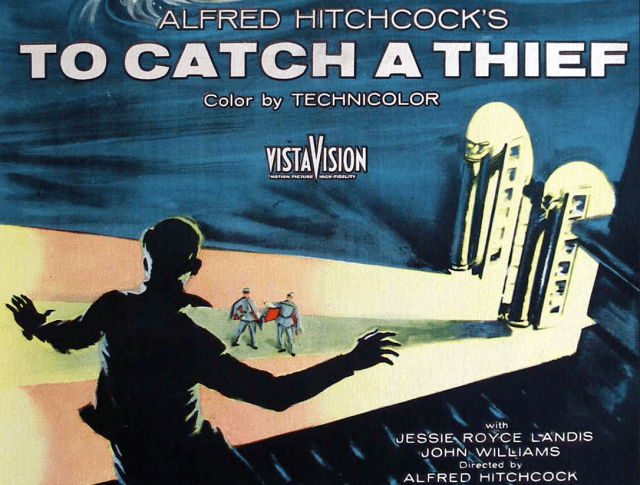
In one of my favorite movies, Cary Grant plays a retired cat burglar who, with Grace Kelly’s jewels as bait, tries to catch a thief using his old techniques in Alfred Hitchcock’s To Catch a Thief. Lots of useful balconies on the Riviera!

The film might not have caught my attention if the burglars had to deal with modern architecture, with no way to get to the top but by elevator, or maybe swinging onto the roof from another ugly building nearby. I don’t know what Manaugh thinks of what burglars think of modern architecture. He used to work for Dwell magazine. I can imagine one of those “Unhappy Hipster” sendups of Dwell photos in which a man, in the living room of their glass house, says to his wife, “I don’t think burglars break windows anymore.”

Posted in Architects, Architecture, Architecture Education, Architecture History, Art and design, Development | Tagged , , , , , , , , , , , | Leave a comment

Shubow’s fine Bulfinch talk

Screen Shot 2016-06-01 at 4.00.49 PM.png

Shot from film “Mr. Smith Goes to Washington” shown as illustration for Justin Shubow lecture.

Justin Shubow’s recent talk in Boston, the first annual Bulfinch Awards Lecture, was delivered in the afternoon before that evening’s gala, thrown by the New England chapter of the Institute of Classical Architecture & Art to celebrate the eight Bulfinch laureates of 2016. Shubow drilled down into the flaws of modern architecture as civic art. The president of the National Civic Art Society went on to consider the errors of the Excellence in Architecture program by which the General Services Administration selects architects to build the federal government’s vast array of buildings and monuments.

The program was used to select Frank Gehry to design a memorial to Dwight Eisenhower. The NCAS has taken the lead in opposing the Gehry design, which reflects GSA’s anti-classical biases. Shubow quotes Gehry’s assertion that “life is chaotic, dangerous, and surprising. Buildings should reflect that.” Nothing could be more ridiculous. The Eisenhower Memorial Commission’s skewed view of its own purpose is demonstrated by its willingness to support what is, as Shubow suggests, “a memorial not to Eisenhower but to Gehry.”

But I found the most valuable part of Shubow’s lecture to be his opening passages that get down to first principles. Instead of selecting the juiciest lines from the lecture, I will just reprint those passages from the beginning about why classicism remains the most vital method of expressing public virtue and national aspiration in America:

We begin with the premise that a civilization’s most important architecture is its civic art and architecture since these structures are consciously intended to express ideas and values.

After much of the British parliament was severely damaged by German bombing in World War II, Winston Churchill gave a speech calling for rebuilding the parliament exactly as it was. He famously said, “We shape our buildings, and afterwards our buildings shape us.”

Like Pericles, the builder of the Parthenon in ancient Athens, all great statesmen have recognized the importance of architecture for the body politic, including evil geniuses like Hitler and Stalin, both of whom were architects in their own right. As Mies van der Rohe said, “Architecture is the true battleground of the spirit.”

Excuse me, Justin. I cannot resist an interruption to vent: The spirit Mies himself battled for did not exactly represent the American ideal, even after he emigrated to America in 1937. Prior to departing Germany, he had battled to persuade the Nazis that modernism should be the design template for the Third Reich. But to continue with your opening remarks …

America’s Founding Fathers took great care in choosing the design of the nation’s capital and its core buildings of government. George Washington and Thomas Jefferson personally oversaw the competitions to design the Capitol Building and White House, and influenced the designs themselves. As you likely know, both were also talented architects in their own right. Jefferson advised Americans that “architecture is among the most important arts; and it is desirable to introduce taste into an art which shows so much.”

Jefferson had great ambitions for new American architecture: He aimed “to improve the taste of my countrymen,” “to increase their reputation, to reconcile them to the respect of the world,” “and procure them its praise.”

Washington and Jefferson consciously decided that the plan of Washington, D.C., and its most important structures were to be classical in design, the physical manifestation of the American form of government and its political aspirations, including such values such as good order, benevolent hierarchy, and reason. This decision connected the capital to the ideals of republican Rome and democratic Athens.

From our vantage point, we can also say the choices they made evinced the mindset of the Enlightenment, the Age of Reason.  Believing the classical tradition to be time-honored and timeless, Jefferson expressed his personal desire for a capitol designed after “one of the models of antiquity, which have had the approbation of thousands of years.” He also said he believed that “the noble architecture of antiquity [is] the constant measure of permanent values.”

The Founders invented a national idiom using the traditional vocabulary and grammar from the classical world. The White House and Capitol, the National Mall, and the plan for the entire city – they are universally recognized symbols of the United States that we take pride in.

The founders intentionally situated their day and age within the two-millennia-long tradition of classicism. They recognized its dignity, its aspiration to beauty, its harmony with the natural world and human perception, and its capability of expressing meaning to the citizens it serves. They were founders and framers not just in government but in architecture. They understood the wisdom of the past and adapted and improved on it.

The spirit of the style war between classical and modern architecture flows from the truths above. Shubow also showed courthouse designs (below) that illustrate how much modern architecture is actually designed to undermine the “eternal verities” expressed above and through classical architecture. In spite of the public’s intuitive recognition of modernism’s flaws, such designs still predominate.

The Institute of Classical Architecture & Art, its New England chapter, and its allies at the National Civic Art Society all work toward the noble goal of promoting classical architecture and its return to a rightful prominence in the architecture of America and the world.

Screen Shot 2016-06-01 at 5.41.46 PM.png

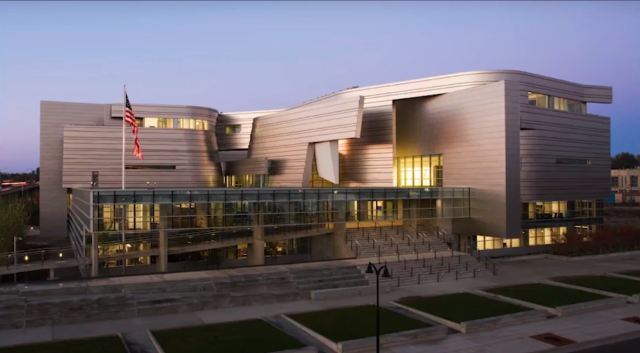
Wayne L. Morse U.S. Courthouse, Eugene, Ore., Thomas Mayne/Morphosis.

Screen Shot 2016-06-01 at 4.13.39 PM.png

Interior of Wayne L. Morse U.S. Courthouse, with pillars askew, disparaging the ideal of justice.

Posted in Architects, Architecture, Architecture Education, Architecture History, Art and design, Books and Culture, Preservation, Video | Tagged , , , , , , , , , , | 2 Comments

How to keep Portland weird

Screen Shot 2016-05-31 at 10.09.11 AM.png

Buildings that reflect Portland’s character. (Collage by Michael Mehaffy)

Portland, Ore., is a city so satisfied with itself that it can afford to enjoy a TV show, Portlandia, that makes fun of its foibles. And of course, foibles are easily fobbed off. They are not actual problems. Most cities would love to face Portland’s problems.

I wonder whether Portland and Seattle josh each other over how the rest of the country gets them mixed up. I have a friend who moved to Seattle – or is it Portland? Portland and Seattle are famously cool and wet – or am I mixing them up again?

I have not been to Seattle, or to Portland since 1966 on a family trip out West. Of the more southerly city it may be said that its hipdom was achieved in the early 1970s when Oregon adopted urban growth boundaries limiting development beyond where suburbs had already sprawled. (Lexington, Ky., had the nation’s first UGB.) The goal of higher density, artfully distributed and infused with public mass transit, was achieved. Cool tech firms arose. Oh yes, and Seattle had Boeing. Portland prospered. Portland preened.

But as Michael Mehaffy points out in a trenchant analysis, “Has Portland Lost its Way?” in Planetizen, the city’s vaunted planning apparat seems unable to address the city’s continued prosperity and popularity. Housing prices are rising faster than anywhere in the country, and developers are responding with bigger and taller residential projects that put Portland’s character at risk. Here is a passage from Mehaffy’s assessment:

… [T]he raging debate is about where the new units are being built—and what impact they are having on the city’s storied livable heritage. Increasing numbers of residents are clearly upset at a wave of historic property demolitions, making way for ungainly ’50s-style white boxes and uber-trendy, in-your-face “space invaders” – or outsized, alien-looking new buildings. Human-scale places are being crowded out by new tall buildings, and luxury condos like the new Park West tower are casting unwelcome shadows over Pioneer Square and other civic spaces.

Mehaffy then adds:

We’ve been here before. Back in the 1960s, the city’s design and development professions began to transform the city core by demolishing beautiful historic properties and replacing them with a mostly forgettable generation of trendy “designer Modernism” – object-buildings surrounded by parking lots and freeways, leading out to sprawling new bedroom suburbs. Then, as now, Modernism was not just a style of building, but a way of thinking of cities as industrial creations, given an appropriate marketing dazzle by artist-architects. In Portland, the results of this “modernization” were almost universally dismal, as they were in so many other cities.

He says that trend sparked resistance among the population that led to a more locally based, human-scale design and planning aesthetic, culminating in its urban growth boundary. It seemed to work well for decades, but now the boundary appears to be squeezing development upward to make up for its constriction of developable land. Mehaffy says Portland’s planners have “developed an ‘irrational exuberence’ for the symbolism of tall buildings,” sandbagging the wisdom of Jane Jacobs to embrace the folly of Harvard’s Edward Glaeser, a defender of skyscrapers as models for urban growth.

Mehaffy regrets Portland’s apparent desire to copy Vancouver (he does not mention Seattle), where decades of glassy skyscrapers have created an eminently forgettable skyline. But, he says, at least Vancouver has large blocks so that towers placed at their center leave room for low and midrise buildings along streets. Portland blocks are smaller and new skyscrapers are pushing out historic and human-scale buildings – placing the city’s “Keep Portland Weird” ethos at risk. Of course, so pervasive is modern architecture that any city that values beauty these days may be considered weird.

The meat of Mehaffy’s analysis follows, with its sensible recommendations for how Portland can rescue itself by remembering much of what has made it so popular. This is not exactly rocket science. (But oh yes, that’s Seattle’s gig.)

He smiles at this famously liberal city’s embrace of “supply side” – forgetting, perhaps, that a supply-side real estate strategy differs from the supply-side economic strategy that gave the nation almost a quarter century of robust economic growth. Clinton’s economic boom relied upon Reagan’s freeing up the market for the dot-com boom. Lower taxes and higher towers cannot both be the same “supply side” – and of course they are not.

But never mind that.

As one who has long suspected that architectural rendering these days aims not to reveal but to conceal the look of buildings, I was highly amused by Mehaffy’s observation that city officials have imposed “a subjective game of ‘impress the design panelists’ and ‘who’s the best renderer’ – for drawings that are famously unlike the built result.”

Instead, form-based design coding is the way to go, and not just in Portland. Cities should not mandate style – should not need to mandate style – but city officials and civic leaders ought to have a sufficiently robust idea of citizens’ interests to urge developers to design projects that do not smack the voters upside the head. Form-based codes are a loose set of stylistic limits that may be required in places (such as, sadly, Providence, too) where the civic culture cannot manage that level of wisdom on its own.

Mehaffy is the director of the Sustasis Foundation, which supports sensible – often Jacobsian – development emphasizing human scale and neighborhood values in cities and towns globally. He is to be commended for bringing that wisdom to the city that he lives in, and which I’d love to visit again someday. My brother Tony and my nephew Aaron live in Oregon, Ashland and Eugene respectively, so don’t think I won’t be coming. (Please, Portland, do build some new old buildings to make me feel comfy during my stay!)

Screen Shot 2016-05-31 at 10.09.27 AM.png

New buildings that threaten Portland’s character. (Collage by Michael Mehaffy)

Posted in Architects, Architecture, Architecture Education, Architecture History, Art and design, Development, Humor, Preservation, Providence, Urbanism and planning | Tagged , , , , , , , , , , , , , , , , , | 4 Comments

Shots of first full WaterFire

Screen Shot 2016-05-29 at 10.55.30 AM.png

Last night was the first full WaterFire of the season here in Providence. I generally visit rather late, when the crowds have drawn down and parking is easy, well, easier. The lead-off photo above, taken by WaterFire volunteer photographer Jim Turner, gives a sense of its verve, with crowds pressing forward toward the ring of fire at Waterplace Park. That image leads off, as last night I could not manage a shot that showed the flames without glare. The rest below are culled from many others. Shots with too many blurred people, or too much glare or smoke, fell to the cutting room floor.

WaterFire, created in 1994 by Barnaby Evans, owes much of its success to the design of the waterfront by Bill Warner, whose attention to the comfort of walkers and sitters is a testimony to Jane Jacobs and William “Holly” Whyte. This year’s calendar of WaterFires is, I think, its 22nd. Here is the WaterFire Providence website.

At the bottom is a video of a fire dancer performing at Confluence Park, where the Woonasquatucket and Moshassuck rivers meet – some 200 feet east of their former confluence under the Post Office. The river channels were moved and the rivers daylighted in the mid-1990s, replacing what the Guinness Book of World Records called the “world’s widest bridge” with 12 traditional bridges, three parks (and more to come) and a system of river walks that one famous urbanist erroneously thought to have been originally built a century before and only recently uncovered along with the rivers.

DSCN0725.JPG

DSCN0657.JPG

DSCN0689.JPG

DSCN0708.JPG

DSCN0718.JPG

DSCN0709.JPG

DSCN0693.JPG

DSCN0704.JPG

DSCN0727.JPG

DSCN0730.JPG

DSCN0732.JPG

DSCN0733.JPG

DSCN0775.JPG

DSCN0740.JPG

DSCN0758.JPG

DSCN0757.JPG

DSCN0756.JPG

DSCN0754.JPG

DSCN0743.JPG

DSCN0747.JPG

DSCN0748.JPG

DSCN0761.JPG

DSCN0752.JPG

DSCN0763.JPG

DSCN0774.JPG

DSCN0778.JPG

DSCN0781.JPG

DSCN0721.JPG

DSCN0663.JPG

DSCN0659.JPG

DSCN0664.JPG

DSCN0670.jpg

DSCN0672.JPG

DSCN0673.JPG

DSCN0675.JPG

DSCN0715.JPG

DSCN0686.JPG

DSCN0687.JPG

DSCN0701.JPG

DSCN0714.jpg

DSCN0660.JPG

DSCN0712.JPG

Posted in Architecture, Architecture History, Art and design, Books and Culture, Development, Interior Design, Landscape Architecture, Photography, Preservation, Providence, Urbanism and planning, Video | Tagged , , , , , , , , , , | 5 Comments

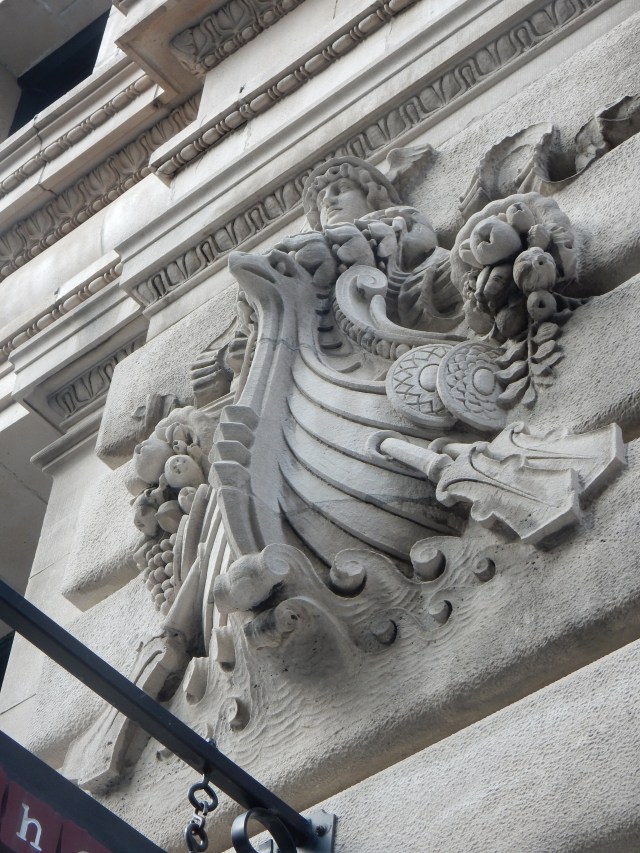
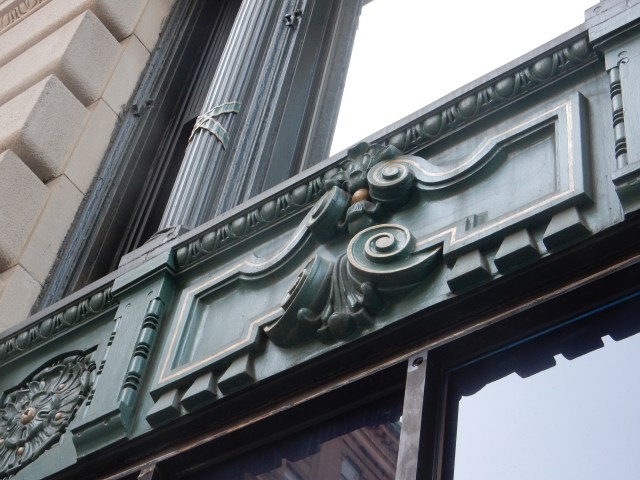
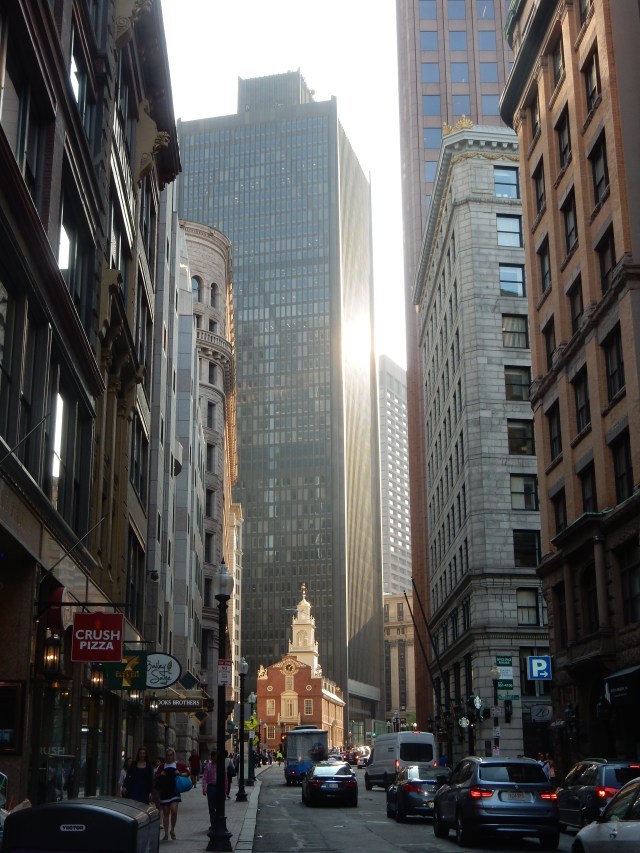
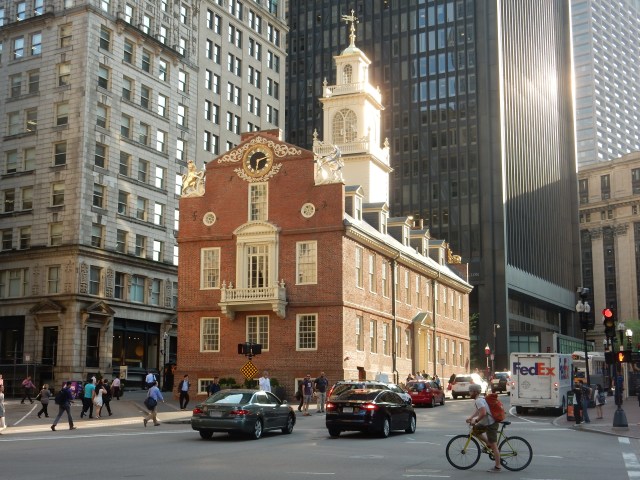
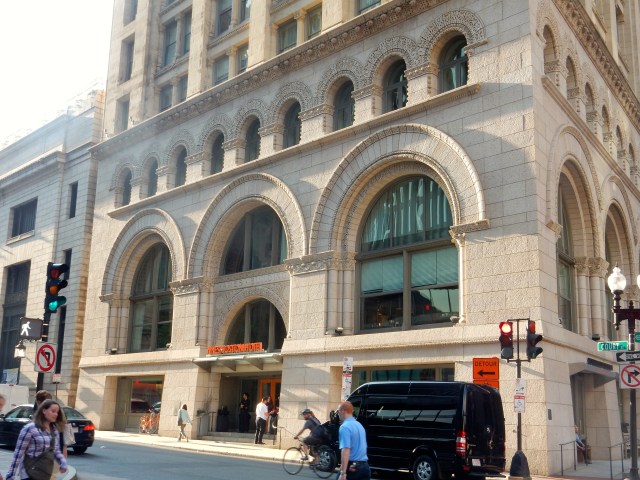
Photos of downtown Boston

DSCN0594.JPG

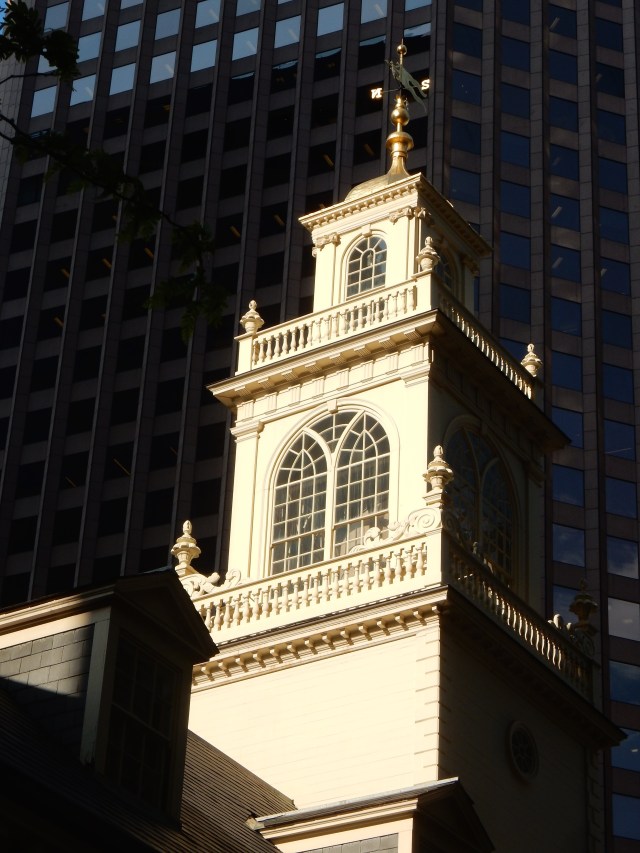
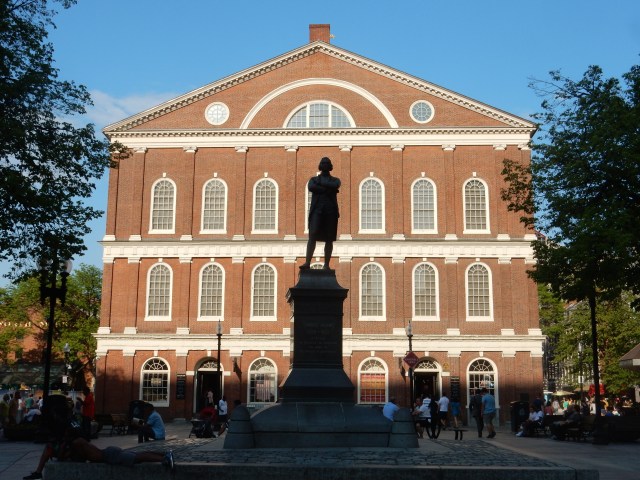
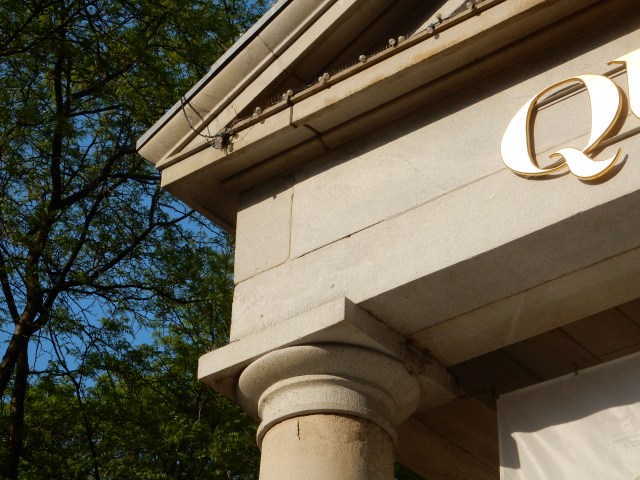
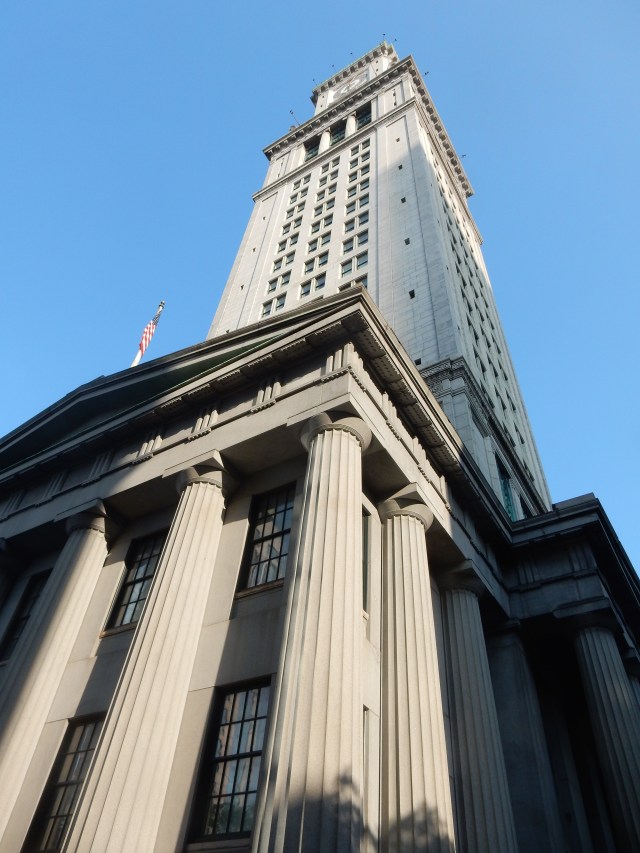
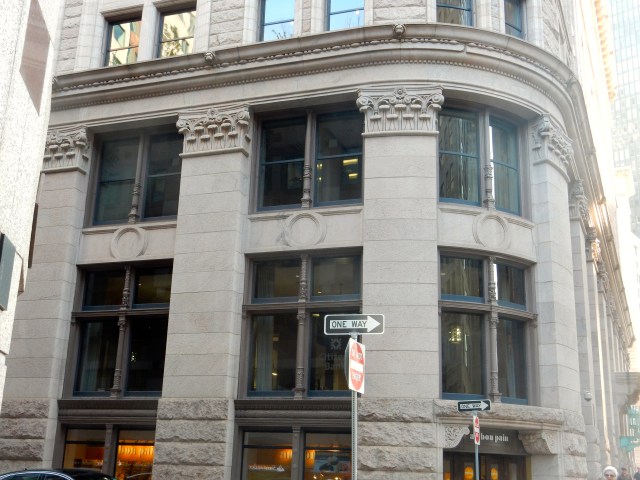
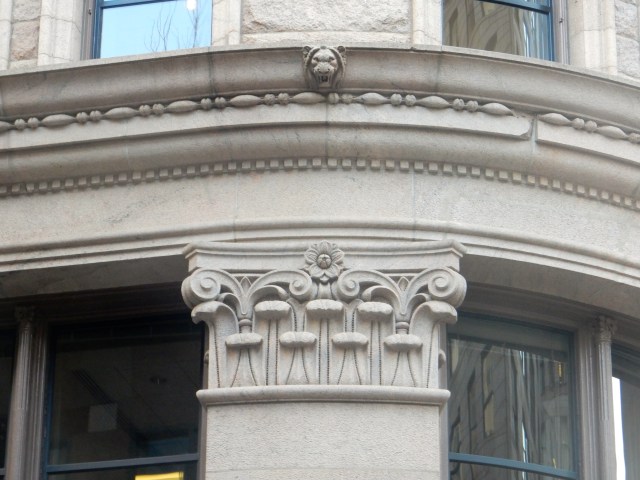
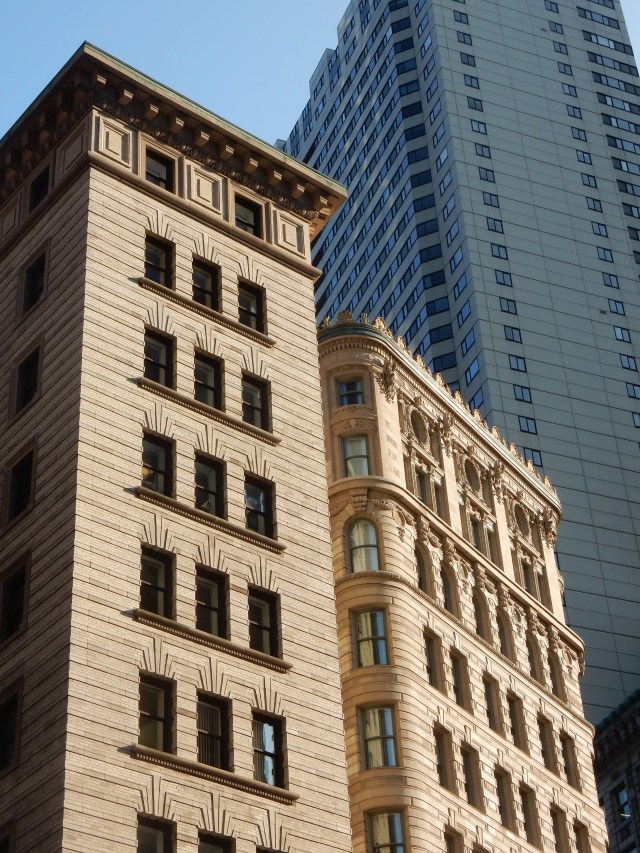
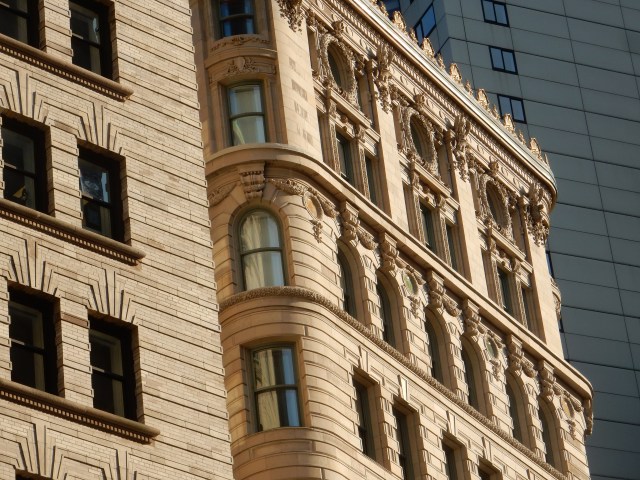
I was in Boston’s Financial District last Wednesday to attend a board meeting of the Institute of Classical Architecture & Art, which met not, as usual, at the College Club on Commonwealth – no dearth of photo opportunities around there! – but at the offices on Washington Street of Albert, Righter & Tittmann, the classicist architecture firm whose work shows that creativity and the classical orders needn’t be mutually exclusive. (Indeed, only those who know little of classical architecture think they are.)

Before the meeting I wandered around, almost stumbling into my friend Nathan Walker (see his great post “Architecture and food“) on a trip north with his six students from the College of Charleston, where he teaches. The night before we had met in Providence at the Hot Club, where the young scholars appeared to enjoy hearing my diatribe against modern architecture. Either that or they were polite. Anyway, as I was walking around Faneuil Hall taking photos, I must have missed them by minutes. Shortly after, at ART, I got a call from Nathan suggesting that I meet them at the marketplace. Alas, my meeting – a postmortem of our successful Bulfinch Awards gala – was about to begin. Anyway, here are some of the photos I took beforehand, which amply amplify classicism’s mixture of beauty, order and creativity.

DSCN0593.jpg

DSCN0602.JPG

DSCN0605.JPG

DSCN0606.JPG

DSCN0604.JPG

DSCN0619.JPG

DSCN0616.jpg

DSCN0621.JPG

DSCN0627.jpg

DSCN0629.JPG

DSCN0624.JPG

DSCN0632.jpg

DSCN0640.JPG

DSCN0636.JPG

DSCN0637.JPG

DSCN0649.jpg

DSCN0642.jpg

DSCN0643.JPG

DSCN0647.jpg

DSCN0648.JPG


DSCN0651.JPG

DSCN0652.JPG

DSCN0654.jpg


Posted in Architects, Architecture, Architecture Education, Architecture History, Art and design, Photography, Preservation, Urbanism and planning | Tagged , , , , , , , , , , , | Leave a comment