Why not resod the old sod?

Parliament, in London. (bdonline.co.uk)

Parliament, in London. (bdonline.co.uk)

Unsurprisingly, there have been proposals to demolish and replace the Houses of Parliament along the Thames in London. The excuses are a perceived need for greater openness, to be supplied by glass of course, or for more accommodation of the digitization and securitization of society. No doubt some Brits regret the outcome of the last election, and feel somehow violated by the failure of all the big polling organizations to predict the behavior of British voters.

If transparency is the answer, why not merely augment the British glass jaw with a glass skull for all registered voters? Don’t take it out on the building!

Taking it out on the building is a longstanding dodge to avoid looking reality in the face. Slavery in America lasted 400 years, starting long before the advent of columned verandas on Southern plantation manors. Yet the modernist always blames the buildings. In Charleson, where a slavery museum is planned, only a building farthest away in conception to a traditional plantation will do. (Not that a plantation would be appropriate, but neither is a hovering rectangular box the only conceivable alternative.)

Hitler used classical architecture to lend authority to the new Berlin he planned along with Albert Speer. Classicism had been the default ruling architecture for millennia, but because Adolf Hitler spurned modernism, modernists consider classicism as the default architecture of fascism. (This in spite of the fact that Mies van der Rohe, with help from Goebbels, tried to get Hitler to adopt modernism as the design template for the Third Reich.)

So elegant verandas have become totemic of mankind’s most sinister institution and classical architecture generally has had to carry the baggage of a human ogre, a terrible war and a form of government that stomped upon its citizens, figuratively and literally. Now the Palace of Westminster is taking it on the chin for the of flaws of governing institutions that stretch back to the Magna Carta.

No more sophisticated or accurate response to this can be made other than to declaim that it is really, really, really, really stupid.

Hank Dittmar has written “Don’t Scrap the Palace of Westminster” for Building Design magazine. Formerly associated with Prince Charles and his classical initiatives, Dittmar gets it. And if you look at a few of the comments at the end of his piece you will see that yes, there are people who really think Parliament should be torn down and replaced – possibly far from London – and surely by something ugly, representing the orthodoxy of the architectural establishment, certainly not by anything representing the British public or its inclination for beauty in its public weal.

It’s almost as if these design elites believe that the uglier a building, the more beautiful will be the politicking that goes on inside. Rhode Islanders, with their lovely 1901 State House designed by Charles Follen McKim, know this to be fantasy.

Let’s hope that the British people do not fall for it and rip down their beloved Parliament and replace it with updated versions of, say, the Scottish Parliament, which is modernist and thus, naturally, disliked by most of the Scottish public.
Posted in Architecture, Architecture History, Other countries, Rhode Island, Urbanism and planning | Tagged , , , , , , | 2 Comments

What’s next for the Frick?

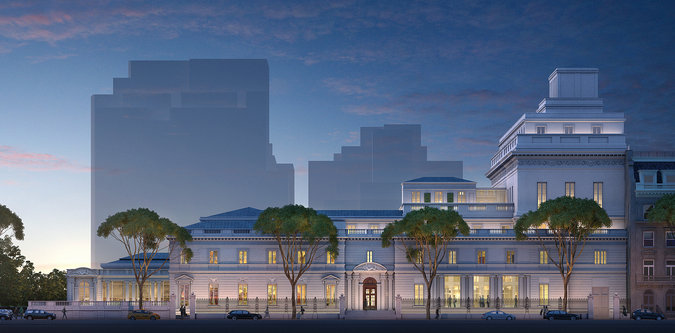
Cancelled plan for addition to Frick Museum. (Frick)

Cancelled plan for addition to Frick Museum. (Frick)

The news reported by the New York Times’s architecture writer, Robin Pogebrin (“Frick Museum Abandons Contested Renovation Plan“), leaves me with mixed emotions.

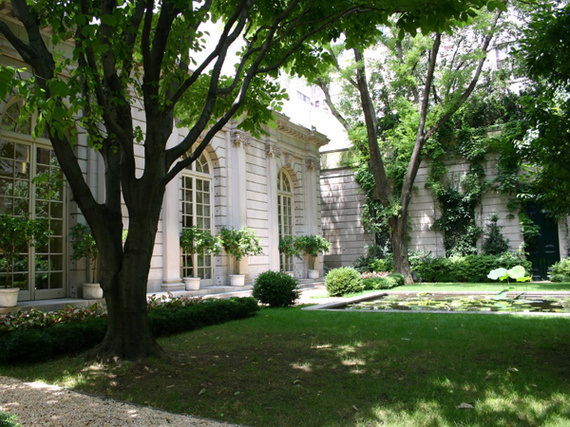
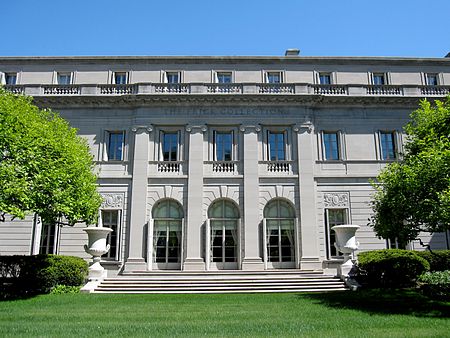
The Frick Collection, on Fifth Avenue. (Wikipedia)

The Frick Collection, on Fifth Avenue. (Wikipedia)

2014-06-27-frickcollection2_michaeldunnviaflickr2006-thumb-1

The Viewing Garden, by British landscape architect Russell Page. (From “Gardens of Russell Page”)

Over time, my skepticism grew regarding the traditional addition proposed for the Frick. The house was designed in 1914 by Carrère & Hastings, for industrialist Henry Clay Frick; an addition by John Russell Pope opened in 1935. Eventually, I signed a petition against the latest proposal, largely because it would have demolished classical additions to the building in the 1970s, including one by John Barrington Bayley, one of Henry Hope Reed’s associates in starting Classical America in 1969.

My skepticism remains sizable. Still, my initial support for the expansion arose because classical additions to classical buildings are so rare these days. A highly visible demonstration such as this addition to the Frick would help the public understand how the city’s beauty can be augmented by such a strategy. That strategy would have seemed obvious half a century ago, but today the obvious is what most bears – indeed requires – repeating.

And yet … and yet. Eyebrows could only arch upward at the identity of the firm selected for the design – Davis Brody Bond, which was responsible for the modernist interior of the underground 9/11 museum at the World Trade Center memorial. Plus, while the project’s initial rendering looked very nice, the devil is in the details – and maybe the program really was too large for the institution’s own good.

It is not just the beautiful classicism of the Frick that the public loves, but the intimacy of the place. It is an enchanting residential space imagined by a connoisseur of the arts – a tradition also exemplified by the Isabella Stewart Gardner Museum in Boston and the former Barnes Foundation, now removed to Philadelphia.

Indeed, it is the example primarily of the Barnes that is worrisome in light of what is to come of the Frick. Abandoning the Frick expansion plan does not end the project, it only forces it into a new configuration, smaller and classical, one expects … but maybe not.

The Barnes had been located in a lovely classical building in Lower Merion, Pa., designed by Paul Philippe Cret and completed in 1922. The will of its founder, Albert C. Barnes, insisted that the museum was to remain as it was at his death, to be curated as a house museum with an extraordinary collection. Yet in the 2012, a huge new museum opened in central Philadelphia, designed by Tod Williams and Billie Tsien, whose 2001 folk art museum, demolished by MoMA, resembles the Barnes’s fraudulent fractal texture.

If the future of the Frick in any way resembles that of the beloved old Barnes, heads will roll, if not in reality then on this blog. “Quit while you’re ahead” may not be the best solution to the problems facing the Frick, but let’s hope classicists do not rue the day they ganged up on what seemed like a potentially great addition. Let us hope that the Frick’s board finds an answer that avoids damaging a great institution.

Let me suggest that a new classical building be erected on land nearby to hold offices and collection overflow from the Frick. I’m not sure that’s feasible, financially or otherwise, but it would solve the existing problem – if indeed there is a problem and not just a board of directors filled with the need to demonstrate the importance of their existence.

Posted in Architecture, Architecture History, Art and design, Development, Urbanism and planning | Tagged , , , | Leave a comment

For readers in Portugal

dscn0844-e1388376737622Readers in Portugal and elsewhere who are enjoying my post about the Coach Museum in Lisbon might also enjoy the post published after it on styles of the two horse-racing trophies won yesterday, and the two previous posts: “7 brides for 7 buttheads” is about bad architects defending bad architecture, and “Allan Greenberg’s classicism” is about the ongoing classical revival – a trend that would reinstate the old Coach Museum and that ought to dynamite the new Coach Museum.

(At left is a shot of the capital of a column at the Providence Public Library, in Rhode Island’s capital.)

Posted in Architecture, Books and Culture | Tagged , , , , , | Leave a comment

A tale of two trophies

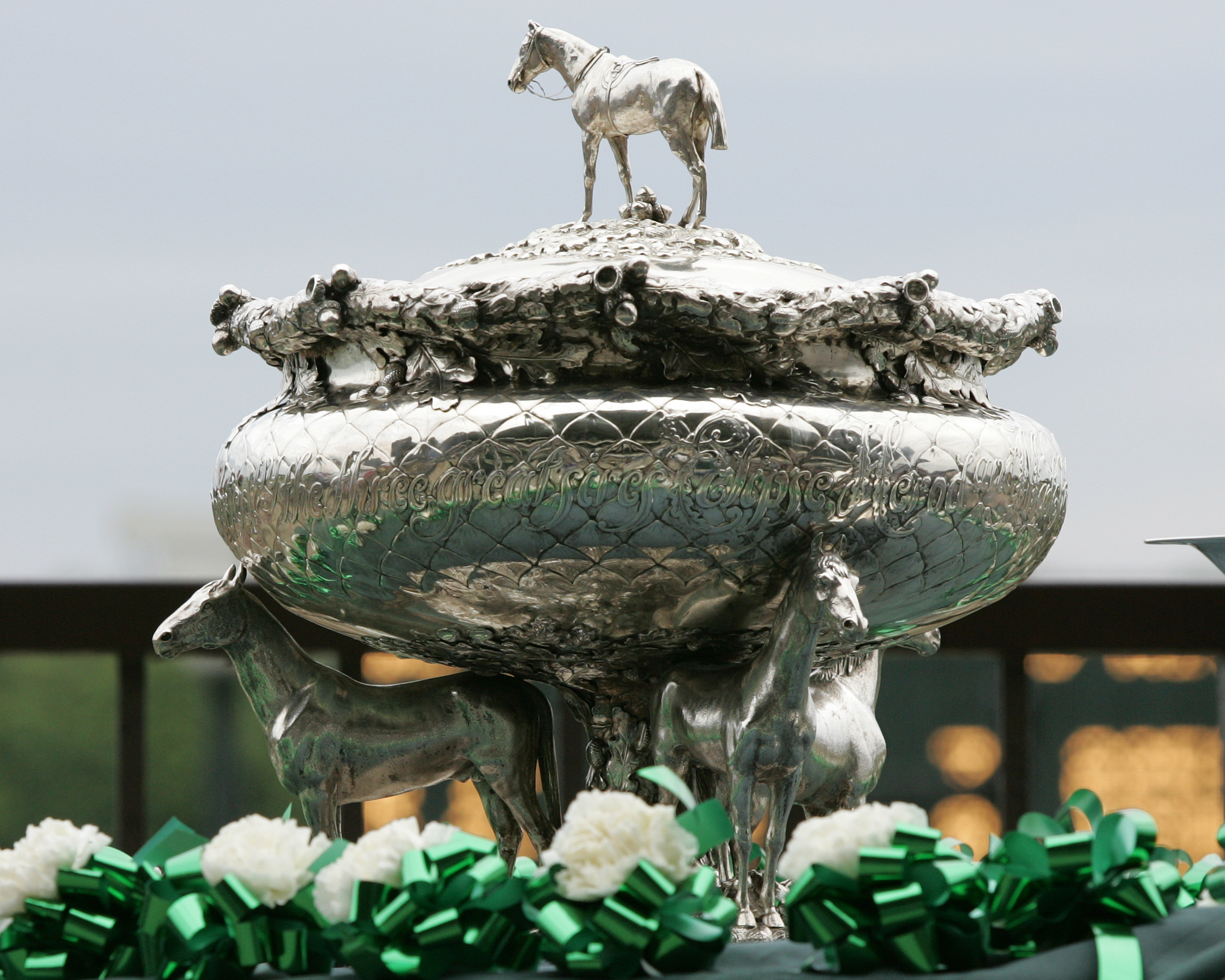
The Belmont Stakes trophy.

The Belmont Stakes trophy. (saratoga.com)

American Pharoah won the Triple Crown today, the first horse in 37 years to sweep the Kentucky Derby, the Preakness and the Belmont Stakes, and only the 12th to do so in the history of the Sport of Kings. What, other than the odds of winning more money by choosing one over another, might be the basis for preferring a horse in this race is Greek to me. I rooted for Pharoah, but only because I thought the rarity of a Triple Crown victor might elicit some interesting comments after the race. This was, I suppose, an example of hope’s triumph over experience, since in the last major horse race I saw the owner of the favored horse, whose name I forget (horse and owner) threw a famous hissy fit after it lost.

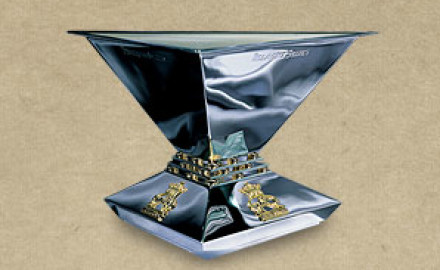
Triple Crown Trophy. (tracksideview.net)

Triple Crown Trophy. (tracksideview.net)

But this post is about why the Triple Crown trophy looks so tedious. It is a three-sided silver flagon with a single horse etched into each side of its base. The silver trophy for the Belmont Stakes I’d be hard pressed to describe, but it’s a sculpted horse standing atop a huge clump of verdure itself sitting upon an even larger bowl-shaped pillow of what seem to be lapping textile squares – actually an oak and acorn motif symbolizing the siring of horses. This assemblage is itself supported in the air on the backs of three horses greater in stature than the horse on top.

Obviously I prefer the Belmont trophy to the Triple Crown trophy, which was forged in 1950 – no doubt a step down from its predecessor, if there was one. The owner of American Pharoah will get both the TC and the BS trophies. I have no idea whether he must give up one or both to the next Belmont Stakes or Triple Crown winner, as the Lombardi Trophy must be given up by the Patriots next year (unless they win back-to-back Super Bowls). So however long Pharoah’s owner keeps them both, will he give pride of place in his trophy case to the prettier one or to the more significant but less alluring one?

Maybe this falls into the very broad catagory of don’t know/don’t care. But here’s a blog post on it anyway.

Lucy Minogue “Snow White” Rowland informs me that the Belmont Stakes trophy was commissioned by August Belmont Jr. in 1896 for his father, August Belmont, after the opening of the racetrack named in his honor. The trophy partakes of the ornate style of sporting trophies of the Victorian period. The winner doesn’t get to keep it but gets a silver tray. The top makers were Tiffany and Gorham – the latter headquartered in Providence. The Triple Crown trophy was produced by Cartier in the style of its own period, such as it was.

Anyhow, the New York Times now has run a piece (updated), “An Elusive Trophy, Gleaming Through the Smudges of Hands and Lips,” about the Triple Crown trophy. “It’s like a little orphan looking for a home,” says its overseer, Darren Rogers, an official of the Kentucky Derby, where it is normally stored. He would have been in charge of taking it home, yet again, if American Pharoah had not won today. And, he says, it would not do for it to be left alone on the podium after another winner had walked away with the more elegant Belmont statuary.

No, not this time. All’s well that ends well.

Posted in Architecture, Art and design | Tagged , , , , , | Leave a comment

Lisbon’s coach catastrophe

Coach hall at Lisbon's former Museu dos Coches. (dreamwishes.com)

Hall of coaches at Lisbon’s former Museu Nacional dos Coches. (dreamwishes.com)

Malcolm Millais, author of the explosive Exploding the Myths of Modern Architecture (2009) sends sad news from Portugal. Lisbon’s delightful and elegant Coach Museum, long the nation’s most popular museum, had been housed in a perfectly lovely building of impeccable royal lineage. It has now been relocated into a typical abomination of modern architecture, designed specifically to fly in the face of all that is Portugal.

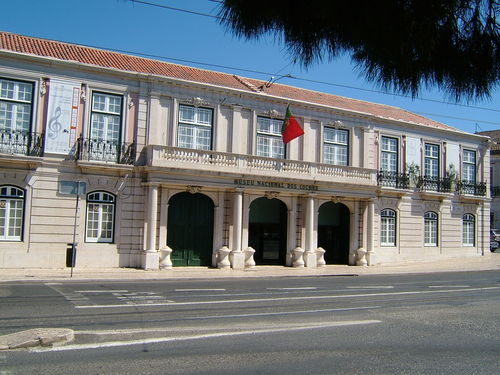
The old Coach Museum. (top10portugal.com)

The old Coach Museum. (top10portugal.com)

An old coach at the old Coach Museum. (ie.picclick.com)

An old coach at the old Coach Museum. (ie.picclick.com)

New home of Coach Museum. (oldportuguesestuff.com)

New home of Coach Museum. (oldportuguesestuff.com)

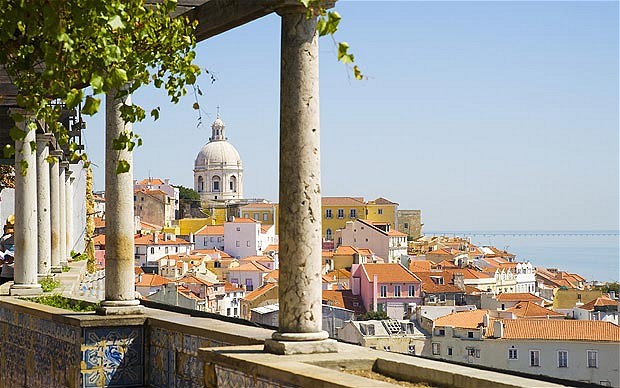
Lisbon. (telegraph.co.uk)

Lisbon. (telegraph.co.uk)

Malcolm says he has no idea why they made the switch, but he and I can speculate with relative security. Leaders in Lisbon wanted to get on the celebrity-architect gravy train. I am not suggesting any sort of peculation – though I have no proof it did not take place. I posit only corruption of the soul. For what can be worse than the modern architect who brazenly plops an icon of ugliness in a beloved place but the elected leader who permits such a crime to happen in his own beloved city?

Malcolm also says he has no idea why the Coach Museum of old was so popular. I would go beyond suggesting that it was in a beautiful building: I imagine it was popular because people who own cars today are probably fascinated by the transportation types used by the celebrities of Portugal’s history, including monarchs and aristocrats.

Like the building they occupied for so long, the coaches of Portugal were built by generations of proud artists established in a grand craft that has now disappeared. As the craft of automaking declines, it must be a heady experience to nose around among the ornate carriages whose raison d’etre disappeared so suddenly – along with the buggy-whip factory – leaving an entire industry without enough time to decline and moulder into the sort of pathetic excuse for craftmanship that we see in so many industries today, not excluding that of automobile manufacture.

I wrote a blog post in 2013 about the multiplicity of idiocies involved in the betrayal of the Coach Museum. Malcolm says its director opposed the change – but apparently not strenuously enough to resign, as she is still its director now that the new facility has opened.

Wish I could reprint that post, but the Journal, after laying me off last year, refused to save or give me access to my hundreds of posts written for the Journal version of the blog, which was instituted in 2009. But here is the opening passage of the raspberry I gave to Lisbon for that year:

• A raspberry to Lisbon for planning to move its beloved coach museum, the Museu Nacional dos Coches, from its graceful home at a 1787 royal palace to what looks like a parking garage. One mustn’t blame the pathetic architect, Paulo Mendes da Rocha (a Pritzker Prize winner, naturally). He is a hired gun. The… [here’s where the Journal’s archive summary leaves off, where I went on to say it was those who hired him who are the real villains here.]

Posted in Architecture, Architecture History, Art and design, Blast from past, Other countries | Tagged , , , | 69 Comments

7 brides for 7 buttheads

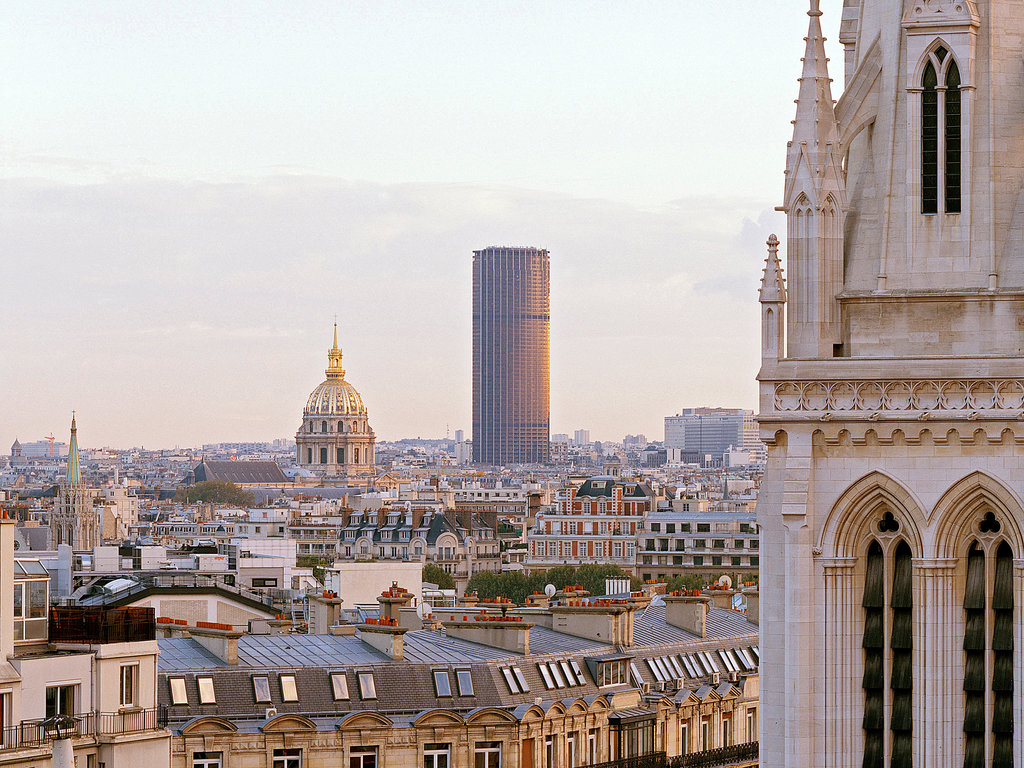
Tour Montparnasse, in Paris. (Luc Boegly/Artedia, via View)

Tour Montparnasse, in Paris. (Luc Boegly/Artedia, via View)

A breathtakingly gargantuan amount of balderdash was published by the New York Times today in “Seven Leading Architects Defend the World’s Most Hated Buildings.” The architects have all talked to Alexandra Lange. The first is the hardest sell – the Tour Montparnasse, the only skyscraper in central Paris, defended by Daniel Libeskind.

Before heaving Danny Boy out the top-story window, let me note with some satisfaction the inevitable – that all seven of the “world’s most hated buildings” are modernist. Some of them are surely not really among the world’s most hated buildings, but no matter. Let’s not be too picky while sloshing around in this bin of bilge and buncombe.

The likes of Libeskind, Norman Foster, Zaha Hadid and four other modernists I’ve never heard of (but I rest assured in my conviction that they are modernists) are tasked with defending the indefensible. Enjoy! But before I leave let me extract a passage from Libeskind’s defense of the Tour that everyone in Paris hates and with good reason.

Because they exiled all future high rises to some far neighborhood like La Défense, they were segregating growth. Parisians reacted aesthetically, as they are wont to do, but they failed to consider the consequences of what it means to be a vital, living city versus a museum city.

Before trotting out the hoary “museum city” dodge, as if Paris literally doesn’t change (even museums change), Libeskind lets the cat out of the bag. He claims it is the sentimentality of Parisians’ love for their city’s beauty that is “segregating” growth to the periphery, forcing the prices up in the center. In fact, it is the ugliness of modernism that is responsible, because Parisians can hardly be expected to stifle their human emotions en mass.

Modernists demand the impossible in order to avoid blame. If they were willing to fit their work gracefully into the orbit of aesthetic tolerance – as architects managed to do for millennia – then the populace would not reject their designs. But because they refuse to do so, they refuse to permit Paris and other places people love to expand and evolve in a way that would accomplish necessary goals without poking the public in the eye.

Yes, Danny Boy, you modernists are to blame. And the gorgeous photo by Luc Boegly above shows precisely why it requires far fewer than a thousand words to explain the very simple reason for the painfully obvious truth.

Next up, read Zaha Hadid’s rollercoaster defense of the bureaucratic monstrosity designed by Paul Rudolph in Goshen, N.Y.

Posted in Architects, Architecture, Architecture History, Art and design, Development, Urbanism and planning | Tagged , , , , | 5 Comments

Allan Greenberg’s classicism

Providence, showing some of the traditional buildings erected in recent years. (Photo by David Brussat)

Providence, showing traditional buildings erected in recent years. (Photo by David Brussat)

While the contagion of “global architecture” today dilutes the individual character of our cities, turning them into bland collections of interchangeable buildings, we now have voices offering a fresh choice: classical architecture based on local traditions and ideals.

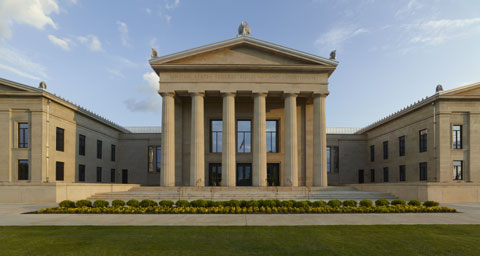
Courthouse in Tuscaloosa, Ala. (HBRA Architects)

Courthouse in Tuscaloosa, Ala. (HBRA Architects)

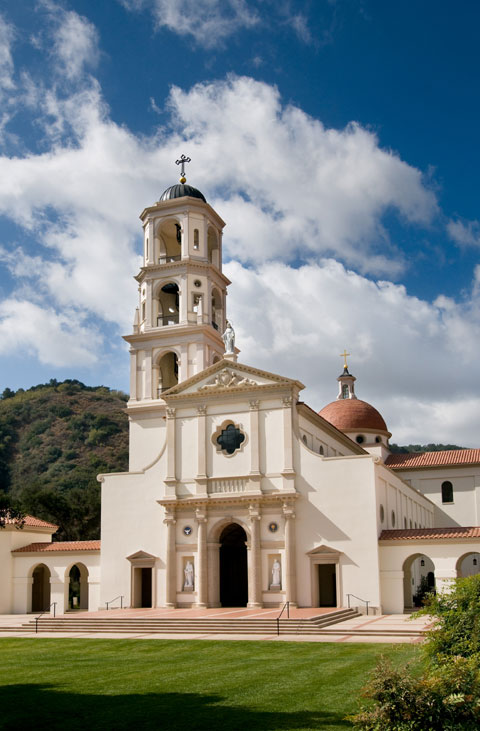
Church at Thomas Aquinas College. (Duncan Stroik Architects)

Church at Thomas Aquinas College. (Duncan Stroik Architects)

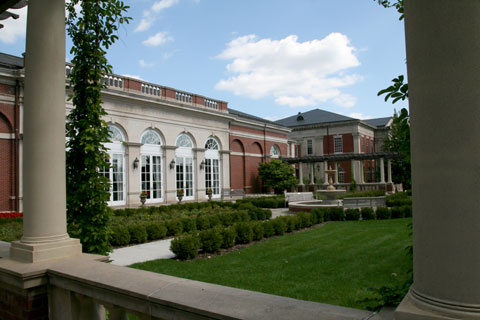
Library addition in Mundelein, Ill. (James McCrery Architects)

Library addition in Mundelein, Ill. (James McCrery Architects)

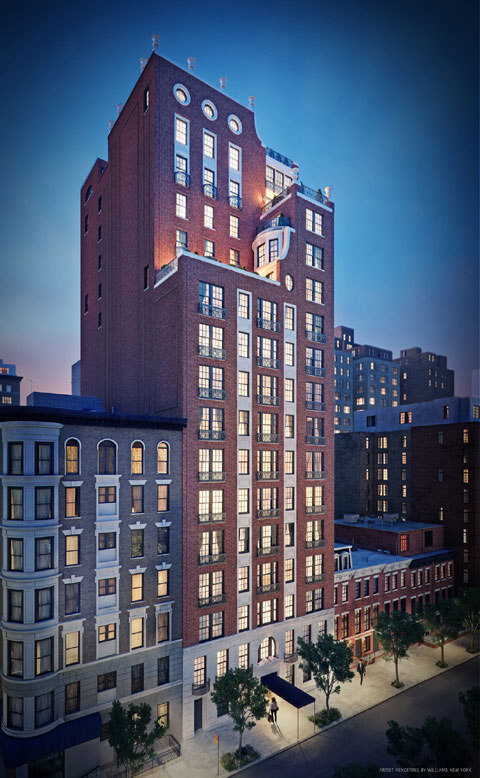
Rendering of 151 E78th St., apartment building in New York City. (Peter Pennoyer Architectus)

Rendering of 151 E78th St., apartment building in New York City. (Peter Pennoyer Architectus)

With the above passage extracted by way of introduction, Kristen Richards has kindly sent me a wonderful piece from her vital daily ArchNewsNow.com compendium of international architectural news and opinion. “American Architecture’s Classical Revival” is by architect Allan Greenberg, the noted American classicist, and his associate, Colette Arredondo, a graduate of the school of architecture at Notre Dame. The essay is published in City Journal, the quarterly of the Manhattan institute. Greenberg basically recapitulates everything I’ve been saying in my old newspaper column and more recent blog for a quarter of a century.

Bravo for Greenberg! I met him briefly in 2011 when he visited Boston to lecture before a gathering hosted by the New England chapter of the Institute of Classical Architecture & Art. I wrote what some considered an unjustly withering report of Greenberg’s talk. He had spent most of the lecture expressing admiration for Ludwig Mies van der Rohe and describing (rather obscurely, I thought) what classicists could learn from modernists. … Not exactly preaching to the choir!

City Journal is considered something of a conservative publication, and modernism was the design template for the optimistic progressivism of postwar America. But today, seeing what Greenberg and everybody else around the world is able to see, if they want to look, it is clear that modernism was a big mistake. Dumping it and embracing the classical tradition in design is an outlook at least as congenial to liberals as to conservatives.

Although some architecture critics have been straining to paint the classical revival as a conservative project, it is properly seen as nonpartisan.

For one thing, most liberals today would blanch at having been responsible for producing the design template for modern capitalism. We must all live with the blowback from Mad Men! And most conservatives already blanch at the turn that modern capitalism has taken of late, favoring Wall Street so strenuously over Main Street and getting into bed with Big Government. Conservatives don’t tend to care all that much about the income gap, except now that executive salaries are gnawing on the bone of productivity.

Whatever happened to the free market? It’s been kidnapped by pirates – who are headquartered in alien spaceships and working to fray the social contract that held this country together for so long. If men from Mars had brought us modern architecture, we’d have considered it an attack on our planet. And indeed, since conquering America the alien spaceships have gone on to spread a sinister cultural imperialism, destroying cities around the globe with no less fervor than they’ve destroyed cities here.

I don’t know whether Greenberg or others buy into this portrayal of the intersection between design and society here and globally. He seems to regret that modernism is vacuuming up the character from our culture. The classical revival that he touts in City Journal offers a potential way out, one that emphasizes politics at the local level – and grassroots opposition to politicians who allow developers to hire modernist architects to rip apart the fabric of our cities and towns.

What’s that great sucking sound? No, it’s not Ross Perot, it’s modernism sucking the character out of our built environment.

It is time to level the playing field between modernist and traditional architecture in the process of handing out major commissions for local development, public and private. The picture Greenberg paints of the classical revival, while certainly accurate, leaves readers with the impression that it’s a project just getting under way. In fact, it has been pushing the envelope for decades. The number of traditionally styled projects is growing – slowly, to be sure – but more and more people are learning the arts and crafts required to assemble an architecture of beauty, and as the pressure for their work grows, architecture schools will have no choice but to attend to the needs of the market.

The four buildings Greenberg describes, by Thomas Beebe, Duncan Stroik, James McCrery and Peter Pennoyer, are all superior in design to the traditional work by various architects in the shot of Providence atop this post, taken from the balcony of the Governor’s Room in the Charles Follen McKim-designed State House. But it does illustrate of one of the prime merits of traditional design – individual works do not need to be brilliant in order to form a collection of buildings that qualifies as highly attractive.

The skunk in this garden party here in Providence is the modernist GTECH building, poking its snout in from the left. The pre-GTECH photo below, by Richard Benjamin, shows another angle of the scene not just injured but largely destroyed by GTECH. It did not have to end this way, and it can be turned around in the future, here, throughout the U.S. and around the world.

Reading Allan Greenberg’s piece offers a shot of adrenaline. Enjoy!

Waterplace at dusk on a WaterFire night, in the year 2000. (Photo by Richard Benjamin, RichardBenjamin.com)

Waterplace at dusk on a WaterFire night, in the year 2000. Six years after this photograph was taken, the GTECH building was completed, and now  the center of this view, largely wrecking it. (Photo by Richard Benjamin, RichardBenjamin.com)

Posted in Architects, Architecture, Architecture Education, Development, Providence, Urbanism and planning | Tagged , , , , , , , , , , | 2 Comments

Parsing historic and historical

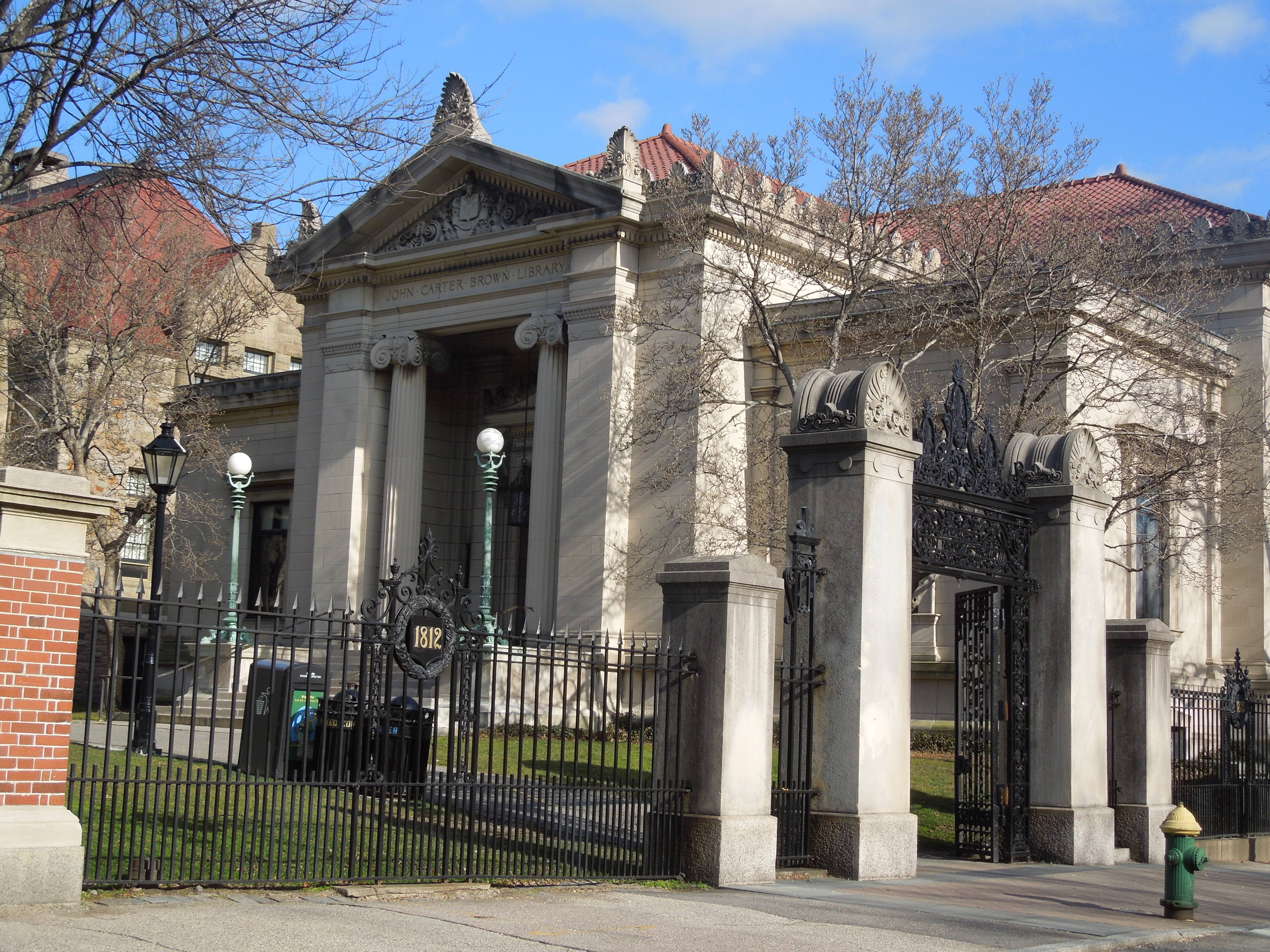
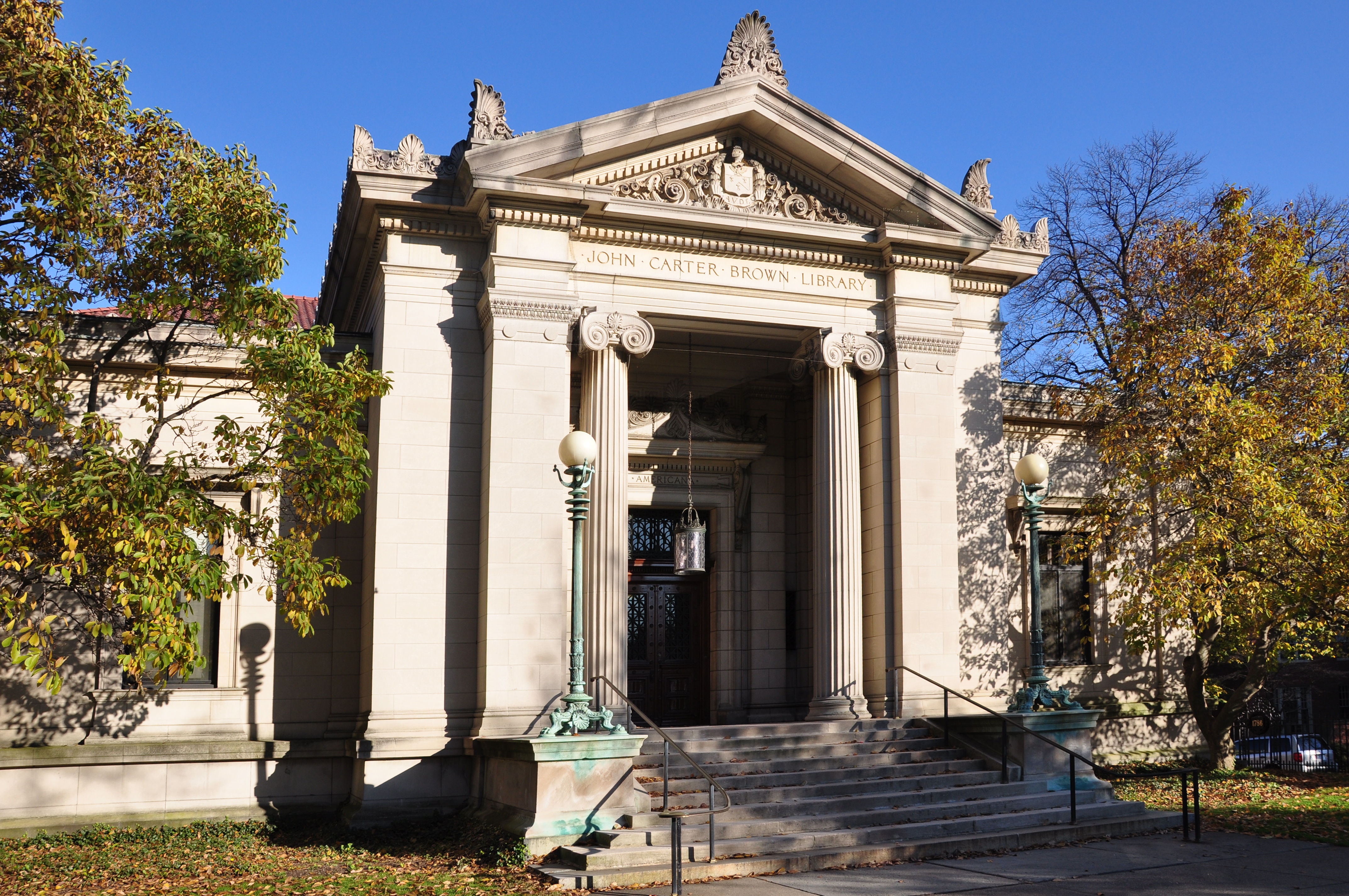
John Carter Brown Library, in Providence, with 1990 addition at right. (Photo by David Brussat)

John Carter Brown Library, in Providence, with 1990 addition at right. (Photo by David Brussat)

Many older cities greet drivers with highway signs that say, for example, “Entering Historic Providence.” The capital of Rhode Island was founded in 1636, and the state’s youngest municipality, West Warwick, celebrated its 100th anniversary in 2013. Every city and town here may lay claim to being historic. But what brings tourists to “historic” places is not history but the quality of being “historical.”

Original 1904 John Carter Brown Library. (Photo by David Brussat)

Original 1904 John Carter Brown Library, facing Brown’s College Green. (Photo by David Brussat)

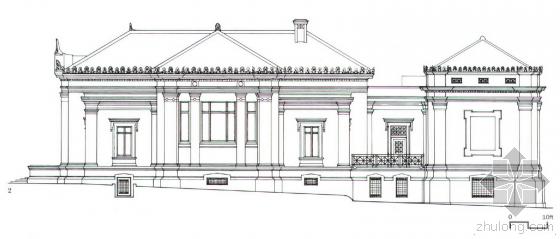
JCBL, George Street elevation. (photo.zhulong.com)

JCBL, George Street elevation. (photo.zhulong.com)

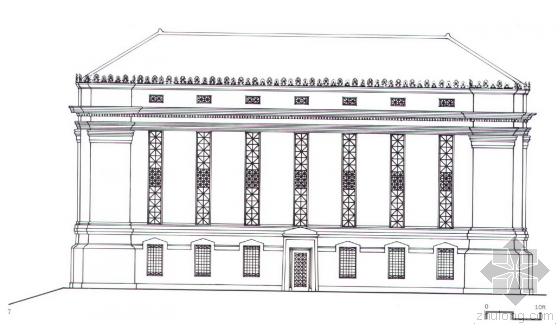
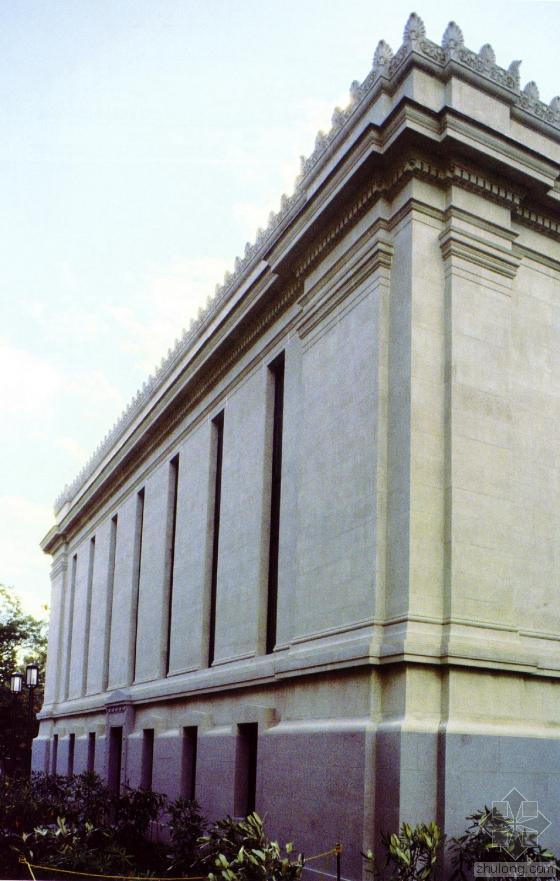
JCBL, rear elevation. (photo.zhulong.com)

JCBL, rear elevation. (photo.zhulong.com)

JCBL, rear elevation. (photo.zhulong.com)

JCBL, rear facade. (photo.zhulong.com)

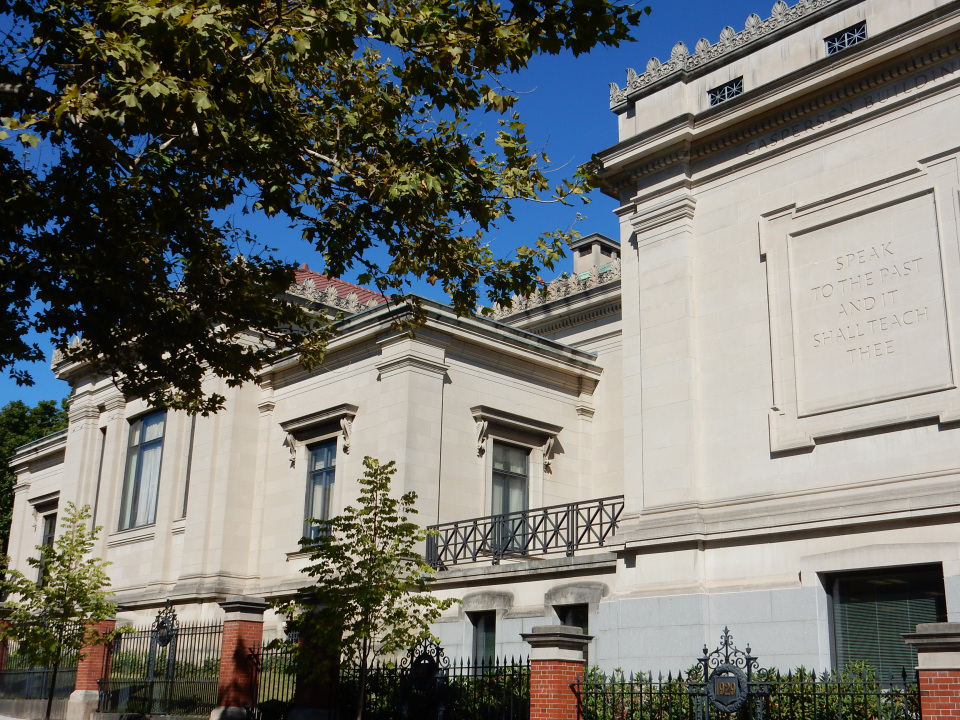
JCBL, George Street facades. (Photo by David Brussat)

JCBL, George Street facade. (Photo by David Brussat)

JCBL, front facade. (Photo by David Brussat)

JCBL, front facade. (Photo by David Brussat)

Most people don’t visit great old cities because history happened there. They don’t visit Paris because Marie Antoinette was beheaded there, or Rome because Emperor Nero fiddled while it burned. They come because Paris, Rome and other great cities are beautiful. And as it turns out, their beauty, while historic, is more precisely historical.

The layers of meaning that separate history from historic from historical, when peeled away, come down to beauty. Because history happened, the places where it did so are revered by local citizens, who exert greater diligence to maintain those places and to make sure they survive. For the people of a historic city, venerating their sacred places amounts to venerating themselves, honoring their role in preserving history. But of course they are not preserving history itself, they are preserving the sense of history, the historic, which is to say, the historical. History = historic = historical = beauty.

The pressure persists in a great city to preserve, say, a historic building like Notre Dame or the Pantheon, and that pressure spreads to nearby buildings, and to the surrounding district, and to the broader city. But by then it has dissipated, and in the name of progress and economic development city fathers allow new buildings decidedly ahistorical (or anti- historical) in appearance to be built. If a certain basic intelligence and self-preservationary instinct prevails, these ugly buildings are shunted off to La Defense or other such suburban enclaves. Alas, this sensibility is difficult to maintain and was defeated decades ago in some of the greatest cities, and remains suppressed in most. The fate of London springs to mind, of course. But the effort to revive it everywhere is among the most noble of human endeavors.

In Providence, where poverty more than pride has kept built beasts at bay, the examples of this revival are few. Perhaps the greatest is on the Brown University campus, where the John Carter Brown Library was completed in 1904, designed by the same firm that built the John Hay Library of 1910 (for a photo essay on the Hay, see my recent post “Garden party in Providence?“). The John Carter Brown expanded in 1990. Its addition, designed by Hartman-Cox, actually fits in. Walking along George Street, most passersby hardly notice that it is new, and if anyone told them so they’d probably be astonished that the library’s board of directors did not summon the usual alien space ship instead.

To feel a sense of awe at the beauty of a new building is a rare sensation indeed!

And yet anyone interested in looking will notice that the addition steps back in numerous ways to let those who care know that the original and the addition were built at different times. But the fact that the addition doesn’t jolt you into awareness of its newness puts the noses of some people in the design community way out of joint.

I wonder if there are any architectural historians working at the John Carter Brown who embrace another word rooted in the word history. I refer to “historicist.” Those marinated in modernist archibabble use the word historicist to condemn new buildings that look like old buildings. “They copy the past!” “They should reflect their era!” “They should not be allowed!” Historicism is the theory that modernists use to block new traditional buildings. So there is nowhere a level playing field for major commissions between the architecture of the past half a century and the architecture of the past 25 centuries. That a city hall should look like a city hall, a bank like a bank or a church like a church is deemed the most rank heresy by conventional architects and city planners today.

This is why most people are turned off by the built environment. Ignoring it is a defense mechanism so ingrained by now that the design of new buildings rarely emerges as a public issue. Reviving the sensibility that creates beauty in the places we live requires shaking the public out of its understandable reluctance to participate in the design of their own cities and towns. The built environment should have as many defenders as the natural environment.

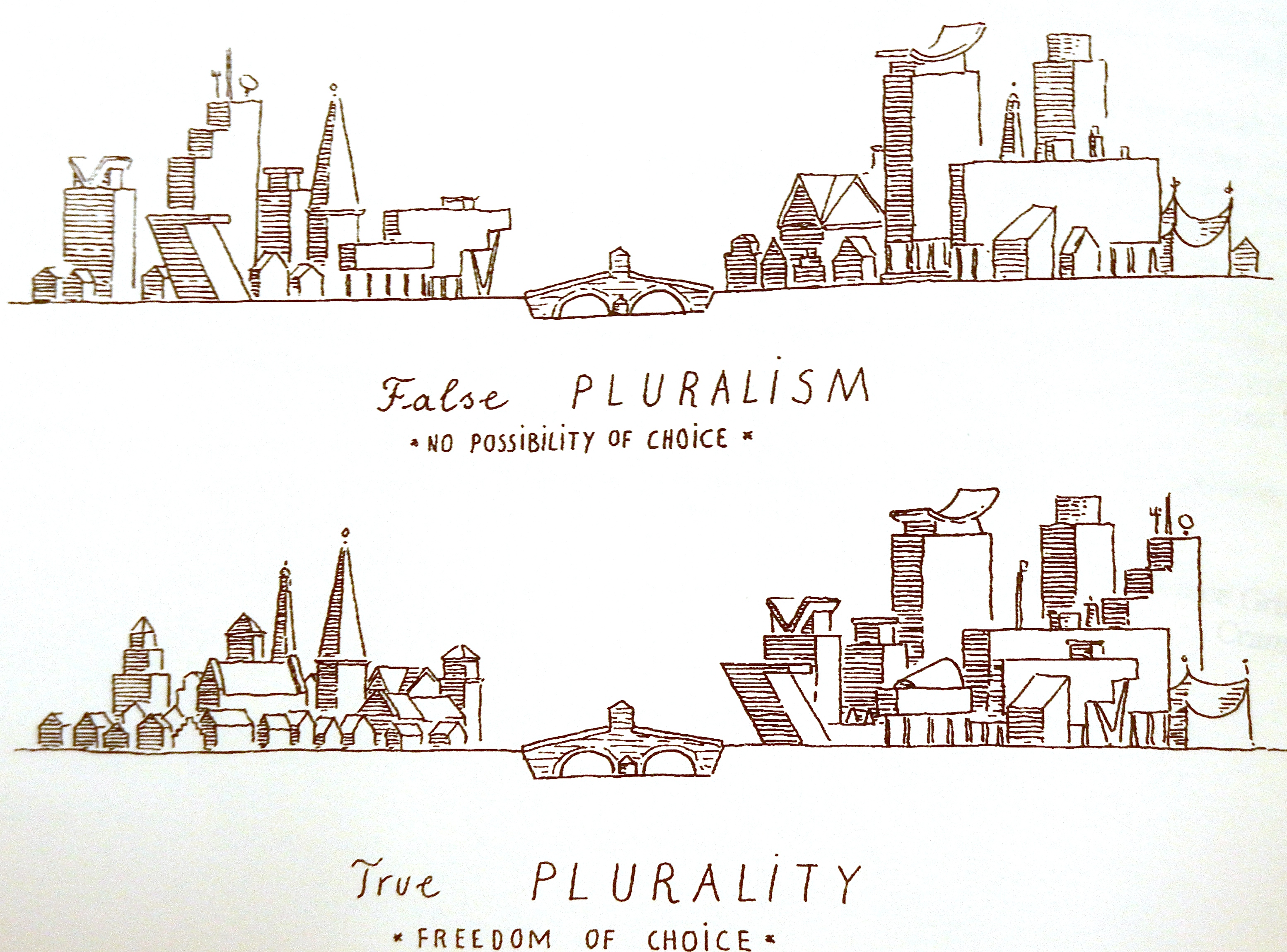
If this does not change, even the most beautiful municipalities will have to remove the highway signs that welcome people to their “historic” cities and towns. The architectural theorist Leon Krier pegged the truth in his cartoon below. Beautiful places build on their strengths. Ugly places kick their few strengths in the shin. A balance should be sought. Under the conditions of balance, I’d wager that beauty wins out, and quite swiftly.

“True Pluralism,” by Leon Krier. (Courtesy of the artist)

Posted in Architecture, Architecture Education, Architecture History, Development, Preservation, Providence, Urbanism and planning | Tagged , , , , , , | 2 Comments

Enigmatic at Bletchley Park

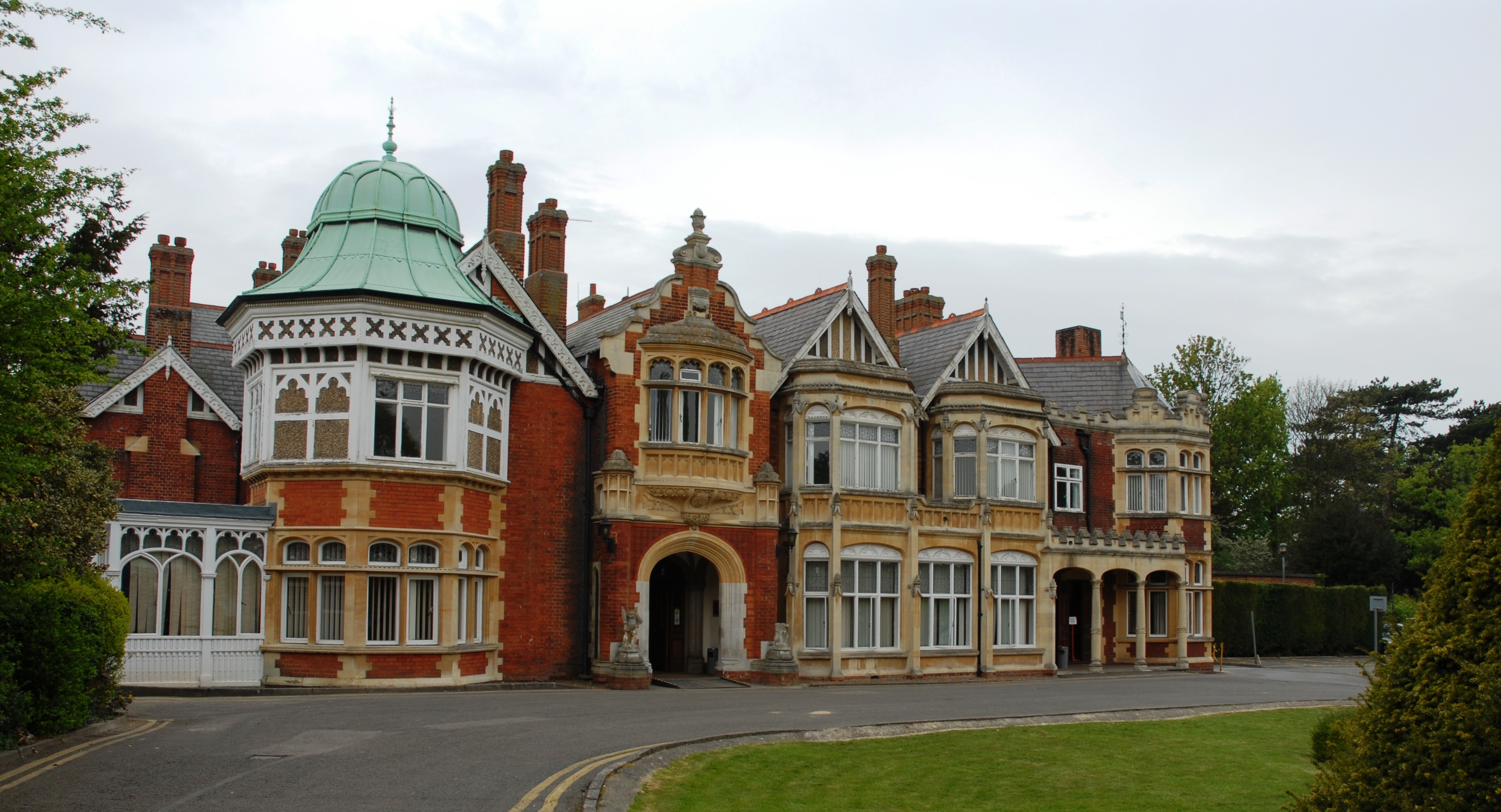
Bletchley Park, scene of the cracking of Enigma. (n4trb.com)

Bletchley Park, scene of the cracking of Enigma. (n4trb.com)

My ongoing investigation of the alleged widespread dislike of Victorian architecture at some point in the past – which I dispute – led me to this passage from Enigma, by Robert Harris, a novel about the quest to decipher the Nazis’ Enigma code during World War II. The British success at this, and the role of Alan Turing, was the subject of the recent movie The Imitation Game. Both the film and the book take place largely at Bletchley Park, the estate in the town of Bletchley north of London where the codebreakers had their quarters in a mansion described by fictional codebreaker Tom Jericho, the book’s protagonist. Turing plays just a minor role (so far at least) in the book. Harris is the author of Fatherland, from which I quoted twice in recent posts. Here is the passage from Enigma:

He seldom went into the big house these days but whenever he did it reminded him of a stately home in a twenties murder mystery. (“You will recall, Inspector, that the colonel was in the library when the fatal shots were fired …”) The exterior was a nightmare, as if a giant handcart full of the discarded bits of other buildings had been tipped out in a heap. Swiss gables, Gothic battlements, Greek pillars, suburban bay windows, municipal red brick, stone lions, the entrance porch of a cathedral – the styles sulked and raged against one another, capped by a bell-shaped roof of beaten green copper.

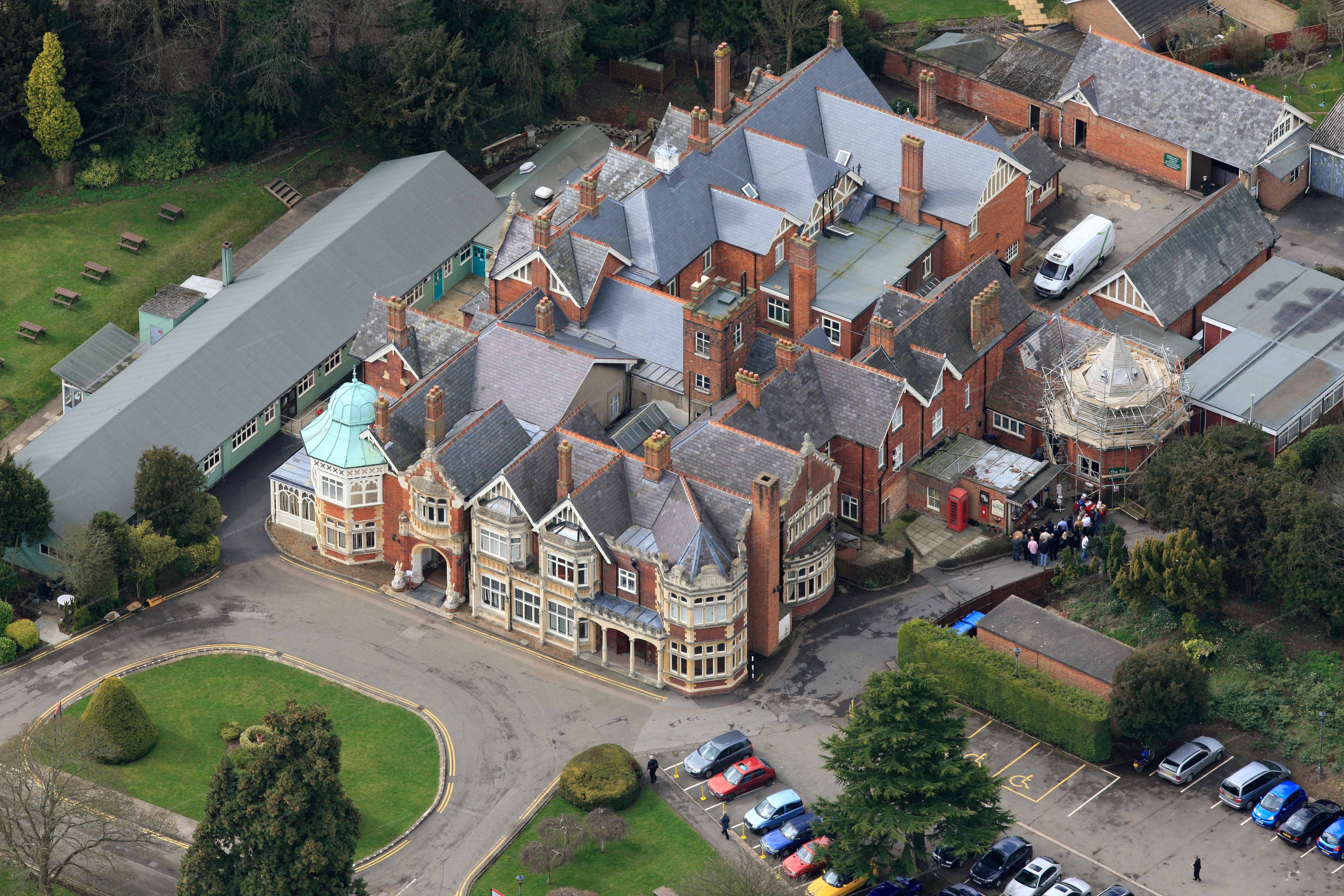
On rereading my transcription of the passage, I must admit to some astonishment that the word Victorian does not appear at all. But it might as well. Or maybe not. Maybe the bone I have to pick on this subject has led me astray in selecting this quote for the edification of readers. But does the description actually match the mansion, now a museum of cryptology, at Bletchley Park? I see the Gothic battlements, perhaps, but stone lions?  Look at the shots above and below and you get the impression that Harris was unpacking a load of his own architectural prejudices. Maybe. You decide.

Aerial view of Bletchley Park. (jerrygarrett.wordpress.com)

Aerial view of Bletchley Park. (jerrygarrett.wordpress.com)

Posted in Architecture, Architecture History, Book/Film Reviews, Books and Culture | Tagged , , , , , | 3 Comments

Garden party in Providence?

The John Hay Library at Brown. (Photos by David Brussat)

The John Hay Library at Brown. (Photos by David Brussat)

Enjoyed giving a tour of Providence to Gibson Worsham and family this morning, before the rain set in. My son Billy and I awaited the Worshams, Gibson and Charlotte, of Richmond, and their son Steve (“Bubba”), a first-year grad at the International Yacht Restoration School in Newport, who joined us.

Billy and I awaited their arrival at Brown’s Van Wickle Gate, with its twin granite benches. One affords a view of the John Hay Library (Shepley, Rutan & Coolidge, 1910) and the John D. Rockefeller Jr. Library (Warner, Burns, Toan & Lund, 1964). John D. Rockefeller Jr. attended the dedication of the library and is said to have expressed dismay that students were already calling it “The Rock,” to which his neighbor on the rostrum replied that he should rejoice that they’re not calling it “The John.”

DSCN7378

Elephant Column at Rhode Island Hall.

Elephant Column at Rhode Island Hall.

You can easily guess which seat we chose. When the Worshams arrived we strolled through the glorious old campus and Gibson espied a pillar stuck in the ground before the restored Rhode Island Hall (James Bucklin, 1840). It is called the Elephant Column and is a reconstruction of a capital from the Great Temple of Petra excavation in Jordan.

Gibson wondered whether Andres Duany might covet a shot of the Elephant for his Heterodoxia project. But later I thought back to the Hay Library and wondered about the notion of heterodoxy in classical architecture. The Hay, with its bust of Dante, looks as orthodox as can be imagined (to my untrained eye). A marble box lightly encrusted with seemly typical classical ornament. But this array of embellishment is so robustly evocative as to call into question the idea of creativity versus convention at the upper rungs of architectural practice. A canon, it seems to me, is designed not to enforce conformity but to challenge the artistic imagination. It is hard to conceive of overt creativity superior to the completely natural and unforced ingenuity that enlivens the façade of the Hay.

I was pleased to show the Worshams much of interest in Providence, but the weather was threatening and while the rain largely held off the sky was not in a cooperative photographical mood, so I took few pictures. These, mostly of the Hay, were shot before the sun’s expected disappearance (delayed far beyond what the weatherman had predicted, thankfully).

[I erroneously placed the old Department of Egyptology, now the Department of Egyptology and Assyriology, in Rhode Island Hall. It is actually in Wilbour Hall, just south of The John, at the northwest corner of Prospect and George streets, near Rhode Island Hall at the southwest corner of the Campus Green.]

DSCN7398 DSCN7359 DSCN7364 DSCN7362 DSCN7386 DSCN7390 DSCN7392 DSCN7381

The List Art Center, by Philip Johnson, looks like an inept addition to the John Hay. It is separate.

The List Art Center, by Philip Johnson, looks like an inept addition to the John Hay. It is separate.

Posted in Architecture, Architecture Education, Architecture History, Art and design, Photography, Providence | Tagged , , , , | 4 Comments