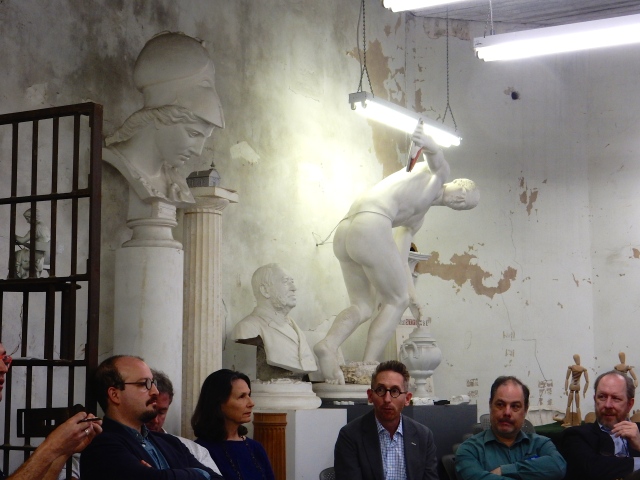
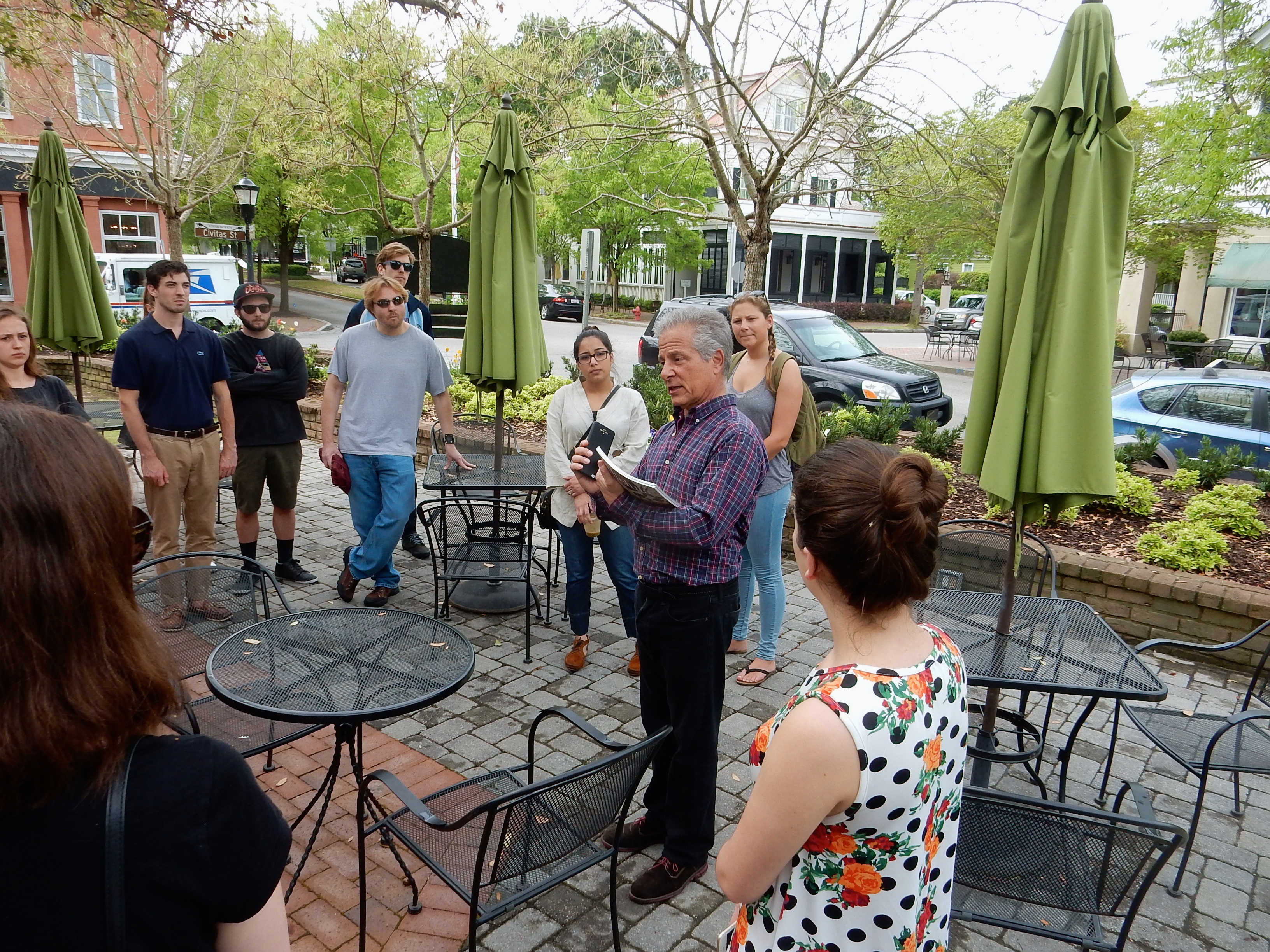
Members of the TradArch listserv, meeting in Charleston, discuss architecture’s future. (Photos by David Brussat)
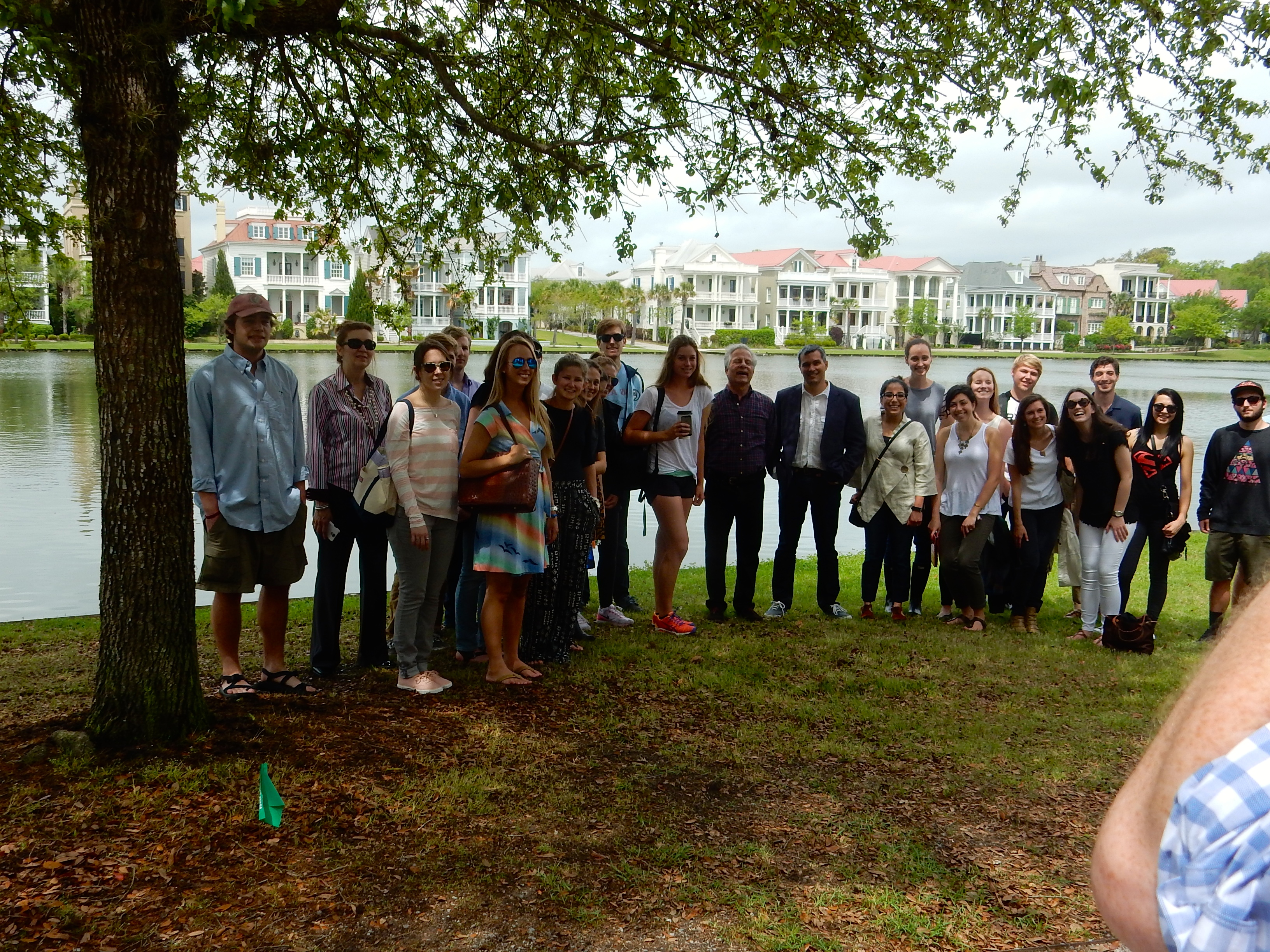
The gloves came off at TradArch on Sunday, not in the least a day of rest but one on which a host of disputes were engaged. Nothing was resolved, or was likely to be resolved. Each time a voice rang out, trenches on the battlefront advanced or retreated by inches. If anything the trenches were dug deeper. Still, there were soccer games in no-man’s land. Angels danced on the heads of pins. Faces were attached to posts. The TradArch list’s members finally greeted each other and shook hands at a central location. A good time was had by all. Another “garden party” is already in the thinking stage.
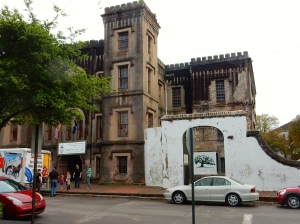
The Old City Jail, headquarters of the ACBA.
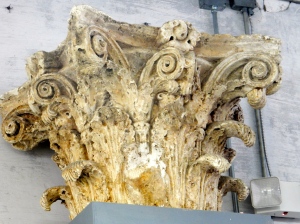
A Corinthian capital graces a classroom at the ACBA.
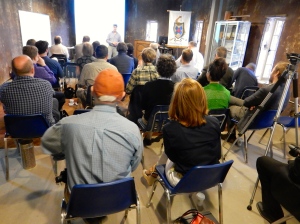
Attendees listen to Patrick Webb describe architecture of the seminar.

Left to right: Anthony James, Padiac “Paddy” Steinschneider, Jenny Bevan, Christopher Liberatos, Patrick Webb.
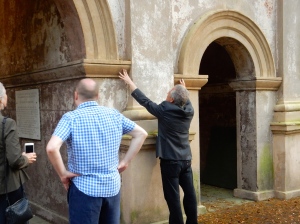
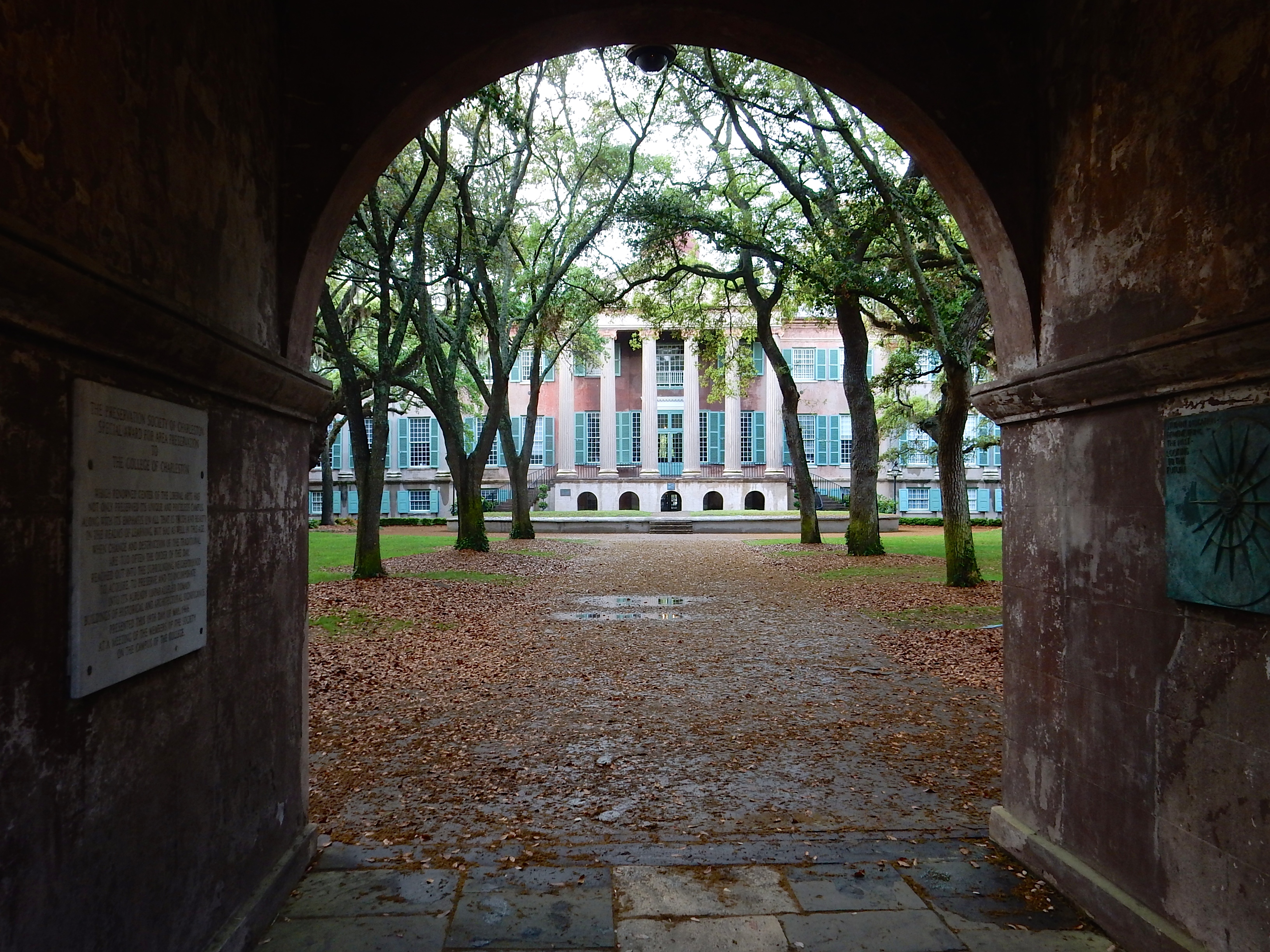
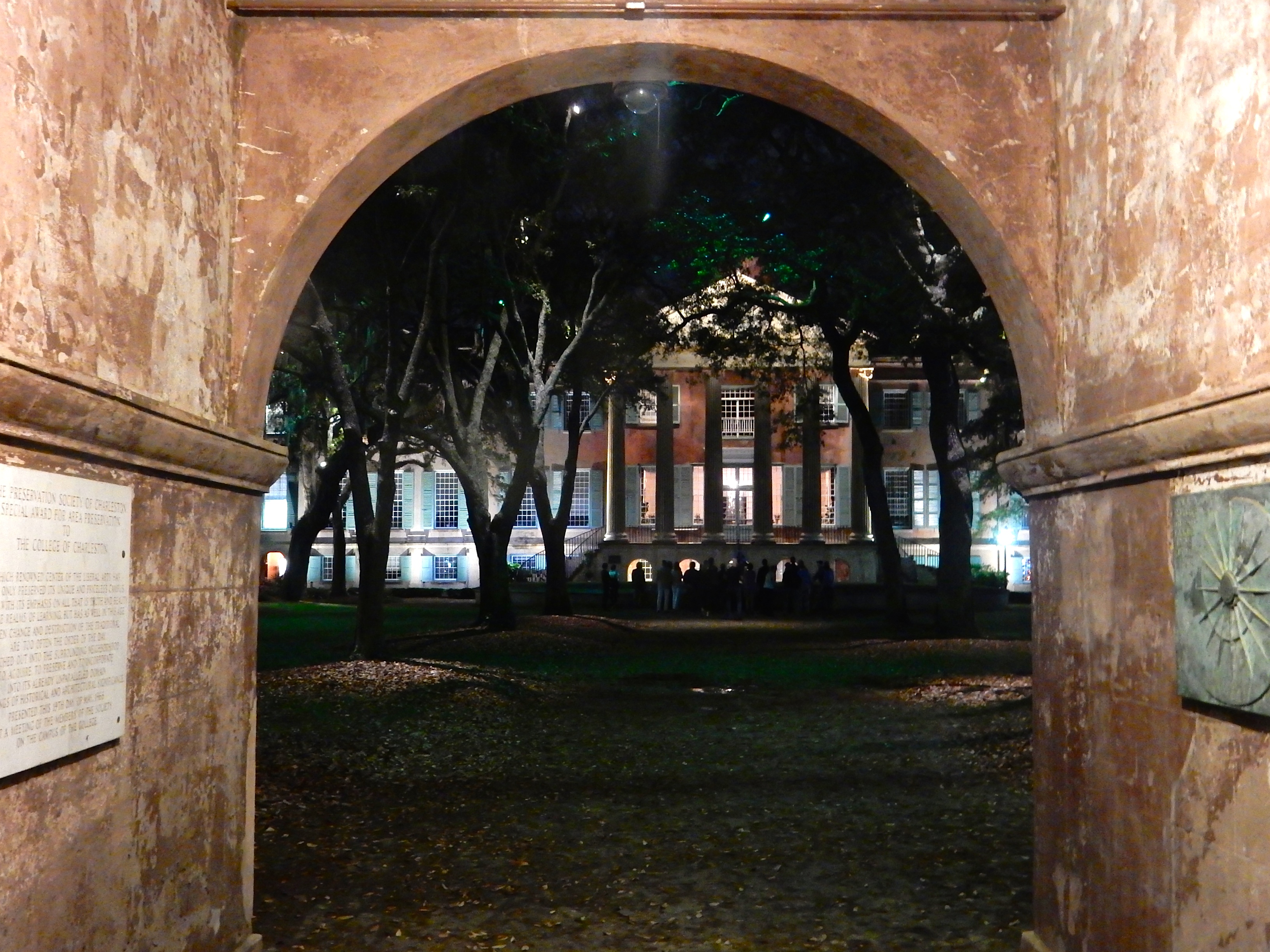
Andres Duany, with Nathaniel Walker and Katherine Pasternak, finds flaw in archway leading into College of Charleston.
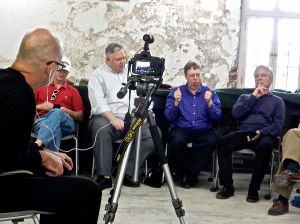
Andres Duany gestures for attention to Bruce Donnelly’s point.
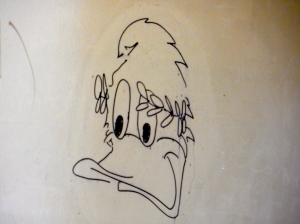
Donald Duck as Roman hero sketched by student at ACBA and hung up on wall of seminar.
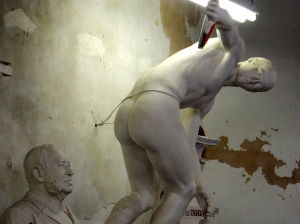
Detail of top photograph.
An event planned by “open source” – that is, everyone getting in a room and hashing out topics and schedule by show of hands – is doomed to be messy, and it was. But throw in the parties the evening prior and the tours the day after, and perhaps @TradArch transcended the schismatic fever that prevailed through much of Sunday.
The American College of Building Arts and the College of Charleston, which sponsored the event, deserve everyone’s thanks. The Old City Jail, where the ACBA is headquartered, was a suitably evocative location.
Two principal arguments fed the schism whose persistence among threads on the TradArch list generated this meeting. One is the dispute between orthodox and heterodox classicism. The other is the dispute over whether classicists should use natural materials and traditional fabricating techniques exclusively or man-made materials and advanced fabricating techniques when required by client budgets. I would add a third, the dispute between education or activism as strategies to emphasize in pushing back against the dominance of modernist practice. Of course, education is vital to every facet of the effort to continue the revival of classical and traditional architecture – and there are other disputes in this schism.
I was asked by Patrick Webb, of the ACBA, to open the first session – videotaped by Steve Mouzon. “The built environment deserves to have as many defenders as the natural environment,” I declared. I began to map out a strategy for turning architecture into an effective nonpartisan political issue across the nation. As often happens in largely untethered discourse, I lost control and my monologue was transformed into a dialogue on the closely related question of how to best “frame” the promotion of classicism. Contenders went back and forth on how the public relates to traditional versus modern design.
For example, Dwell magazine was cited again and again. It promotes a modernist lifestyle played out in glass houses. But nobody mentioned the popular reaction against the lifestyle promoted by Dwell, epitomized by the blog Happy Hipsters, which features photographs from Dwell with captions reflecting the real feelings of the victims of such architecture. In one case, a man sits on a stool at the bar in his open-plan living room. The caption reads, “He knew to wait until the skies were clear before he re-entered the kitchen.”
Put that in your glass box and smoke it! People who live in … ah, forget it!
I missed one round of paired sessions, but my impression was that the discussion was dominated by a succession of classicists attempting to deflect the conversation in the direction of their own preferences and interests. That doesn’t mean it wasn’t useful.
An action photo I took amid the heat of one discussion shows Andrés Duany, leader of the New Urbanist movement and, recently, consultant to Charleston, shushing someone interrupting a point being made by architectural theorist Bruce Donnelly.
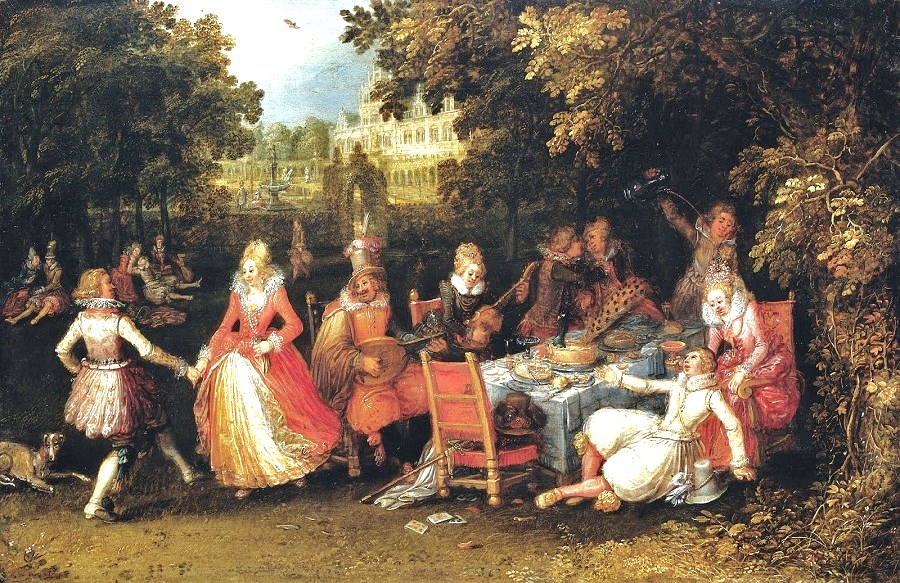
Duany and Chrisopher Liberatos, who with his wife Jenny Bevan own a design firm in Charleston and uphold what Duany calls the “Palladian” discourse, from which the “garden party” imagery arose, were the most vocal advocates of their respective sides of the schism. (See video at end of post.)
By the end of the day, no faction seemed to be entirely reconciled with its rival, but each side better understood the other. There were some sharp exchanges but no fisticuffs. A roundup session later in the evening was subsumed in the bonhomie of beer.
Michael Mehaffy, an urbanist from Portland, Ore. (formerly with the Prince’s Foundation on the Built Environment, in Britain), who comes as near as anyone to bridging the schism, has submitted to TradArch for comment a list of principles emerging from the weekend. Liberatos and Bevan, with others, are working on a Charleston Charter to try to kick the modernists out of the bed of the preservationists (or, actually, vice versa). Duany has, it seems, reached the final stages of his treatise, the Heterodoxia, which traces the classical discourse through 600 years of doctrine and practice, framing an effort to put it back on track – a “call to order” – after decades, even centuries, of “drift.” (Fatuous journalist disclosure: I am editing the latest version of the treatise.)
I declare on a stack of bibles that my editing has nothing to do with the fact that Liberatos & Co. will be astonished at the Heterodoxia’s reverence for and deep understanding of the orthodox classical canon. Everyone seems to think Duany seeks to undermine it. Even his editor fears the winner of the 2009 Driehaus Award might go too far, not just recapturing some late-19th century classicists from the modernists but rebranding as “classical” some 20th-century modernists who should be left to stew in their own ridiculous juices. Be that as it may (and it may not be cast in stone), Duany’s recognition of classicism’s superiority, by far, to modernism rings clear throughout the document.
The first of the two presentations Duany managed to squeeze into Sunday’s tight schedule was about Léon Krier’s recent lecture in which he redesigns some of modernist founder Le Corbusier’s old buildings. What Duany should have said is that Krier, who is famous for his tart architectural cartoons, didn’t go far enough. Even classicists who have risen above their modernist “education” often retain a devotion to the fraudulent sophistication of the heroic early modernists, especially Corbu. In fact, the best way to redesign Corbu is with a stick of dynamite.
Duany’s second lecture explained his treatise, part of which is a history of treatises in the discourse of classical architecture. Listening to his lecture was Katherine Pasternak, who is among the four authors of the Heterodoxia. Her collection of original editions of the major classical treatises, about 150 documents, and her conversations with Duany about them, has been of immense influence on the Heterodoxia’s analysis of how the famous early treatises (Vitruvius, Palladio, Serlio, etc.) and their “human, all too human” characteristics caused classical architecture’s original schism.
The take-away from @TradArch? It may be that if the original schism planted the seeds of today’s classical disputations, modern schismatics should yet be mindful that they have in common everything of importance – above all, a common enemy that can win in the long run only if classical architects embrace the strategy of the circular firing squad.
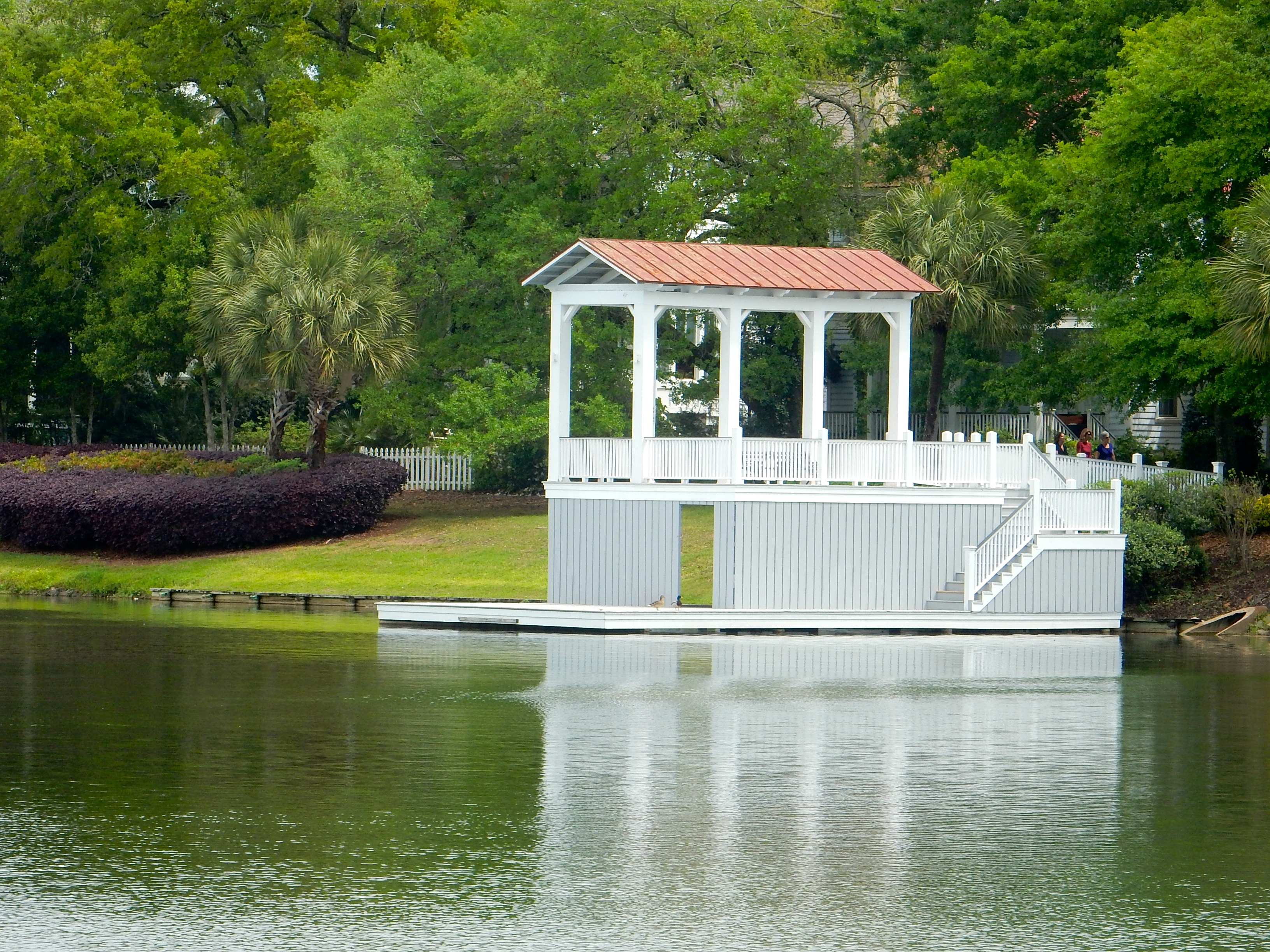
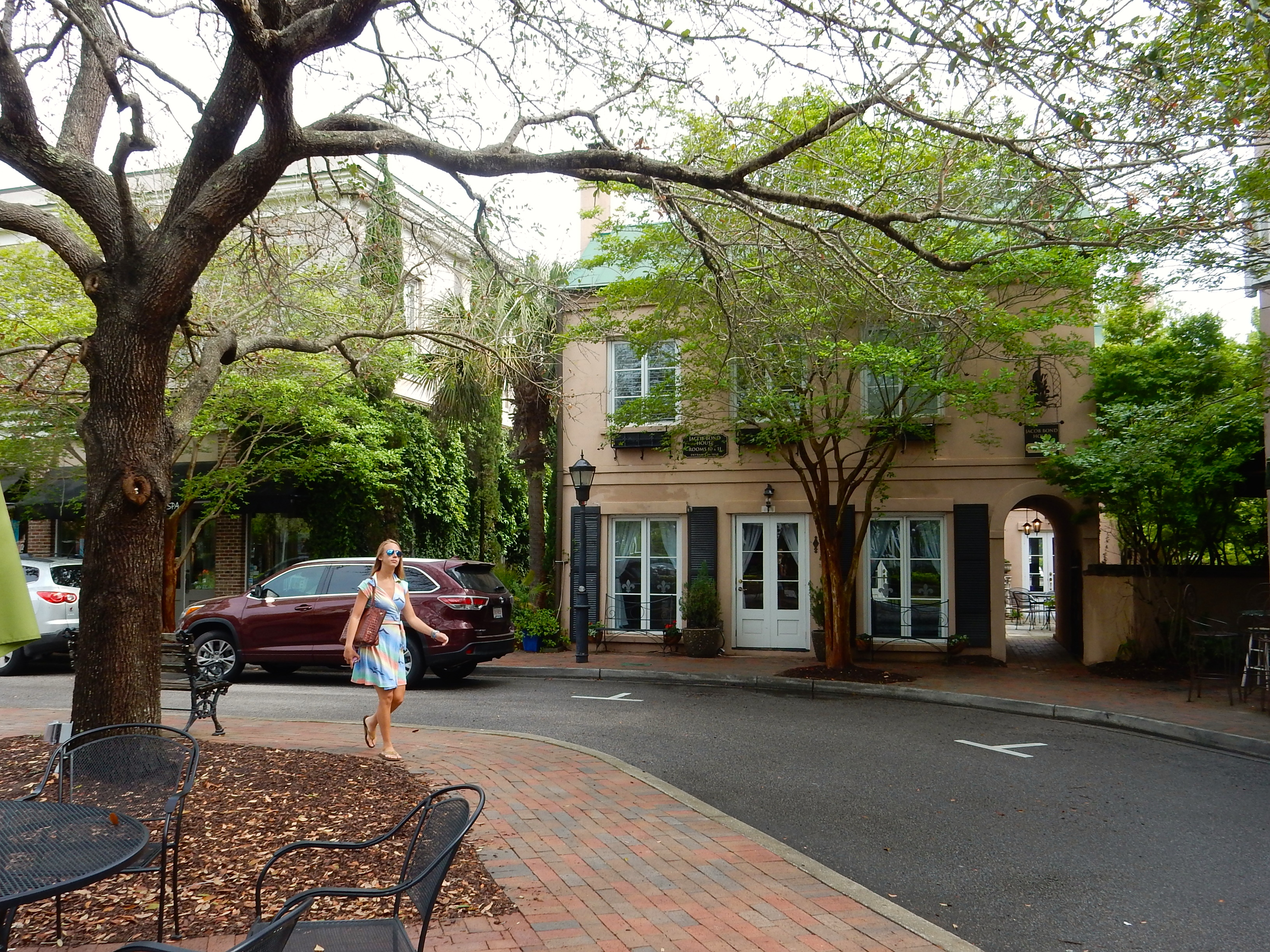
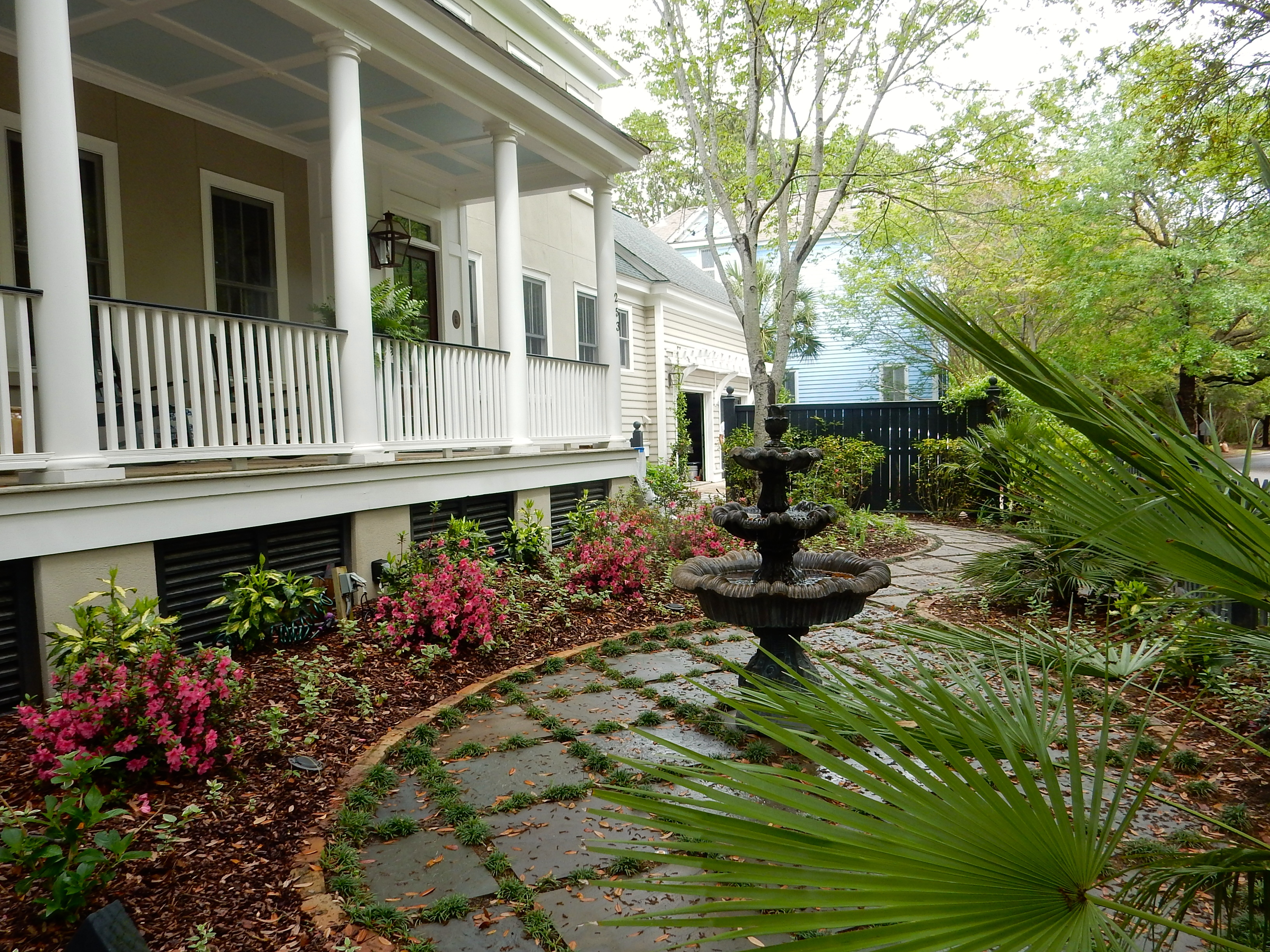
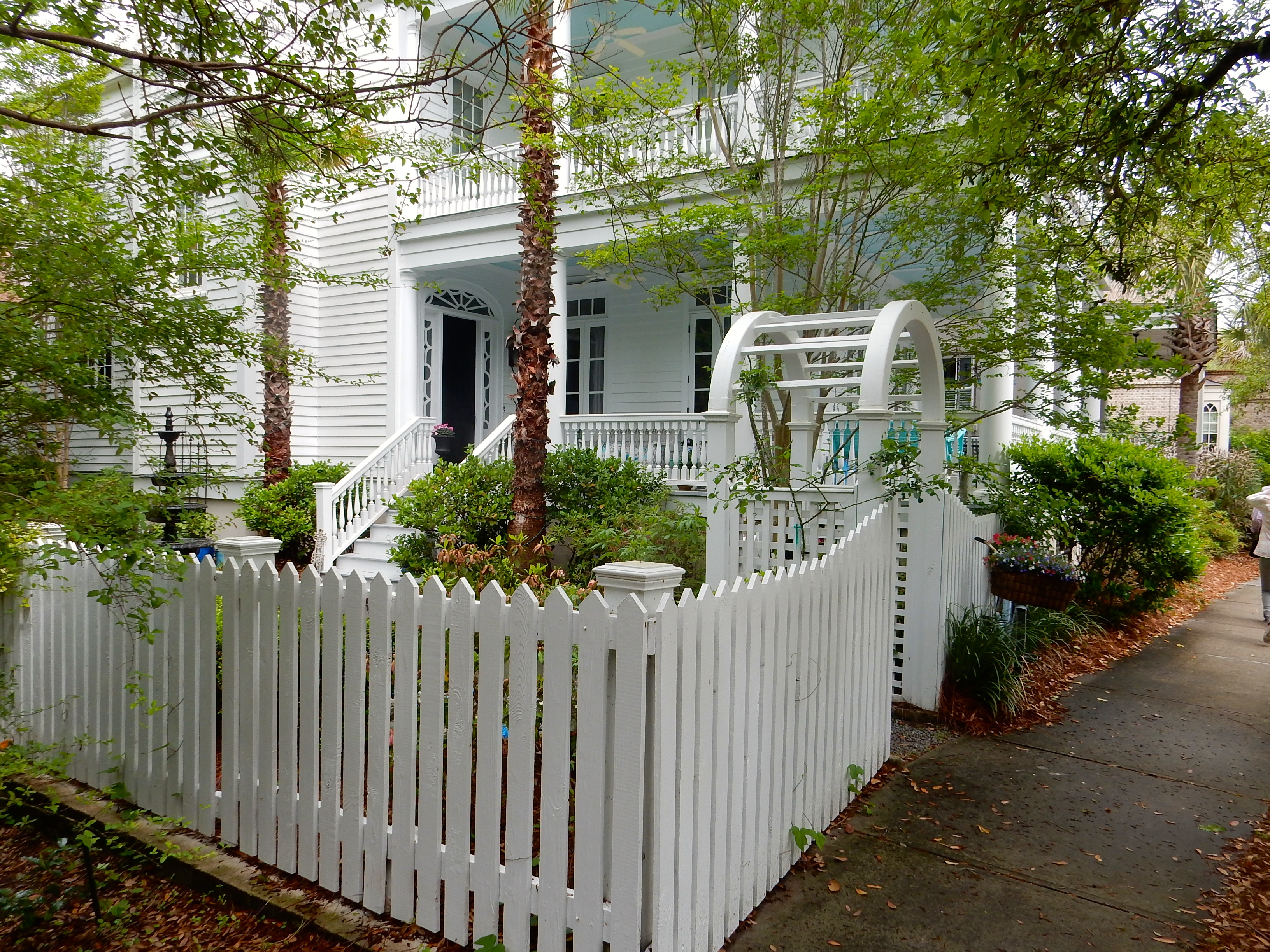
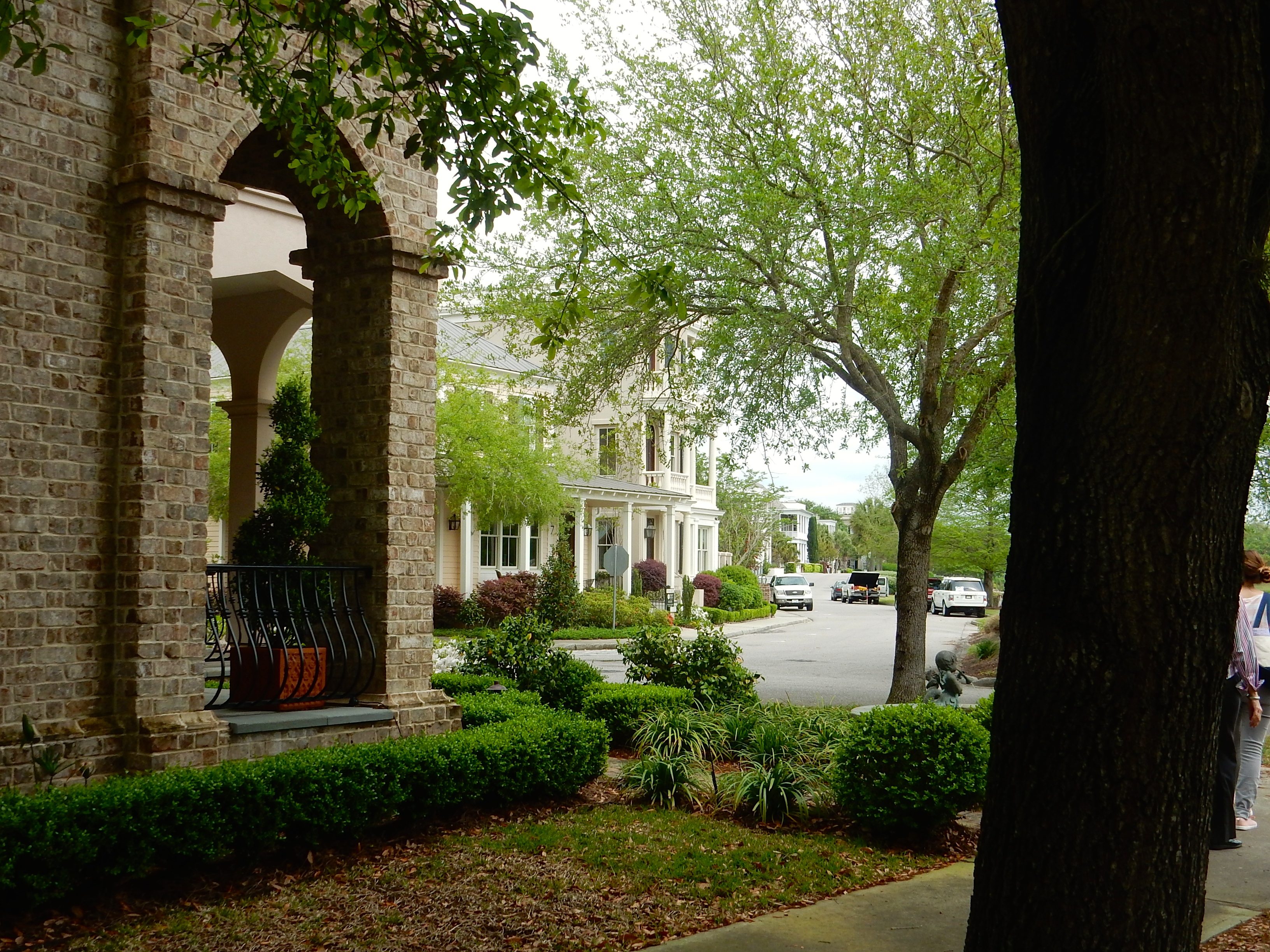
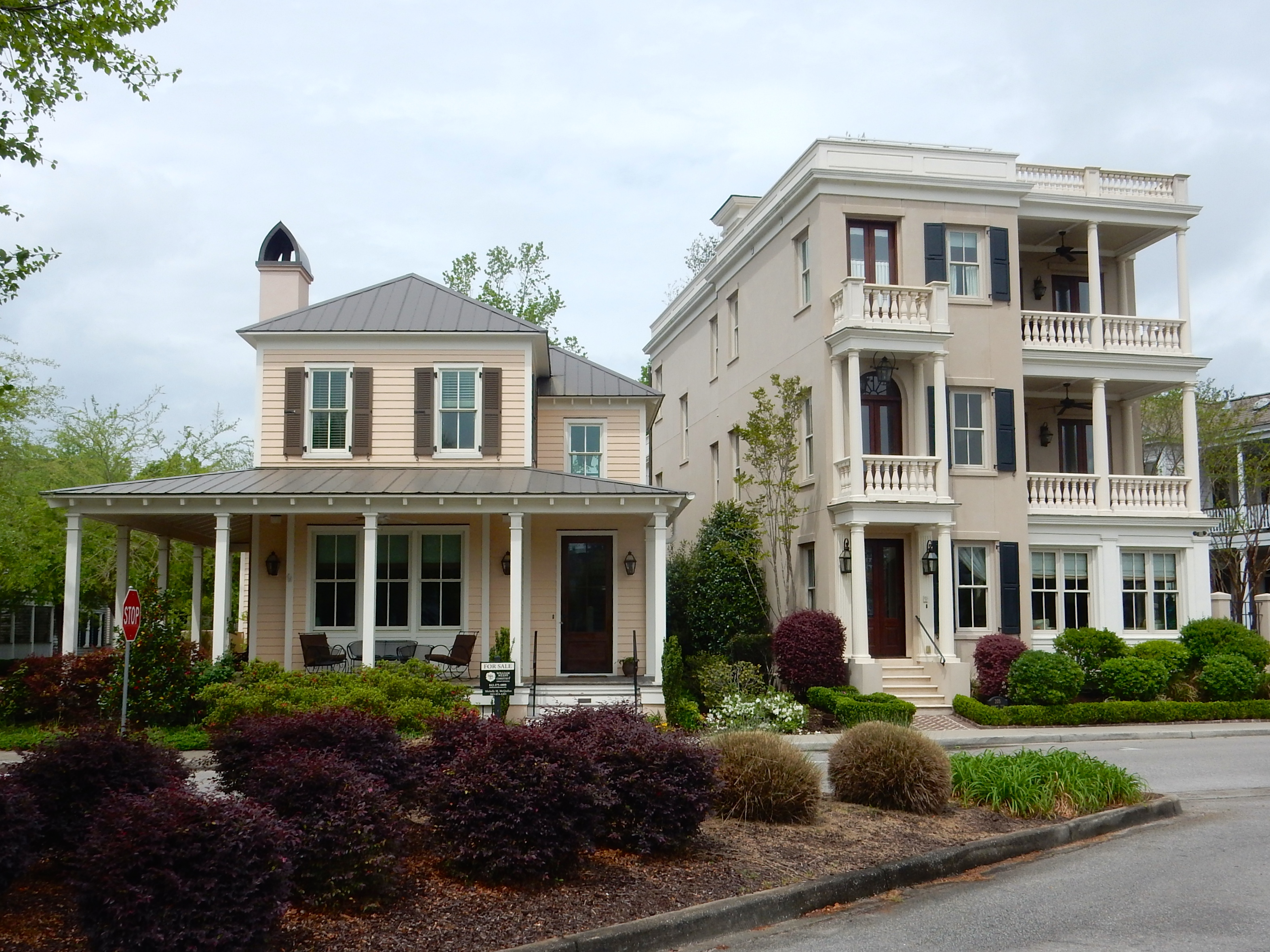
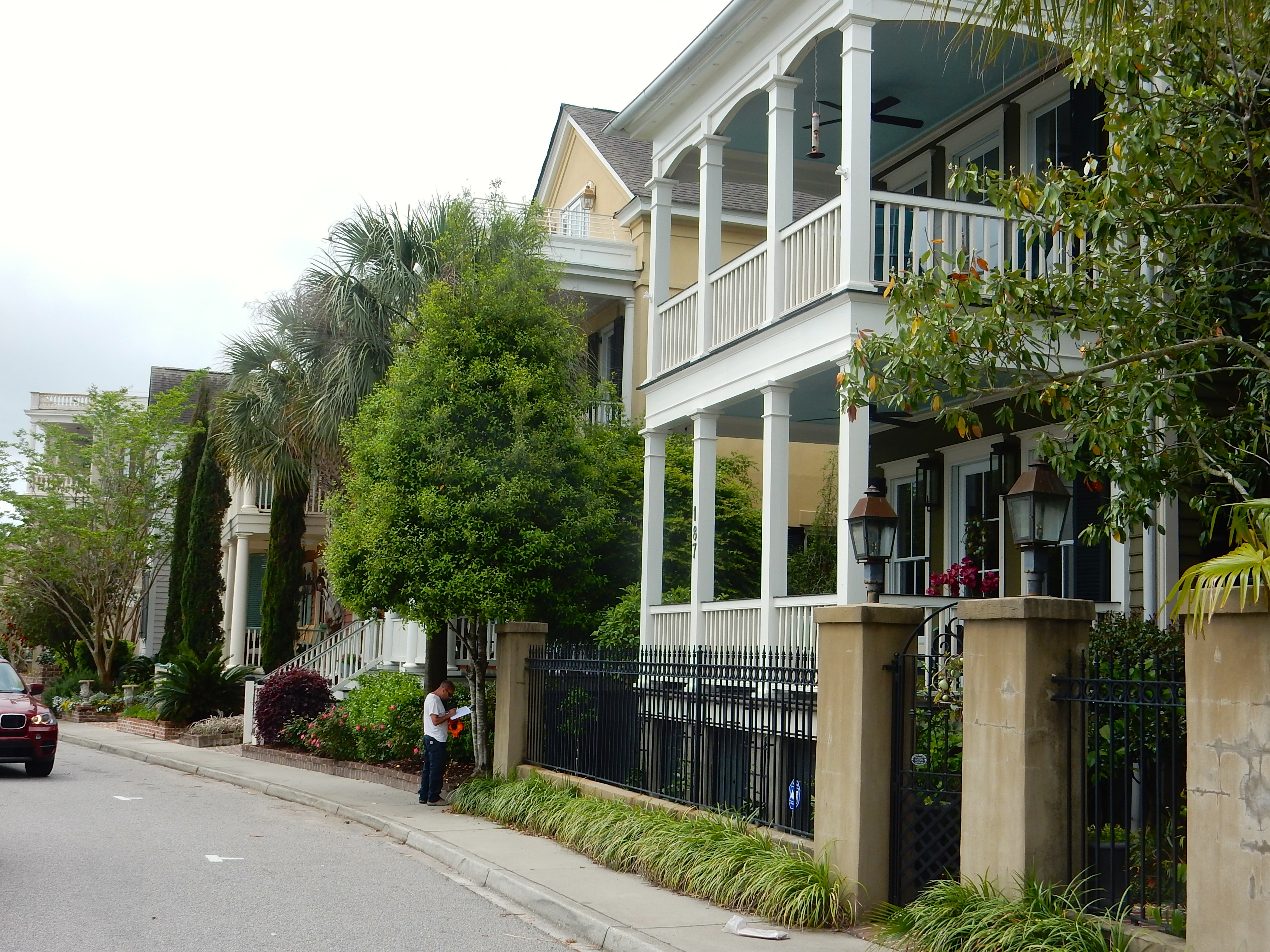
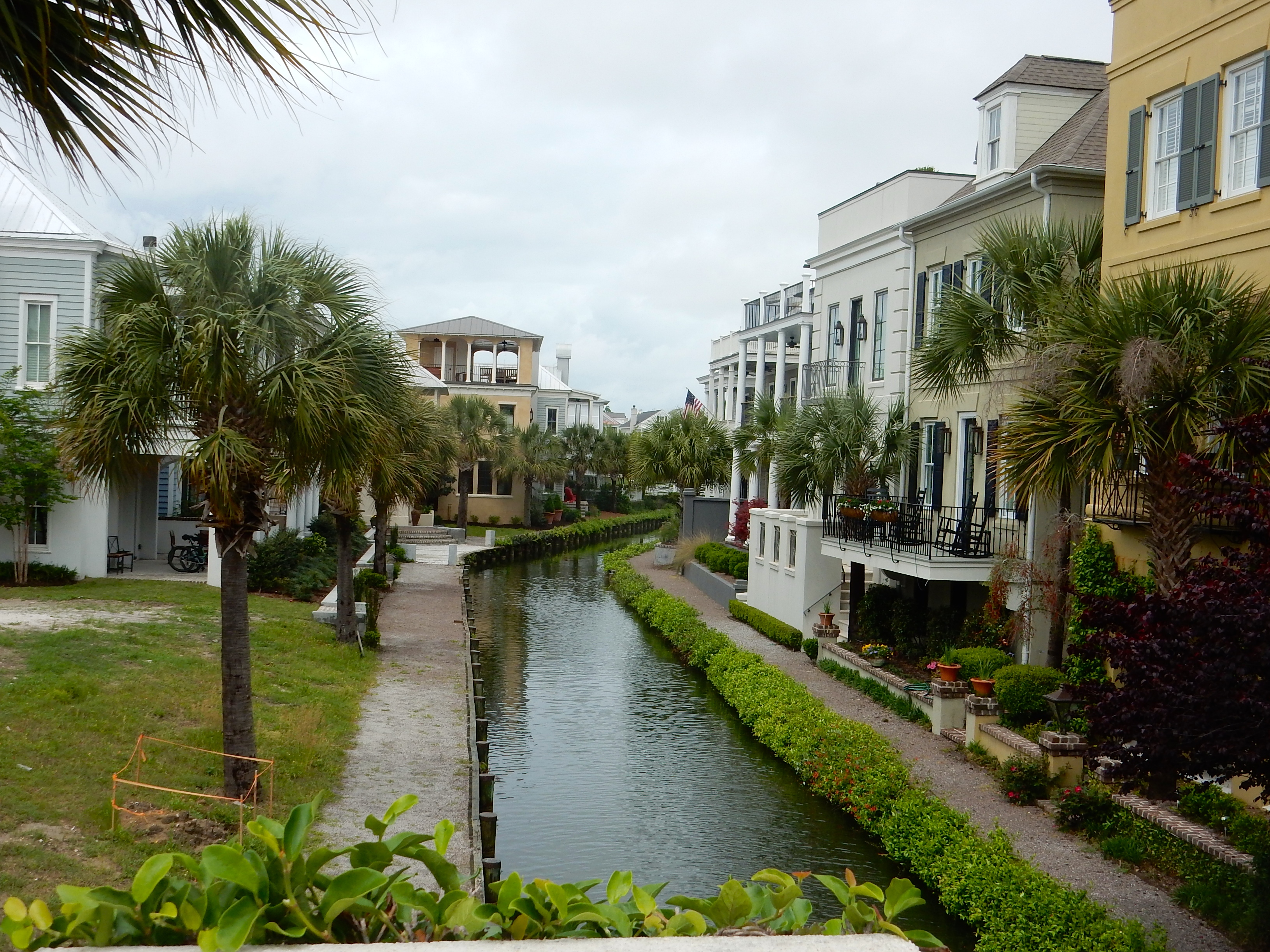
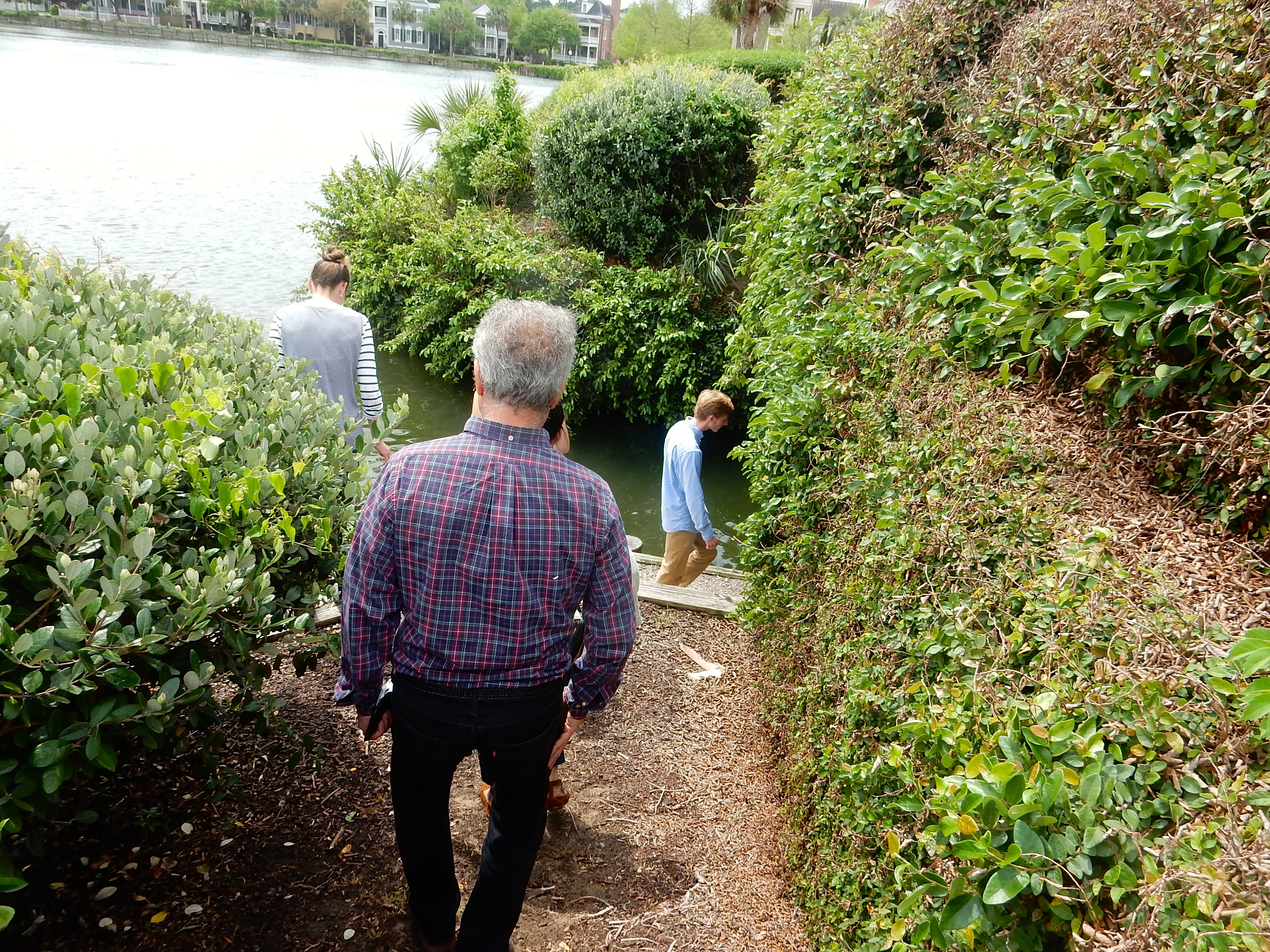
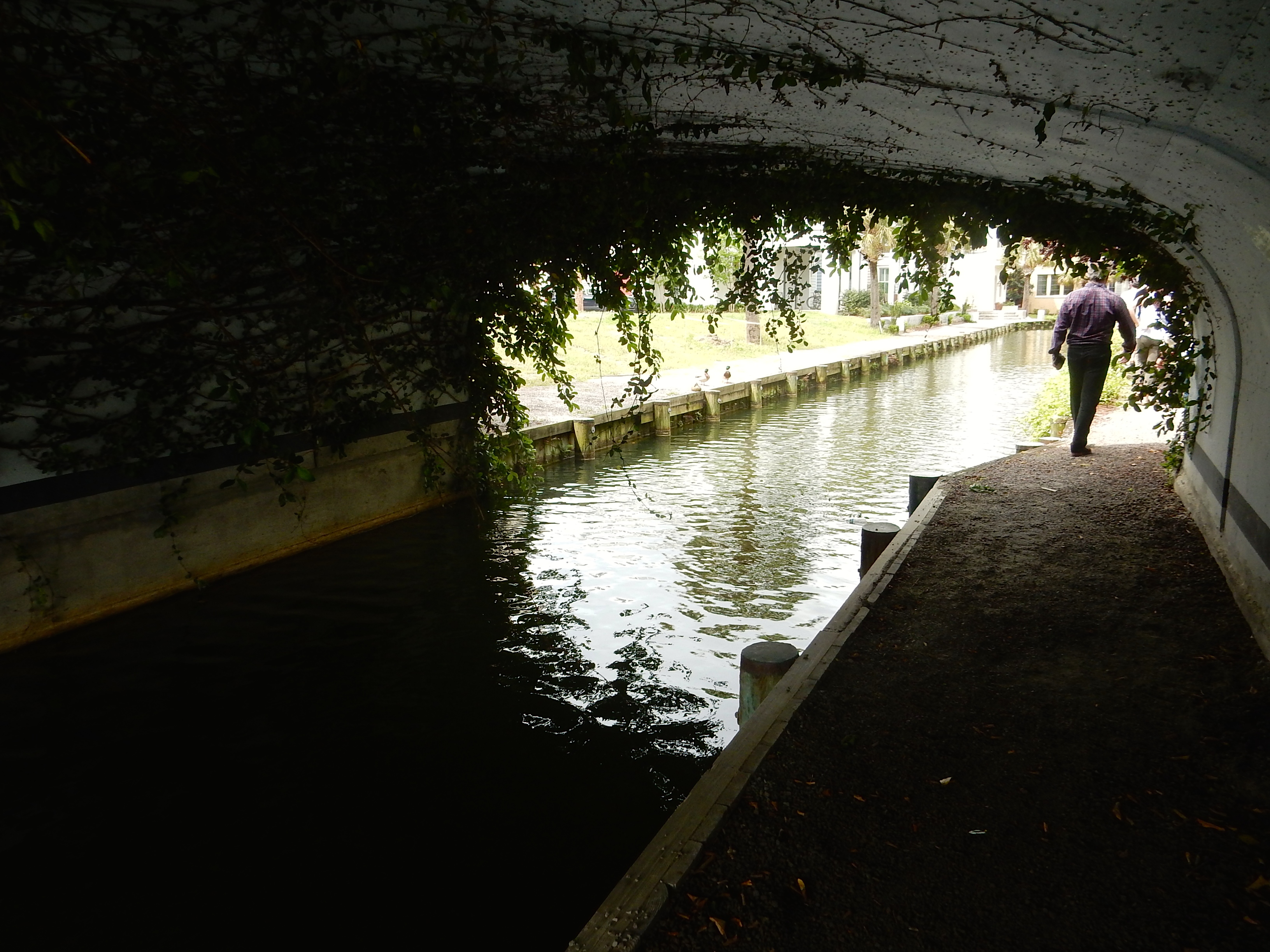
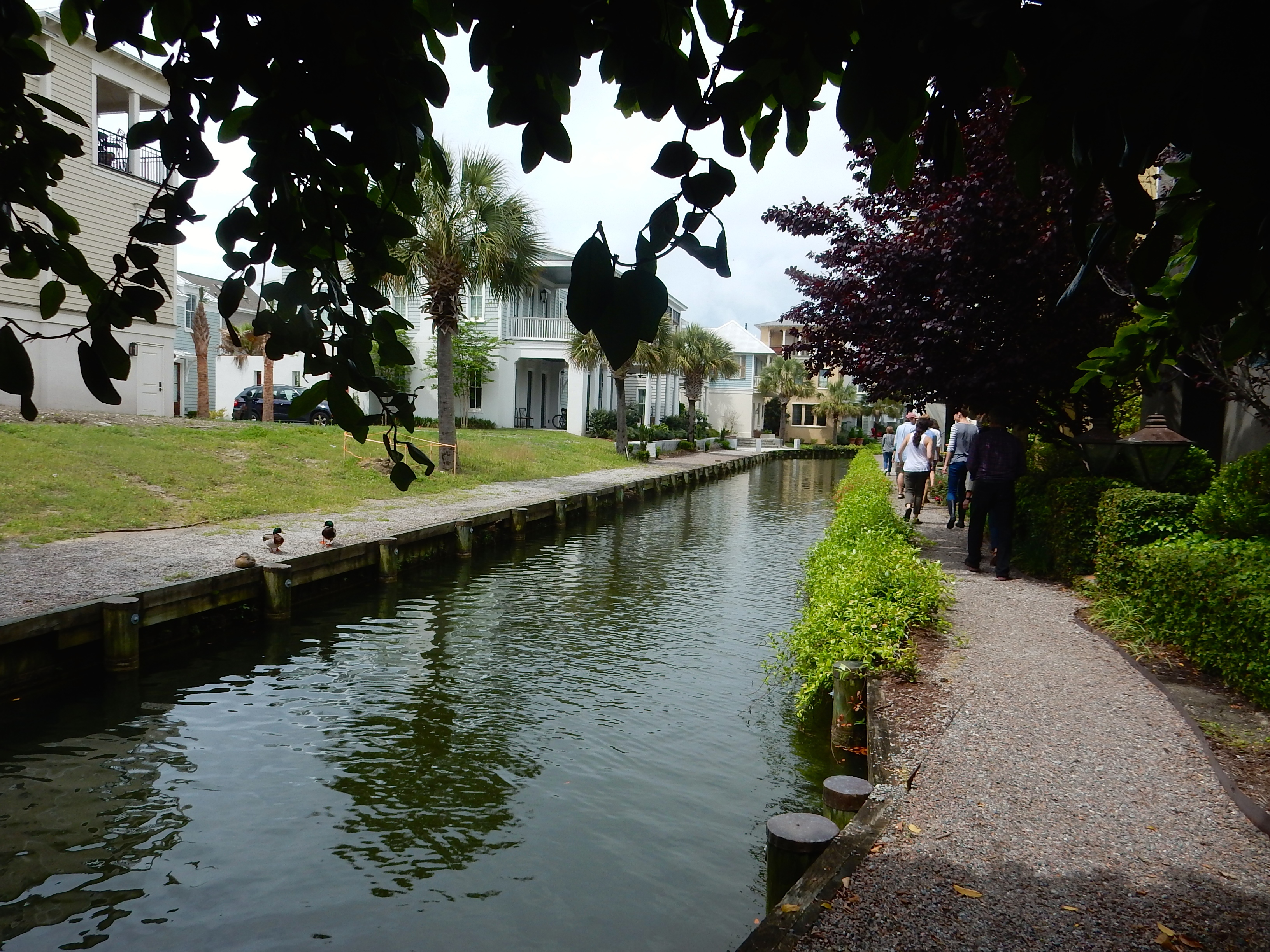
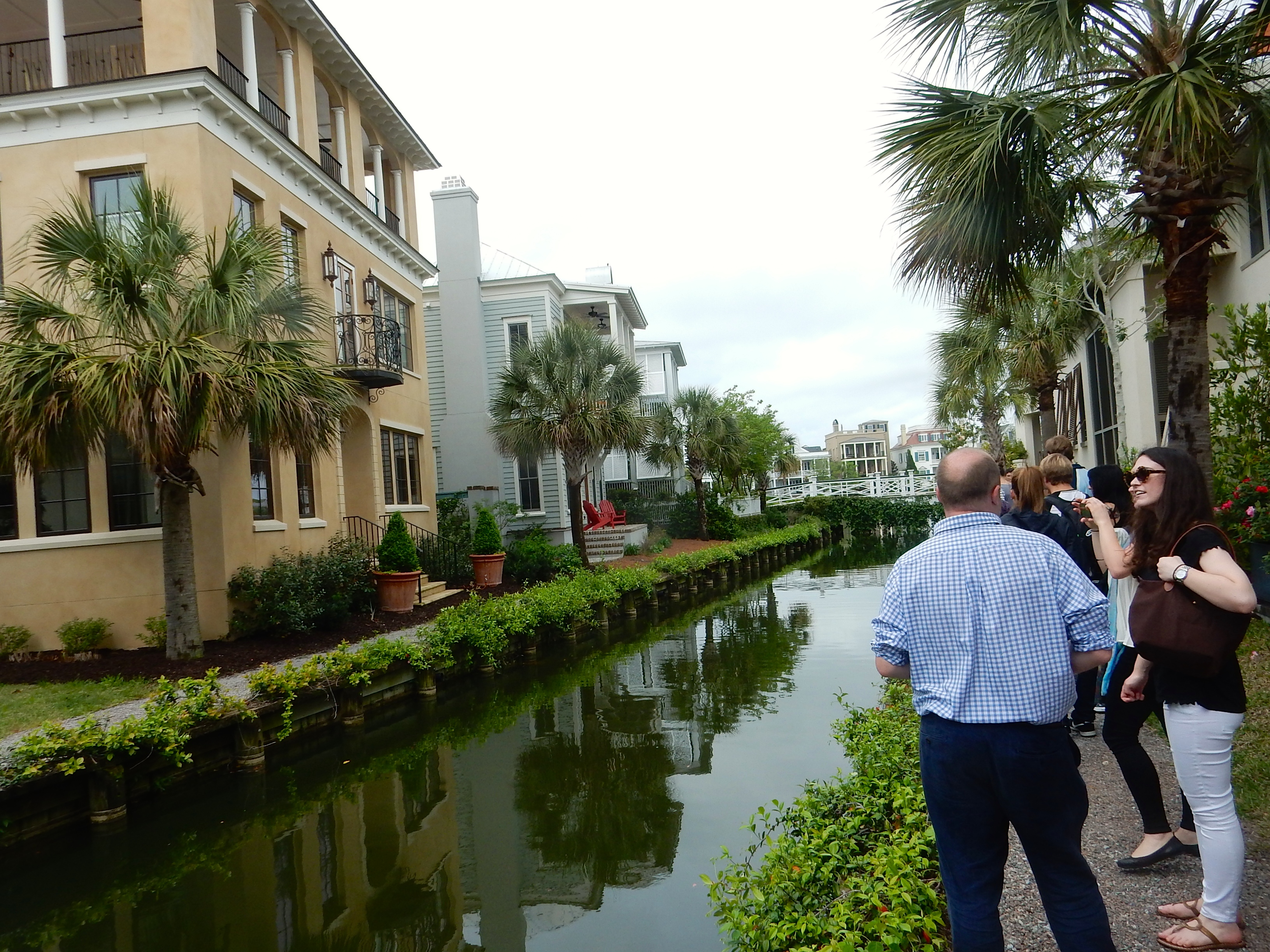
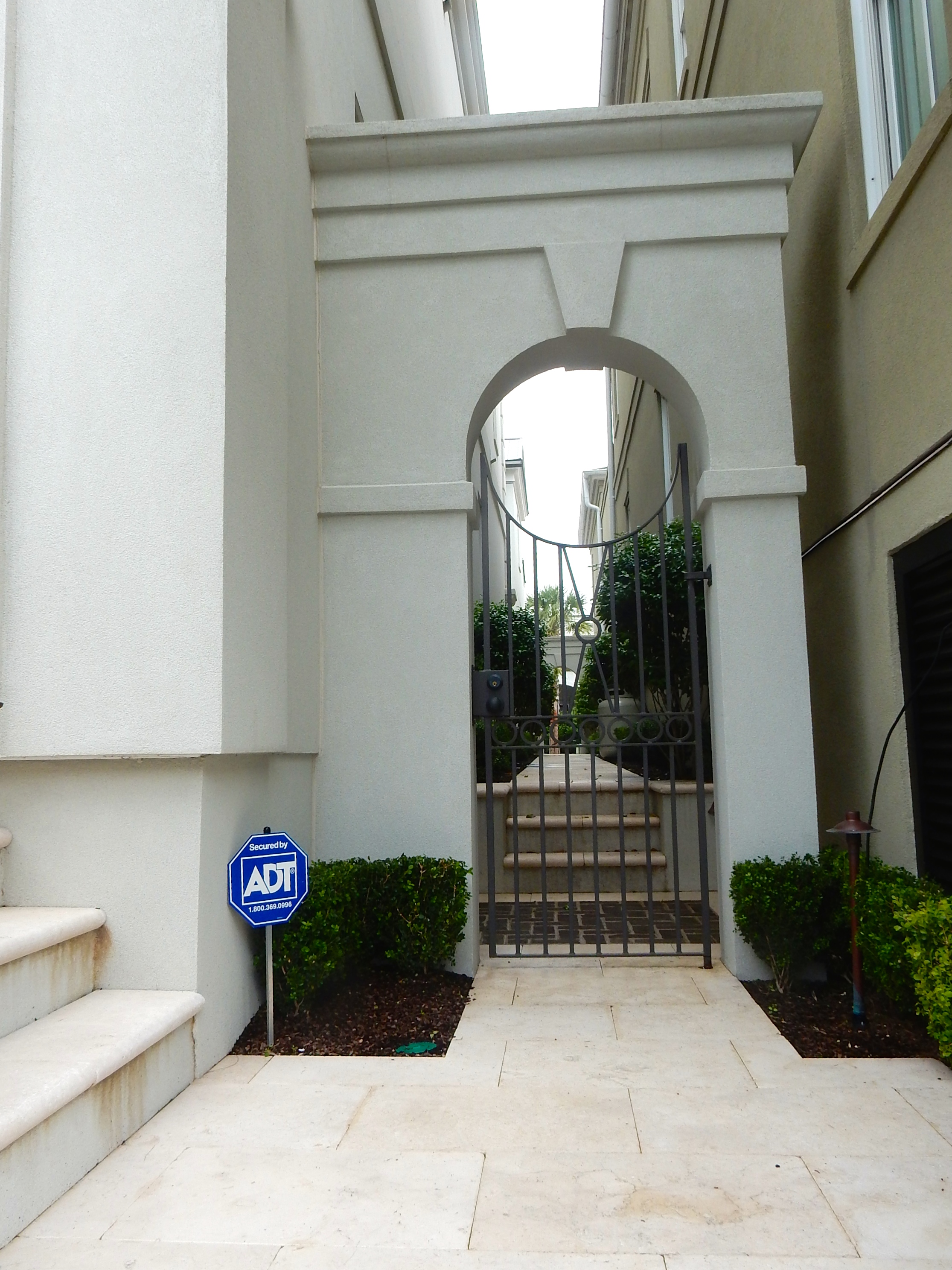
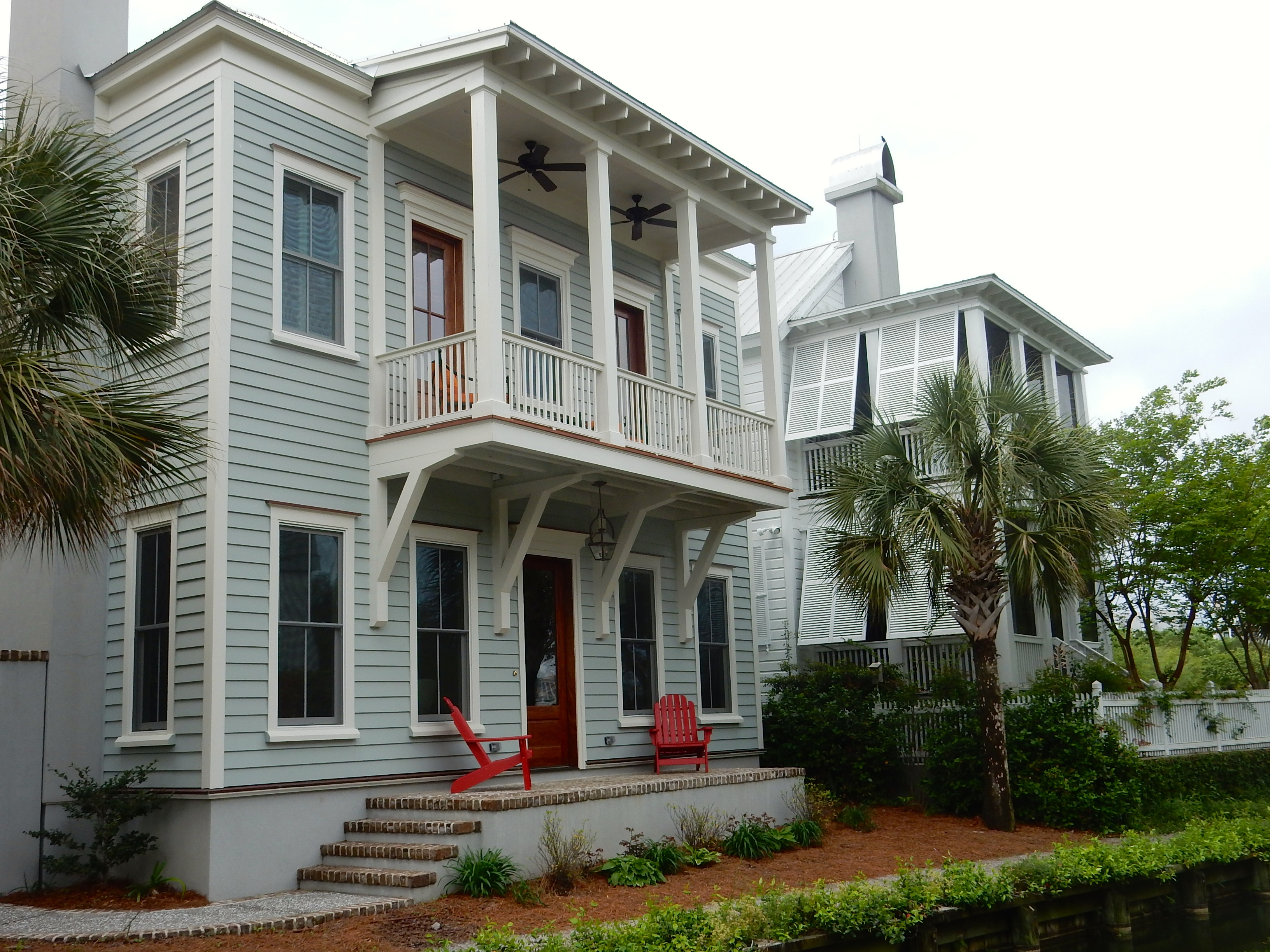
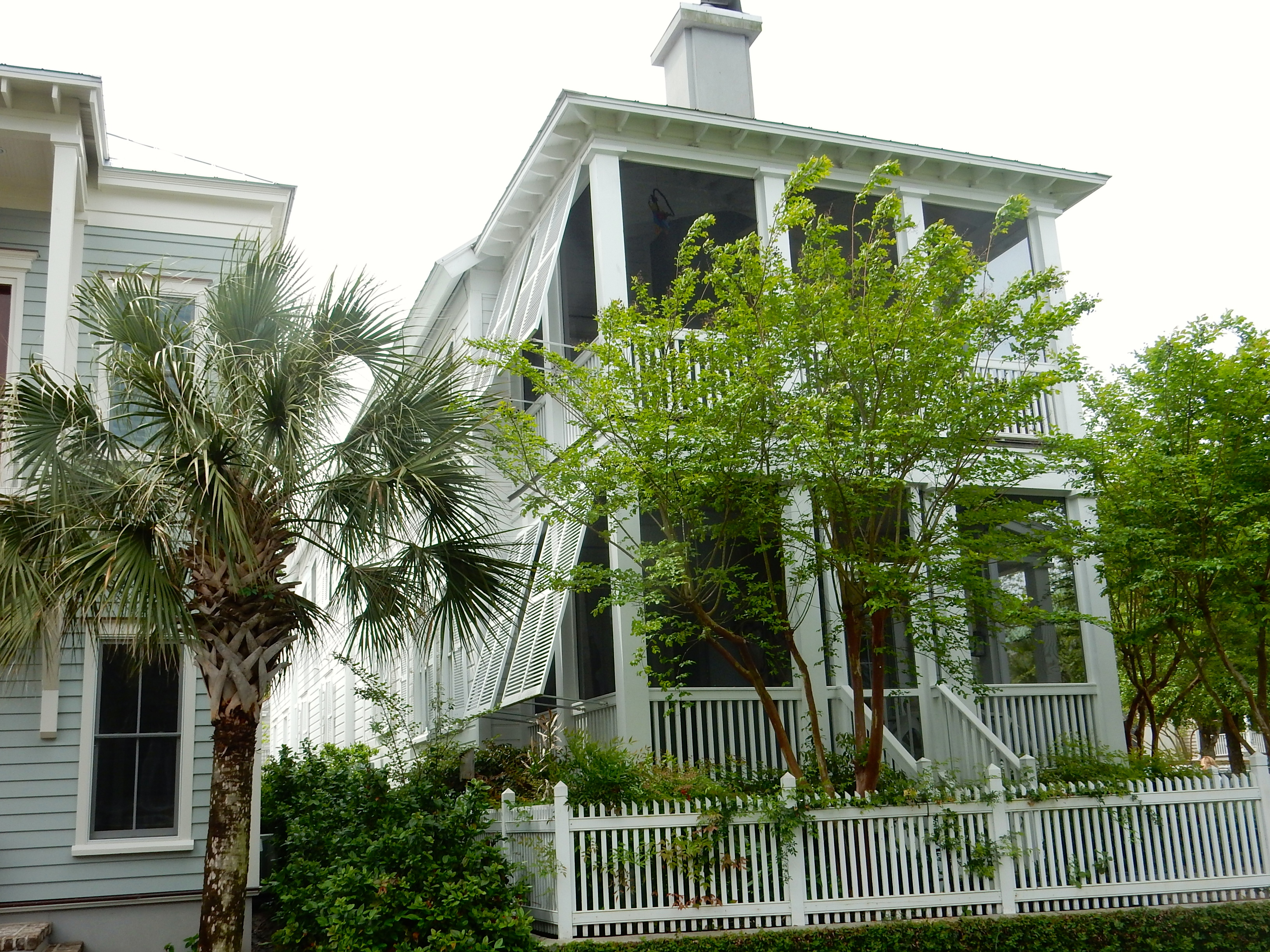
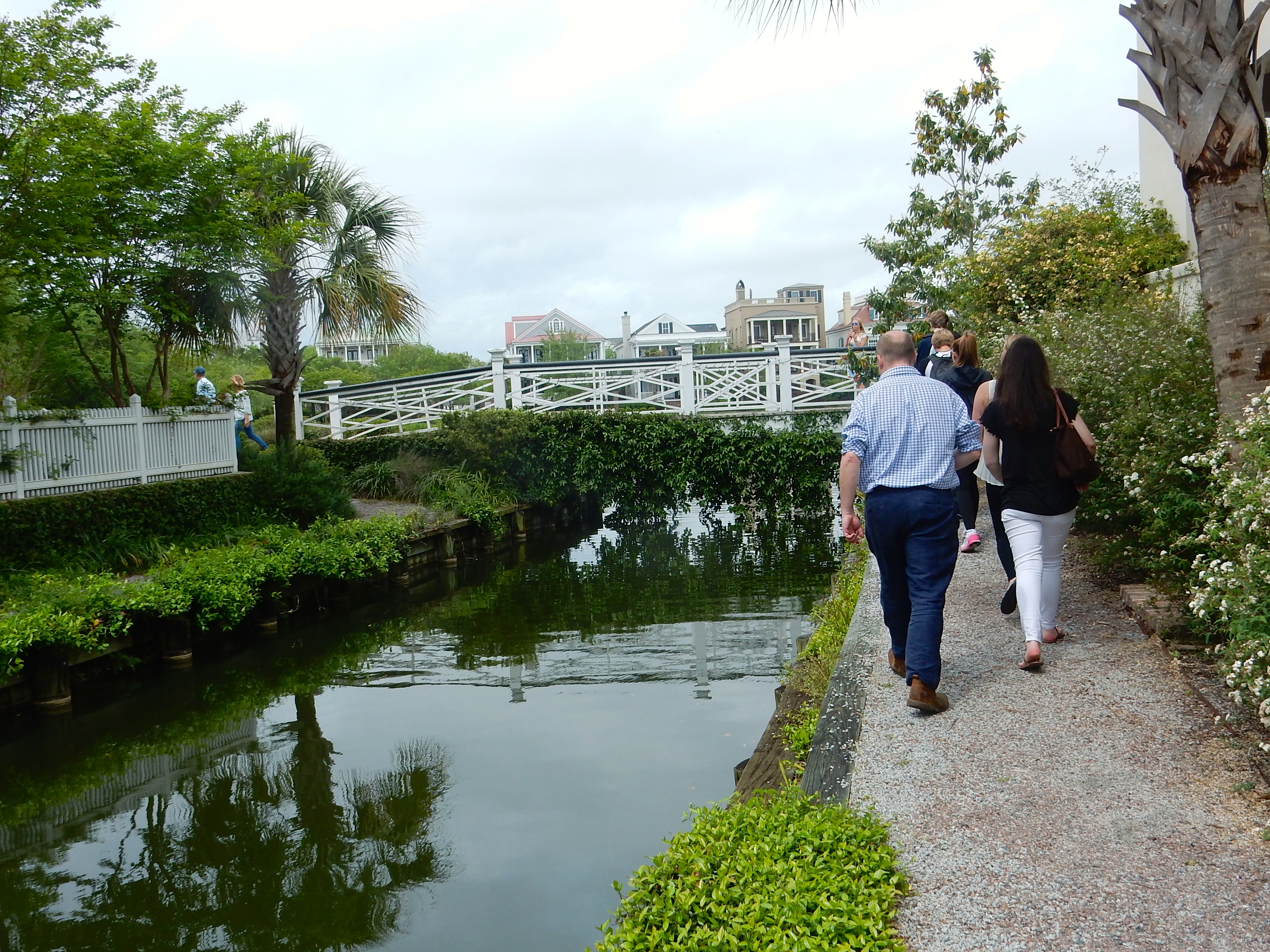
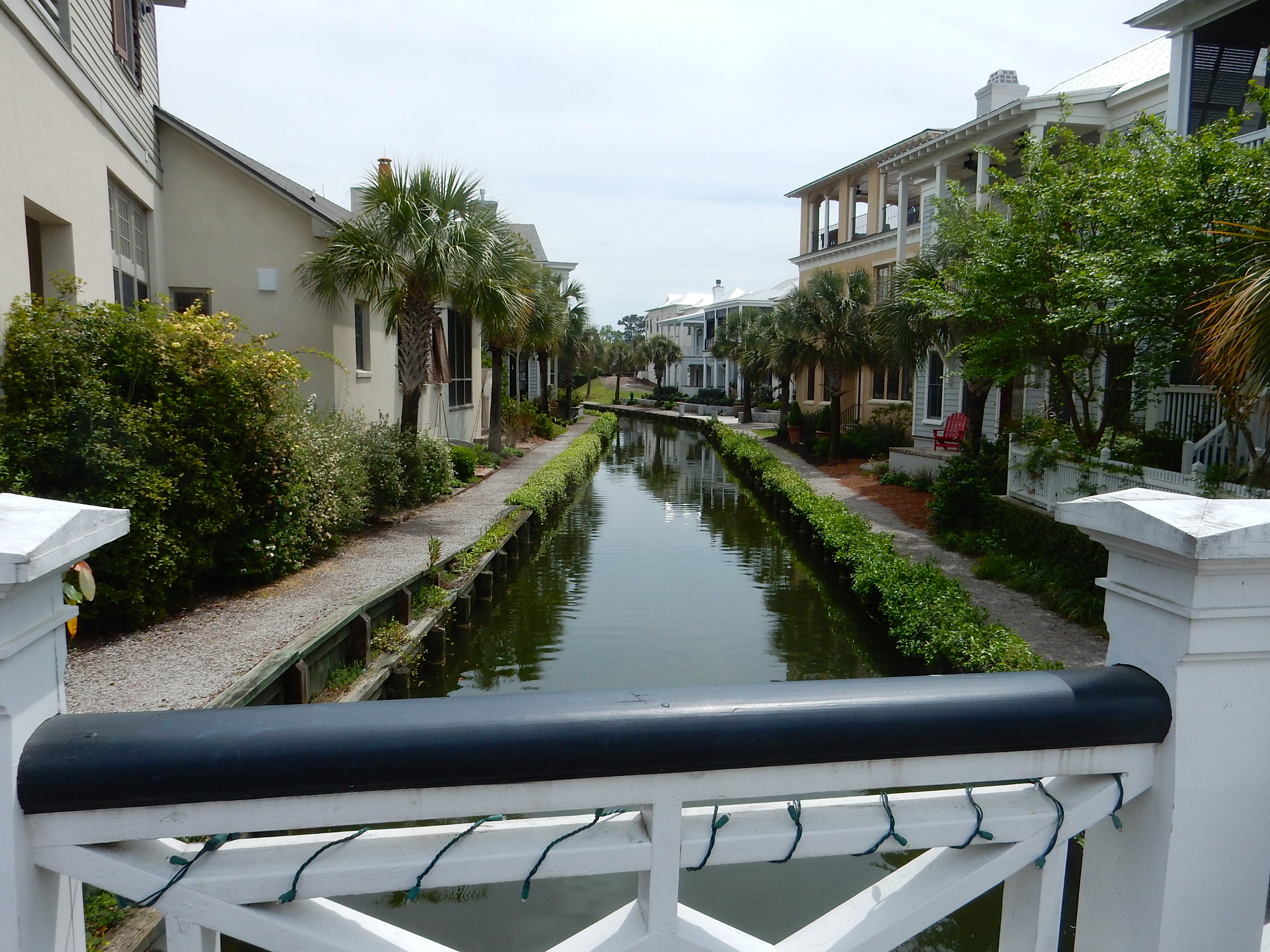
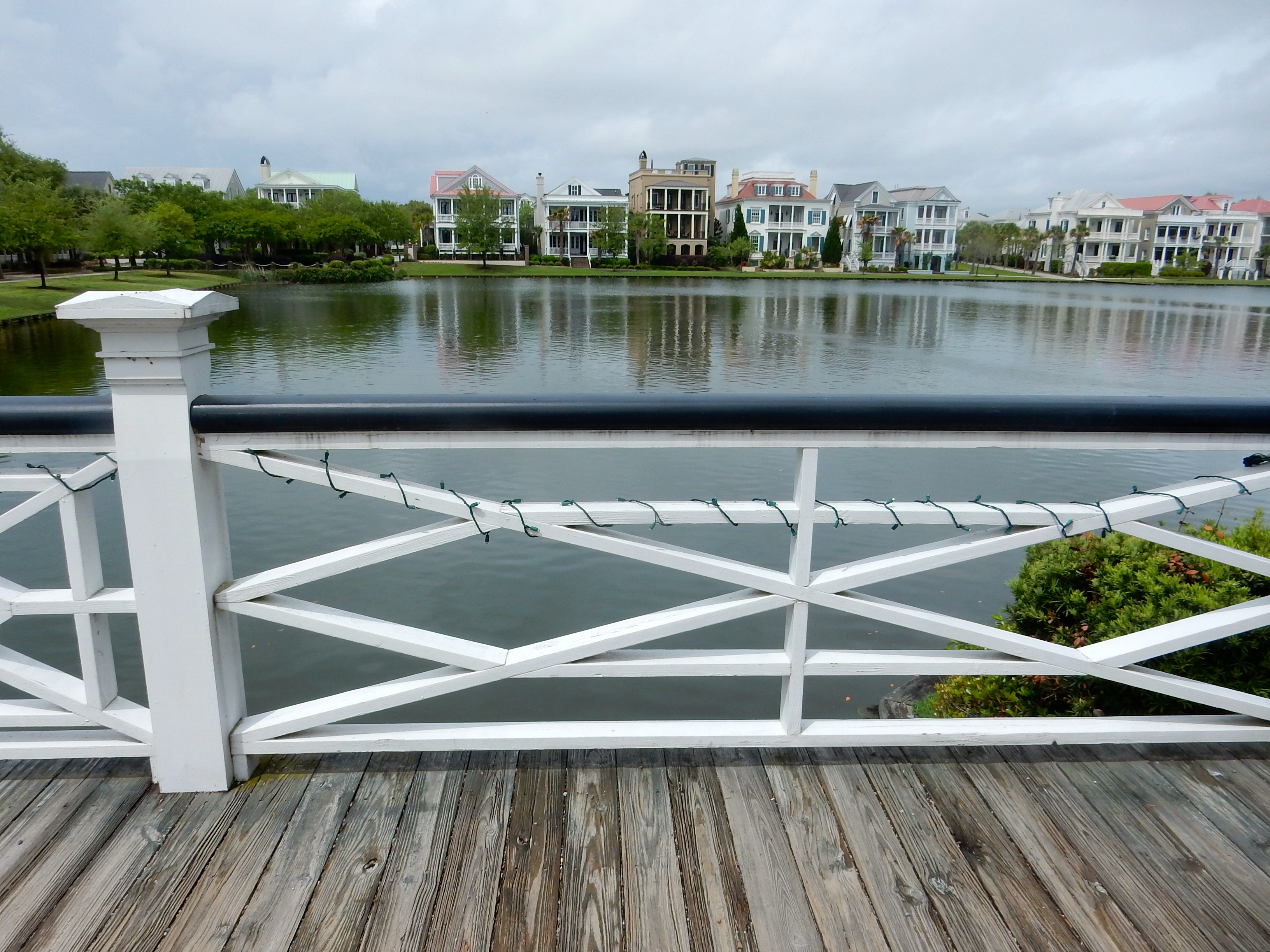
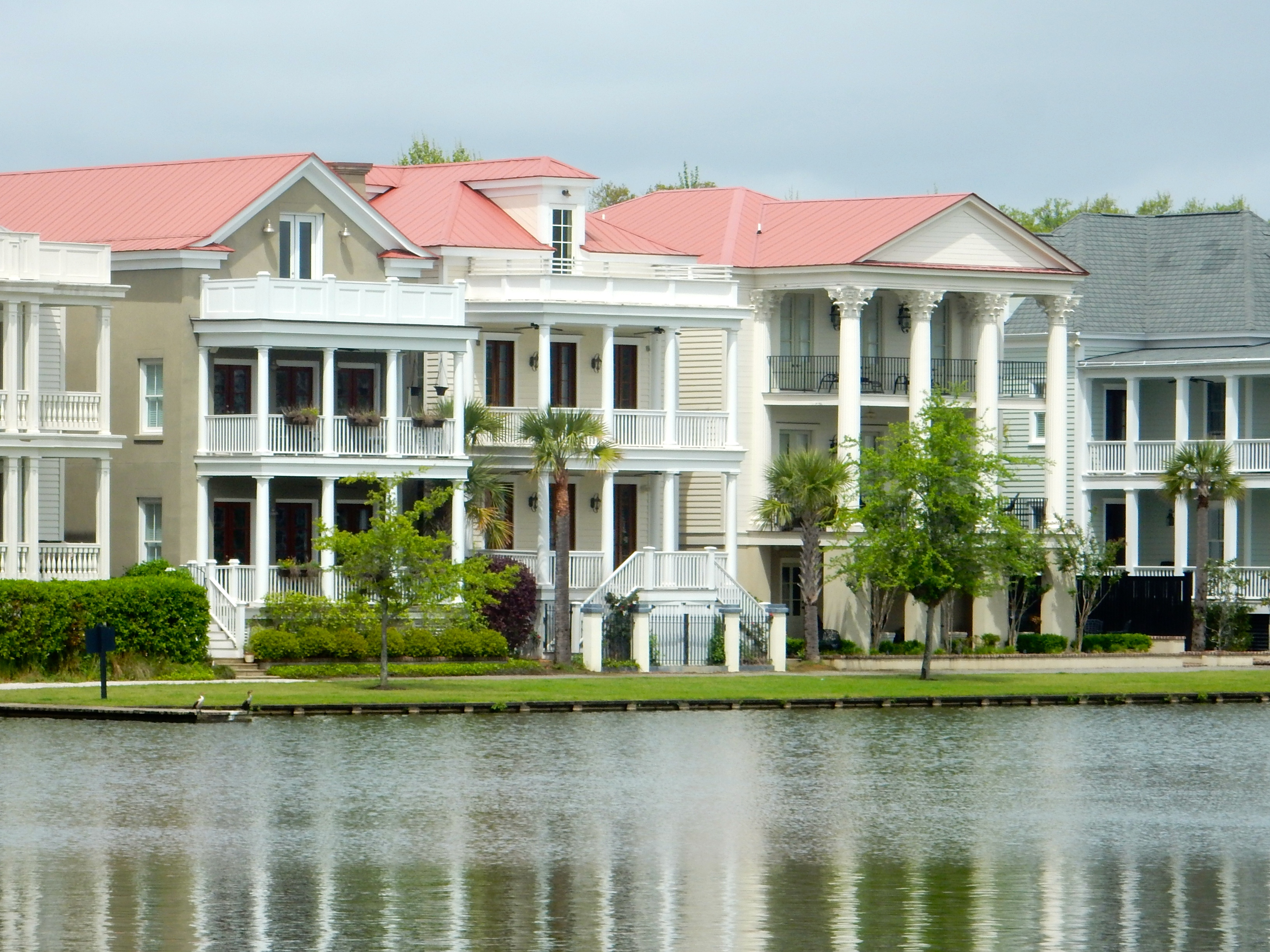
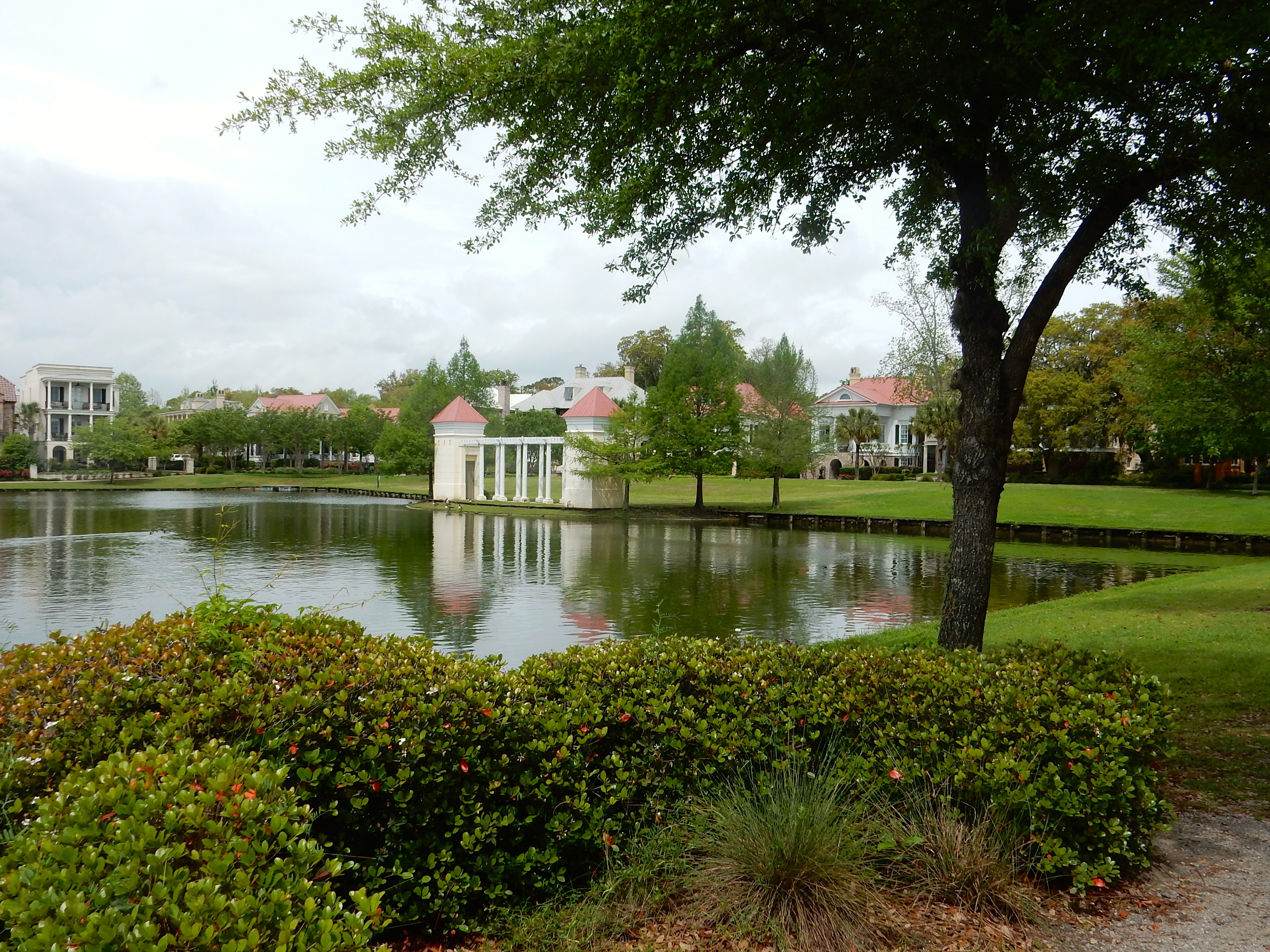
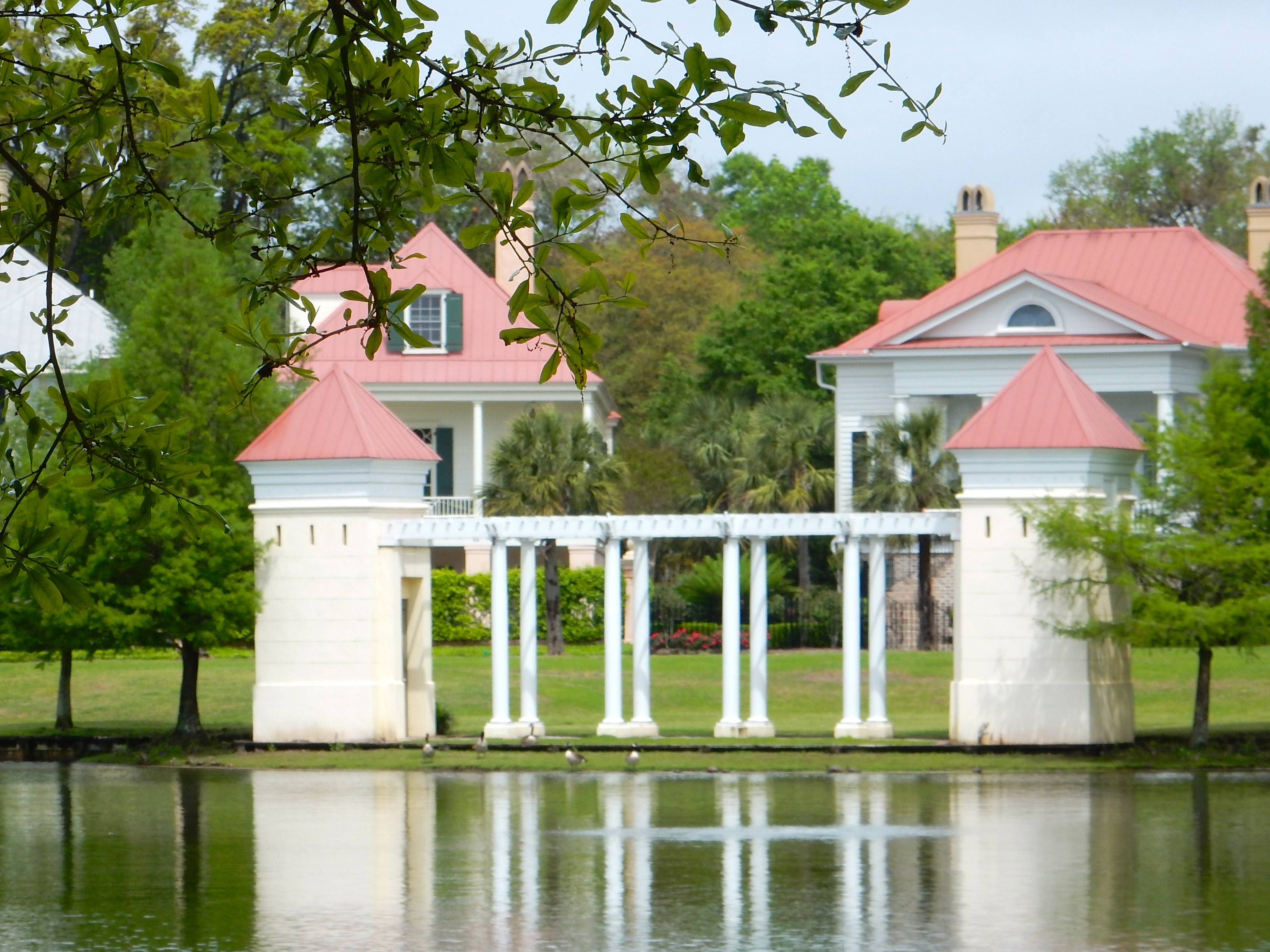
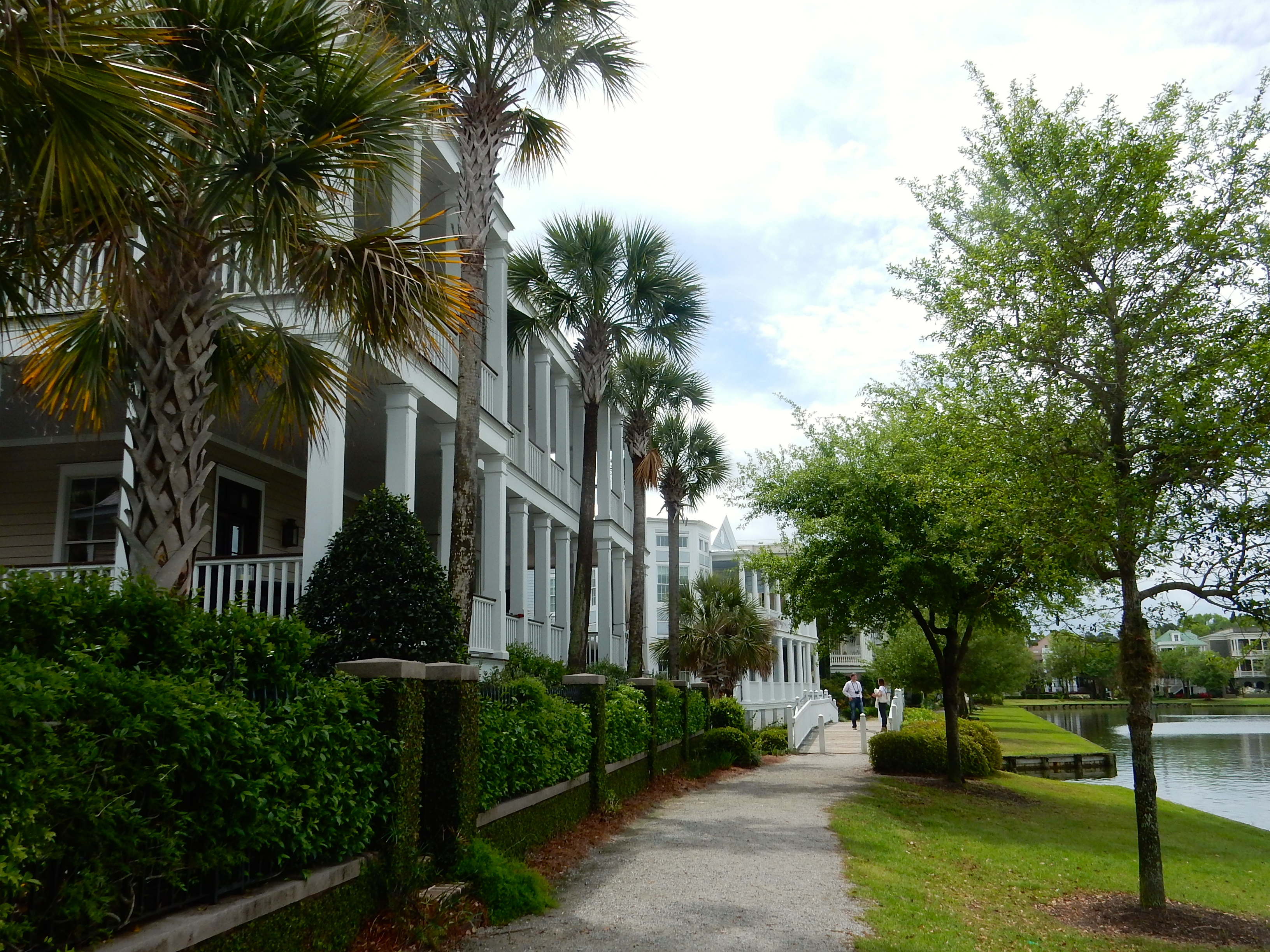
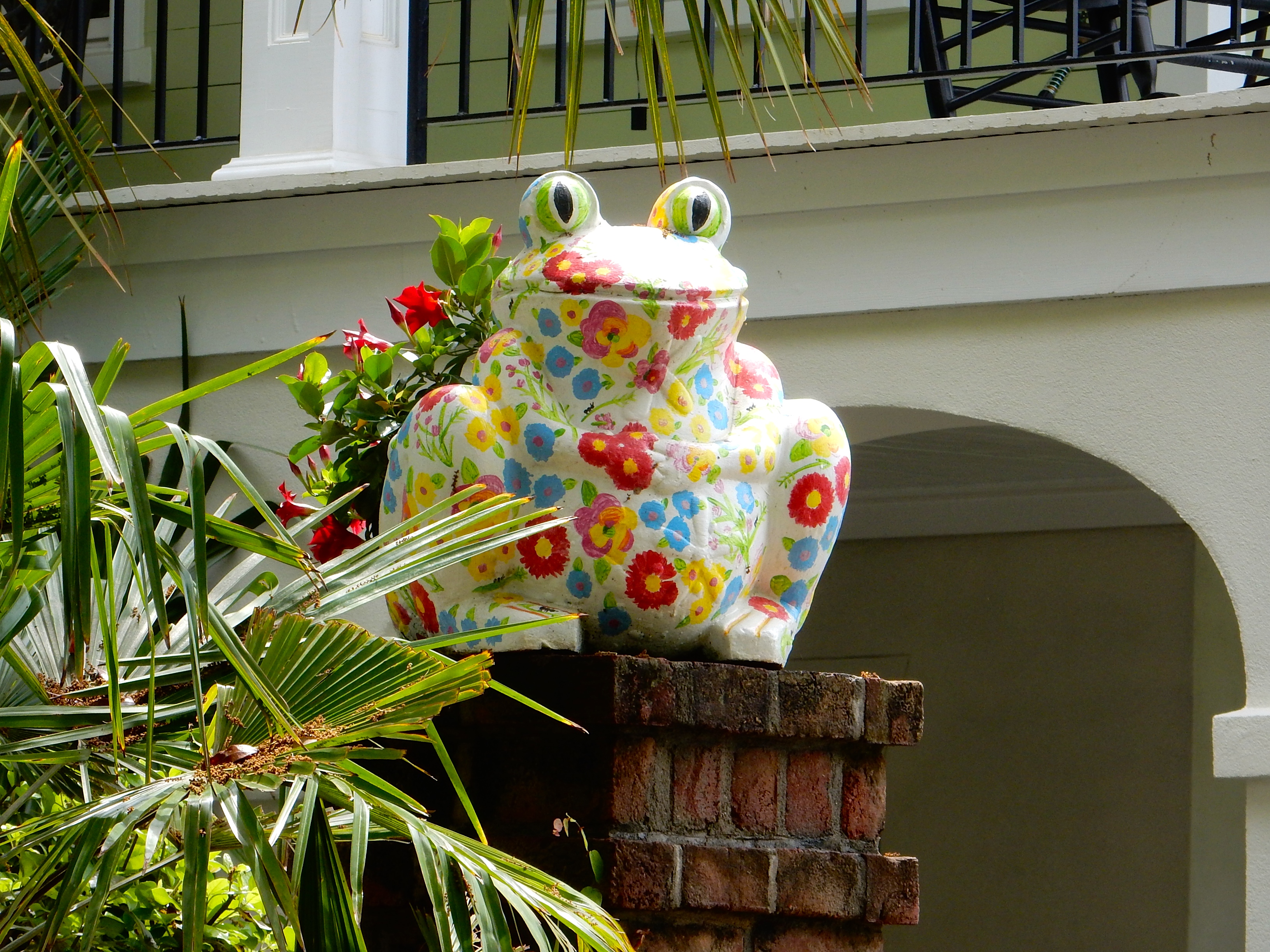
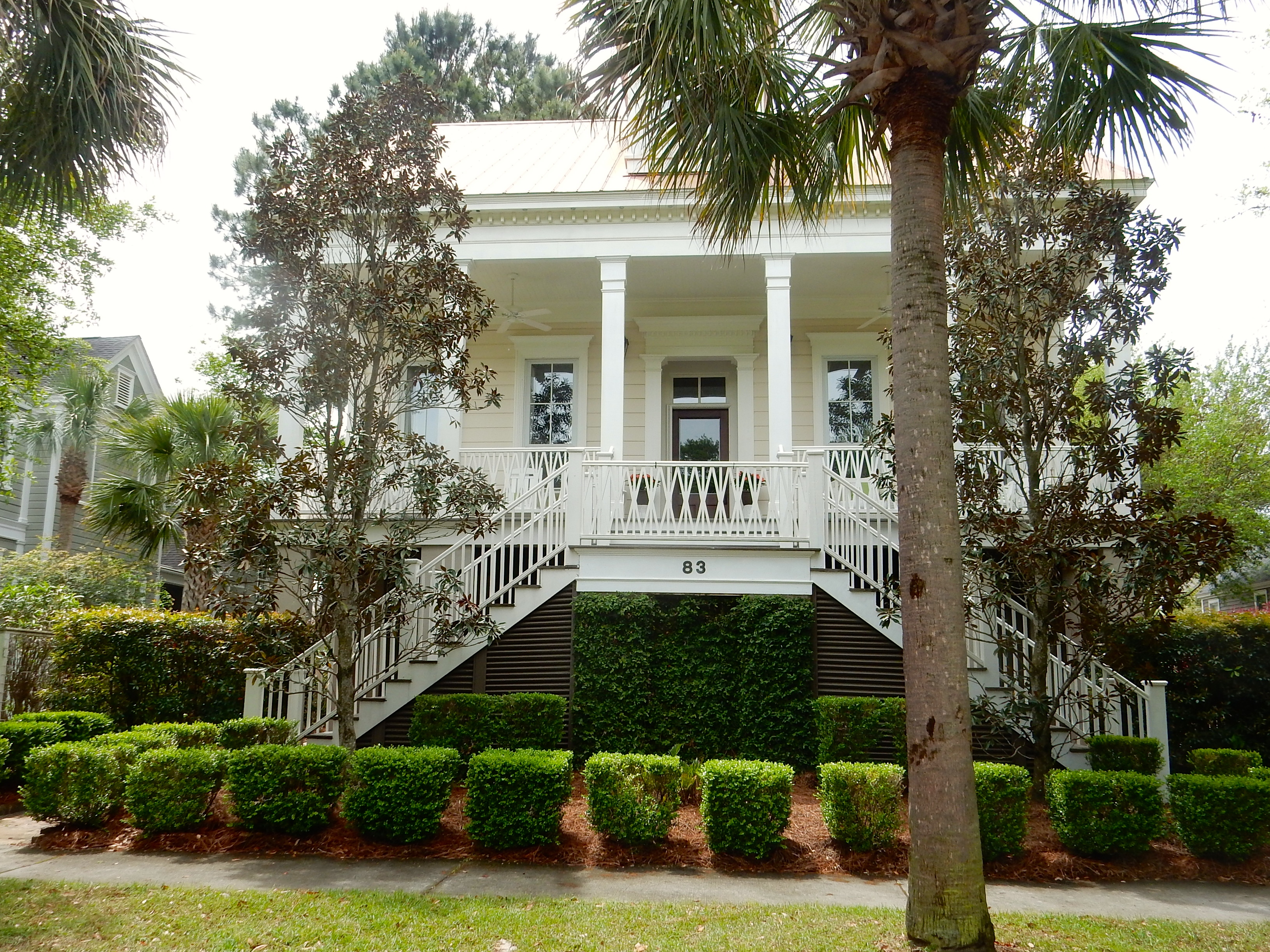
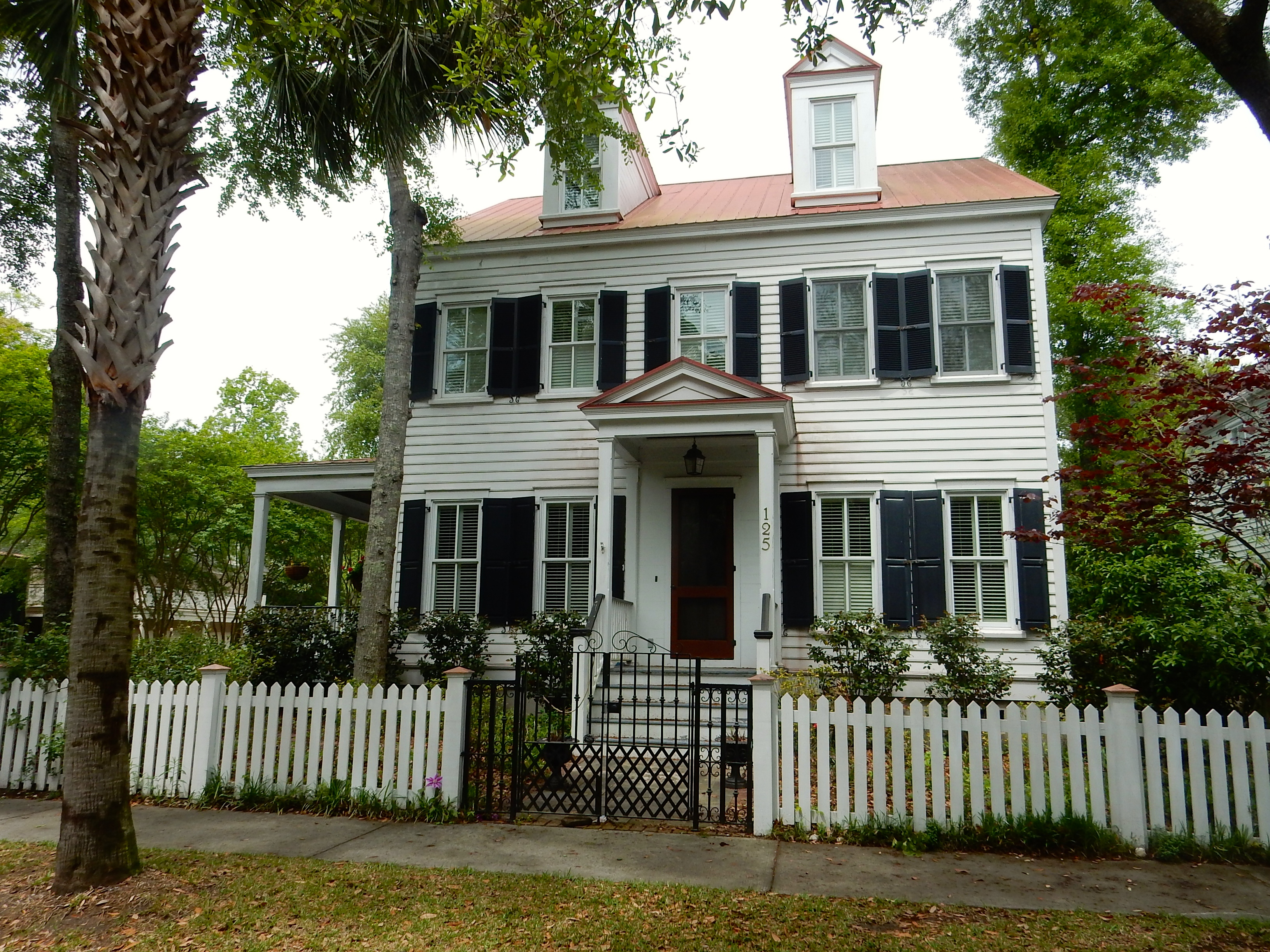
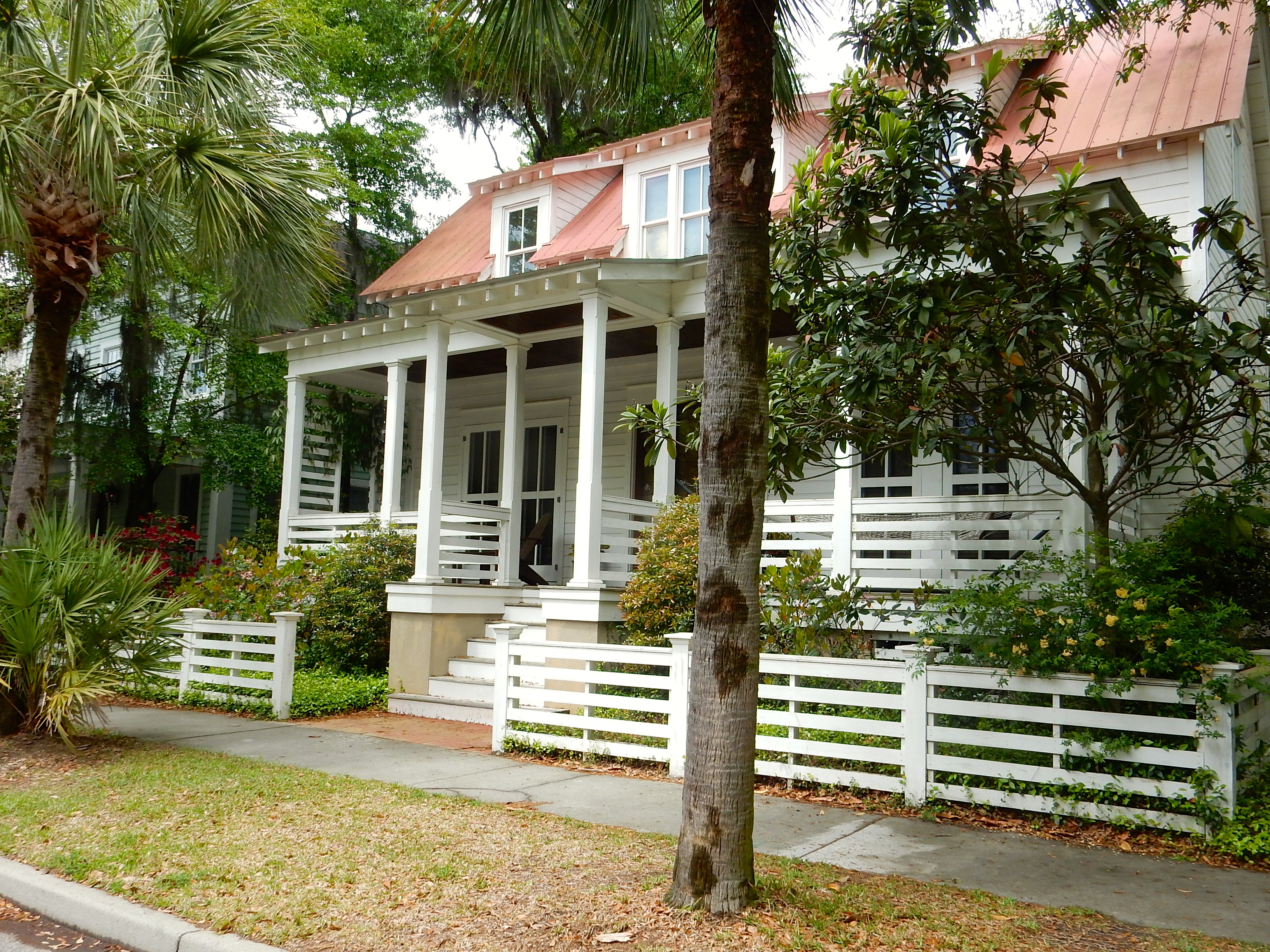
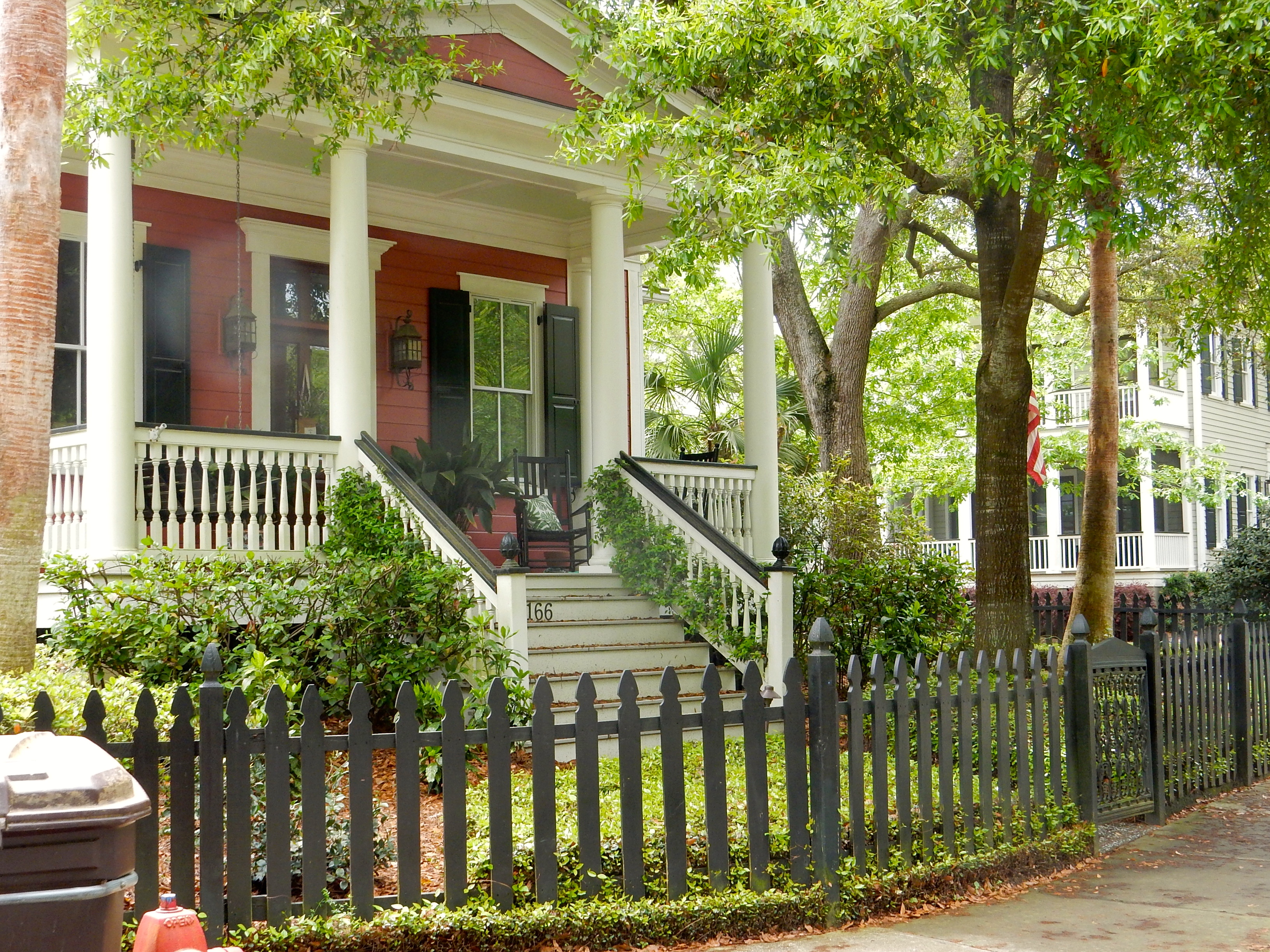
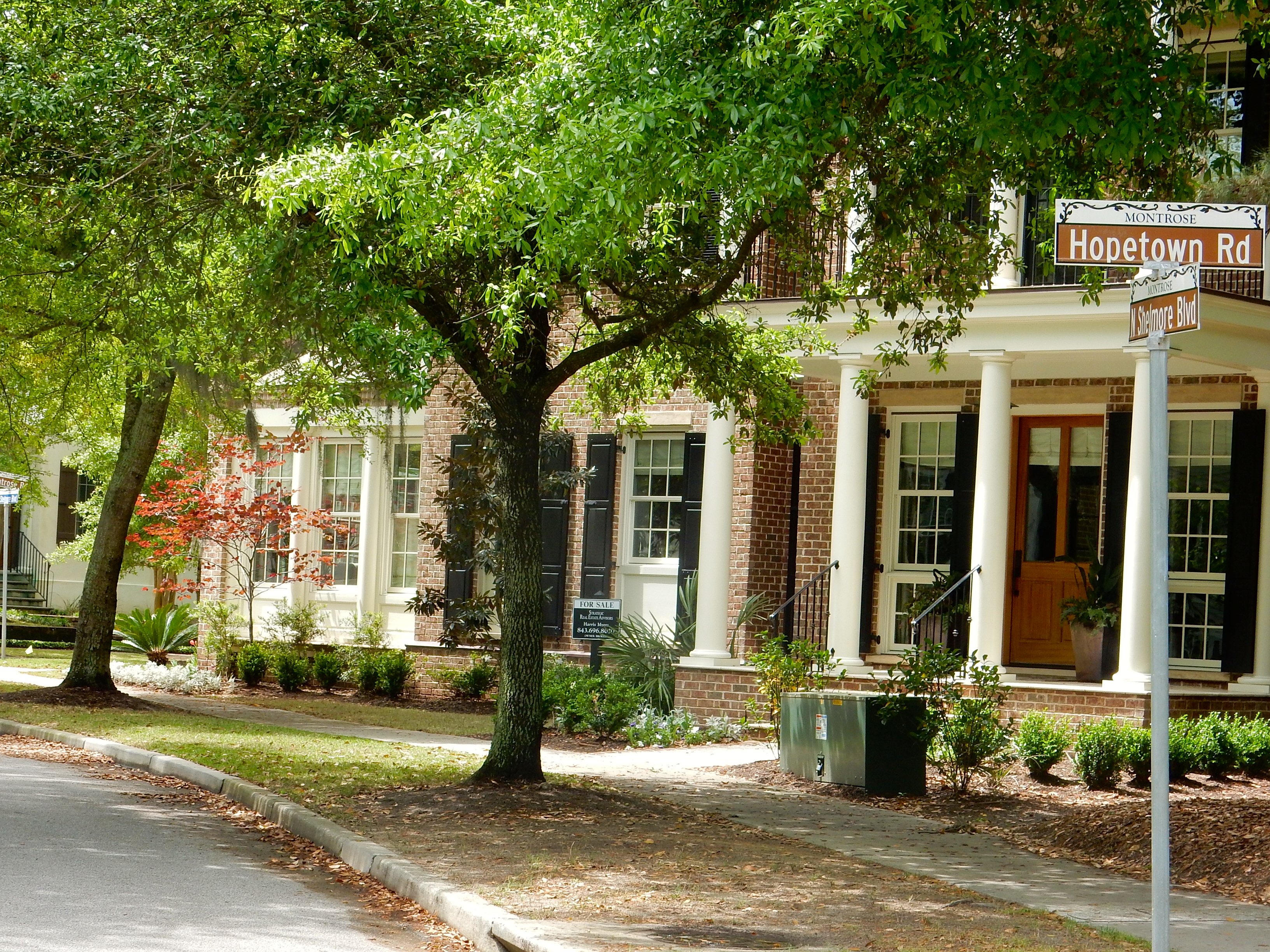
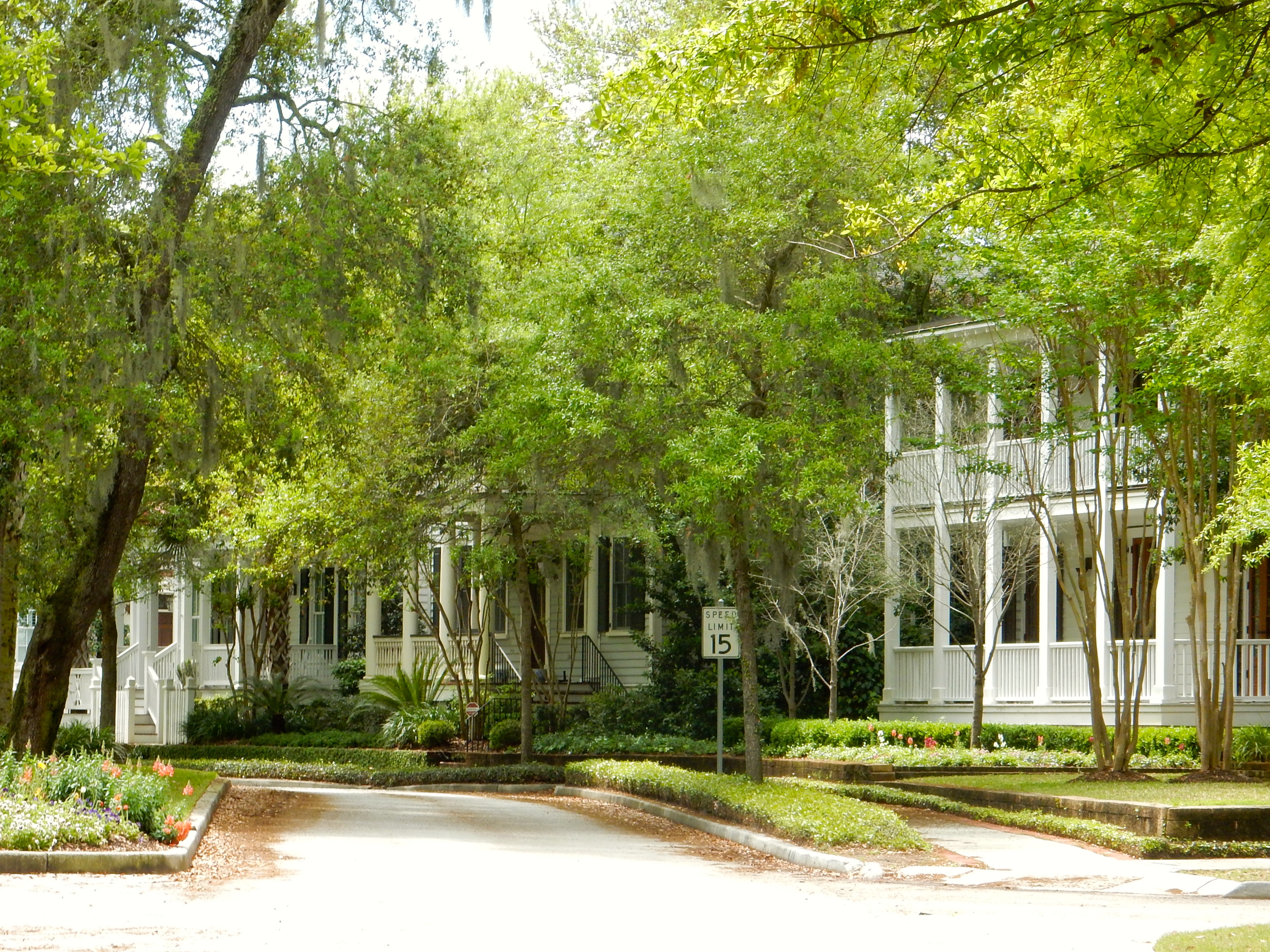
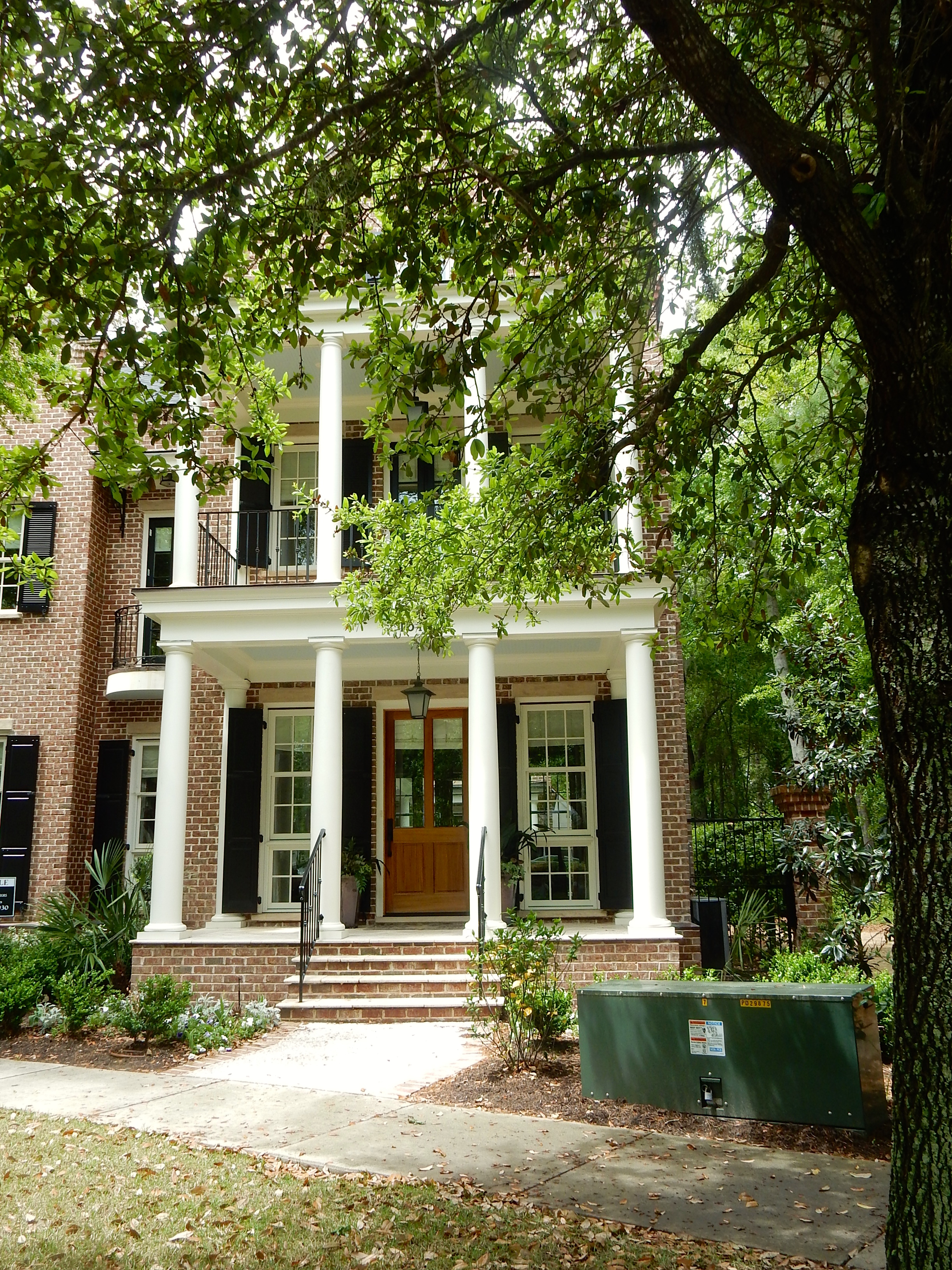
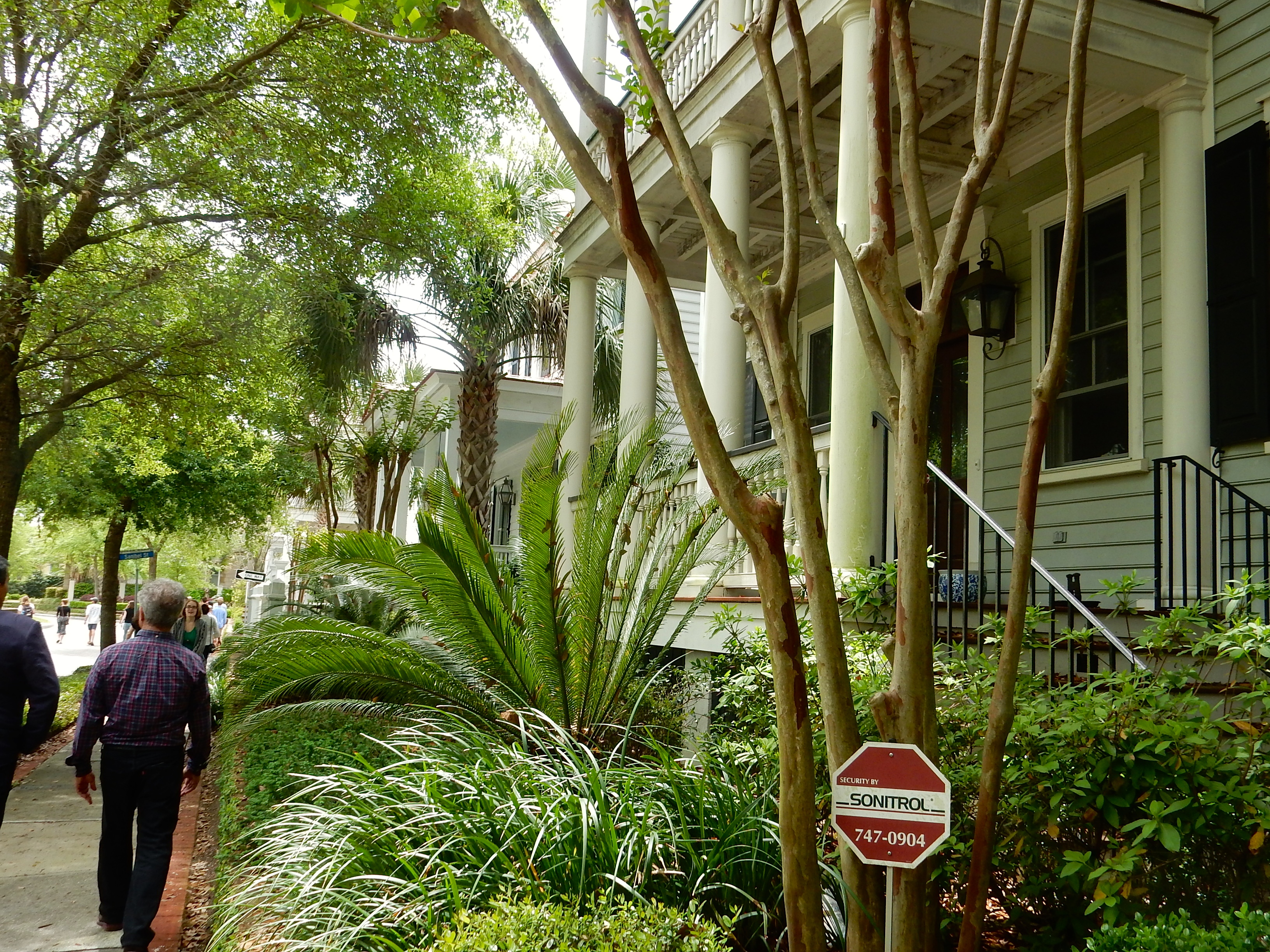
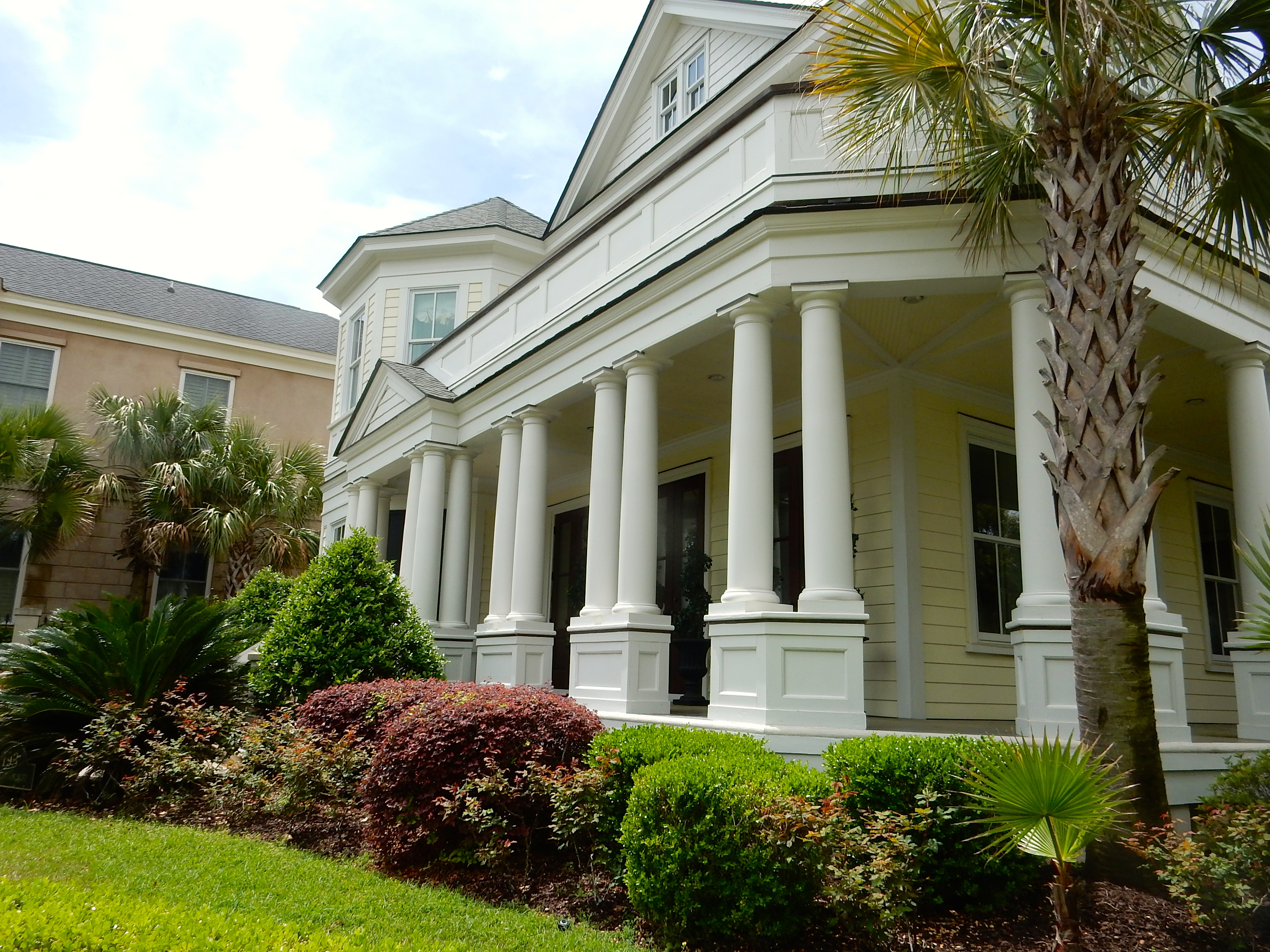
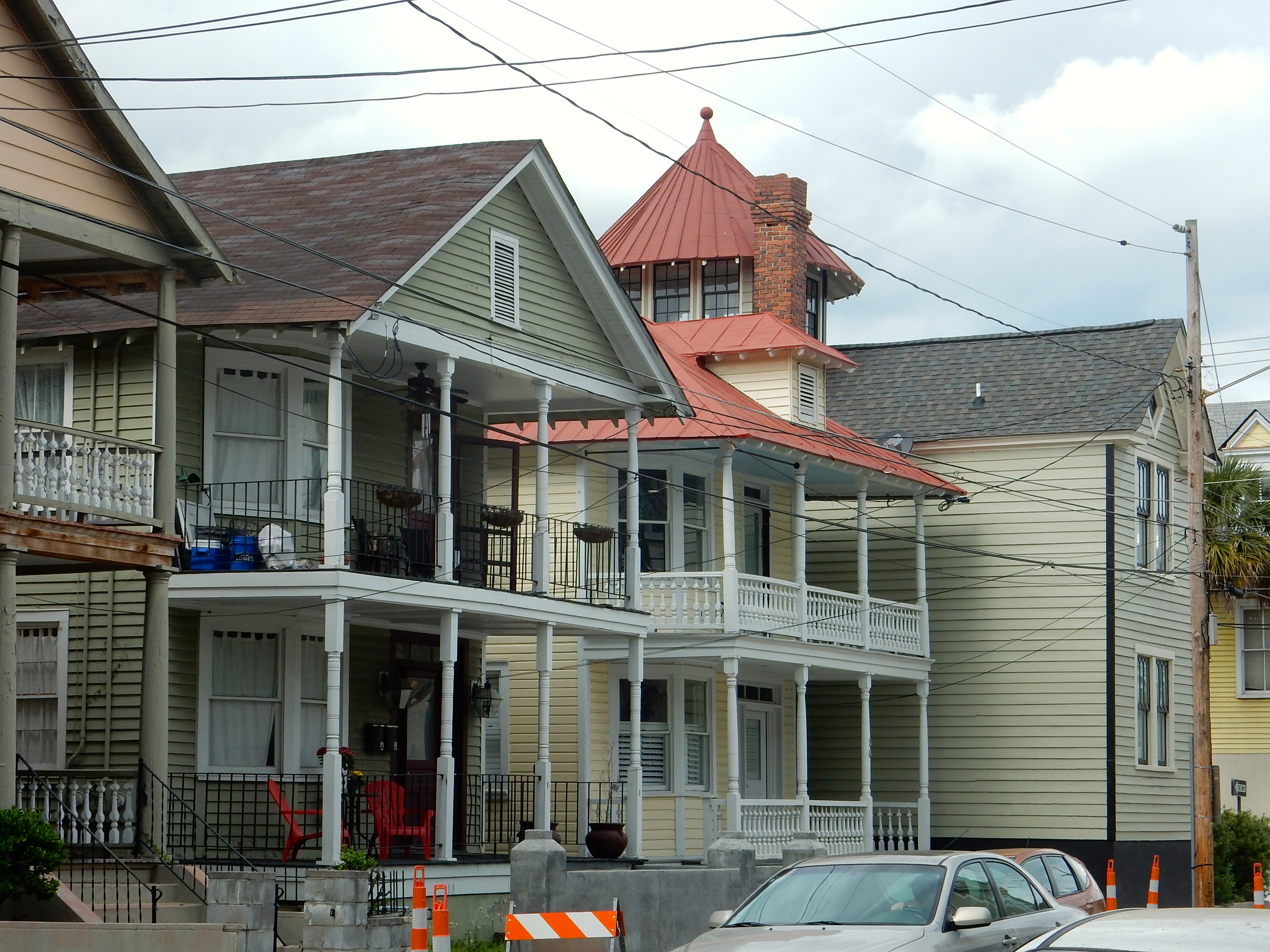
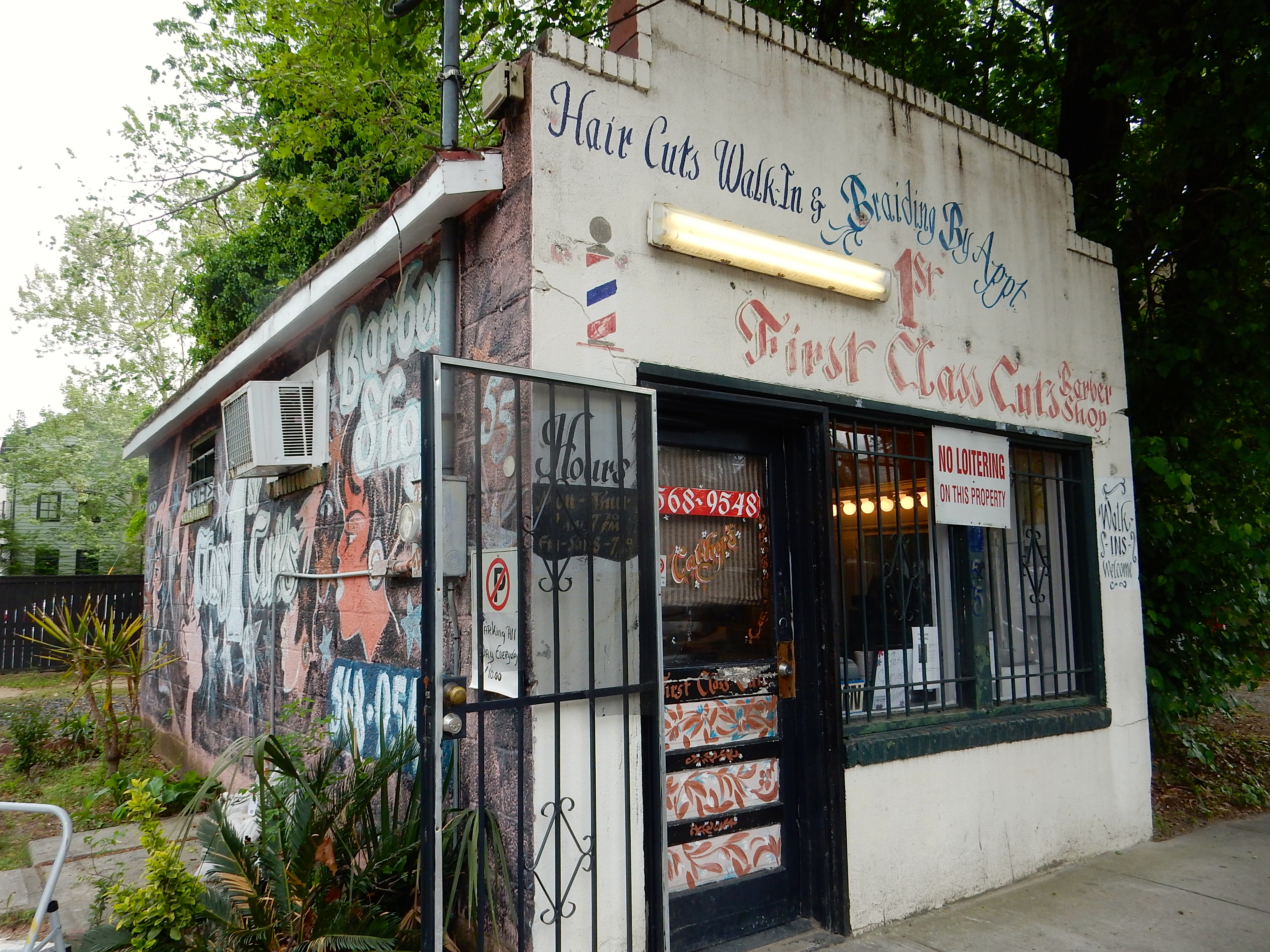
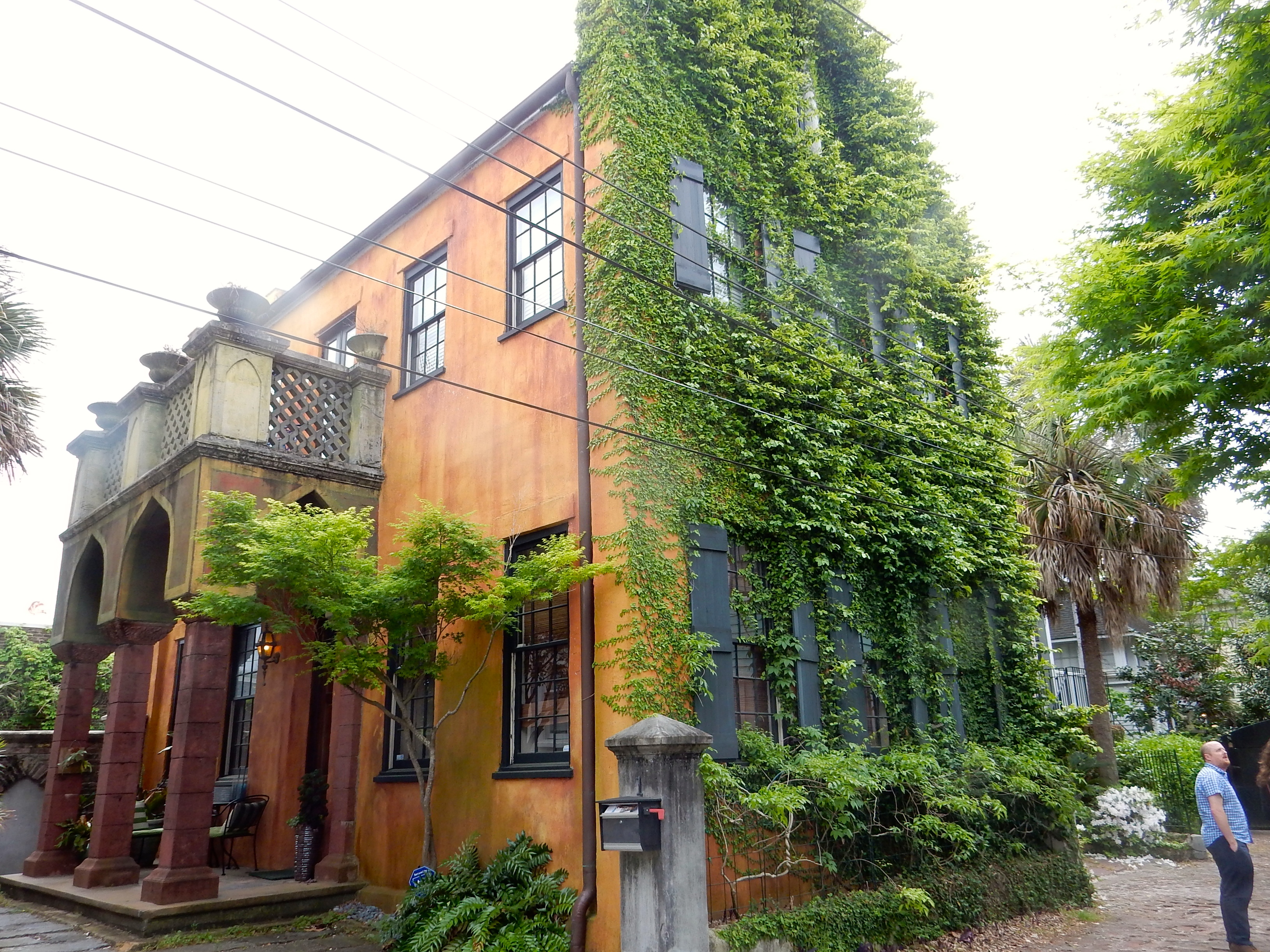
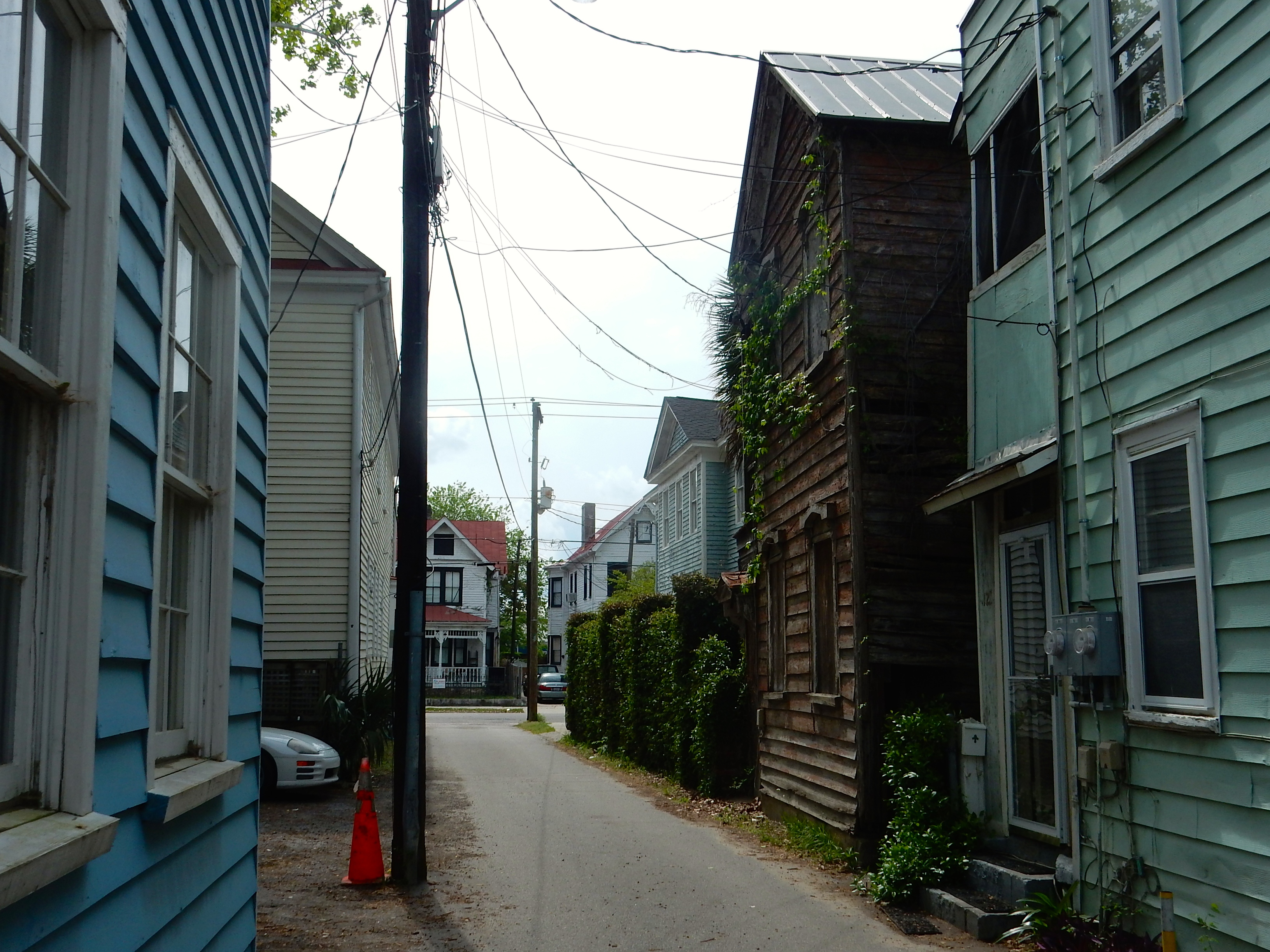
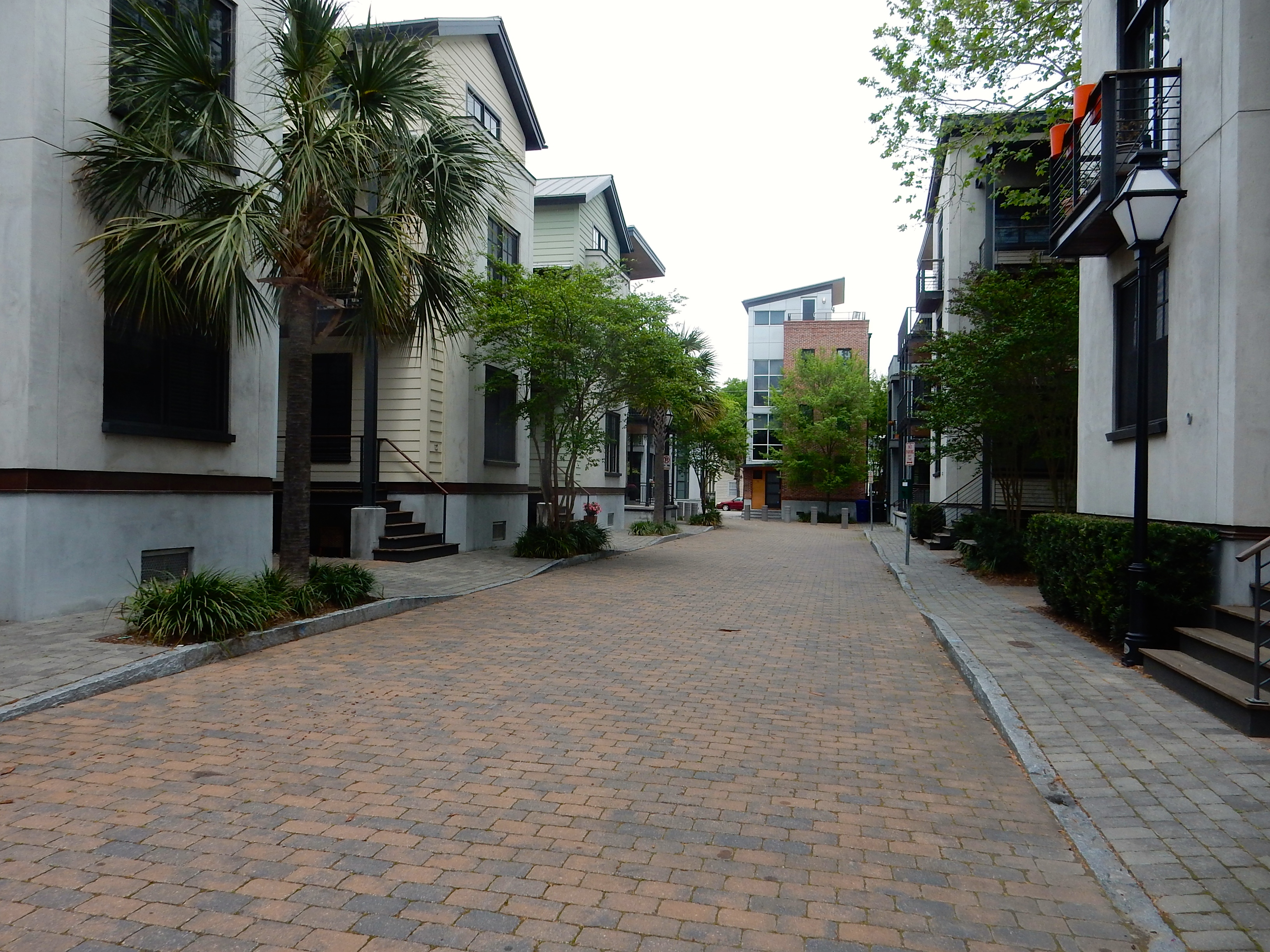
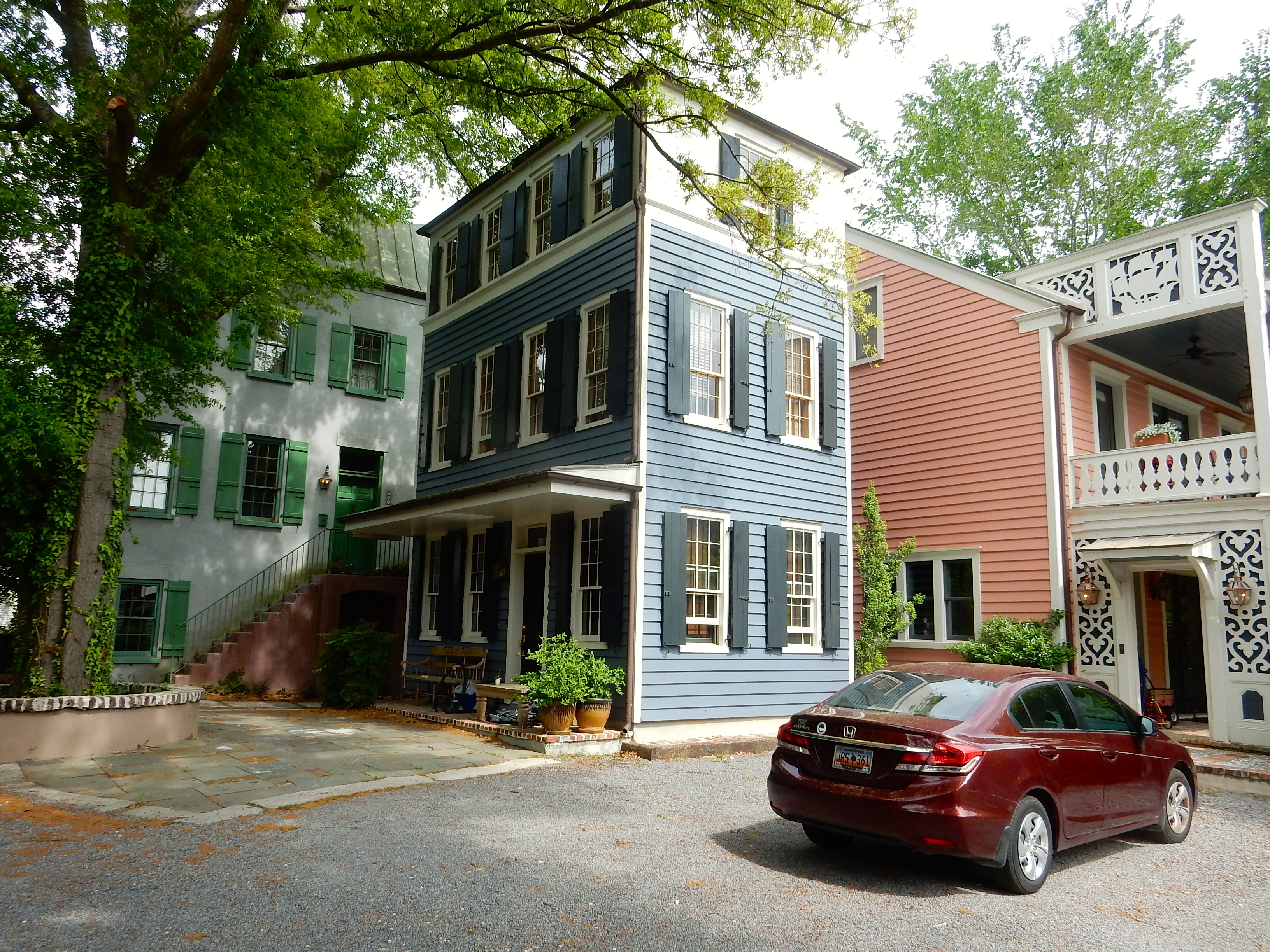
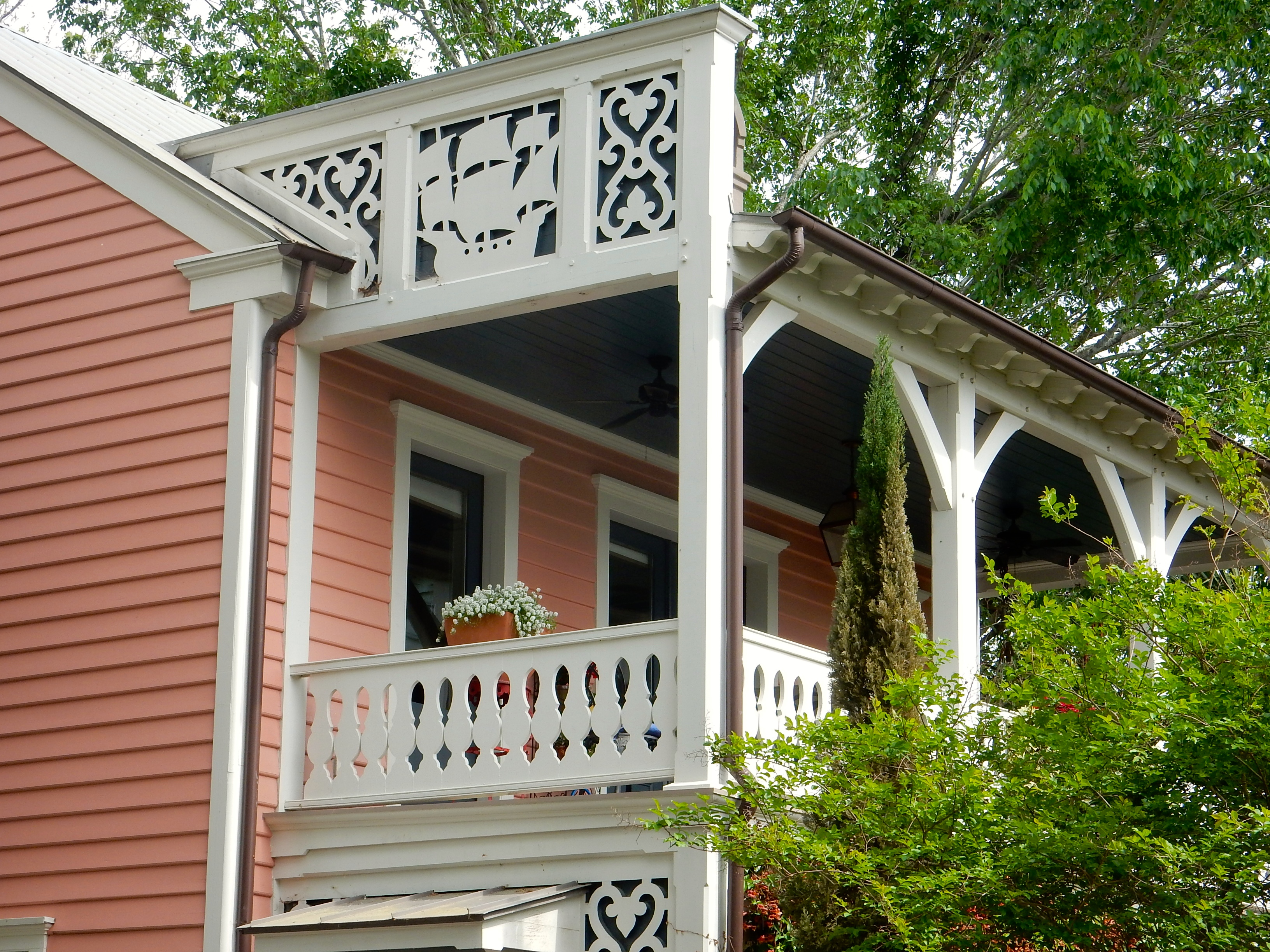
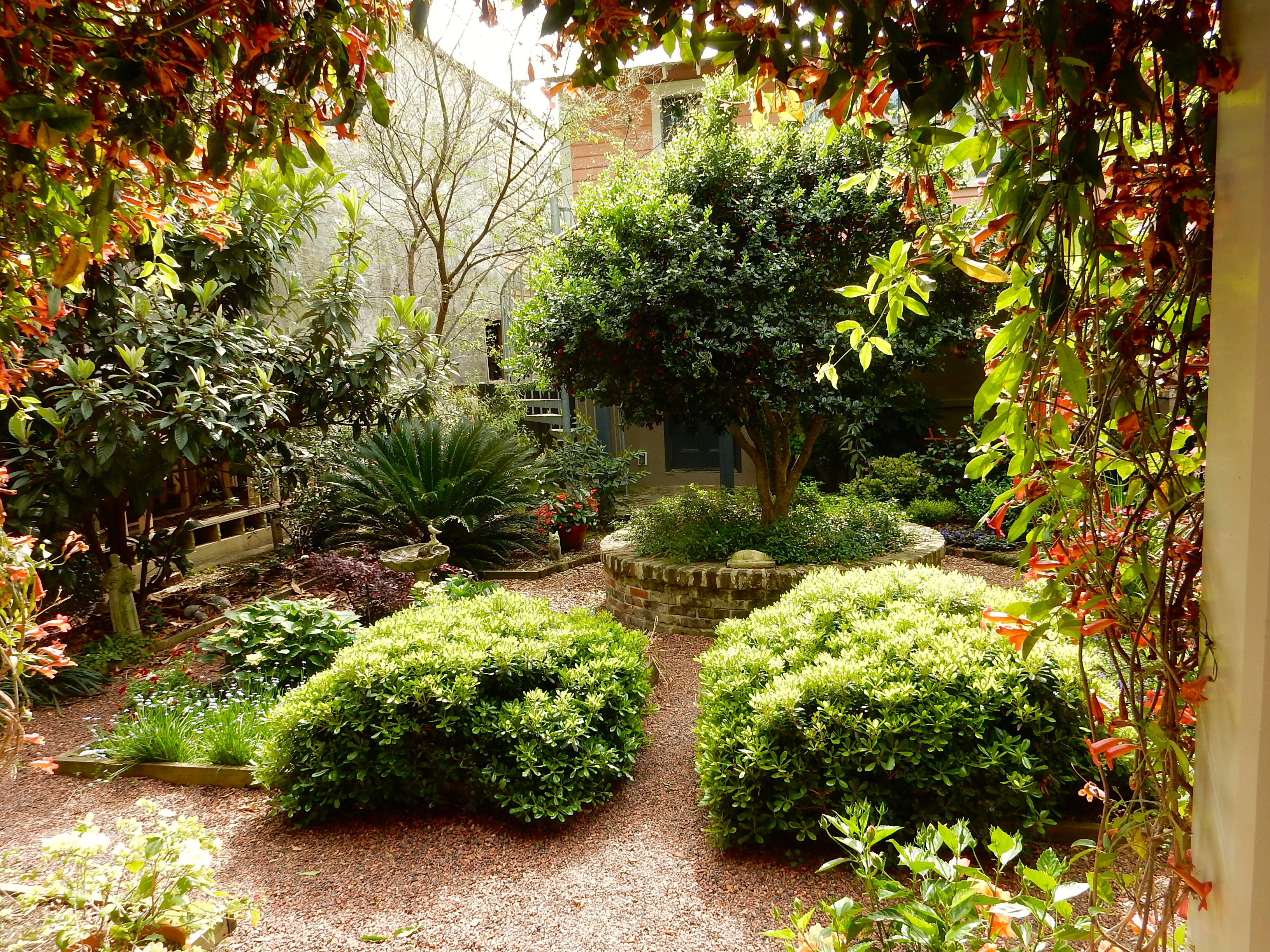
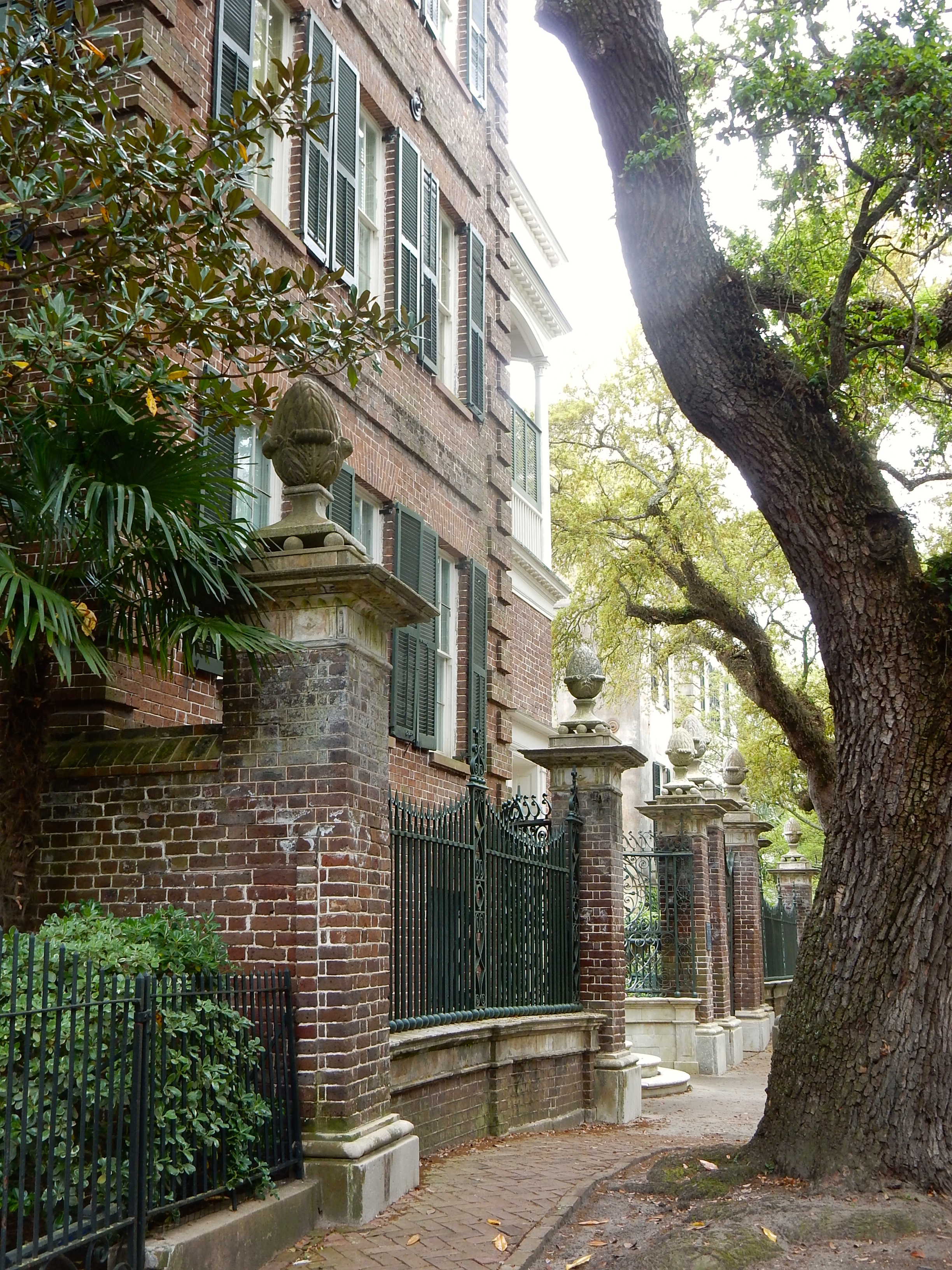
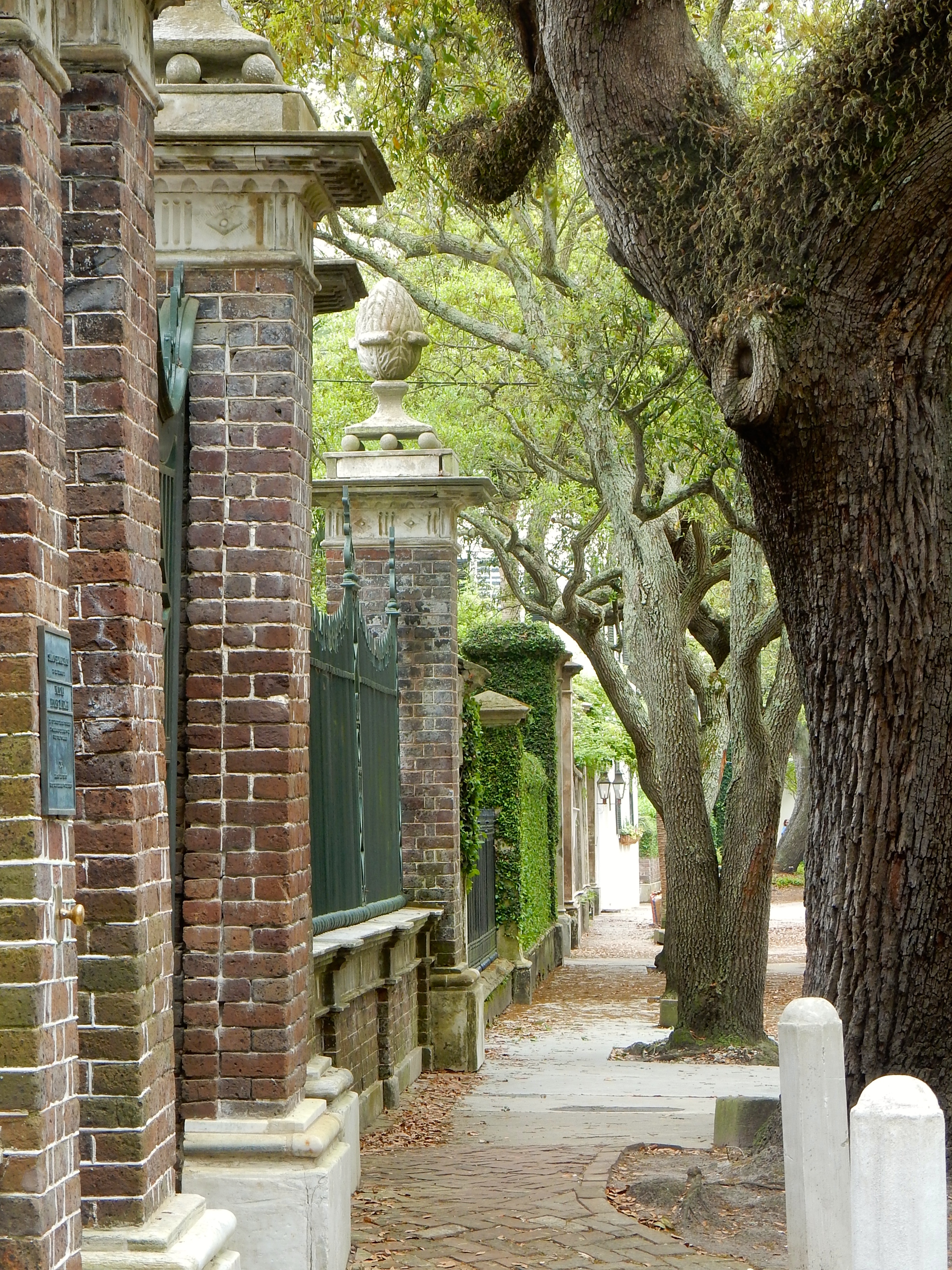
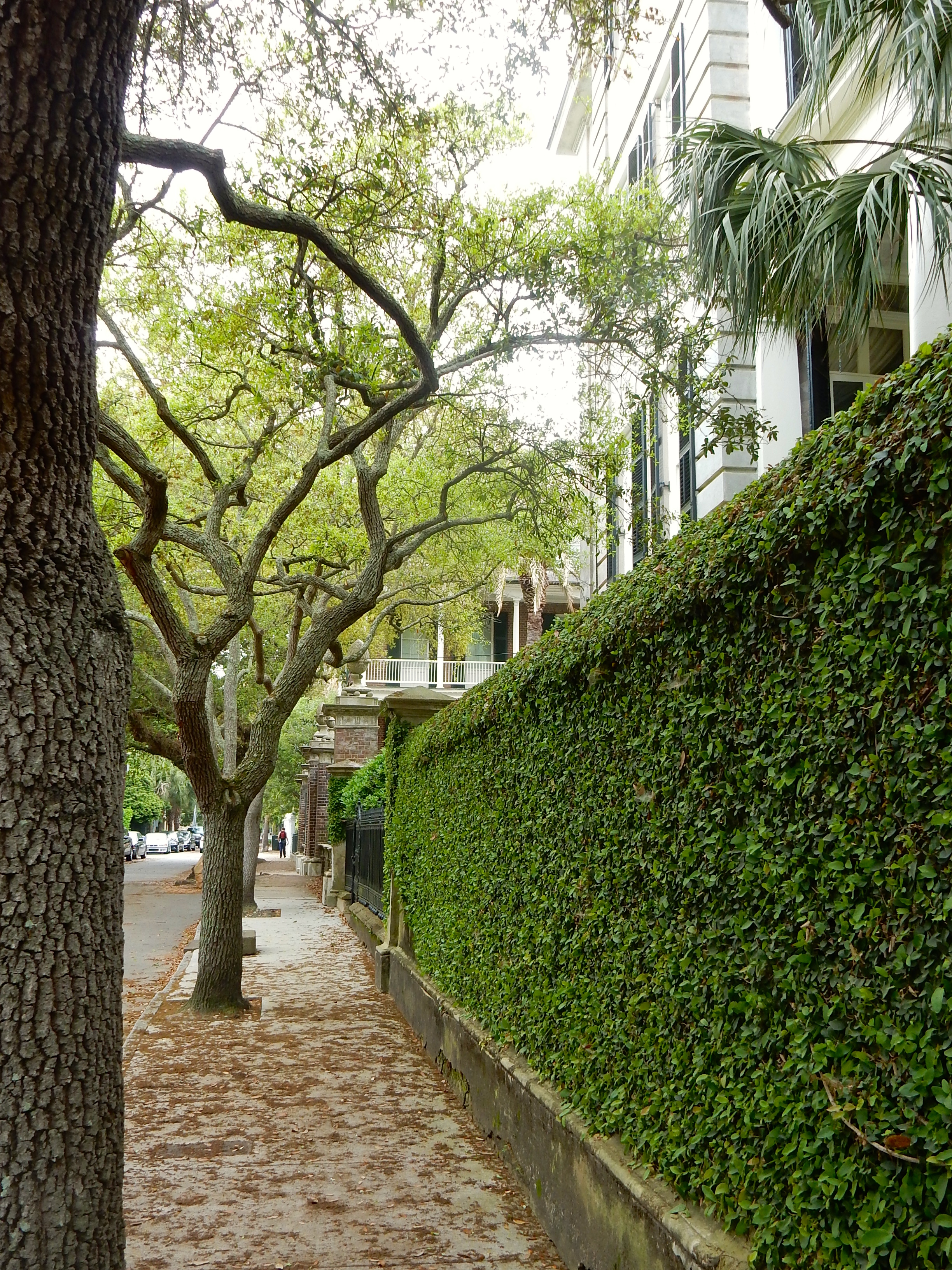
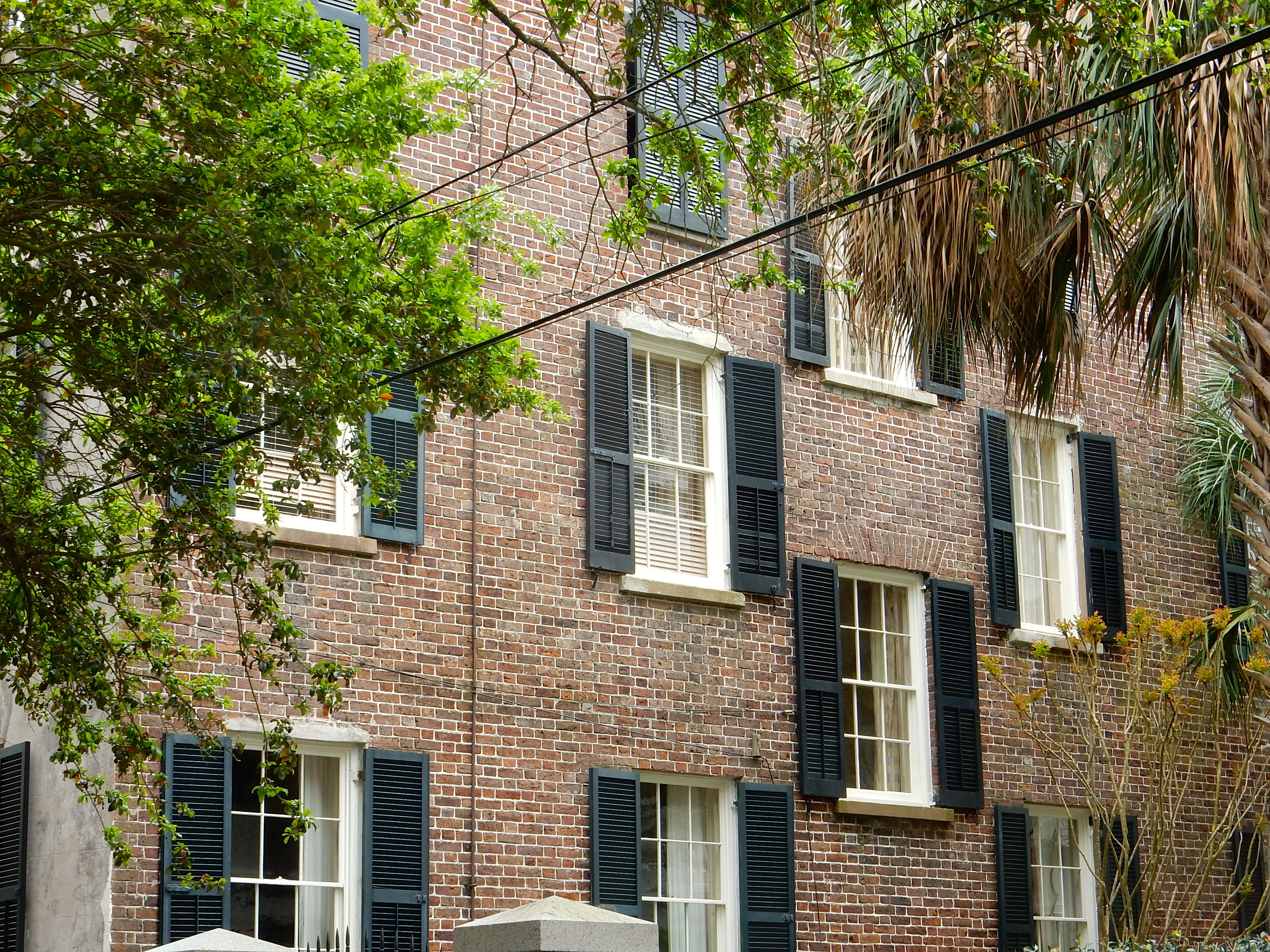
[I returned late Tuesday night from a delightful four days in Charleston, housed by my good friend and recent Brown graduate Nathaniel Walker – who now teaches architectural history at the College of Charleston and helped arrange the conference. Next in line are photographic essays (mainly) on Charleston and the nearby town of I’On, planned by Duany’s firm DPZ. I may also post on more issues arising from a most fascinating weekend.]



















 Architecture Here and There