Diss the Chicago Biennial!

Screen Shot 2015-11-19 at 9.03.54 PM.png

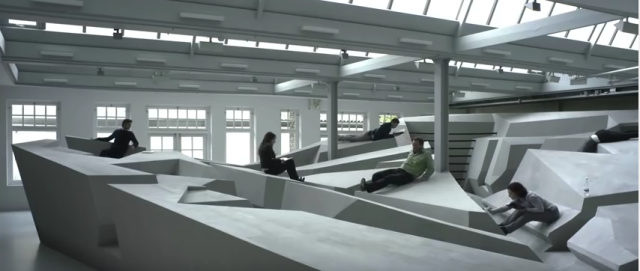
“One of the ways to make design and architecture more accessible.” (From video trailer produced by the Chicago Architectural Biennial)

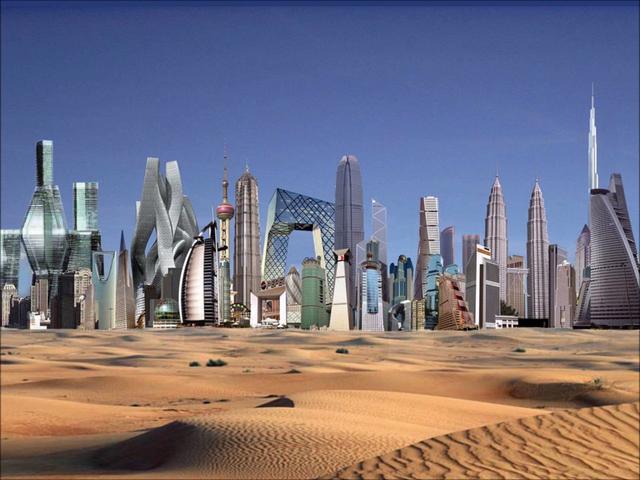
Architectural personages have been mulling the Chicago Architectural Biennial. It is the first such extravaganza to be held in the World Capital of Architecture. Chicago is also the Windy City. That comment is an example of “deep structure,” or meta something or other, I think.

Now the personages – in this case mainly deans of architecture schools – are pulling their chins over sharp criticism of the Chicago Biennial by an über personage, actually an über-under personage, Patrik Schumacher. He is the director at Zaha Hadid Architects and (sad to say) teaches at architecture schools around the world. So he is a big cheese.

Here, in a post by the great man, is the essence of his critique:

Contemporary architecture ceased to exist, the discipline’s guilt and bad conscience has sapped its vitality, driven it to self-annihilation and architects have now en masse dedicated themselves to doing good via basic social work.

Schumacher, who is German, has a good point. I wonder how he would track the rationale behind the discipline’s guilt and bad conscience. Might it be connected to the vast reaches of ugliness that “contemporary architecture” has inflicted upon the world? Well, probably not. Perhaps the guilt arises from providing the brand for rapacious “capitalism” now that pirates have freed it from the free market? Nah. Or maybe it is modern architecture’s record of experimentation on the poor, who can’t afford to turn up their noses at the “accommodation” architects pretend to provide. I doubt it. Or maybe architects feel guilty about not feeling guilty for any of this stuff.

Has this guilt sapped architecture’s vitality? Ha! What a joke!

Several of the deans impaneled to express appropriate concern over Patrik Schumacher’s criticism are quoted at length by The Architect’s Newspaper in “Debating Schumacher’s Chicago Biennial Criticism. Shumacher’s post is also quoted in full. The piece, stitched together by AN’s Matt Shaw, is fun if expressions of appropriate concern are your thing. The deans do an adequate job of talking around the issues Schumacher raises. They wonder if he is peed off because he wasn’t invited to address the Chicago Biennial and rivals like Bjarke Ingels were. They compare the Chicago Biennial to the Venice Biannale. The most recent, last year, was criticized by architecture critics who felt blindsided by biannale director Rem Koolhaas’s decision to show a lot of historical architecture, which put a lot of modern architecture on the spot. Since the Chicago Biennial was more about architects expiating their sins than about architecture itself, no worries on that score here.

Here is a trailer for the Chicago Architectural Biennial.
Posted in Architects, Architecture, Architecture Education, Architecture History, Art and design, Video | Tagged , , , , , , , , , | 3 Comments

Let Adelaide be Adelaide

crazycruises.com.au.jpg

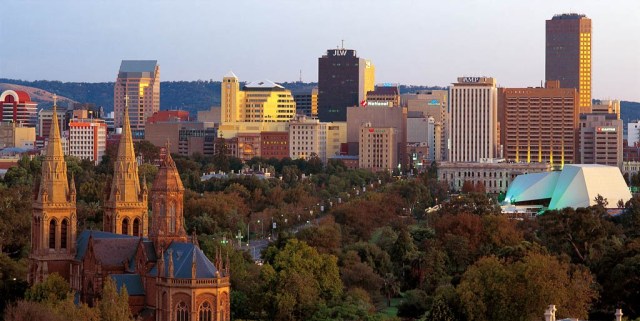
Which part of Adelaide, Australia, looks like itself? (crazycruises.com.au)

Adelaide, Australia’s fifth-largest city, gracing the continent’s southwestern quadrant, has almost 10 times the population of the city of Providence but the same perceived needs. Manufacturing having vamoosed (you can’t say headed south), Adelaideans seek to develop medical services and high-tech research. So says Architect Journal’s Paul Finch, who visited recently and then asked himself “Why do cities try to be more like somewhere else?

Ah, the sixty million dollar question! And let me assure you, while he asks the right question, Finch does not know the answer.

That design decision is a good example of what cities can do if they only encourage architects and developers to answer the following question: ‘How can we make this city more like itself, rather than more like somewhere else?’ Assuming that the city in question is not a lost cause, this is surely the attitude that should prevail in the inevitable debates that take place in relation to heritage and regeneration.

sensational-ad.com

Adelaide Oval. (sensational-adelaide.com)

Sure, but first a reader must wonder about “that design decision.” Finch refers to the Adelaide Oval, a new stadium that nicely opens up to a hillside of fig trees, but otherwise seems (to my eyes, at least) to have nothing to do with making Adelaide “more like itself.” At the same time he complains of the proposed demolition of a modernist (or as Finch suggests, “postmodern Gothic”) house of God. It is the church pictured at the top of his article. Maughan Church is not that bad as such things go, but it is certainly not what makes Adelaide Adelaide.

At the risk of sounding like a broken record (a risk I take all the time, and proudly), a city’s historical architecture is the model for what a city looks like. The buildings were designed by its own architects using local practices that augment classical and traditional design practices often imported from Europe. They incorporate structural and ornamental elements nurtured by traditions that local architects have developed by trial and error, generation after generation, to cope with the quirks of local climate and local materials. Those methods are as freely available to local architects practicing today as they were a century ago. So the solution is elementary, my dear Finch.

It’s not that cities require the beauty that arises from staying true to their own selves. Many cities of dubious allure are pleasant places to live, as Finch reports is the case with Adelaide. Beauty is not everything. But beauty is one element of a nice city that is easy, cheap, free to experience, and much more conducive to happiness than most design elites are likely to admit. And, oh, did I mention that the beauty achieved by traditional architectural methods is intrinsically local?

So, as Finch puts it, “assuming a city is not a lost cause,” that’s the answer to the question. Paul Finch is not going to like it because he is an architecture critic and so he is used to applauding design initiatives that are not so simple-minded as “the old way of building.” But if Adelaideans want their city to be more like itself – more like themselves – the solution is not exactly rocket science. Locatecture, anyone?

Posted in Architecture, Architecture Education, Architecture History, Art and design, Development, Other countries, Preservation, Uncategorized, Urbanism and planning | Tagged , , , , , | 2 Comments

Your best lost building here!

lost14-e1395885902188.jpg

View up Westminster Street, circa 1890, past Hoppin Homestead Building, at right. (Courtesy of Providence Journal archives)

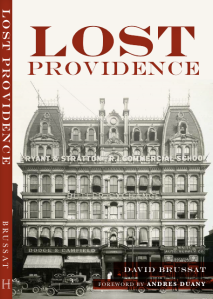
The other day I received an email from Edward Mack, an editor at The History Press, an imprint of Arcadia Publishing. You all know their books. The regional literature shelves of your local bookstore are struggling even now under the weight of one of History Press’s most popular series, Images of America. Old photos of a beloved location is a theme that sells many books. What Ed Mack has asked me to write is something different.

9780738504636

“Lost Hartford” (The History Press)

He revealed that he had visited my blog and read “Providence’s 10 best lost buildings,” from last year, which he said he thought could be fleshed out into a good book. He noted that they had a Lost Hartford but no Lost Providence. It sounded very intriguing to me. Anticipating Arcadia’s modern-day marketing strategies, I thought I’d post here a request for readers to suggest possible “best lost buildings” not mentioned in my original post, linked to above. Perhaps I could include several from readers, and mention them by name. Hey, Modern Internet Marketing 101! That sound okay, Ed?

So anyway, dear reader, click on the link to see what lost buildings I mentioned in my post and suggest one or more that I did not get to first. There are only 10 on the list. Scores if not hundreds of cherished structures have been lost but remain embedded in the memory of Rhode Islanders. So there must be wealth of opportunity for new best lost buildings of Providence out there. Any takers?

Posted in Architecture, Architecture History, Blast from past, Books and Culture, Development, Preservation, Providence, Providence Journal, Urbanism and planning | Tagged , , , , , | 8 Comments

Skyscraper vs. skyscraper

171302411_640.jpg

City beautiful? Rem Koolhaas’s iconic skyscxraper poster. (rialnodesigns.com)

Hats off to Kristen Richards of ArchNewsNow.com for publishing a denunciation by CityLab of the (Toronto) Globe & Mail’s critic Eric Reguly’s piece “Why skyscrapers are killing great cities.” Otherwise we might not have seen the latter essay, which flies near to flawless in its critique of skyscrapers.

Its logic is why it irks CityLab’s Kriston Capps, a lickspittle mouthpiece of modern architecture and its corporate overlords. Capps’s reply, “Of course skyscrapers aren’t ruining cities,” is filled with the usual claptrap you get when a running-dog lacky critic hits his PC’s “save/get” for a random defense of the typical modern architect’s work product, usually generated by playing 52-card pickup with the shards that constitute the modernist tool kit.

“No building is as ugly as inequality,” writes Capps, summing up the fatuous, indeed, the supercilious non-sequitur that constitutes the nut graf of his response to Reguly’s essay. I’ve linked to Capps’s piece for the amusement of readers, but I really want to address the one flaw in Reguly’s piece:

The problem isn’t modern architecture per se. When the modern complements the old, it can enhance a city — the Blackfriars station, the Sainsbury Wing of London’s National Gallery and even the glass pyramid at the Louvre are all examples. But when the scale is enormous, and when it has no connection to the features that have given the city its personality for hundreds of years, it overshadows that city’s character. The new look is bland and homogenized.

Wrong, Eric. The problem is modern architecture per se. Modernism aims precisely to contradict and overshadow beauty in the city. And P.S., the Shard is not “strikingly elegant.” It is an eyesore, perhaps literally so for God.

Throwing the spotlight on a few blessedly muted modernist structures such as the Sainsbury Wing and the Louvre Pyramid – the former a rare elegant twist on classicism, the latter nicely sequestered in the courtyard of the Louvre (the Blackfriars Station: Not!) – merely makes the contrary case.

The problem is not the very few bearable modernist buildings but the flood of typically tedious modernist buildings that are homogenizing the built environment while blindsiding the natural environment. Capps argues that skyscrapers enable density that’s good for the environment, but that is not so. Any serious plan to address climate and sustainability would replace all skyscrapers with medium-rise masonry buildings. That’s not going to happen, but the facts are the facts. Paris’s central districts provide higher density than Manhattan at far less cost to the climate.

Furthermore, modernist skyscrapers have been shown up in Manhattan as greater wasters of energy than older skyscrapers. That’s because all the gizmo green high-tech nincompoopery simply cannot make up for the fact that glass curtain walls make heating and cooling systems work much harder than they’d have to work in masonry towers.

In fact, swap all the modernist skyscrapers in Manhattan for the Big Apple’s lovely old skyscrapers – the Woolworth, the Flatiron, and the rest of the old lovelies. Alas, that’s not going to happen either, and nobody knows what is going to happen. But readers of this blog can click on those two essays picking a fight over skyscrapers for a skyrocketing good time.

Posted in Architects, Architecture, Architecture Education, Architecture History, Art and design, Development, Urbanism and planning | Tagged , , , , , , , , | Leave a comment

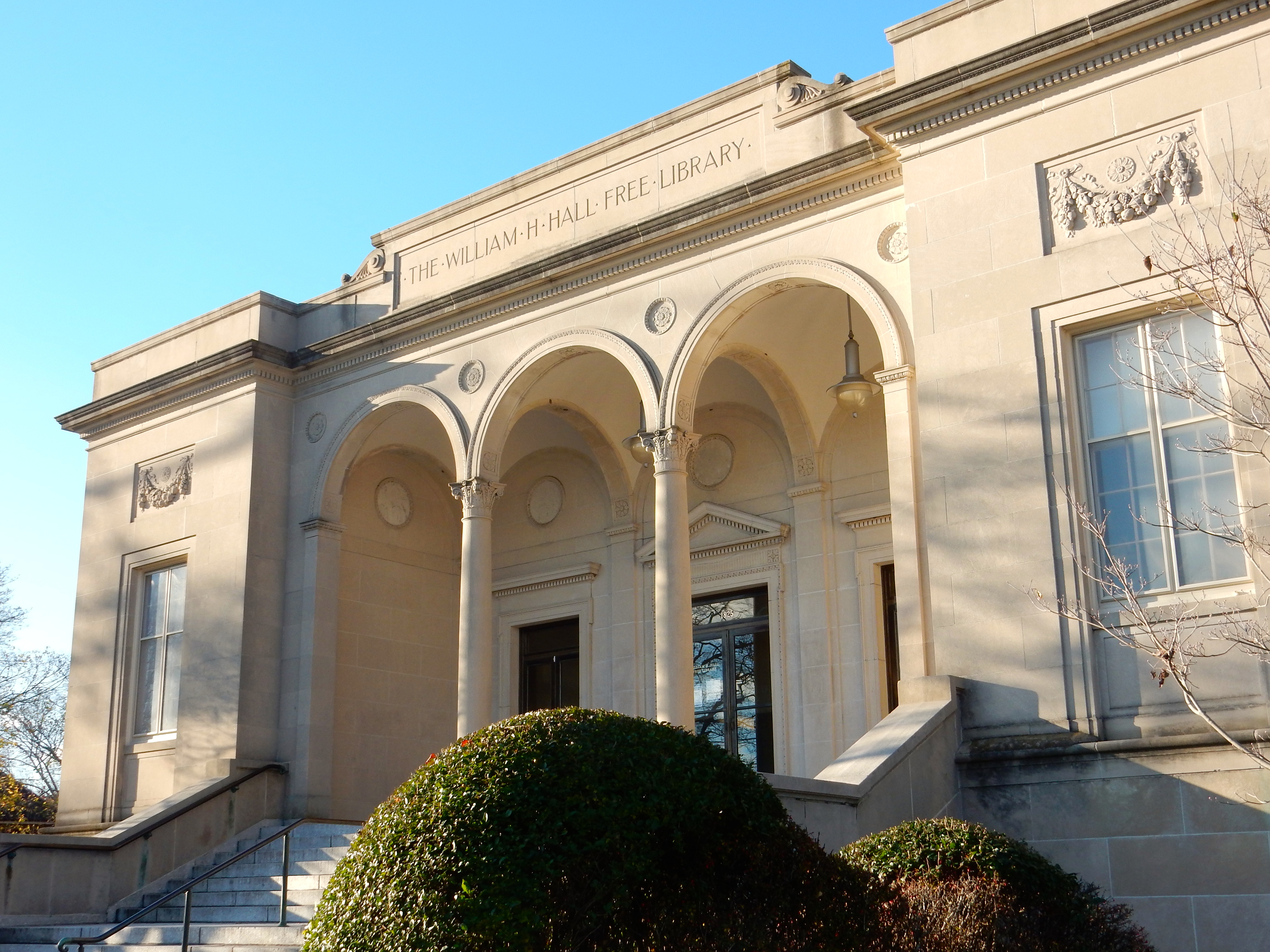
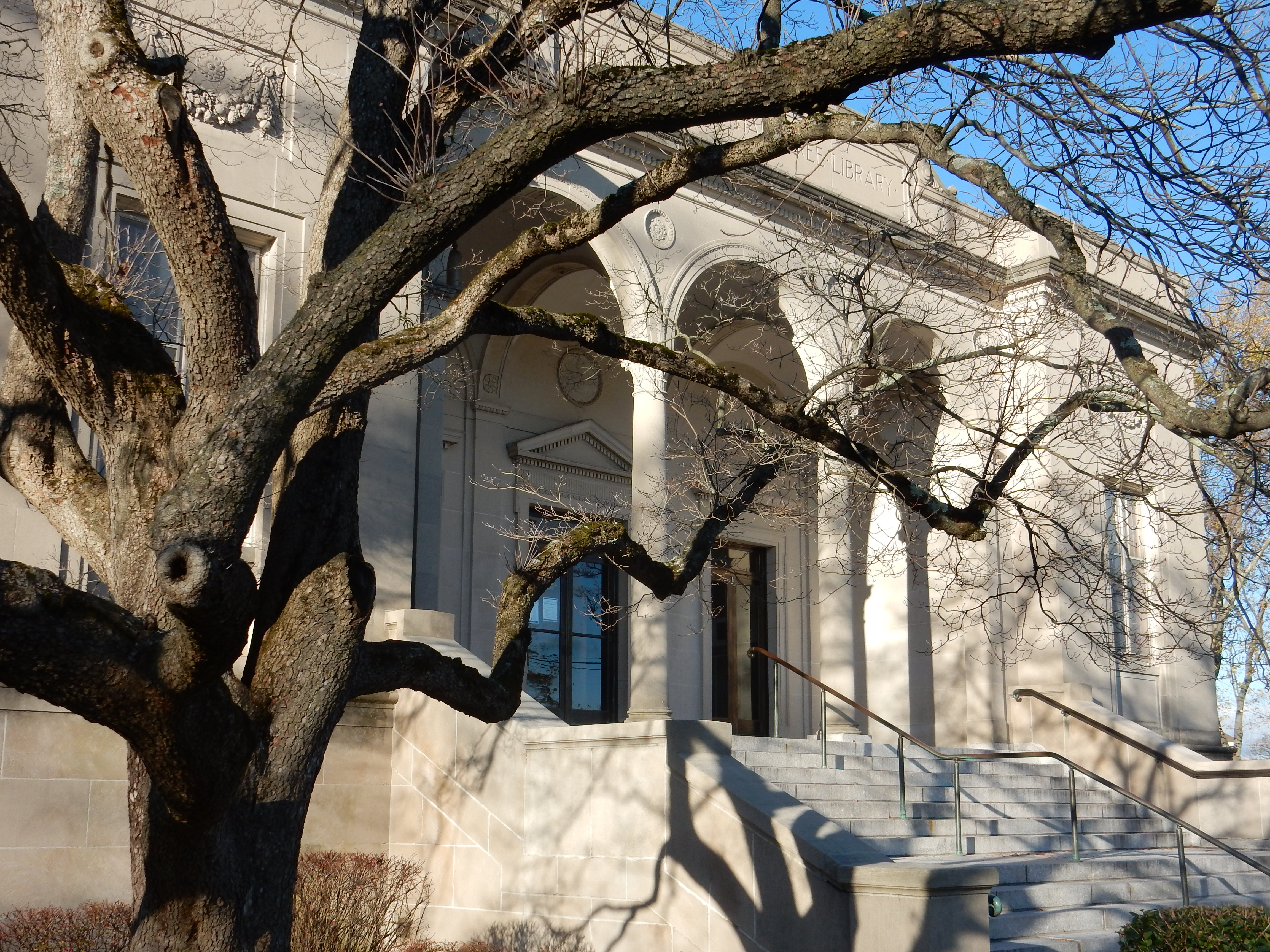
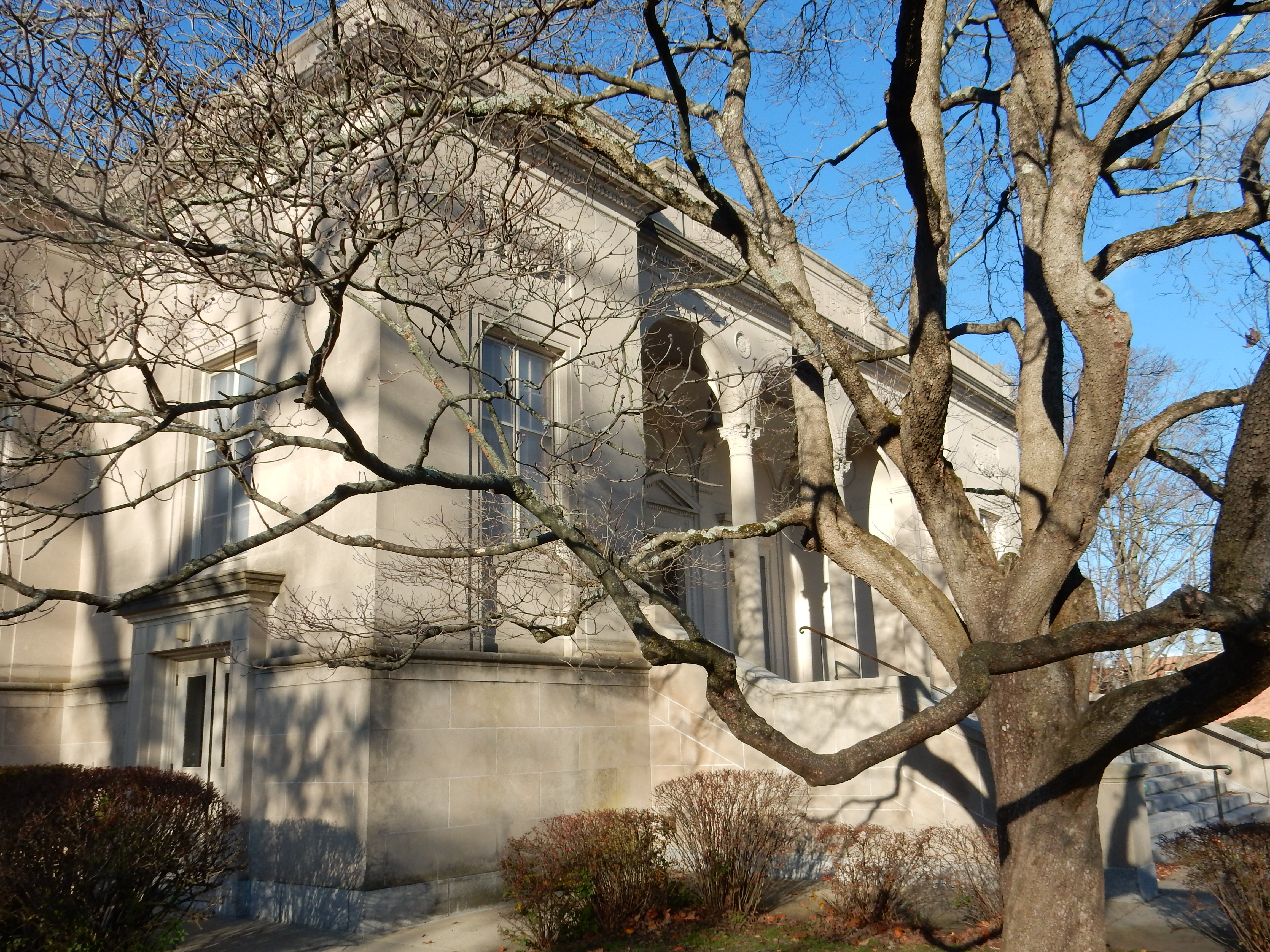
Cranston’s Hall Free Library

Drawing of Hall Free Library by architect George Frederick Hall. (Cover, “A Library Is Born”)

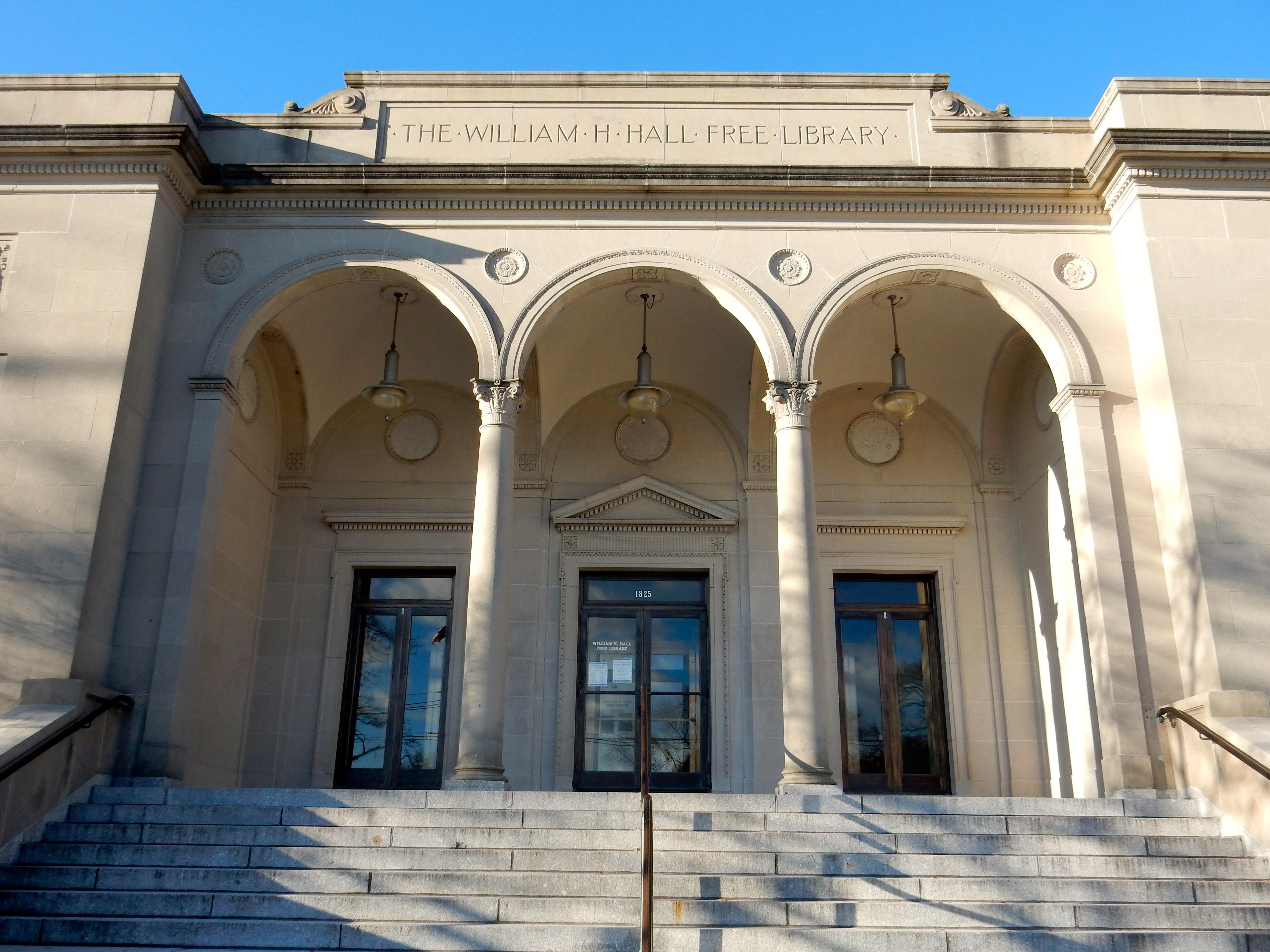
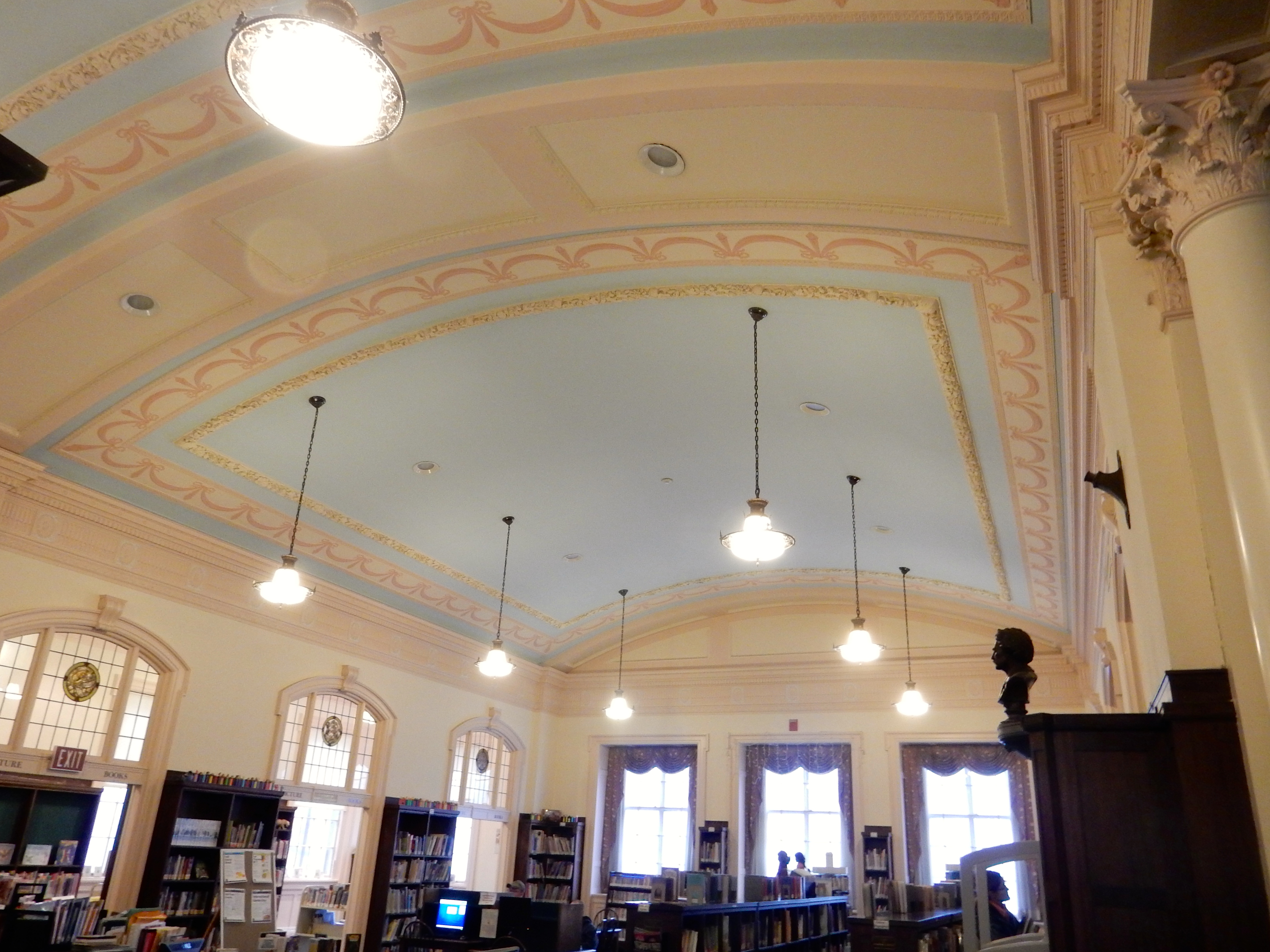
Your intrepid correspondent met on Friday at the William Hall Free Library, in the Edgewood neighborhood of Cranston, with Clayton Fulkerson to view his models of ancient temples, now on exhibit there through the rest of this month. The library, built in 1927, is also very much worth seeing. Clay and I were shown around by head librarian Adrienne Gallo.

Adrienne said she knew of no family connection between William Henry Hall, the business magnate who donated the land he lived on for a new library, and its architect, George Frederick Hall. With Frank H. Martin in Martin & Hall, his firm designed 30 buildings in Providence alone. These included the boathouse and the museum at Roger Williams Park and, in downtown, the Smith Building (1912), where I lived in 1999-2010. At the time he designed the library in Cranston, Hall was also the supervising architect for the Industrial Trust (“Superman”) Bank Building. He designed the 1903 portion of the Shepard Building and both the Kennedy Plaza and Weybosset Street comfort stations. He designed his own house at 49 Orchard Ave. Martin died in 1917, Hall in 1928.

With the considerable merit of that work, it still seems easy to nominate the William Hall Free Library as the most elegant and pleasing product of Hall’s career. After its dedication, the Providence Journal, quoted in A Library Is Born (2000), by Marian Sachs, stated with a fine editorial floridity:

If one is not prone to use superlatives, an attempt to describe the new William H. Hall Free Library presents a difficult task, for it is a building of rare beauty, approached on every side by wide terraced lawns and girded by rows of elm and pine trees.

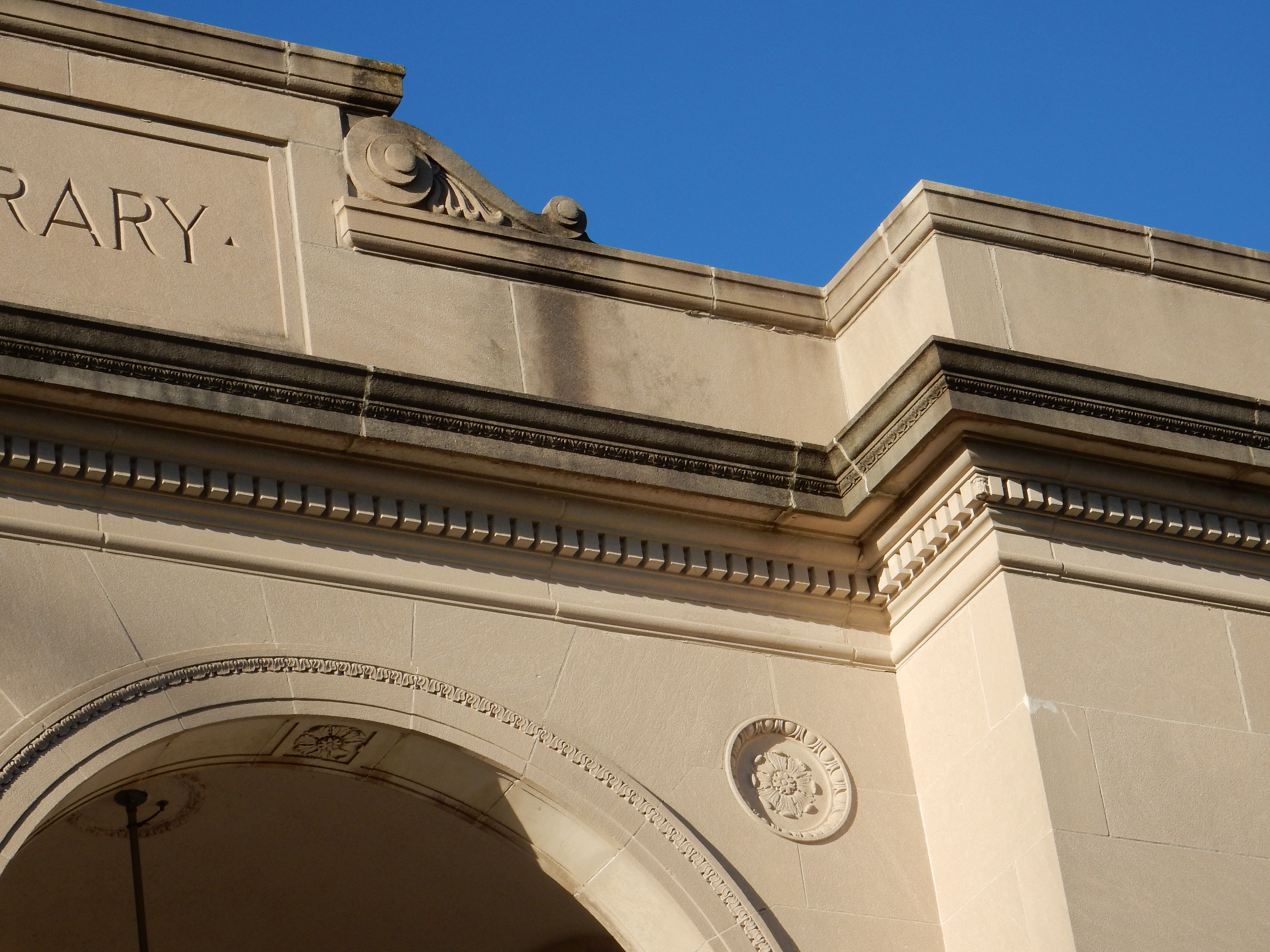
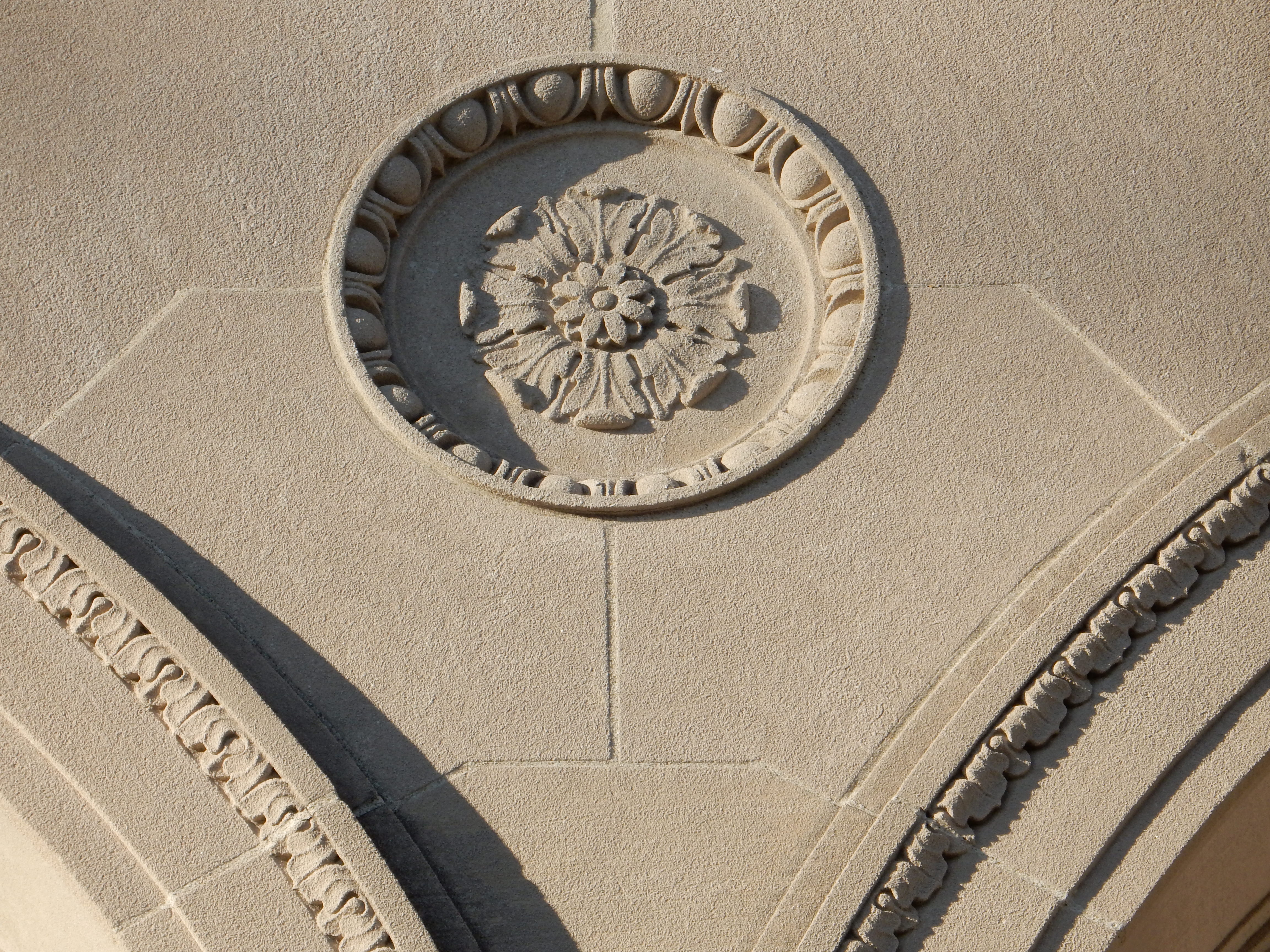
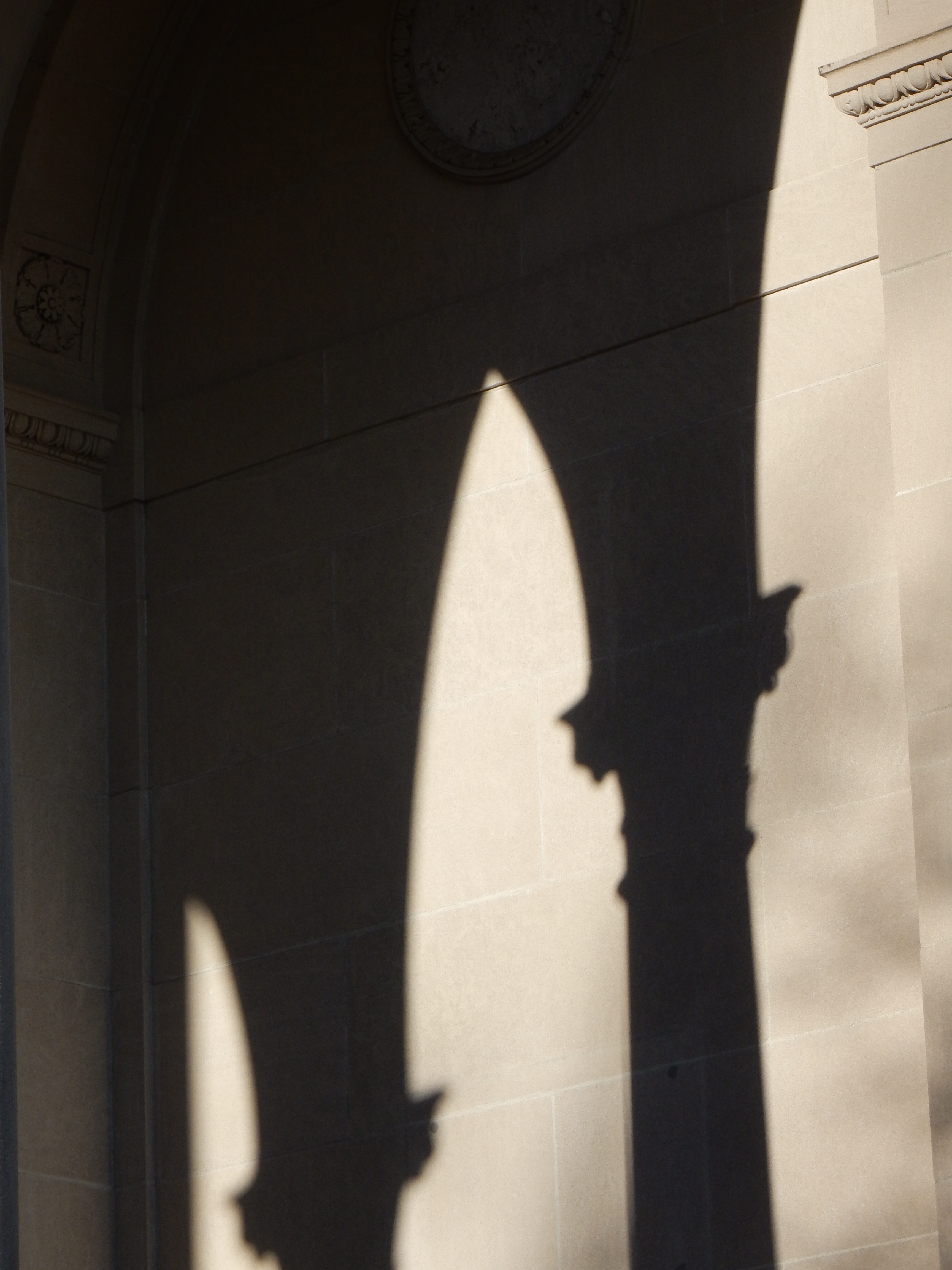
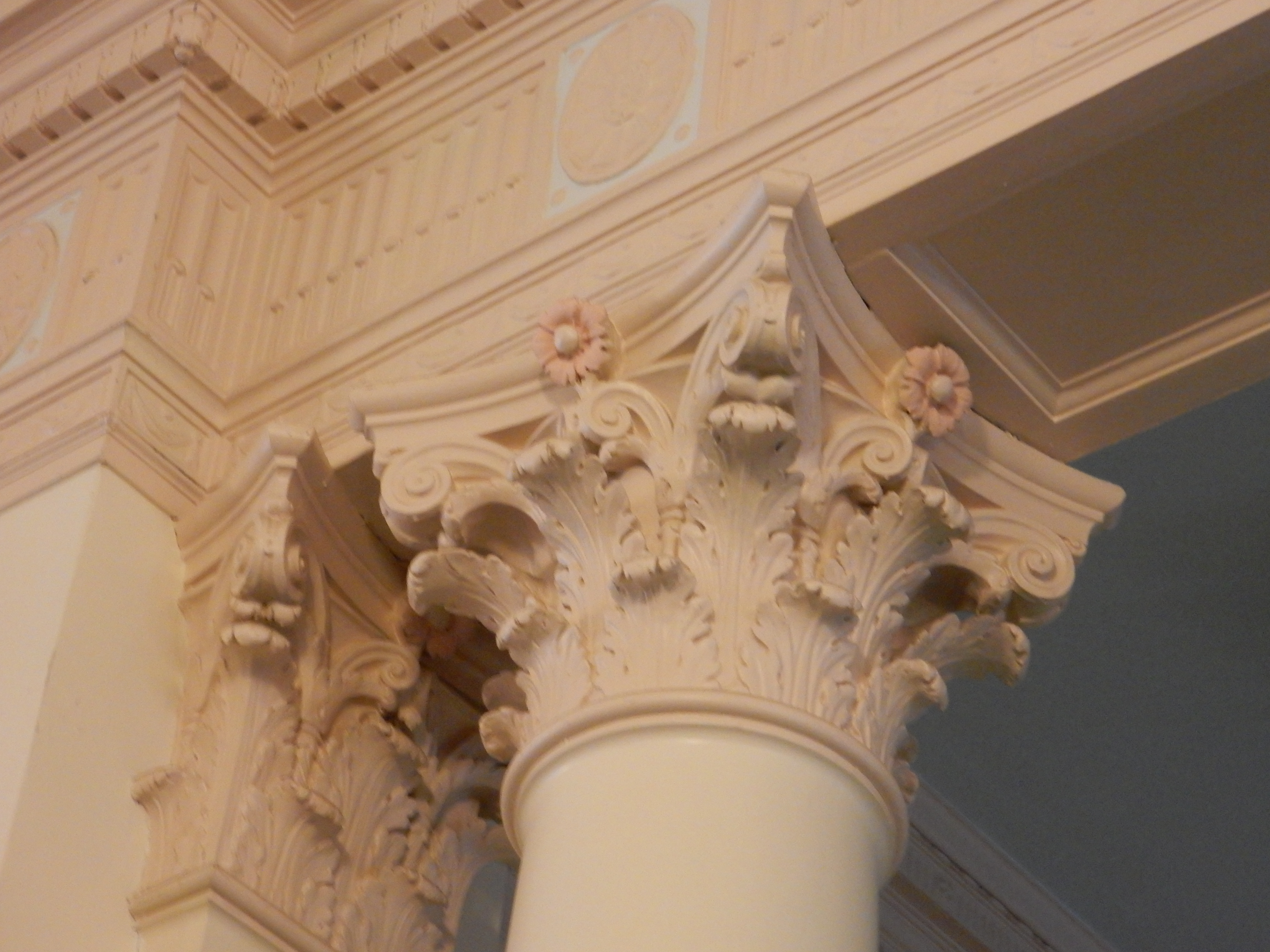
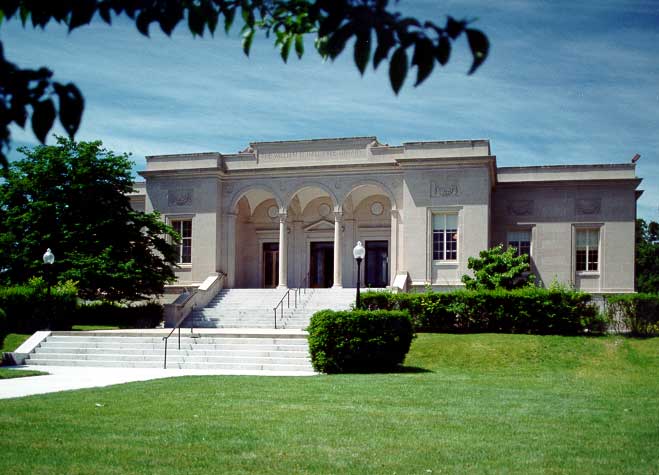
The limestone edifice on a base of granite sits gently upon its landscape. Its delicate ornament displays the talent of architect Hall in using the classical tool box to articulate by way of shadow the sun’s course of travel hour by hour along the raiment of its embellishment.

The slender grace of the library’s Renaissance Revival entry portico, with its three arches, lightens considerably the architecture of the structure as a whole. The original bronze doors remain intact. They are light and heavy at the same time. Heaving them open to enter leaves a powerful impression of quality that reminded me of the doors of the Rhode Island Convention Center; but the library only cost $275,000 ($3.7 million in today’s dollars).

The Edgewood Free Library, founded in 1897, occupied sites in a schoolhouse at Park and Warwick avenues and on Norwood Avenue, where the Edgewood fire station was erected in 1928 after the relocation of the library to the new Hall Library on Broad Street, a few blocks south of the offices of my excellent doctor, the family practitioner Jeanne Swen.

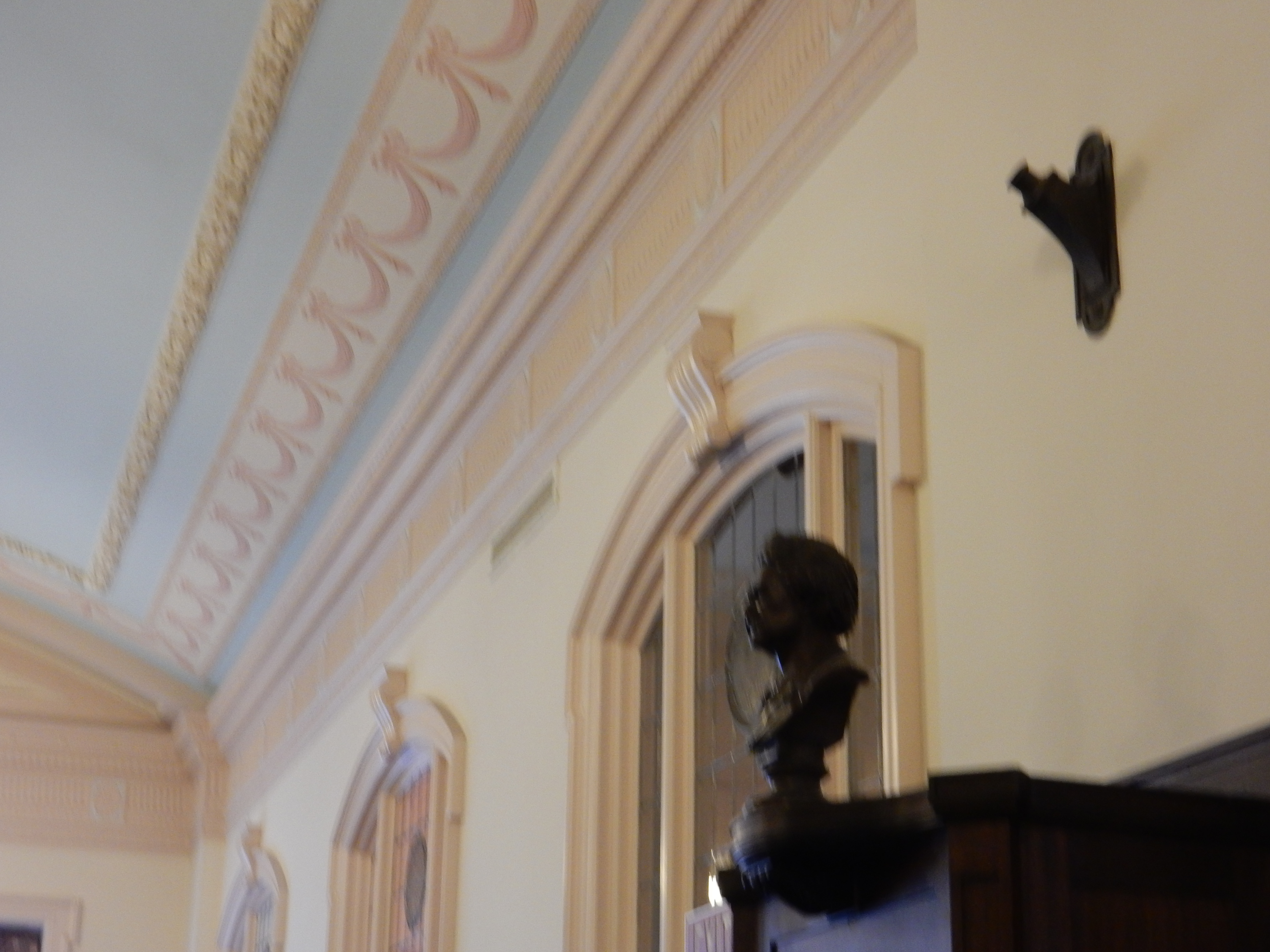
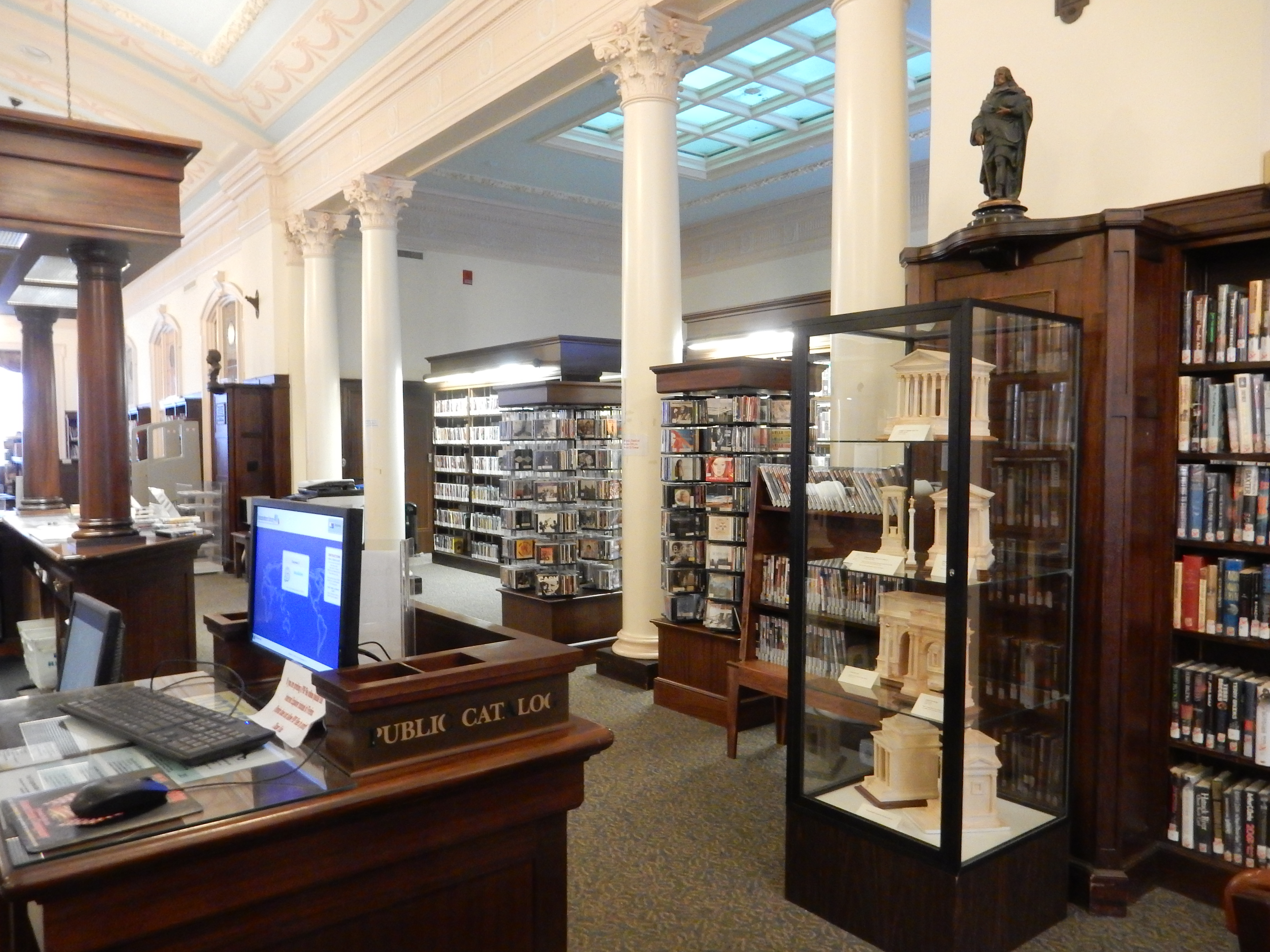
Adrienne’s tour revealed the care taken by architect Hall to bring a degree of elegance even into the most understated parts of the building, whether it be the auditorium or the men’s comfort station in the basement. She described the building’s restoration and renovation by the firm of Robinson Green Beretta in 1989, performed to stanch a period of decline following the construction of a new central library for Cranston in 1982, after which the Hall had reverted to a branch library. (Don’t even ask what the central library, on Sockanosset Cross Road, looks like!) The job – which installed a host of needed utilitarian improvements, plus mahogany shelving around the perimeter of the main reading room and a beautiful circulation desk at its center – reinvigorated the Hall’s mission to carry out its benefactor’s wishes.

Words can only carry readers so far to experience the beauty of the William Henry Hall Free Library. Fortunately, this reporter has a camera:

DSCN9778

DSCN9793

DSCN9799

DSCN9796

DSCN9797

DSCN9809

DSCN9785

DSCN9786

DSCN9787

DSCN9788

DSCN9795

DSCN9810

DSCN9812

DSCN9739

DSCN9753

DSCN9738

DSCN9751

DSCN9728The last photograph shows the display case that contains Clay Fulkerson’s models of ancient temples and arches, on display for the rest of this month.

Posted in Architects, Architecture, Architecture History, Art and design, Landscape Architecture, Photography, Preservation, Rhode Island, Urbanism and planning | Tagged , , , , , , | 9 Comments

Paris strong, Paris beautiful

This photo and those below mostly emphasize the quotidian beauty of the Parisian street.

This photo and those below mostly emphasize the beauty of the Parisian street.

Very little suggests itself to me in reply to last night’s evil events in Paris except to assert, a year after the Charlie Hebdo attack, that America still has France’s back. America is next. It becomes deadly clear that the United States must step up its leadership in the defense of civilization. That said, hearts on this side of the Atlantic go out to our first allies on that side of the Atlantic, and we offer prayers for the victims and their families. In the meanwhile, about all I can do is to remember what Paris and France have meant to the beauty of the world, which is worth fighting for.

These photographs were taken on a trip to Paris I made in 2002.

DSCN5716

DSCN5681

DSCN5863.JPG

DSCN5684

DSCN5808

DSCN5807

DSCN5973.JPG

DSCN5748

DSCN5773

DSCN5671

DSCN5910.JPG

DSCN5933.JPG

DSCN5925

DSCN5935.JPG

DSCN5728.JPG

DSCN5917

DSCN5763

DSCN5764

DSCN5797

DSCN5841.JPG

DSCN5829

DSCN5946

Posted in Architecture, Architecture History, Art and design, Books and Culture, Other countries, Photography, Preservation, Urbanism and planning | Tagged , , , , , , , , | 2 Comments

Shostakovich in Leningrad

Screen shot from Kaz's blog of Dmitri Shostakovich.

Screen shot from Kaz’s blog post on Dmitri Shostakovich. (readnomore.com)

I just read a passage so astonishing about Shostakovich’s Symphony No. 7 (“The Leningrad Symphony”) that I must pass it along. It is about how the Soviets got a score for the newly written music to Leningrad during the siege. The quote is from the wonderful blog on music by Kaz. Earlier in his remarks about Shostakovich, he describes the difficulty of being a musician under the communist dictatorship. That is worth reading, too, especially in light of the long debate over whether comfort or discomfort enables greater art.

During the siege of Leningrad in 1941, Shostakovich found his chance for artistic redemption. It was a desperate time, with thousands perishing every day from starvation, disease and bombardment. Shostakovich worked as part of the night’s watch … diffusing bombs and putting out fires. In his rare moments of tranquility, he would compose music. There’s an old Russian saying that “When guns speak, the muses keep silent,” but Shostakovich defied it by writing his seventh symphony during this time, a monumental work more commonly known as the Leningrad Symphony. It’s a work of both historical as well as musical significance; the Soviet authorities went to great lengths to organize a performance of the symphony, seeing it as crucial to boosting the ailing morale of the people. A radio archive contains a fragment of an executive order given at that time: “By any means, get a score of the Seventh from Moscow. Transport it to Leningrad as soon as possible.” On June 2nd, 1942, a pilot flew a risky mission over Nazi lines to bring the manuscript of the symphony to the besieged city, where it was given to the conductor of the last remaining ensemble in town. There was a problem though: half his musicians were dead, the rest suffering from starvation, dystrophy and exhaustion. A list of living musicians in Leningrad was compiled and ordered to report for duty; they were provided extra rations to give them the strength to hold their instruments (a task they couldn’t manage at the first rehearsal), while a team of copyists worked tirelessly to prepare the parts for the musicians from the original score. When the performance finally took place on August 9th, 1942, German artillery positions were bombarded in advance to ensure the concert was uninterrupted. The concert hall was overflowing for the first time since the siege began, and the music broadcast live to millions of people; news of the performance was heard all around the world with a clear message: Hitler’s attack on Leningrad had failed. A playwright who attended the concert recalled: “People who no longer knew how to shed tears of sorrow and misery now cried from sheer joy.”

Here is a video of the Leningrad’s finale. I follow it with a more mellow work of his, the Piano Concerto No. 2. Kaz’s post also contains a video of Beyonce dancing to Shostakovich. O YouTube! O America!

Screen Shot 2015-11-13 at 2.03.02 PM

Screenshot of Beyonce video. To view, click link in last paragraph above.

Posted in Art and design, Books and Culture, Video | Tagged , , , , , , , , | Leave a comment

Ancient temples on parade

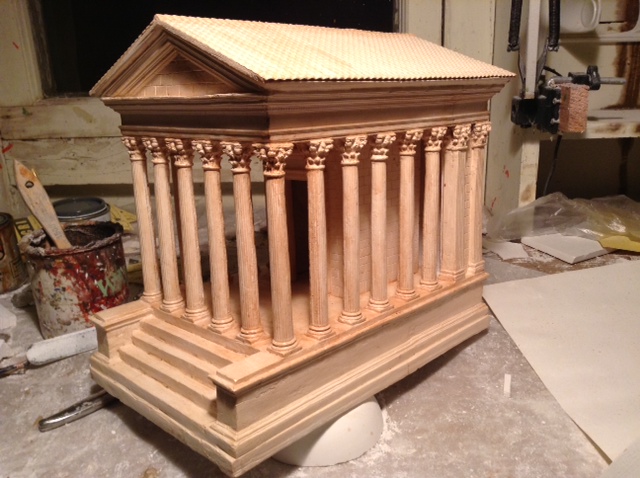
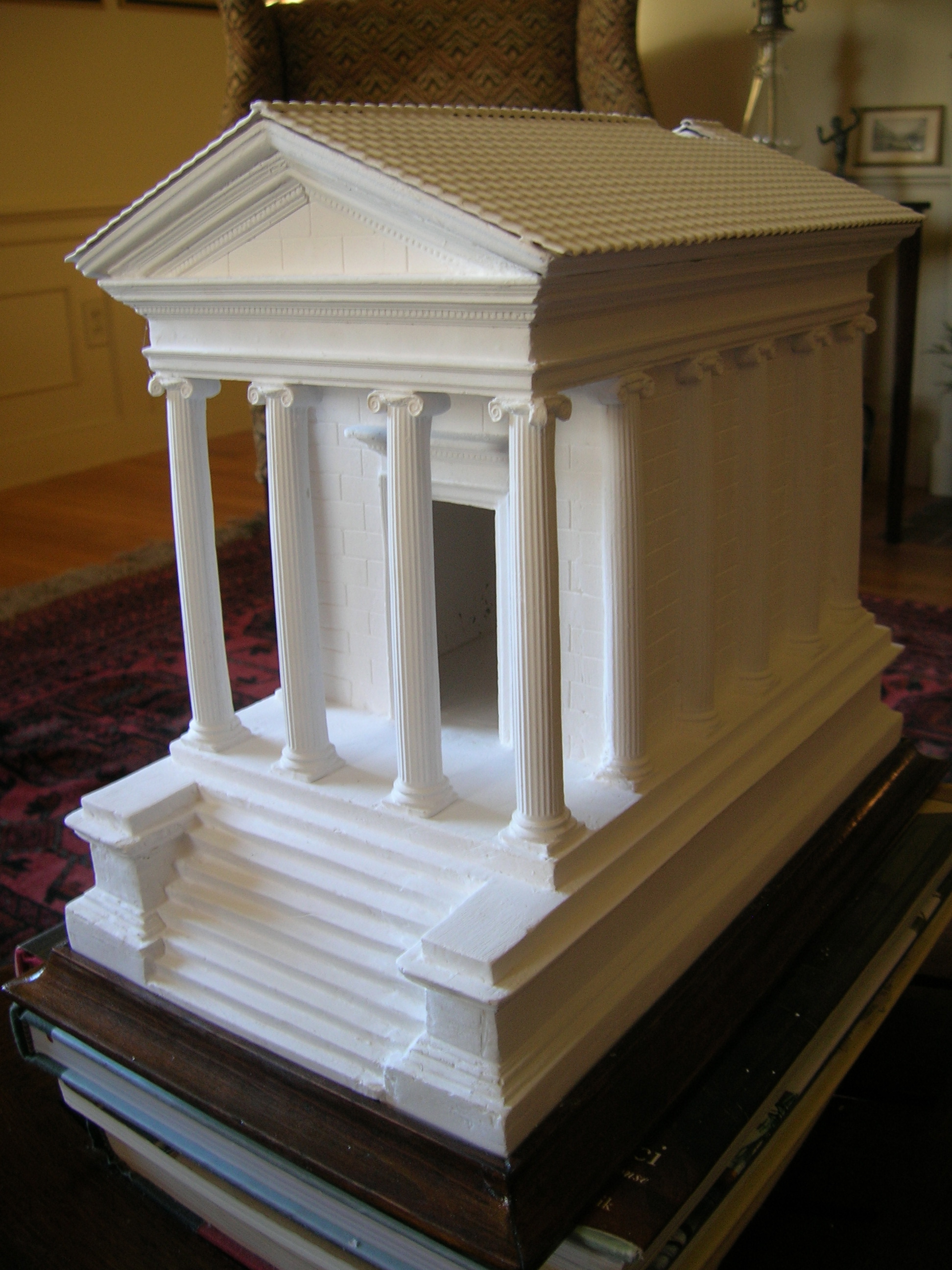
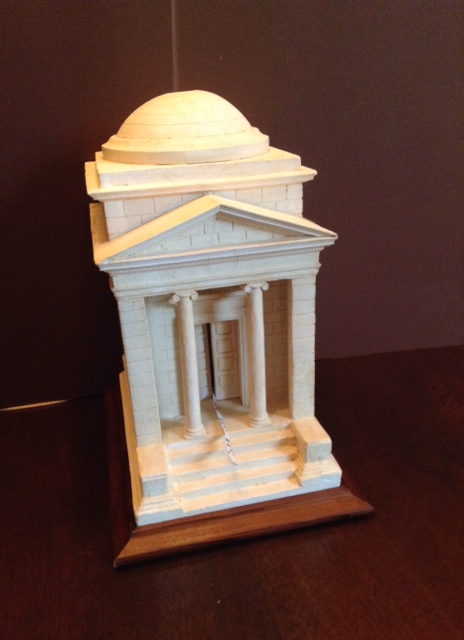
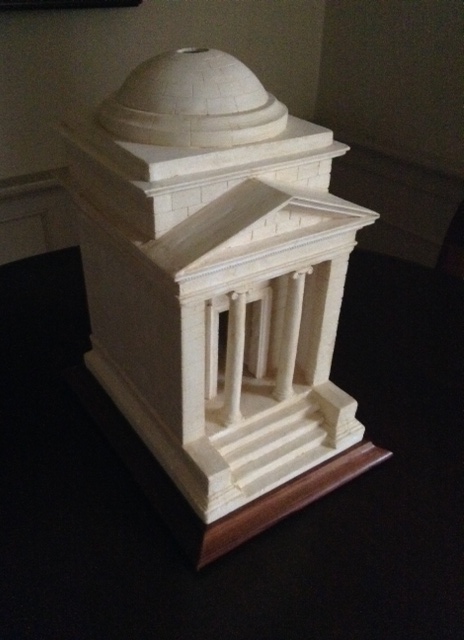
Clay Fulkerson's model of the Temple of Augustus and Livia, in Vienne, France. (All photos except library by Clay Fulkerson)

Clay Fulkerson’s model of the Temple of Augustus and Livia, in Vienne, France. (All photos except for Palmyra and the Hall Free Library by Clay Fulkerson)

Driving up Broad Street in Cranston the other day I passed the William Hall Free Library, designed by George Frederick Hall (no apparent relation) and opened in 1927. Delighted to reacquaint myself with its existence, I promised myself to return soon. A day later, out of the blue, I received an invitation from Clayton Fulkerson to view his miniature ancient temples and arches, now on exhibit at that very same location. We met there yesterday.

Exhibit at Hall Free Library.

Exhibit at William H. Hall Free Library.

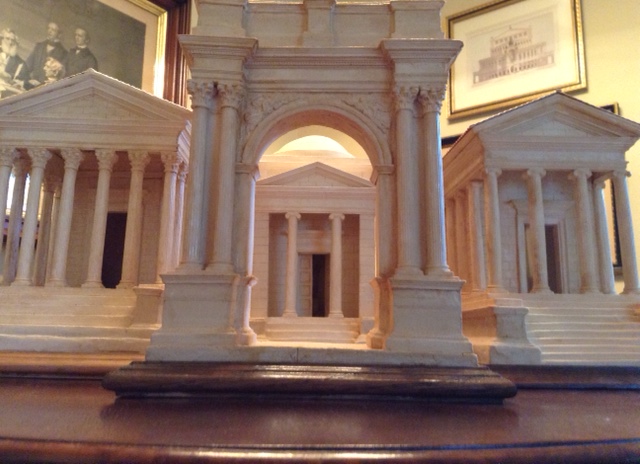
The library cries out for its own post, which I will deliver as soon as the sun permits photography. Before Clay arrived, I found myself astonished by the quality of the models, which looked for all the world as if they’d been stolen from their ancient locations after being miniaturized with some sort of magical ray gun. But no, Clay informed me that he puts them together himself, and has built seven over a span of two years. So aside from his artistic virtuosity his productivity is inspirational.

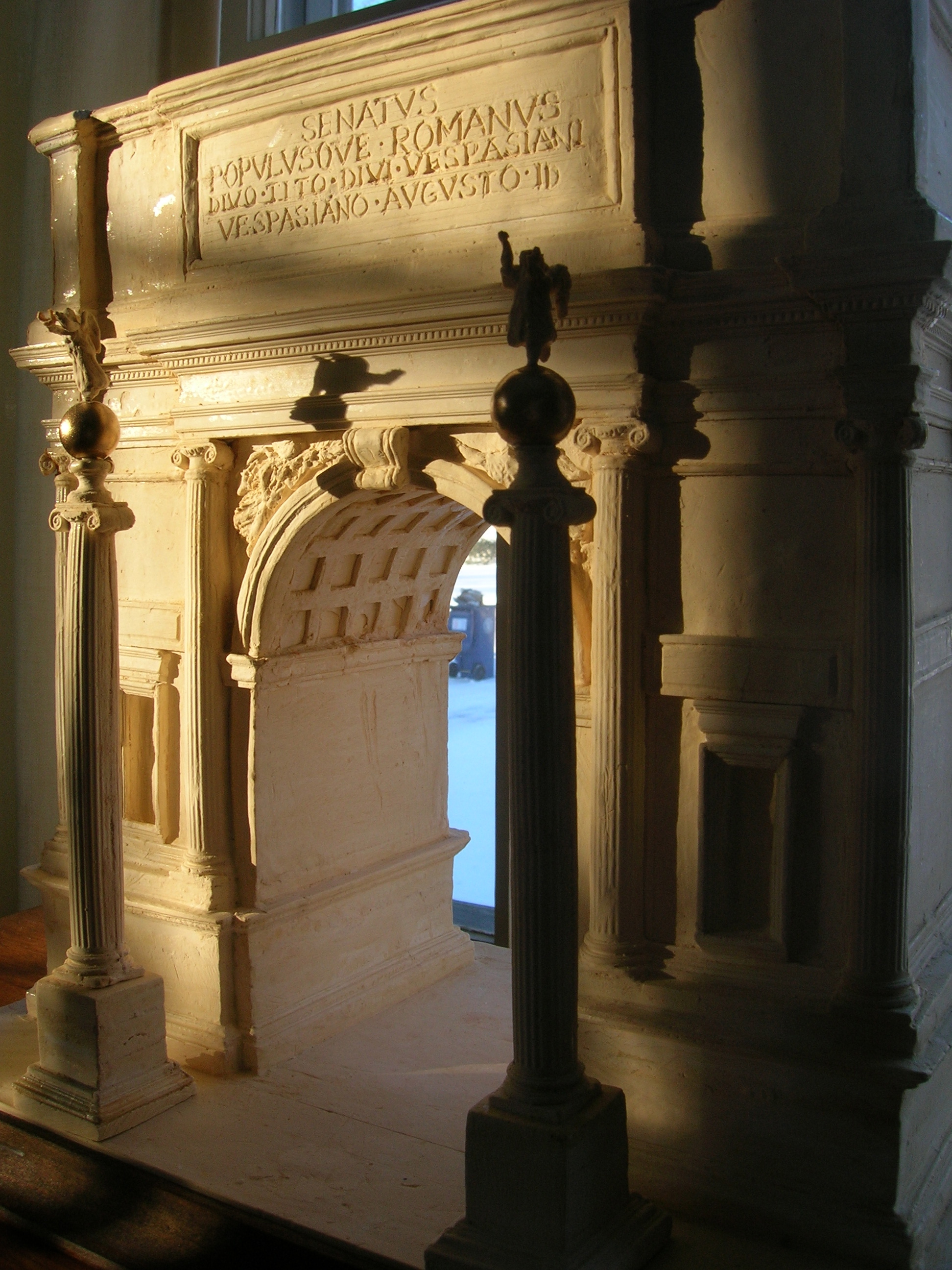
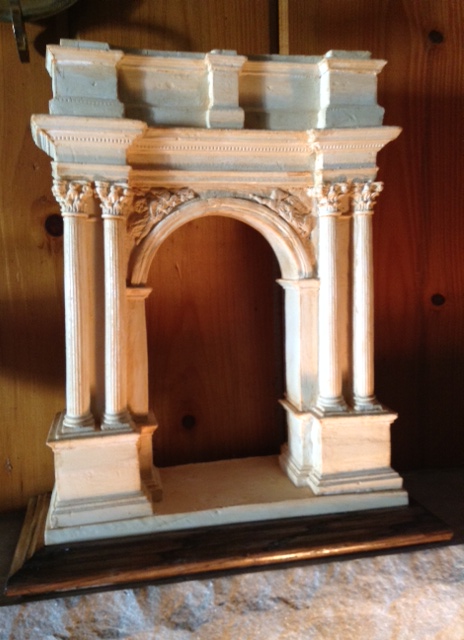
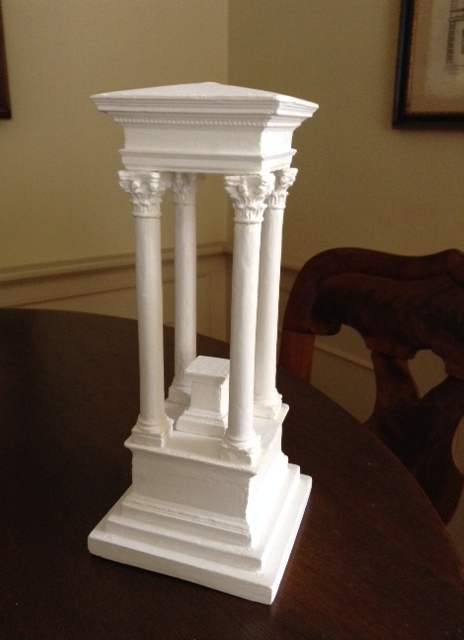
“They are constructed,” he told me, “from cast and poured plaster elements, sawed, ground, and glued into shape. A final coat of shellac gives them an antique appearance. … A few of them, notably the temple at Vienne, France, the arch in Pula, Croatia, and the tetrapylon at Palmyra, Syria, are as close to the originals as I could make them. The others are adaptations of existing structures, or completely original designs.” For example, among the adaptations, he did the Arch of Titus (Rome) with an Ionic rather than a Corinthian order.

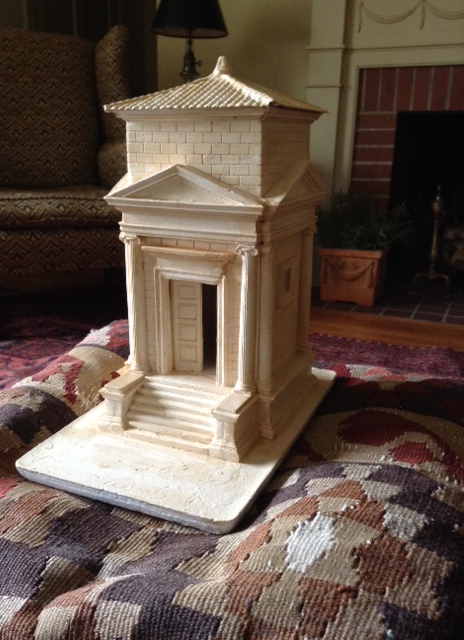
He said his favorite is his first, a slightly shortened version of the Temple of Portunus in Rome. “It has the quirky flaws typical of a first attempt.” (See first photo at bottom of this post). An amateur such as myself would be hard pressed to detect any deviation from the original – and of course for me the deviation’s inability to undermine the temple’s intrinsic beauty argues that the importance of certain proportions is overstated.

Clay himself is a stickler for the rules of the classical orders, however, and would never claim an accuracy that he has not achieved. I will claim on his behalf the architectural virtue of what he considers to be his inaccuracy!

The detailing of some of the Fulkerson temples and arches is informed by the artist’s travel overseas, especially Rome.

Clayton Fulkerson grew up in Cedar Rapids, Iowa, graduated from the University of Iowa, and started his own firm designing and manufacturing Christmas ornaments, through which he developed his talent in the arts of mold building and plaster casting. He has resided in Warwick for 35 years, retired recently and has devoted two years thus far to his ancient temples, arches and original designs, which partake strongly of the classical orders. He is already planning a series of classically inspired incense burners.

The display of the Fulkerson temples and arches may be seen at the William Henry Hall Free Library, 1825 Broad St., through the end of this month (November).

Temple of Portunus, Rome, before shellacking.

Temple of Portunus, Rome, before shellacking.

Arch of Titus, Rome, with Ionic rather than original's Corinthian order.

Arch of Titus, Rome, with Ionic rather than original’s Corinthian order.

Selection of models arranged symmetrically by the artist.

Selection of models arranged symmetrically by the artist.

Arch of the Sergii, in Pula, Croatia.

Arch of the Sergii, in Pula, Croatia.

Tetrapylon, from Palmyra, Syria.

Tetrapylon, from Palmyra, Syria.

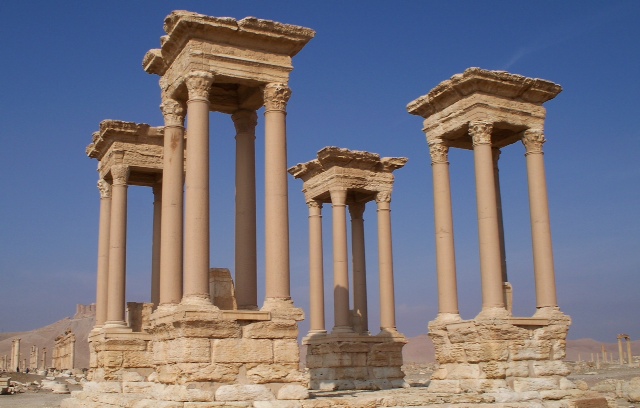
Tetrapylons in Palmyra, during visit by Clay Fulkerson.

Tetrapylons in Palmyra (from the Internet).

Original design for a tower temple.

Original design for a tower temple.

Original design for a domed temple.

Original design for a domed temple.

Original design for a domed temple.

Same design for a domed temple, also an incense burner.

William Henry Hall Free Library, on Broad Street, Cranston. (oslri.com)

William Henry Hall Free Library, on Broad Street, Cranston. (oslri.com)

Posted in Architecture, Architecture Education, Architecture History, Art and design, Photography, Rhode Island | Tagged , , , , , | 5 Comments

SOS for lonely medical relic

Rhode Island Hospital's Southwest Pavilion. (PBN)

Rhode Island Hospital’s Southwest Pavilion. (PPS/Frank Mullin)

It appears that the days are numbered for the sad, lonely final relic of the old Rhode Island Hospital. The Providence Journal’s Patrick Anderson reports in “Rhode Island Hospital plans to raze 115-year-old Southwest Pavilion, last remaining building from original complex,” that officials of Lifespan, the hospital conglomerate that owns RIH, believe that renovation is not an option. For now, at least, there are no plans to replace it.

The building is surrounded by ugly medical structures that scream of a sterile bottom line as the highest priority of the healing profession. I venerate the Southwest Pavilion, but maybe this is one of those rare examples of a lovely old building that should be demolished. “Put it out of its misery” might be the gentle cry of its death knell.

The medical complex is a cluster of ugly modernist structures just beyond the Route 195 corridor. Its architecture speaks as clearly as modern architecture can, voicing bad news for people who are ill and people who want to cure them. But that voice has been ringing in our ears for decades as modern medicine, for all its technological miracles, leans away from its own “first, do no harm” principles.

Only the Southwest Pavilion, designed by Stone Carpenter & Willson and opened in 1900, speaks in the soft, level-headed tones that hark back to the day when doctors made house calls. In fact, the Victorian building looks like a house for doctors, nurses and patients. It stands alone against the will of the medical community to make hospitals symbolize our worst fears for the future of health care in Rhode Island and in America.

Thankfully the Providence Preservation Society’s director, Brent Runyon, has spoken out against the demolition plan. He told the Journal’s reporter that

We think it is incredibly short-sighted and unfair to the community because that building is the last remaining building of the original complex. It had a lot of firsts and the significance within the state is high. They continue to mistreat it and cause it to deteriorate and now say it costs too much to restore.

That is a deplorable strategy of long standing here and elsewhere. The assessment that the pavilion has no useful future arises from a lack of imagination that speaks poorly of Rhode Island’s medical community. And I doubt that its structure truly cannot find a use amid a sprawling modern medical facility. The firm hired to assess the Southwest Pavilion’s future – Durkee, Brown, Viveiros & Werenfels Architects – knew what they were being paid to find, I suspect, and they were determined to earn their money.

Even as science increasingly urges hospital designers to bring beauty to bear on behalf of healing, the medical complex is a cluster of modernist clunkers that pays little heed to how it looks. And believe it or not, its unappealing hodgepodge is the aesthetic now planned for the I-195 corridor, the so-called Knowledge District intended to house medical technology firms and research labs in the area vacated by the relocation to the south of Route 195.

The medical complex is a visible symbol of how to use architecture to kill “the vision of an appealing, vibrant urban neighborhood.” Those were the words used to express current hopes for the I-195 Redevelopment District by its new director, Peter McNally, in this week’s Providence Business News. But copying the medical complex is a poor strategy for achieving that result. Alas, it is a strategy that the commission appears to support.

The Southwest Pavilion plays a lovely melody on a violin whose soft chords may still be heard, if you listen closely, among the clattering garage band that surrounds it. I hope it can be saved. But I am not holding my breath.

Rhode Island's main hospital complex, including RIH, in Providence. (rhodeislandhospital.com)

Rhode Island’s main hospital complex, including RIH, in Providence. (rhodeislandhospital.com)

Posted in Architecture, Architecture History, Art and design, Development, Preservation, Providence, Urbanism and planning | Tagged , , , , , , , | 13 Comments

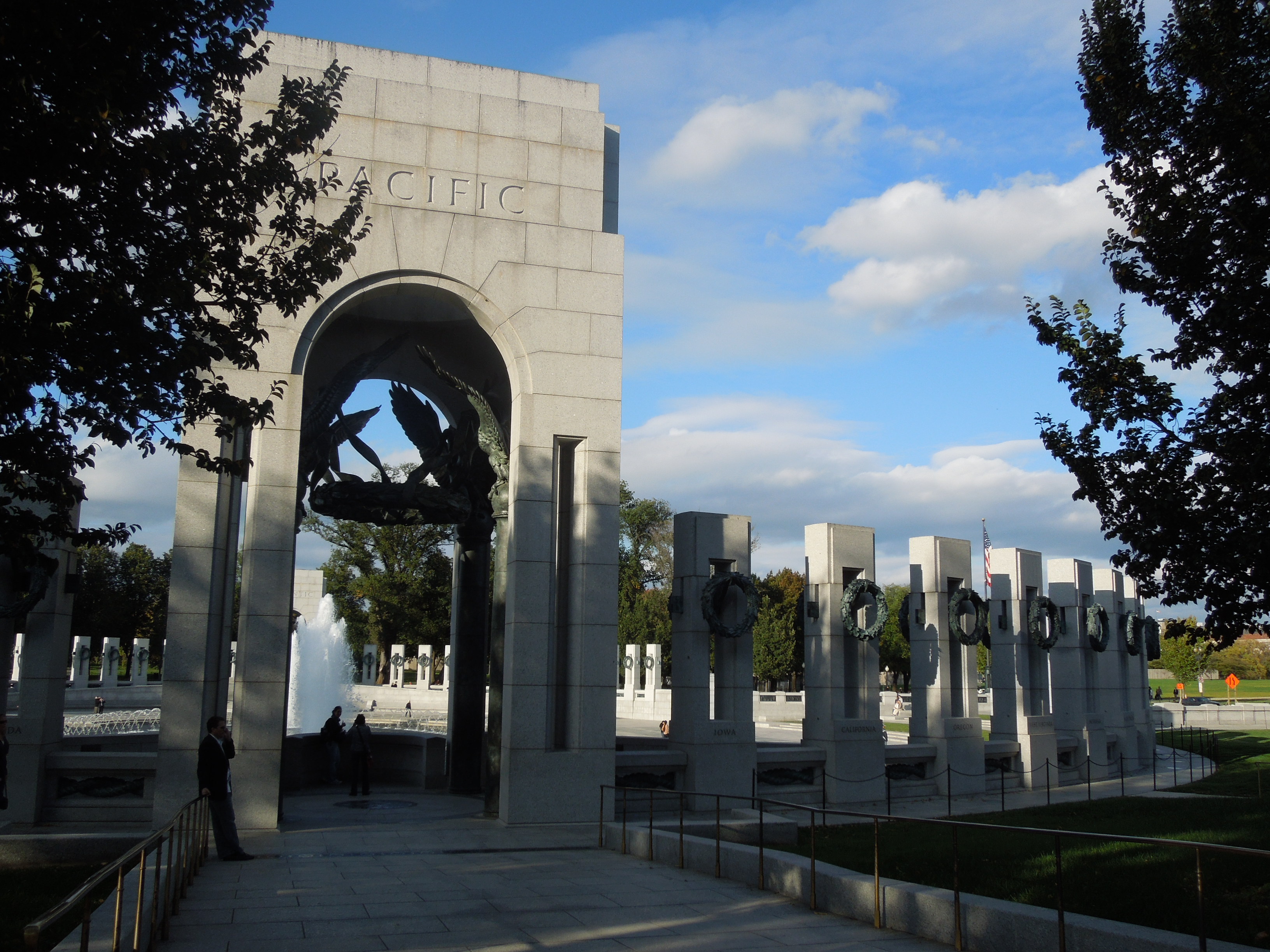
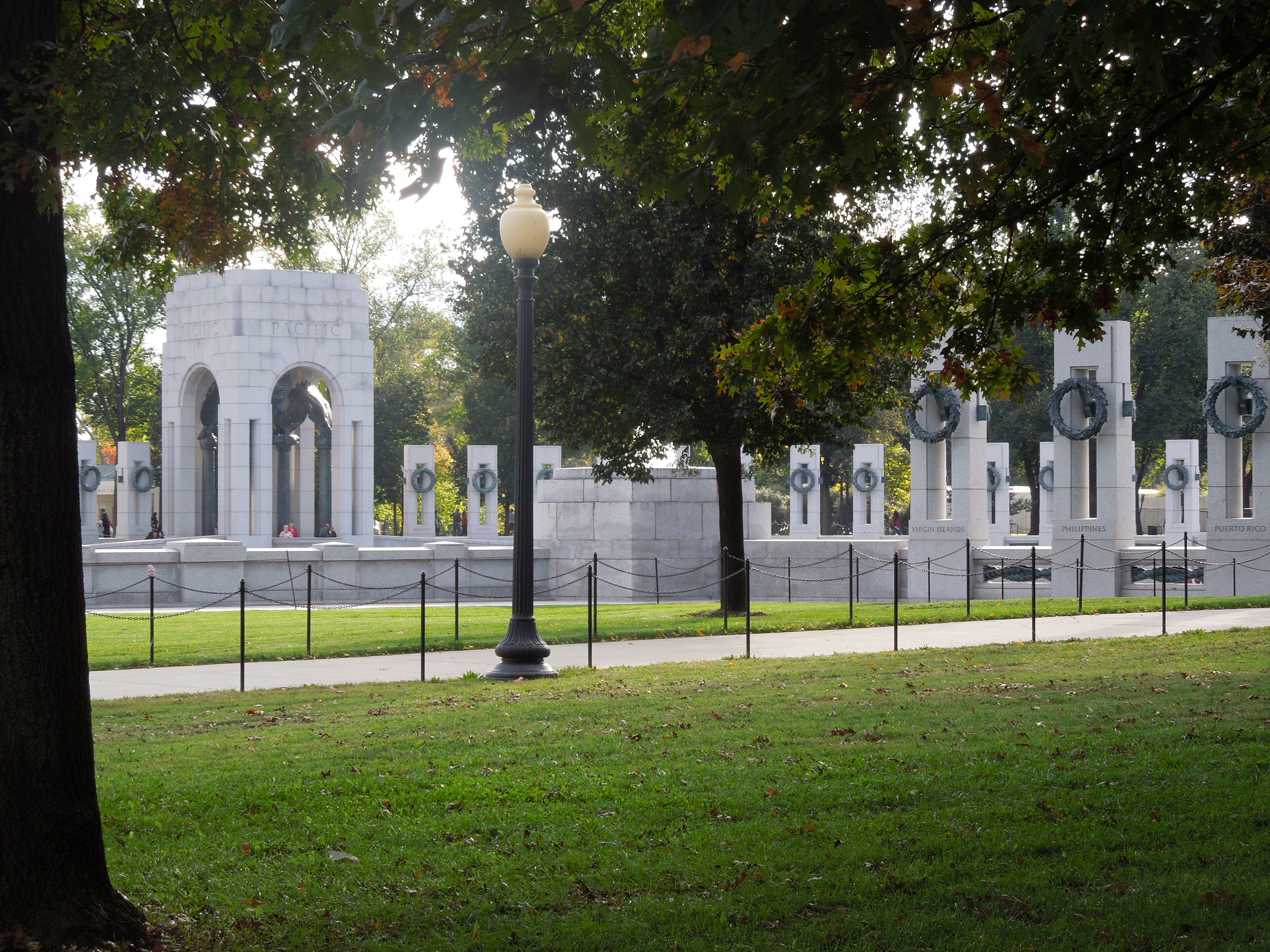
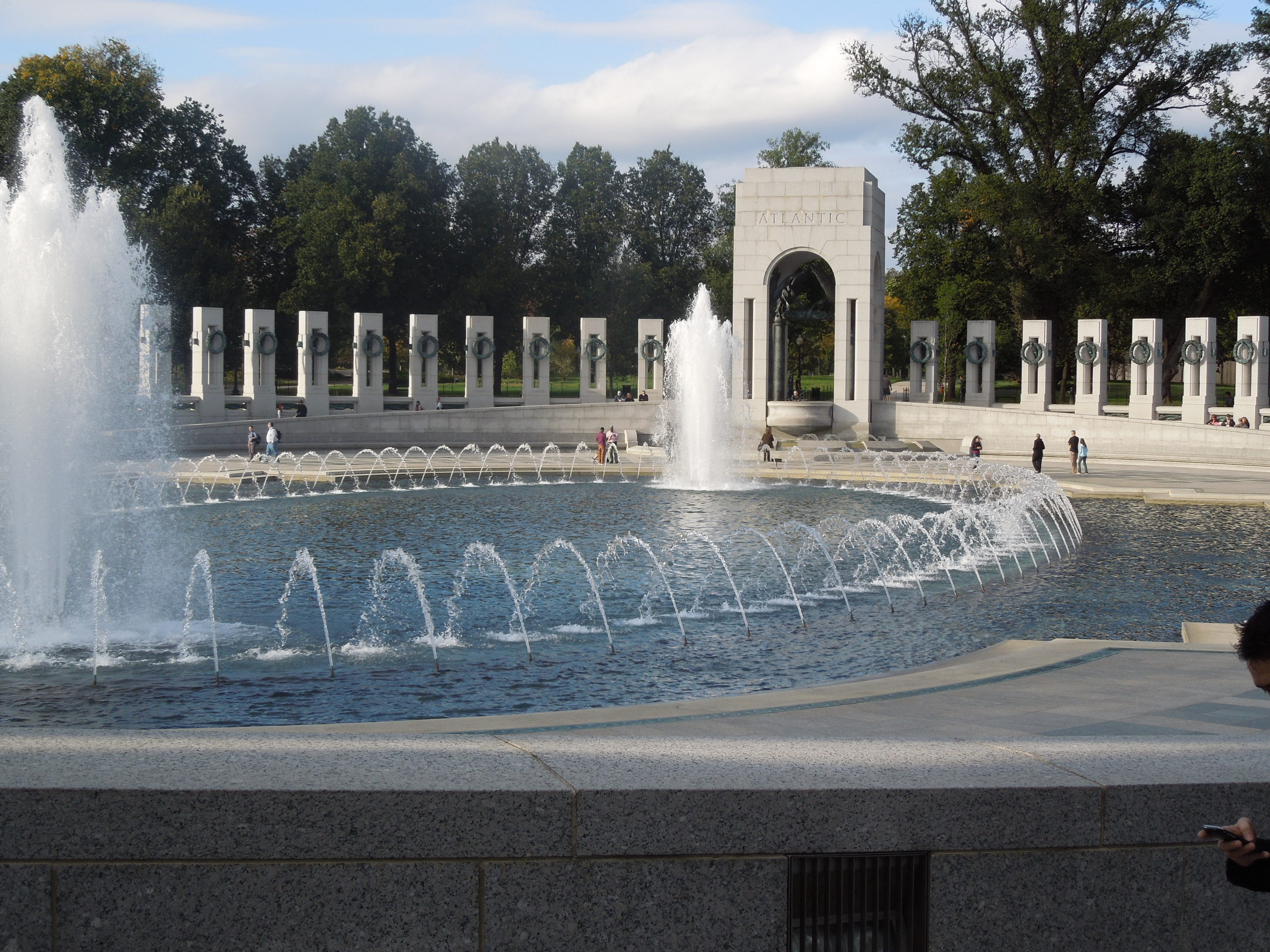
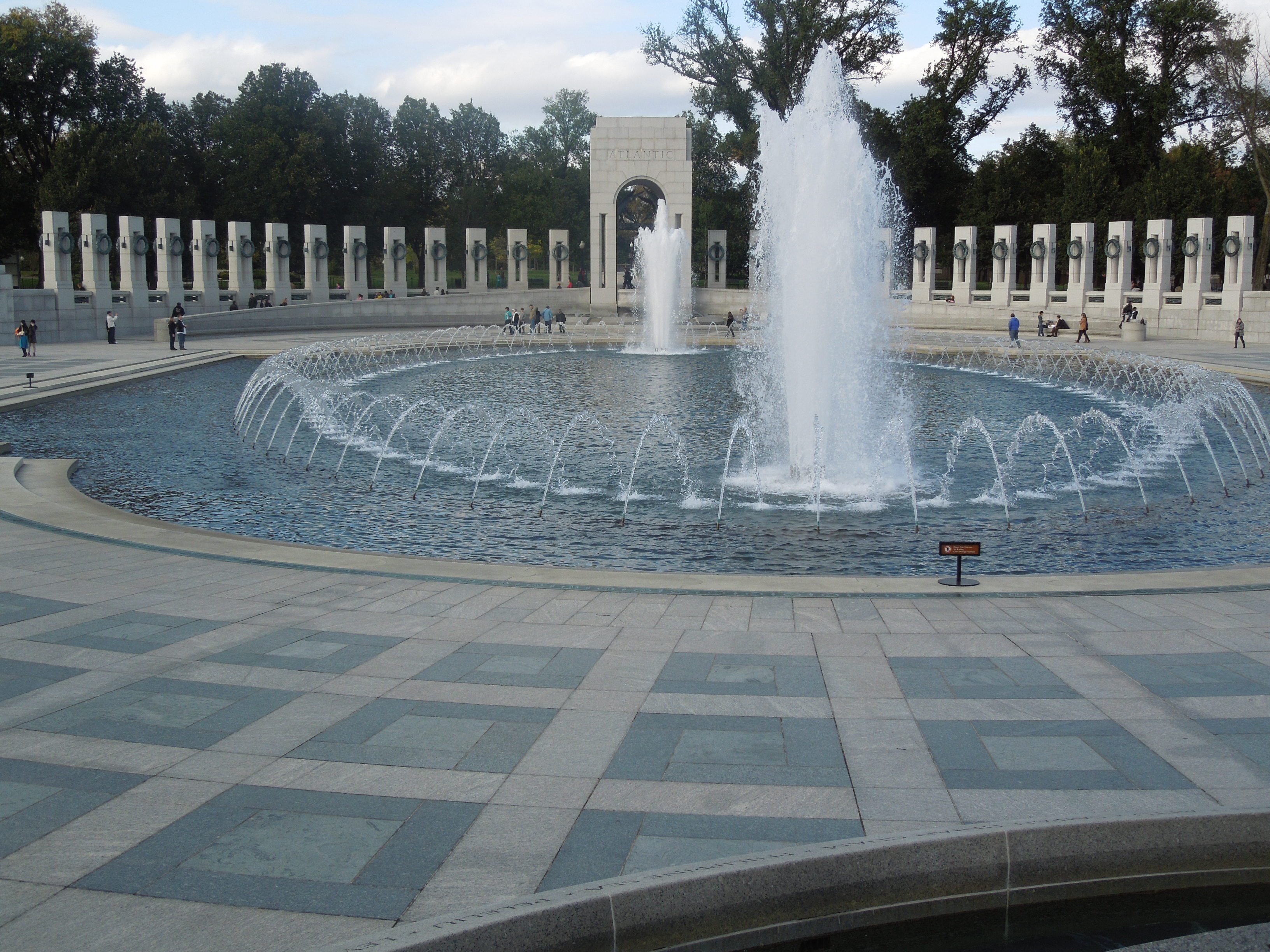
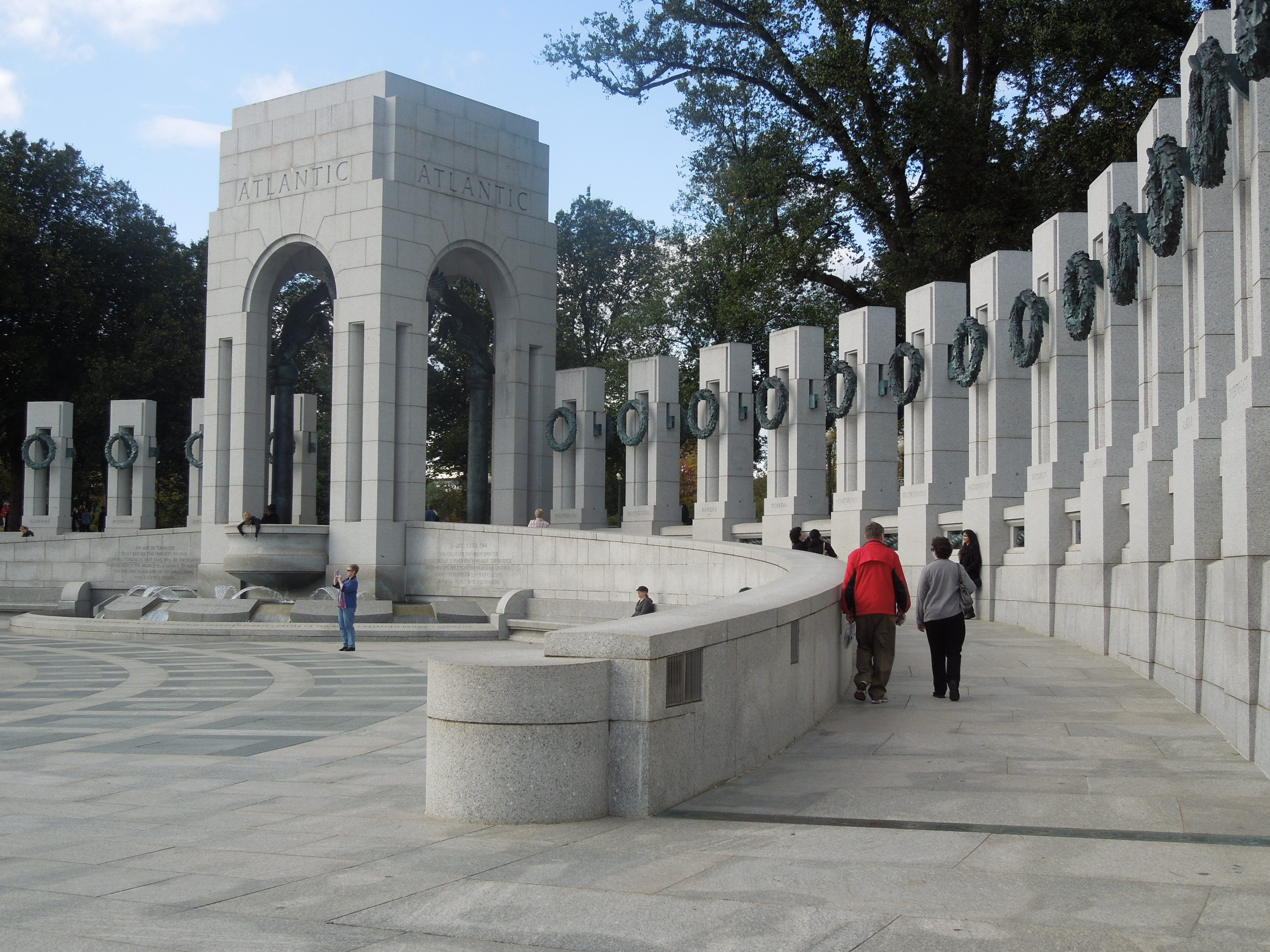
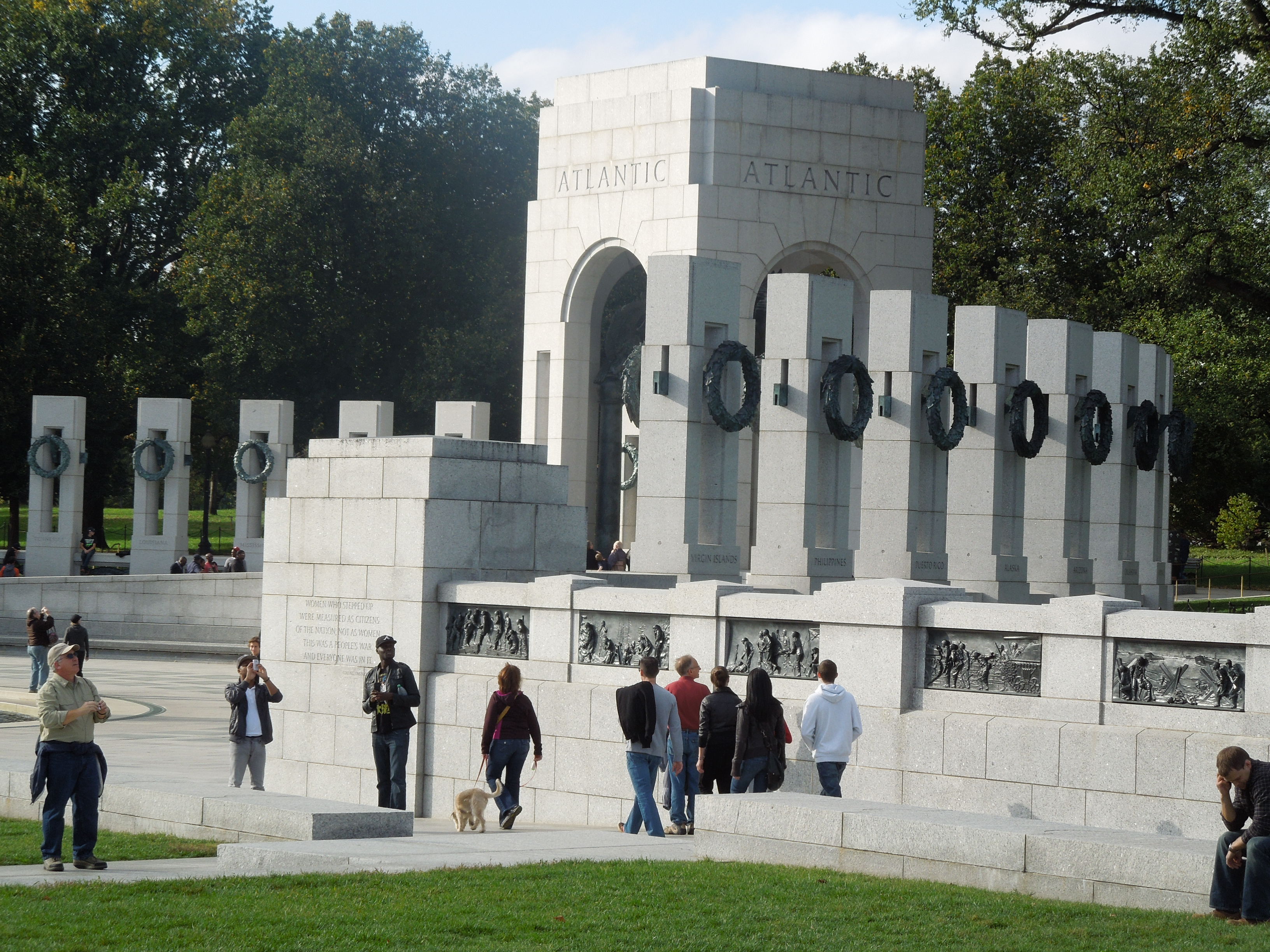
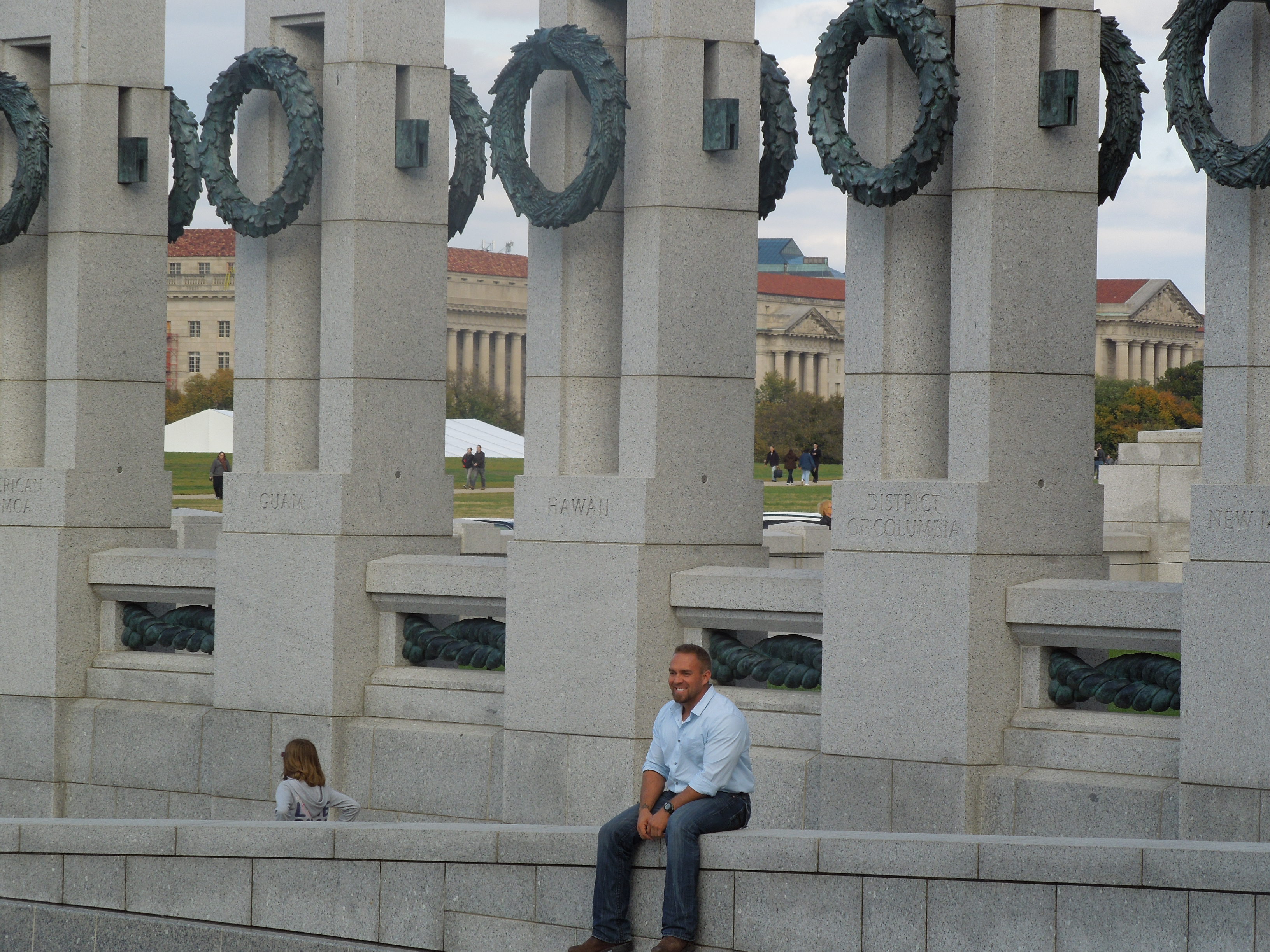
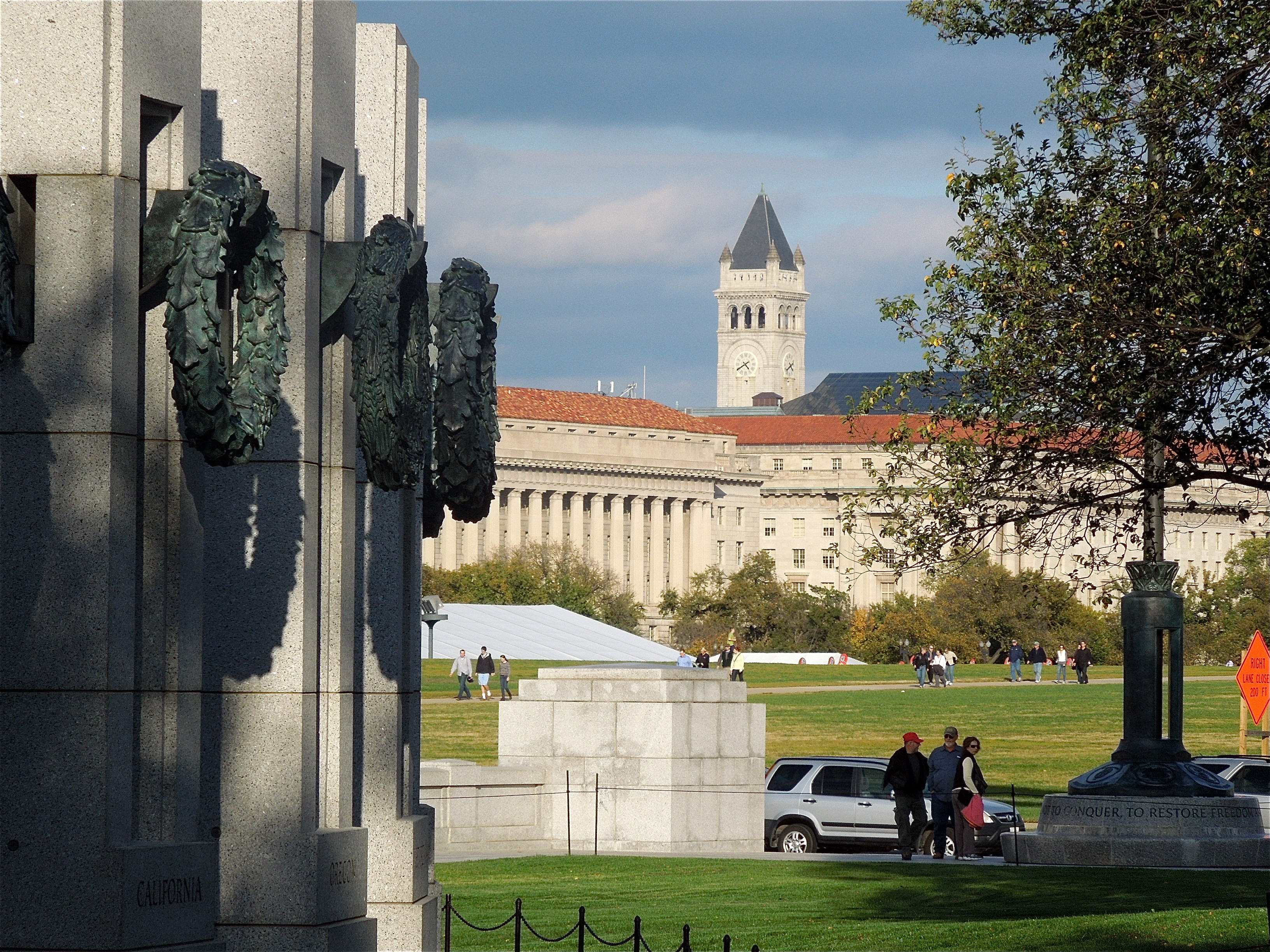
WWII Memorial on Vets Day

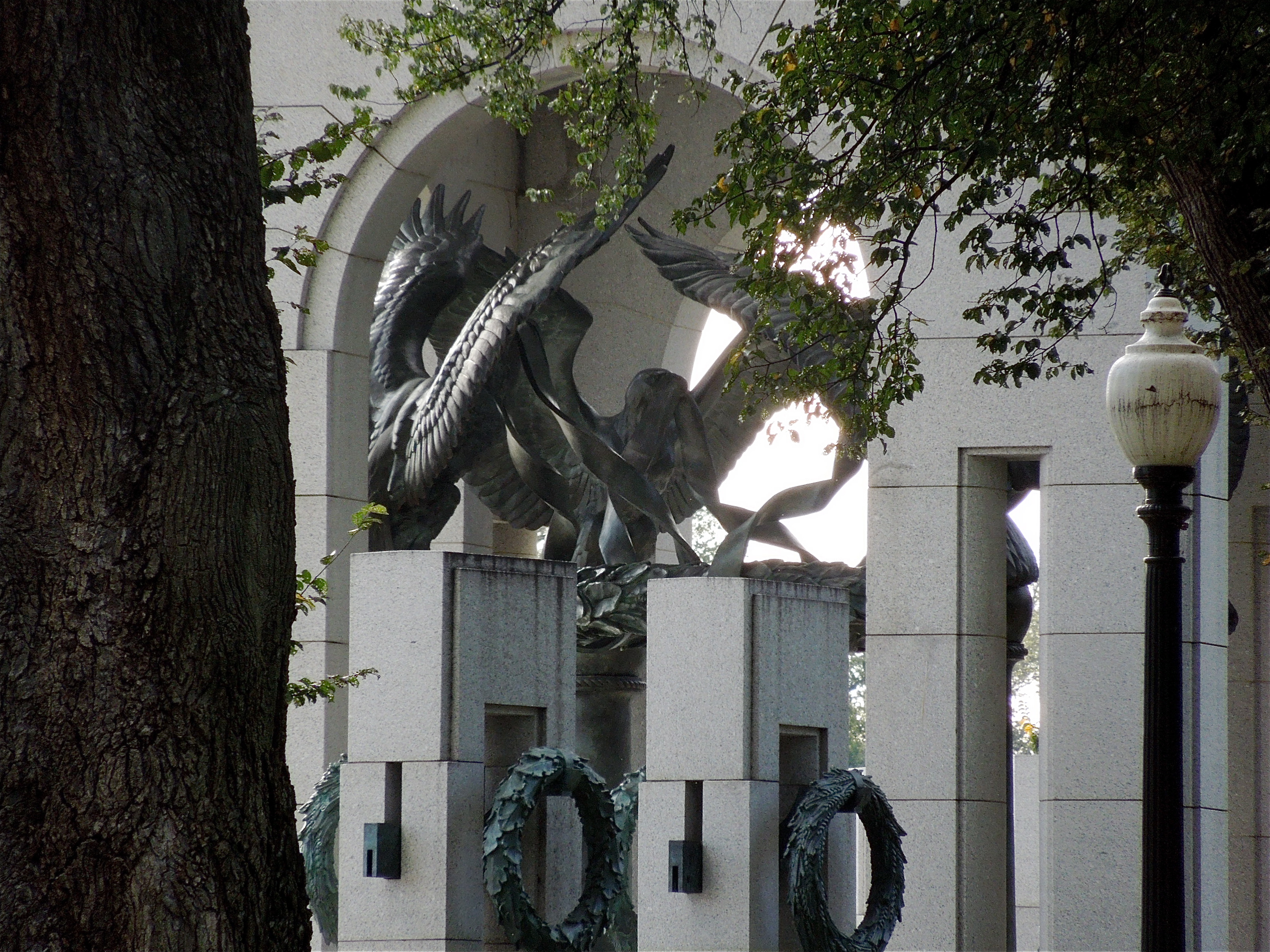
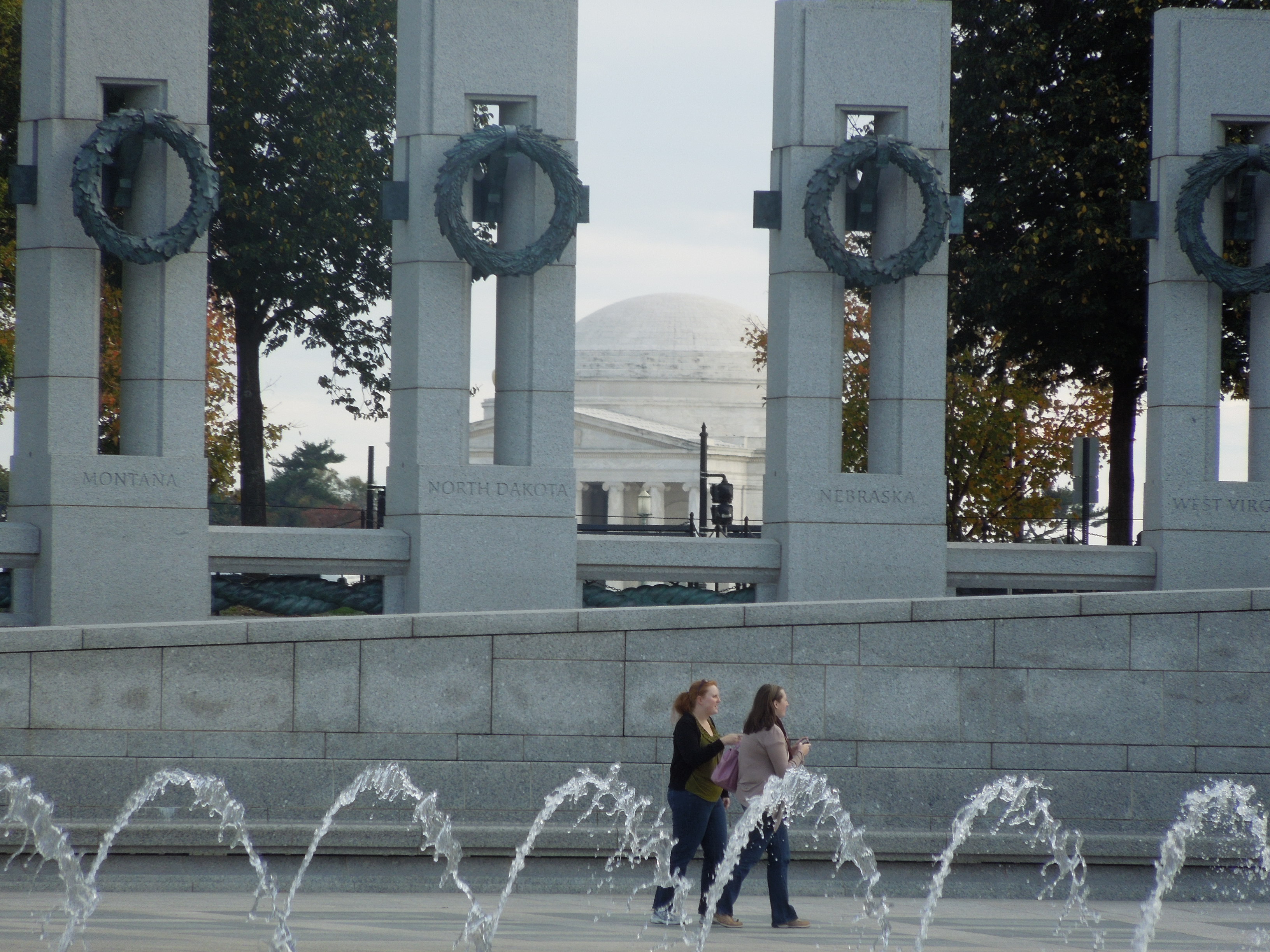
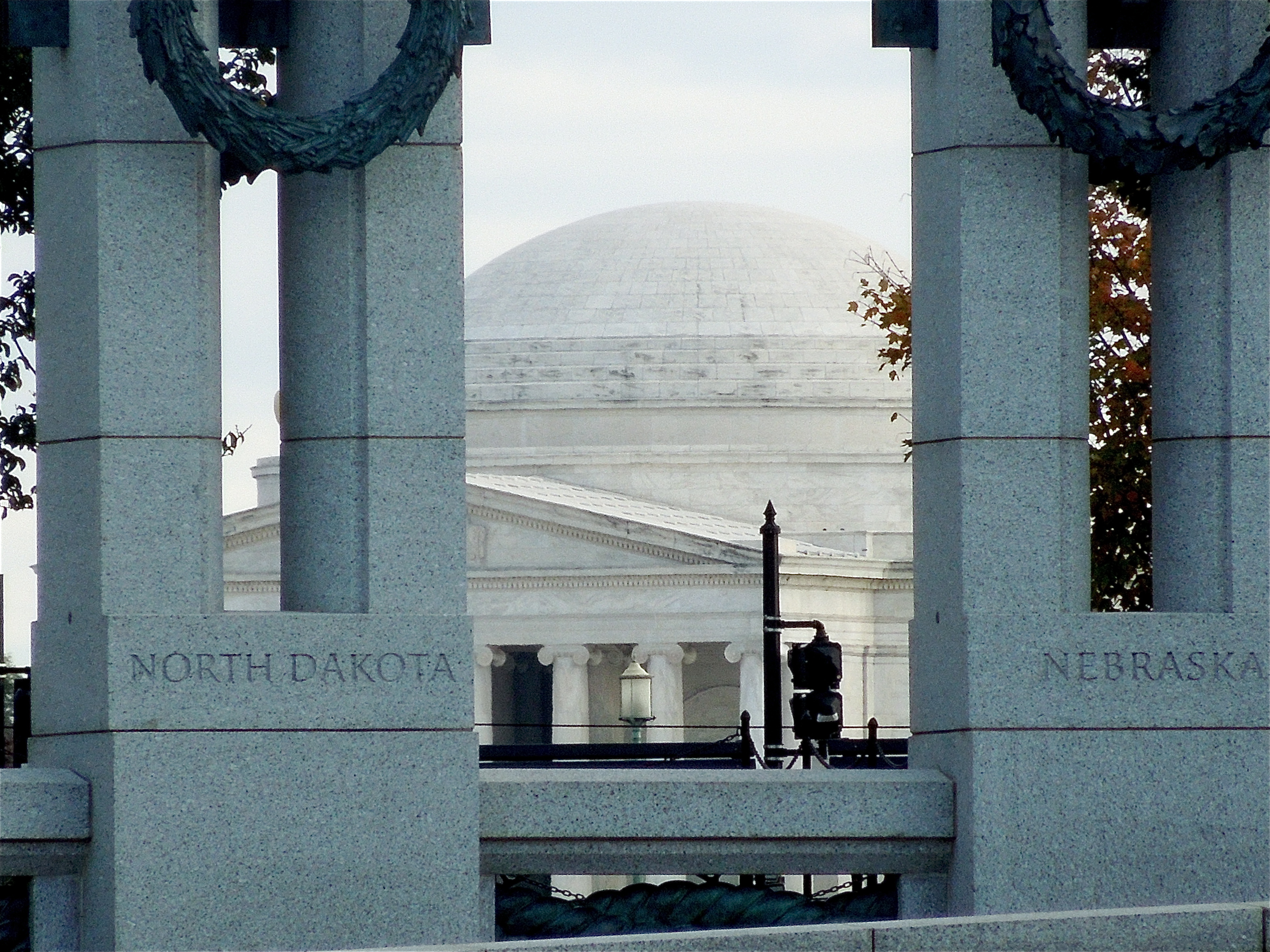
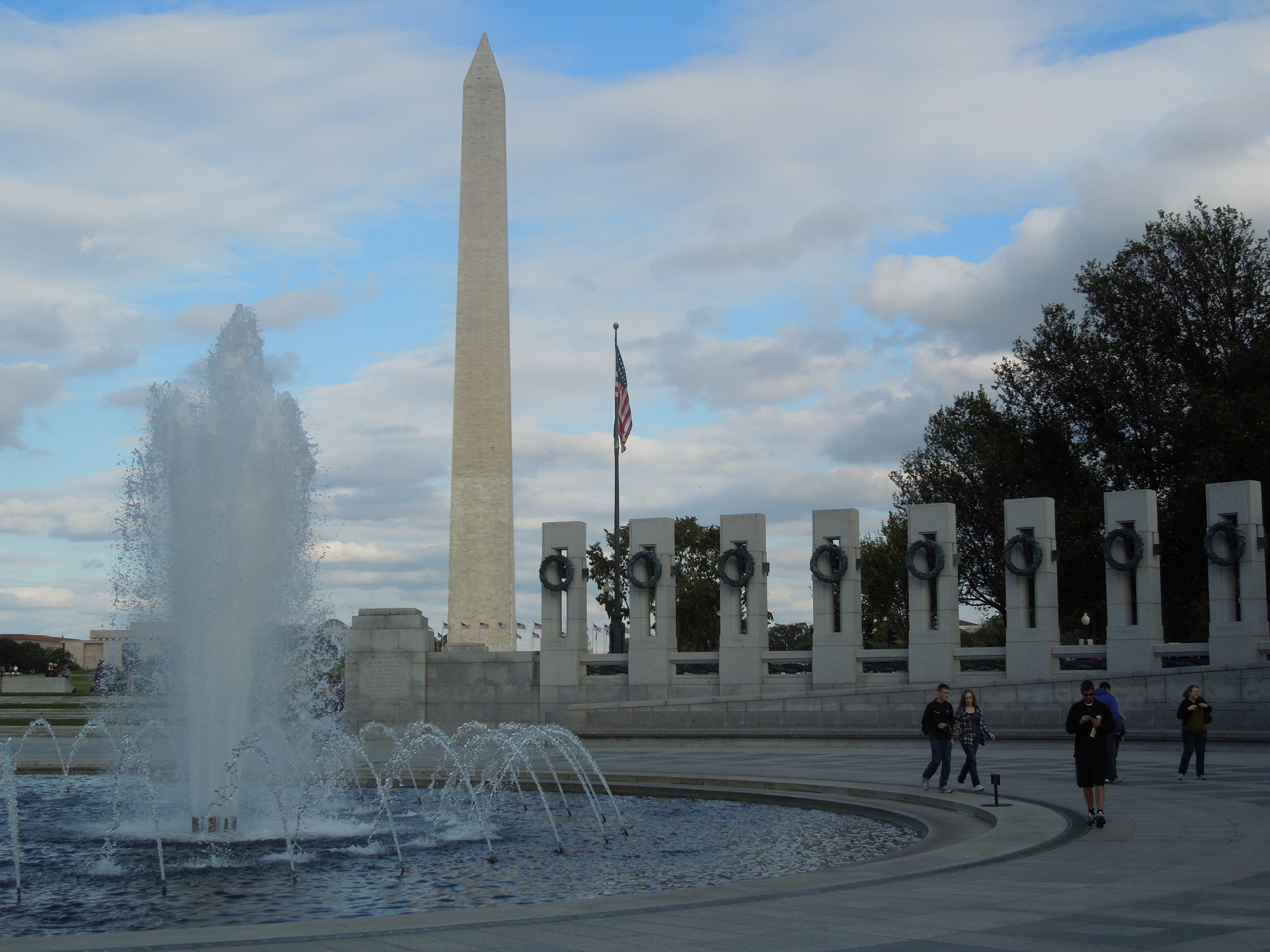
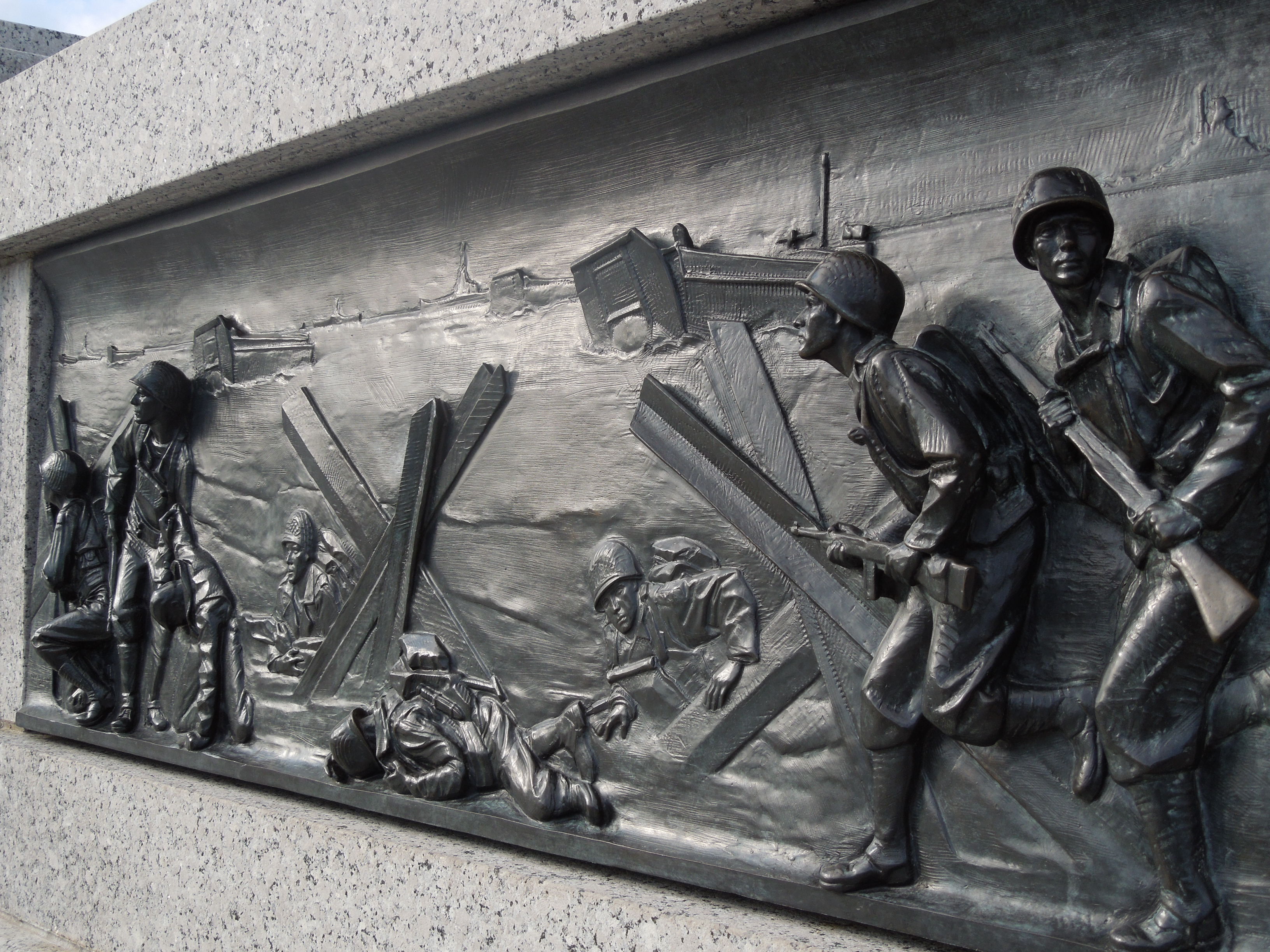
Bronze eagles inside one of two pavilions symbolizing the two main theaters of WWII. (Photos by David Brussat)

Bronze eagles inside one of two pavilions symbolizing the two main theaters of WWII.

Here are some photographs I took of the National World War II Memorial on the mall at Washington in 2011. The memorial was designed by Rhode Island architect Friedrich St. Florian, who won an international design competition in 1997. To amend and approve the proposal required half a decade, a lot of which was filled with bitter controversy, much of it manufactured by interest groups opposed to the idea of another classical monument. Last year saw the tenth anniversary of the memorial’s completion. Its popularity with veterans, and especially the diminishing number of World War II veterans, has been a source of considerable satisfaction to St. Florian, who was born in Austria.

DSCN4806

DSCN4759

DSCN4790

DSCN4783

DSCN4771

DSCN4766

DSCN4784

DSCN4805

DSCN4776

DSCN4775

DSCN4778

DSCN4770

Posted in Architects, Architecture, Architecture History, Art and design, Development, Photography, Rhode Island, Urbanism and planning | Tagged , , , , , , | 1 Comment