
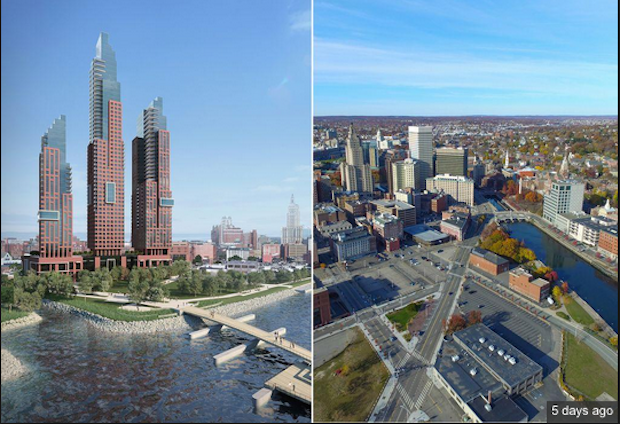
Hope Point Towers, left; Route 195 Corridor, right. (Fane Organization)
Unsurprisingly, the Providence Journal editorialized today in favor of the three residential towers, dubbed Hope Point Towers, proposed by New York developer Jason Fane. On the same day, in “Man behind Providence high-rise proposal has gotten well connected,” ace reporter Kate Bramson described at length how the developer has worked behind the scenes to massage the local political system, building up a network of lawyers and lobbyists to help him develop on the Jewelry District’s vacant former Route 195 land.
Who can blame Fane? Rhode Island is still Rhode Island. The director of the Route 195 corridor, where the three skyscrapers of 33, 43 and 55 stories would be built, Peter McNally, told the paper, in Bramson’s words, that he “has never met or worked with a lobbyist.” Take that assertion with as many grains of salt as you like, it is beginning to look as if the three towers are a done deal. Or at least its proponents think they are.
Maybe not. The Journal editorial, “Rhode Island needs towering aspirations,” took on its critics by trotting out a classic false choice: unless you back the proposal as it stands, you are against economic growth.
Not so. In fact, there is a middle way between doing something offensive and doing nothing at all. Like any entity at an early stage, the proposal can and should be changed to fit better. Then out popped a most astonishing assertion in the Journal’s editorial:
All of us must understand that it is the nature of economic growth to change the “character” of a marketplace. If we insist on having only old (and empty) buildings, and reflexively oppose all forms of innovation, modern structures and low-cost energy, we will surely be left with an old and dying economy.
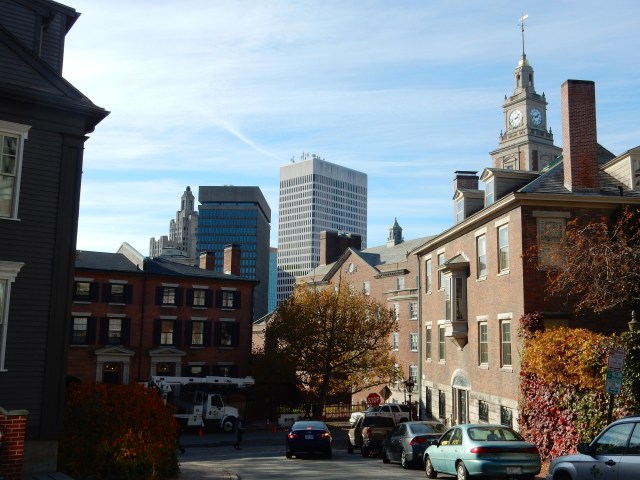
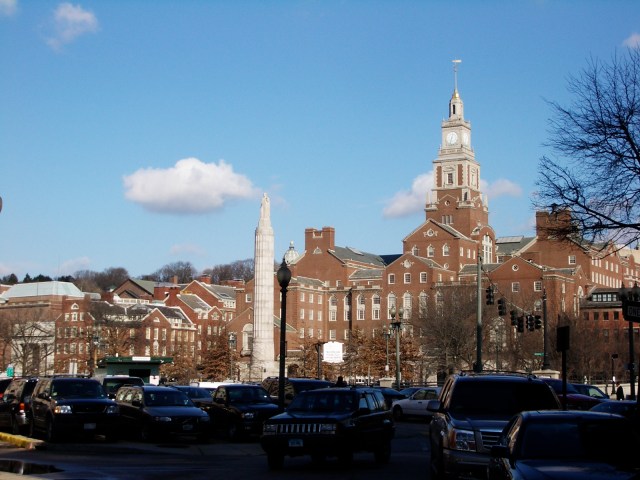
Okay, so let’s give the heave-ho to one of Providence’s chief competitive advantages – its beautiful historical character – in favor of a proposal plainly ugly and out of character and, beyond that, of uncertain benefit to the city’s competitiveness.
The passage is not just wrong but wrongheaded on so many levels. First, the idea behind opposition to this project is not to stop change but to direct it wisely. Nobody is insisting on having “only old (and empty) buildings.” Nobody is reflexively against innovation or modern structures. And finally, we already have an old and dying economy.
The Fane proposal, as it stands now, is conventional in every regard. Its design is a typical modernist combination of sterility and glitz, unlikely to charm most Rhode Islanders and inherently unsustainable environmentally. It is typical in its overkill regarding its cost and height. Genuine innovation – the unconventional wisdom – would involve designing more structures of lesser height, closer to the center of downtown and more in keeping with the character of Providence.
Developer Arnold “Buff” Chace was quoted in the Journal editorial:
The scale is a problem for sure. Buildings of that type are not part of the character of our city. … We need housing, no question about it. The part I don’t understand is why you would come into a city that has a need and then suggest something that has no relationship to the wonderful character of Providence.
He is spot on. The Journal editorial pointed out, correctly, that Chace and Fane would compete in the same market for residents. But Chace recognizes, and maybe even the Journal editorial board intuitively understands, that a more dynamic downtown of higher density would be good for the bottom line of all firms involved in building up the city. That is why the city should invite Fane to move his project downtown, and erect it not on the former 195 land but in Capital Center or, better, on the parking lots that extend from Washington to Weybosset streets, or even better still, on those parking lots between the Financial District’s existing towers and the Providence River.
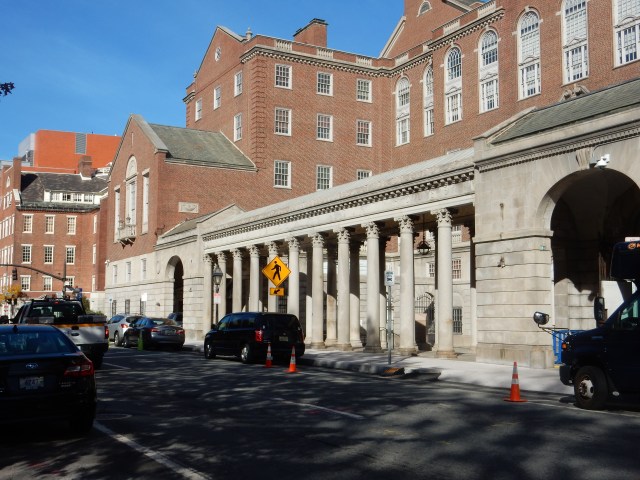
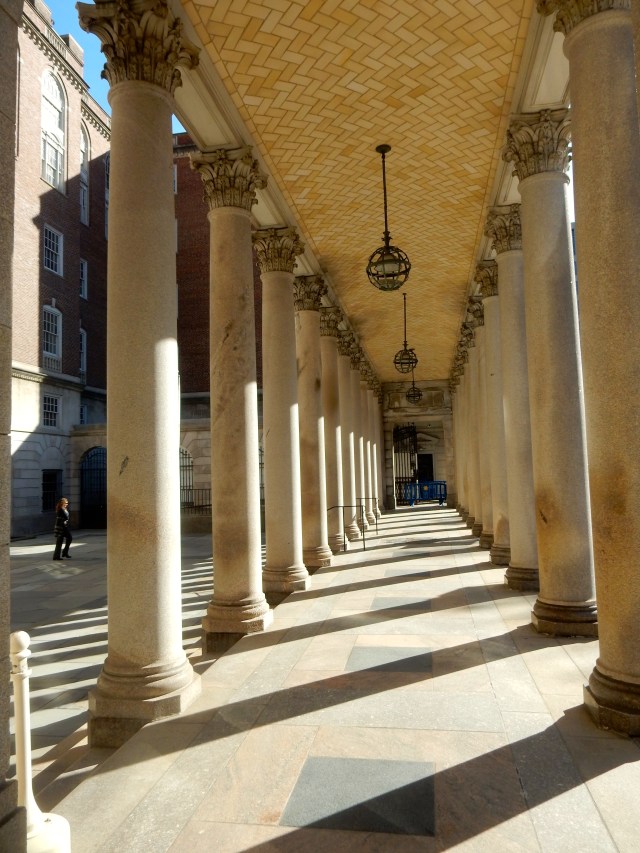
Whether they go up downtown or in the Jewelry District, the towers should be divided into smaller buildings. Their design should be traditional – so that they could incorporate the features old buildings once used to regulate the climate’s influence on comfort levels. Operable windows, colonnades, wall width and ceiling height, and many more such features go back to the pre-thermostat age. They enabled building users to regulate the indoor environment without today’s massive injections of carbon. New buildings in traditional styles can and do incorporate all of these features. Buildings make up about 40 percent of energy use in America, and yet one of the chief strategies against climate change is off the table because it is inherently injurious to the interests of the architectural establishment.
Clearly, Jason Fane has bulked up on lawyers and lobbyists because he recognizes that his plan will face a powerful opposition with logic on its side. He would rather come in, have his proposal accepted without any fiddling around to accommodate local needs, and make the killing that, in America’s free market kidnapped by crony capitalists, is the expected privilege of those who are already rich.
Rhode Island leaders skeptical of the steroidal quality of this plan should work with the Fane Organization to promote changes in the project that would help it succeed for itself and for all of Rhode Island by strengthening rather than undermining the character of its capital city, Providence.



















 Architecture Here and There