Atayants’s classical Russia

Screen Shot 2017-01-27 at 11.09.16 AM.png

From winning entry for St. Petersburg judicial quarter, by Maxim Atayants.

The Russian classicist Maxim Atayants’s winning entry in a 2014 competition to design a new judicial quarter in St. Petersburg for the supreme court to be relocated from Moscow was, according to architectural blogger Peter Keller, revoked a year ago. I have changed this post to reflect that fact. The new architect proposes a modernist design. This nullifies a hopeful post I wrote two years ago about Atayants’s proposal, “Potemkin justice for Russia?

Here is Kellow’s reporting from his Traditional Architecture World blog a year ago:

In a major blow to traditional architecture, the choice as winning design by Maxim Atayants for the new Russian Federation Supreme Court in a competition has been revoked. This decision has been taken by the chairman of the Administrative Department of the President of the Russian Federation. Although this is a department directly under President Putin, it is my understanding that this decision was not taken by Putin himself, who is not very interested in architecture, but by the present chairman of the department, who took over in May 2014. It remains to be seen if there is an outcry sufficient to alter this decision. The design by architect Yevgeny Gerasimov of the replacement Supreme Court is lamentable.

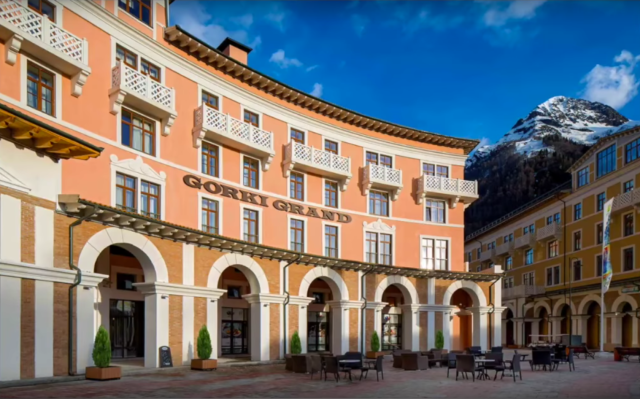
Still, the beauty of Atayants’s proposal ennobles it into eternity. Its rejection paints a snarl on Russian society’s pretension to art. More renderings of his project are at Andrew Cusack’s website. A lecture by Atayants on this video, “Making a New Classical Urban Fabric,” discusses some of his other projects, including an athletes’ quarter for the Sochi Winter Olympics that has now become a ski resort. There are lots of fine images here of work planned, that same work built, and other work planned or built. Some of those images I have placed below.

Atayants seems like a mild-mannered fellow, although the successful Russian architect and developer will, in this day and age, raise some eyebrows simply by who he is. And of course one must assume that since this sort of thing is happening in Russia, it must, in spite of his judicial quarter’s rejection, have the approval of Vlad the Impaler Putin.

Screen Shot 2017-01-27 at 8.06.29 AM.png

Screen Shot 2017-01-27 at 8.07.05 AM.png

Screen Shot 2017-01-27 at 8.08.17 AM.png

Screen Shot 2017-01-27 at 6.27.48 PM.png

Screen Shot 2017-01-27 at 10.32.00 AM.png

Screen Shot 2017-01-27 at 10.30.06 AM.png

Screen Shot 2017-01-27 at 10.33.13 AM.png

Screen Shot 2017-01-27 at 6.17.38 PM.png

Screen Shot 2017-01-27 at 6.19.01 PM.png

Screen Shot 2017-01-27 at 6.20.05 PM.png

Screen Shot 2017-01-27 at 6.15.00 PM.png

Screen Shot 2017-01-27 at 6.15.44 PM.png

Screen Shot 2017-01-27 at 6.16.21 PM.png

[Note: Peter Keller warned me last night via a comment that his sources in Russia say that Maxim Atayants’s winning entry to design the new judicial quarter in St. Petersburg was subsequently rejected, and that another architect has the job. Peter has sent me by email a confirmation of this. The construction industry article I quoted, now removed, did NOT confirm that Atayants’s proposal is moving forward: my error in leaning too much on Google and not reading the article closely enough. I urge anyone with knowledge that adds to Peter’s account to please send it along. I will do a post on this sad turn of events a year ago.]

Posted in Architecture, Uncategorized | Tagged , , , , , | 3 Comments

Whoa! Driving in N.Y., 1928

Screen Shot 2017-01-26 at 2.40.05 PM.png

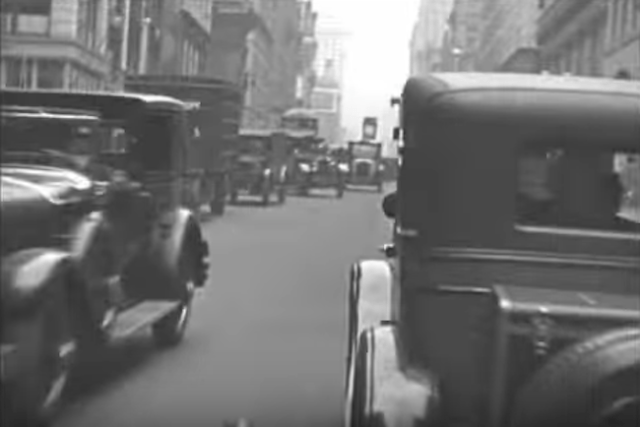
View forward from Harold Lloyd’s taxicab, carrying Babe Ruth, circa 1928.

This video is a riot, even though I’m sure “Driving Around NYC – 1928” was mostly if not all staged. Still wild and crazy stuff, including Harold Lloyd taking Babe Ruth to Yankee Stadium. Anybody know who, just before that, is the businessman taking a ride in Lloyd’s taxi as it is being chased by an angry copper? The horse-drawn carriage scene shows the best historic Manhattan buildings. Again, I am assuming all of this is staged, but clips of traffic being staged doesn’t mean it wasn’t dangerous, or realistic. Real driving around the city was dangerous. This is not stop-action photography, after all. (Is it?)

Posted in Architecture, Humor, Photography, Uncategorized, Video | Tagged , , , , , , | 3 Comments

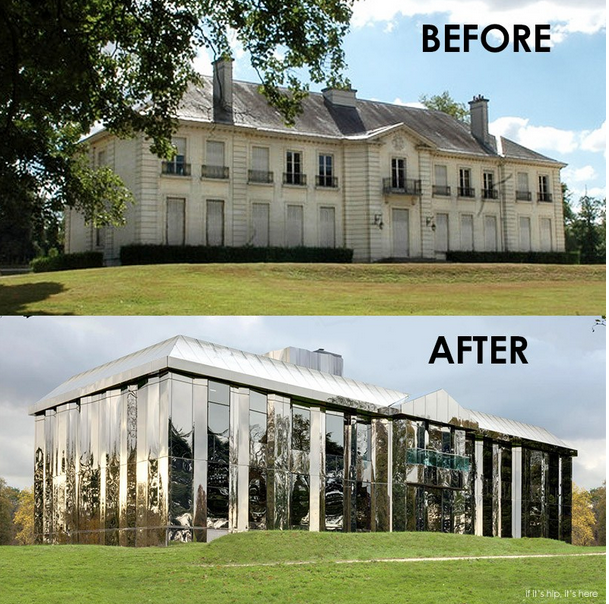
Is it art or art-I-choke?

Screen Shot 2017-01-25 at 10.09.13 PM.png

Not difficult to answer that question. The victim is the Château de Rentilly, not far from Paris. The article about this transformation is “Old French Château Gets a Shiny Modern Makeover as New Art Space,” on ifitshipits- here.com (if it’s hip it’s here), a website, it appears, for submorons with really fat heads. The monstrous joke was completed in 2014. Fortunately, the desecration was accomplished in a manner that enables the removal of the disgusting exterior, or so it appears in photos, on some sane tomorrow. Unfortunately, the same cannot be said of the interior, though at least in theory it can be reconstructed. Art lovers, if that is really what they are to be called, will visit and retch. See it and weep.

***

A discussion ensued on the TradArch list about who or what was responsible for the above. Someone, not without reason, suggested the owner. Tim Kelly replied with a breakdown of blame that pretty much sums up the situation in the profession and the industry. He wrote:

  • It’s academia’s fault for producing architects trained to believe this a good and beneficial modification to the building.
  • It’s architectural media’s fault for publishing and praising these and similar projects, holding them up as standards to be emulated.
  • It’s the profession’s fault for rewarding these and similar projects with rewards and accolades.
  • It’s preservation’s fault for promoting an ethos that buildings are fixed, historic relics to their time rather than living things to be kept up and repaired to their intended conditions and place.
  • Its government’s fault for not protecting a people’s heritage.
  • And its our fault [those on the TradArch list, and classicists/traditionalists generally], in particular, for not having a stronger voice in advocacy, education, and exemplary built works that oppose that type of thinking. Though there are many hard-working people doing just that, consider this a call to redouble our efforts, be louder, work harder – to leave the garden!Blaming the owner, unfortunately, is a scapegoat. They were clearly a victim of predominant fashion.
Posted in Architecture | Tagged , , , , | 2 Comments

Joe Paolino buys a hospital

Screen Shot 2017-01-24 at 1.27.08 PM.png

St. Joseph Hospital on Broad Street, Providence.

A shout-out from this corner to former Mayor Joe Paolino for buying the moribund St. Joseph Hospital, on Broad Street in South Providence, as a combination – so I gather – homeless shelter and SRO hotel. I’m not sure exactly what Paolino’s plans are, but his action has the feel of something done from the heart – and at his own expense – to solve a problem he has recently pitched in to try to solve as a Kennedy Plaza property owner and as chairman of the Providence Downtown Improvement District.

Screen Shot 2017-01-24 at 1.39.46 PM.png

Joseph Paolino (R.I. Public Radio)

Paolino was mayor when I first came to Providence. My first experience of his civic design sensibility was his reformation of Westminster Street, in downtown. He turned the disaster inflicted by the flawed Downtown Providence 1970 plan, which in 1961 unveiled an insane proposal to destroy downtown, into a thing of beauty. He paved the sidewalks with brick, lined it with lovely period lampposts, planted delicate trees, and generally proved the power of street furniture to revitalize a street’s beauty. Paolino began the process of getting property owners to remove faux modernist façades whose installation was pushed in the 1970 plan but had been foolishly promoted by the city itself since the mid-1950s.

After serving as mayor, Paolino became Gov. Bruce Sundlun’s state economic czar during the early period of Buddy Cianci’s return to City Hall. In 1994, Paolino was appointed ambassador to Malta – described by my old Journal colleague Irving Sheldon as “Baroque from stem to stern” – and invited me out for a brief stay in Valletta, the island’s ancient capital. What a place!

But I am straying off topic. Paolino has purchased a building that has a strong pull on my heartstrings because my wife’s father, Laszlo Somlo, worked there as a pathologist for most of his career in medicine. He had retired by the time I met Victoria, but I could never drive by it without thinking fondly of him. He died last March, so the building and the thoughts it inspires have become even more dear to me.

Paolino’s first (to my knowledge) act in the matter of homelessness was to seek a ban on smoking in Kennedy Plaza. I thought that was a flawed response to Mayor Elorza’s refusal to enforce the law against aggressive panhandling. A deteriorating situation was made worse, in my opinion, by the city’s decision, under Mayor Taveras, to uglify Kennedy Plaza by replacing its lovely Art Nouveau waiting kiosks with sterile, cheapo, modernist glass-and-steel waiting kiosks.

“We shape our buildings; henceforth, they shape us.” That is how Winston Churchill put it. A civic square newly dispirited by sterile architecture (the kiosks) may be expected to see an increase in the spirit of degradation. That seems to have happened among the homeless and panhandling population of the plaza – the very population that benefits most, and for free, when the government makes the civic square lovelier and more inviting.

The city had plans of its own to bring greater civility and beauty to the plaza. A proposal by Union Studio Architects, of downtown, to turn the plaza into a more active public square (see image below) seemed likely to have a positive effect until the city’s “renovation” of the plaza turned its look in a downbeat direction – suggesting that the idea was to evict from the plaza all who might distress the eventual residents of a renovated Industrial Trust (“Superman”) Building. That would, it seems, have included bus patrons, whose bus stops were to be pushed out to the periphery of the plaza.

I wrote about these matters in 2014, starting with “Let’s ruin Kennedy Plaza.” Three years later there is no evidence that positive changes once planned for the plaza’s revitalization are anywhere near implementation. Nor have any coherent plans emerged from the city to keep Kennedy Plaza from sliding into a social-policy sinkhole.

In the meantime, Paolino’s plans for St. Joseph Hospital are meant to alleviate the disaster that Kennedy Plaza is becoming. More people who need a place to live or stay temporarily will have a major new facility nearby. Joe Paolino deserves credit for that. Rather than hunkering down at his firm’s headquarters, he is getting out into the civic arena and fighting the good fight for his view of the city’s best interests.

Screen Shot 2017-01-24 at 1.32.04 PM.png

Proposal by Union Studio to revitalize Kennedy Plaza. (Tim Nelson/Union Studio)

Posted in Architecture, Development, Providence | Tagged , , , , , , | 1 Comment

The 2017 Bulfinch winners

DSCN0093.JPG

Bulfinch amid laurel on ceiling of entrance hall at Boston Public Library.

The jury has spoken: Here are the winners of this year’s annual Bulfinch Awards program of the New England chapter of the Institute of Classical Architecture & Art. The winners in 11 categories were selected from among 67 entries, including 17 from outside of the region. This year was the second in which the program was expanded from New England practitioners only submitting work in New England to practitioners from around the country submitting work in the region. According to chapter president (and Bulfinch committee chairman) David Andreozzi, the entries were of superior quality. “The quality of the submissions is improving exponentially each year,” he added, “as national architects are now competing against regional architects for their work to be honored by our prestigious Bulfinch Awards.” The jury – Barbara Eberlein, Duncan McRoberts and Richard Sammons – endured a genuine workout for its judgment.

This year’s program, the chapter’s seventh since 2010, enabled the chapter to ramp up the strength of its advocacy for the mission of the ICAA. Increased publicity arising from the wider participation of companies from around the country certainly sharpened the public’s awareness of the classical tradition as an alternative to modernist practice in the full range of architectural and artistic practice here in New England and throughout the U.S.

So here are the winners:

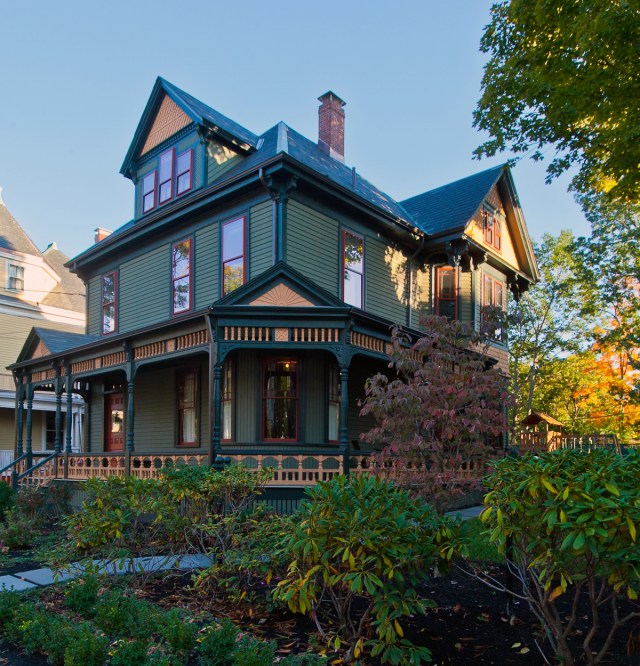
1 Queen Anne Victorian - 1.jpg

Category: Residential (Restoration, Renovation or Addition) – Winner: Frank Shirley Architects, of Cambridge, Mass., for “Queen Anne Victorian” in that city.

***

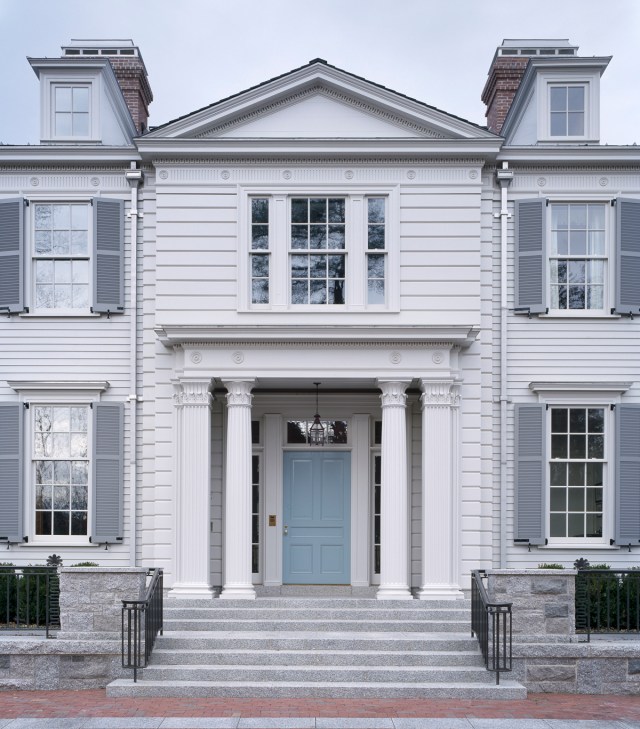
Pennoyer.jpg

Category: Residential (New Construction) Over 5,000 square feet – Winner: Peter Pennoyer Architects, of New York City, for “Federal House” in Cambridge

***

Canning_StPatricksParish_01.jpg

Category: Historic Preservation – Winner: John Canning & Co., of Cheshire, Conn., for “Saint Patrick’s Catholic Church” in Lowell, Mass.

***

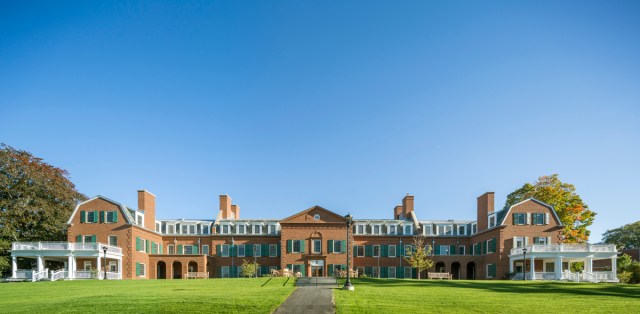
1_Hotchkiss School.jpg

Category: Institutional – Winner: Robert A.M. Stern Architects, of New York City, for “Flinn Hall, Edelman Hall, and Redlich Hall” at the Hotchkiss School in Lakeville, Conn.

***

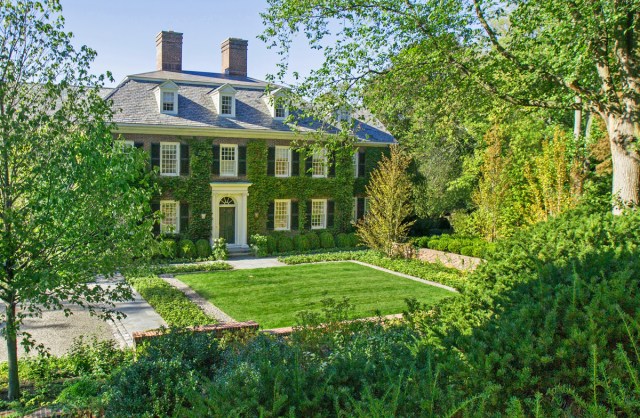
LeBlanc.jpg

Category: Landscape Architecture – Winner: LeBlanc Jones Landscape Architects, of Boston, for “Ivy Court” in Chestnut Hill, Mass.

***

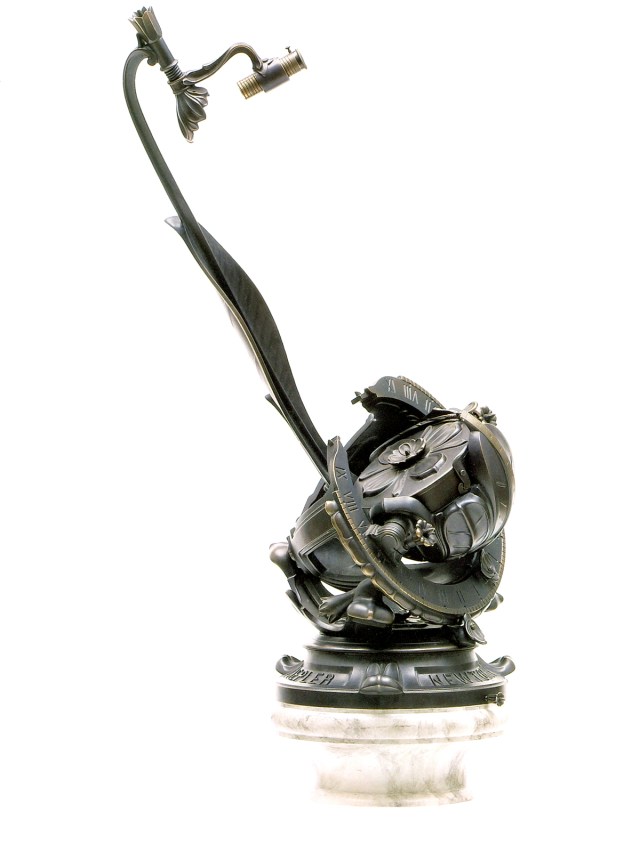
Telescopes of Vermont.jpg

Category: Craftsmanship/Artisanship – Winner: Telescopes of Vermont, of Norwich, Vt., for “Resurrection of the Porter Garden Telescope”

***

meyer and meyer.jpg

Category: Townhouse & Apartments – Winner: Meyer & Meyer, Architects and Interiors, of Boston, for “9 Commonwealth Avenue” in that city

***

HartfordTemple.jpg

Category: Ecclesiastic – Winner: FFKR Architects, of Salt Lake City, Utah, for “Hartford, Connecticut Temple” for the Church of Jesus Christ of Latter-day Saints

***

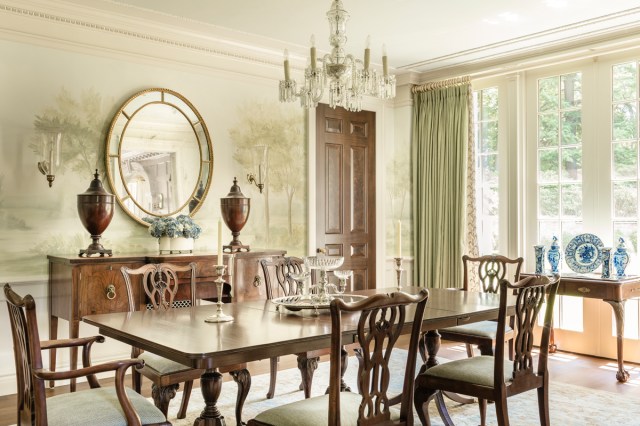
Carter and Co.jpg

Category: Interior Design – Winner: Michael Carter, Carter & Co., of Boston, for “Brookline Private Residence” in Brookline, Mass.

***

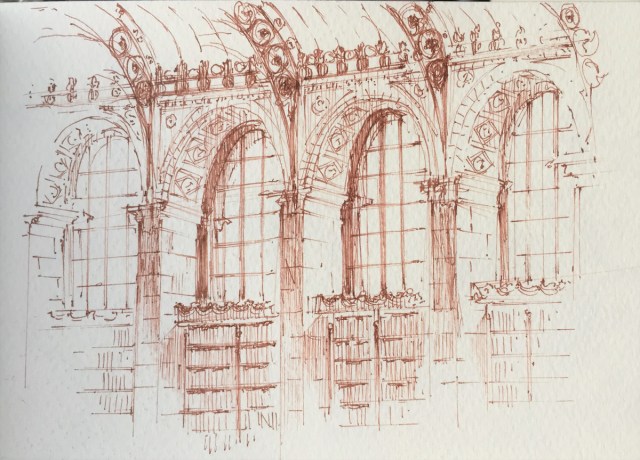
Bibliotheque Sainte Genevieve #2.jpg

Category: Sketch – Winner: Leslie-jon Vickory, Hamady Architects, of Greenwich, Conn., for “Bibliotheque Sainte Genevieve #2,” the interior of a library in Paris

***

BW_SRKSuit.jpg

Category: Patron – Winner: Sheldon Kostelecky, co-founder of the New England chapter, chapter vice president for education and past chapter president

Posted in Architecture, Uncategorized | Tagged , , , , | 2 Comments

World’s best new building!

Screen Shot 2017-01-22 at 5.44.21 PM.png

Ha ha ha ha ha ha ha! Best new building in the world! You can tell that Theodore Dalrymple, who wrote “A modern Machu Picchu” for the Salibury Review, is not an architecture critic. There is too much common sense and indeed superior erudition in his piece about a building declared by the Royal Institute of British Architects to be “the best new building in the world” for 2016, RIBA’s first such prize. The building for the Universidad de Ingeniería y Tecnología was designed by Grafton Architects. It is in Peru, hence “modern Machu Picchu,” though it bears no resemblance at any depth of metaphor to the ancient mountain village. Dalrymple’s key insight is:

In the second section of the Guardian for 16 January, there is an article about a building in Peru that has ‘just earned … the title of best new building in the world.’ As the awarding body was the Royal Institute of British Architects, it was only to be expected that the building was a complete aesthetic mess, an eyesore: for it is by awarding prizes to eyesores that the RIBA covers up its past and present crimes.

Ditto the American Institute of Architects and, alas, every other such major outpost of the contemporary architecture establishment. As anyone with eyes (which RIBA et al. do not have) is capable of doing, Dalrymple sees through the emperor’s new clothes. And here is the ridiculous Oliver Wainwright article in the UK Guardian that he is chuckling at. Enjoy! (And hats off to Andrew Reed for sending this to me.)

Screen Shot 2017-01-22 at 6.04.43 PM.png

Machu Picchu (Wilipedia)

Posted in Architecture, Humor | Tagged , , , , , | 2 Comments

St. Vitus’s Rome still lovely

Screen Shot 2017-01-21 at 7.55.29 PM.png

Here is another one of those herky-jerky travelogue videos of a famous city, in this case Rome. Titled “If You Have Never Wanted to Visit Rome, You Will After You See This,” it’s title could be inverted to read “If You Have Always Wanted to See Rome, You May Not After You See This.” The videographer is Alex Soloviev. There must be a new “school” of travel videography whose practitioners believe that zooming and twirling the camera back and forth will suggest that the boring old city is really “exciting.” I have run the videos of other cities whose beauty is treated by such artists. Never have I been able to resist expressing my belief that viewers would prefer long, slow, luxurious pans of city scenes rather than these hyperactive acrobatics. It is not the talent (so-called) of the artist or the versatility of the camera but the beauty of the subject that is important. Anyway, who could ever conceive the thought “If you have never wanted to visit Rome”?!

I hope Kuriositas, a website that I adore, will use more discrimination in selecting videos of beautiful old cities. On the other hand, as the screenshots above and below attest, this is Rome and its beauty comes through in spite of the exercise of “technique.” So I would rather have such videos than have Kuriositas abandon city vids altogether. Perish the thought!

Screen Shot 2017-01-21 at 7.24.33 PM.png

Posted in Architecture, Art and design, Video | Tagged , , , , | 1 Comment

Driehaus prize to Rbt. Adam

Screen Shot 2017-01-20 at 7.09.18 PM.png

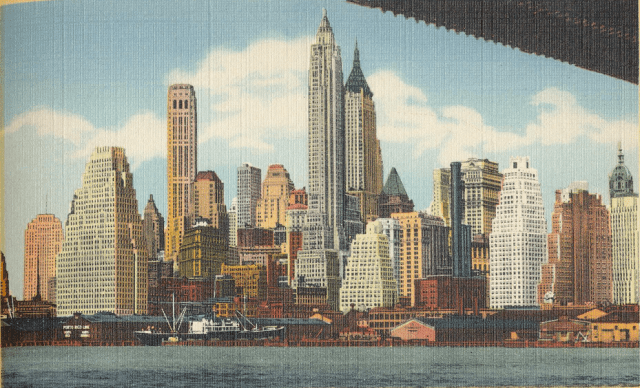
Skyline of Lower Manhattan. (Pinterest)

It’s unlikely that Robert Adam will soon match the iconic status of Robert Adam. Two centuries separate the two classical architects. But eventually, maybe he will. With the extant Adam’s winning the Driehaus Prize yesterday, he extends his climb to the summit of the pantheon of architects, including Vitruvius, Palladio, Bulfinch, McKim and the other Adam (1728-1792), who understand that beauty is a vital factor in building design.

Screen Shot 2017-01-20 at 8.18.01 PM.png

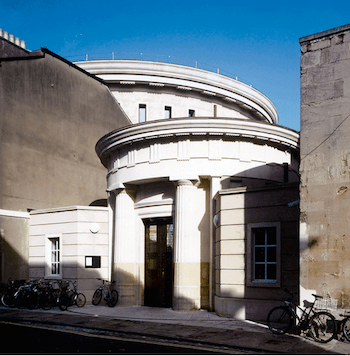
Sackler Library, Oxford. (ADAM Architecture)

The prize earns its recipient a bronze model of the Choragic Monument of Lysicrates, in Athens, and $200,000, twice the amount of the Pritzker Prize, which only goes to modernist architects. The juried competition is named for its patron, Chicago philanthropist Richard H. Driehaus, and is administered yearly by the School of Architecture at the University of Notre Dame.

“Throughout his career, Robert Adam has engaged the critical issues of our time, challenging contemporary attitudes toward architecture and urban design. He has written extensively on the tensions between globalism and regionalism as we shape our built environment,” said Michael Lykoudis, Driehaus Prize jury chair and Francis and Kathleen Rooney Dean of Notre Dame’s School of Architecture. “Sustainability is at the foundation of his work, achieved through urbanism and architecture that is respectful of local climate, culture and building customs.”

As this suggests, Adam’s “brief” as an architect and theorist extends beyond the design of buildings to the design of urban cultures dedicated to surviving the challenges of modernity (including modern architecture). The uniquely American contribution to the history of architecture includes skyscrapers, which many feel have become a very big part of that challenge. I recently commented on the latest lamentation by Léon Krier (who was on this year’s Driehaus jury) on skyscrapers in a post “Krier on cities’ skyscraperitis,” and I have little doubt that Adam’s views on the subject have evolved toward Krier’s (or vice versa). But in 2002 Adam favored City Journal (the quarterly of the Manhattan Institute) with “How to Build Skyscrapers.” He wrote:

In less than 50 years, America learned how to extend the classical and Beaux Arts traditions to buildings of great height – buildings the Imperial Romans, Venetians, and Britons would have built, if only they could.

Where has it all gone? In the last 50 years it is as if this monu- mental achievement had never taken place. The Beaux Arts and classical traditions behind the Flatiron Building and the Tribune Tower, already reeling from the Depression and World War II, were knocked out cold by Modernism – a new revolutionary and authoritarian fashion from Europe. When a few new traditionalist architects began to stir in the 1970s, they reawakened with a strange amnesia. The prevailing architectural establishment told them that skyscrapers and the new technology that went into building them was the exclusive property of Modernism – and most new traditionalists fell for this lie hook, line, and sinker. They surrendered skyscrapers (and glass and steel and much else besides) completely.

This head-in-the-sand attitude is not a harmless peculiarity – it is catastrophic for architecture and for urbanism. … Unless traditional architects offer an alternative, society is left at the mercy of Modernist banality, whose tendency is to turn all cities into Houston – soulless, placeless, disposable.

And later, alas:

[If modernist Le Corbusier] liked the engineering that went into the invention of the skyscraper, he issued a grim warning against the style its inventors developed: “Let us beware of the American architect.” And so he and his fellow revolutionaries set in motion the collective professional rejection of America’s great contribution to the classical tradition. In no time, they reduced the skyscraper to a dumb box. …

What is tragically absent is one ounce of architectural continuity or one hint of wider meaning. The Modernism of these buildings is just taken for granted. Parrot-like, it subsists on the analogy of the machine: the machine as industrialization, the workplace as machine, the house as machine, the building as machine, the machine as modernity. …

So complete was Modernism’s purge of education that Philip Johnson’s cartoon versions of traditional skyscrapers could be mistaken for a revival of culture, far removed though they are from Stanford White’s or Cass Gilbert’s educated, cosmopolitan, and sometimes daringly inventive variations upon classical themes.

I cannot stop quoting from Robert Adam’s long essay. It has everything – except for thoughts on sustainability, which have become mandatory in the decade and a half since the essay’s publication. The 18th century Robert Adam probably could not quite have matched the later Adam’s erudition – certainly not on skyscrapers, which did not exist. I am glad our era’s Robert Adam has won the Driehaus Prize for his life’s work, which he deserves to the bottom of the deep bowl of desserts in the realm of architecture. But for his essay on skyscrapers alone, he deserves a Nobel.

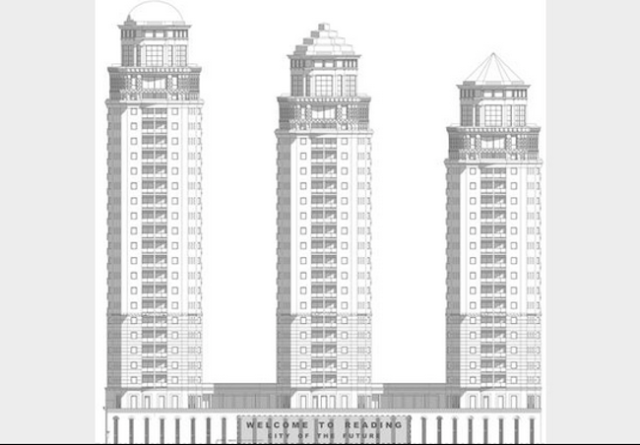
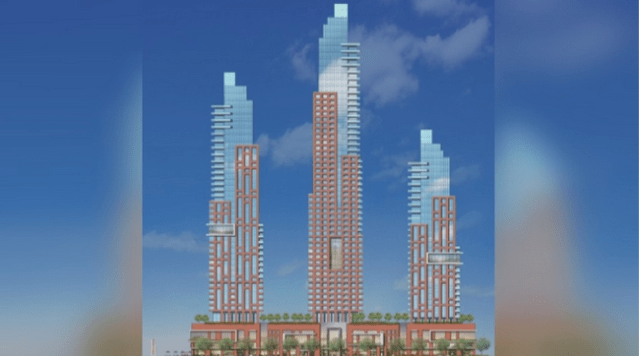
(In 2015, Robert Adam’s firm submitted a proposal for an apartment tower block called Swan Heights in the British town of Reading that bears a close resemblance (with a similar base, albeit at half the height and in a different style) to the trio of towers proposed by the Fane Organization in Providence. For reasons similar to those given by opponents of the Fane project at a public hearing on Wednesday, the Swan Heights project was rejected.)

Screen Shot 2017-01-20 at 7.02.57 PM.png

Swan Heights, in Reading, U.K. (Adam Architects)

Screen Shot 2017-01-20 at 7.16.55 PM.png

Hope Point Towers, in Providence, R.I. (Fane Organization)

Posted in Architecture | Tagged , , , , , , , , | 1 Comment

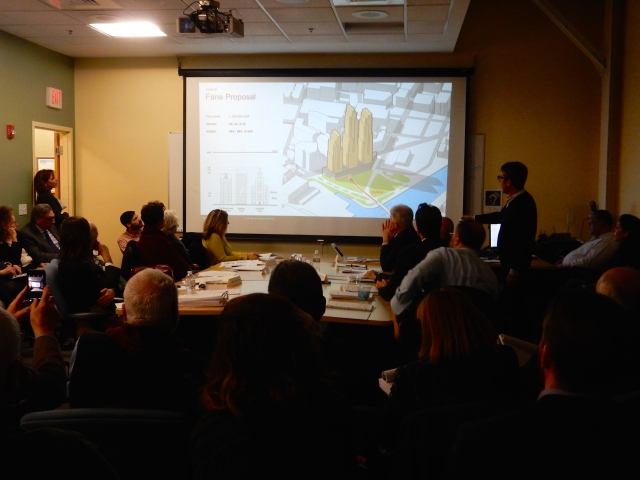
Hearing on Hope tower(s)

DSCN0151.JPG

I-195 commission hears consultant report on Fane proposal. (Photo by David Brussat)

The I-195 commission gave thumbs up to the Hope Point Tower(s) project yesterday, but its preliminary, Level 1, approval was conditioned in ways that developer Jason Fane might find hard to swallow. They are that the original three-tower concept is out, the one tower now proposed cannot take more than 40 percent of Parcel 42, and a detailed budget for that tower is required that might be irksome to assemble prior to a Level 2 design proposal.

The Providence Journal’s story by Kate Bramson is “I-195 panel says 1 high-rise tower, not 3, under consideration in Providence.”

Part of the commission’s ruling seemed to reflect alternatives laid out by the commission’s consultant advising on this project, who also urged favoring a single north tower that would minimize shadows and a disruption of view corridors to the river. It is only pure speculation, but the commission seems to have soured on the Fane proposal now that it has been pared down to one tower – one tower in the commission’s thinking: apparently not so in Jason Fane’s thinking. He still appears to consider the project as the first of three buildings. He probably recognizes that one tower is a sore thumb rather than the new iconic city skyline he originally proposed.

Your intrepid correspondent spoke in opposition to the project at the hearing portion of the meeting. I pointed out that the word iconic, which Fane and his architect repeatedly invoked, is misunderstood. It is taken to mean unique in a large way, but since all cities consider every new building to be “iconic,” the actual meaning is just like every other city – quite the opposite of unique. In fact, the two main definitions of iconic are relating to an icon, or, in art, executed according to a convention or tradition. Look it up.

But that is the direction in which the I-195 commission is headed, and not just on Hope Point Towers. Fane and the commission both seem to think that “the future” calls for architecture from the Jetsons cartoon. Fane actually seems to regret Providence’s genuinely unique quality. He has criticized its historic districts as “cutesy.” (If Benefit Street is cutesy, Beacon Hill must qualify as cutesy-wootsy.) So Fane does not understand Providence, but neither, it appears, does the commission. Most project opponents at the hearing spoke in some degree to the desirability of maintaining Providence’s historic character. The commission evidently disagrees. Perhaps the hearing comments will serve to educate its members.

In my comment, I urged Fane to respect the city’s historic character, and noted that architecture that does so strengthens the state brand. This would require just as many construction workers as architecture that undermines the city’s historical character and the state’s brand, at any rate, its natural brand of historic beauty – for who knows, after such churning in the last year or so, what the state’s official brand is now.

Unfortunately, my inexperience at speaking before public hearings – for decades my role as a journalist at the Providence Journal forbade it – caused me to misjudge my three-minute time limit. So I concluded without reading the two quotations I had brought with me. At least the commission was kind enough, as it shut me down, to permit me to summarize them. They are both from the city’s 2014 zoning ordinance, emphasizing the importance of protecting the city’s historic character.

The first is from Chapter 513, Article 6, Section 600:

The purpose of the D-1 District is to encourage and direct development in the downtown to ensure that: new development is compatible with the existing historic building fabric and the historic character of downtown.

The second is from Section 603 on developer incentives in the D-1 District:

The purpose of these incentives is to encourage development that will be compatible with the character of Downtown and carry out the goals of the comprehensive plan.

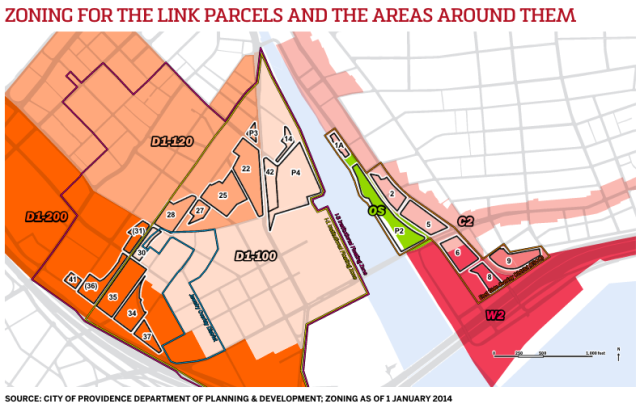
In short, protecting historic character is the law in downtown Providence. Over the years, the law has been largely observed in that portion of the old downtown widely known as the Downcity (a term widely misused to mean the entire downtown). It has been basically ignored, however, by the I-195 commission, a sad fact that is even reflected in its Developer’s Toolkit.

The ordinance features a map of the I-195 portion of the D-1 District:

Screen Shot 2017-01-19 at 2.05.34 PM.png
Posted in Uncategorized | 1 Comment

A dream book of Venice

Ratti Dream of Venice Architecture.jpg

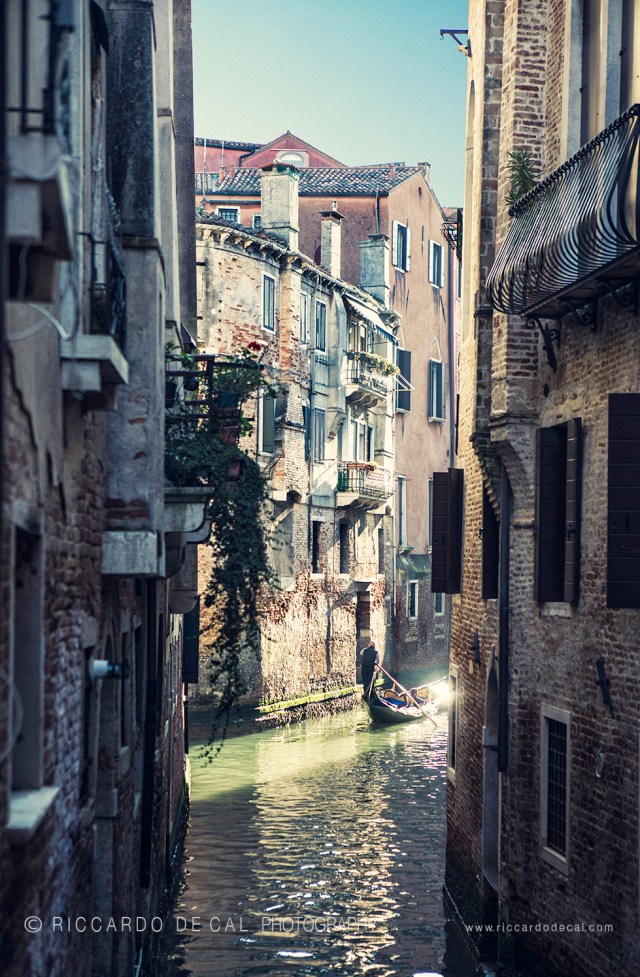
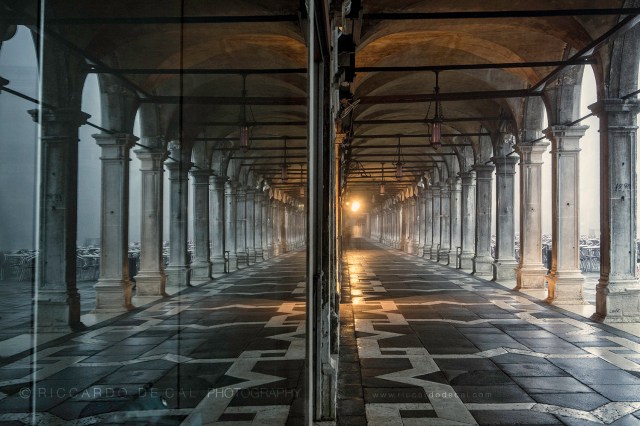
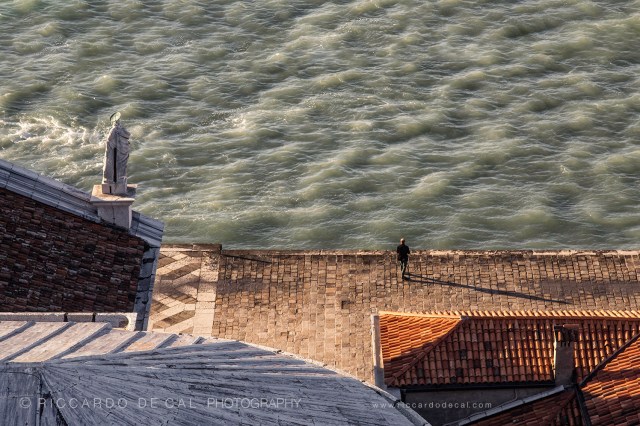
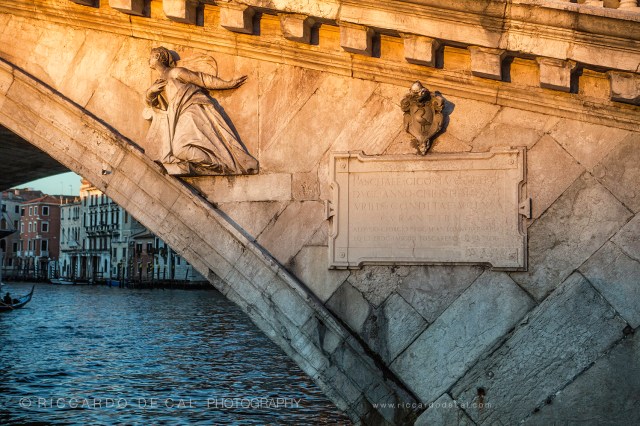
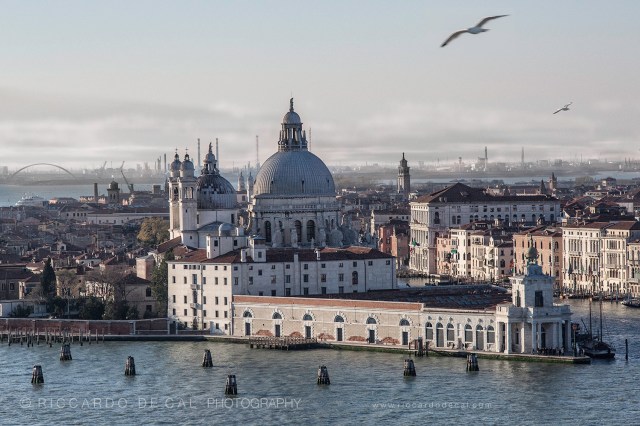
Venice photos by Riccardo de Cal; courtesy of JoAnn Locktov.

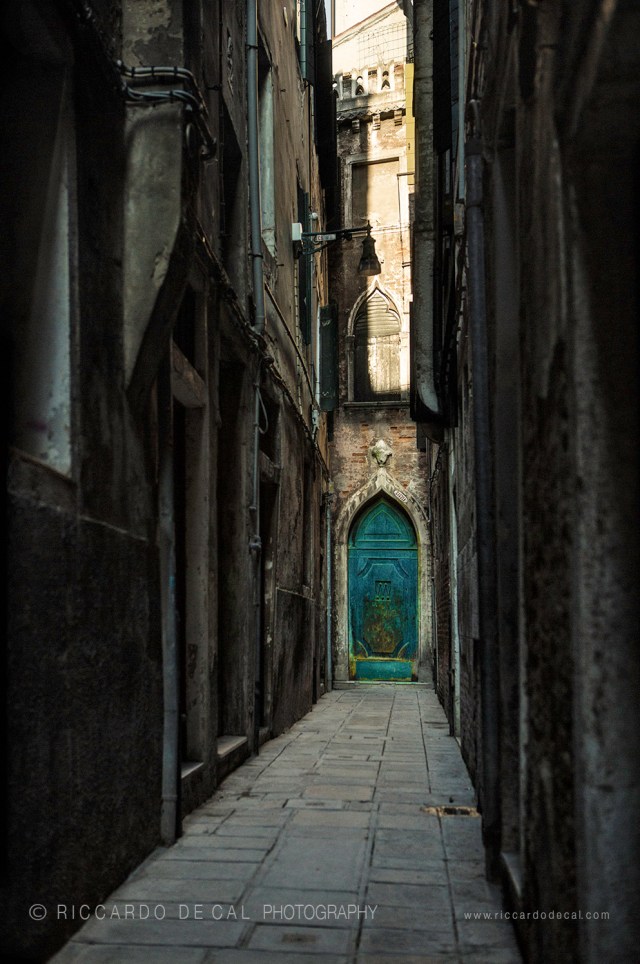
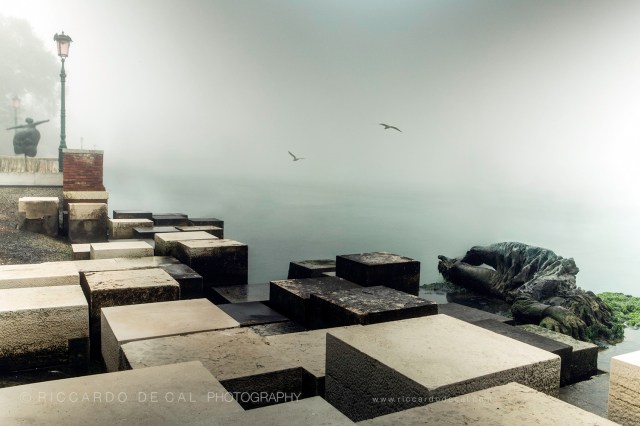
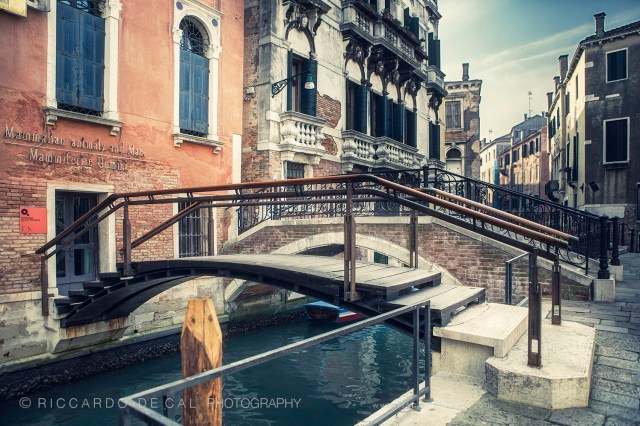
A book of lovely photographs that capture the spirit of Venice was sent to me a while back by its editor, JoAnn Locktov, after I’d reviewed If Venice Dies, by Salvatore Settis, the Italian art historian. In Locktov’s book, Dream of Venice Architecture, each photo by Riccardo De Cal accompanies a brief essay on Venice by a noted contemporary architect, designer, artist or historian. In some cases the photos express something of the subject of the essays. (The pages are not numbered and the pictures have no captions.) Oddly enough, De Cal’s work tends to capture the venerable indistinctness of a Venice whose age is cloaked in fog or darkness. Again, they are lovely shots, but few are sunny or colorful. Many of the essays, however, describe the vivacity of its inhabitants and renew hope for the revival of a Venice that, in the pages of If Venice Dies, tilts toward a spiritual death brought on by tourism.
Screen Shot 2017-01-17 at 12.53.44 PM.png

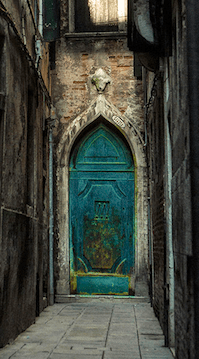
The effect of nature, time and weather on the vividly unique quality of Venice architecture shines through in the photographs. I’ve chosen several to reprint with this post, and most of the 43 photos speak, however darkly, to the Venetian beauty that attracts so many visitors from around the world. An essay on the doorways of Venice by Constantin Boym, a Russian designer teaching at New York’s Pratt Institute, struck my fancy. After describing “the variations in wood paneling; the location and style of handles; the placement of bronze mail slots; or the tiny lookout windows” of a taxonomy of Venetian doorways that awaits compilation (or so he appears to believe), Boym describes the following daydream:

A few years ago I happened to be passing by the house numbered 1937, which featured a particularly distressed and ominous-looking door. Suddenly I had a strange vision that the horrific memories of the year 1937 – Guernica, Kristallnacht, Stalin’s Great Purge – are hidden behind that locked portal. It took a good half-a-bottle of wine before I could let this disquieting fantasy go.

Speaking of disquieting fantasies, in 1910, Filippo Tommaso Marinetti, founder of Italy’s avant-garde movement (known as Futurism), wrote his “Manifesto Against Past-Loving Venice.” Describing the watery city as “a great sewer of traditionalism,” he called upon Venetians to “fill the stinking little canals with the rubble of the tottering leprous old palaces. Let us burn the gondolas, rocking chairs for idiots, and raise to the sky the majestic geometry of metal bridges and smoke-crowned factories, abolishing the sagging curves of ancient buildings.” Why? To “prepare for the birth of an industrial and militarized Venice, capable of dominating the great Adriatic.” In 1910, he and his stooges threw 80,000 leaflets of his manifesto from the Campanile down into St. Mark’s Square. (At least two sources say that the year was 1910, even though the Campanile collapsed in 1902 and was not reopened until 1912. Maybe they snuck in before it was done.)

Nice! Just a few years later, in 1925, founding modernist Le Corbusier unveiled his proposal to demolish central Paris and replace it with 60-story towers separated by parks and highways. People in authority didn’t listen to Marinetti or Corbusier then. They do today, and with reverence.
Johnson Dream of Venice Architecture.jpg

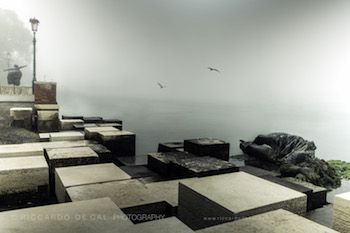
Plaza by Carlo Scarpa (de Cal)

These examples of the modernists’ violent hatred for “past-loving” cities such as Venice, Paris and Providence popped to mind every time an essayist in Dream of Venice Architecture paid tribute to the Italian modernist Carlo Scarpa, a modernist whose work displays far more intelligent (or at least intelligible) creativity than does that of Corbusier and almost every other modern architect. I would say at least half of the essays in Dream emit some sort of hosannah to Scarpa. Yet however enchanting his work may be to those whose educations enable and whose careers demand its appreciation, most people, inhabitants or tourists, who stumble upon one of his interventions surely experience them as rude interruptions of the beauty they are in Venice to admire. (In researching this post I came across a 2014 book called Killing the Moonlight: Modernism in Venice, by Jennifer Scappettone. I could hardly imagine that such a book is even allowed to exist, so well does the modernist cult patrol the field it dominates. … [Turns out upon further reading that this book is the sort of modernist tract that belies its own title, which derives from the Futurist manifesto I criticized above. Damn!])

Can we expect these essayists, virtually all of whom lean toward modernism, to express a reverence for, say, Palladio, Giorgio Massari or the other mostly anonymous dead architects and builders whose spirit remains, and remains dominant, in Venice? Probably not. Very few expressions of reverence for Venice’s legacy architects show up in the Dream essays – except via the implicit fact that the essayists would not have written about Venice, or managed to fall in love with it, were it not for the architects great and small who built this splendid city over a period that spanned a millennium. If Carlo Scarpa and his inferior minions had done to Venice what they’ve done to so many cities globally, nobody would be visiting Venice on vacation today, any more than folks visit Houston when there’s no Super Bowl on the calendar.

So it is clear that in Dream of Venice Architecture, JoAnn Locktov has accomplished the most evocative stroll along the skinniest of tightropes. She has assembled a book of Venice that expresses reverence for a beauty that many of its authors fail, in very fundamental ways, to understand. It is hard to say whether photographer Riccardo De Cal understands, but to the extent that his camera cannot lie, his lens certainly understands.
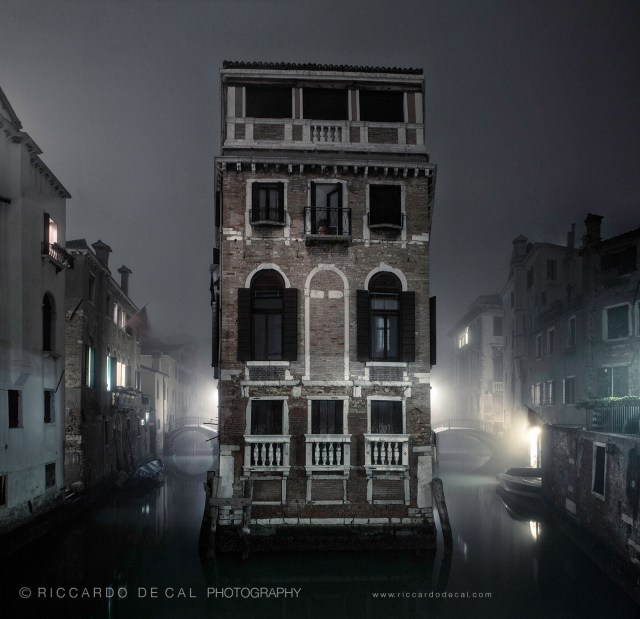
QueriniStampalia Dream of Venice Architecture.jpg

Woltz Dream of Venice Architecture.jpg

Goy2 Dream of Venice Architecture.jpg

Braverman Dream of Venice Architecture.jpg

Botta Dream of Venice Architecture.jpg

TAMAssociati Dream of Venice Architecture.jpg

Boym Dream of Venice Architecture.jpg

Johnson Dream of Venice Architecture.jpg

Posted in Architecture, Photography, Uncategorized | Tagged , , , , , , | Leave a comment