Down to the Big Apple

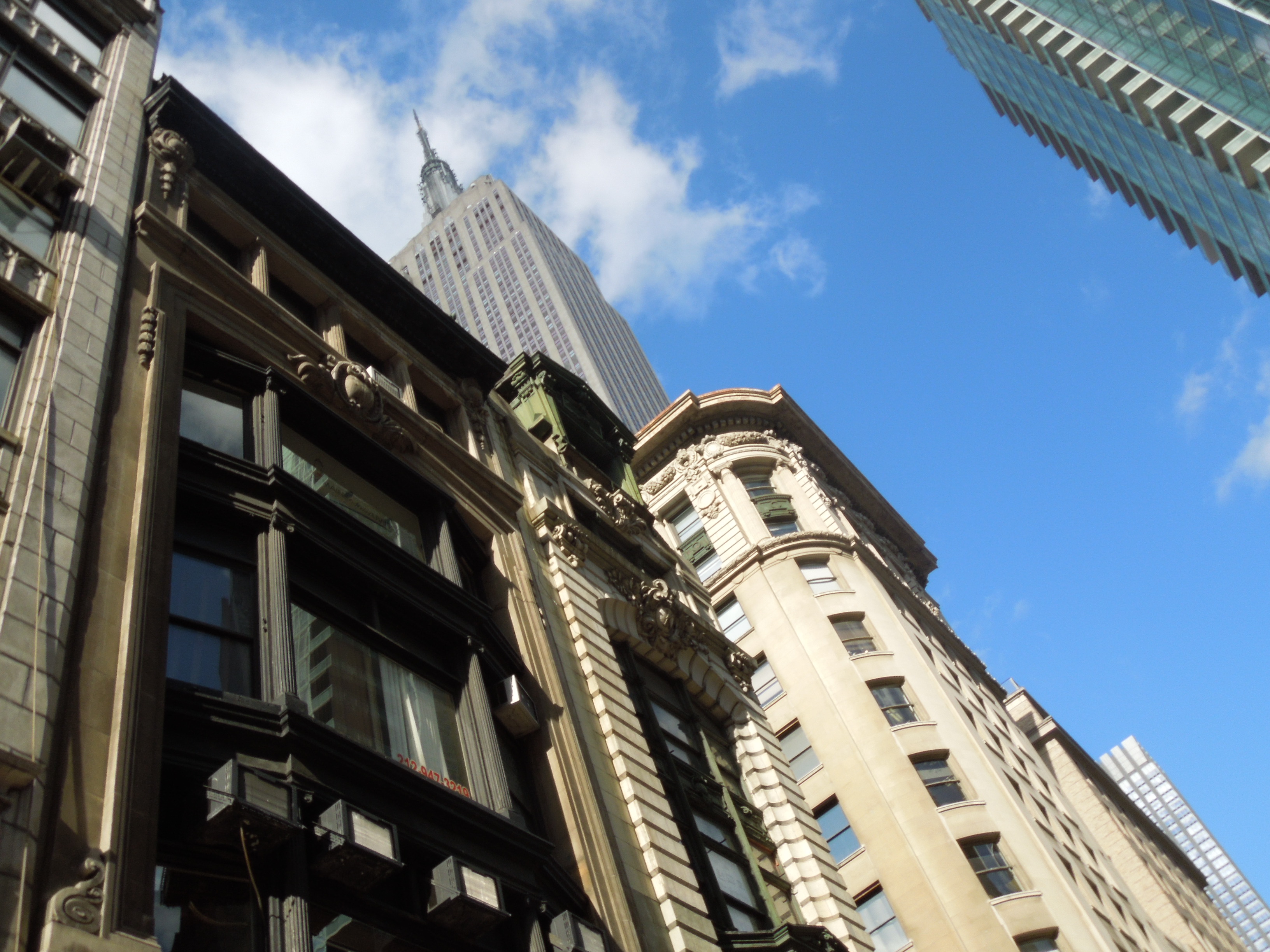
DSCN5112We are heading by Amtrak down to New York City on a four-day vacation. If I can’t figure out how to post to this blog while I’m away, I will post when I get back. Meanwhile, here’s a view of the Empire State Building from Fifth Avenue taken in 2011 during a conference on postmodernism sponsored, oddly enough, by the Institute for Classical Architecture & Art. On this trip no conferences, thank goodness, but an architectural boat ride around lower portions of Manhattan is on our itinerary.
Before leaving, I would like to thank all of those who joined my Jane’s Walk walk on the waterfront for being such a rousing group, for (some of you) cheering me in my prejudices and (for others) putting up with and pushing back against my attempts at indoctrination, and for being as much in love with Providence as I am. It was great fun!

Posted in Architecture | Tagged , , , , | Leave a comment

RISD alumni fair, Benefit St.

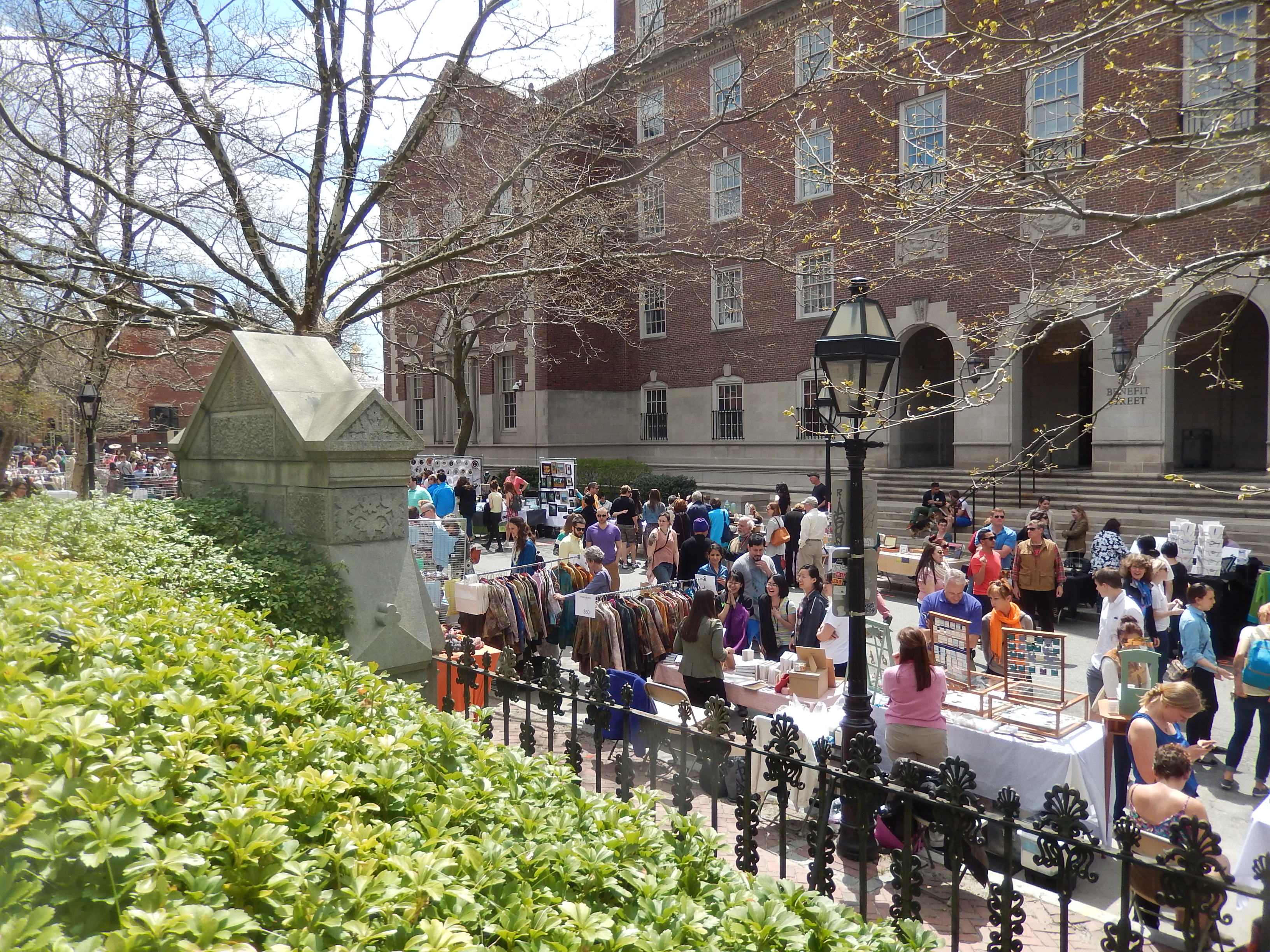
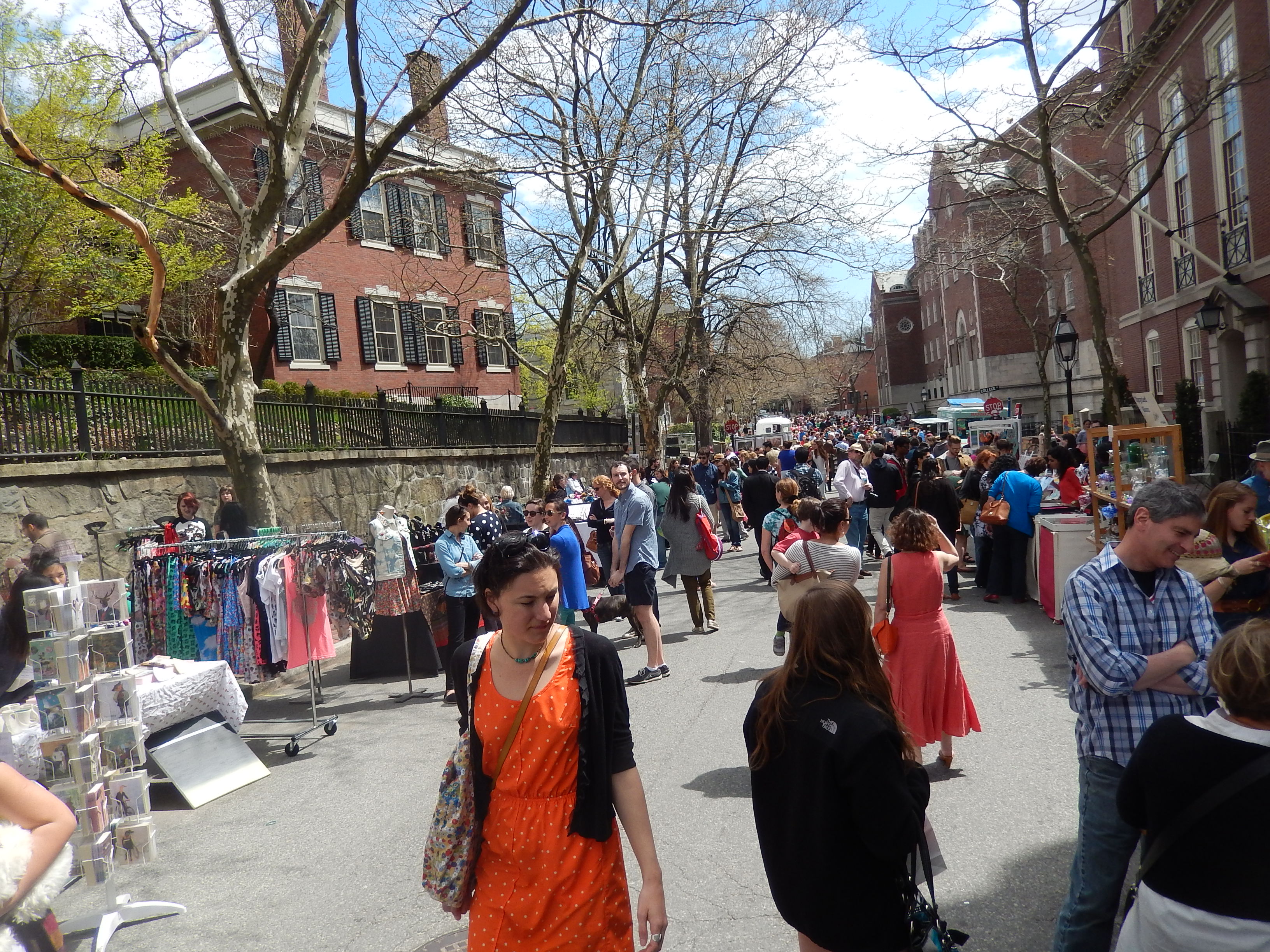
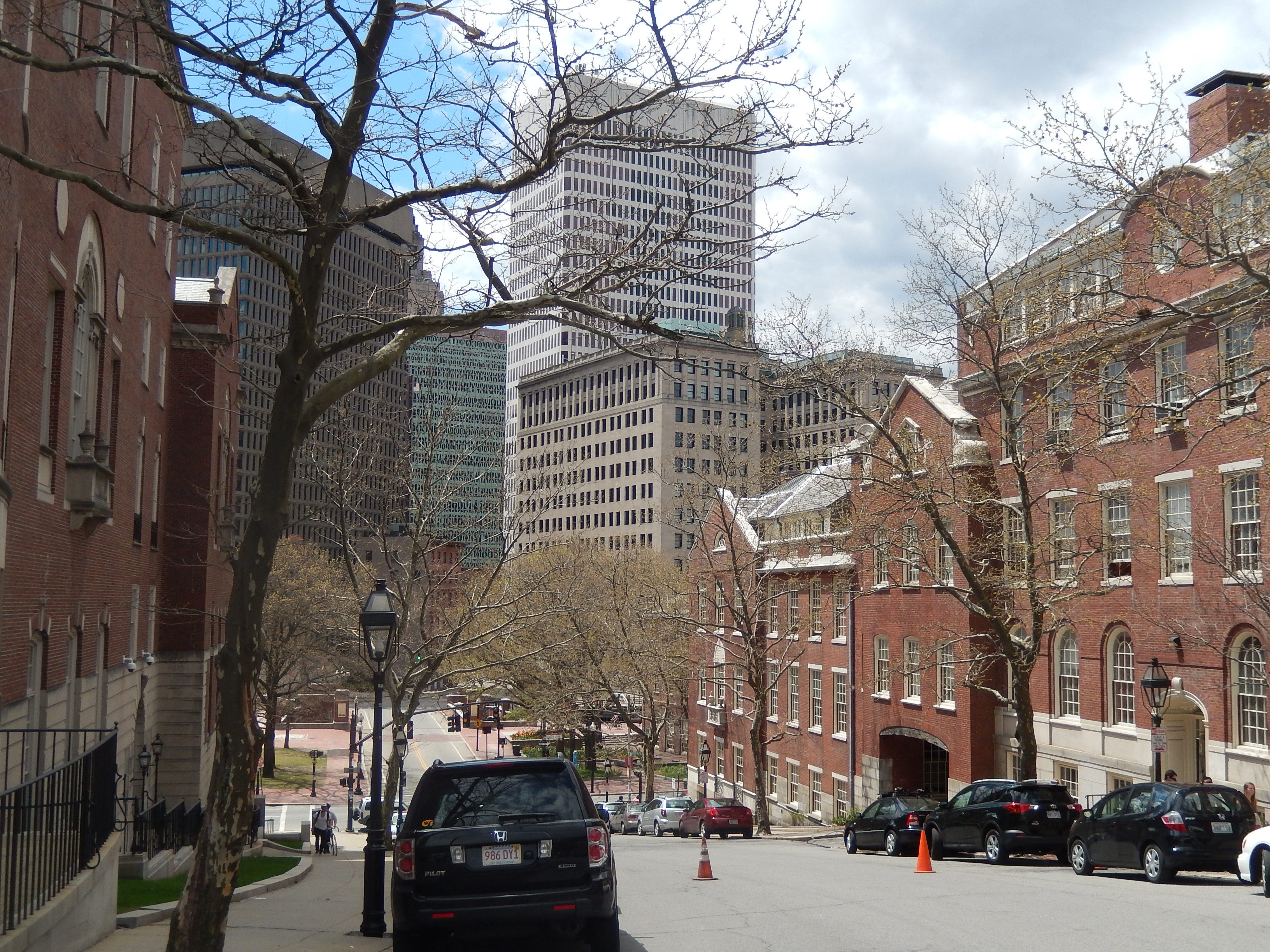
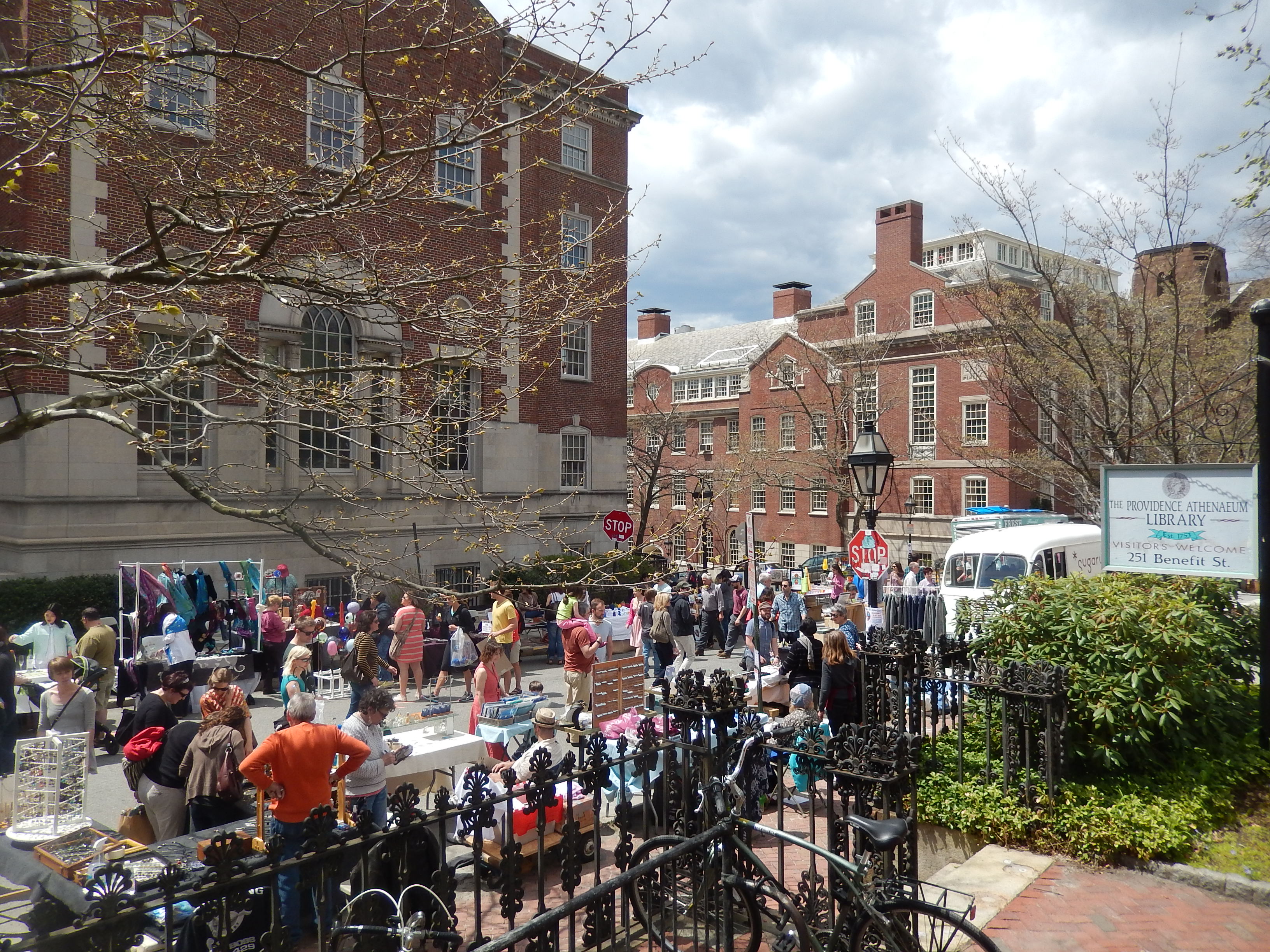
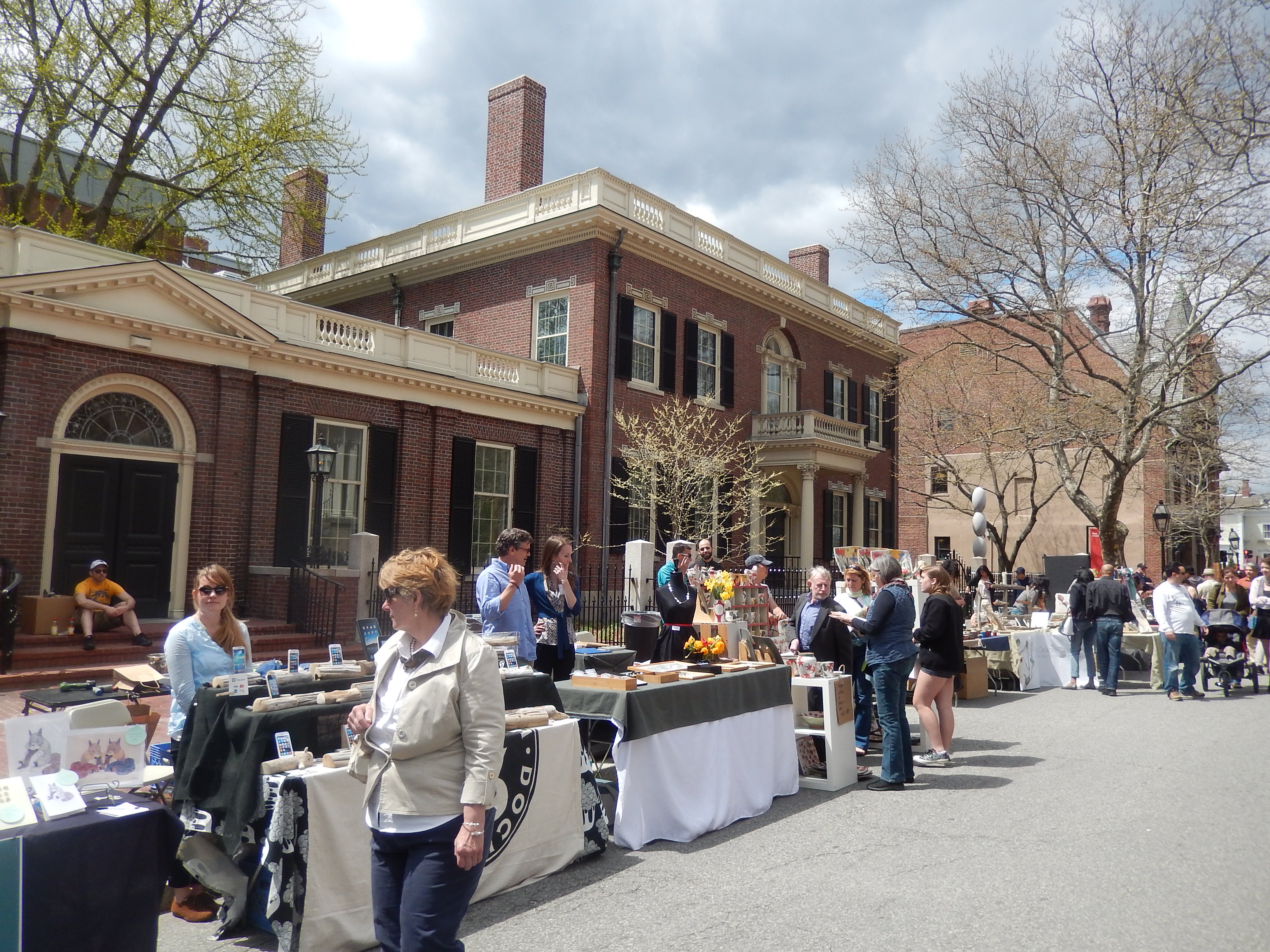
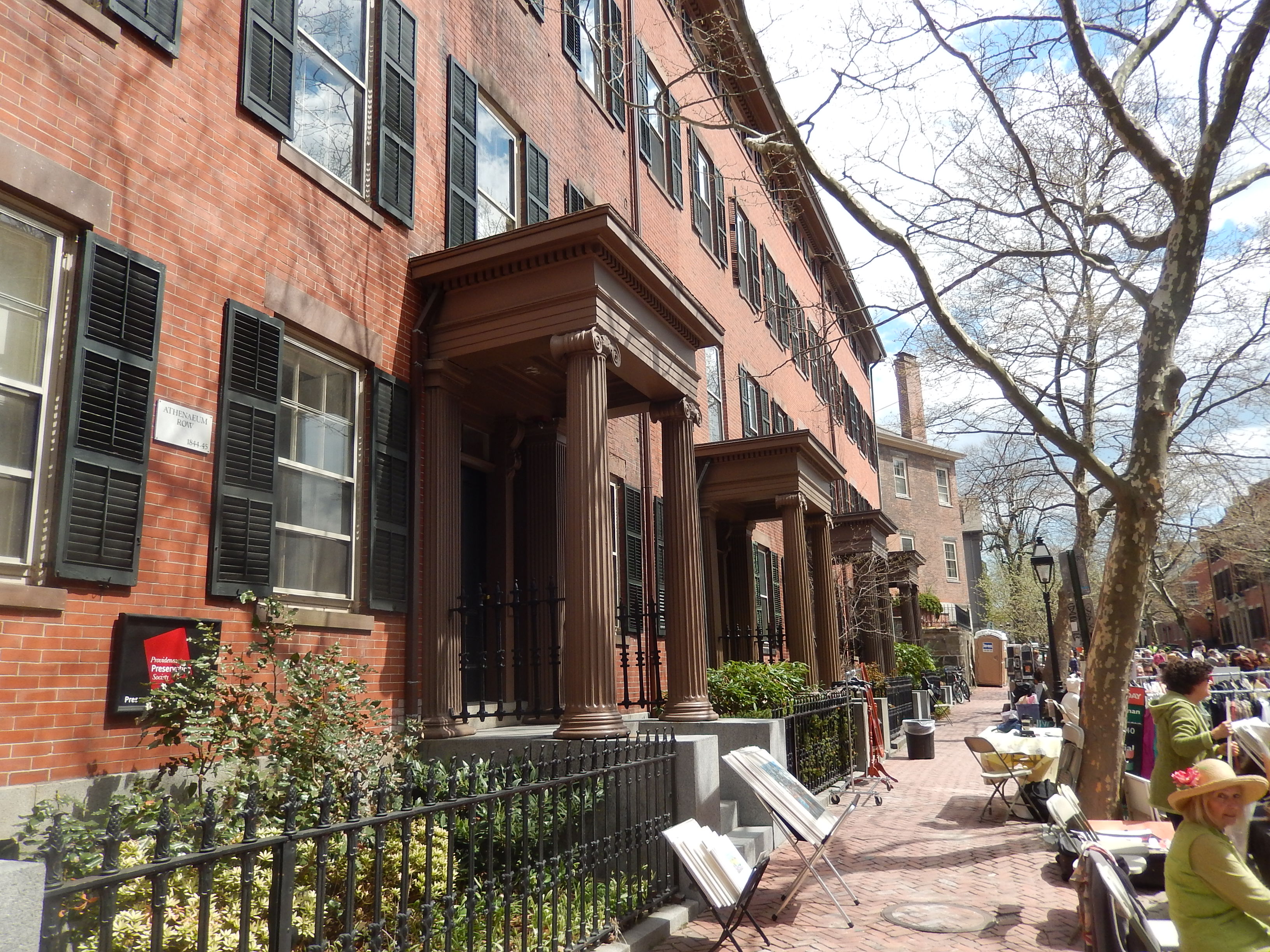
DSCN0935Here are some random shots of Benefit Street – Providence’s “Mile of History” – during the annual alumni art fair at RISD (riz’-dee, the Rhode Island School of Design). This was just before my Jane’s Walk, which was loads of fun. The weather was a delight for both the art fair and the walking tour. My family and I will be in New York City from Sunday through Thursday, so this blog might become a shade slender. Maybe I can find a way to hook up. I’m sure I’ll have photos and things to say about the Big Apple, but they might have to wait till our return to Providence.

DSCN0947 DSCN0967 DSCN0939 DSCN0956 DSCN0955DSCN0962

DSCN0946

DSCN0938 DSCN0970

Posted in Architecture, Art and design, Photography, Providence | Tagged , , , , | 4 Comments

This old neighborhood

1h6JgG.AuSt.156

The Cherrys in front of their half-done “modernist” house in Raleigh.

A modest modernist house a Raleigh, N.C., historic district has all of Christendom up in arms. Paul Goldberger has ridden to the defense of the couple, the Cherrys (he’s an architect), who are building the house, arguing that the city’s historic development commission should  not rescind its prior approval of the building. Here is Goldberger’s critique in Vanity Fair.

He is correct that the board’s action ought to stand. His mistake is to assume that it’s a matter of style and history, that the neighbors deserve his rebuke for trying to freeze-frame the neighborhood in time rather than allowing its stylistic variety to continue to reflect the march of history.

But the neighbors are not striving to halt history. They are not upset because the building flouts the neighborhood’s historic character. That is merely the only language they know how to speak in public on the subject. In fact, they dislike it because it lacks the aesthetic credentials to occupy their historic district, which features a variety of old styles. That is – to put it in language they are not supposed to use – the house is ugly.

Goldberger realizes this, I think, but couches the situation in terms of historical evolution because that is firmer ground for him. The house bends over backward to fit in. It does not shout its modernism from its rooftop. It is “not a Daniel Libeskind-style shard on Euclid Street,” Goldberger says, but “an example of modern architecture trying hard, very hard, to be on its best manners – in essence, to be a good neighbor.”

The problem is that even mannerly modernism cannot really fit in. Modernism refuses on principle to fit in. Its attributes are in natural contradiction to attributes of houses that normally occupy historic districts – and, in my opinion, in natural opposition to houses that most people would consider beautiful. Houses of many different traditional and vernacular styles can fit pleasingly together because they all are descendants of classical architecture – even though they may not literally feature the classical orders.

The neighbors are right to consider the Cherry house too ugly for the neighborhood. What the Cherrys have designed is not a modernist house but a house that has compromised its modernist credentials in order to fit in. The result is not modernist but rather a very poorly done traditional house that does not qualify to be in the neighborhood.

Why did the Cherrys bother? If they wanted to build a modernist house, why not pick a more contemporary neighborhood? To try to suss out their intentions, it seems that they probably wanted to fit in, but with an “edge,” yet could not figure out how to do so without betraying their own aesthetic convictions. Rather than sell their lot and buy one to build in their real taste elsewhere, they decided to brazen it out. That is not good manners and it is no surprise that the neighbors are cranky and see right through them.

But the neighbors are not blameless. Anytime a new house is proposed in a historic district, it is up to the neighbors to make sure that the official bodies charged with maintaining the historical character of the neighborhood do their job. The neighbors rose to the occasion here only after the fact. The board erred in approving the building, but that is probably because it did not realize the neighbors would be so offended by it.

After all, to the members of the board it must have seemed like merely a traditional house of poor design. Why invite the hassle of blocking it? And if they are anything like architectural review board members in Providence, they probably have their own difficulty balancing their personal taste with their civic responsibility. The members of the board in Raleigh probably think more like Goldberger than like the residents of the neighborhood they are charged with protecting.

A pox on all their houses!


Posted in Architecture, Preservation | Tagged , , , , , | 6 Comments

Massengale Square, Addis Ababa

busy-traffic-intersectionAn inside joke, to be sure, but check this out and then ask whether local planners have stocked up on “Street Design” yet.

A major intersection in the capital of Ethiopia.

Posted in Humor, Urbanism and planning | Tagged , , , , | Leave a comment

Bulfinch entries by June 30

images-1June 30 is the deadline for submitting work for the Fifth Annual Bulfinch Awards, established in 2009 by the New England Chapter of the Institute of Classical Architecture & Art. Eligible for the award are works in New England by architects with offices in New England – Connecticut (except for Fairfield County, which is in the New York chapter), Maine, Massachusetts, New Hampshire, Rhode Island and Vermont.

This year’s 11 categories (expanded from eight last year) are:

  • Residential (New construction over 5,000 square feet).
  • Residential (New construction under 5,000 square feet).
  • Residential Restoration, Renovation or Addition.
  • Commercial.
  • Institutional.
  • Civic/Ecclesiastical.
  • Landscape Architecture.
  • Interior Design.
  • Craftsmanship/Artisanship.
  • Sketch.
  • Student Portfolio.

More information about the awards, fees for their nomination, guidelines for their presentation to this year’s jury, and the awards ceremony on Wednesday, Nov. 12 at the Massachusetts State House in Boston, may be found at the chapter website’s Bulfinch page.

Works that win in this year’s 11 categories will be of classical design, which for the purposes of the competition includes other traditional styles, such as Victorian, Shingle or others that bear relation to Greco-Roman classicism. Classical is today a subset of traditional architecture, but classical gave birth to all subsequent traditional forms of building and design. It arose not only in Greece and Rome but also in other ancient cultures. Classical and other traditional forms include not only buildings and landscape but works of art and craft that were once part and parcel of architecture.

Because the chapter hopes to promote classical architecture in the public square, works in the categories of commercial, institutional and civic/ecclesiastical have been teased out of what last year was a single category. Since most people choose their houses by themselves in a free market, rather than by committee as with most architecture in the larger categories, residential architecture does not need the sort of “help” needed to build traditional office buildings, libraries, shopping malls, museums, town halls, academic buildings, churches and the like in the face of what amounts to suppression by the modernist architectural establishment. The chapter wants more major works of classical and traditional architecture to be built, and thus hopes to promote that end by offering more opportunity for such works to win a Bulfinch Award.

This year, as well, for the first time there are categories for sketches to promote the lost art of drawing by architects and other designers, and for portfolios to bring future classicists into the field’s expanding system of practice and reward as early as possible.

To learn more about the ICAA chapter and national organization, visit the chapter’s web site at www.classicist-ne.org.

Posted in Architecture, Architecture Education, Art and design | Tagged , , , , , , | Leave a comment

Column: Warren speaks truth to preservation

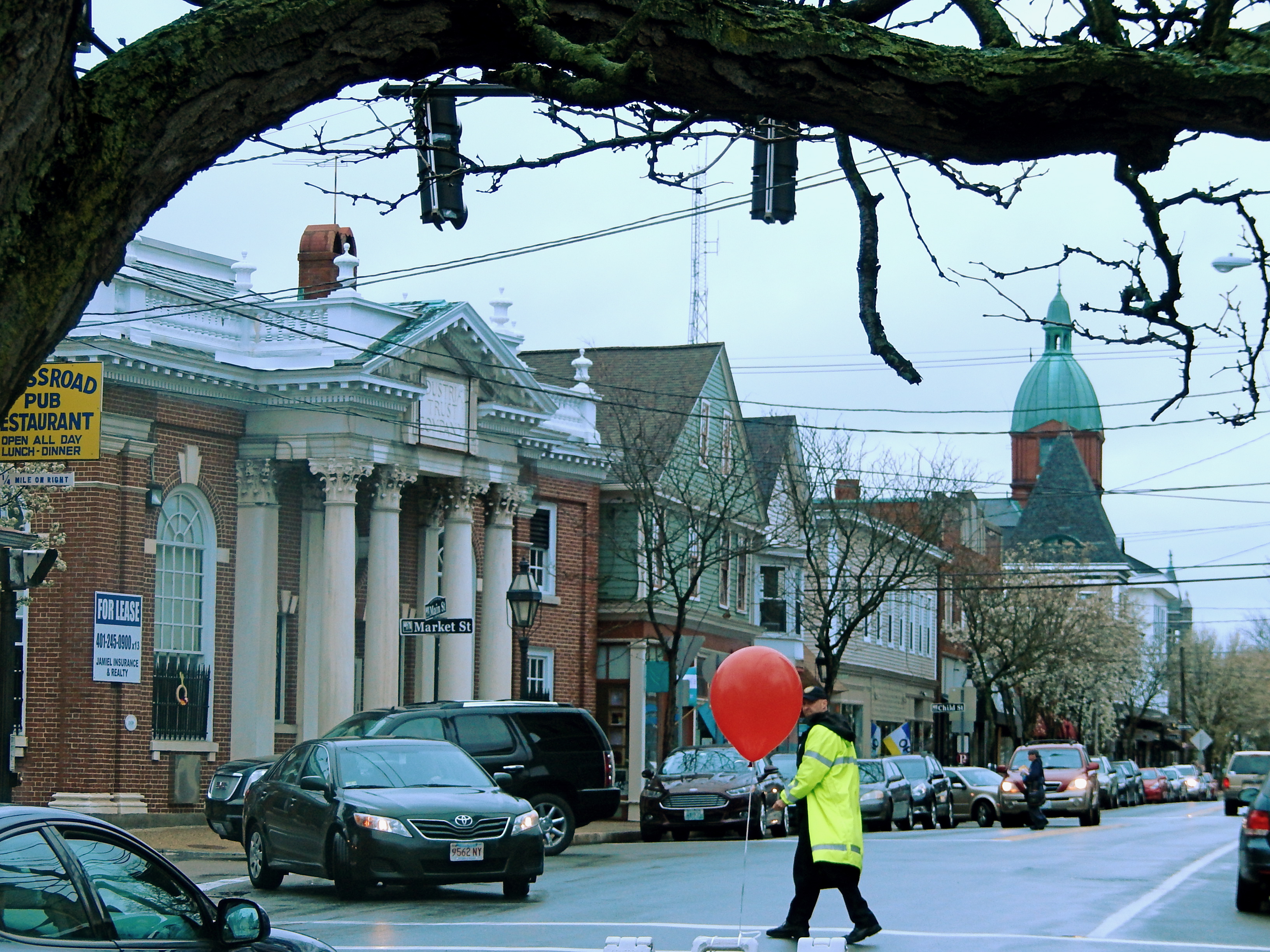
Main Street in Warren at the state preservation agency's conference in the rain. (Photo by David Brussat)

Main Street in Warren at the state preservation agency’s conference in the rain. (Photo by David Brussat)

Ocean State preservationists gathered on Saturday in Warren to celebrate pride in preservation, the theme of the 29th annual conference of the Rhode Island Historical Preservation & Heritage Commission. It rained on their parade but not on Warren’s robust sense of pride.

Even wet, Warren’s grace and beauty shone all the brighter. The best gifts come in small packages. True in general and true of Warren. “The smallest town in the smallest county in the smallest state in the union” is how the conference brochure describes Warren.

And yet Warren is a gift not because of its size but because of its beauty. It is walkable because it is small, but it is worth walking because it is beautiful. And it is beautiful largely because modern architecture here is rare.

To read the rest of this column, please visit The Providence Journal.

Posted in Architecture, Preservation, Providence, Urbanism and planning | Tagged , , , | Leave a comment

Blast past: A Warren warning

Main Street in Warren, R.I., viewed from Town Hall. (Postcard)

Main Street in Warren, R.I., viewed from Town Hall. (Postcard)

During Saturday’s preservation conference in Warren, while listening to speaker Mark Fenton remind us that Warren fended off a Walgreens long ago, I was reminded of a column I wrote in 1997 about how the megadrugstore tried to plop one of its pug-uglies at the town’s main intersection. The column follows:

Warning Warren of Walgreens

July 24, 1997 

THOSE WHO DRIVE through East Bay may be divided into two classes: those who take Route 114 and those who take Route 136. Travelers through Warren likewise divide into two classes: those who take Main Street and those who take Metacom Avenue. In short, there are those who value scenery and those who value speed.

Today, in Warren, both classes – romantics and utilitarians, let us say – may choose. Occasionally, circumstances such as the need to get to a hospital or a cheeseburger quickly force a romantic onto Metacom; a utilitarian with an out-of-town guest may feel compelled to venture onto Main. But normally, we know who we are and plot our routes accordingly.

Readers of this column will not be surprised to learn that I place myself firmly in the Main Street camp. I never take Metacom. They could plow it under for all I’d care – except that all the utilitarians would then be forced to take Main Street, which is already crowded enough. Not for the world would I rob the utilitarians of their Metacom Avenue.

So I was not pleased to learn of a plan to turn Main Street itself into another Metacom Avenue. I refer, of course, to the proposal to put a Walgreens megadrugstore at the corner of Main Street and Market, the “ground zero” of downtown Warren. Why not put it on Metacom where it belongs? It would fit right in. You could get to it faster.

It will be argued that one Walgreens doth not a Metacom make. But the primary difference between Main and Metacom is charm. Metacom is designed, in large measure, to expedite traffic between Aquidneck Island and Route 195. Commercial strips along Metacom are designed so vehicles can zoom in and out – park, shop and depart pronto without slowing the traffic. Metacom has no charm, and no pretense to charm. It has speed and convenience, which are nothing to sniff at. Indeed, there are plans to widen the avenue, making Metacom even more Metacomic.

Main Street, on the other hand, was designed for a more leisurely pace, in an era when shopping was a social activity. Small shops sit shoulder to shoulder, hugging the sidewalk, catering to local trade. Shopkeepers tend to know customers and each other personally. Customers linger, gossip with each other and with shopkeepers in the shops and on the sidewalks, dropping in and out of doors, in and out of conversations, pollinating the life of the town and the politics of the community. Thus, downtown Warren remains much as it was decades ago. That is its charm.

I learned this on Tuesday morning during a walkabout with Gary Budlong, the director of the Warren Preservation Society. In the space of a few moments’ stroll along Market, we encountered a string of players in the Walgreens saga. My guide himself could not have orchestrated such a “sense of community.”

A Walgreens at Main and Market would be the beginning of the end of all that. A 12,000-square-foot store set in a field of asphalt and supercharged with double drive-thru windows would erode civility as well as community. Multiply by two the impact of the Dunkin’ Donuts across the street. Its single drive-thru window causes the sort of back-ups in the morning that Metacom was designed precisely to avoid, and which already overburden Main. To imagine a Walgreens at that intersection is to imagine the dictionary definition of “road rage.”

Not content with clogging a road that already suffers from advanced arteriosclerosis, the current proposal for Walgreens would require the demolition of a host of historic buildings. Their dates of construction are 1802, 1809, circa 1830, 1890 and 1914. To entertain a plan to tear down these buildings is no way for a town to celebrate its 250th anniversary.

Warren today plays second fiddle to Bristol, a wealthier town that has spent more to restore its historic fabric. The old buildings threatened by Walgreens at Market and Main could use such treatment, to say the least. Yet, building for building, Warren‘s architectural heritage rivals that of Bristol. Warren can foresee the day when its “gritty authenticity” is not merely a prelude to Bristol’s beauty. But that day will never arrive if Warren allows Walgreens to turn Main into Metacom, just another strip of retail pods on the way to lovely Bristol.

Like the rest of Rhode Island, Warren must decide which quality is more important to its prosperity. Is it character or convenience? Is it charm or utility? We have both, but must maintain a precarious balance.

Unlike the infrastructure of convenience, the infrastructure of character is delicate, and impossible to retrieve once lost. Every community in Rhode Island has its Metacom Avenue, but each Main Street is unique. Walgreens on Metacom threatens nothing. Walgreens on Main risks everything forever.

* * *

David Brussat is a Journal-Bulletin page design editor, editorial writer and columnist. His e-mail address is: davidbrussat@projo.com

Posted in Architecture, Blast from past, Preservation, Urbanism and planning | Tagged , , , | Leave a comment

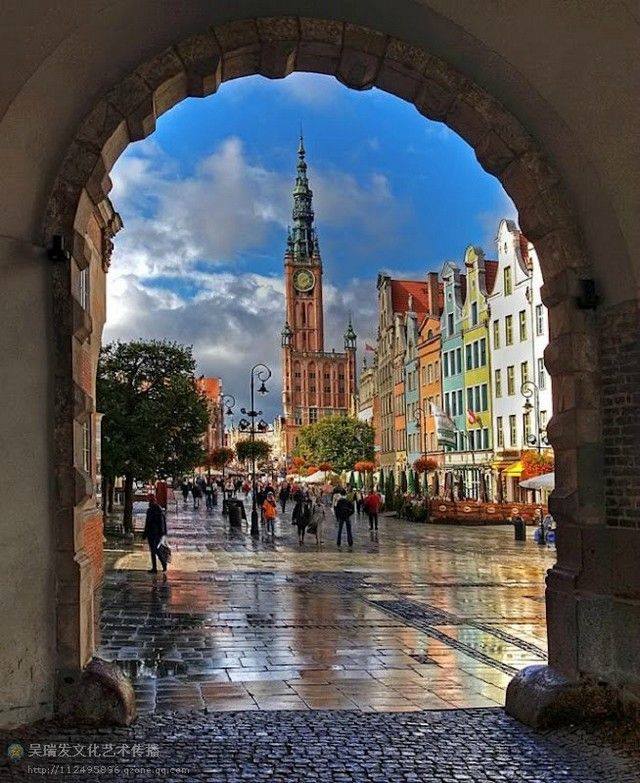
Gdansk after a rain

Gdansk, Poland (from a set of excellent photos forwarded by e-mail)

Gdansk, Poland (from a set of excellent photos forwarded by e-mail)

Gdansk, Poland (from a set of very lovely photographs sent by e-mail with no apparent address).

Posted in Architecture, Photography | Tagged , | 3 Comments

My upcoming Jane’s Walk

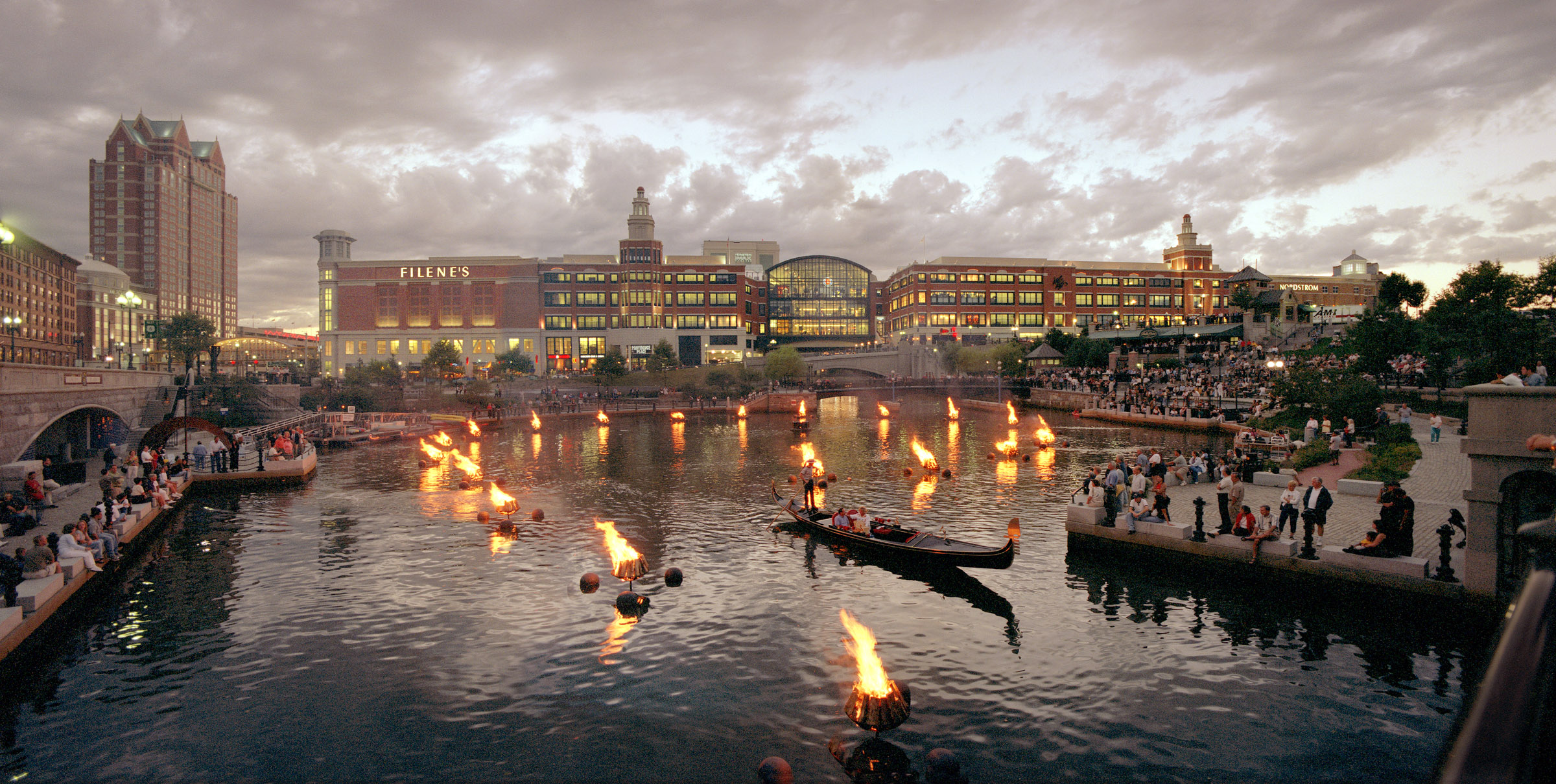
Waterplace Park toward the beginning of a WaterFire event in the year 2000. (RichardBenjamin.com)

Waterplace Park toward the beginning of a WaterFire event in the year 2000. (RichardBenjamin.com)

My first Jane’s Walk, one of seven in Providence May 2-4, takes place this coming Saturday. It is free and open to the public. Jane’s Walk is an annual global city touring festival in which citizens volunteer to guide tours of a district or neighborhood of their city, infusing their tour with the passion of their vision for the place. My Jane’s Walk is called Waterplace: The Good, the Bad and the Ugly and starts at 2:30 p.m. at the Crawford Street Bridge near Hemenway’s. The link takes you to a map and a description of the tour, which will probably last a little more than an hour.

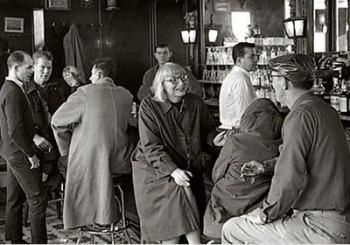
Jane Jacobs at the White Horse Tavern - in New York, not Newport. (elblogdefarina.blogspot.com)).

Jane Jacobs at the White Horse Tavern – in New York, not Newport. (elblogdefarina.blogspot.com)

The walking festival, now in its seventh year, is named in honor of the late Jane Jacobs, author of The Death and Life of Great American Cities (1961), which almost single-handedly turned city planning away from the urban renewal model (often accurately derided as “urban removal”) of bigger is better and, to judge by the result, uglier is better, toward a reconsideration of cities as places for people to enjoy life. The book essentially recommends returning to the civic formulas prevalent before the onset of modernist planning and design in the years after World War II. That view also animates my thoughts and writing on cities, architecture and Providence, so you can imagine that Jane Jacobs is as much a guru for me as for any other Jane’s Walks tour guide.

My Jane’s Walk is labeled “Waterplace” because that’s a place name that many people know – but my walk will start at the bridge near Hemenway’s and take you up and down the rivers and through part of downtown and back to where we started. I will answer your questions about buildings along our way, the history of why they are beautiful or ugly, what impact beauty and ugliness have on Providence, and what we as citizens can do about it.

The photograph, by Richard Benjamin, encapsulates my rant about the Capital Center Project. The photo captures Waterplace Park at the height of its beauty. It was only shot 14 years ago, but in those 14 years poor civic stewardship has had sorry results. You will learn that story on this tour. It is on Saturday, May 3, at 2:30, starting at the Crawford Street Bridge near Hemenway’s.

I hope you will join us, and please be loaded for bear when thinking up questions to throw at me on our tour.

Posted in Architecture, Architecture History, Providence, Urbanism and planning | Tagged , , , , | Leave a comment

Painted girl evolves

Courtesy of Gizmodo.com by way of Vimeo, or something like that.

Courtesy of Gizmodo.com by way of Vimeo, or something like that.

Here, courtesy of Gizmodo.com, is an intriguing stop-action video of a girl, a dozen or more cans of paint and a camera. Very amusing, and delicious. She’s a lovely girl, apparently named Elvis, and I post this under the rubric of architecture because it raises the question of what is beauty. At some points in the video, which lasts a bit more than four minutes, her obviously pretty face is exalted, at least somewhat, by the effects of the paint and at other times her beauty is diminished. (A side issue is whether one might like the camera to have strayed downward a bit, but I’ll leave that to the technorati.) Be that as it may, her range of expression as she reacts variously to what the paint inflicts on her is priceless. Here is Elvis.

When you get to the site, scroll down past the first screen. The first screen with the small white square box (if you click it) is the wrong screen. In the correct screen she has red lipstick and stitch marks, and there’s music.

Posted in Architecture, Art and design, Humor | Tagged , , , , , , , , | 7 Comments