Between the lines of the NYT

Rose Window at Chartres Cathedral. (flickr.com)

Rose Window at Chartres Cathedral. (flickr.com)

Steven Bingler and Martin Pedersen, the architect and the writer who called on architects to pay more attention to public taste, do not seem to realize it, and would probably not admit it, but their essay in the New York Times last week was not just a critique of modern architecture or a call for traditional architecture. It was that at least, but so much more.

After noting in their piece “How to Rebuild Architecture” that the late architect Philip Johnson “and the proverbial little old lady from Dubuque could stand beneath the Rose Window at Chartres and share a sense of awe,” Bingler and Pedersen write:

To get back there, we must rethink how we respond to the needs of diverse constituencies by designing for them and their interests, not ours. We must hone our skills through authentic collaboration, not slick salesmanship, re-evaluate our obsession with mechanization and materiality, and explore more universal forms and natural design principles.

And if “their” tastes are traditional, which much of the essay implicitly suggests, then “universal forms” and “natural design principles” can have only one meaning.
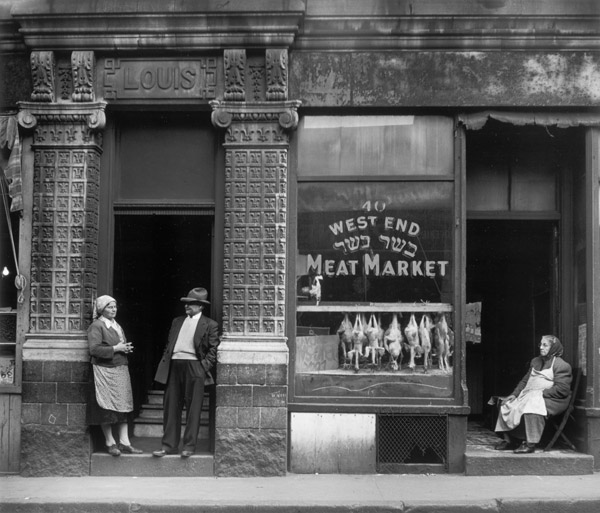
Fabric of West End, Boston, before demolition. (shutterbug.com)

Fabric of West End, Boston, before demolition. (shutterbug.com)

West End, partially demolished. (youtube.com)
West End, partially demolished. (youtube.com)

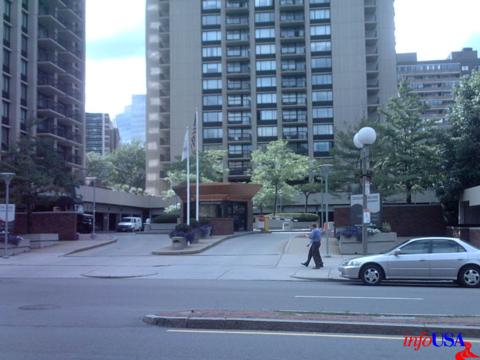
West End apartments today. (city-data.com)
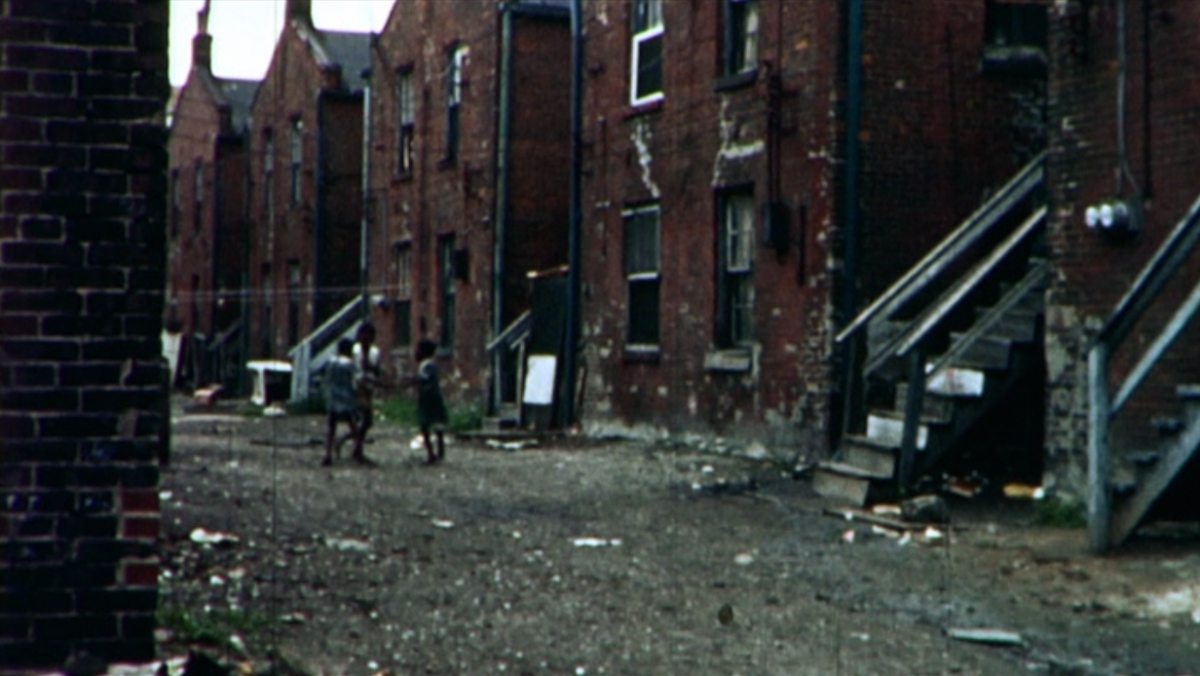
West End apartments today. (city-data.com)

Neighborhood demolished for Pruitt-Igoe public housing, St. Louis. (businessinsider.com)
Neighborhood demolished for Pruitt-Igoe public housing, St. Louis. (businessinsider.com)

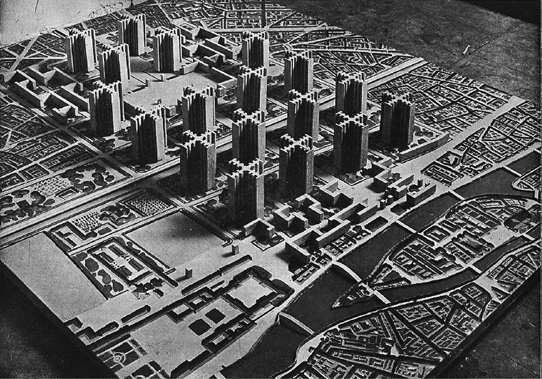
Le Corbusier's 1925 Plan Voison was inspiration for Pruitt-igoe. (palgrave-journal.com)
Le Corbusier’s 1925 Plan Voison was inspiration for Pruitt-igoe. (palgrave-journal.com)

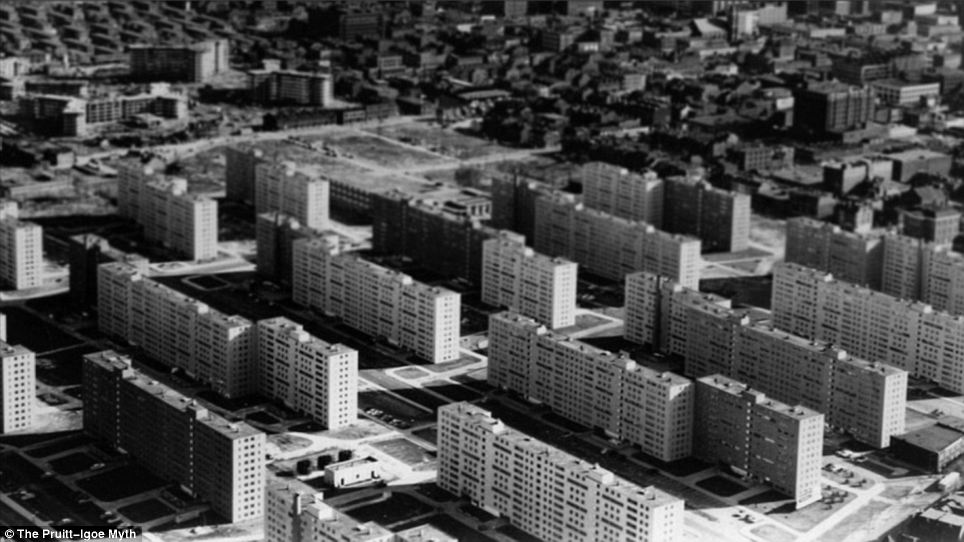
Pruitt-Igoe upon completion in 1956. (dailymail.co.uk)
Pruitt-Igoe upon completion in 1956. (dailymail.co.uk)

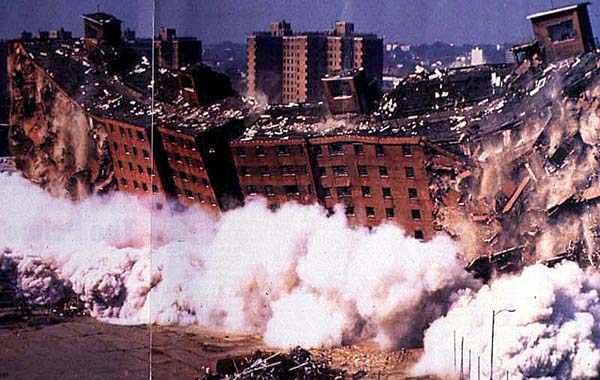
Demolition of Pruitt-Igoe, 1972. (rjdent.wordpress.com)

Demolition of Pruitt-Igoe, 1972. (rjdent.wordpress.com)

Andres Duany has pointed out many times that historic districts are merely regular neighborhoods built before World War II. In fact, until modernism took over, even slums were at least minimally attractive. Decay and weathering vied with shoddy and deferred maintenance and absentee ownership to achieve some balance in how beauty evolves as time ages traditional materials. You can see that in poor neighborhoods built before the war that survive today, often exacerbated by bad signage. In more affluent areas and civic centers, beauty often was par for the course.

That has all changed. In Jane Jacobs’s The Death and Life of Great American Cities (1961), she details the role of major private and government financing in urban renewal and public housing. After quoting a detail in the Panuch Report, describing a druggist who invested $40,000 in his shop taken by eminent domain for $3,000, Jacobs writes:

This is a sad and common story on housing or renewal sites and is one reason these schemes are fought so desperately by site businessmen. They are subsidizing these schemes, not with a fraction of their tax money, but with their livelihoods, with their children’s college money, with years of their past put into hopes for the future – with nearly everything they have.

We tend to think of those projects as saddling society with ugly, sterile places for poor people. They did, but the damage went so much deeper. We forget that much subsidized housing was initially intended for the middle class or veterans returning from World War II. We forget that the districts destroyed were often vibrant neighborhoods in the process of lifting themselves out of poverty – “deslumming,” as Jacobs puts it in the less frequently read later chapters of her great book.

To the residential populations displaced for such projects must be added, as she angrily notes, the many thousands of shopkeepers driven out of business. Urban renewal took a sledgehammer to American society where it could least afford it, and the American polity has never fully recovered from the blows not only to the livability of our cities but to the conditions of family life up and down the ladder of society, not to mention the fraying of the social contract. The decline of the middle class that we hear of today was triggered by this revolution in U.S. social and economic policy. All of these problems may be attributed in considerable degree to the dire and yet predictable impact of modern planning and design.

The government and the private sector cooperated to smother humans in large parts of all major American cities. Where did they get the idea? Well, urban renewal would have been inconceivable without the professional and academic propagation of the inhuman slabs of modern architecture, eventually practiced by almost every development and architectural firm, implemented and financed by all levels of governments and taught in all universities, and still the dominant template for city building in all three realms.

Bingler and Pedersen worry that public skepticism of modernism only grows “even as we talk about making [architects’] work more relevant with worthy ideas like sustainability, smart growth and ‘resilience planning.’ ” Why must architects concern themselves with those things? Because decades of education, scholarship and practice have been devoted to purging sustainability, intelligence and resilience from the profession.

Modernists get a kick out of insisting that modernism is not a style but a way of life. They are correct, and for having helped to inflict on society the vile stupidity of that way of life – the banality of evil, in spades – they should hang their heads in shame.

In short, thank you very much, Le Corbusier.

Much of this is latent in the essay by Bingler and Pedersen. It is unstated but right there between the lines of every commentary on the decline of our society. Efforts to recover, if recovery is even possible, must begin with the insights in “How to Rebuild Architecture.” To listen to conventional public sentiment on this matter and so many others is to acknowledge home truths that have been staring us in the face for half a century, ignored and if that’s not possible denied. The two authors merit commendation for their essay, which says a lot more than they intended, and so does the New York Times for publishing it.

Posted in Architecture, Architecture Education, Development, Urbanism and planning | Tagged , , , , , , , | 2 Comments

Beautiful seasonal greeting

The GUM department store on Red Square in Moscow, lit for the holidays and the doubled by the photographer, who is Alexander Zemlianichenko, of the Associated Press.

The GUM department store on Red Square in Moscow, lit for the holidays and the doubled by the photographer, who is Alexander Zemlianichenko, of the Associated Press.

The above photograph was featured on the main international news page of the Providence Journal. I send it out as my gift to readers. Beauty can persist even in the heart of darkness. Red Square may not be that place anymore, and I wish that a lovelier picture shot in the good ol’ U.S. of A. had been at hand to send out, but I was intrigued by this photo and I’m sure you will be too. May the season tread lightly on your spirit!

Posted in Architecture, Other countries, Photography | Tagged , , , , | Leave a comment

Betsky goes ballistic

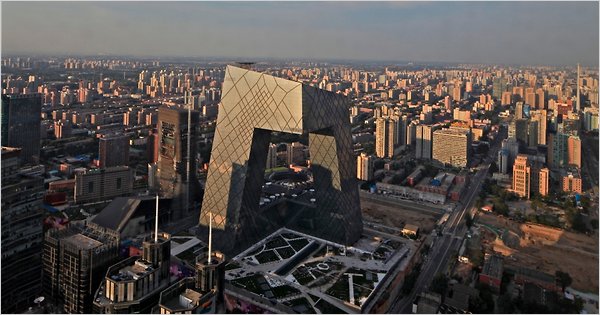
CCTV tower in Beijing - known as

CCTV tower in Beijing – known as “Big Pants,” it seems intended to crush the people. (nytimes.com)

Let the establishment – in this case the New York Times – allow just a single peep against modern architecture, and its enforcers suffer total meltdown of equanimity. Aaron Betsky, the architecture critic for the journal of the American Institute of Architects, has gone ballistic in his reply, in Architect magazine, to the recent essay on the Times’s oped page by Steven Bingler and Martin Pedersen, headlined “How to Rebuild Architecture,” which merely opines that architects should try listening to the public, the ultimate users of architecture.

It is tempting to go through Betsky’s piece, “The New York Times Versus Architecture,” line by line to rebut all of his ridiculous assertions. But I will limit myself to his objections to what he seems to feel is Bingler and Pedersen’s most objectionable passage, which is this:

For millenniums, architects, artist and craftspeople — a surprisingly sophisticated set of collaborators, none of them conversant with architectural software — created buildings that resonated deeply across a wide spectrum of the population. They drew on myriad styles that had one thing in common: reliance on the physical laws and mathematical principles that undergird the fundamental elegance and practicality of the natural world. These creative resources transcend style. They not only have wide aesthetic appeal, but they’re also profoundly human, tied to our own DNA.

To which Betsky’s rebuttal is:

All I can say is: Wow. I do not know what fantasyland these authors live in that they imagine that for “millenniums” (“millennia?”) architects collaborated on making buildings that “resonated deeply.” In fact, the few pieces of architecture that we still treasure today, from the Pantheon to Palladio’s churches and villas to Chicago’s skyscrapers, were as startling, alien to their environment, and initially unpopular as most new monuments today. …

The rest of the paragraph is rendered largely incoherent by what I must assume is a succession of mental typos. But after that he continues:

The truth is that architecture is not made by or for “a wide spectrum of the population.” It is made for those who have the means to commission it, and reflects their values and priorities. If some architecture looks strange and is engaged in experimentation, it is because the only way architects have to make something that has a chance to escape from that affirmation of the social, economic, and political status quo is to make spaces that open up, forms that question or stretch our expectations, and buildings that build in delights, from amenities to visual pleasures, that the clients do not necessarily need — though they may desire them in the end. Beauty of a deep and satisfying kind is what good architects often have to sneak into commissions.

Bingler and Pedersen’s description of architecture through most of history is perfectly reasonable. Architects and builders collaborated with themselves, craftsmen and artists, and not least their own predecessors, to create a built environment that evolved according to stylistic and technological change, and was based on a vertical aesthetic that reflected human stature, and on proportions that (mathematically or intuitively) reflected an innate sense of the beautiful, a quality that was respected by almost all of mankind.

Betsky then states with consummate absurdity that “the few pieces of architecture that we still treasure today” – wow! – were “startling, alien to their environment, and initially unpopular.”

The few pieces of architecture we still treasure today!? Talk about fantasyland!

I think that assertion about the reaction to great traditional work (the Pantheon, Palladio, Chicago skyscrapers) is merely a lie that he assumes will not be contradicted anywhere his words are read. I doubt that anything on his short list was sufficiently “startling” or “alien” to cause the reactions he asserts. On the contrary, all of his examples suggest precisely how traditional architecture evolves, transcending style by embracing a longstanding set of classical principles that permitted architects and builders (using their genius or their pattern books) to produce work that, however creative, obeyed a sense of propriety that classicism was designed to promote, but which has been purposely jettisoned by the modernists.

In the continuation of Betsky’s response, he argues that architecture is not built for the public but for the clients of architects, and “reflects their values and priorities.” Given the result, as Bingler and Pedersen point out, the public has every reason to object. The more so if what he says about the values of clients is true. It may be argued that modern architecture does not reflect the values of clients but rather the values that architects imposed on clients decades ago. Or maybe modern architecture – sterile, wacky, foreboding, etc. – does reflect the values of clients. In that case it is clear that the values of clients have changed drastically since the ages when major buildings were put up by monarchs, captains of industry, the petit bourgeoisie, guildsmen, and the landlords of the small shopkeeper and the huddled masses living in tenements.

For no place in his crie de coeur does Betsky deny that modern architecture is disliked by much, indeed most, of the public – although he tries to suggest otherwise by focusing on the taste of 88-year-old grandmothers. Is it the oppressive vibes given off by so much modern architecture that offends? Or is it an intuitive suspicion by the public that the values of those who commission modern architecture are inimical to the public? Either way – and both interpretations can be valid, together or separately, in the mind of the individual or the mind of the public – supports Bingler and Pedersen’s contention that modern architecture does society a disservice by ignoring public taste.

Betsky continues, arguing that even if some modern architecture does look “strange” or “experimental,” that’s merely because only by pushing the envelope can architects design buildings that “escape” from the sin of affirming the “status quo.” Truly? And yet modern architecture is the “brand” of the status quo. Modern architecture bought into corporate gigantism back in the 1950s and has never looked back. Modernism is already decades into the program of latter-day colonialism that extends its reach around the world, crushing ancient cultures under the heel of modern architecture, no doubt to the enrichment of corrupt regimes and their toadies and the enragement of their downtrodden publics. Modern architecture is probably the most efficient recruiting poster for global terrorism in history.

Of his final notion that modern architects often must “sneak” beauty into their commissions, its risibility is beneath contempt.

I hope the New York Times understands that in running “How to Rebuild Architecture,” it has taken the first step in addressing an institutional prejudice (including its own) against traditional architecture that it would instinctively oppose were the perpetrators in any other field of human endeavor. Bravo! Let us see more such steps.

(I wrote a post called “Temper of the Times” on the Bingler/Pedersen piece the day after it appeared in the Times. It posited the sophistication of public taste.)

Posted in Architects, Architecture, Architecture History | Tagged , , , | 21 Comments

Raise the BAR, Duany

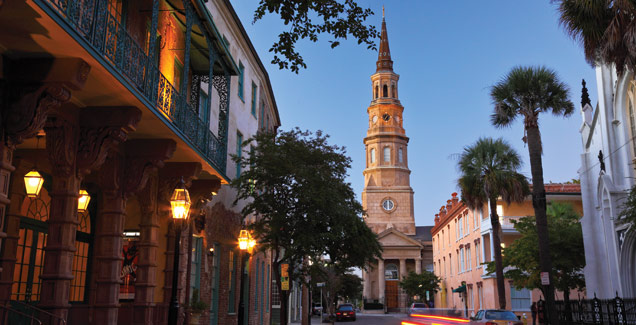
Charleston's historic district. (charlestoncvb.com)

Charleston’s historic district. (charlestoncvb.com)

Andres Duany. (vibrantbayarea.org)

Andres Duany. (vibrantbayarea.org)

It is extremely encouraging to read in the Charleston Post and Courier that Andrès Duany has been hired to help advise the city on how to improve its Board of Architectural Review. By approving a provocative modernist Clemson building in the city’s historic district, the board proved that it has lost sight of the goal for which it was created in 1931 – to protect Charleston’s historical character.

Fortunately, Clemson withdrew the proposal after massive objections from the community. But Mayor Riley may not be entirely familiar with Duany’s role in debates among the community of traditional architects.

The Charleston Post and Courier praised Duany’s hire in an editorial today. After noting his leadership of the CNU, it said: “He is also a proponent of New Classical architecture, which continues the practice of historically based traditional design, in contrast to the modernism that has met with such opposition on the lower peninsula.”

http://www.postandcourier.com/article/20141223/PC1002/141229807/1506/raise-the-architectural-bar

He is certainly a proponent of traditional buildings, but he is writing an ambitious treatise on architecture that, as he puts it, seeks to “capture territory” for classicism from modernism. He has not made it entirely clear what he means, and Charleston should pay close attention to the attitudes he takes into his six-month study of the BAR.

The last thing the city wants is a revised BAR charter that codifies the presence of modernism in its historic district. After all, the BAR’s willingness to push modernism into Charleston despite the clear wording of its own founding legislation precipitated the crisis that the city hopes to resolve, in part, by seeking the advice of Duany.

No doubt Riley hired Duany because of his reputation as a promoter of traditional architecture and urbanism. That reputation has arisen from his role as a founder of the Congress of the New Urbanism, which would not have been as successful as it has been at developing beautiful traditional neighborhoods throughout America if the rest of the world knew of the CNU’s “stylistic agnosticism” that Duany brags on so often these days.

I have every reason to trust that Duany does not plan to insert stylistic agnosticism by stealth into a rewritten BAR charter. He is a highly intelligent provocateur in the architectural style wars, but beyond that he is a highly intelligent entrepreneur who understands the needs brought to the table by his clients. Charleston is his client now, and Andrès Duany knows very well what Charleston needs.

Posted in Architecture, Development, Preservation, Urbanism and planning | Tagged , , , , | 11 Comments

Leon Krier’s tale of post-carbuncle London

David Brussat's avatarArchitecture Here and There

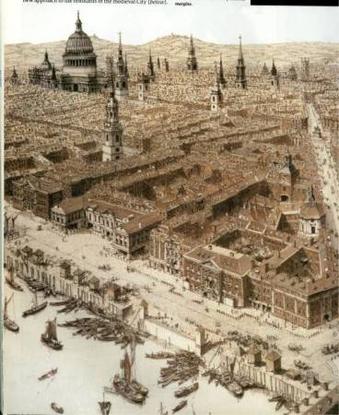
The dome of St. Paul's Cathedral takes center stage in this effort to imagine what London must have been like centuries ago. The dome of St. Paul’s Cathedral takes center stage in this effort to imagine what London must have been like centuries ago.

Here is Leon Krier’s piece, “Sustainable Architecture and the Legible City,” just published in Britain’s Architectural Review. Krier recalls the atmosphere in London architectural circles after Prince Charles’s speech denouncing an addition to the National Gallery as “a carbuncle on the face of a beloved friend.” This caught the design community by surprise. A surprise to me was that the reaction was not entirely negative, and in its wake Krier received a number of masterplanning offers, including, at last, an official, nay, a royal invitation to assess a recent competition for, and then to offer an alternative masterplan for, Paternoster Square, next to Wren’s St. Paul’s Cathedral, which had been surrounded by plain modernist buildings after World War II.

What happened to Krier after the invitation is a…

View original post 334 more words

Posted in Uncategorized | Leave a comment

Existential Candyland

4b8af3bb-9a04-4168-877c-4329358ae033

I play Candyland with my little boy, Billy, age 5. He is very good at it, as the philosophical discourse linked below demonstrates. He occasionally moves his marker to the colored square where the colored card tells him it ought to go. He has moved beyond insisting he can put his marker anywhere he wants it to go, but not beyond the desire to put it anywhere he wants it to go. Nor has he moved beyond the will to assert that he must win the game, that Daddy’s arrival first at Candyland (he could not help it) was of secondary concern. Mommy, of course, is always willing to back up Billy’s version of how the game should be played and who should be the winner.

With that in mind, this cartoon, “Candyland and the Nature of the Absurd,” from Existential Comics (artist unnamed), sent to me by Mommy herself (aka Victoria), falls quite perfectly into place. It had not occurred to me that the winner is predestined from the start and that Candyland is not a game of chance. The scales have fallen from my eyes.

http://existentialcomics.com/comic/58


Posted in Architecture, Art and design, Humor | Tagged , , | 1 Comment

Cuba libre, let us hope

(insightcuba.com)

(insightcuba.com)

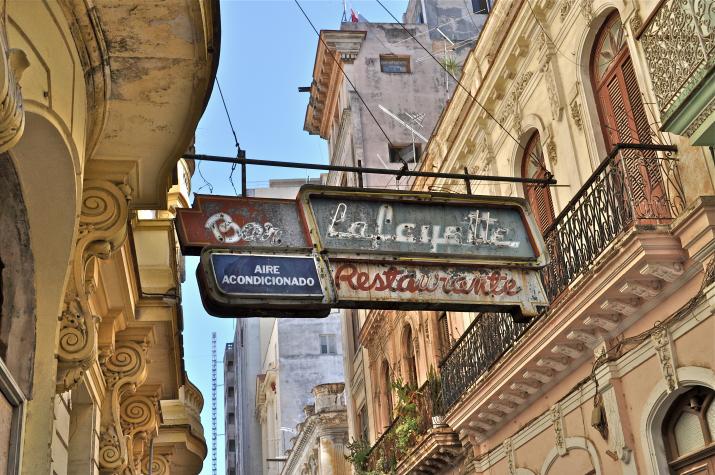
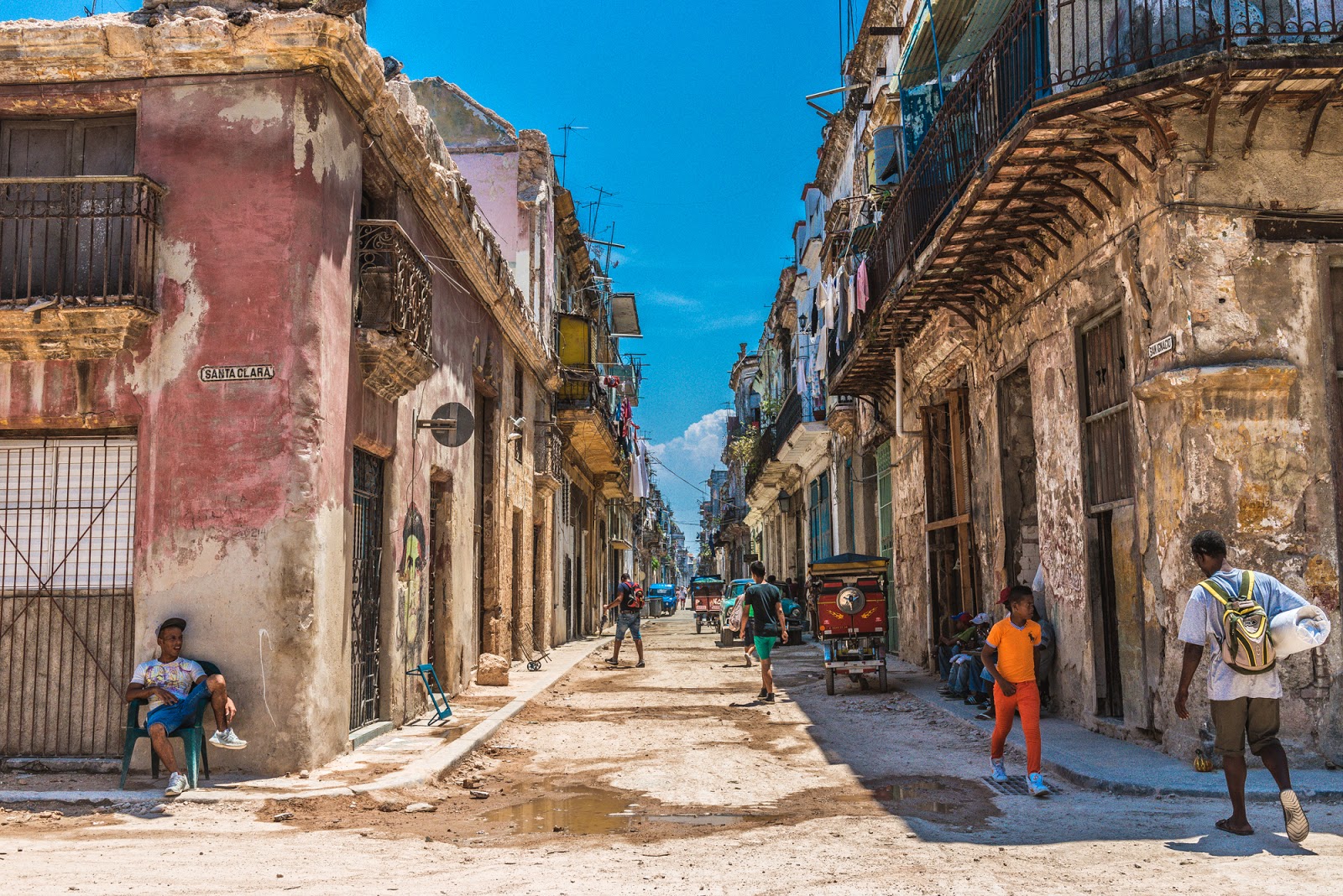
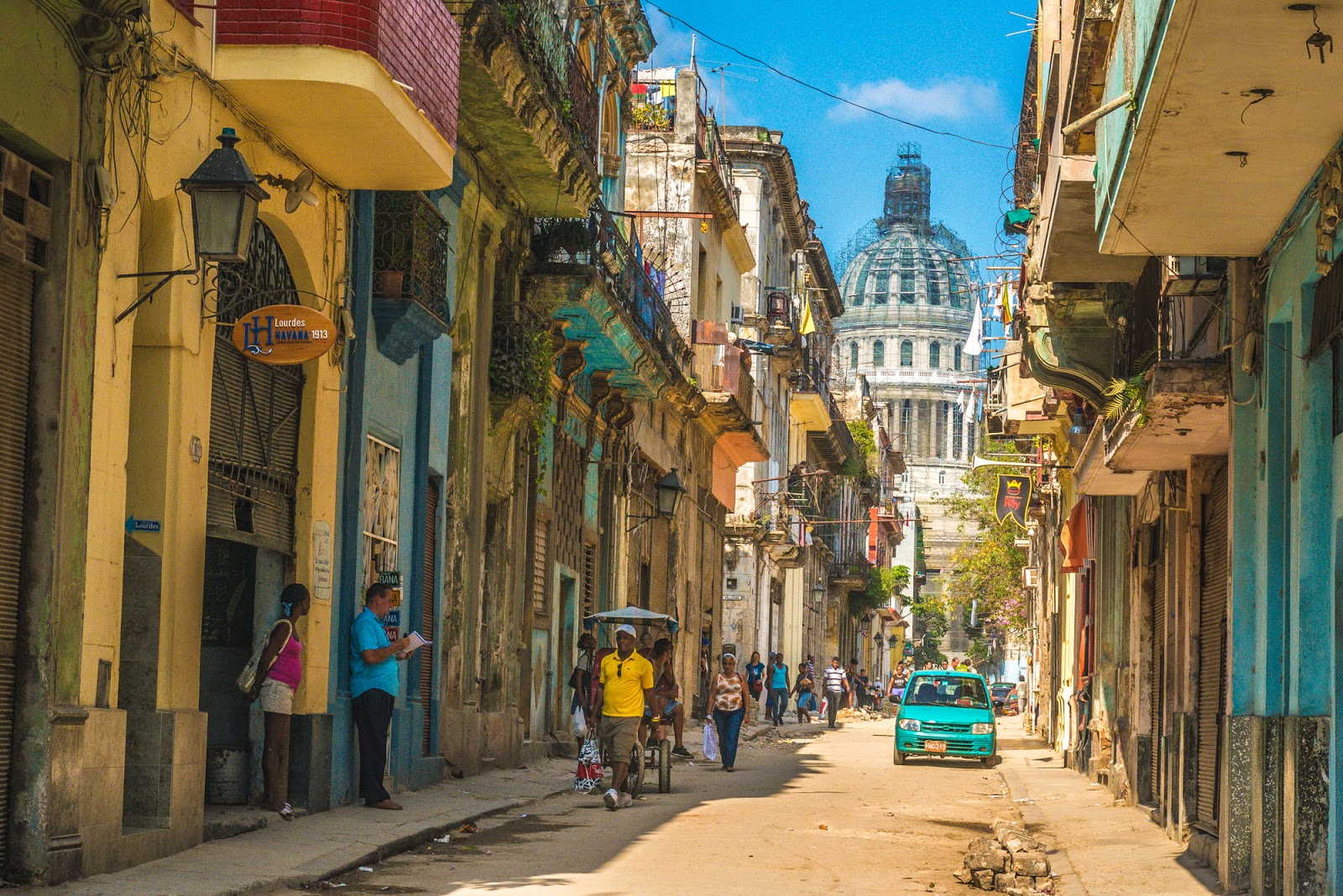
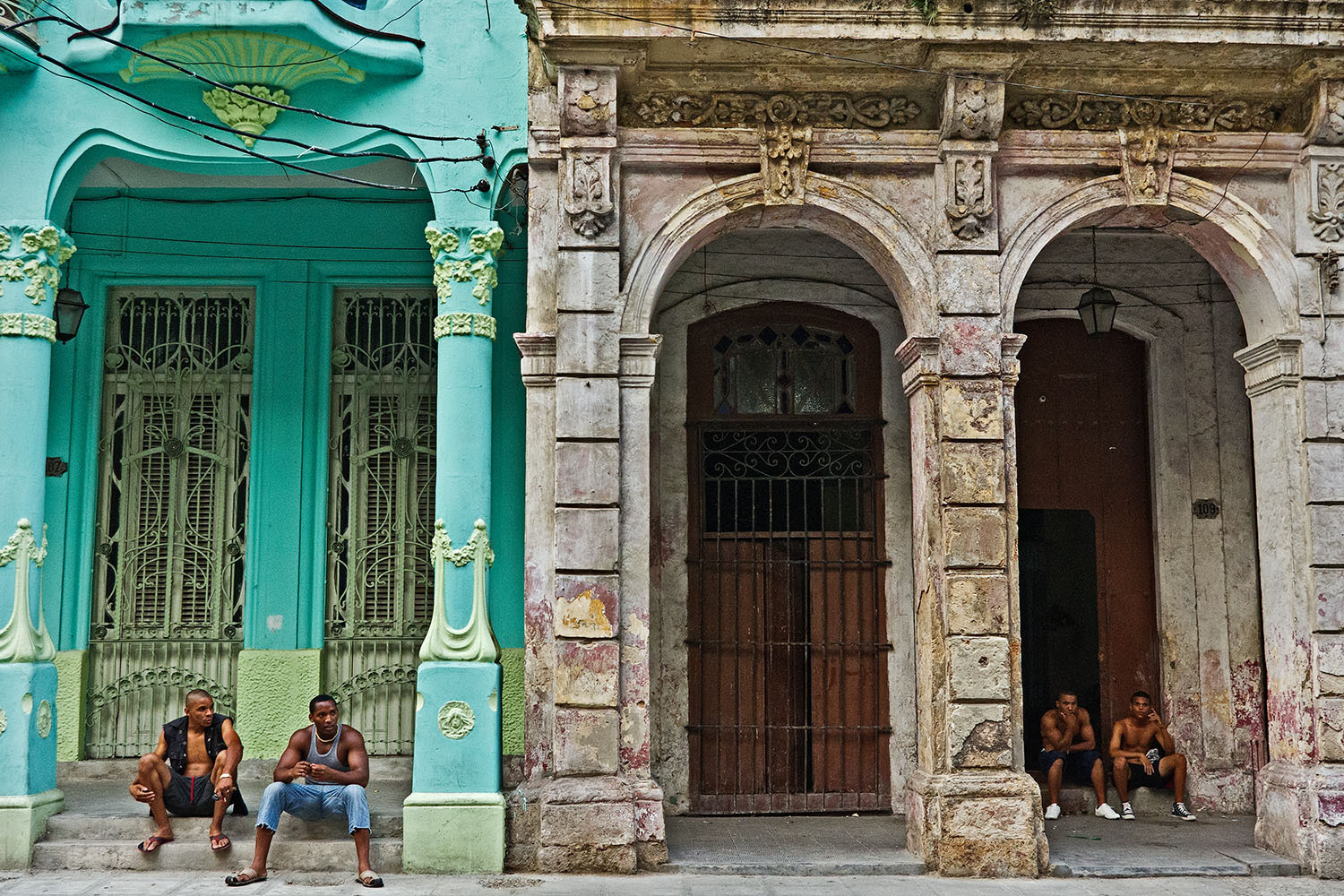
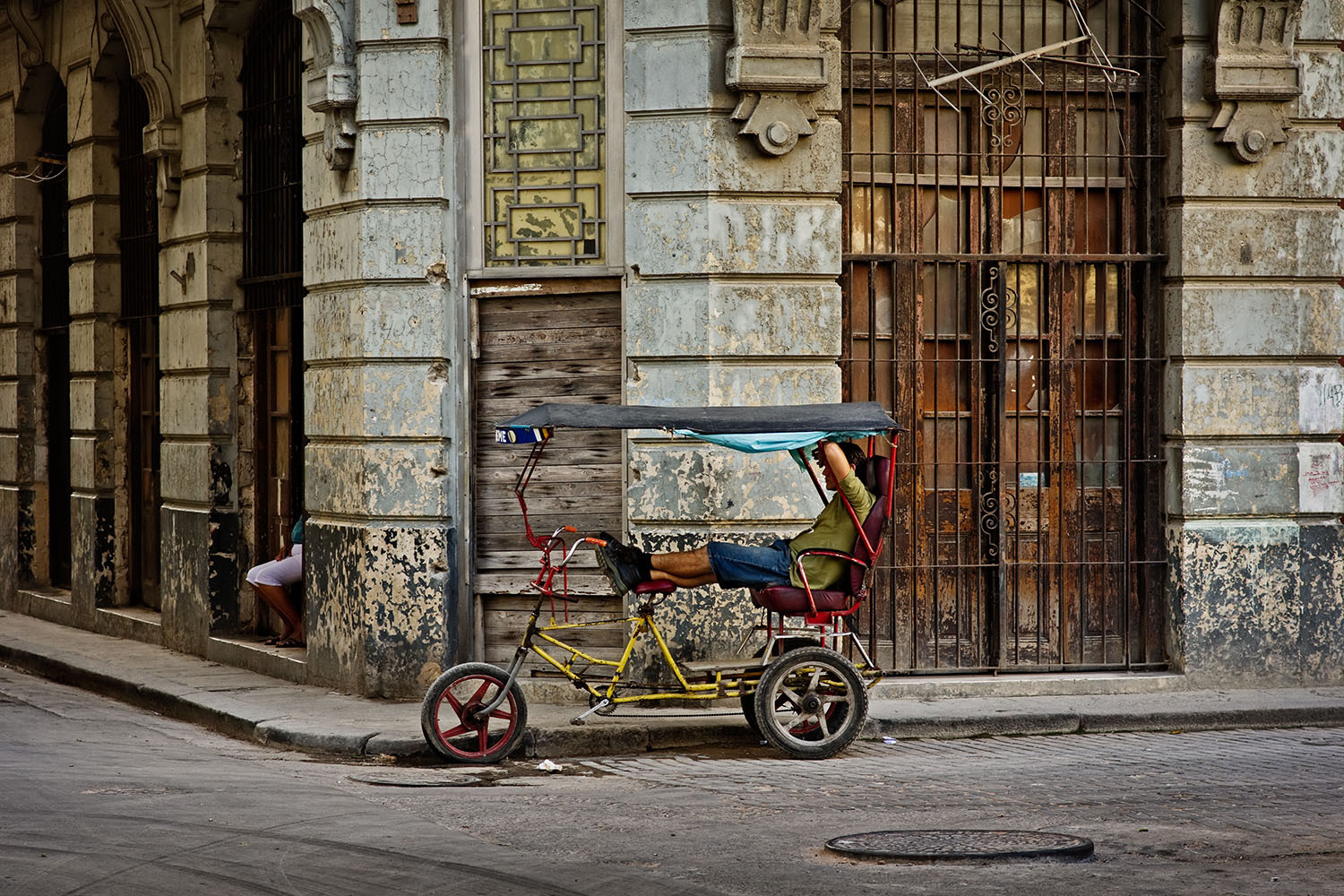
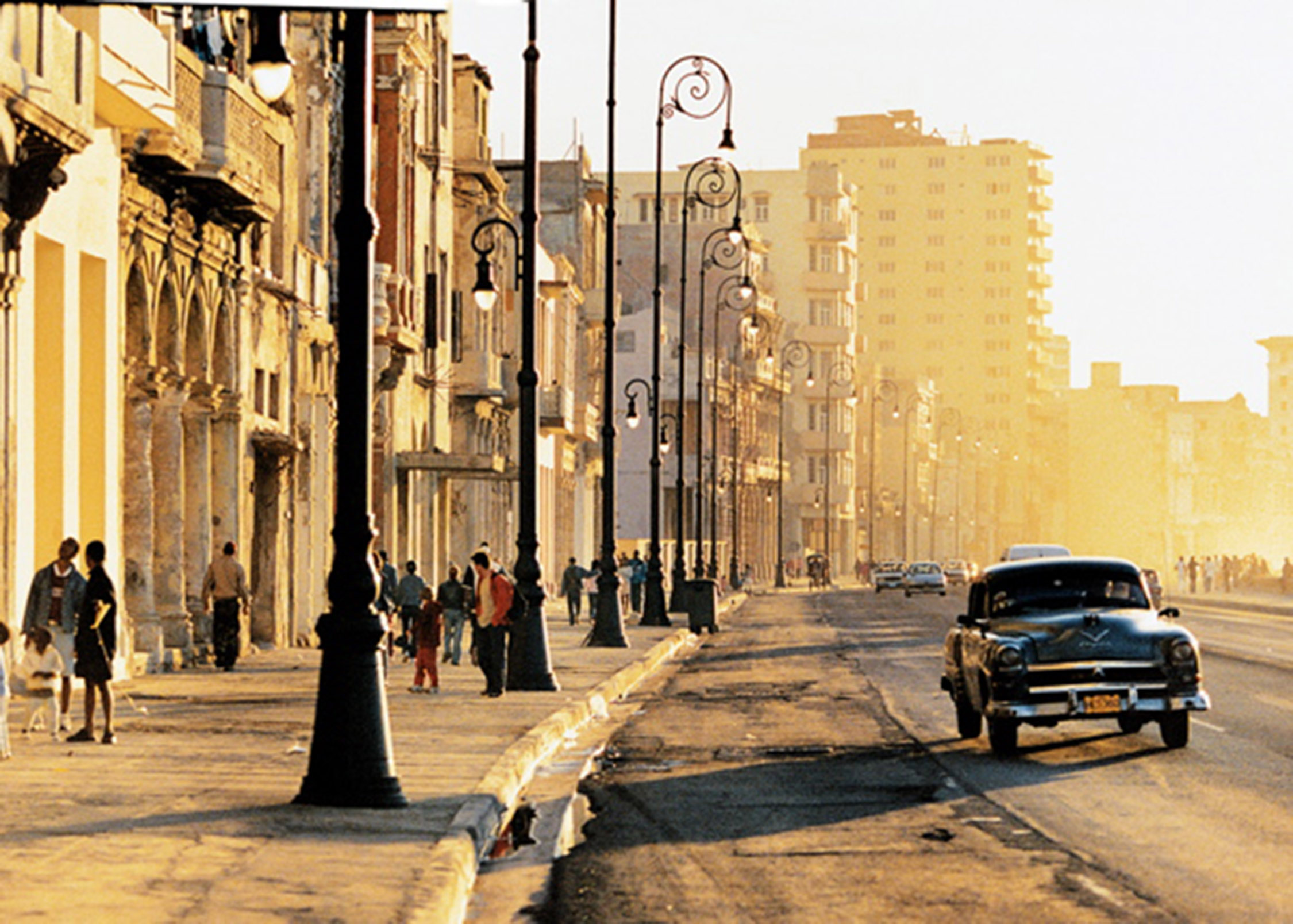
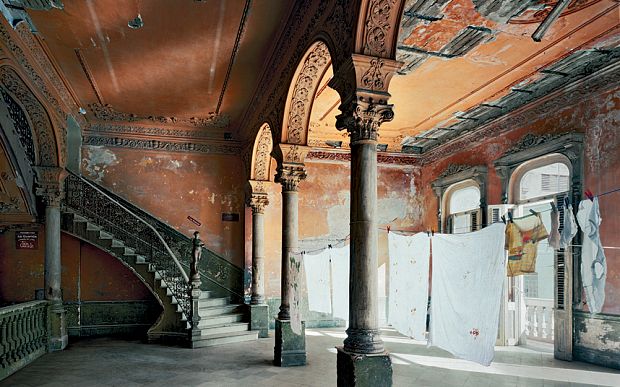
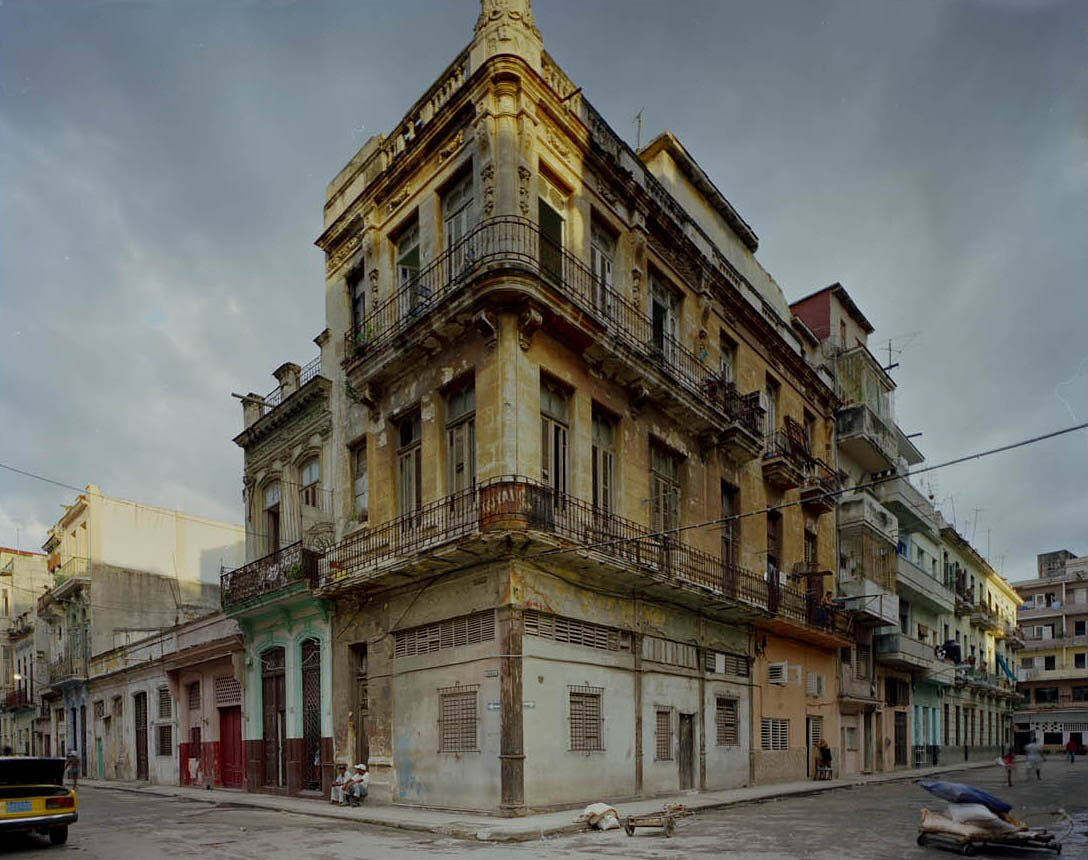
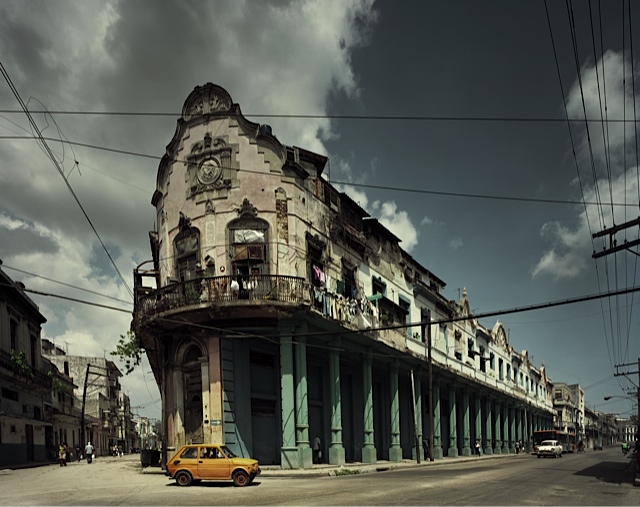
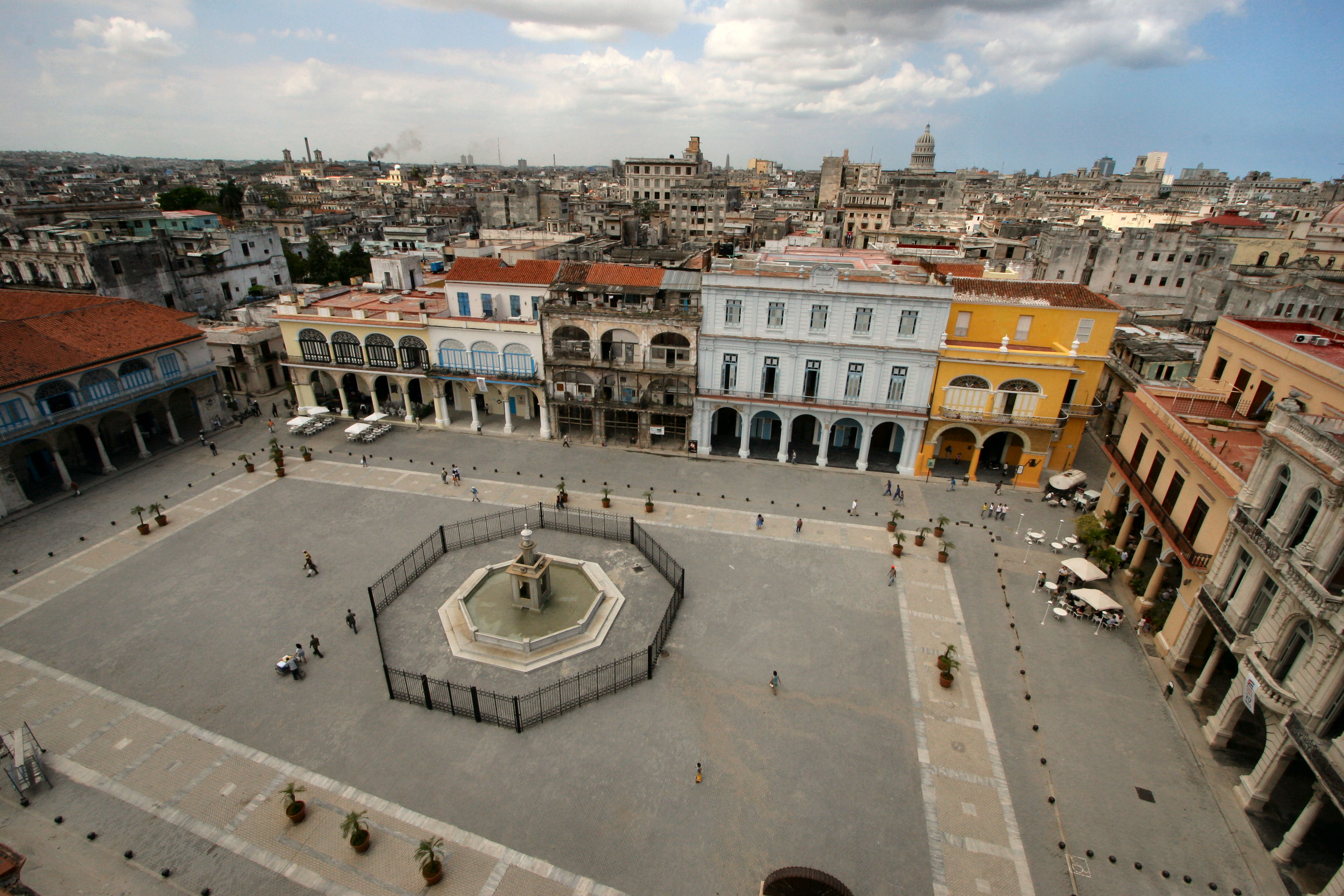
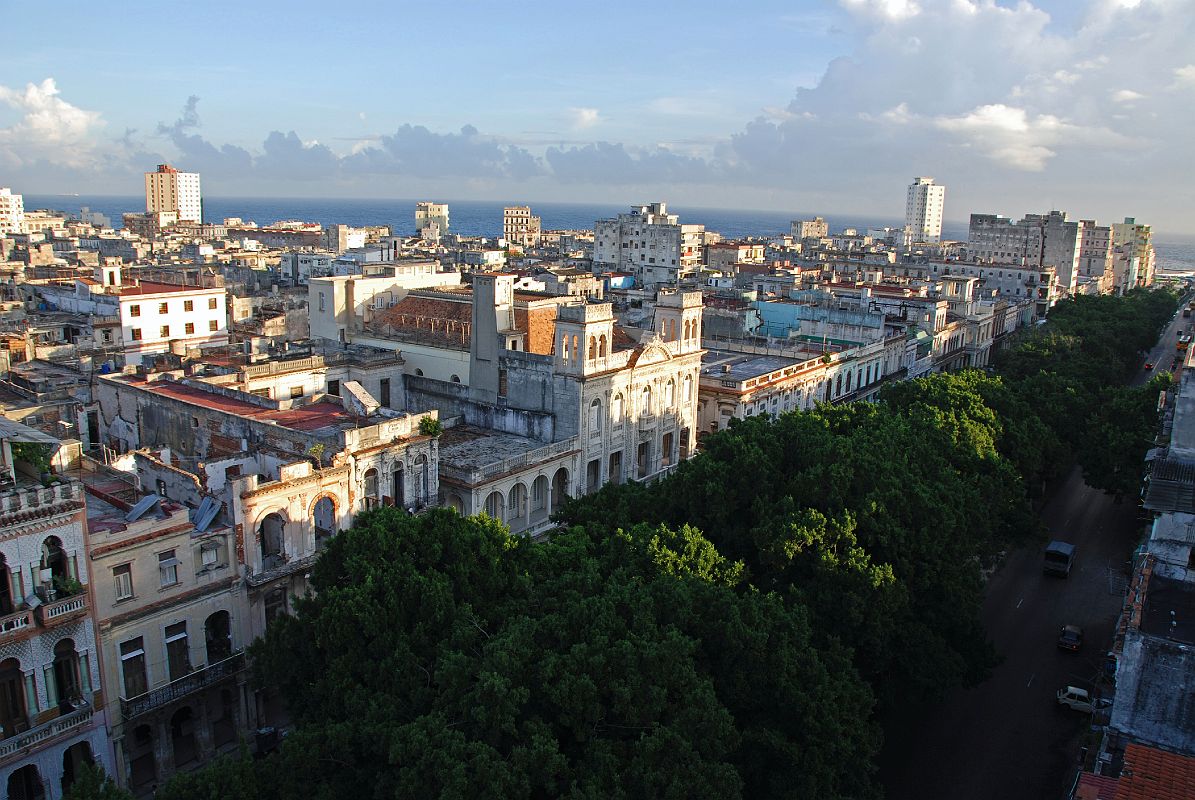
Other commentators can and will masticate the president’s new Cuba policy, but let me shed a few tears for the Cuba of yesterday known as the Cuba of today that might not last far into the Cuba of tomorrow. Havana is a city stuck in time. If it is liberated by U.S. policy, entrepreneurs will flood in from around the world to, at best, restore but possibly demolish and rebuild over the city’s fabulous fabric, largely untouched since the 1950s. The city’s architecture is almost as famous as its ’50s-era cars. Havana is an auto museum and a building museum cohabiting the streets of the city.

I am perverse in my love for a dessicated architecture. The photos that follow are not “Havana porn” in the same sense of the vaunted “Detroit porn” that has become popular. But it is something like that, perhaps equally if not even more soaked in tears of regret – regret of course for the crimes of Castro past but also the tragedy, perhaps, of Havana future.

(malloryontravel.com)

(malloryontravel.com)

{jewishcuba.com)

{jewishcuba.com)

(bendavisphotography.blogspot.com)

(bendavisphotography.blogspot.com)

(bendavisphotography.com)

(bendavisphotography.com)

(thecultureist.com)

(thecultureist.com)

(tommyimages.com)

(hazelhankin.com)

(tommyimages.com)

(hazelhankin.com)

(hazelhankin.com)

(hazelhankin.com)

(joedimaggiophotos.com)

(joedimaggiophotos.com)

(bendavisphotography.blogspot.com)

(tommyimages.com)

(telegraph.co.uk)

(telegraph.co.uk)

(ragazine.ce)

(ragazine.ce)

(photodigest.be)

(photodigest.be)

(conservation-us.org)

(conservation-us.org)

(mountainsoftravelphotos.com)

(mountainsoftravelphotos.com)

(panaramio.com)

(panaramio.com)

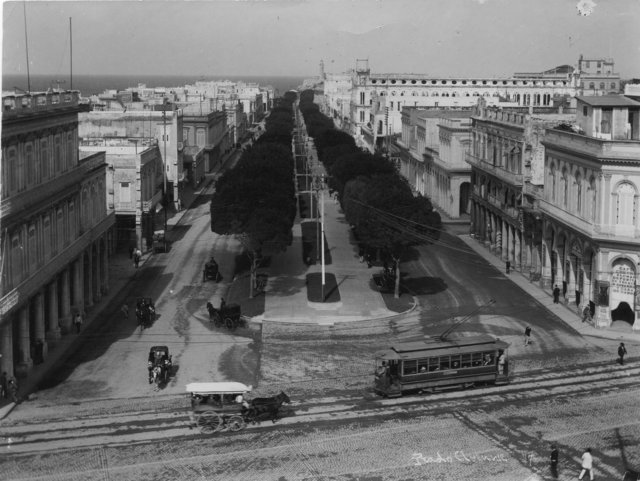
Paseo del Prado. (quad.lib.umich.edu)

Paseo del Prado 1907. (quad.lib.umich.edu)

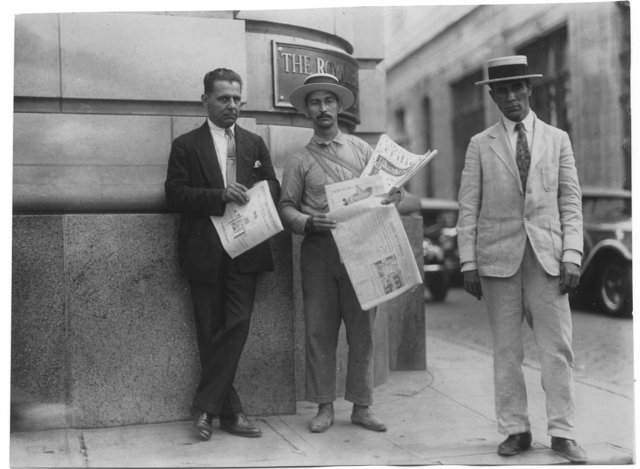
Havana 1930. (quad.lib.umich.edu)

Havana 1930. (quad.lib.umich.edu)


Posted in Architecture, Architecture History, Other countries, Photography, Preservation, Urbanism and planning | Tagged , , , | 2 Comments

“Change” at Chartres

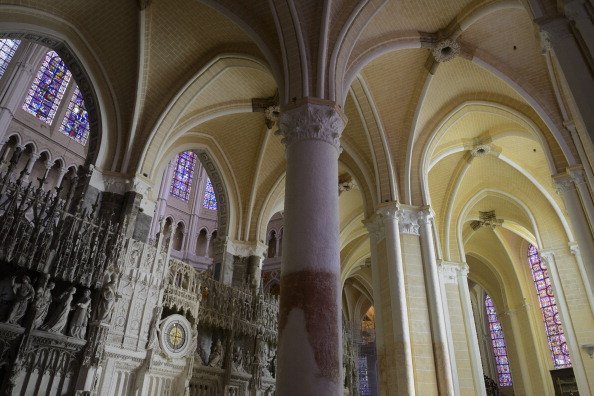
At Chartres, darker hues fashioned by time (left) change to lighter hues. (Hubert Fanthomme/Getty Images)

At Chartres, darker hues fashioned by time (left) change to lighter hues. (Hubert Fanthomme/Getty Images)

Chartres Cathedral. (lifeofanarchitect.com)

Chartres Cathedral. (lifeofanarchitect.com)

That change is the only constant is one of my least favorite aphorisms. And it is among the least inimical of lessons to be drawn from the ongoing “restoration” of Chartres Cathedral, off the west coast of France. The job arguably restores one of the world’s great works of art and architecture to its supposed original look, but the result is bathed in a level of artificial lighting that would never have been experienced by its original users. The work bears the mark of modernism’s quintessential attitude of change for the sake of change – and to hell with l’art pour l’art!

I thank Robie Wood for posting the fascinating piece by Martin Filler, “A Scandalous Makeover at Chartres,” in the latest issue of the New York Review of Books. Since my link tool is still broken, here is the full link:

http://www.nybooks.com/blogs/nyrblog/2014/dec/14/scandalous-makeover-chartres/

The overall impact is to lighten an interior long darkened by the smoke of candles and other environmental effects. It is a misconceived version of the restoration of the Sistine Chapel. The impact of the change at Chartres – accomplished by painting the interior walls in hues of white garnished in garish colors – reduces the awe-inspiring contrast between the darkness and the brightness of the cathedral’s famous stained-glass windows. Filler quotes one of the few critical articles on this co-called restoration, by Adrien Goetz in Le Figaro: “[T]he new effect is like ‘watching a film in a movie theater where they haven’t turned off the lights.’ ”

Of another famous artifact of the cathedral Filler writes:

The Black Madonna, before (left) and after. (NYRB)

The Black Madonna, before (left) and after. (NYRB)

Whenever and however Chartres’s Black Madonna acquired its mysterious patina — through oxidation or smoke from candles and incense — it was familiar as such to centuries of the faithful until its recent multicolored makeover, which has transformed the Mother of God into a simpering kewpie doll.

This appalling project should be of concern to all, but in particular it highlights the flaws of current preservationist orthodoxy. It buys into the same modernist ethos that heaps vast expenditures on cultural institutions. Great museums have been turned into circuses that appeal to those with little genuine interest in cultural artifacts, including additions erected in order to exhibit the egos of deep-pocket money bags whose donations pay for the work but serve mainly as excuses to further degrade institutions, further inflate the already inflated staff and salary of administrators, and raise the cost of admission. Truly necessary upgrades are drowned in a cesspool of money. It is the “popularization” of culture to benefit the one percent. It is change for the sake of change.

Modern architecture has been the brand of this ethos for years. If you can’t put an ugly, arrogant addition on Chartres, then at least you can reinterpret, reconceptualize and discombobulate the experience of millions who visit, whether as tourists or congregants. Modernism has severed the connection between beauty and time. What results is propaganda and publicity. This is what is being done at (or to) Chartres. Filler ends by urging that the changes be reversed. I hope this is possible. Anger at the idea of skyscrapers in Paris should be matched by anger at the desecration of this monument, which is (or was) on my bucket list.

Here is a rebuttal to Martin Filler and Filler’s counter-rebuttal:

http://www.nybooks.com/blogs/nyrblog/2014/dec/17/new-chartres-exchange/


Posted in Architecture, Architecture History, Other countries, Preservation | Tagged , , , , | 2 Comments

Blackstone blitzkrieg

Granoff estate next to Blackstone Boulevard. (gcprov.org)

Granoff estate next to Blackstone Boulevard, on the East Side of Providence. (gcprov.org)

The Granoff proposal to split their land at Blackstone Boulevard and Rochambeau Avenue up into 12 lots (the two largest would include their fine old house built in 1915 and owned by the Granoffs since the ’60s) was rejected by the City Plan Commission last night. The vote had to take place last night because under the law an application is automatically approved if the commission doesn’t act within its deadline. For the Granoff application that was Jan. 12, and the commission had no meeting scheduled before then.

The crux of the issue turned out to be the idea that the Granoffs had no plan to build on the land or tamper with what is there now. This is apparently true, but I’m not sure exactly why it was pertinent under the law. Their lawyer, Tom Moses, cited cases where people who own smaller lots subdivide them in two but with no plan to build until some genuinely unknown time in the future, such as when they might need retirement income. But for a large parcel the idea seemed absurd to the audience, which laughed and laughed. Two commissioners decided to go with the audience rather than the commission staff’s interpretation of the law.

It makes sense to me that you should be able to legally subdivide your land without building something next to your existing house. This is essentially what Moses said the Granoffs were doing. Only when they decided to build – or more likely sold the land to a developer with plans to build – would more information be required on their application. I suppose that whether the application was judged complete or incomplete rested on its status as a “major subdivision” or a “major land development” and whether that status required information that would not be required if all the Granoffs wanted to do was to split half an acre in two. That would be a minor subdivision. This was more than that.

Many audience members giving testimony argued that the commissioners should take the neighborhood’s character into account, that the Comprehensive Plan was quite clear in requiring that, and that if the zoning regulations for a subdivision of this magnitude do not require that, then the law ought to be changed.

One witness from the audience argued forcefully that the commission had an obligation to view the matter as penetrating deep into the future. Subdivision and new housing happens all the time, she said, and little by little, before you know it, if no official authority is paying attention, a beautiful place is no longer beautiful. She did not add that this process has been under way for decades in the Blackstone neighborhood. No, the official bodies with proper jurisdiction and authority have not been paying attention.

These assertions make a lot of sense to me, and the Blackstone neighbors backed their assertions with numbers – not statistics but a crowd full of passion: Two commissioners, JoAnn Ryan and Harry Bilodeau, were inspired by the audience to take their stewardship seriously. They did not ignore the law; they merely interpreted it with greater instinctive intelligence than the rest of the commission.

As for the Granoffs, they can apply again to subdivide their property, but the new zoning law boosts minimum lot size from 6,000 square feet to 7, 500 square feet. In the grand scheme of things, that doesn’t mean much – maybe eight new houses rather than 10 new houses. The threat to the stone wall, circa 1849, that everyone loves about this land would remain dire. Only an interior private road that gathers the houses’ driveways can resolve that threat. And the threat to the character of what is, after all, a historic district, would continue to depend on the future design of individual houses. But next time around, the Granoffs know that the Blackstoners will come downtown loaded for bear.

Posted in Architecture, Development, Preservation, Providence, Urbanism and planning | Tagged , , , | 3 Comments

Temper of the Times

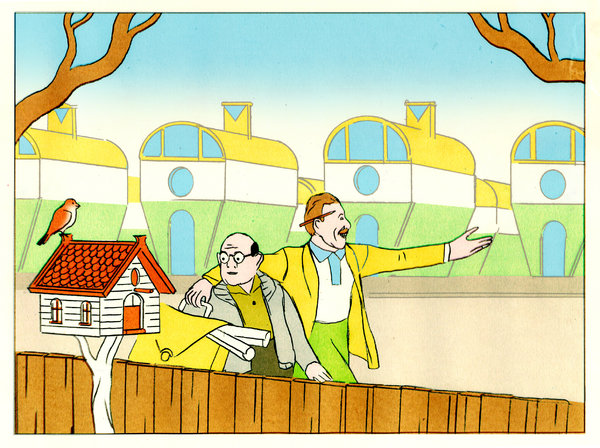
15Pedersen-articleLargeThis cartoon by Olivier Schrauwen that ran with “How to Rebuild Architecture,” by Steven Bingler and Martin Pedersen in yesterday’s New York Times is most evocative. An architect is directing the attention of another man to his stupid-looking houses but the man’s eyes are drawn instead to a traditional birdhouse. There is a jarring, perhaps unintentional, detail in the cartoon, though – the man drawn to the birdhouse is wearing the round-framed spectacles of the starchitect-wannabe, handed down from modern architecture’s founding father Le Corbusier. But maybe the intent was that the man be seen as a sort of Walter Mitty whose desire for the world’s return to architecture of beauty is hopelessly naïve.

It is most encouraging that such an essay has appeared in the Times. It will reach a wide audience and may (I cringe to say it) raise the consciousness of the public on an issue that receives far less attention than it warrants. Bingler and Pedersen have a very important point to make beyond the pretensions of the typical starchitect. They write:

The problem isn’t the infinitesimal speck of buildings created by celebrity architects (some arresting, some almost comic in their dysfunction), but rather the distorting influence these projects have had on the values and ambitions of the profession’s middle ranks.

And it’s unlikely that this will change so long as the starchitects and their camp followers continue to gull the middle ranks of the profession (and indeed the sizable majority of the public that dislikes modern architecture) into respecting the intelligence behind modern architecture. In fact, the architectural judgment of the public is far more sophisticated than the architectural judgment of those who have been educated as architects.

The public’s preference for traditional architecture arises from each person’s long, daily, even hourly experience with architecture from near birth. People have an instinctive knowledge of architecture based on extensive experience that cannot be equated with people’s experience of any other art. Their intuitive judgment deserves a level of respect that is almost never granted them in our culture. They may not have the knowledge to design a house but they do have the knowledge to prefer one that reflects centuries of aesthetic tradition over a house that reflects the rejection of that tradition and exalts a creative process far more dubious.

Many of those who look down their noses at the public’s “taste” in architecture (including not a few who commented on the Times essay) are hobbled intellectually by an education that was literally intended to eradicate conventional ideas of beauty from their minds – ideas that still form the judgment, wisely if often unconsciously, of the public on matters of design and architecture.

The Times has doffed its hat, however briefly, to this vital set of differences in how the built world is perceived. If a revival of beauty as a factor in architecture is ever to take hold, then it must rely on this discussion reaching a broader audience.  Bingler and Pedersen have, along with the Times, done a signal service in helping that process along.

Posted in Architects, Architecture, Architecture Education, Art and design, Urbanism and planning | Tagged , , | 22 Comments