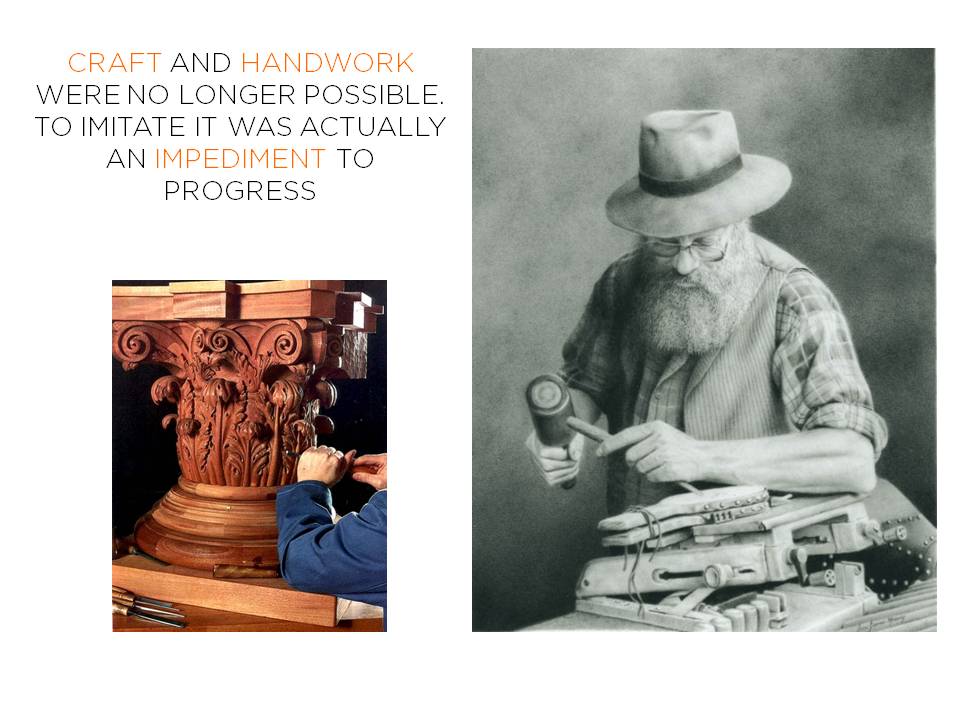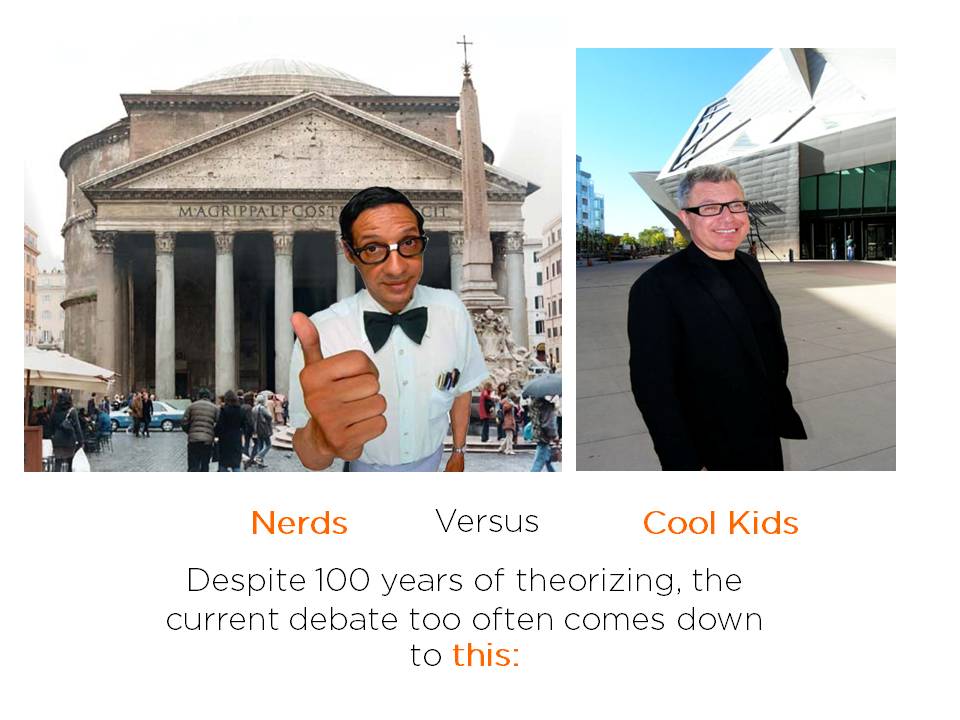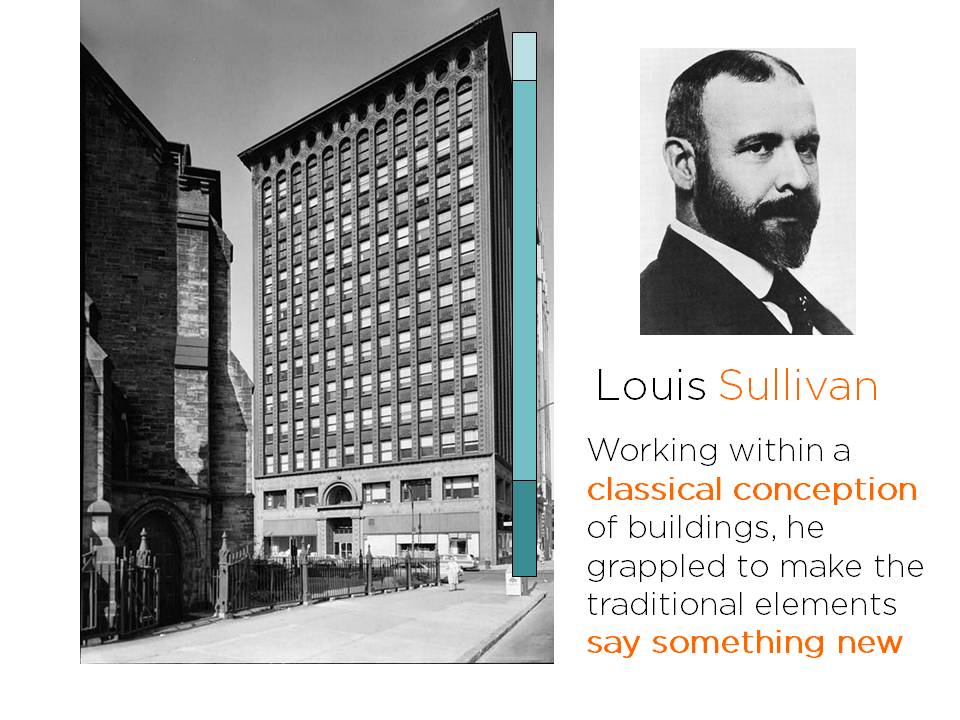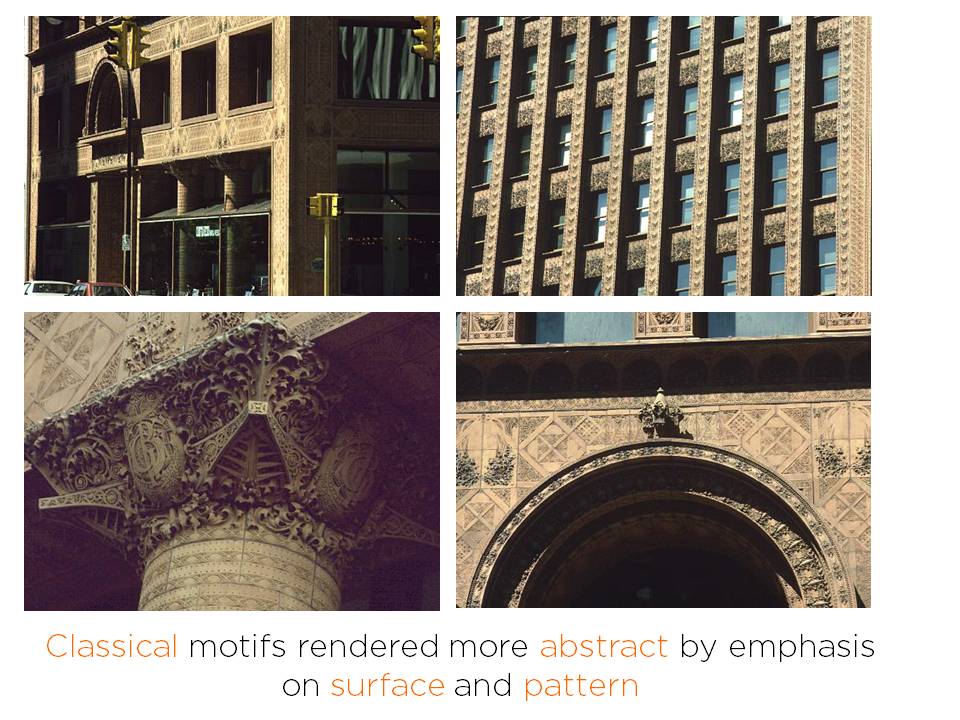
Shooting WaterFire!

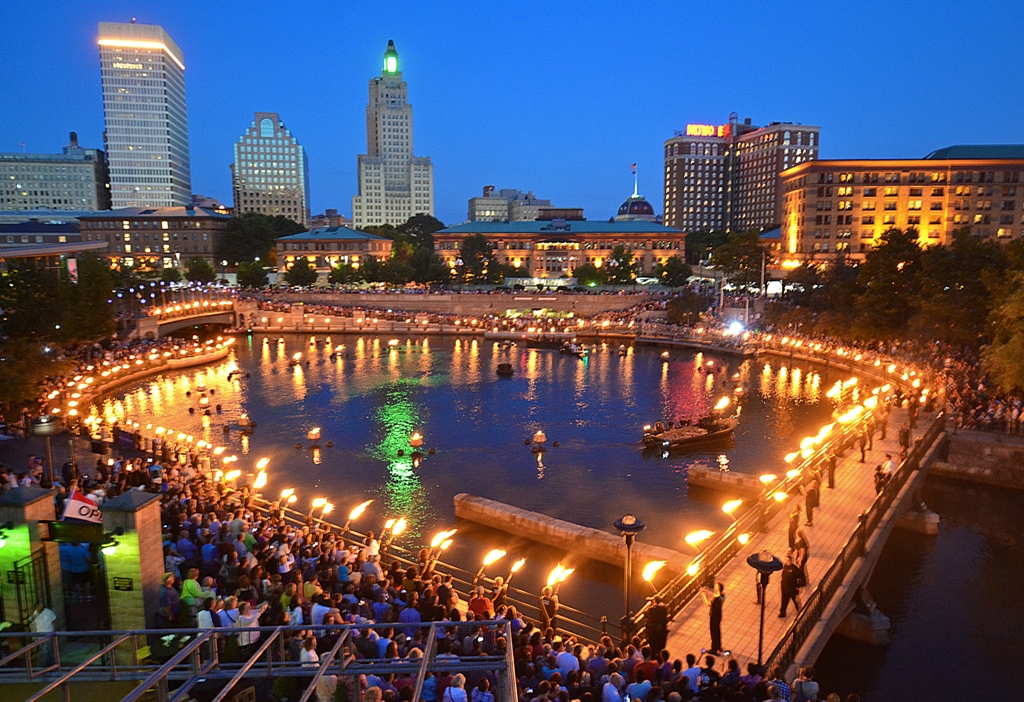
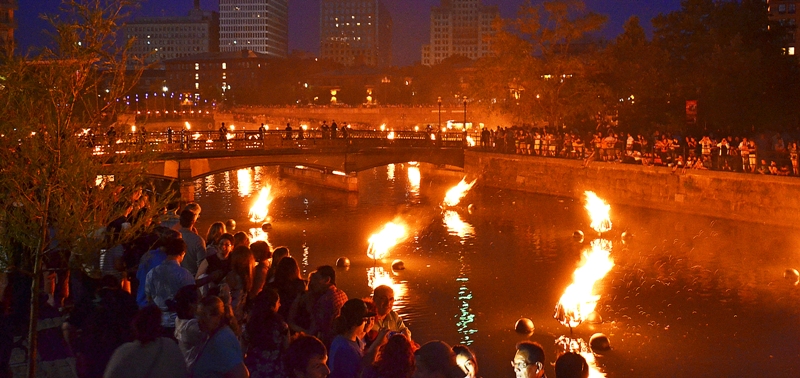
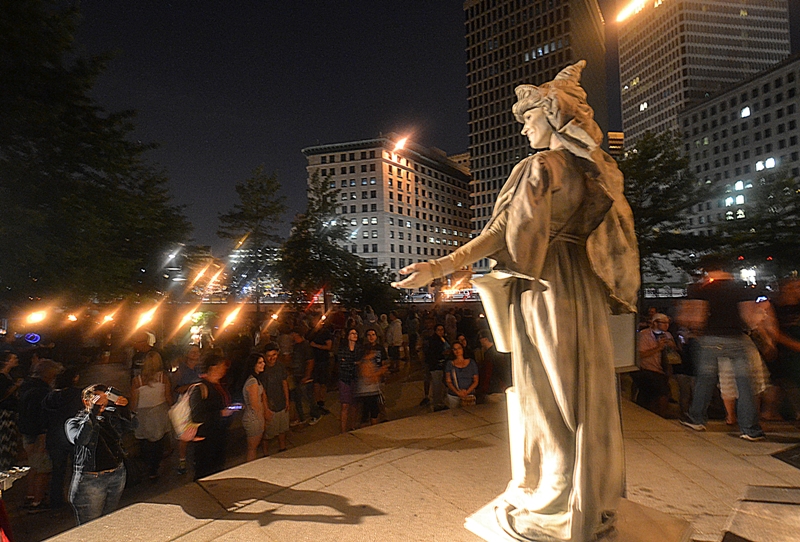
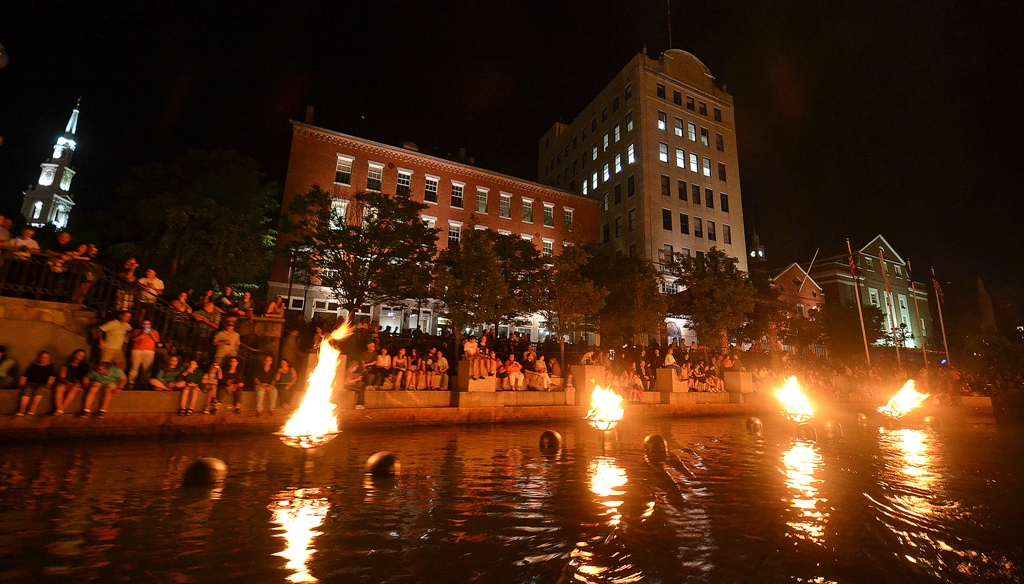
Waterplace Park end of WaterFire, July 26. All photographs by John A. Simonelli.

Waterplace Park end of WaterFire, July 26. All photographs by John A. Simonetti. (Click to enlarge.)

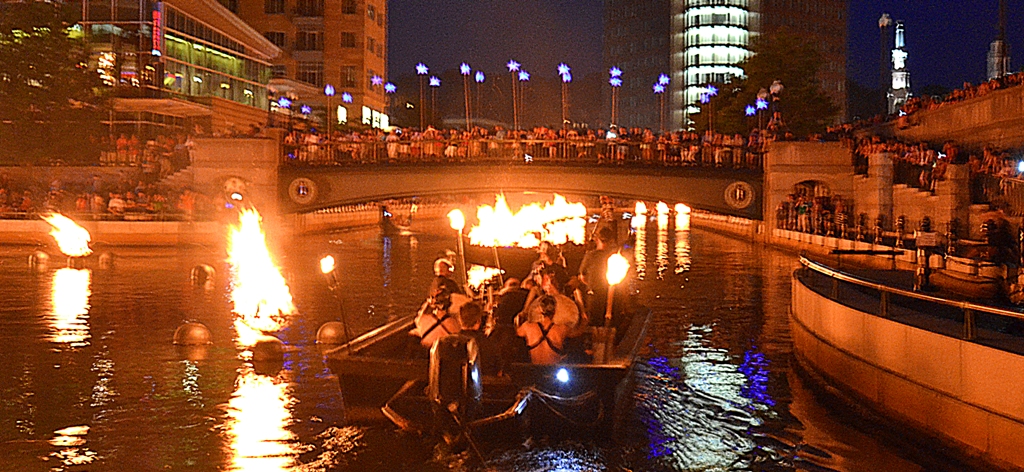
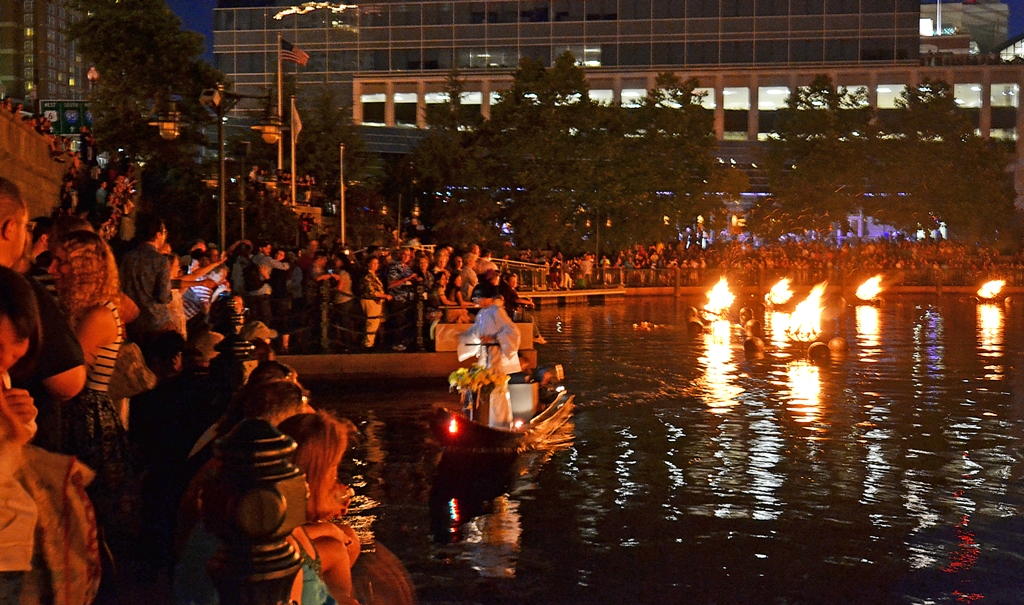
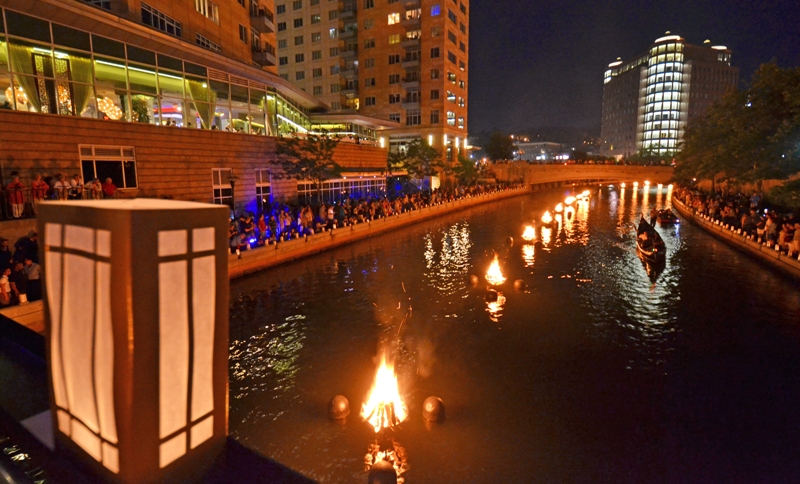
Here are some shots of WaterFire, created and operated by artist Barnaby Evans of Providence. For readers unfamiliar with the phenomenon, the installation has played out on the city’s three intimate downtown rivers for, I think, 15 years now, every two weeks or so from May through October.

Fires are lit in 100 braziers up and down the rivers, using fragrant wood. Music – mainly “world” music, classical music, jazz or opera – is piped into speakers hidden up and down the embankments and under arched bridges, a waterfront built in the 1990s after the Providence, Woonasquatucket and Moshassuck rivers were “daylighted.”

Some 40,000 people, mostly local but many from around the country and the world, walk peacefully up and down the river walks at each WaterFire, or sit on benches, on low walls along the way, or at outdoor seating provided by restaurants lining the rivers. Or they ride in genuine gondolas, tour boats or official “WaterFire” dragon boats plying the rivers as men and women in black silently pile new wood on the braziers from black canal barges.

The rivers link three parks and traverse the edge of downtown, separating it from leafy College Hill, atop which sit Brown and RISD.

The photos were taken by architect John A. Simonetti during the WaterFire of July 26. There is another WaterFire tomorrow night, Saturday, August 9. Enjoy the photographs and imagine yourself here for the next WaterFire, or the one after that. (The final two shots are of the Rhode Island State House, designed by Charles Follen McKim of McKim, Mead & White, completed in 1900 and overlooking WaterFire from nearby atop Smith Hill.)

MALL FIRE 14 7-26-2014 PM John A SimonettiN BASIN 8 7-26-2014  PM John A SimonettiO GTECH 1  7-26-2014 PM John A SimonettiNS BANK 1  7-26-2014 PM John A Simonetti20of TEN31 5 7-26-2014 PM John A SimonettiM RIVER 6  7-26-2014 PM John A SimonettiTATE HOUSE 1 7-27-2014 PM John A SimonettiSE DOME  1 7-27-2014 PM John A Simonetti

Posted in Architecture, Art and design, Development, Photography, Providence, Urbanism and planning | Tagged , , , , , | 8 Comments

Column’s gone fishin’?

Gone+fishingGone fishin’. Well, not really. Seems my blogaholism has taken a vacation. Plus my sources at Brown University went AWOL, leaving me with enough information to write a damning column about Brown’s proposed new engineering campus, as I’d intended, but not enough to write a sufficienty well informed damning column on the subject. Next week. In the meantime I’ll try to get my blog back on track. Keep on checkin’ in, please!

Posted in Uncategorized | Leave a comment

Eyesore of the month?

N.Y. State Capitol was also visited in the book. (sillive.com)

N.Y. State Capitol was also visited in the book. (sillive.com)

The New York State Capitol is not Eyesore of the Month, but an illustration filling in for an eyesore in Jim Kunstler’s World Made By Hand, which I finished rereading last night. Here is a passage from that book. The “made by hand” palace it describes evokes a range of feelings, from revulsion at its occupant to commiseration with the atavistic impulses behind its design.

The book was written in 2008. My review of it is reprinted in my last post. Kunstler has two more books of fiction in this series, noted in my last post, among his many other books and writings. I am sure what he describes below deserves a place in his website’s Eyesore of the Month series. I am also sure that (shorn of its evil) the design for a headquarters that buttresses the respectability of the Dan Curry character merits analysis beyond a sneer.

This is from Kunstler’s portrait of Albany, through which the plot of Made By Hand wanders briefly. The scene takes place 10 or so years after the collapse of America’s civilization based on oil, gas and electricity – now all gone. Kunstler’s group has discovered that the lost boat crew they are seeking are being held for ransom by Curry, whose lair they are about to enter.

Beside the big brick cube that housed the pump machinery stood a gallows, a place of execution, a symbol of order and terror meant to reinforce the basis of Dan Curry’s administrative authority. Just up the bank from that loomed a building designed to be formal and dignified, but in a crude approximation of Greco-Roman construction: Dan Curry’s headquarters. It sat on a high sturdy brick foundation, above the hundred-year flood level, which required an imposing flight of stairs to reach the portico, where four squared-off columns of rough-sawn boards held up a pediment. The columns had neither bases nor capitals. The windows were salvage, and not identical in either size or the number of lights within each sash. The whole thing was unpainted, as though it had only recently been finished, and you could even smell the sawn wood at some distance. It made up for its roughness by its impressive mass, and altogether the place radiated an aspiration to be dignified within the limited means of our hard times. It possessed a kind of swaggering charm, of something new, alive, and breathing in a time when most things were shrinking or expiring.

I’m sure this is not the most compelling example available to illustrate how classical architecture reflects mankind’s nobility of spirit. Still, should the aesthetic recollection of tradition that generated something above and beyond a box for the cruel administrator’s headquarters be spurned more thoroughly than the aesthetic rejection of tradition that is the basis for modernism? Even in the dark shadow of this most dubious example, the question answers itself.


Posted in Architecture, Books and Culture | Tagged , , , | Leave a comment

‘World Made By Hand’

The image I ran with my review. Don't recall its source, I'm afraid. Any help?

The image I ran with my review. Don’t recall its source, I’m afraid.

My column about Don Powers’ presentation at Boston’s Traditional Building Conference a couple of weeks ago, which comes amid a lengthy set of threads about real or fake building materials on the TradArch listserv, reminded Steve Mouzon (who also spoke) of Jim Kunstler’s novel World Made By Hand. Had I read it, he wondered? Had I!? And what a joy it was. I now hear from Jim that he has published two more in the series:  The Witch of Hebron (2010) and A History of the Future (2014). I reviewed World Made By Hand not long after it was published, and here is that review:

Back to buildings made by hand
June 26, 2008 

HOW WILL WE LIVE without cars, television, oil and electricity? I’m not so sure it will come to that, but James Howard Kunstler is. He has written a fascinating novel imagining a world without cars, television, oil and electricity.

Kunstler’s World Made by Hand (2008, Atlantic Monthly Press, 317 pps., $24) fictionalizes his book The Long Emergency (2005), about the peak-oil crisis – after oil production peaks even as more countries guzzle more oil, driving up its price. Experts disagree how far we are from peak oil, but gasoline prices tell us it’s not too early to start worrying.

In his novel, Kunstler hastens the crisis with terrorist nukes that obliterate Washington, D.C., and Los Angeles, and an influenza pandemic that reduces the global population. In the hazy but not too distant future of the book’s action, the end of the world as we know it happened a decade before. Life has become extremely local, with little travel or communication among cities and towns. Normal life has broken down, as has government at every level (a rump president is rumored holed up in Minnesota). Other countries might as well be other planets.

Kunstler’s protagonist, Robert Earl, is a former executive who is also the most competent surviving carpenter in the small town of Union Grove, in upstate New York. Earl and a neighbor visit the general supply store, where a gang of local rowdies peddles items plundered from abandoned homes, businesses and factories in the largely depopulated suburbs. One of these “former motorheads” kills Earl’s neighbor and his dog. That gets the plot going.

Earl tries to rally the rest of the town to seek justice, assisted by members of a recently arrived cult that has fled violence elsewhere. Suspicions are put aside, somewhat, as the quest for justice takes Earl and a few other townsmen on a hair-raising trip to Albany – where we get a sense of how America has fared without cars, TV, gasoline, electricity, etc., but with lots of horses. We learn a lot about what it is like to be close to one’s horse.

Kunstler’s literary talent and psychological imagination are extraordinary. Without necessarily buying into the peak-oil crisis, I’d call his book a page-turner of considerable philosophical depth. Its characters and their trust, distrust, friendship, enmity, desire (including one of the most titillatingly suggestive passages I’ve read), and how they deal with their lost way of life, are trenchant and plausible.

Occasional passages recall my anti-modernist architectural camaraderie with Kunstler – his invention of the word “crudscape” in The Geography of Nowhere (1993), the “Eyesore of the Month” on his Web site, http://www.kunstler.com), etc.

Through his protagonist Earl, Kunstler wonders whether rolling time back to the pre-modernist era would be good or bad. Some of his characters are unable to let go of being without television or cars. Others find their spirits are revived by life lived at a more basic level. People live more in the center of town, walk to work, cook meals with local produce, barter for food and services, socialize mainly in the neighborhood, and tend to go to bed when the sun goes down, and rise when it comes up.

World Made By Hand could almost be the New Urbanism on steroids, or Grow Smart Rhode Island cubed. Oil at $140 a barrel and gasoline at $4 a gallon are pushing us toward a world made by hand faster than ever before. The pocketbook has joined fears of global warming as impetus for energy conservation. “Frustrated owners try to unload their guzzlers,” reports the May 6 Boston Globe. Priuses and Mini Coopers (full disclosure: I drive the latter) begin to seem almost ubiquitous in Providence. In “The beginning of the end of sprawl” (June 22), the Wall Street Journal reports a growing desire to live closer to work, or at least to transit.

Even if a world made by hand arrives with more time for deliberation than Jim Kunstler imagines, it’s not just our automobiles that must change. We must start to think about an architecture that makes environmental sense, or someday we will indeed be forced to make our houses by hand. Architects must embrace new buildings with windows that open and close, rooms arrayed around courtyards, designed to take advantage of natural air and natural light. They should use natural materials that take less energy to make and transport to building sites. Houses with porches are “entertainment systems” that build community. The green building movement needs to rethink its focus on fitting ever more energy-saving devices into increasingly goofy buildings. Architecture that instead taps into public tastes for tradition, familiarity and comfort will give us places that create their own natural preservation societies, because they are loved. Reusing old buildings is the true green architecture. Buildings designed for decades must give way to buildings designed for centuries.

This – in addition to reading the book itself – must be part of how we keep a World Made by Hand from arriving at our doorstep too soon.

David Brussat is a member of The Journal’s editorial board (dbrussat@projo.com).

* * *

Captions:

Photo courtesy of http://www.kunstler.com

Horse pulling car evokes life in the book World Made by Hand.

Posted in Architecture, Blast from past, Books and Culture | Tagged , , , , , | Leave a comment

Column: Traditional building in a modernist world

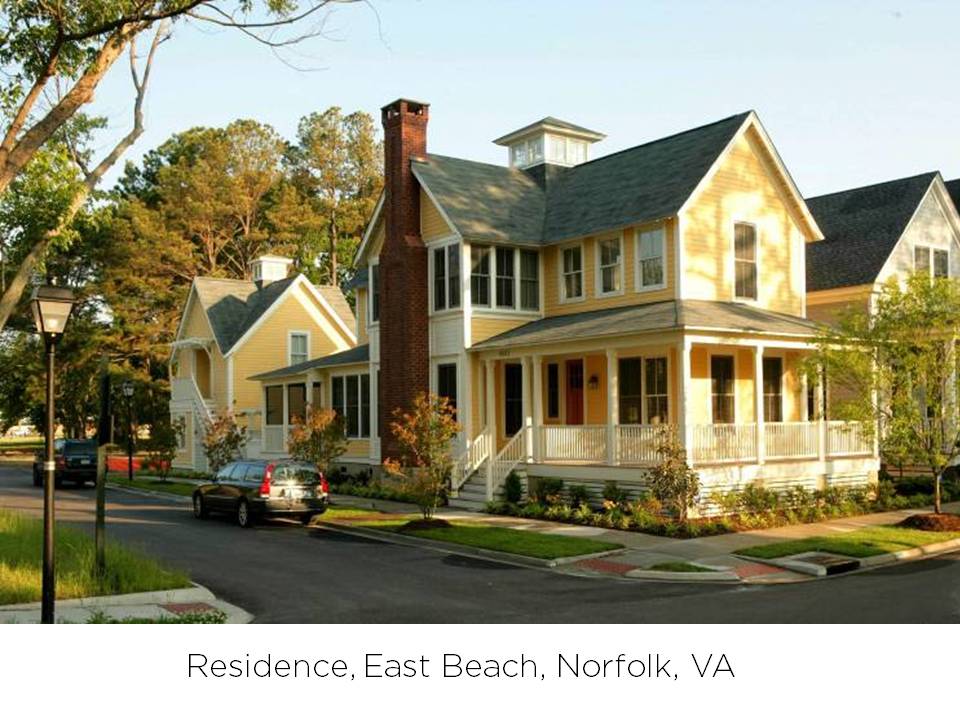
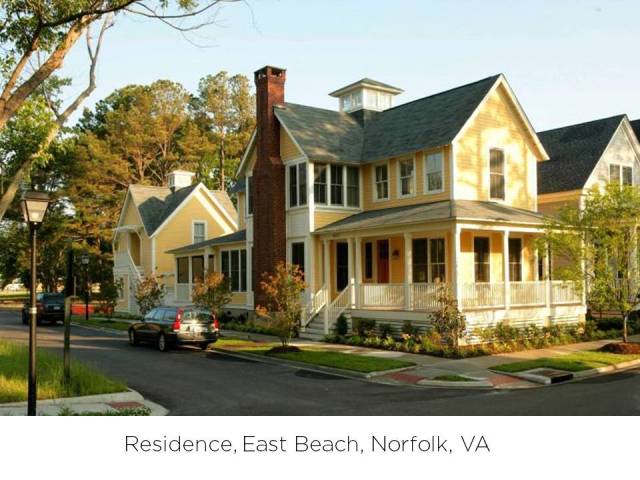
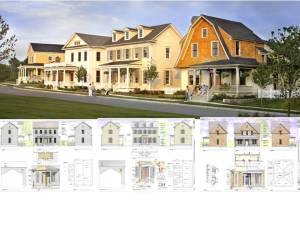
House in Norfolk, Va., by Union Studio Architects. Slides courtesy of Donald Powers, from his TBC presentation. Click to enlarge.

House in Norfolk, Va., by Union Studio Architects. Slides courtesy of Donald Powers, from his TBC presentation. Click to enlarge.

[This post is the continuation of my blog’s recent “Trad building conference” thread to No. 5. It may be read in The Providence Journal. Because the Journal online images do not “click to enlarge” I am going to run the full column here, too, so that the text can be read alongside images that can be clicked to enlarge, enabling the captions to be read.]

donald2

Is it real or is it Memorex? That question takes center stage in many fields. People seek something between owning a poster of the Mona Lisa and seeing the original in a museum. Is the authenticity of the original more important (even behind plexiglass) than the ability of many people at every level of income to enjoy a high-quality copy?

donald3Architecture struggles with the same issues. Is a building made of natural materials such as wood and stone better than one made of “unnatural” materials that mimic wood and stone at a more widely affordable cost?

In a world where modernist practitioners who still dominate the field revel in the unnatural, often skinning their structures in, for donald8donald4donald5donald6example, titanium, the subject can have an awkward edge. Yet, lest we forget, titanium is on the Periodic Table but granite and marble are not. Elemental, as they say. So Frank Gehry gets to have it both ways.
The question arose in lectures at the recent Traditional Building Conference in Boston. Speakers such as Steve Mouzon, describing “maker spaces” (a sort of incubator for Millennials who make things, not just phone calls), made the pitch for using natural materials on behalf of the environment and sustainability. Gary Brewer, a partner at Robert A.M. Stern Architects, described the work of his firm. He left the impression that it uses only wood or stone for balustrades, etc. Its typically wealthy clients presumably demand no less. I imagine this uncertainty is valuable to RAMSA.

Attendees could examine sponsor booths while awaiting the next lecture. Even there the debate over true or false materials raged. Many sponsors were promoting classical ornament crafted from real materials. As a longtime advocate of any material that can make classical ornament less costly for architects and builders, I took great pleasure in the HB&G Building Products booth. Its balusters and columns of PermaCast look so much like real wood and stone that a shiver of joy ran up my spine.

I own a house whose siding does a great job of trying to look like real wood. Maybe it really does fake out visitors who don’t care whether my house is real or Memorex. Yet I know, and my secret, such as it is, gnaws little by little at the internal structure of my personal authenticity, much like an infestation of termites. I certainly hope this revelation does not taint my value as an advocate of materials that bring classical ornament to the masses.
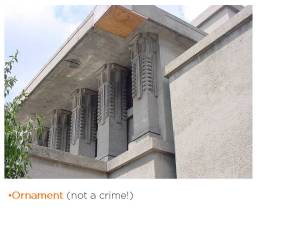
donald7donald11Afterward, I heard Donald Powers, founder of Union Studio Architects in downtown Providence. (He designed the Kennedy Plaza plan that seems to have been “frog-marched” out of the picture in favor of a modernist vision now under way.) His topic, “Traditional Building in a Modern World,” is what most drew me to this year’s third Traditional Building Conference.

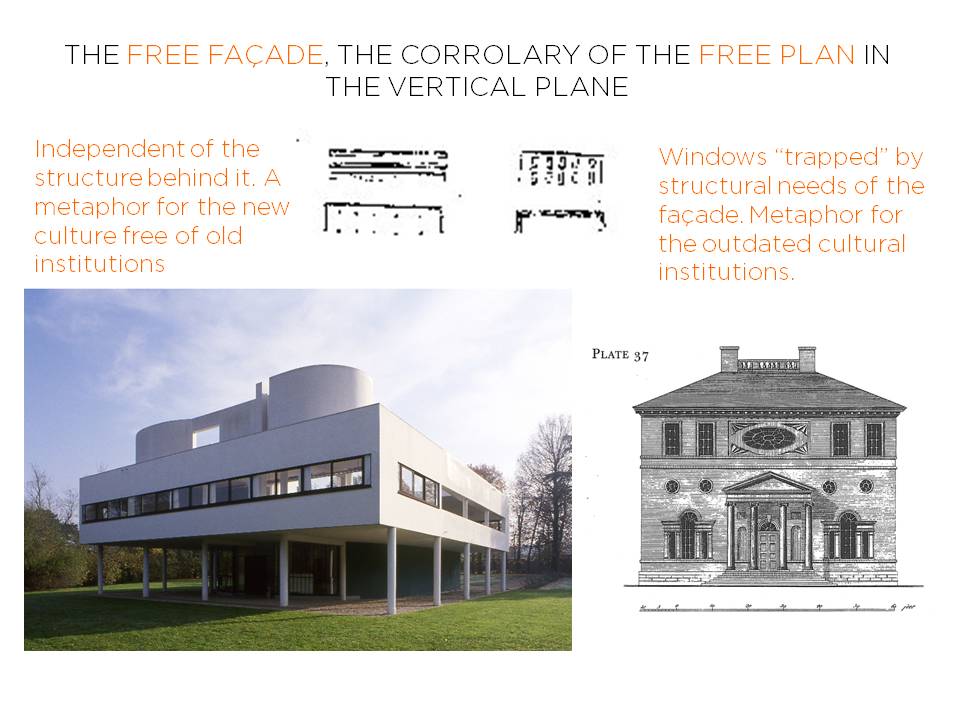
Powers introduced us to elements associated donald10with modern architecture that traditional designers can use in their work without having to embrace the aesthetic awkwardness associated with modern architecture.
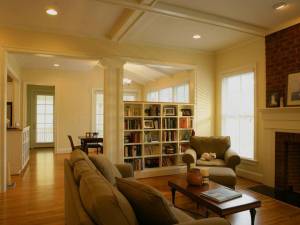
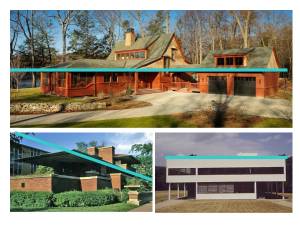
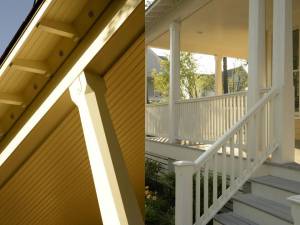
They include open floor plans rather than rooms enclosed by walls, asymmetrical rather than symmetrical exteriors, horizontal rather than vertical (and larger rather than smaller) windows, abstract donald9rather than articulated ornament, using “new” rather than natural materials with standardized production techniques rather than individual craftsmanship.
The house above, of Powers’s design, incorporates most of these supposedly modernist elements but looks traditional anyway. Powers squares the circle by pointing out that most of them predate the 1920s, when, he said, “modern” became donald12“modernism.” Modern is compatible with tradition, because “modern” is just a word meaning today; but in architecture, modernism developed as an opponent of tradition, and cannot be used in “modern classicism,” or new traditional work, without seriously dissing authenticity (not to mention one’s eye).

Because so much of Union Studio’s work involves design for public and affordable donald13housing, Powers must use mass-produced columns, balusters and other architectural features that blend structure with ornament, or go out of business, leaving fewer designers able (or willing) to produce affordable beauty.
Natural materials are the ideal. Yet until the natural popularity of traditional architecture is freed by overturning the unnatural modernist bias of the architectural establishment, excellent fakes can help keep the public eye alive to the enchantments of the lost arts of building.

As the crafts regenerate, that day will come sooner because of the Traditional Building Conferences founded by Clem Labine and his lively stable of traditional design magazines.


David Brussat (dbrussat@providencejournal.com) is a member of The Journal’s editorial board.


Posted in Architecture, Architecture Education, Architecture History | Tagged , , , , , , | 3 Comments

World’s best sculpture

"The Monument of an Anonymous Passerby," in Wroclaw, Poland

“The Monument of an Anonymous Passerby,” in Wroclaw, Poland

No, the sculpture on display here is certainly not the best sculpture in the world, but it’s head and shoulders above most of what the artistic establishment considers the best – that is, twisted contortions of metal, symbols arrayed as insults, the usual junk, some which fetches millions. People do not want to be seen as uncool, so the question is why a definition of “cool” that rejects genuine creativity and beauty that enthralls or amuses average people, often in league with locale, in favor of bogus aesthetic frippery that often requires explication to be understood. (See Tom Wolfe’s The Painted Word.)

The sculptors whose work is collected here have braved the obloquy of the establishment, so give them credit for that. Some of these are better than others, but if my love for this sort of thing marks me as a Philistine, then I embrace the appellation and defy its meaning. Beauty and talent abound here, and the work represents art deep enough for the public to love. Tell me something’s wrong with that and I’ll smack you.
Posted in Art and design, Books and Culture, Humor | Tagged , , , | Leave a comment

Brown engineering virus

Hinkley House, 37 Manning Walk, east of Brook Street, Providence.

Hinkley House, 37 Manning Walk, east of Brook Street, Providence.

Engineering addition saves two traditional buildings. (Kieran Timberlake Architects)

Engineering addition saves two traditional buildings. (Kieran Timberlake Architects)

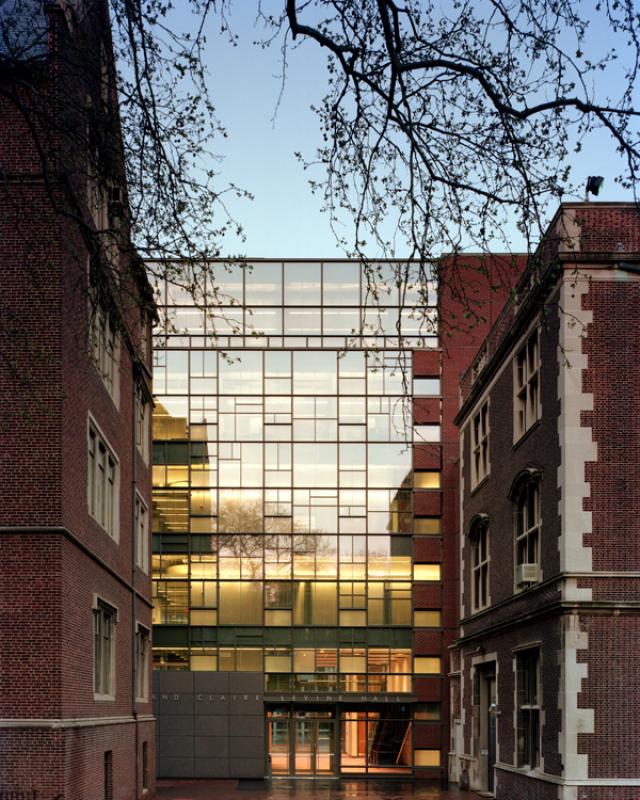
Brown University’s proposed new engineering school on Hope Street is to be designed by the modernist firm that designed the abominable new U.S. embassy in London, Kieran Timberlake. This is almost surely a disaster in the making, but not certainly so, as the firm recently incorporated two traditional buildings into a modernist addition at the University of Pennsylvania. But Penn probably asked to save the buildings whereas Brown seeks to demolish the delightful 37 Manning St., known as Hinckley House and built in 1900.

It’s the old college campus as Platonic ideal trick – a chem lab must look like a collection of test tubes. A physics lab must look like the innards of a radio. An engineering lab must look like a contraption designed to mimic the principles of engineering, whatever they happen to be in the latest moment.

So Brown wants to demolish Hinckley but save Barus & Holley?

Barus & Holley, at Hope and George streets.

Barus & Holley, at Hope and George streets.

Plenty of room for an engineering campus. Plenty of ugly to sacrifice before need arises to sacrifice beauty.

Plenty of room for an engineering campus. Plenty of ugly to sacrifice before need arises to sacrifice beauty.

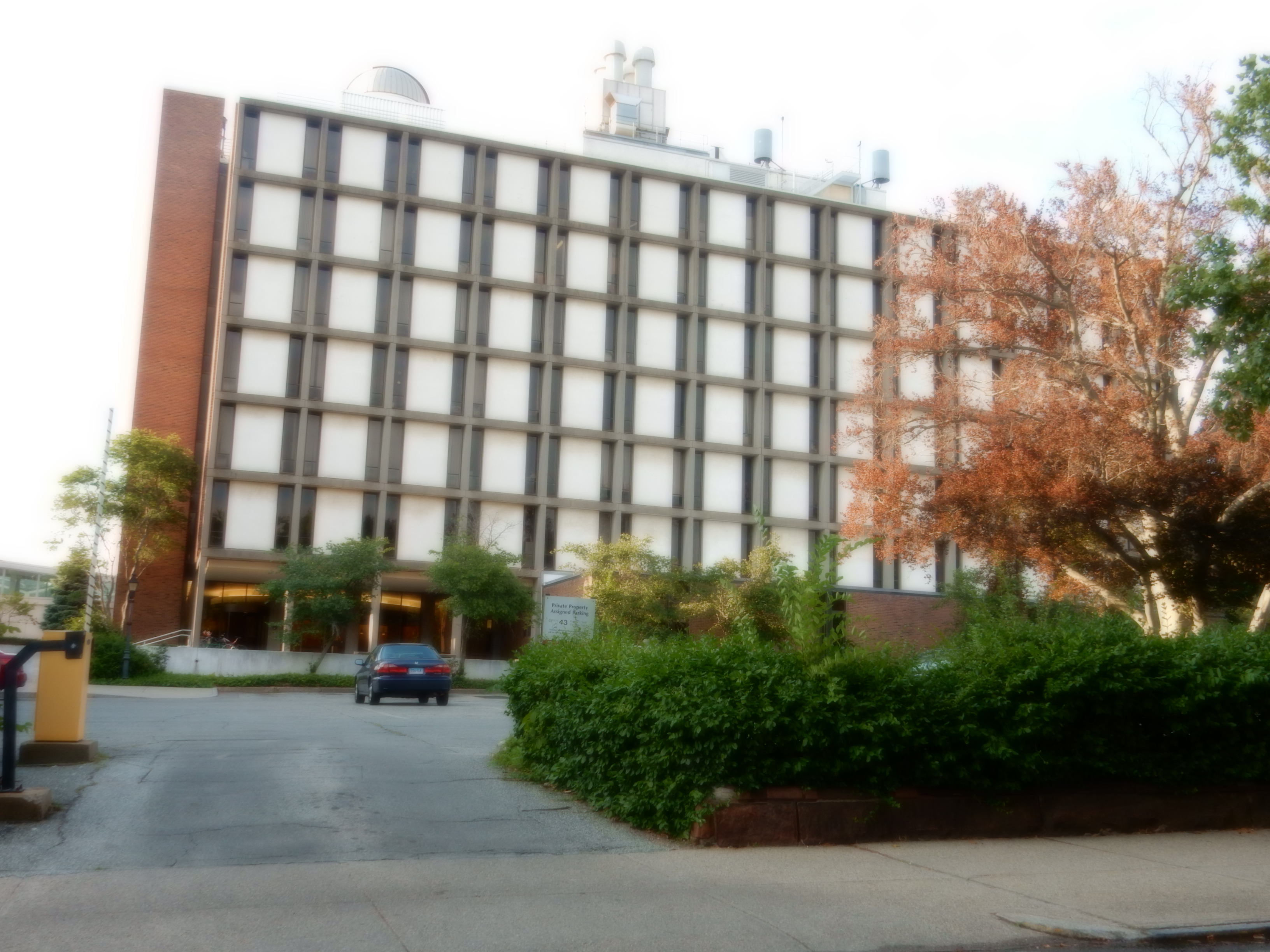
Brown should tear down Barus & Holley, the Giancarlo Lab at the end of Manning Walk and the Prince Engineering Building just north of it, and various other tedious modernism, some of it actually scheduled for demo that will bring a tear to nobody’s eye.

At the very least, Brown should move Hinckley to the corner of Hope and George, where the huge Barus & Holley parking lot begs for such an enchanting occupant. That may indeed be impractical, but there is nothing in the planning needs of the school, the space available for it, or the cost of the project that requires the sacrifice of a building of such loveliness yet with so modest a footprint.

Where is the Providence Preservation Society on this? This issue is tailor-made to test the mettle of its new director, Brent Runyon. Why does the city not inform Brown that it has a duty to not trample on its host city and neighborhood. Yes, I realize this is within Brown’s institutional zone, but at issue is not what Brown can do but what Brown should do. A traditional campus for the engineering school, such as the new Brauer Hall at Washington University, in St. Louis, would be more in keeping with both the school and the city. Is Brown really dying to have the issue of the removal of its tax-exempt status raised again? That’s what it sounds like.

This should become a major Providence preservation crisis. Have all the buildings truly worth saving in this city been saved? Apparently not. The Providence Preservation Society has done excellent work over the years, but it must not rest on its laurels.

Here, after a shot of the Hinckley portico, are some photos of engineering buildings that one might have expected would come down, and finally some of the neighborhood buildings that, after so many years, should have insults removed, not multiplied:

Portico of  Hinckley House.

Portico of Hinckley House.

Hinckley at right; Barus & Holley in background, Gioncarlo Lab entry at left.

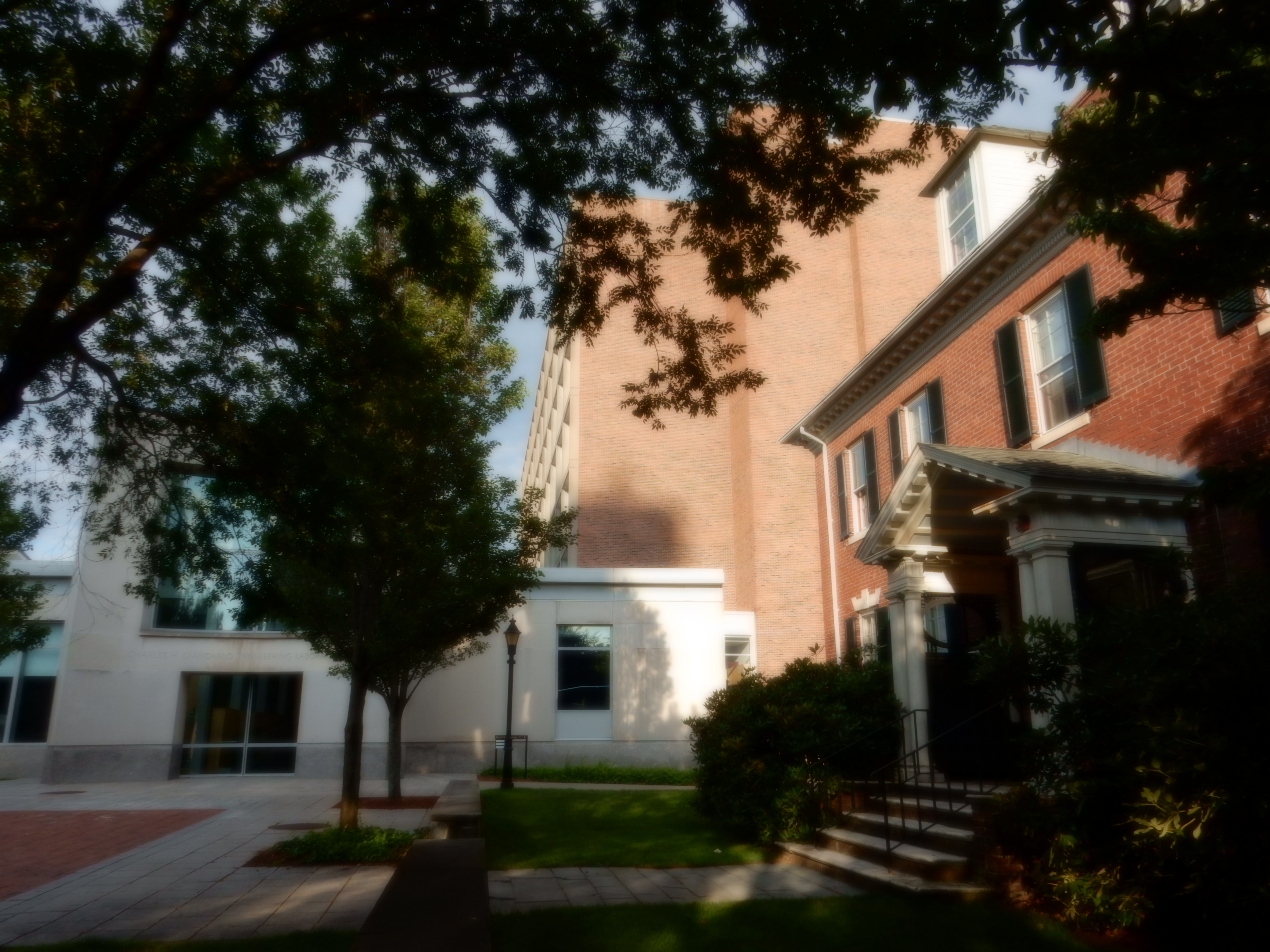
Hinckley at right; Barus & Holley in background, Giancarlo Lab at left.

Left to right: Prince Lab, Gioncarlo Lab, Hinckley.

Left to right: Prince Lab, Giancarlo Lab, Hinckley.

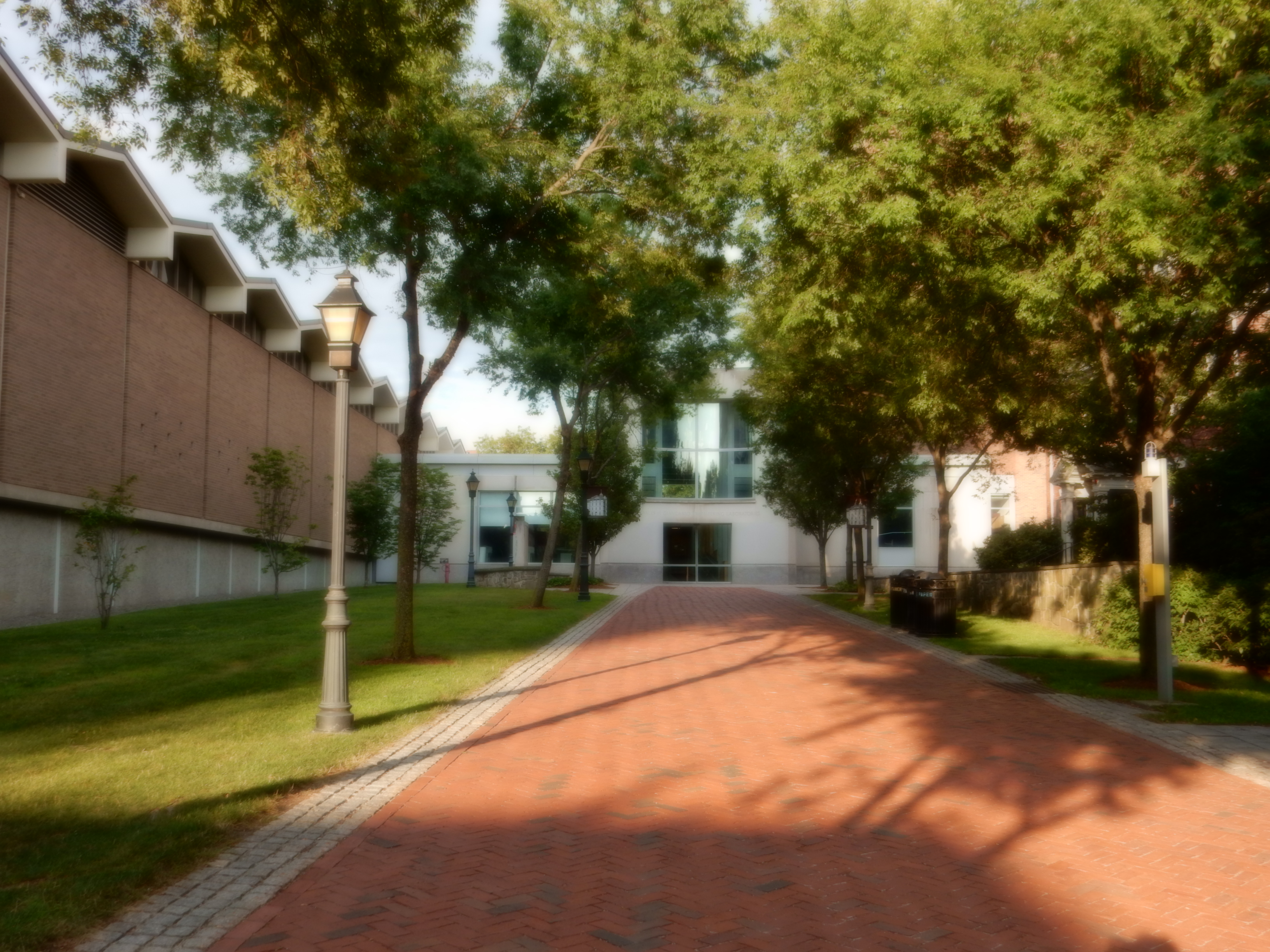
Pulling back a bit from end of Manning Walk.

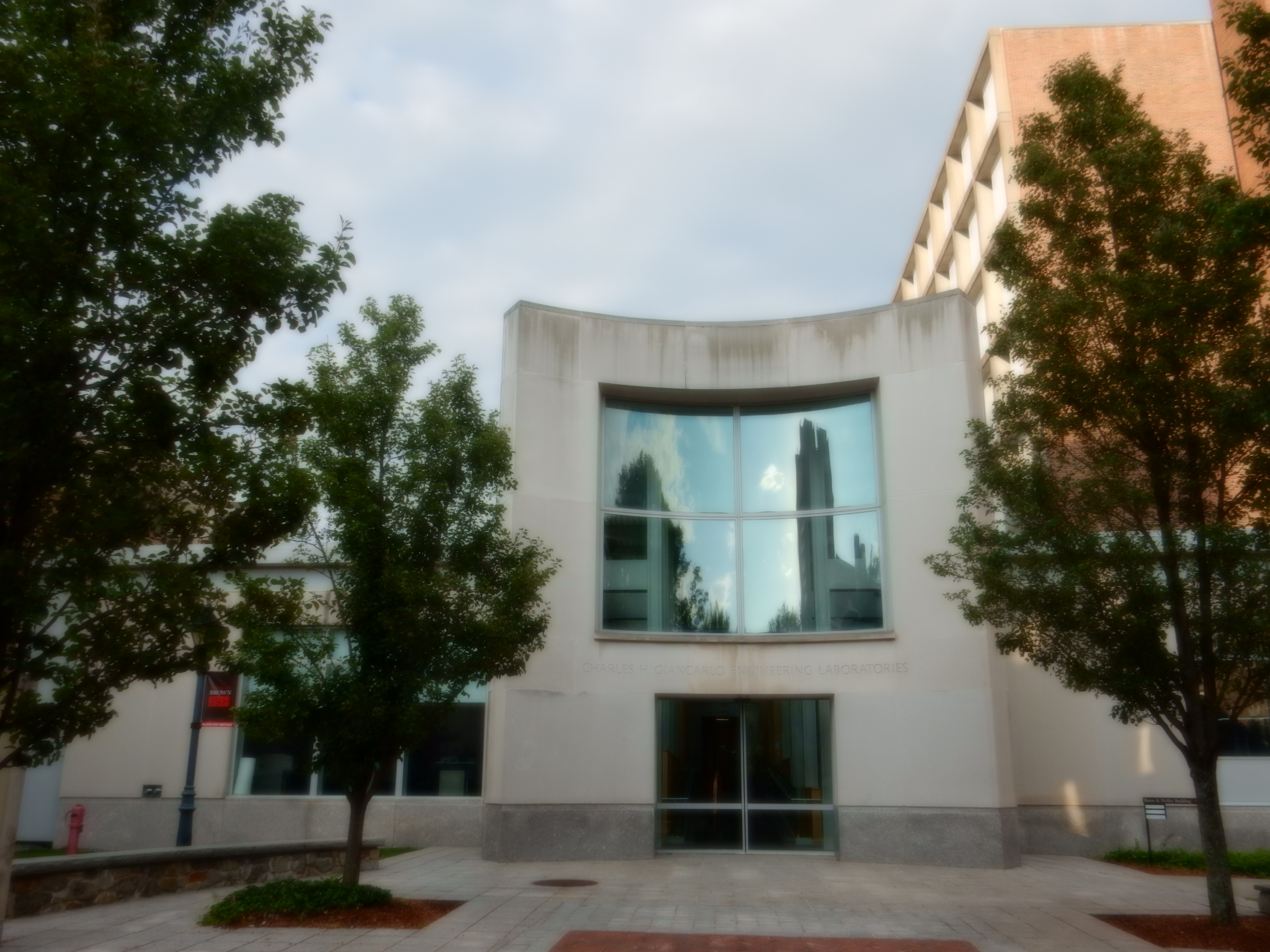
View of Giancarlo Lab at end of Manning Walk.

Mansion at northeast corner of Hope and Manning.

Mansion at northeast corner of Hope and Manning.

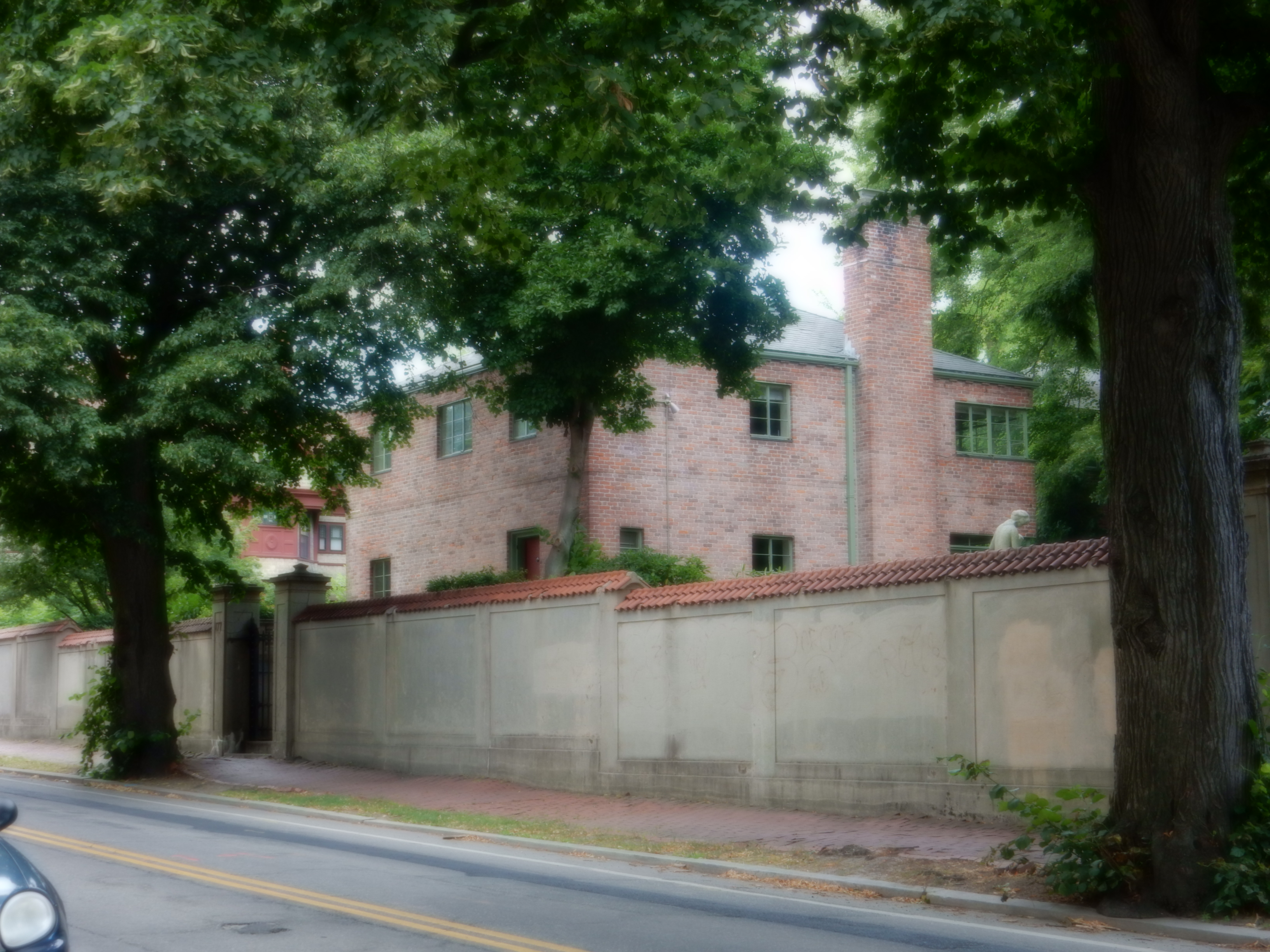
Walled mansion on southeastern corner of Hope and Manning.

Walled mansion on southeastern corner of Hope and Manning.


Posted in Architecture, Architecture History, Development, Preservation, Providence | Tagged , , , | 5 Comments

Biophilia and biomimicry

7

Deep in the trenches of architecture, classicists and modernists are battling for the right to don the mantle of science. If you google “architecture biophilia” you will see a lot of stuff – including buildings – covered with greenery. That’s a form of biophilia – literally donning trees or shrubs to appear natural, hence scientific. But in sussing out the truly natural in design, and the difference between how modernism and traditional architecture embrace natural processes in the design of buildings, Erik Evens posted an e-mail on the TradArch list in a discussion of this topic that brings clarity to the matter. Here is most of his short passage:

I think the nomenclature is really important in this arena.  I think that traditional architecture is “biophilic” (is that a word?) in a deep structural way, where the current avant-garde neo-modernism employs a shallow sort of biomimicry. In other words, I see a lot of the neo-modernist avant-garde adopting some of the aesthetics of biological form, in their curving parametric buildings  (Hadid, Gehry, etc.), or giving lip service to fractal geometry with surface tiling (Liebeskind, and others).  But none of the mimicry of the superficialities of biologic form is more than skin deep – it’s pure aesthetics divorced from any deeper conceptual basis.  

On the other hand,  it seems to me that the language of classical architecture aligns with nature on many levels of meaning … not just with aesthetics – i.e., engaging detail at a variety of scales, self-similarity, alignment with the human form, sophisticated proportional systems, allegorical and symbolic content with references to the natural world, etc.  

… I would call the neo-modernist work “biomimetic” and the traditional architectures “biophilic.”

I am working my way through a book by Nikos Salingaros, the mathematician and architectural theorist at the University of Texas, San Antonio. His work, as suggested within the thread of this topic on TradArch, may offer the most sustained thinking on this subject. I will soon be reviewing his Anti-Architecture and Deconstruction (2014).

Posted in Architecture, Art and design | Tagged , , , , , , | 2 Comments

Column: Halt this attack on the people’s plaza

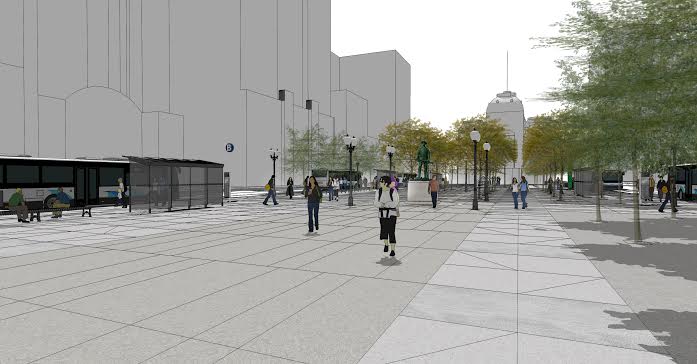
Latest design for Kennedy Plaza, in downtown Providence. (Journal archives)

Latest design for Kennedy Plaza, in downtown Providence. (Journal archives)

[This is my weekly column in The Providence Journal, a revised version of the post “Let’s ruin Kennedy Plaza” on my blog Architecture Here and There, written on vacation the day before the July 15 groundbreaking for this unfortunate project.]

* * *

For a city transit hub, Kennedy Plaza’s bus station, its five waiting kiosks and its fancy pavement lined with black railings, bollards, period lampposts and delicate street trees beat the pants off most civic squares around the world for beauty, even those that do not serve double duty as bus hubs — and ours serves single duty. Providence has hosted its transit patrons, including me, in high style for just a dozen years.

Now it appears we can say good-bye to all that — and hello to the ugly urban duckling, pictured above, whose groundbreaking was sprung on us last week.

[To continue reading this column, please visit The Providence Journal.]

Posted in Architecture, Development, Providence, Urbanism and planning | Tagged , , , , | Leave a comment

Trad building conference 4

Henry Hope Reed, from a slide in presentation by Phillip James Dodd.

Henry Hope Reed, from a slide in presentation by Phillip James Dodd.

Of course, what would these affairs be without the schmoozing with friends, and the renewal of old and forging of new professional relationships? To my retiring nature these affairs would be perfectly marvelous, yet even I found myself luxuriating in my peeps, as the young people say today (or at least did on some not too distant yesterday), both among my correspondents from the TradArch and Pro-Urb lists (which discuss classicism and urbanism), fellow members of the board of the New England chapter of the Institute of Classical Architecture & Art, not to mention complete strangers.

Looking down on us all from above was the founder of the classical revival itself, the late Henry Hope Reed. He has been fighting the Mods since back in the ’50s and ’60s, when he went mano-a-mano with Ada Louise Huxtable, defending against her efforts to inflict modernism on the tours of the Metropolitan Art Society, before she became a columnist for the New York Times. Henry’s The Golden City was bible to us all.

gI_78275_Margolis Photo

John Margolis (prweb.com)

The Palladio Awards were to be a scene of high fives by winners but also of expressions of gratitude to my ICAA chapter’s departing president, John Margolis. I missed the event to dine with a former colleague on the Providence Journal’s editorial board, whom I had not seen for several years. But I hear that the awards went off commendably, including a generous public sendoff for John. I regret having missed this heartfelt presentation, but fortunately I was able to chat with John several times during the conference before he heads off to challenge the alternate coast.

John leaves shortly for a new job in Los Angeles, and the City of Angels will be the better, certainly the prettier, for it. The ICAA’s Southern California chapter is sure to hear from him. New England will miss him. John’s five years’ atop the chapter strengthened it immeasurably. The Bulfinch Awards were conceived under his esteemed predecessor Eric Daum (now treasurer) but instituted on John’s watch. The activities and programming of the chapter were expanded, as was its membership in no small amount – and he himself grew as a leader, manager and exponent of the classical tradition. When he won election five years ago I figured he’d be a fine fundraiser but that the true classicist in the contest, Sheldon Kostelecky, had been outvoted. John was all of the former and, it turns out, all of the latter as well – and now he hands over the reigns as president (after a vote of the board the week before) to Sheldon, the chapter’s founder, who during John’s administration has toiled with extraordinary dignity and effectiveness as chapter vice president for education. Sheldon has created the nation’s first online classical curriculum, now available through the Boston Architectural College. We are all confident that with a broader portfolio now as chapter president, Sheldon will advance John’s leadership on all fronts.

I also met the ICAA’s new national president, Peter Lyden, who also has a reputation as an excellent fundraiser but whose powers as a leader of classicists and the classical revival are, naturally, untested and unknown (at least to me). But he talks a good game, sports a fine necktie, and I am sure that all will be well down at the national on West 44th St.

CLEM

Clem Labine (blog.classicist.org

For all the schmoozing I ended up doing, I regret that I missed an introduction to Clem Labine, who founded the conference after having founded and brought up a large menagerie of magazines devoted to the classical revival. Old Home Journal, which describes the restoration of old homes, and Traditional Building, which follows progress in the design and construction of larger classical projects, are, I think, merely the best known. What I know for sure is that if you go to any magazine rack in a book store, art store, airport or elsewhere, the number of journals on how to restore, renovate or build a traditional house outnumber those on how to do for modernist houses. To describe the degree of dominance in the market of Clem’s journalistic children and their offshoots is impossible to do with any modesty.

That’s because traditional homes are the choice of those who desire to live in a house, and has been thus for decades even in the face of an equal predominance of modernism in the establishment of architecture. Most larger works of architecture are designed by architects chosen by committees, and it shows. In contrast, the dominance of tradition in housing chosen by individuals is natural, and takes its place without the use of authoritarian methods needed by the modernists to keep their absurdist practices in power.

As is evident from Clem’s regular column on architecture, he recognizes that the next step for the classical revival is to even the playing field for traditional and classical proposals for major commissions to build the nation’s commercial and institutional infrastructure. That will not only require expanding the reputation of traditional work among the young but actively seeking to undermine the reputation of modernist work among the young and others who have yet to recognize that modernism, not just in practice but in principle, works not just against a beautiful civic environment but against a sustainable economic and natural environment.

Nobody understands this better than Clem, and he is, thankfully, in a position to propound his knowledge through a vast system of his own making. His publishing empire is the makers space of makers spaces.

Posted in Architecture, Architecture Education | Tagged , , , , | 1 Comment