Monty Python’s architect skit

Here is Monty Python on architecture reblogged.

David Brussat's avatarArchitecture Here and There

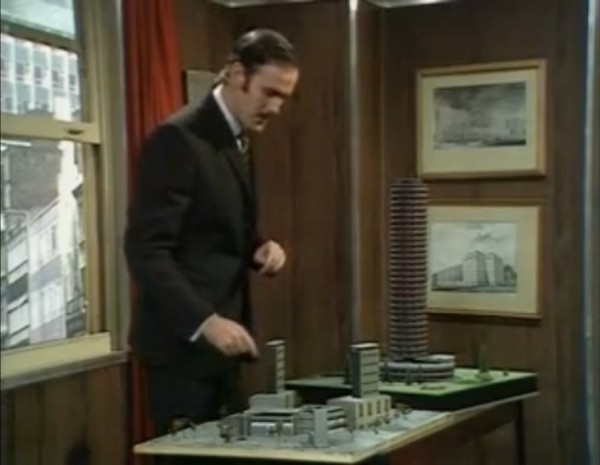
Picture-1-600x465As a reward for making it through the last few posts I offer this skit, from YouTube, of Monty Python making fun of architects by speaking truth of them, perhaps – since humor does after all require at least a grain of truth – more than they were aware. (image above courtesy of dayall.com)

It is here.

View original post

Posted in Uncategorized | Leave a comment

Issa beats wimp rap?

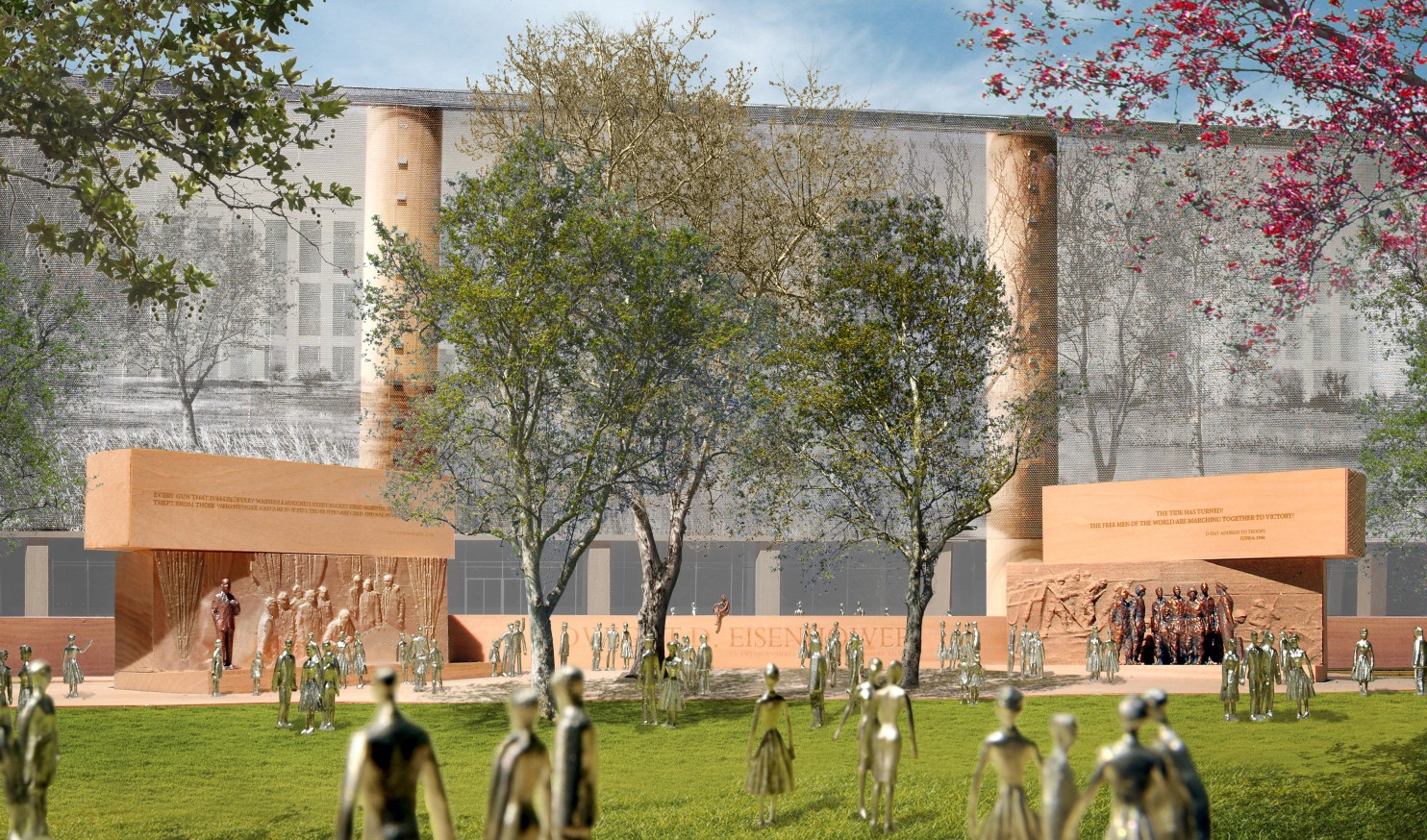
Sculptural core of Gehry design for Eisenhower memorial, with main tapestry behind it. (Washington Post)

Sculptural core of Gehry design for Eisenhower memorial, with main tapestry behind it. (Washington Post)

Rep. Darrell Issa (R-Calif.). (theliberaloc.com)

Rep. Darrell Issa (R-Calif.). (theliberaloc.com)

I may have to retract Rep. Darrell Issa’s Cosmic Wimp-Out Prize, doled out by this blog just a week or so ago.

My original post, “Ike memorial update,” described the latest iteration of Frank Gehry’s proposed memorial to General Eisenhower. Two of three “tapestries” and two of the four 80-foot posts needed to hold them up were lopped off, but the much larger third tapestry remained in place. My post quoted Issa as seeming to suggest that it might be appropriate to start the design process with a new, more open design competition for the memorial.

My next post, “Issa wimps out,” reflected information from a reader that my original post, which relied upon just one source, left out. The reader provided those important quotes from a story in the Washington Post. The quotes indicated that Issa was willing to let the Gehry design go forward after its most recent change. That was depressing news!

Now the Washington Post is reporting that Issa has sent the Eisenhower Memorial Commission a letter suggesting that it change the Gehry design again by removing the main tapestry and all of the towering posts. In this Issa-says/Darrell-says scenario, it is difficult to predict what will happen next. But confusion is better than certainty that this memorial insult to a great general and president might move forward.

I am pleased to restore at least some of my confidence in Darrell Issa, and await the next turn in this fascinating but excruciating architectural saga.

Posted in Architecture, Art and design | Tagged , , , | 1 Comment

In defense of ‘starchitect’

Frank Gehry. (humanities.blog.ie.uk)

Frank Gehry. (humanities.blog.ie.uk)

I rise to defend not the practice of starchitecture or the starchitects who perpetrate its follies on an innocent public. But the word starchitect has come under attack for the very reason that I like the word and use it myself: starchitect is the critique of an idea bound up in one word.

The esteemed architecture critic James Russell, in “The Stupid Starchitect Debate,” reacts against Beverly Willis’s New York Times piece “Here’s to the Demise of Starchitecture!” by dumping on her choice of words. “The last few years has seen the rise of the snarky, patronizing term ‘starchitect” (a term I refuse to use outside this context, much to the annoyance of editors seeking click-bait).”

Yes, the word is snarky and patronizing. Given that it signifies celebrity architect, and in particular modernist architect, it should be snarky and patronizing. But if that’s all it were I would not use it myself. And I’m not really so sure it is always considered negative by its subject. Although Frank Gehry claims to dislike the word, I think his attitude is fabricated for public consumption. Inside, he probably wallows in it.

In any event, words are the subject of constant pushme pullyou over their meaning and connotation. If starchitect has a negative connotation it is because actual starchitects and their camp followers have not worked hard enough to wrap the word in the glitterati garb that they would naturally prefer. Let’s face it. Architects, and modernist architects in particular, are not exactly the cat’s meow in the eyes of most of the public.

As a connoisseur of neologisms – I almost wrote glitteratical in the last paragraph – the word starchitect is almost as graceful in its ability to neatly wrap up an idea as the word crudscape, coined by James Howard Kunstler in The Geography of Nowhere to denote the commercial landscape that degrades suburbia throughout America.

I am a lesser practitioner of the dubious art of coinership, but even I once debated the late William Safire on who coined the phrase Fourth Estate to mean the press. Safire identified William Hazlitt (my favorite writer) as the term’s inventor when in fact Hazlitt meant the phrase to mean a mob in the politics of the nation. In fact, in his essay “On Familiar Style,” Hazlitt condemned the practice of coining words. He declared that he would never do it himself, and would italicize any coinage he was forced to repeat. But Safire is not around to defend himself, so I will cease this line of discourse.

Starchitect’s negative connotation, while not immutable, is natural because the modern architects who tend to be defined by it are considered a negative force in the beauty of the nation and the world. As for the idea of starchitecture itself, its practitioners should consider themselves to have dodged a bullet if a negative descriptor is the worst they must suffer at the hands of architecture criticism, not to mention the world whose cultures are insulted regularly be virtually all modern architecture.


Posted in Architects, Architecture | Tagged , , , , , | 1 Comment

Column: Scotland back to its roots or nae

Edinburgh, the capital of Scotland. (walmhcongress.org)

Edinburgh, the capital of Scotland. (walmhcongress.org)

Glasgow, Scotland's largest city. (telegraph.co.uk)

Glasgow, Scotland’s largest city. (telegraph.co.uk)

New Scottish Parliament. (en.

New Scottish Parliament. (en.

Glasgow School of Art. (flickr.com/Lex McKee)

Glasgow School of Art. (flickr.com/Lex McKee)

Fire last May at GSA. (Brussat archives)

Fire last May at GSA. (Brussat archives)

GSA's Reid Building. (heraldscotland.com)

GSA’s Reid Building. (heraldscotland.com)

Gehry addition to Corcoran Gallery. (coroflot.com)

Gehry addition to Corcoran Gallery. (coroflot.com)

Carnaby Street, London. (astrocruise.com)

Carnaby Street, London. (astrocruise.com)

Political humor mocks Scotland vote. (Lac)

Political humor mocks Scotland vote. (Cam)

After you, Alphonse? (thetimes.co.uk)

After you, Alphonse? (thetimes.co.uk)

Scottish voters decide today whether Scotland will be independent or continue its 307-year relationship with Great Britain. Whatever it decides – and the last polls were too close to call – its cultural hegemony over its own appearance will remain as much at risk as that of most other nations.

The British Parliament permitted a devolution to Scotland of some self-rule in 1997, and since 1999 Scotland has governed aspects of its domesticity from its own parliament. In 2004 it completed a new parliament building in the capital, Scotland’s second largest city of Edinburgh. It was controversial, but only partly because it bears a smash-face relationship to Scottish history, culture and taste. In short, it is a modernist building.

The new parliament sits amid the city’s UNESCO-protected historic district. Designed by the late Spanish architect Enric Miralles, it tried, in the words of Wikipedia, to “achieve a poetic union between the Scottish landscape, its people, its culture and the city of Edinburgh.” It failed miserably, reaching completion years late and running at least ten times over budget. In 2008, it ranked fourth in a UK poll of buildings Britons would like to see demolished.

In theory, independence could leave Scotland prey to the same culture vultures that are already pecking at its national soul through its architecture. Britain has been devastated, and Scotland has traveled down the same path. But if, as you would think, independence is driven to some considerable degree by a “Let Scotland be Scotland” attitude, then I favor the yes vote in today’s referendum.

“Let Scotland be ridiculous” is the orthodoxy of the architectural establishment there today. Among the chief tests of whether the nation and its people have the will to rescue their culture is how its largest city sets about restoring the Glasgow School of Art and its Mackintosh Library. These masterpieces of exterior and interior design are the work of the great Scottish architect Charles Rennie Mackintosh. They were completed between 1887 and 1909 but suffered a terrible fire this past spring.

Glaswegians were, I think, not more appalled than I was at this horror. It was as if Washington’s Corcoran Gallery – where I attended art class as an 11-year-old – were destroyed by fire, or by a Frank Gehry addition (narrowly averted several years ago).

I fear the beast that even now rears its head in the debate over whether the GSA and its library should be rebuilt as Mackintosh designed it. David Mullane, chairman of the school’s “Friends of” organization,  opined in “Mackintosh library plan should be ditched,” in the Scotland Herald, that “it is Glasgow School of Art’s intention the library will be rebuilt, based upon drawings and photographs. It is my contention it may well be an embarrassment, which will be referred to as Mockintosh.” He says it should not be rebuilt but redesigned anew in a creative manner that Mackintosh would supposedly respect.

In fact, a real “Mockintosh” would mock Mackintosh by misinterpreting his legacy as a “precursor to modernism.” No. He was the apotheosis of creativity within tradition, not the rejection of tradition. The GSA’s new Reid Bulding, a glossy hulking thing in light blue (or green) veneer by the starchitect Steven Holl, is a genuine Mockintosh, leering at the Mack from across the street.

If the idea of a Mackintosh Mockintosh, the rude Reid by Holl, and the new Scottish Parliament building represent the true spirit of independence, then I am against it. But while I don’t pretend to have my finger on the pulse of Scotland, I don’t believe that is, or need be, the case.

A nation’s culture emerges from its history but also from its concept of art and creativity. Creativity is not just the ability to be obscure or unpredictable in applying the techniques of thought or design to cultural artifacts such as art and architecture. Creativity, properly conceived, is the ability to apply a wider range of techniques – words, images, other cultural signifiers – to bear in revealing truth more clearly to a wider range of human understanding. Or, to put it more simply, creativity clarifies the already abundant variety of truth in nature. It does not twist or pervert reality; it shows you eternal truths in new ways.

Or to put it in a slightly more risqué “No Sex Please, We’re British” manner, creativity is not just the ability to please a partner with the greatest number of positions in the Kama Sutra but to apply with greater deftness, variety and vivacity the same tools available to every lover in the plain old missionary position.

Sorry, I realize the Scots are reputedly a dour people. Scottish voters should strive to free themselves not just from Downing Street but from Carnaby Street. That hip byway of 1960s London miniskirt culture was popular before Britons realized that a counter-counterculture might be desirable. The achievement of a more just society might be more feasible by embracing rather than spurning the better angels of Scottish culture. A setting that fosters the civic realm rather than shredding it to tatters might help.

Again, I’m not sure which vote, yes or no, would promote a Scotland more eager to defend its traditional culture, its roots. The King’s English or the Gaelic of Bobby Burns could push one way or the other. But it is vital that all nations assert themselves to rout the forces of ugliness, callousness and homogenization that are represented by modern architecture. One way or another, Scotland can lead the way.

David Brussat, until recently a member of the editorial board of the Providence Journal, is an architecture critic in Rhode Island.


Posted in Architecture, Architecture Education, Architecture History, Art and design, Preservation | Tagged , , , , | 1 Comment

On the Brown campus

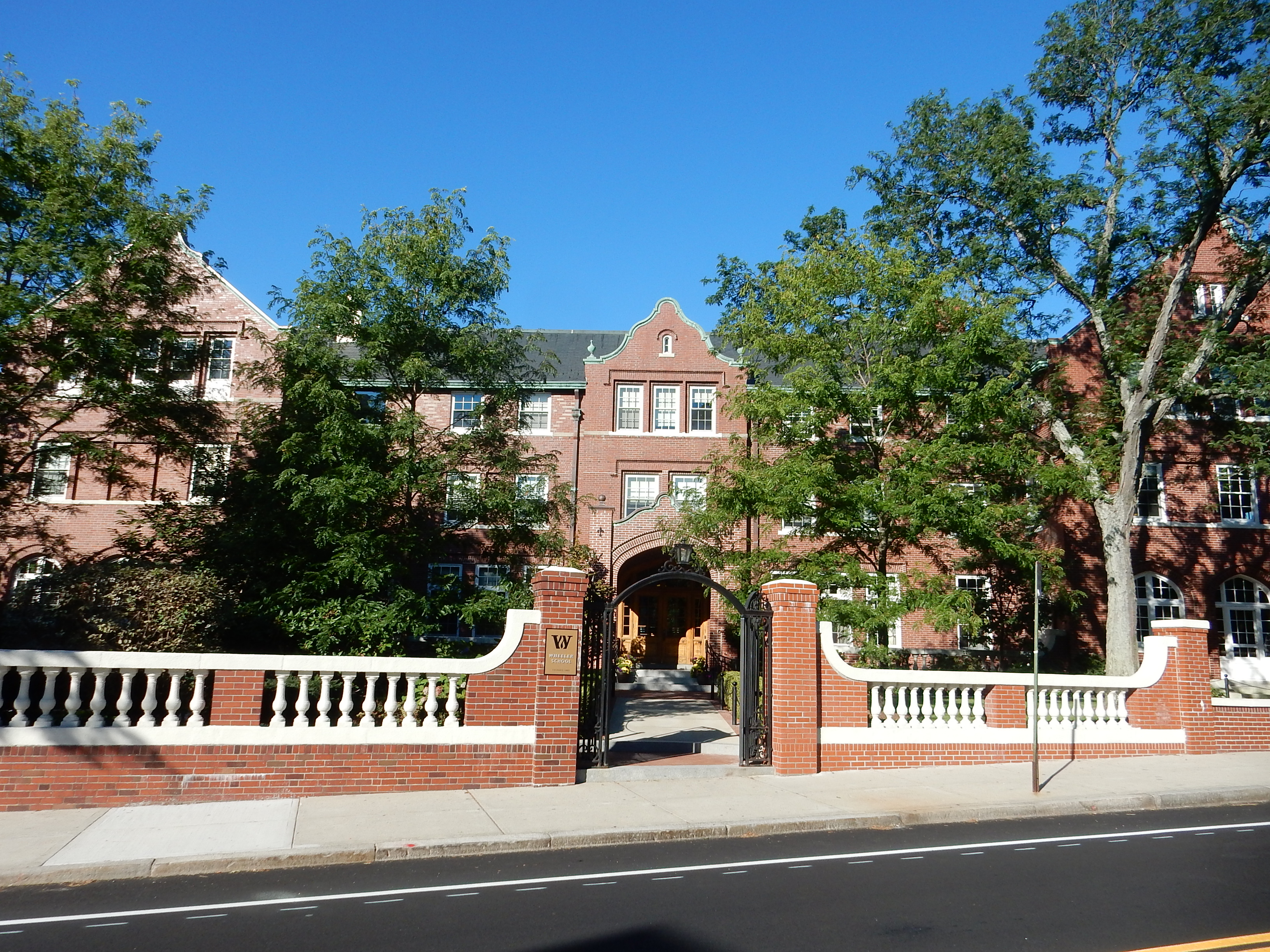
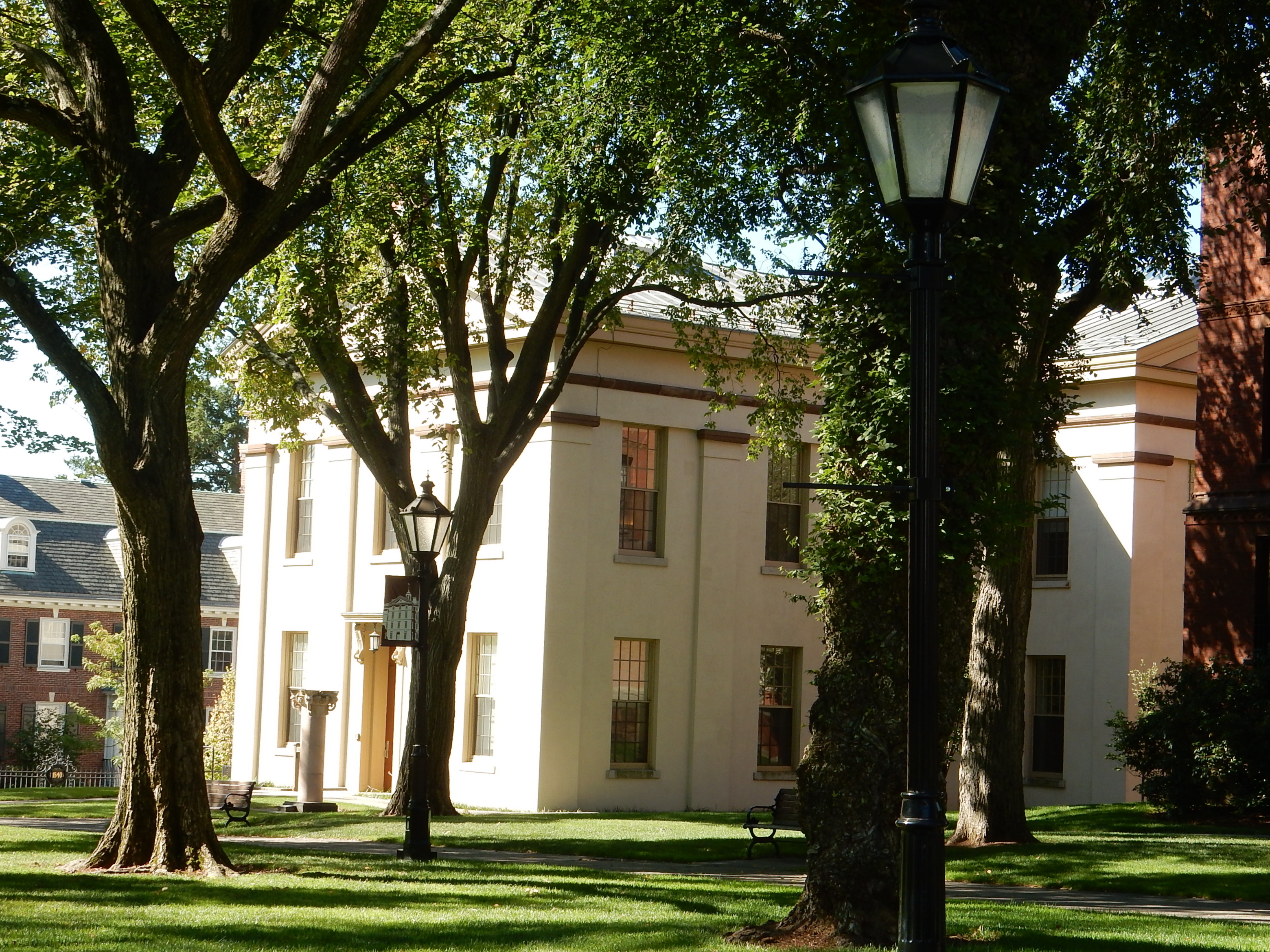
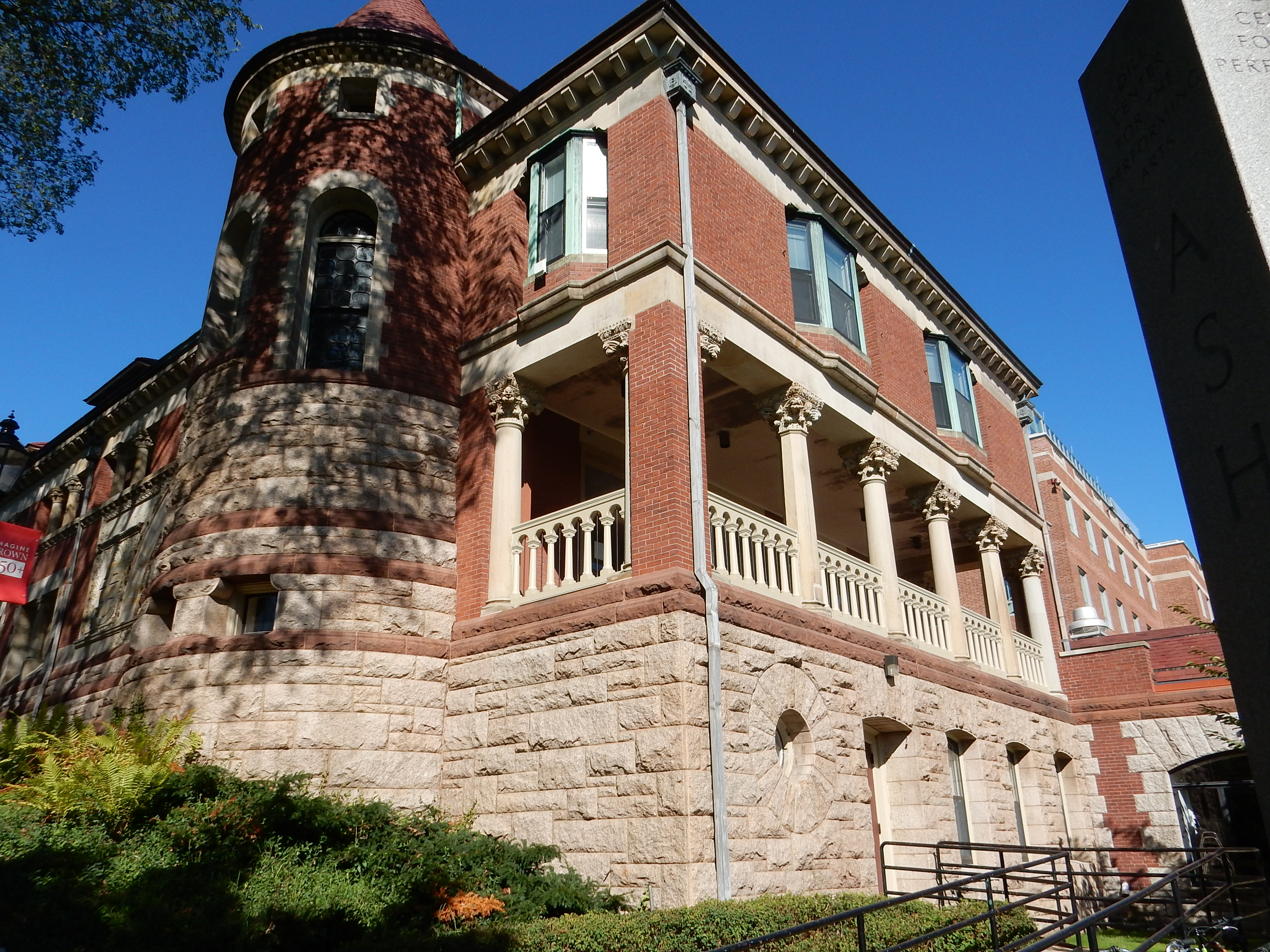
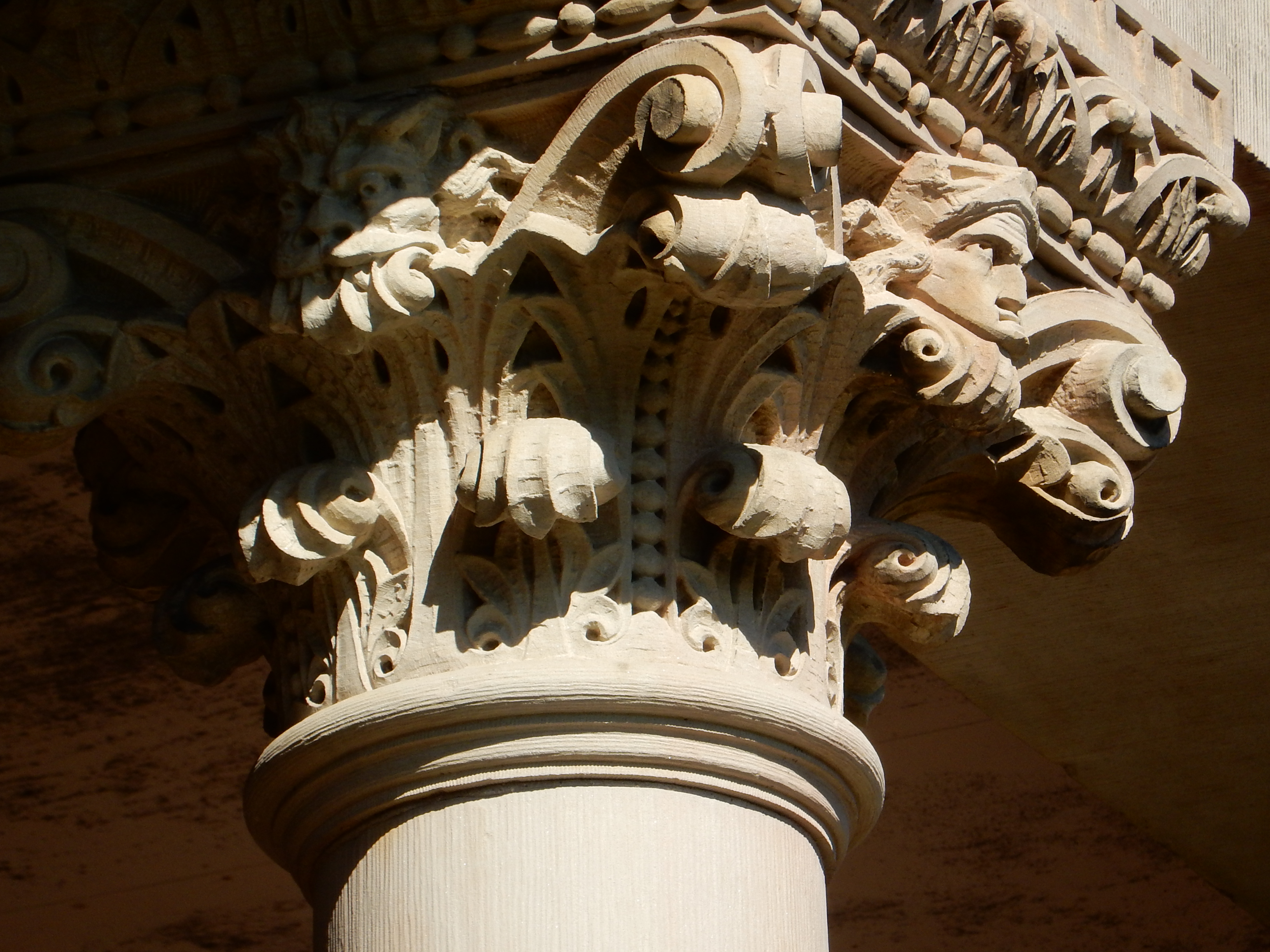
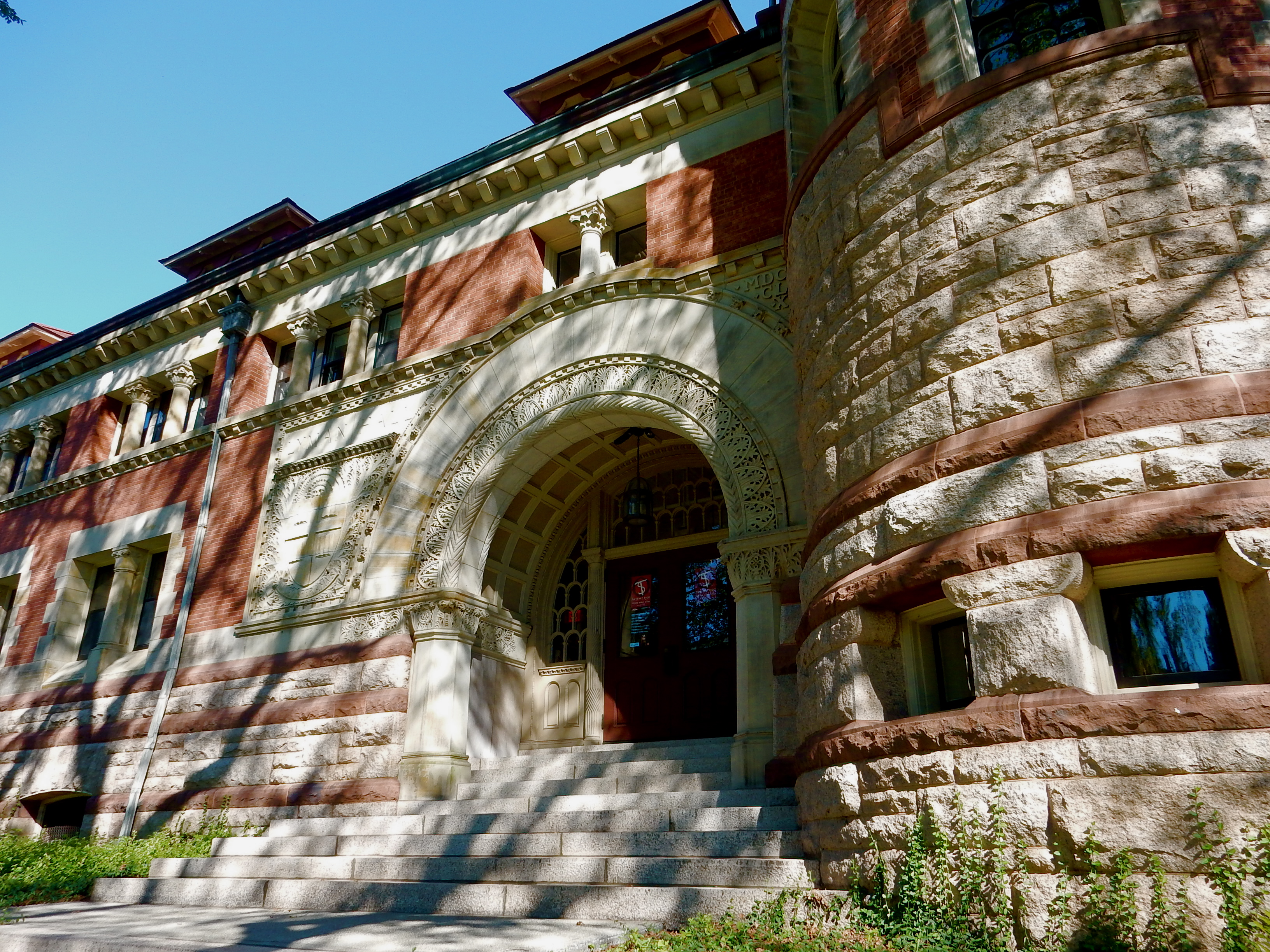
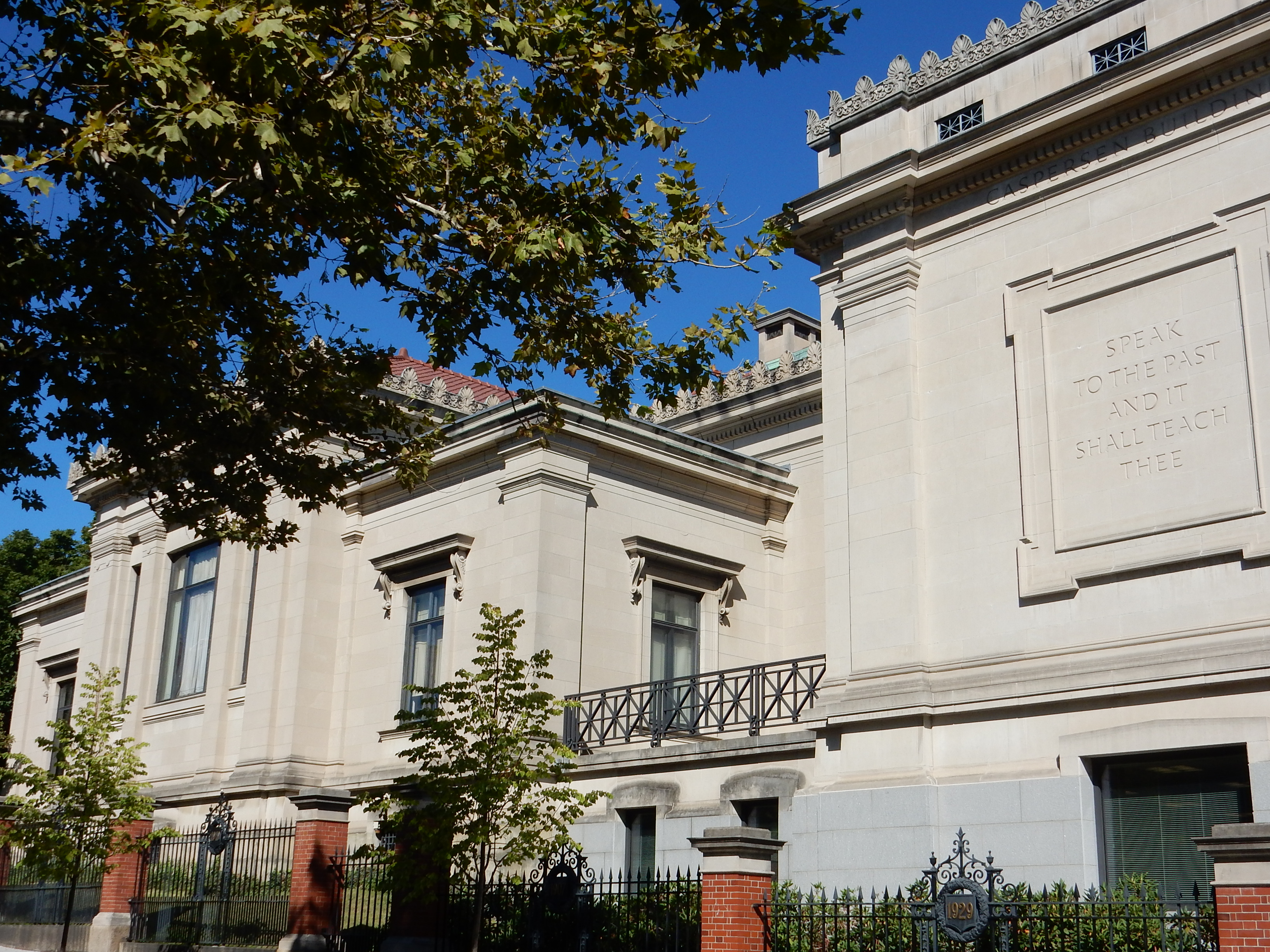
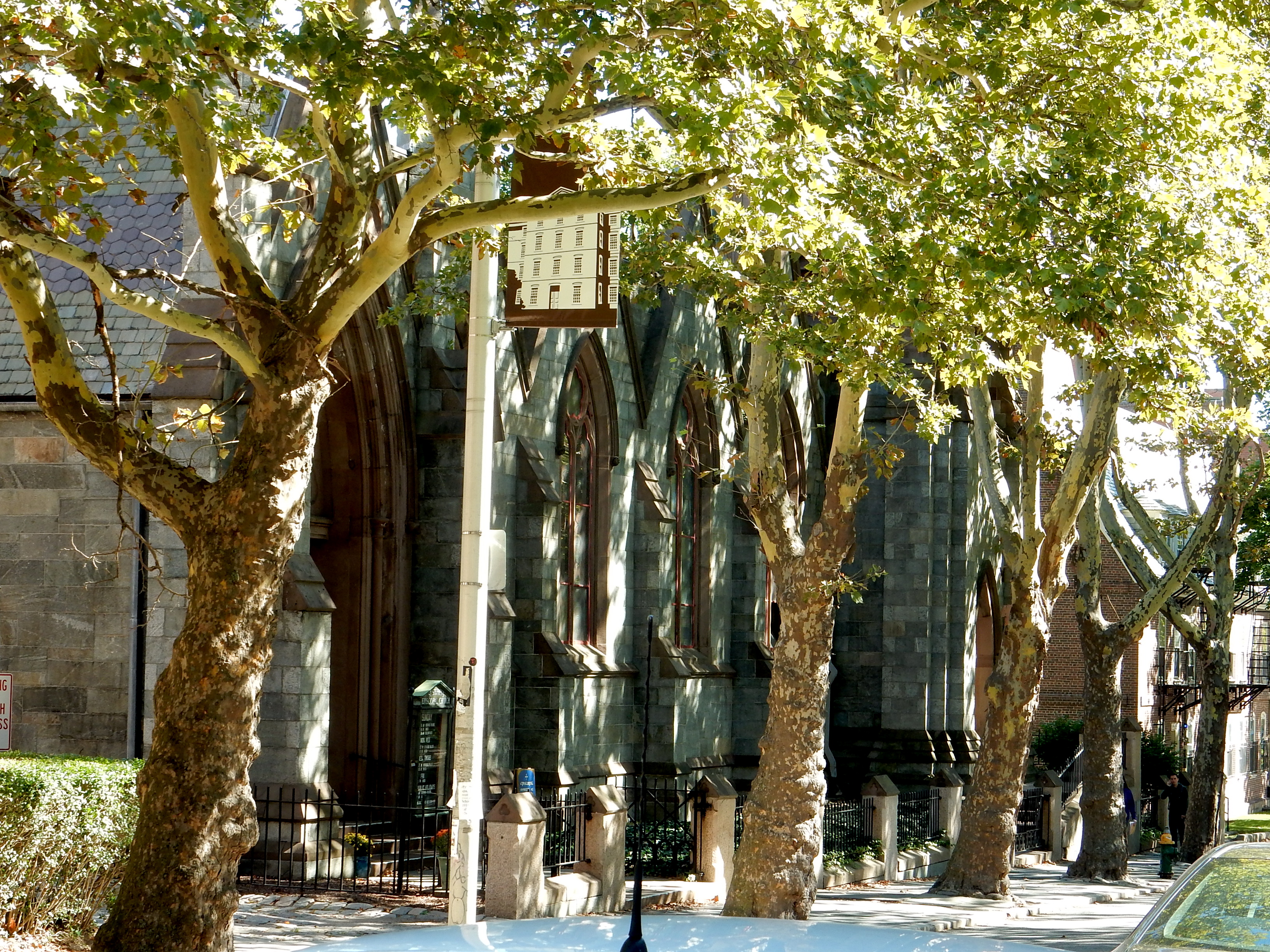
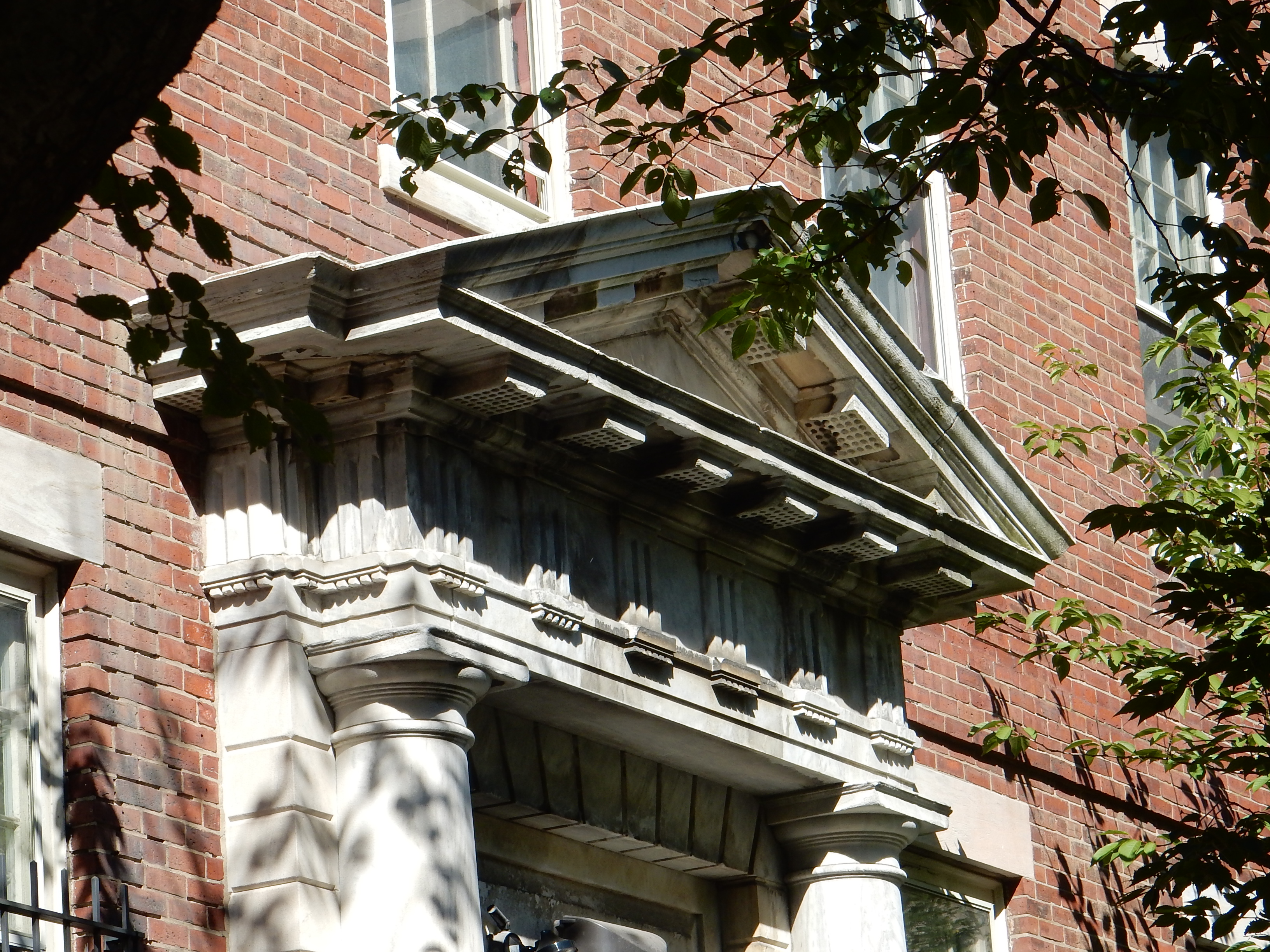
DSCN3828This morning, an especially nice one, I happened after a meeting at the Wheeler School to wander through the campus of Brown University. I took some pictures. On top, however, is the main building on Hope Street at Wheeler. And then below some shots of Brown, including Rhode Island Hall (1840) at the far southwest corner of the Campus Green, and then five shots of one of my favorite buildings on campus, Lyman Gymnasium (now Leeds Theater) on Lincoln Green (now Ruth Simmons Green), a great example of Richardsonian Romanesque (1890-91) by Stone, Carpenter & Willson, followed by the John Carter Brown Library (1904) and its 1991 addition, St. Stephen’s Episcopal Church, and a perfectly classical order gracing an entrance, on Thayer Street, to Metcalf Hall.

DSCN3901DSCN3859DSCN3864DSCN3871DSCN3875DSCN3878DSCN3917DSCN3921DSCN3927


Posted in Architecture, Architecture History, Photography, Providence | Tagged , | Leave a comment

Villa Graffarta Savoye

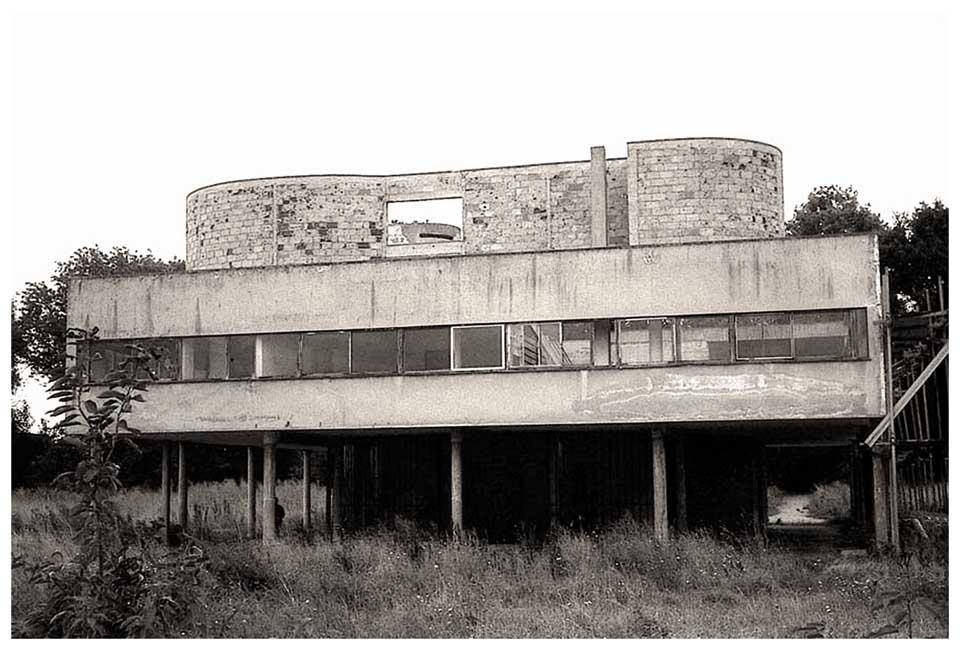
Corbusier's Villa Savoye in sad shape before recent renovation.

Corbusier’s Villa Savoye in sad shape before recent renovation.

Without intending to pick on Le Corbusier (not that there’s anything wrong with that), artist Xavier Delory recently found the Villa Savoye in sad condition, even worse than in the photograph above, taken before his masterpiece in suburban Paris was given a spiffing up. Click and enjoy.

I have found, at least in Providence, that graffiti “artists” – or graffartists, as I like to call them, emphasizing the middle syllable – tend to avoid defacing traditional buildings. This may arise not from their respect for the venerable but from the cleaner, broader canvases offered by modernist buildings.

Thanks to Calder Loth for sending link to TradArch. Note the link to Delory’s “Fictional Buildings” toward the bottom of the linked post.

Posted in Architecture, Humor, Preservation | Tagged , , | 6 Comments

‘Modernism and all that’

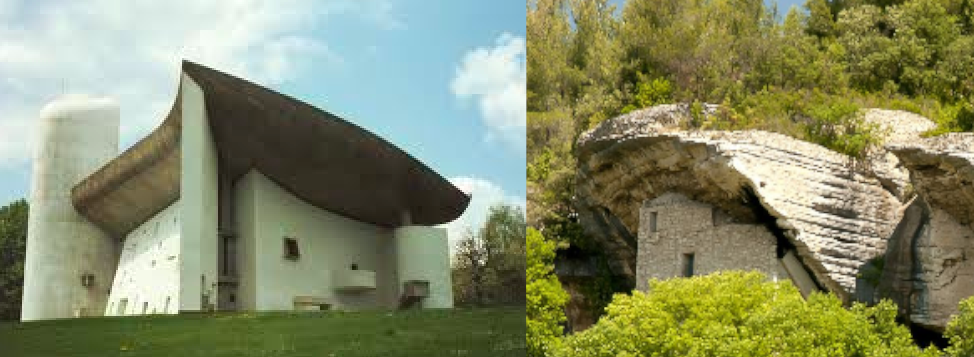
Here is Le Corbusier's Ronchamps, and beside it, Les Beaumettes, an informal settlement from about 1500 in Provence.

Here is Le Corbusier’s Ronchamps, and beside it, Les Beaumettes, an informal settlement from about 1500 in Provence.

Michael Mehaffy, the architectural theorist from Portland, Ore., who used to work with Prince Charles, sent in this brief essay to the TradArch list, which he has kindly let me post on my blog. There’s a lot of good stuff to chew on here, so, here it is:

We need to be clear what is good and bad about the work that falls under the “Modernist” rubric.  (Under which I include all the current “rococo” variants, as Eisenman aptly termed them.)

Good as in good craftsmanship, handsome proportioning, good intentions perhaps … and bad results, especially for urbanism and for human habitat overall.  The end result has been a few handsome buildings, amidst a colossal degradation of the human and natural environments, propelled by a design-marketing regime.  Indeed, in its outcome, the Modernist movement has a lot to answer for.

But let’s be more nuanced and less broad-brushed.  Otherwise we are less effective in our rebuttals. …

To put it bluntly:  “Modernism” is a shallow marketing package (and a weak theoretical outline) that does include, within the product package, some good craftsmanship and good design.  (And some not good – but they’re not alone.)  Let’s just stipulate that.  It does no harm, and is even beneficial.

At that point we can then go after the false theory of modernity that underlies the marketing narrative – and prohibits good traditional work, and causes all sorts of other degradations, poverties and other problems.

The false theory is that we live in a wholly different age, and we can toss out everything that came before.  But as Bruno Latour famously put it, “We have never been modern.”  The whole thing is a marketing scam.  (Students are especially receptive to that idea, by the way.)

The best rebuttal is from the Modernists themselves.  Take for example Picasso’s work appropriating African masks and other so-called “primitive” art, and re-branding it as the radical new work of a wholly exceptional human age.  Now that’s a brazen scam for you!

Of course Picasso also freely admitted that “good artists copy, and great artists steal.”  And by this measure, at least, he was great.  And in so doing, he fully rebutted the idea that nothing from the past can be used again, or that we are in a wholly new age with a wholly new aesthetic, etc.  Clearly the purest nonsense!  (But the idea that we can explore and develop new synthetic approaches within a liberal tradition* was valuable — he just didn’t describe it that way, because he was marketing an image of himself as a radical genius of a new age.  Commodification.)

Now take Le Corbusier.  Please!  We are in a great new epoch (emphasis his) and we need to see cities as wonderful mechanical toys with alluring art-design packaging.   That too worked wonderfully as a marketing and production exercise.  That too was a brazen scam – with the worst kinds of catastrophic results.

But we can freely admit that he, like Picasso, was a very talented craftsman-artist, who could do very handsome work.  (Which we might like or not, but we can grant the quality of craftsmanship all the same.)

And like Picasso, he was a brazen thief of history.  In so doing, he proved that copying the past is not to be prohibited.  We must draw the lesson that a new synthetic approach, including history, is the way forward in this “trans-modernist” age.  (Through to the other side, as it were.  As opposed to post-modernism, which tried a reactionary approach that failed – it only put a costume on the same old model, old wine in new skins, shall we say.)

Above are images of Le Corbusier’s Ronchamps, and beside it, Les Beaumettes, an informal settlement from about 1500 in Provence.  Le Corbusier knew this area very well and could not have been ignorant of these buildings.  Brazen thievery, conscious or otherwise.

* I mean this term in the classical sense of liberal arts, liberal economics, liberal enlightenment in culture, etc.  The DNA of the USA, and of our Greco-Dutch heritage.

Michael Mehaffy

Posted in Architecture, Art and design | Tagged , , , | 1 Comment

Shot of Richmond Riverside

Richmond Riverside, outside of London. (AVOE)

Richmond Riverside, outside of London. (AVOE)

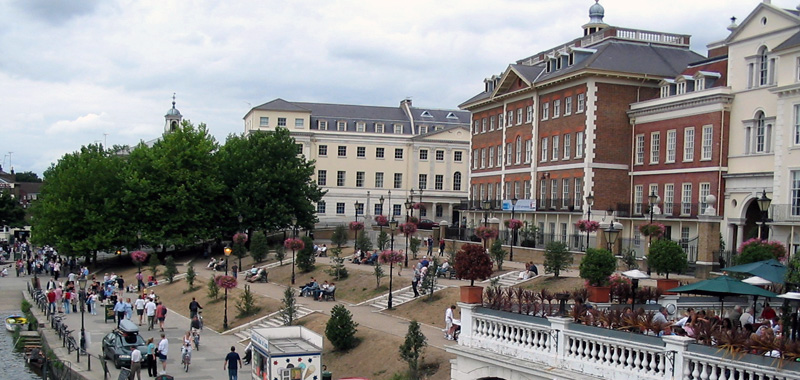
This shot of Richmond Riverside, completed in the mid-1980s near London and designed by Quinlan Terry, is on the latest edition of AVOE – A Vision of Europe. It is so lovely that I decided to post it after posting another lovely shot from AVOE of central Beirut.

I visited Richmond Riverside in 1999. Before I left for London, I looked up Richmond Riverside in guidebooks. To my surprise, one of the guides identified the development as having been built in the 19th Century. Actually, I was not surprised but instead overjoyed, because the mistake played into my fascination with new architecture lovely enough to be confused with old architecture.

Professional preservationists will cluck that it undermines the authenticity of genuinely old places when people think new places are old, too. But who cares about “authenticity”? What happens when a new place surprises the public by emerging as lovely as old places is that the whole world becomes slightly more beautiful – the reverse of when a new place is built that looks like we’ve come to expect, with regret, that new places generally look like. That is far more important than a spurious authenticity of interest only to scholars.

I will put that old Journal column on the blog if I can locate it somewhere. Check back later.

Posted in Architecture, Development, Other countries, Preservation | Tagged , , , | 2 Comments

Beauty in Beirut

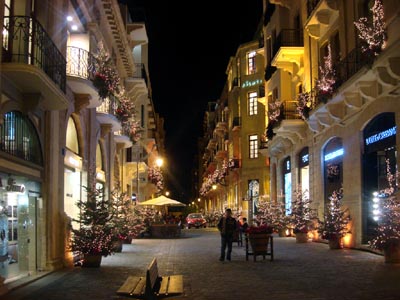
shopwindowThis photograph comes toward the end of a most beautiful website called AVOE. The site, sent to the TradArch list by Audun Engh, features the lovable urbanism that remains in Europe, and fights against modernism that has warred against beauty for decades. AVOE has been known to wander far afield to places where great civic spaces are rare, such as the United States. Here it lets us peek at the downtown shopping district of Beirut.

The Lebanese capital suffered terribly during the civil war of 1975 to 1990, and the nation’s politics remains a string of brutalities, punctuated by car bombings, but at least citizens there can try to leaven their plight with the charms of architecture. Shiite, Sunni, Maronite Christian and Druze sects so often at each other’s throats can turn civil when fanatics and their families stroll peacefully here. Beirut used to be called the Paris of the Near East, and at times perhaps the population can persuade itself that this remains the case. Classical architecture tames the uncivil breast.

The reconstruction of Beirut and its central district, heavily damaged in the civil war, has been controversial, with the corporate group Solidere superintending some excellent reconstruction and new building but also modernist junk. The photo above suggests that the best parts of Beirut flourish – physically, at least. And yet the absence of crowds may also suggest the validity of concern that the downtown is no longer truly for Lebanese but for foreigners only: When embassies in 2010 forbade employees from visiting downtown, its evening population virtually disappeared.

Posted in Architecture, Development, Other countries, Preservation | Tagged , , , , , | 1 Comment

Corbusier in Providence?

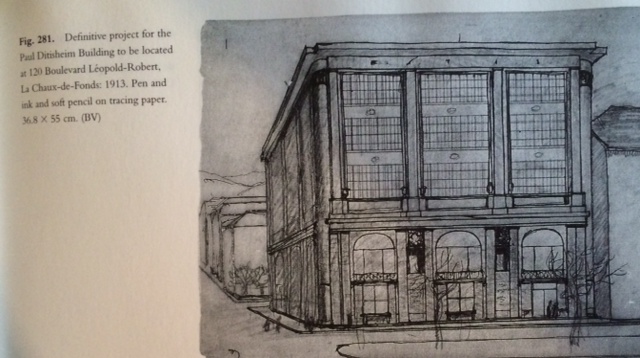
photoThis building design was sent by the famous Andres Duany – whose firm, DPZ, helped JWU masterplan its downtown Providence campus between 1994 and 2005 – under the subject line “This could have been the Johnson & Wales building.” He sent the image in response to my blog post “First on 195 land,” and the building has a certain appeal, even though, as Duany points out, it was designed by Le Corbusier – doubtless before he drank (indeed concocted the recipe for) the modernist Kool Aid.

In my blog I suggested a very general design strategy by which the architects hired by JWU could improve a tediously clichéd modernist proposal. Might I now add that I think they ought to be able to outdo Corbu?

Posted in Architecture, Architecture History, Development, Providence | Tagged , , , | 1 Comment