Fundamentally insecure

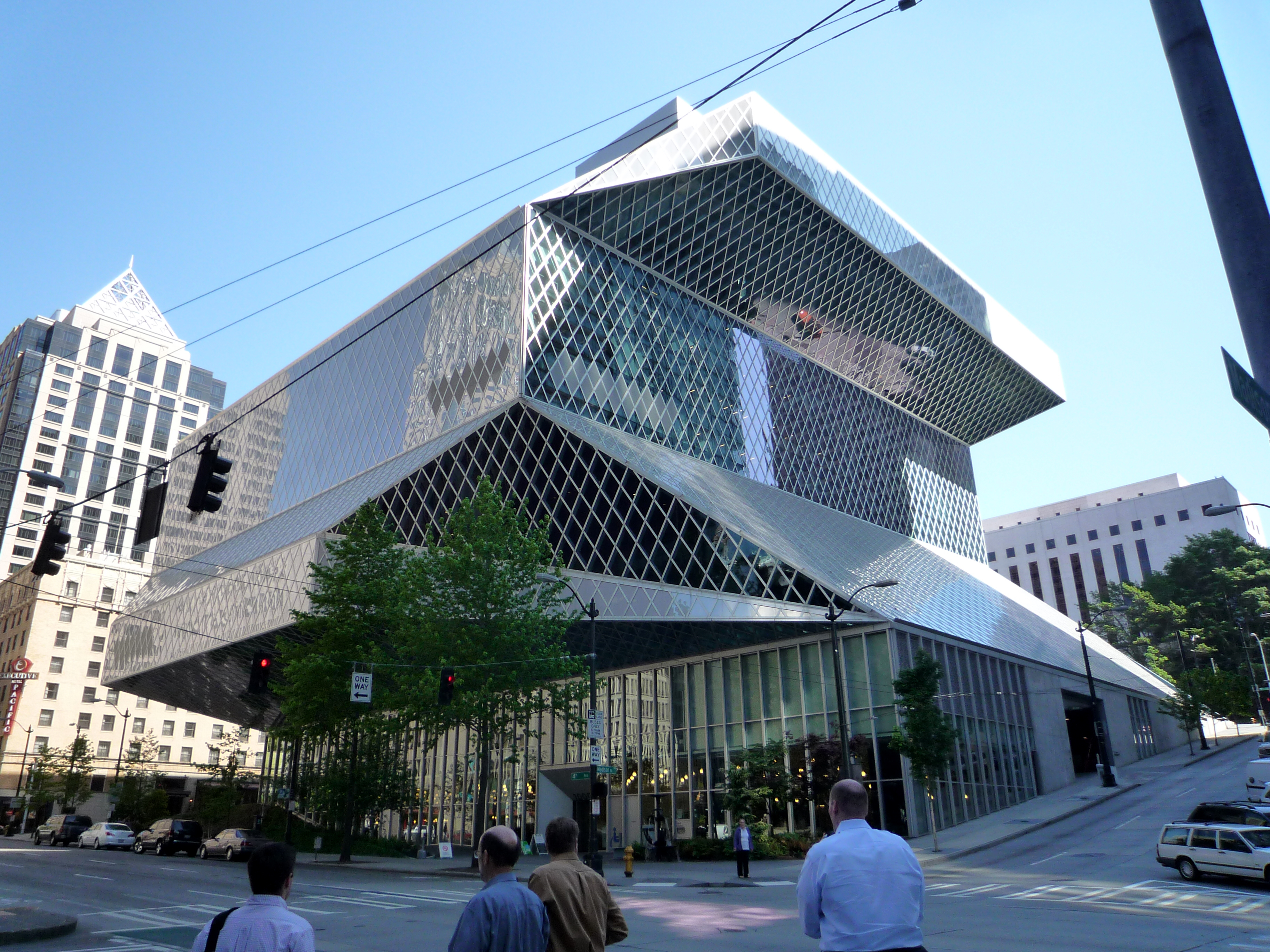
Seattle Public Library, by Rem Koolhaas. (

Seattle Public Library, by Rem Koolhaas. (geek.do206.com)

After reading my blog post on the destruction of Mecca, Nikos Salingaros sent me Chapter 9 from his book A Theory of Architecture, in which, writing with Michael Mehaffy, he describes modern architecture as a phenomenon parallel to religious fundamentalism. He uses the novel term geometrical fundamentalism to stand in for modern architecture. Henry Hope Reed, also trying to use a more astute understanding of modernism to replace the act of theft that constitutes its name, embraced the phrase Picturesque Secessionism. But modern architecture is a perverse childishness, a dangerous simple-mindedness, and through the theft of the word modern conveys unwittingly its inherent insecurity. So modern architecture should visit its psychiatrist. (After that, society should introduce modernism to its jailor.) To tease readers into the entire chapter, in which profundity vied with profundity for selection as the teaser in this blog, I offer the passage in which the concept of insecurity is introduced:

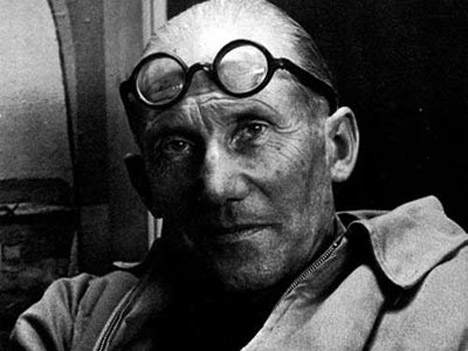
Fundamentalism in architecture is no different from religious fundamentalism. One might associate the drive to a fundamentalist belief with the need to establish an identity in the face of complexities of human culture. Those who have difficulty coping with urban complexities — as, for example, Le Corbusier — would prefer to eradicate them. His horror of and hysterical aversion to the hustle and bustle of lively street life are well documented.

 We interpret this abhorrence of complexity as the manifestation of a basic insecurity. It represents a profound lack of confidence in oneself, which would otherwise anchor a person’s psyche to human society. Without such confidence, one feels lost unless there is something else to which one can attach. Insecure persons need something stable to cope with uncertainties in their own identity. A simplistic ideal — particularly if it is of a utopian nature — offers a readily recognized alternative to the complexity of real life.  

Read the entire book.

Posted in Architecture, Art and design, Uncategorized | Tagged , , , , , | 1 Comment

Kismet, but not in Mecca

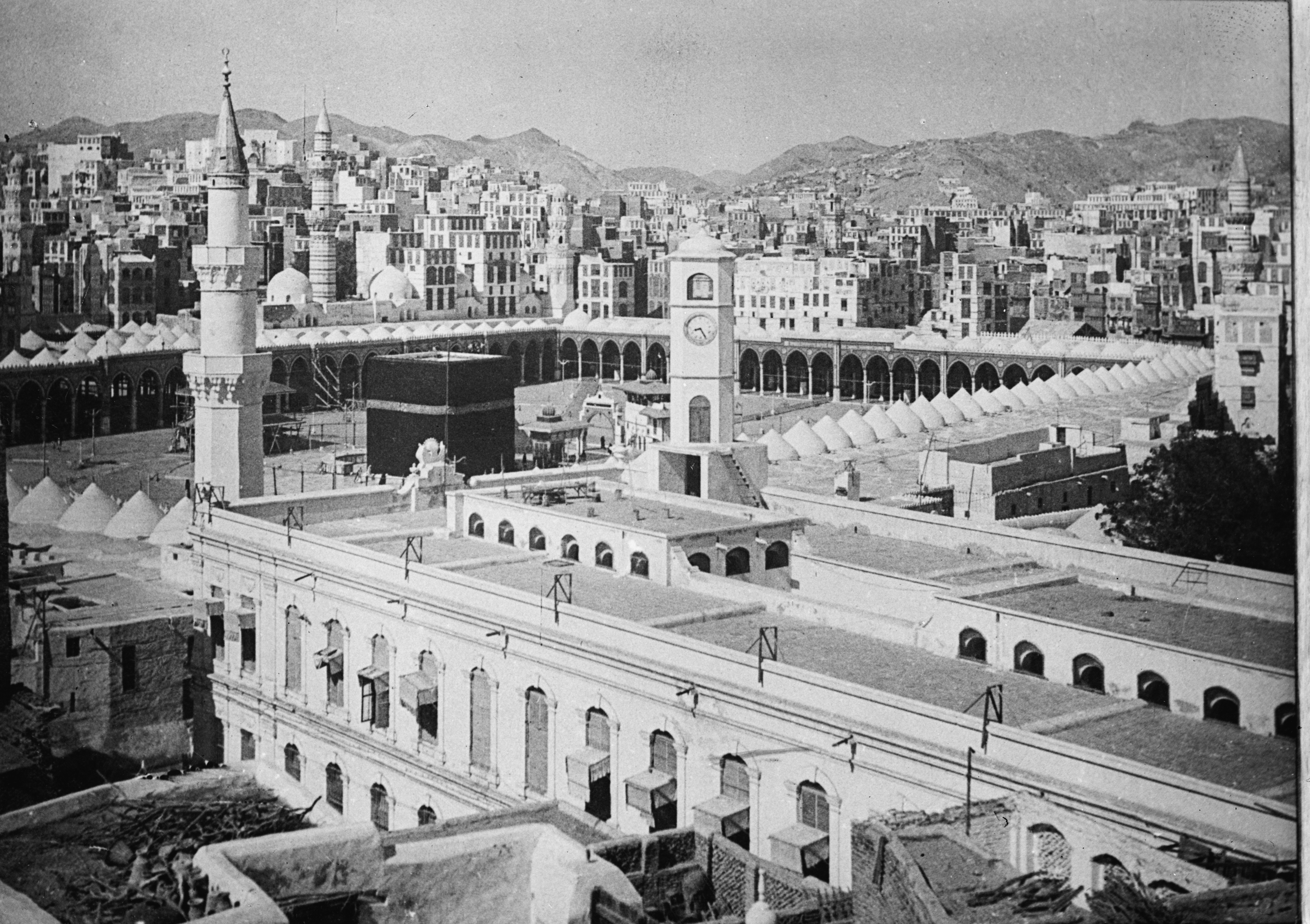
Mecca, Saudi Arabia, in 1951. (mic.com)

Mecca, Saudi Arabia, in 1951. (mic.com)

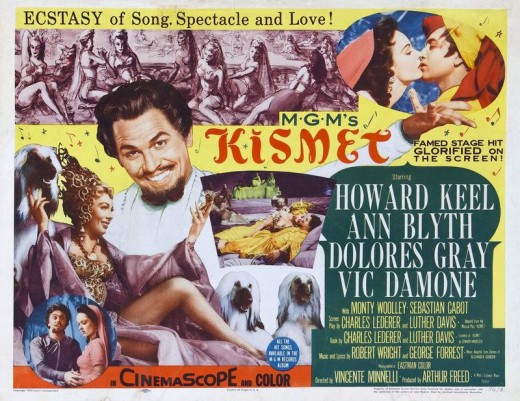
Poster for 1955 musical "Kismet." (stevelensman.hubpages.com)

Poster for 1955 musical “Kismet.” (stevelensman.hubpages.com)

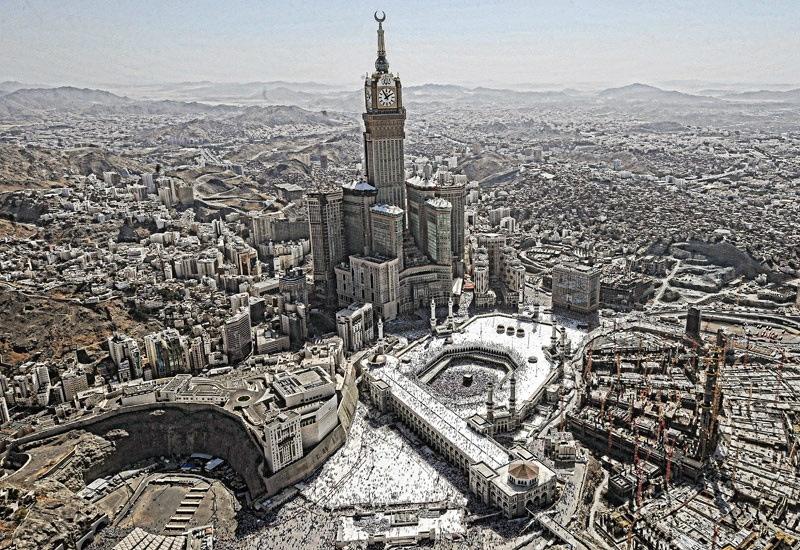
Makkah Clock Tower Hotel. (evaser.com)

Makkah Clock Tower Hotel. (evaser.com)

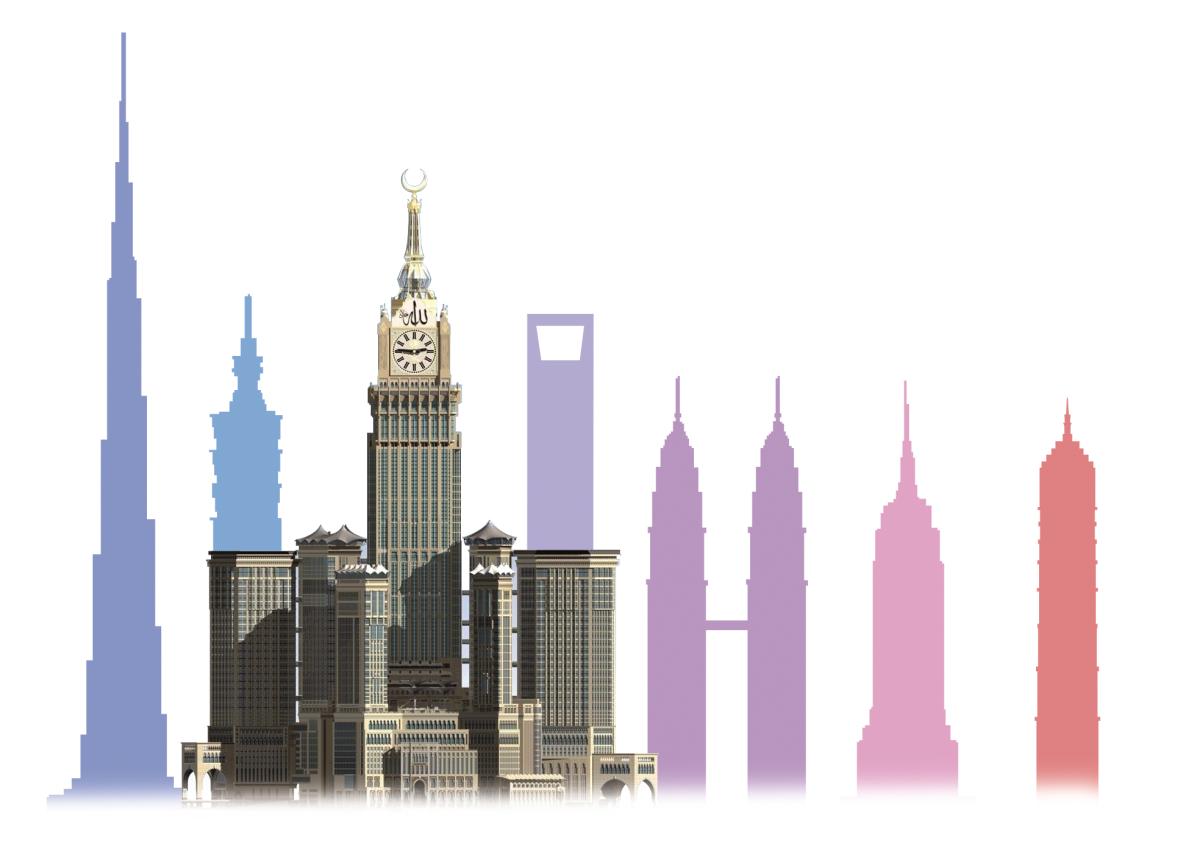
Clock Tower Hotel on chart of tallest buildings. (aaviss.com)

Clock Tower Hotel on chart of tallest buildings. (aaviss.com)

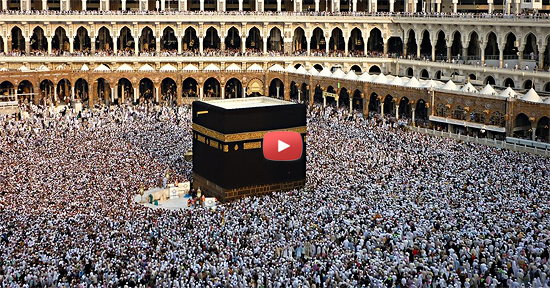
The Kaaba at Mecca. (universalfreepress.com)

The Kaaba at Mecca. (universalfreepress.com)

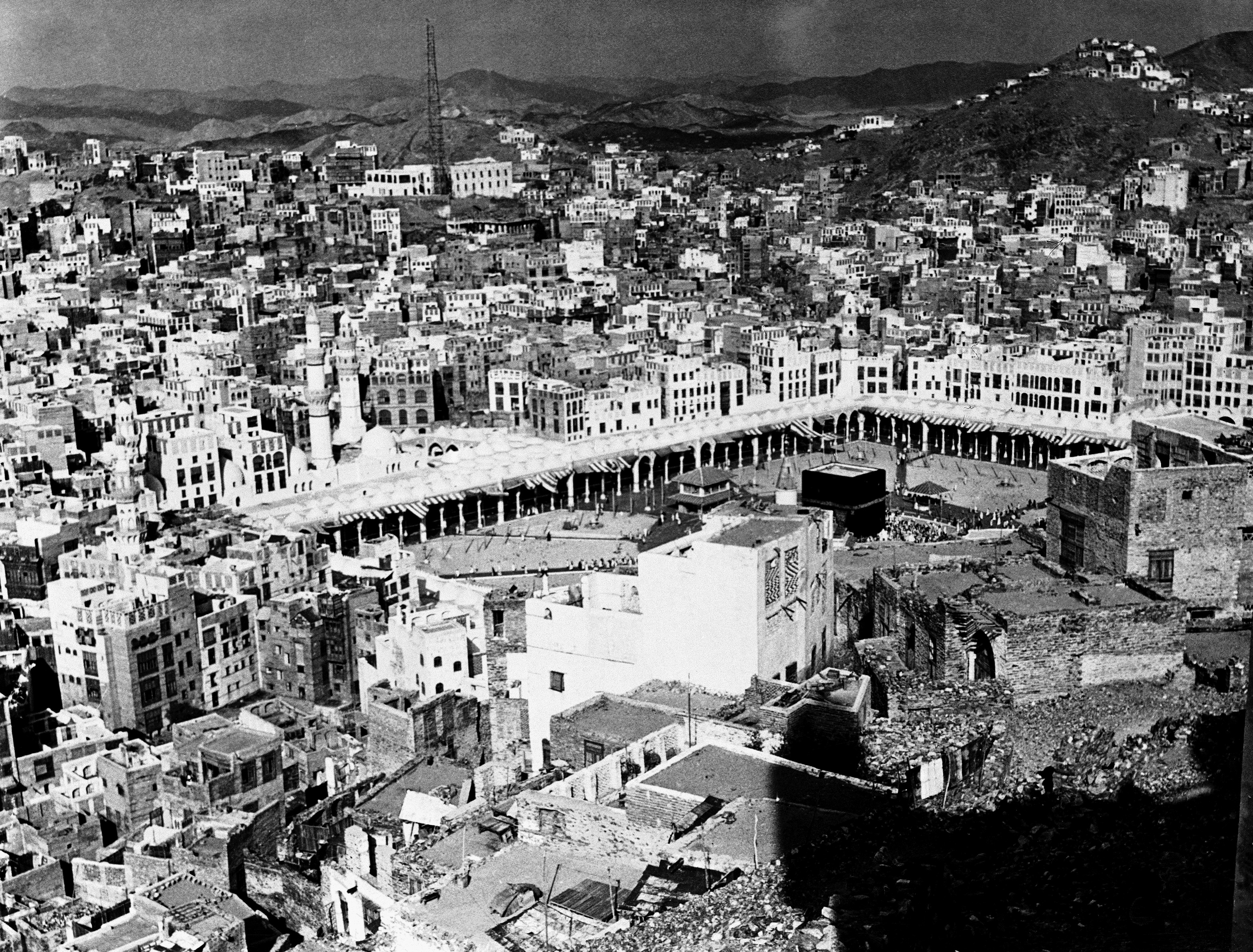
Mecca in the early '60s. (aswjmedia.com.au)

Mecca in early 20th century. (aswjmedia.com.au)

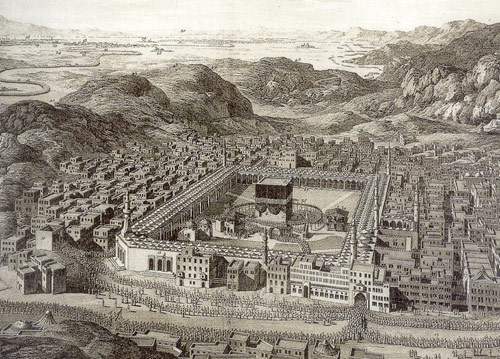
Mecca in ancient times. (socialappetizers.com)

Mecca in ancient times. (socialappetizers.com)

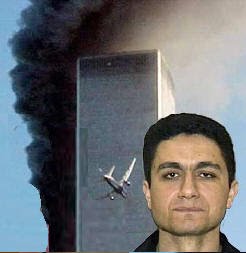
Mohammed Atta. (judicial-inc-archive.blogspot.com)

Mohammed Atta. (judicial-inc-archive.blogspot.com)

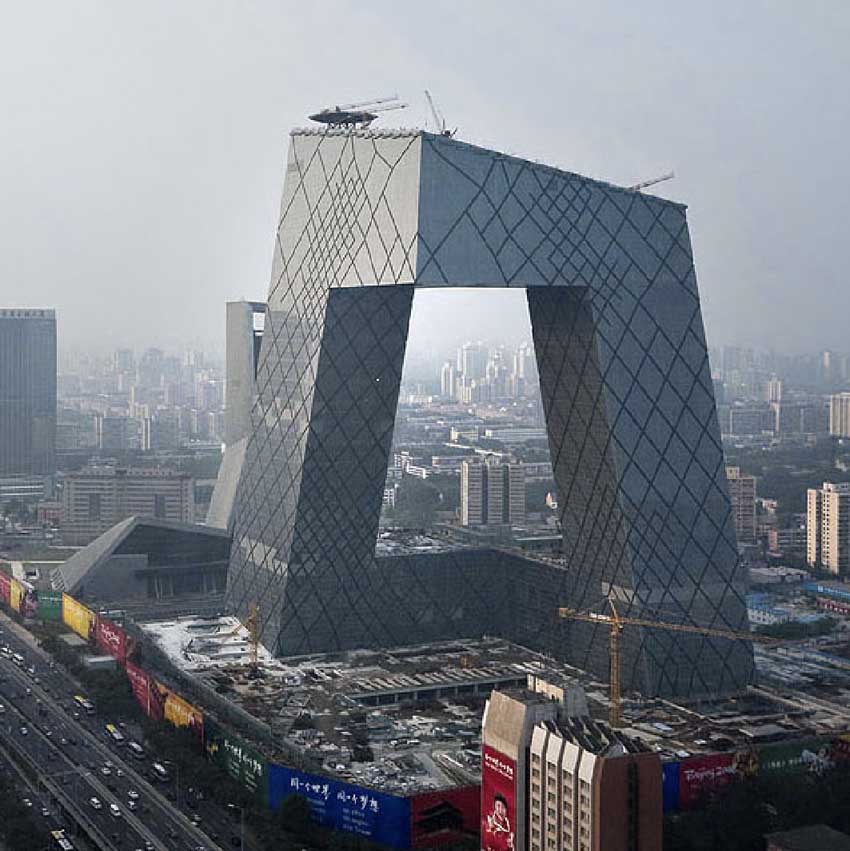
CCTV, by Rem Koolhaas. (e-architect.co.uk)

CCTV, by Rem Koolhaas. (e-architect.co.uk)

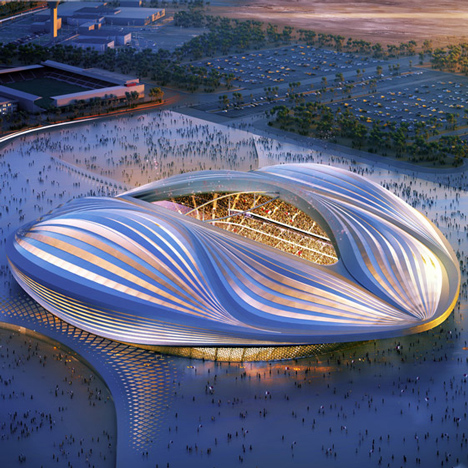
Stadium in Qatar by Zaha Hadid. (dezeen.com)

Stadium in Qatar by Zaha Hadid. (dezeen.com)

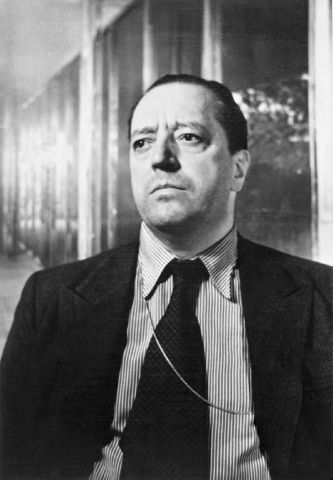
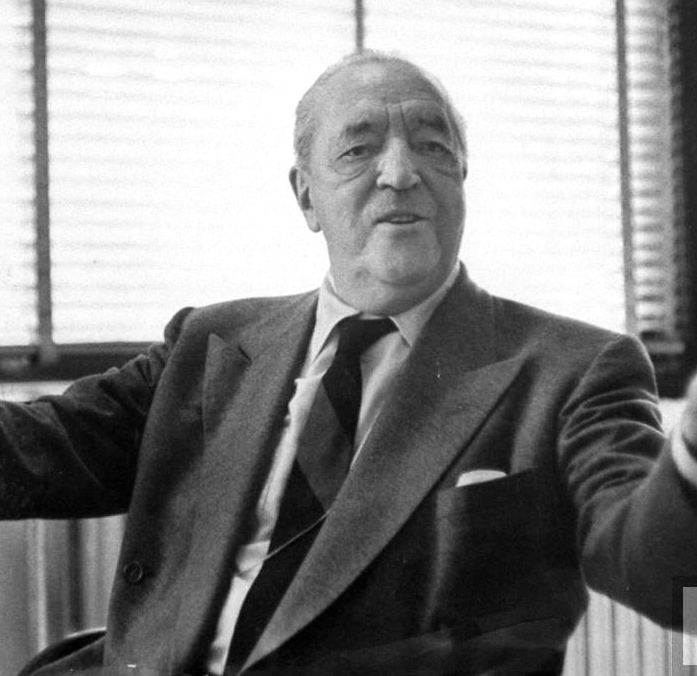
Ludwig Mies van der Rohe. (bauhaus-online.de)

Ludwig Mies van der Rohe. (bauhaus-online.de)

Le Corbusier. (terrar.io)

Le Corbusier. (terrar.io)

Philip Johnson. (hulshofschmidt.files.wordpress.com)

Philip Johnson. (hulshofschmidt.files.wordpress.com)

Kismet. A useful word. Taking a break yesterday from the authorship of a blog post on the destruction of Mecca by modern architecture, I went downstairs, made myself a peanut butter and jelly sandwich, and turned on the television.

I had no plan to address this Thursday column to the calamity in Mecca. But …

Just beginning on TV was Kismet, a musical filmed in 1955 and set in Baghdad. A poor poet is kidnapped after being mistaken for a beggar, Hajj, who has gone to Mecca. A gold-bedecked Sheba of the desert sings a song: “O! Baghdad! Don’t underestimate Baghdad!” she cries. “Our palaces are gaudier! Our alleys are bawdier!” The men all sport beards (except for a prince), but the fair sex don no headscarves, and the kasbah cavorts with so many Western stereotypes of Araby – well, it would put today’s Arab street into a Category 5 huff.

Hajj indeed! The film was so bad that I turned it off and went back upstairs. Too late. The kismet clicked, and the assault upon Mecca was too outrageous to ignore.

A New York Times piece, “The Destruction of Mecca,” by Ziauddin Sardar, author of Mecca: The Sacred City, opens by describing how Malcolm X visited Mecca in 1964 and found that it looked “as ancient as time itself.” Then he adds: “Fifty years on, no one could possibly describe Mecca as ancient, or associate beauty with Islam’s holiest city. Pilgrims performing the hajj this week will search in vain for Mecca’s history.”

Sardar describes how the historic center has been pulled down since the 1970s and replaced by what the world knows all too well: “It is part of a mammoth development of skyscrapers that includes luxury shopping malls and hotels catering to the superrich. … The city is now surrounded by the brutalism of rectangular steel and concrete structures — an amalgam of Disneyland and Las Vegas.”

The sacred places of Mecca have not been preserved. “Innumerable ancient buildings, including the Bilal mosque, dating from the time of the Prophet Muhammad, were bulldozed. The old Ottoman houses, with their elegant mashrabiyas — latticework windows — and elaborately carved doors, were replaced with hideous modern ones. Within a few years, Mecca was transformed into a ‘modern’ city with large multi-lane roads, spaghetti junctions, gaudy hotels and shopping malls. The few remaining buildings and sites of religious and cultural significance were erased more recently.”

This was not, at least not on its face, an example of Western neo-colonialism and its handmaidens, the modern architects, stomping on the culture of yet another supposedly independent nation. Sardar blames the Saudi royal family and its leading clerics: They “have a deep hatred of history. They want everything to look brand-new.”

These are the Islamic fundamentalists?

Let’s go back a decade and recall that one of the sources of anger that drove Mohammed Atta to pilot a hijacked airliner into the World Trade Center was said to be his hatred of modern architecture. One is driven by this article to wonder whether Atta should have flown not into Manhattan but Mecca.

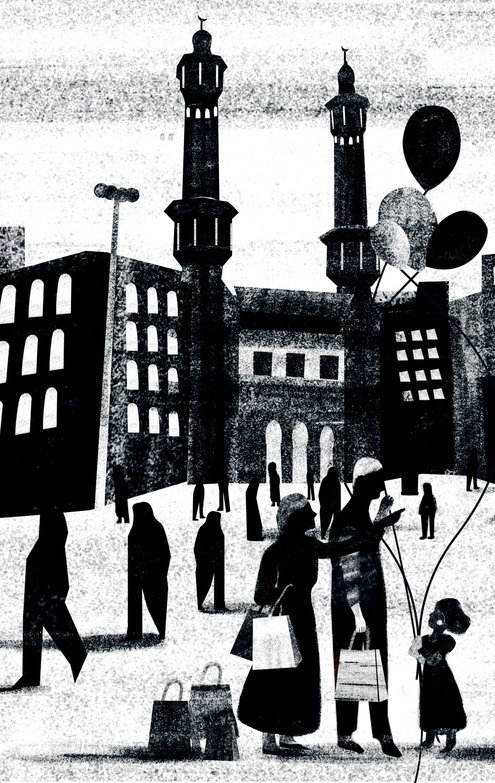
Sardar describes how the eradication of Mecca’s historic character has coincided with the transformation of the hajj, or pilgrimage, from a profound ritual into a shopping spree. I exaggerate, but not by much. Now that the “spiritual heart of Islam is an ultramodern, monolithic enclave, where difference is not tolerated, history has no meaning, and consumerism is paramount,” he writes, it should be no surprise that “murderous interpretations of Islam … have become so dominant in Muslim lands.”

It is easy, and proper, to blame this on Muslims and their leaders, but why does a supposedly fundamentalist society harbor such a “hatred of history” and “want everything to look brand-new”?

Something does not jibe here, and it is fair to wonder how much blame should be laid at the doorstep (if you can find it) of modern architecture. Its practitioners have no problem building the instruments of the totalitarian state for tyrants. Witness China’s propaganda headquarters in Beijing, the CCTV tower, designed by starchitect Rem Koolhaas to look as if it were literally stomping on the people. Zaha Hadid has designed a soccer stadium that looks like a vagina in a nation where women cannot show their faces in public. This cultural violence goes back at least to founding modernist Le Corbusier’s proposed demolition of central Paris; he proposed the same for Algiers while working for the Nazis of Vichy France. Founding modernist Ludwig Mies van der Rohe tried, with the backing of Goebbels, to get Hitler to embrace modernism as the design template for the Third Reich.

Mies, Walter Gropius and other early modernists fled the Nazis, were handed architecture plum jobs in America, and used their new power to eradicate the culture of tradition from architectural education, then from architectural practice itself. Philip Johnson, an American Nazi in the 1930s who tagged along on Hitler’s invasion of Poland in 1939, led the reinvention of modernism as the brand for a capitalism increasingly estranged from the free market. The result is for all to see.

One need not sympathize with Atta’s angst to see a connection, not coincidental, let alone kismet, between modern architecture and the biggest problems facing the world today.


Posted in Architecture, Architecture History, Other countries | Tagged , , , , , | 7 Comments

The destruction of Mecca

1001OPEDButtignol-master495

By Michela Buttignol (NYT)

Kudos to Erik Bootsma for posting this New York Times oped to the TradArch list. Written by Ziauddin Sardar, The Destruction of Mecca describes the transformation of Mecca, of all places, into a modernist hellhole – led not by Western capitalists or even their modernist handmaidens but by the Saudi royal family and its leading clerics. What is described in the piece far outstripped my understanding of how Mecca was changing. Recall (as Sardar apparently has not) that Mohammed Atta, one of the hijackers of 9/11, is said to have been motivated in part by his hatred for modern architecture. Hitler hated modernism, too, and thought it acceptable as a style only for factories. This should remind us that who loves or hates something has little bearing on whether it is good or bad. Founding modernist Ludwig Mies van der Rohe tried unsuccessfully, even with the assistance of Goebbels, to get Hitler to accept modern architecture as the design template for the Third Reich. That says a lot more about Mies and his concept of modernism than it says about Hitler. And maybe it leads us to wonder what 9/11 was really all about.

The question raised by this piece, after all is unsaid and undone, is why the supposedly fundamentalist Islamist Atta rammed his plane into New York City and not Mecca.

Posted in Architecture, Development, Other countries | Tagged , , , , , | 1 Comment

Steven Semes on Henry Reed

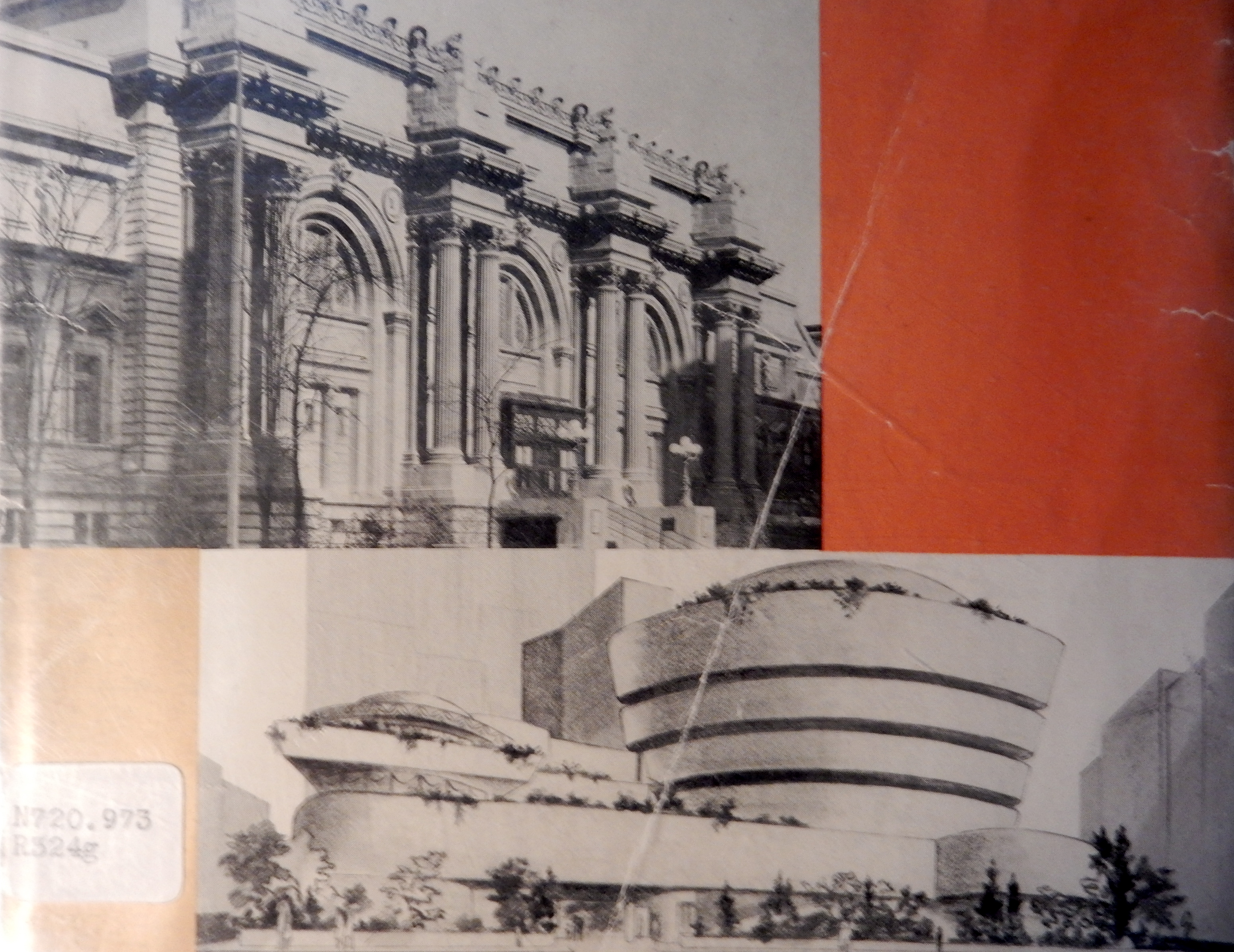
From cover of Henry Hope Reed's 1959 classic, The Golden City.

The Metropolitan Museum of Art and the Guggenheim, from cover of Henry Hope Reed’s 1959 classic, The Golden City.

Steven Semes, author of The Future of the Past and the newly appointed chairman of the new graduate preservation program at the architecture school of the University of Notre Dame, was supposed to speak at Saturday’s symposium honoring Henry Hope Reed. But even Clem Labine, founder of Traditional Building and a stable of other journals for folks with traditional taste in architecture and interior design, who basically produced the show sponsored by the Philadelphia chapter of the Institute of Classical Architecture & Art, could not arrange to pull Steve through the airline miasma following the breakdown of air traffic control in Chicago the Friday before the event.

So he didn’t show up, but his text and his slides did. They were read and shown by Francis Morrone, the architectural historian and master tour guide (following in Reed’s legacy as the latter-day inventor of city tours in the 1950s). Speaking through Francis, Steve assessed Henry Reed’s legacy. His remarks are illuminating. Steve sent them to me at my request and I reproduce them here, along with the labels for illustrations that I do not have, but which help to give structure to the text and might also be helpful to some readers of this blog who can use their imaginations to fill in for what they did not see on the screen.

So here it is:

HENRY HOPE REED’S LEGACY
Steven W. Semes
SLIDE 1. MAIN TITLE

SLIDE 2. HHR and The Classicist
All of us in this room are a large part of the legacy of Henry Hope Reed. It is my privilege to be editor of The Classicist, which is, in a sense, the successor to the volumes published by Classical America [forefather of the ICAA] from the late 1960s onward, to which Henry was a regular contributor and sometimes served as editor. From my first meeting with him in 1981, Henry had a transforming effect on my views of architecture, art, culture, and my own livelihood.  What Henry especially pressed me to do was to speak and write, starting with our collaboration on the 2001 edition of Georges Gromort’s Elements of Classical Architecture and continuing with my own Architecture of the Classical Interior. With Number 11 of The Classicist, dedicated to his memory and, I hope, generally evoking things he thought important, I have tried to offer the best tribute I could: Showing the variety and vitality of work of all kinds, at all scales, and in all disciplines that takes inspiration from the great tradition Henry lived to teach and defend.

I know that not all of what purports to be classical today would meet Henry’s high standard. But without making anyone, including Henry, the sole arbiter of what can be accepted within the tradition, we can all benefit from the unmistakable taste and discernment that he upheld against fierce opposition and widespread incomprehension. I wish to illustrate some of his concerns with examples from The Classicist and from recipients of the Arthur Ross Awards, which itself is one of the most visible legacies that Henry left us.

SLIDE 3: Ross Awards
    •    Henry founded the Arthur Ross Awards in 1982, named for the principal benefactor of Classical America and later, of the Institute of Classical Architecture [now the ICA & Art]. Some of us were there to see Brooke Astor bestow a posthumous award on Philip Trammel Shutze. The awards exemplified what Henry once advised me: Arguing with modernism was a waste of time, he said. “Show them what you’re for.”  
    •    What Henry was for included classical architecture, painting, sculpture, craftsmanship, landscape and garden design, patronage, and stewardship. The interdisciplinary emphasis is a hallmark of Henry’s vision.
    •    That program is now joined by the separate awards of the chapters of the ICAA [including the New England chapter’s Bulfinch Awards], as well as the Palladio Awards initiated by Clem Labine, and Notre Dame’s Richard Driehaus Prize and Henry Hope Reed Medal.  There seems to be no lack of prizes to encourage and celebrate new work that seeks to continue the tradition.
    •    One measure of our success is that it is not nearly so difficult to find qualified recipients as it was twenty years ago, when awards sometimes went to worthy but deceased people.

SLIDE 4. Academy of Classical Design
A glance at the winners of Ross Awards reveals Henry’s vision of the unity of the arts and the necessary collaboration of the architect, painter, and sculptor in the creation of classical settings. While this alliance is still not the norm, there have been significant developments:
    •    There is a strong revival of interest in classical painting and decoration.
    •    Consider the Academy of Classical Design, one of a number of schools in the field, though the Academy is distinctive in the importance given to mural decoration and coordination with architectural settings.
    •    The curriculum follows the methods championed by Pierce Rice and Henry Reed, emphasizing drawing and painting from the cast, making copies of acknowledged masterworks, and rising to the challenge of decorating architectural spaces.

SLIDE 5. Mims ornament
    •    Jeffrey Mims is director of the school, which he founded after winning the Arthur Ross Award in 1984. Mims has championed the grand tradition of figurative mural painting and architectural decoration with great fidelity to the ancient formal language and a fresh eye for design and detail.

SLIDE 6. Leonard Porter
    •    The ICAA’s own Leonard Porter (Ross Award 2006) has continued to produce large-scale mural paintings, mostly in religious settings, rooted in the classical tradition of historical and allegorical representation, but also sensitively coordinated with the architectural setting.

SLIDE 7. Tuskaloosa
    •    Murals were commissioned for the new classical Federal Building in Tuscaloosa, Alabama, designed by HBRA Architects of Chicago (whose principal, Tom Beeby, received the Ross Award in 1992, while the project itself was recognized in 2012.
    •     The paintings represent important moments in the history of the region. Henry would certainly have approved the way the architects created a suitable setting for the artists’ work in the main public interior space.

SLIDE 8: Mayernik at TASIS
Not all decorative painting is indoors. My Notre Dame colleague David Mayernik (Ross Award 1987) has been working for the last 18 years on The American School in Switzerland, near Lugano, where he has not only designed the buildings but executed a series of allegorical mural decorations on the building exteriors, maintaining a tradition of painted facades stretching back to the Renaissance.

SLIDE 9: Sandy Stoddart
    •    The great Sandy Stoddart (Ross Award 2001) continues to create heroic public sculpture in an architectural setting and at a variety of scales, from the Millennium Arch in Atlanta to 33 New Bond Street in London, designed by George Saumarez Smith of ADAM Architecture. Henry greatly admired Sandy’s work and, thankfully, he is not alone, with a growing number of artists pursuing classical sculpture.

SLIDE 10: Patrick Webb
    •    Henry was always a vocal supporter of the crafts-men and -women on whom the architect’s art depends for realization. Indeed, one of the greatest harms of modernism was its deliberate destruction of the traditional crafts and construction trades, after which architects would cynically ask “Where are the craftsmen?” Well, they’re back!
    •    Several important training programs promote the crafts and decorative arts, which are rebounding in both restoration and new construction.
    •    One example: Patrick Webb is a skilled worker in decorative plaster and a teacher of classical design at the American College of the Building Arts, in Charleston, one of a growing number of programs aimed at reviving and extending these essential skills.

SLIDE 11: Ornament from Terry and Simpson
    •    Henry never stopped insisting on the role of ornament in the arts: He liked to quote George Santayana: “A building without ornament is like the heavens without the stars. An architecture without ornament is no architecture at all.” Here progress has been more modest, though there is growing interest in ornamental design. We can cite Quinlan Terry (Ross Award 2002), John Simpson (2008), and Robert A. M. Stern (1991).

SLIDE 12: Schwarz in Nashville and Charleston
And this year’s Ross awardee for architecture, David Schwarz, has a particular interest in designing non-canonical but appropriate capitals, based on classical models and incorporating local imagery.

SLIDE 13: MGLM Architects
    •    A host of younger designers are picking up the challenge, like Notre Dame alumni Matthew and Elizabeth McNicholas of MGLM Architects in Chicago, or painter Steve Shriver in Los Angeles.
    •    Henry would tell us architects to shed our Neoclassical severity and abandon our fear. We still have some work to do on this front.

SLIDE 14: Henry’s Washington Proposal from The Golden City
    •    Another legacy flows from Henry’s vision of urbanism.
    •    Henry, whom Leon Krier called “the greatest American,” is an important if insufficiently recognized precursor to New Urbanism. For half a century he combatted the destruction of the historic city by the Modern Movement, and articulated a humanistic and progressive vision of urban life and culture.
    •    His 1959 book The Golden City includes a plan for urbanizing Washington’s Federal Triangle.
    •    Henry imagined the site not as the monumental office park it is today, but as L’Enfant intended: a lively and walkable urban district of mixed-use buildings, ground-floor businesses and restaurants, theaters, even an opera house, with offices and housing above. Monumental classicism and the vitality of urban life need not be mutually exclusive, as any visitor to Paris or Rome can attest.
    •    And Henry’s discussion of urban issues is socially progressive, especially in the political and social context of the 1950s.

SLIDE 15: Henry and the Walking Tours
    •    Henry’s New York City walking tours, inaugurated in the early 1950s, revealed that the success of a city street is a concrete experience in which the architectural and urban scales work together to provide a setting for people on their feet.
    •    At this point Henry might say, “All very well, but New Urbanism without Classical architecture is a mere cul-de-sac.” And indeed he would be right. Good urbanism is not enough, but must be supported by the beauty of buildings raised on the urban plan.
    •    Nonetheless, his contributions in the field make him one of the most important urbanists in the post-war period, and that influence has real impact on our cities today.

SLIDE 16: Preservation
    •    While he consistently listed his profession on his CV as “writer,” Henry was often identified as a historian or preservationist — titles he rejected because he dismissed art historians who valued architecture only if it appeared to lead to Modernism.  He was equally skeptical of preservationists, especially when they promoted modernist additions and infill.
    •    Many preservationists remain insufficiently respectful of the classical heritage, including that of the twentieth century, and still tend to deny the appropriateness of new traditional design in historic settings — but these attitudes are changing.
    •    Modernist “contrast” in additions to historic buildings or infill within historic districts no longer goes unquestioned, and new traditional construction is becoming more common in historic settings, though often not without a fight. There is real debate in the field for the first time in decades. This is promising.

   •    I am proud to announce that a new graduate degree program at Notre Dame, which I have been asked to direct, will take as its mission precisely this issue of continuity between historic and contemporary design in historic settings. I think this is one more accomplishment of Henry’s legacy. [Nor will this appointment end his annual six-month sojourns in Rome!]

SLIDE 17: Portrait of a realist
    •    Finally, I want to underscore Henry’s realism, what another of my mentors, Jaquelin Robertson (Ross Award 1995), would call his “tough-mindedness.”  Henry’s commitment to the classical was not nostalgic or sentimental, but aspirational. And that made it difficult for him to be a cheerleader for what he saw as a very imperfect revival.
    •    In 1981, Henry wrote: “True, the tradition has lately found some acceptance. But the acceptance must be treated with caution. The word ‘classical’ is what has been made current rather than the tradition itself. In giving new life to this, the main current of Western art, we have a long way to go.” Three decades later, we still have a long way to go, although we can also take some pride in our accomplishments.

SLIDE 18: Education
    •    Perhaps the most important is education. The Institute of Classical Architecture & Art, successor to Classical America, continues its education programs in New York, and around the country. The University of Notre Dame has been joined by the University of Colorado at Denver, the Prince’s Foundation, and several other institutions. The pages of The Classicist are filled with the work of scholars, practitioners, artists, and students seriously pursuing classical themes. I’m especially proud of two of my former students who produced this thesis and are now entering professional practice. The torch of tradition is being passed, the flame has not gone out.

SLIDE 19: The Laureate
    •    Would Henry be thrilled with every painting or architectural design produced today under the label of “classical”? Of course not, but I am sure he would be encouraged by much of it. In any case, almost none of it would have happened without him, and so a legacy can be productive even in unexpected ways and whether of not the donor and the beneficiaries are aware of it.
    •    While Henry himself was seldom given to praising contemporary work and was notoriously critical even of his own protégés, his faith in the tradition never faltered. I remember his words upon receiving the laurel crown on the steps of Andalusia from the Philadelphia Chapter of Classical America in 1996. Henry said, “What human beings have done well once, they can do again.”
    •    Henry’s legacy is, ultimately, the people in this room, our colleagues elsewhere, and the students and young practitioners we try to teach and inspire. I think it is not for nothing that Henry’s middle name is Hope.

SLIDE 20
    •    Thank you.

Posted in Architecture, Architecture Education, Art and design, Preservation | Tagged , , , | Leave a comment

Henry Reed’s Philadelphia II

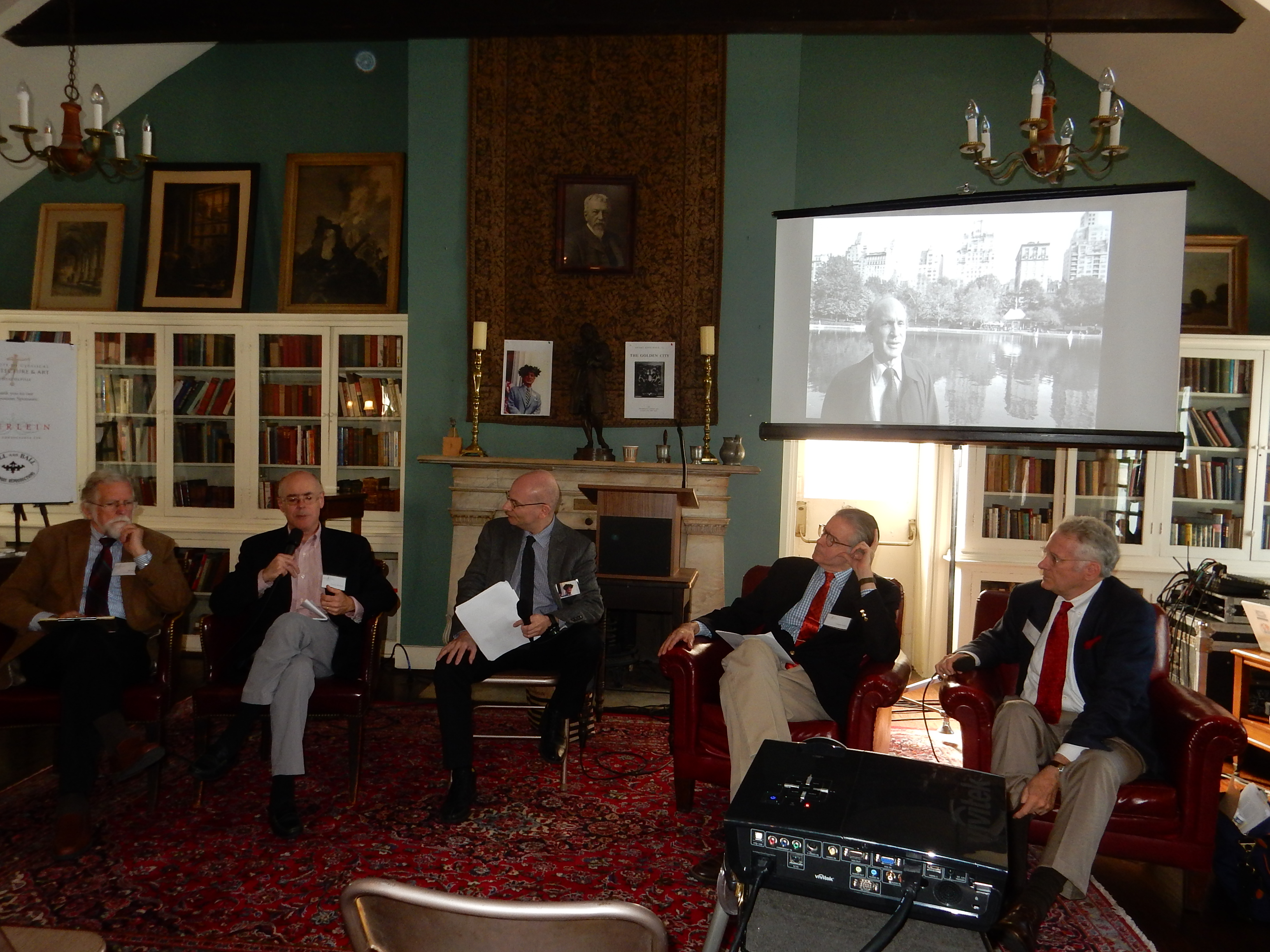
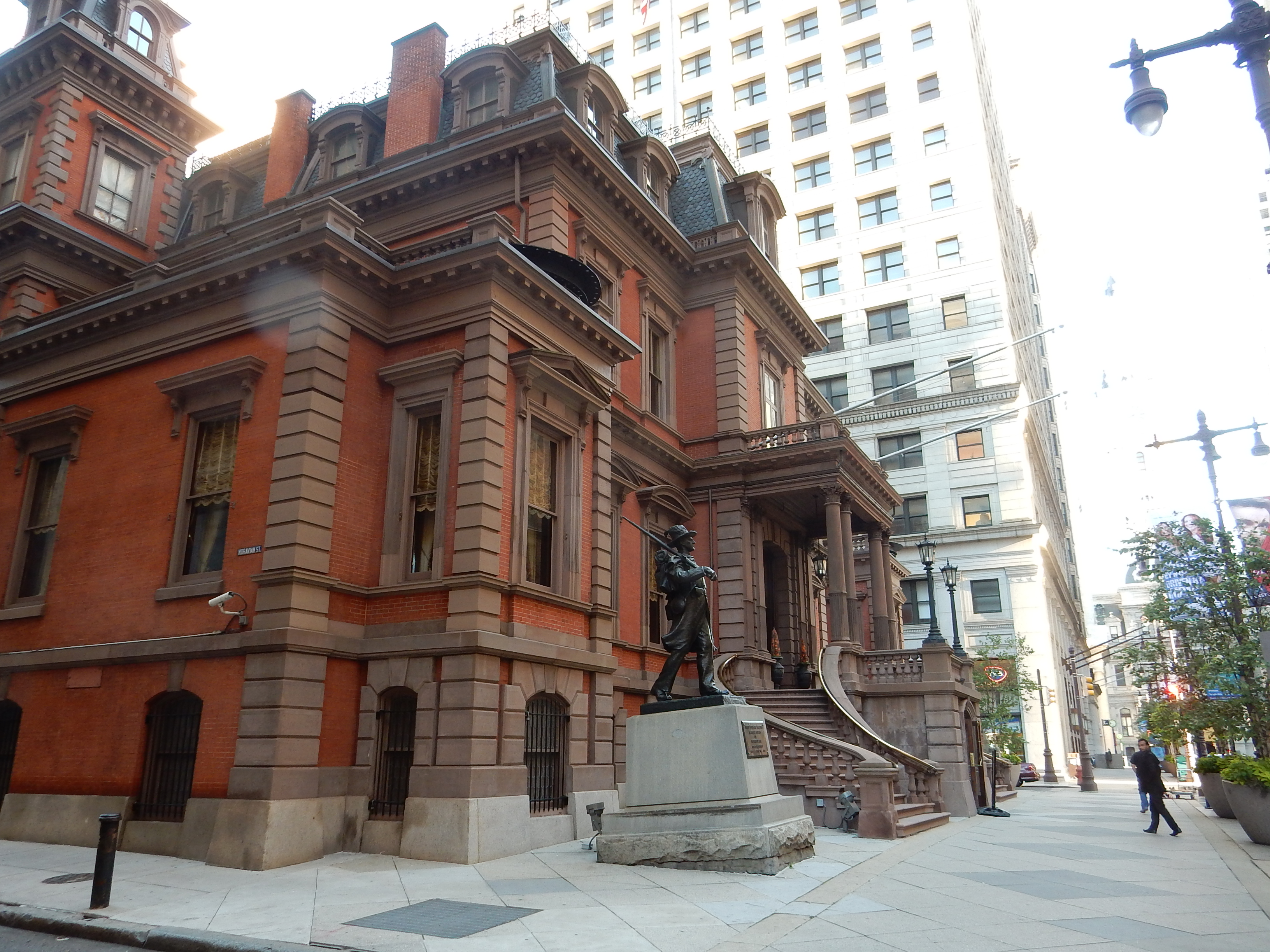
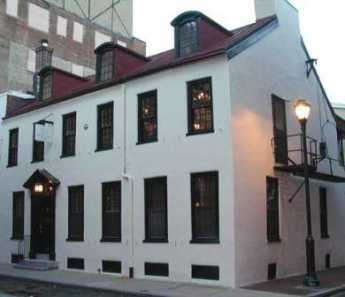
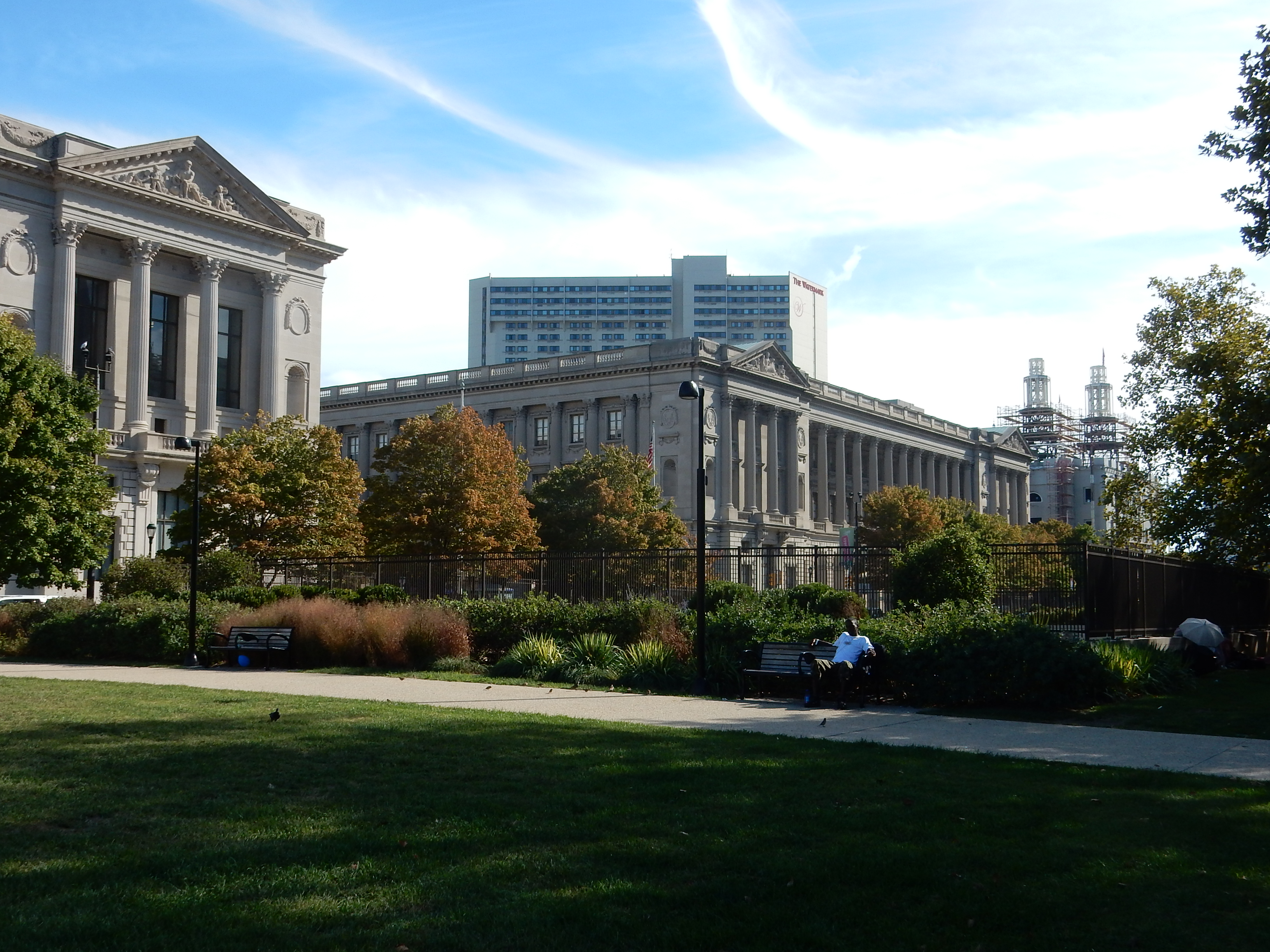
DSCN4098Here are more shots from Philadelphia, not all of which will be strictly to the taste of Henry Hope Reed, the honoree of a symposium held at the Franklin Inn Club there on Saturday. The photo above shows the late Henry Reed in the laurel wreath, hanging on the wall. Panelists Alvin Holm, Francis Morrone, Seth Weine (moderator, beneath bewreathed photo of HHR), Catesby Leigh and Milton Grenfell mull HHR’s legacy. Savvy readers might find the decor in the photo of the club room useful to deduce which of the photos below – no kibitzing, Philadelphians! – depicts the exterior of the club, on South Camac Street in the Center City. Ruminations on the symposium’s content coming up soon.

DSCN4012 DSCN4015 DSCN4019 DSCN4028 DSCN4052 DSCN4113 DSCN4083 DSCN4087 DSCN4160 DSCN4162 DSCN4167 DSCN4172 DSCN4174 DSCN4177 DSCN4188 DSCN4199 DSCN4216Oops!

DSCN4221DSCN4276DSCN4279DSCN4293DSCN4307DSCN4313DSCN4318DSCN4330DSCN4314DSCN4345DSCN4352DSCN4353DSCN4358DSCN4360DSCN4363DSCN4377DSCN4389DSCN4399

Posted in Architecture, Art and design, Photography, Urbanism and planning | Tagged , , , | 1 Comment

Henry Reed’s Philadelphia

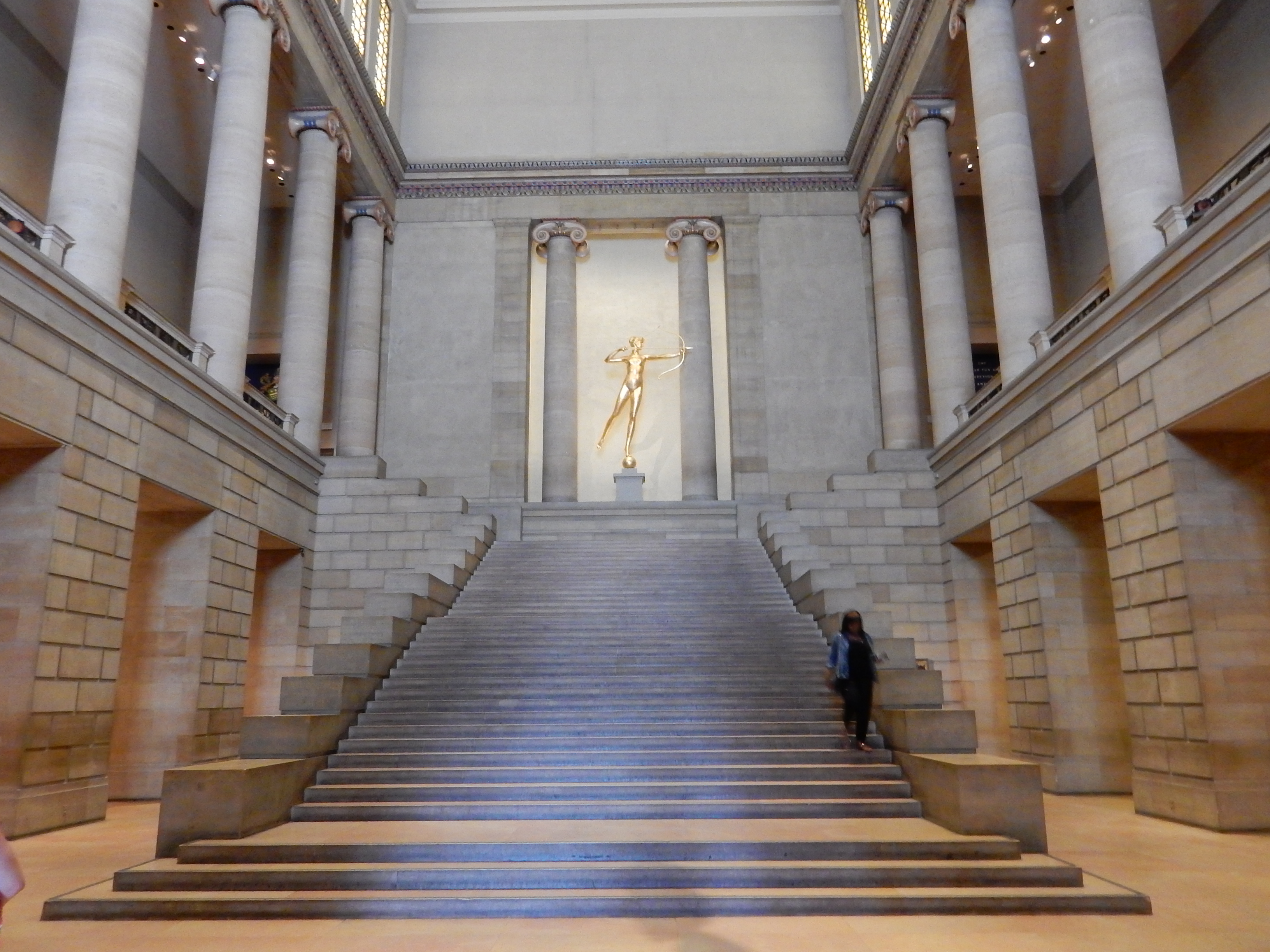
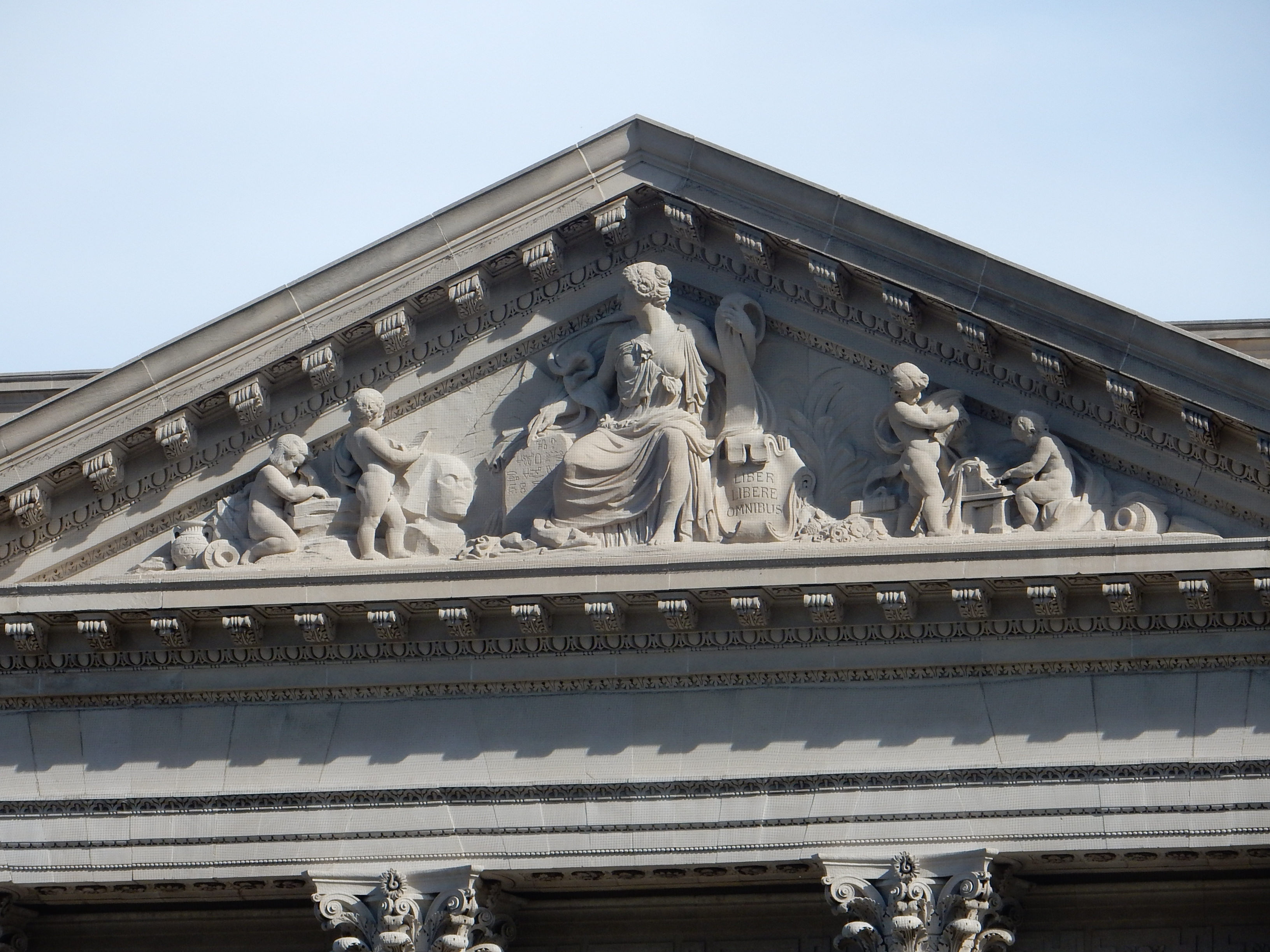
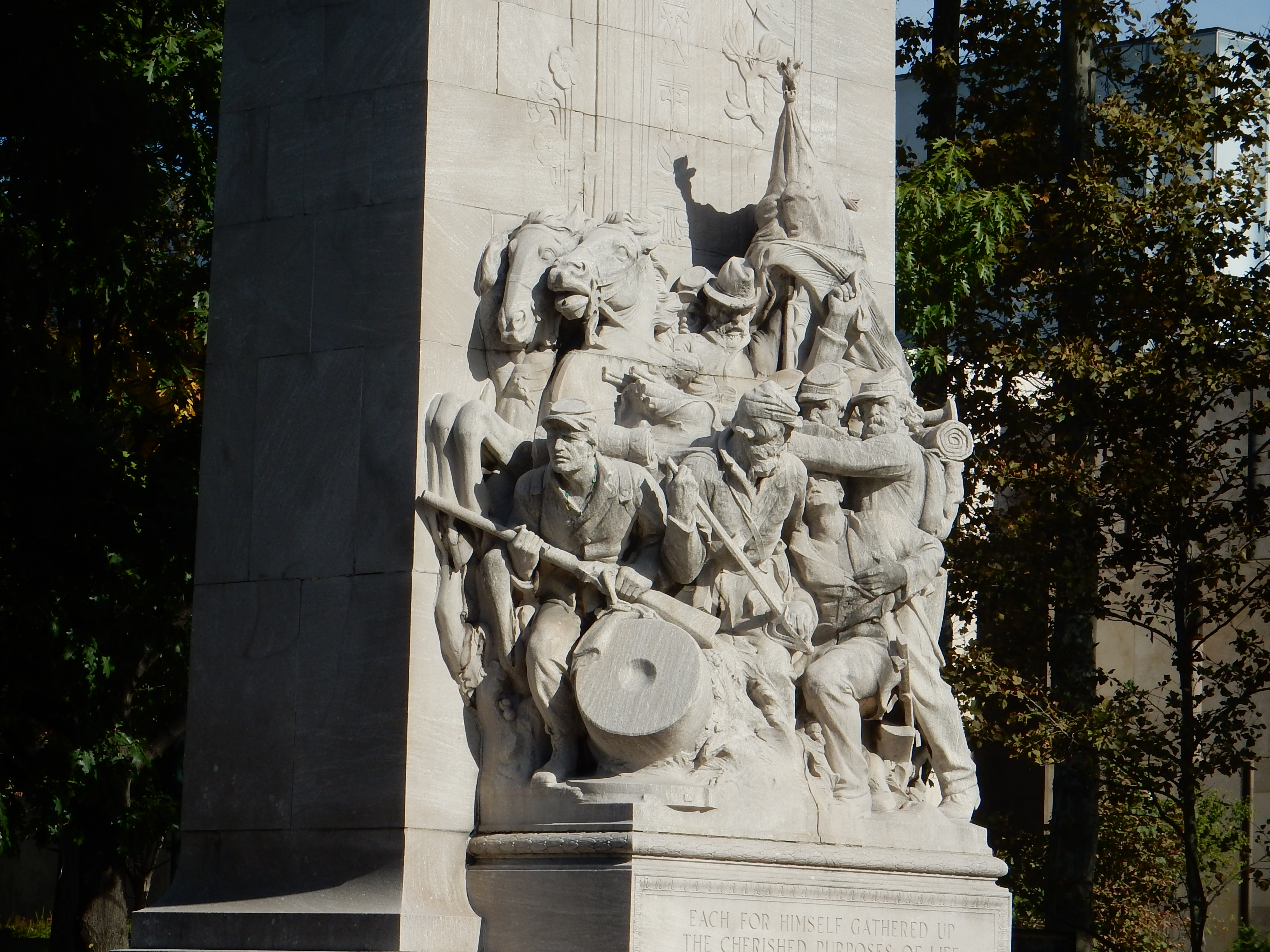
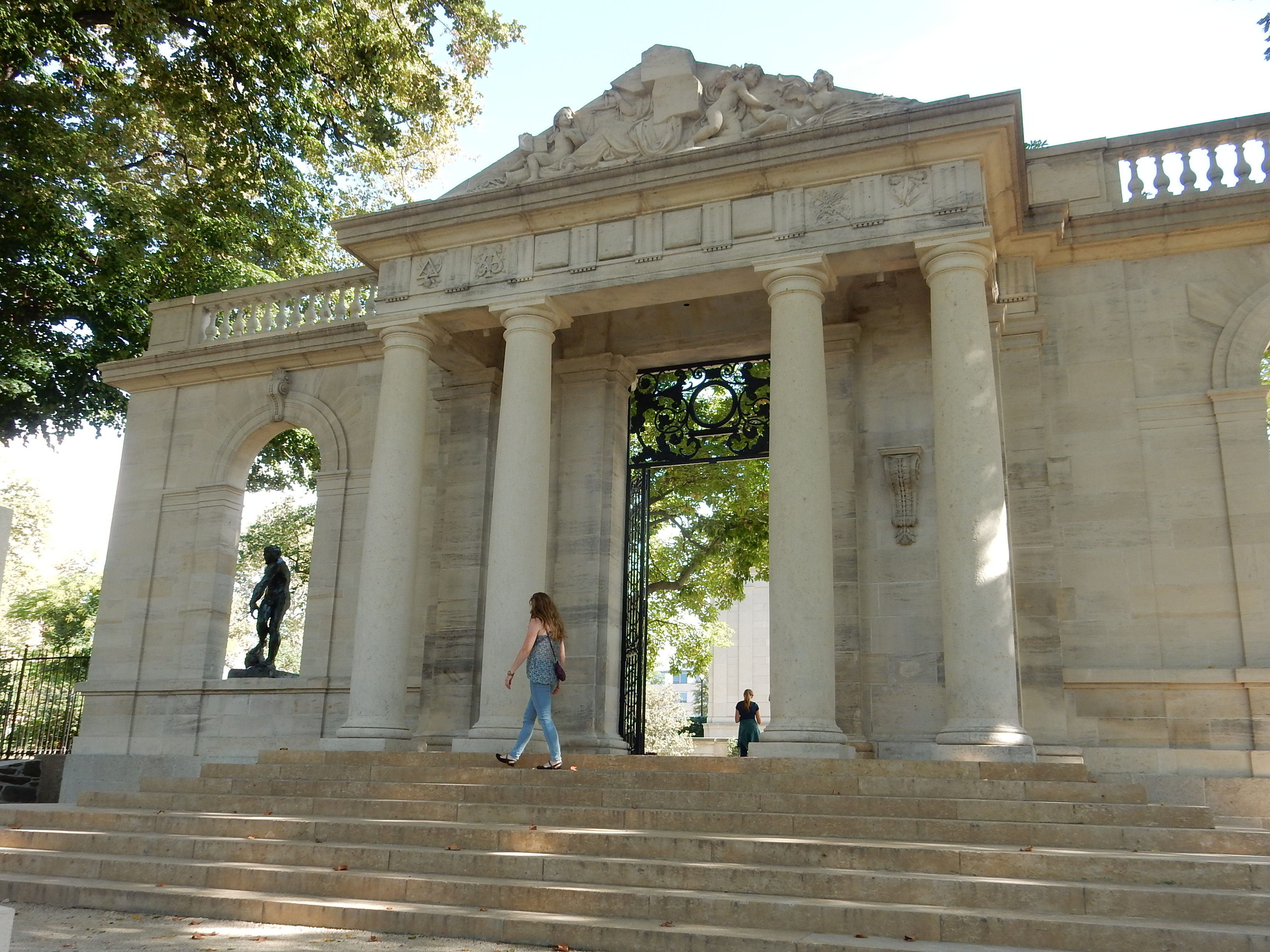
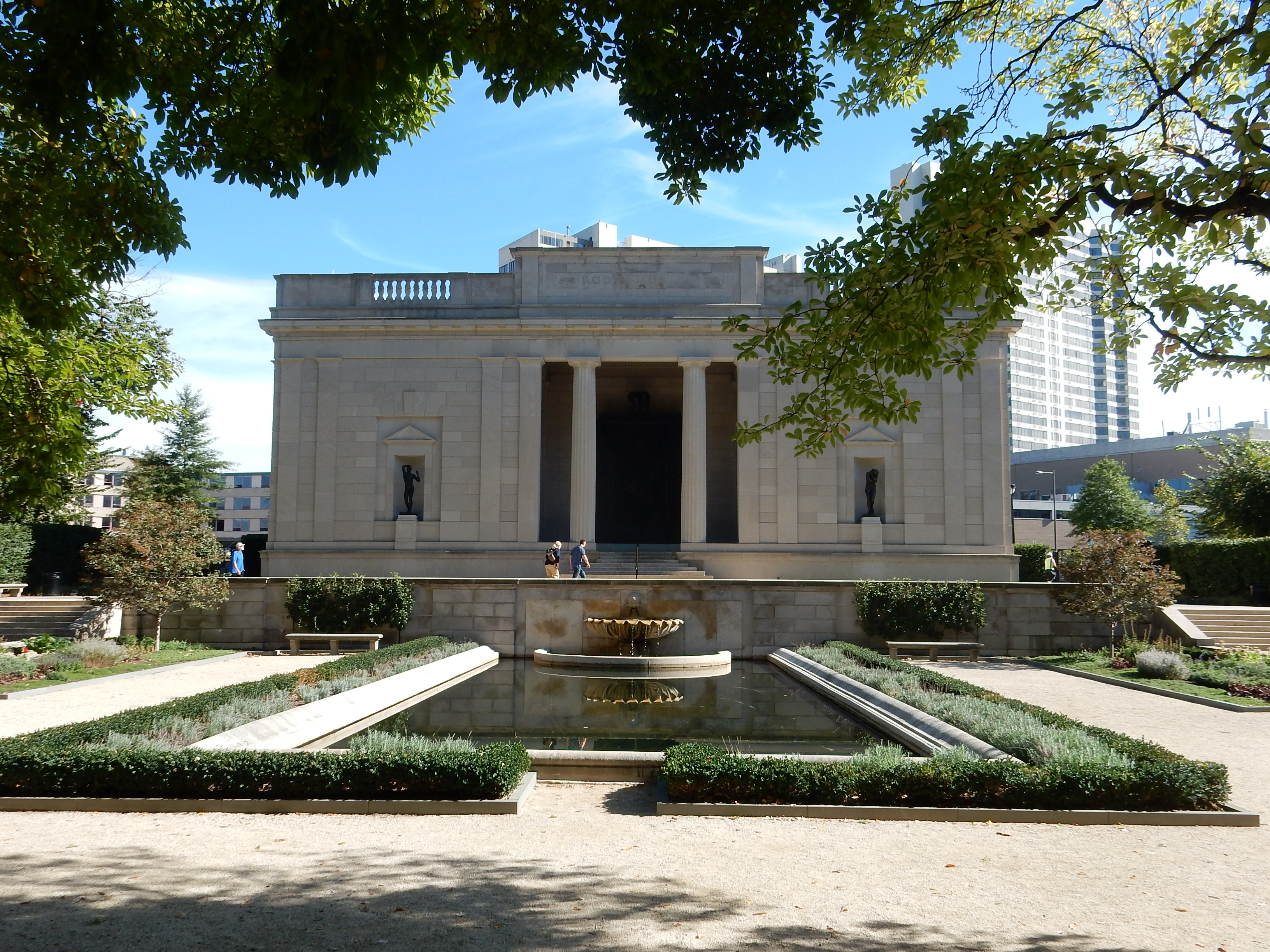
The Goddess Diana ("The Huntress), symbol of the ICAA, at the Philadelphia Museum of Art. (All photos by David Brussat)

The Goddess Diana (“The Huntress), symbol of the ICAA, at the Philadelphia Museum of Art. (All photos by David Brussat)

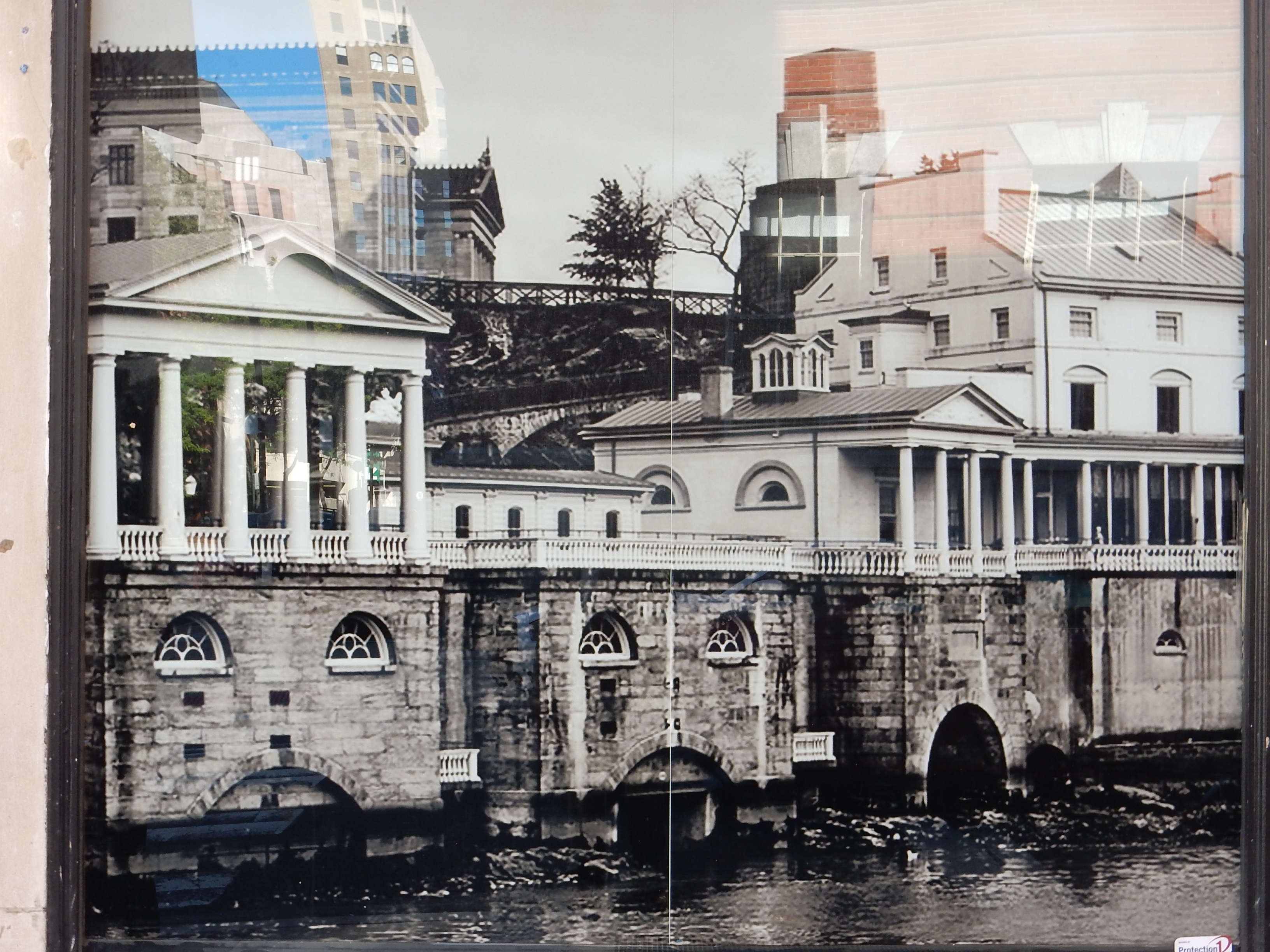
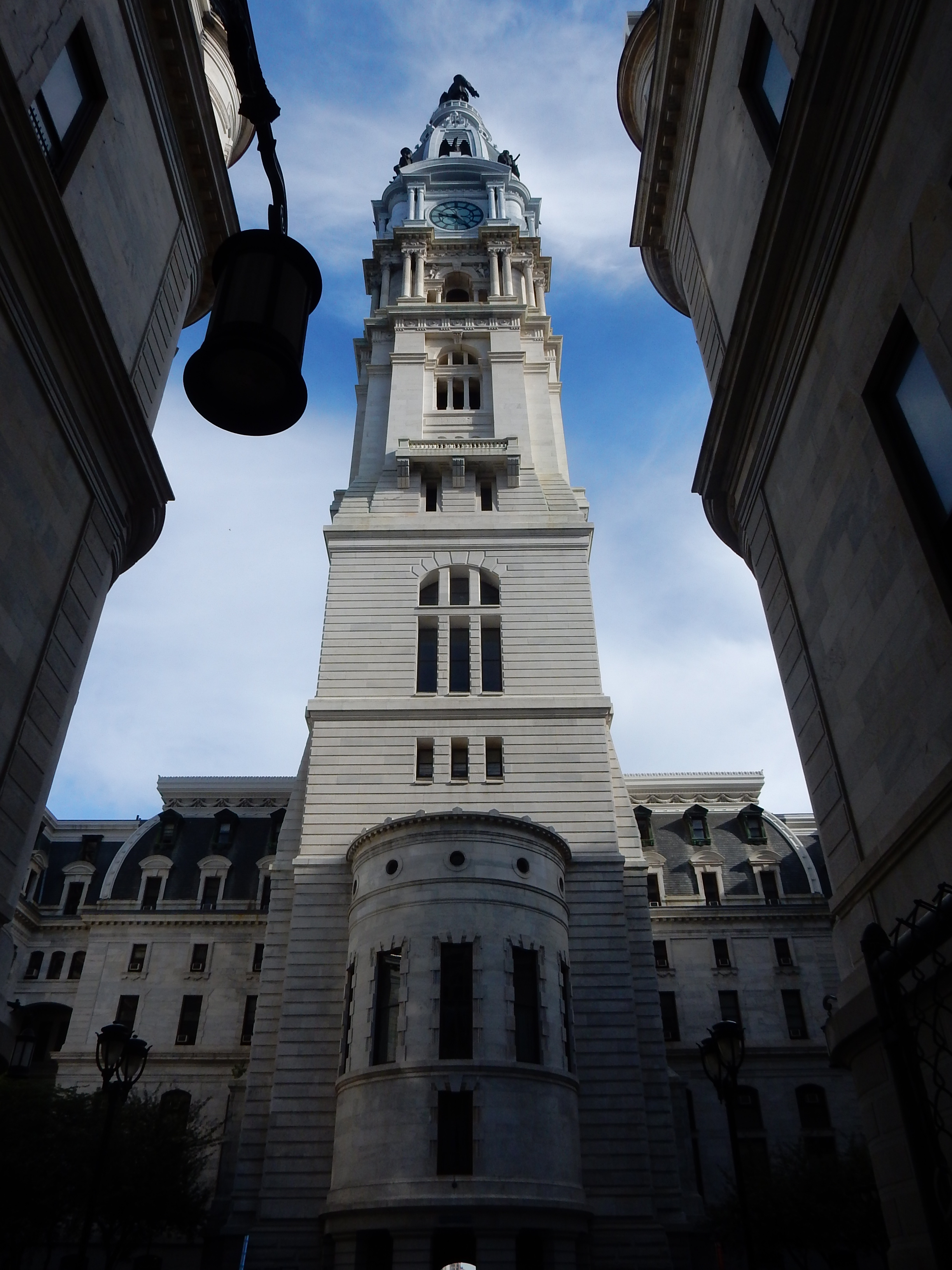
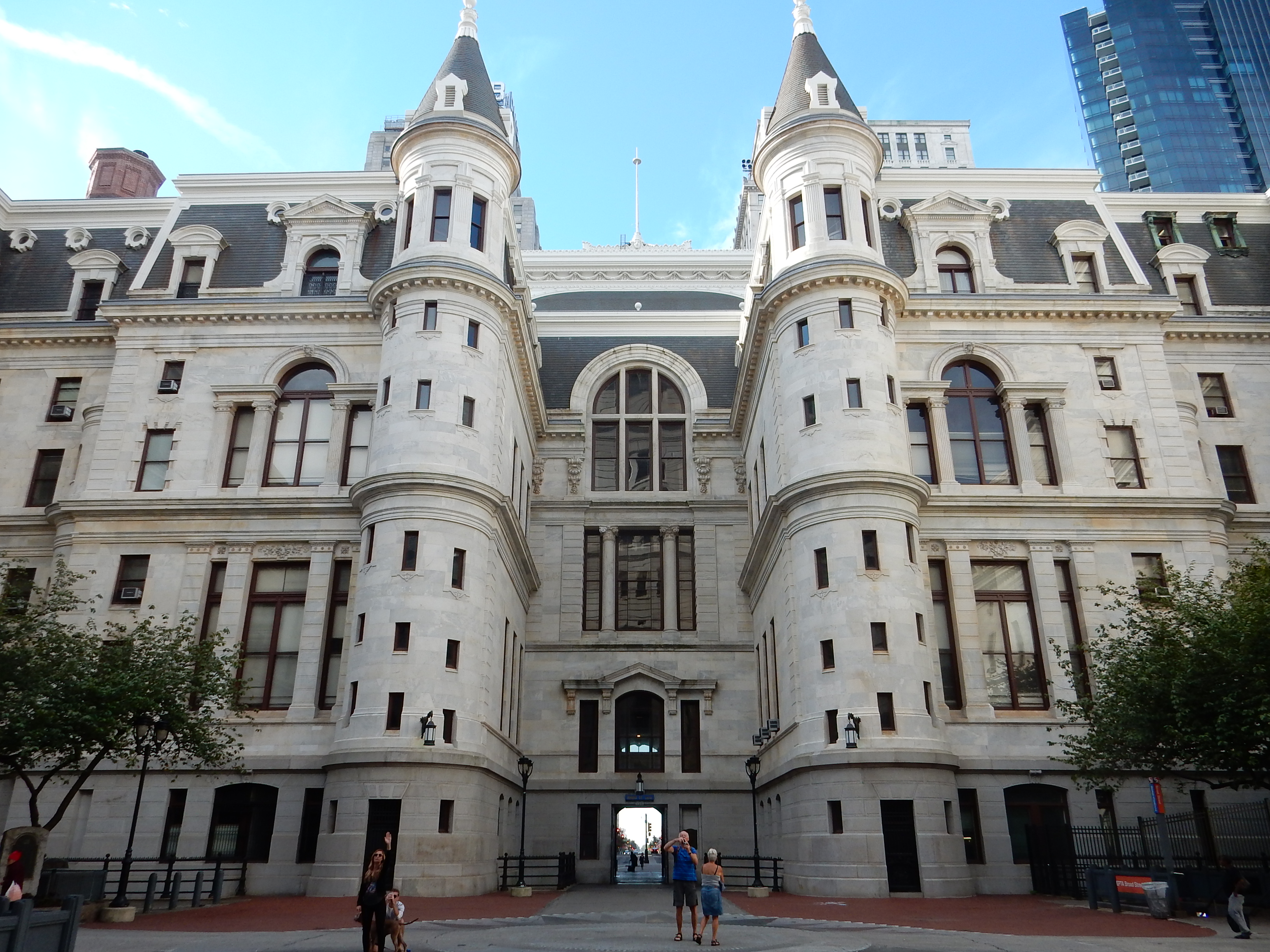
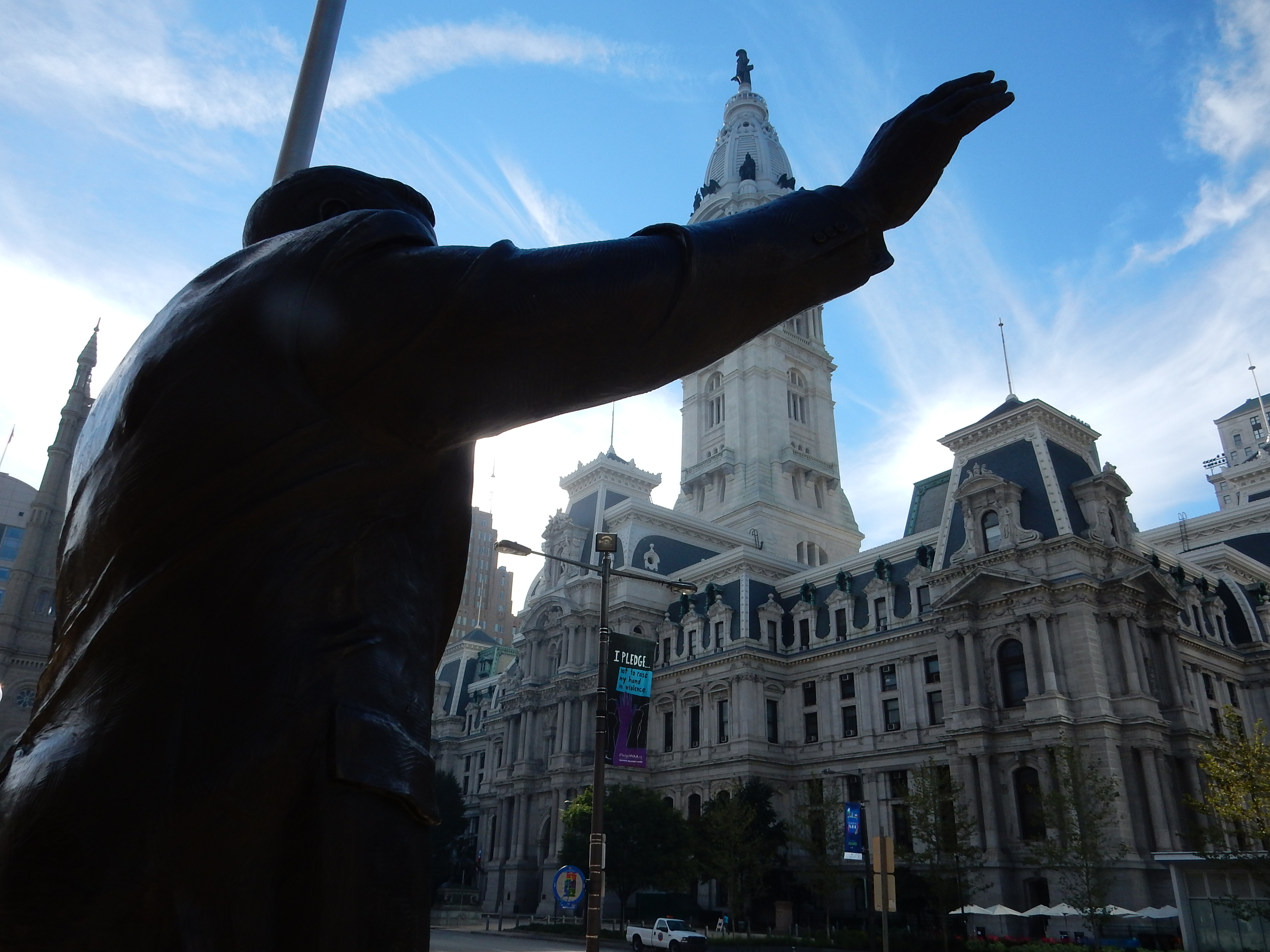
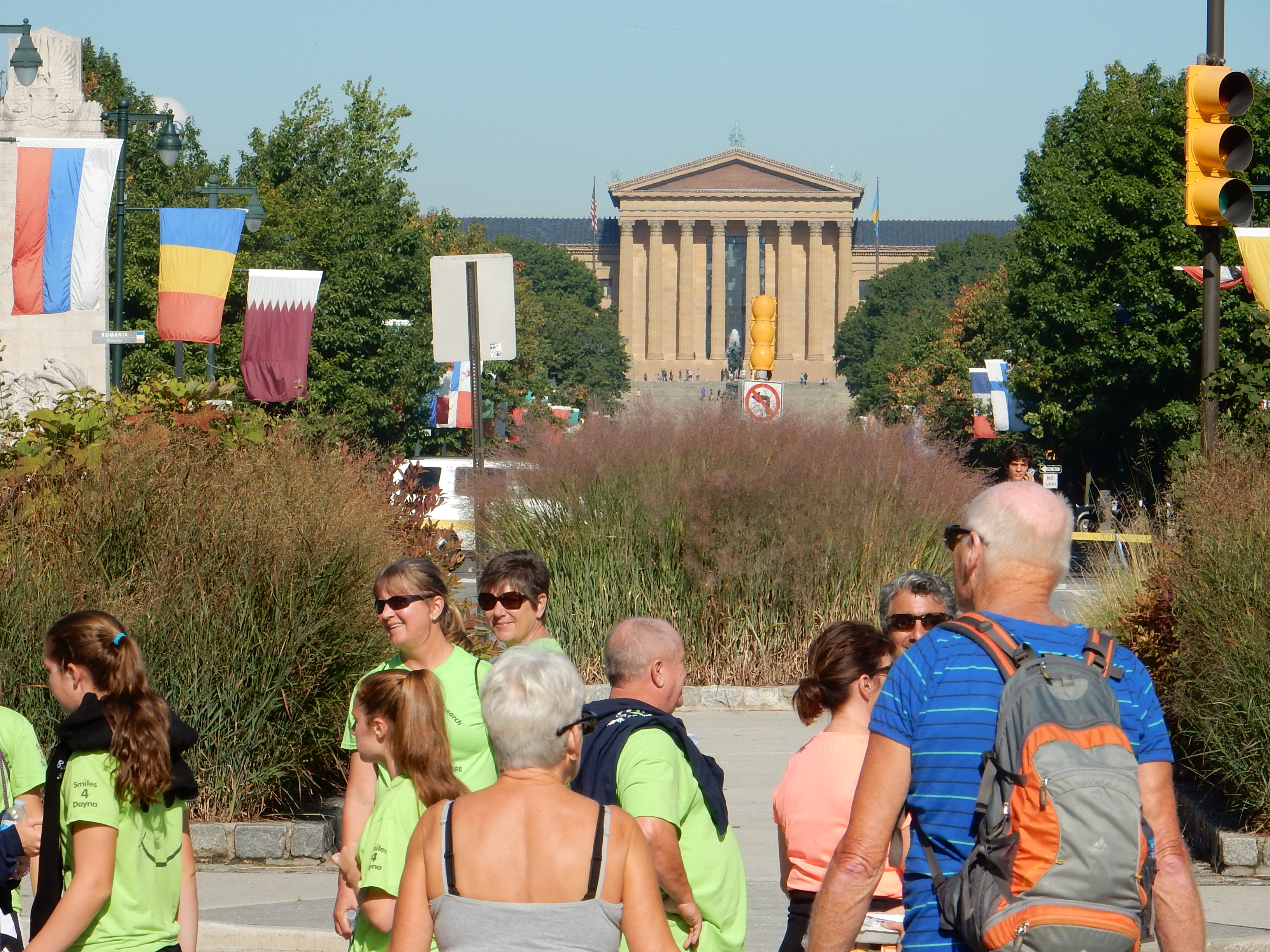
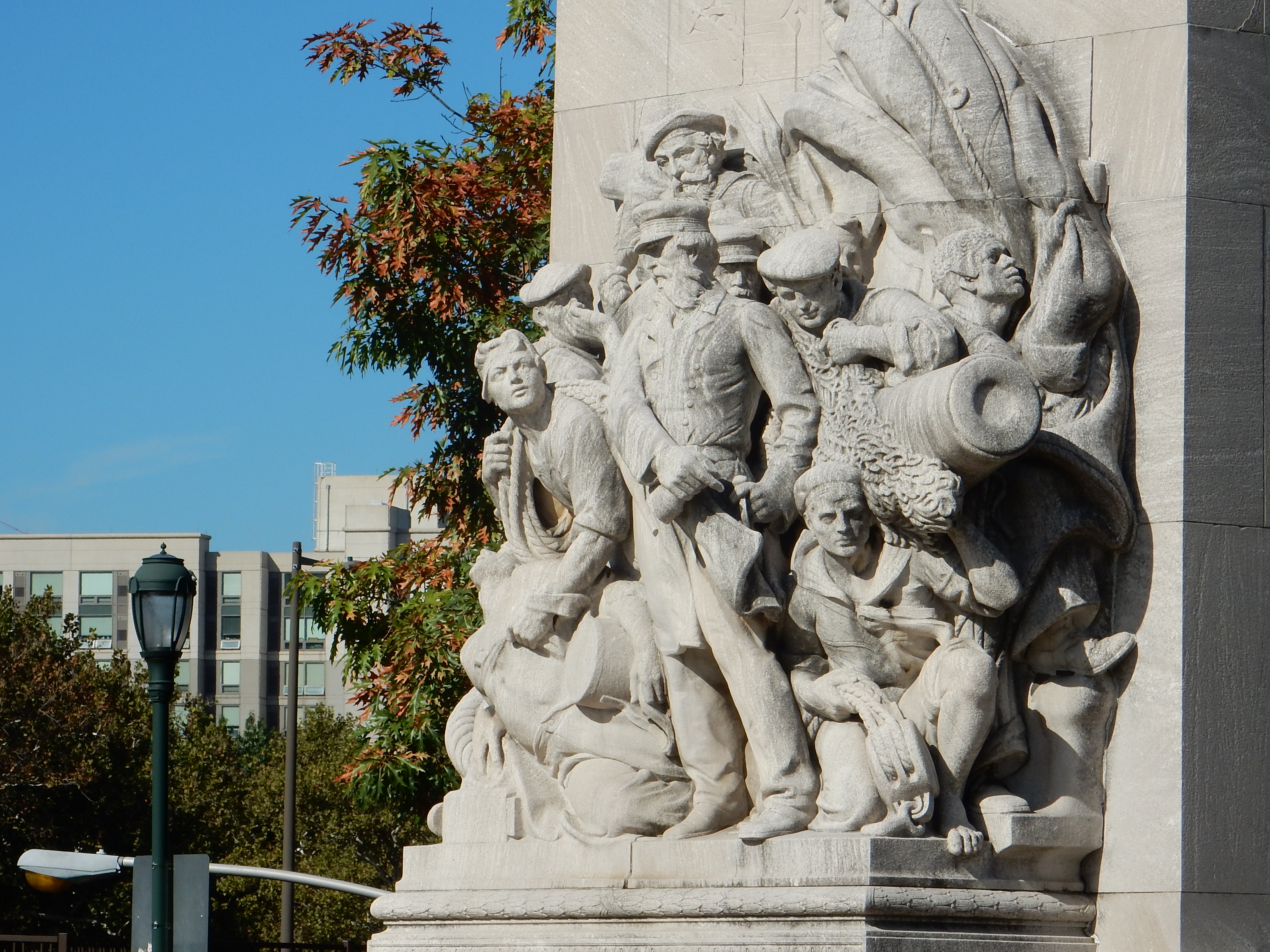
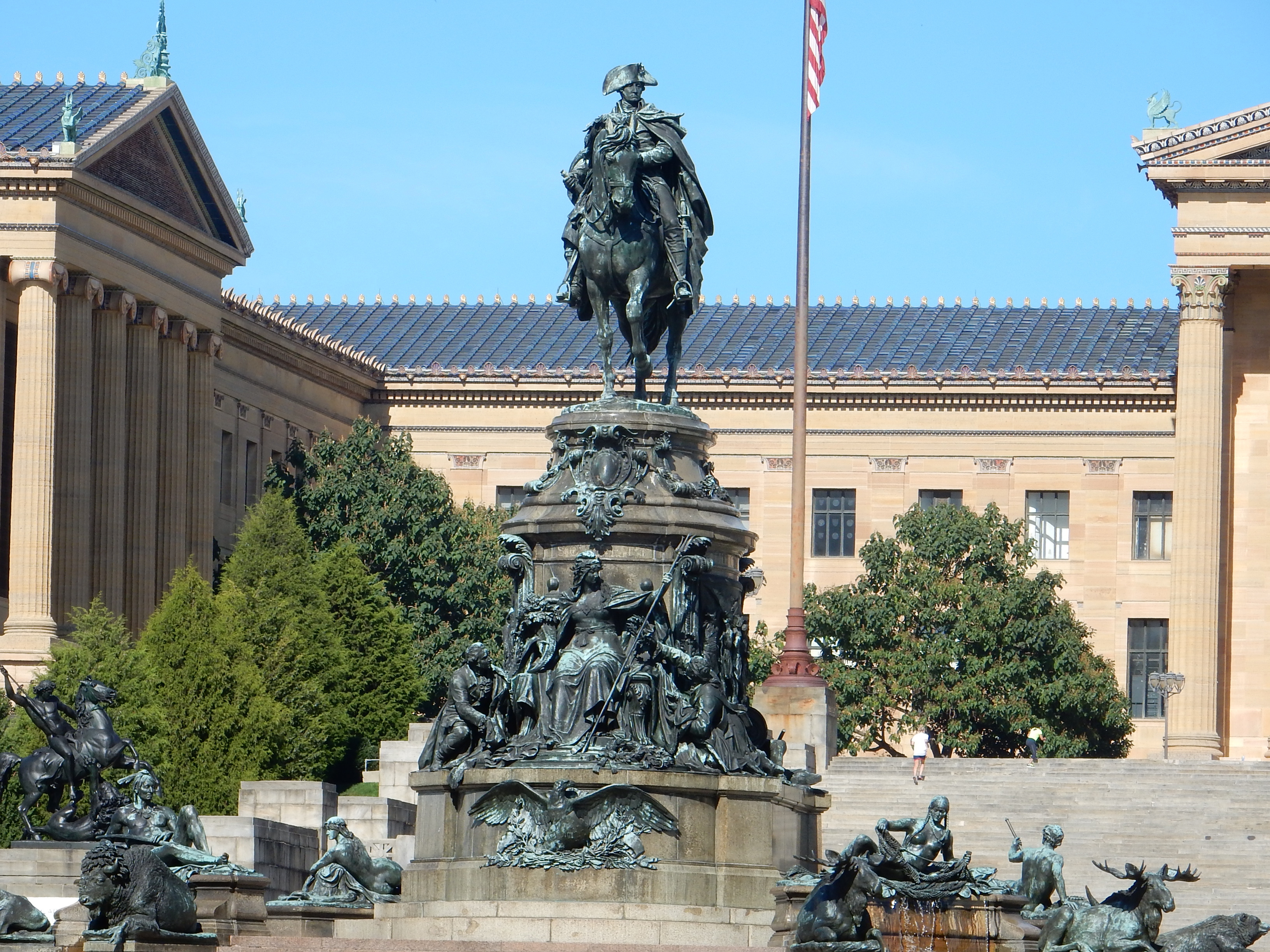
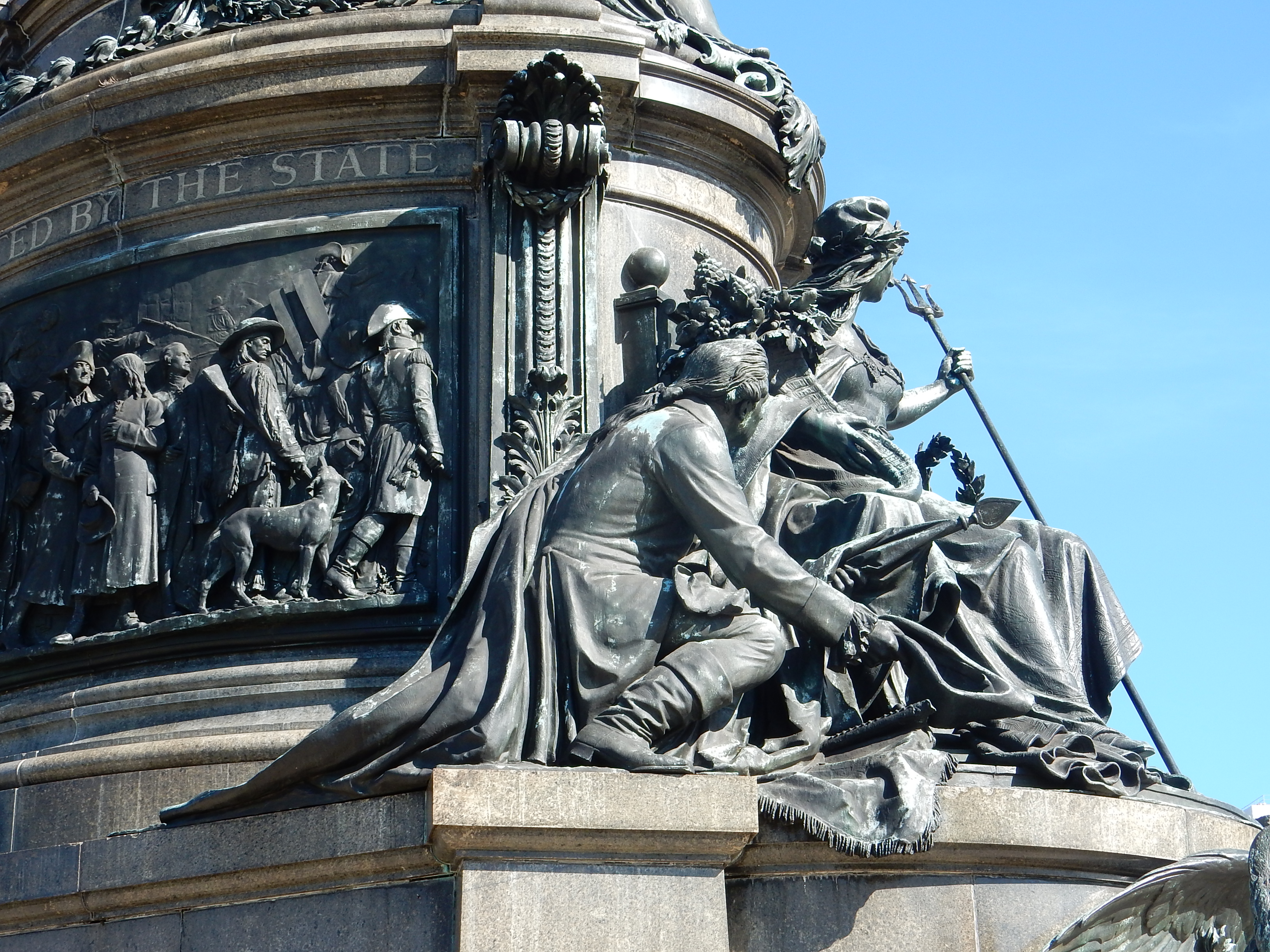
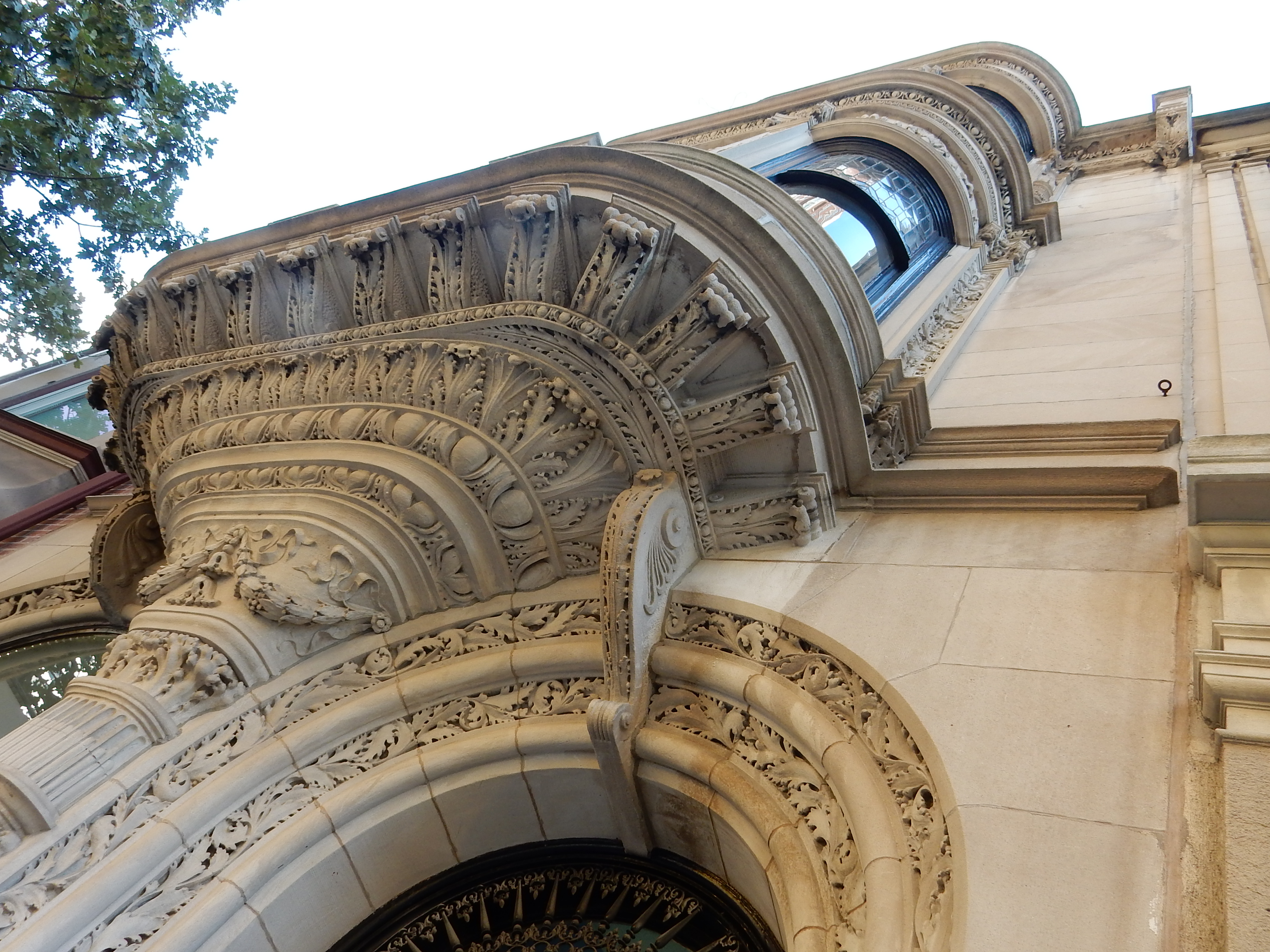
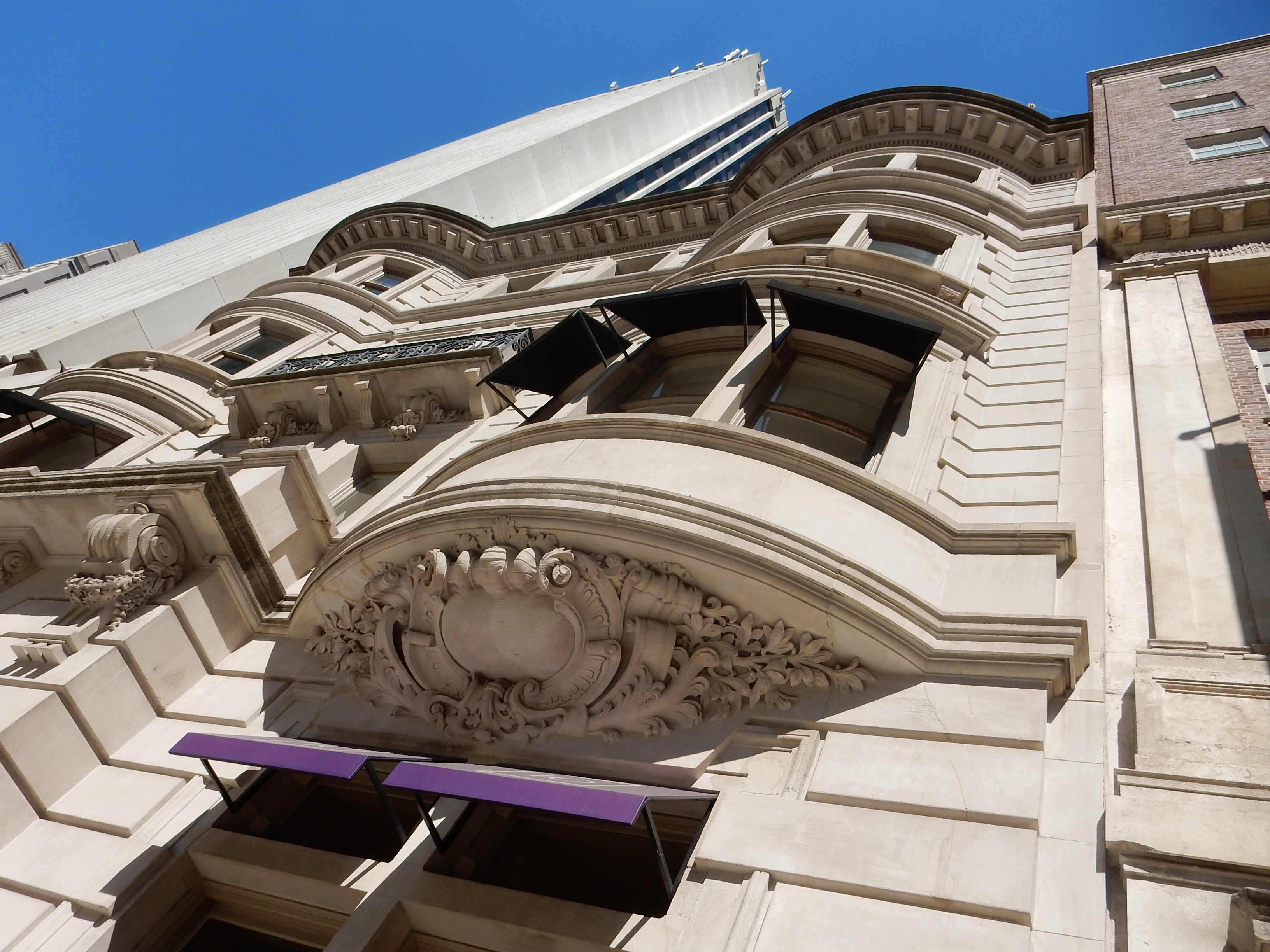
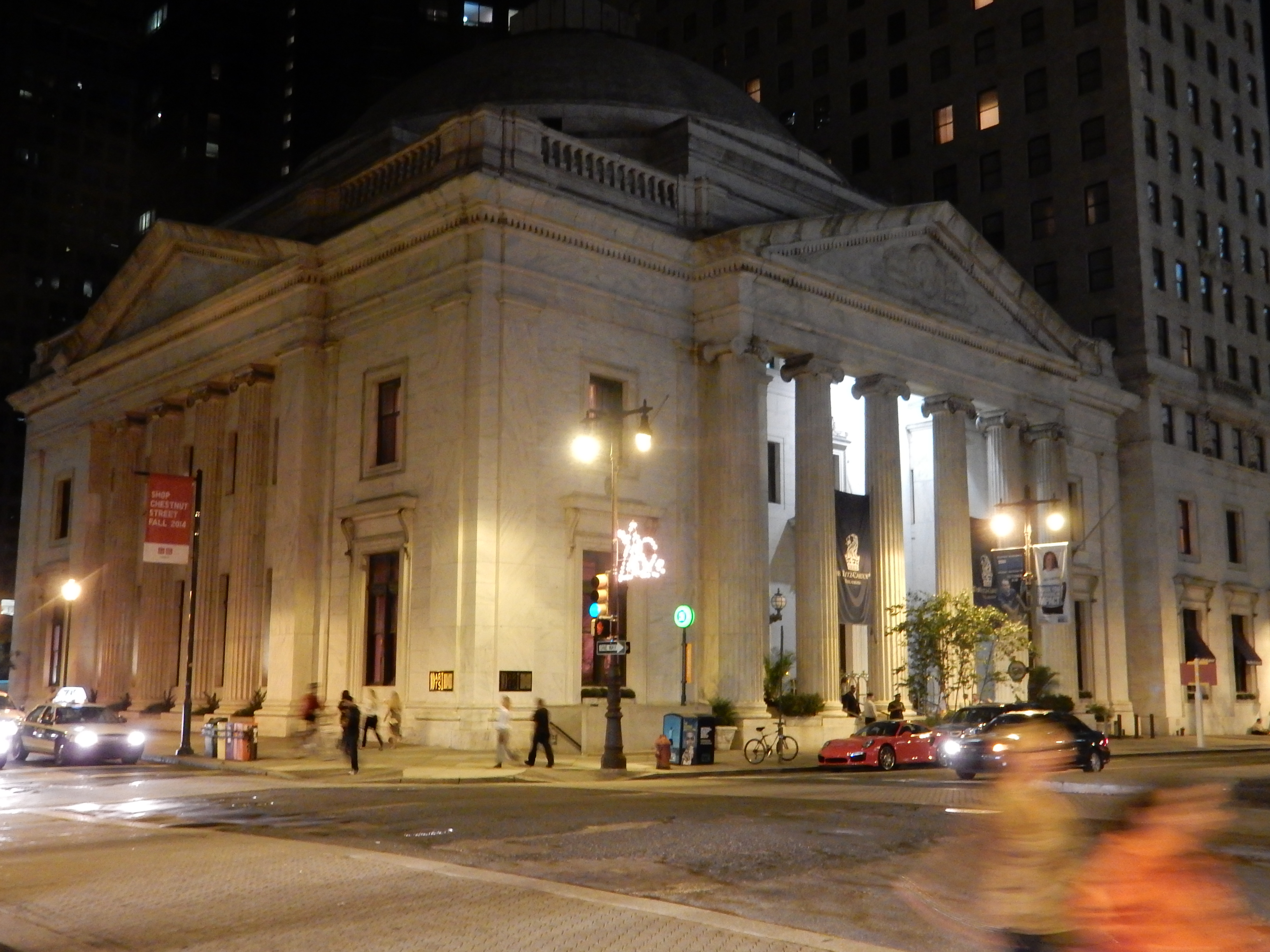
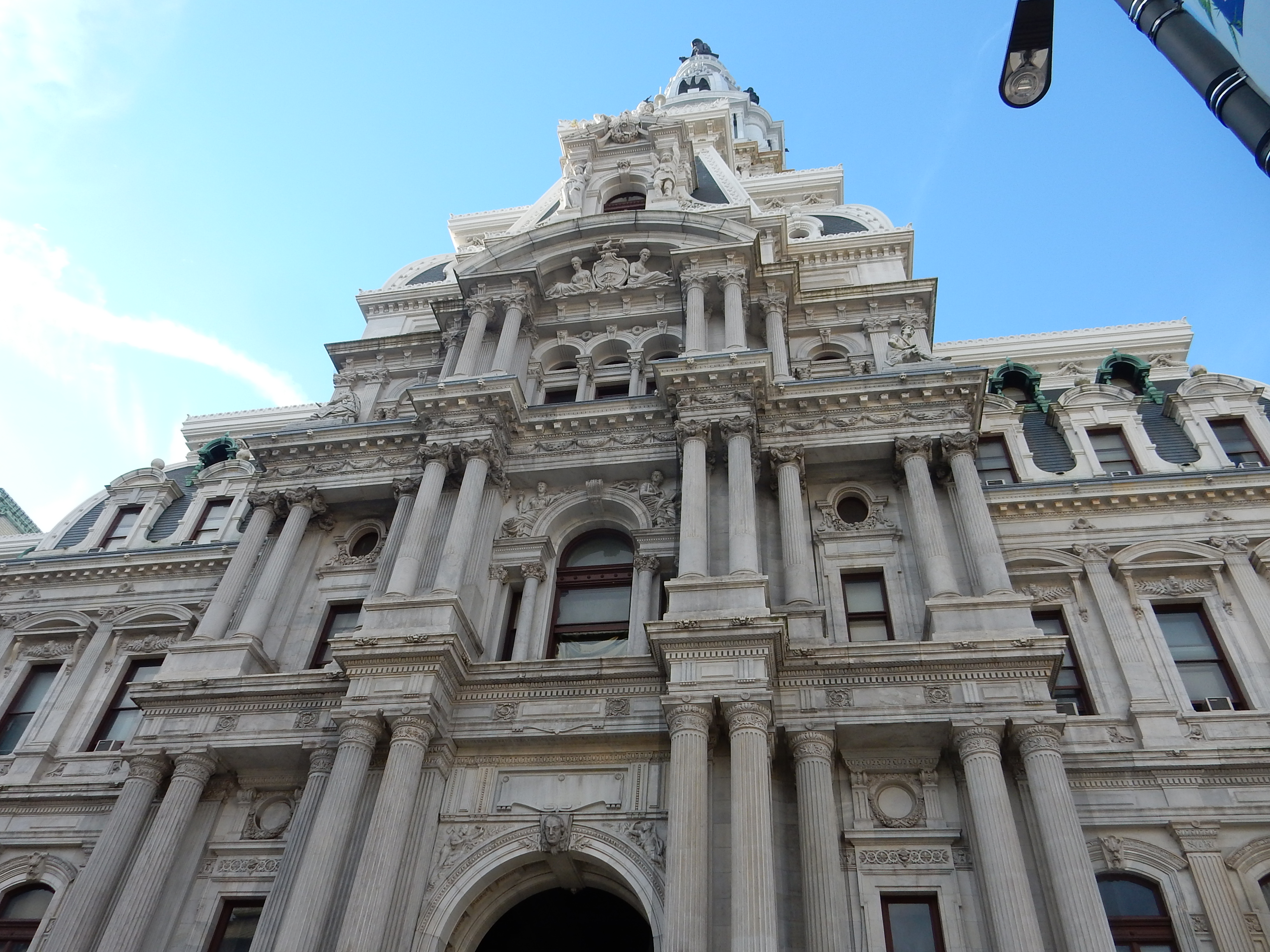
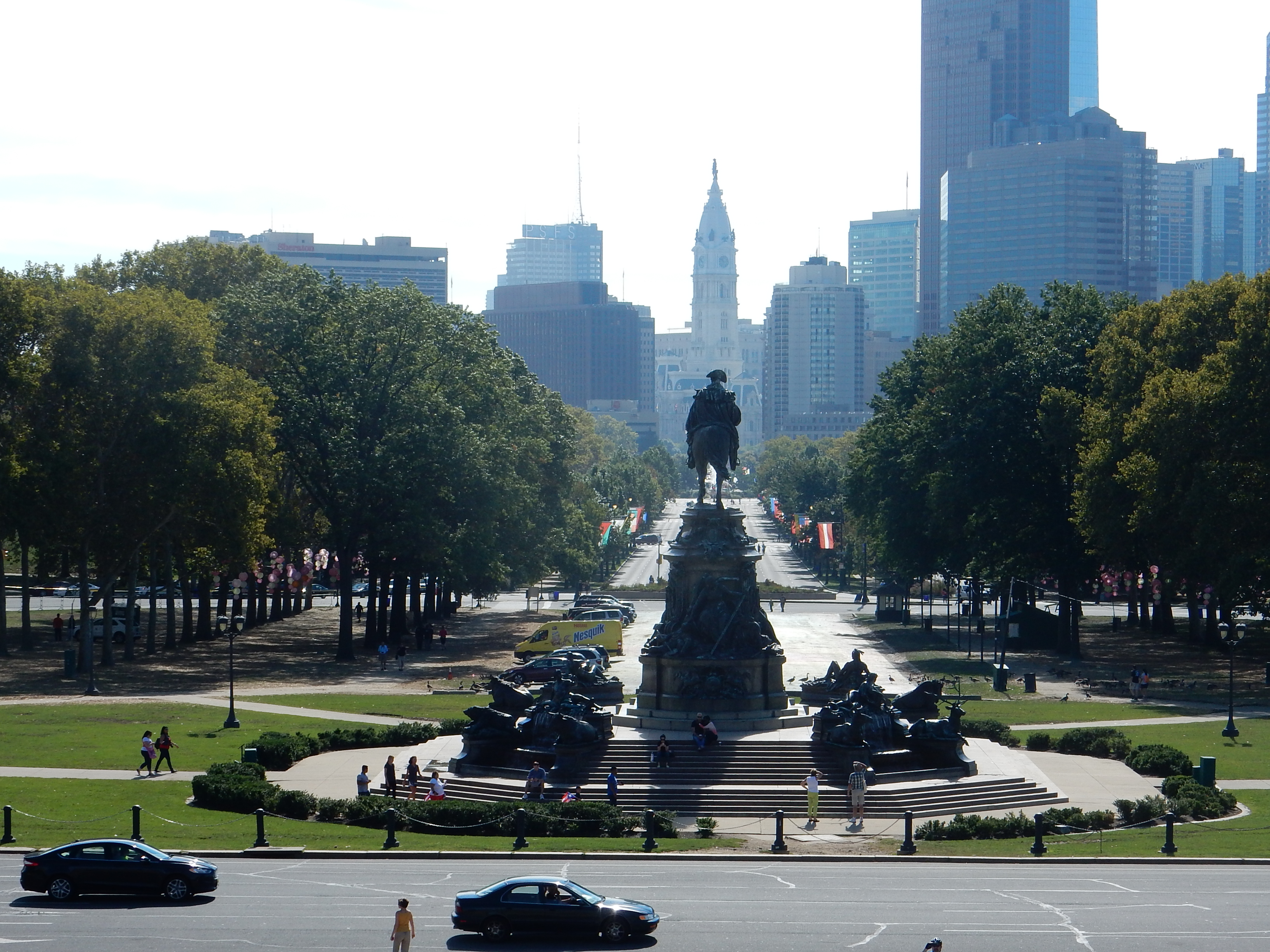
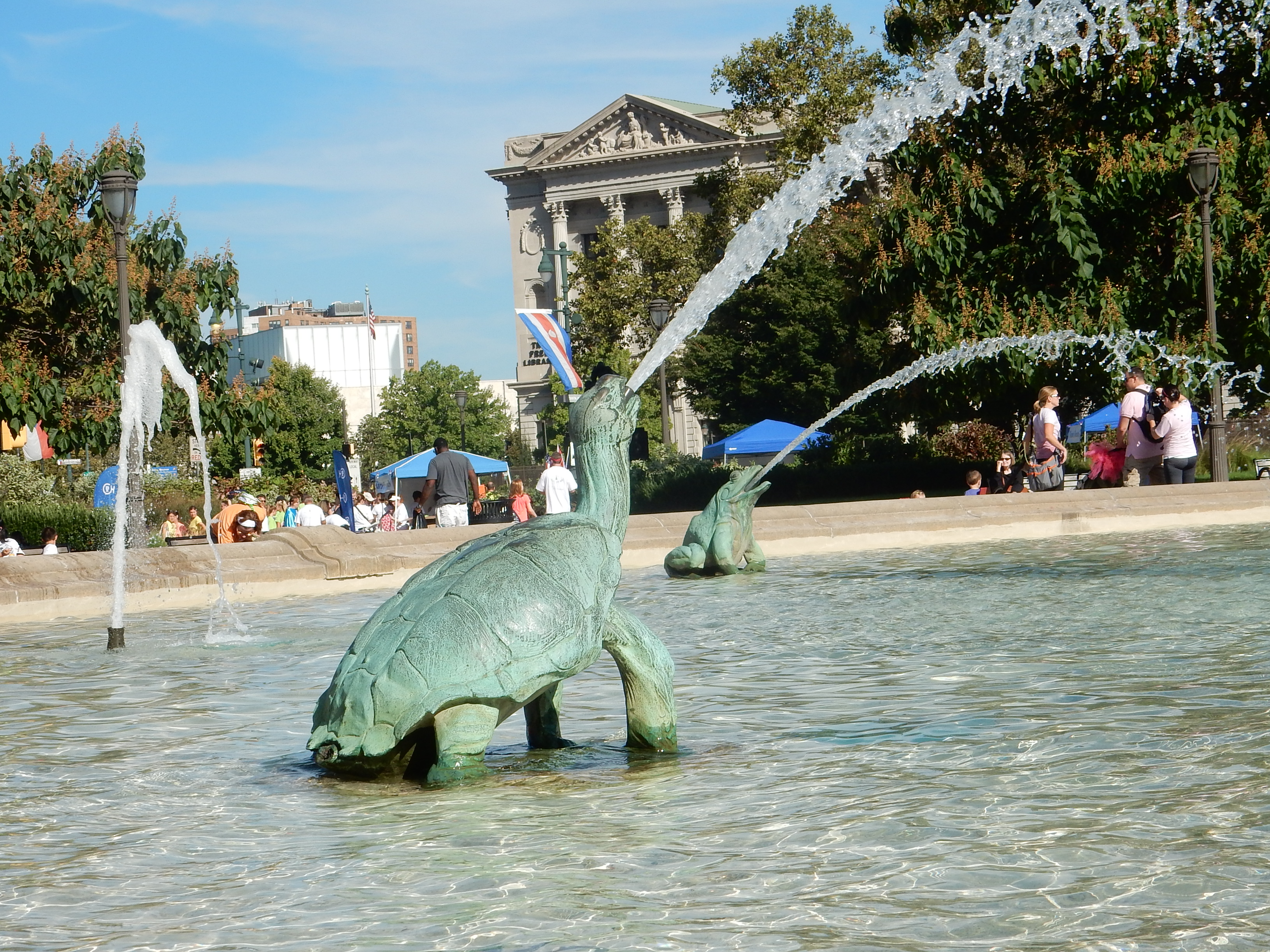
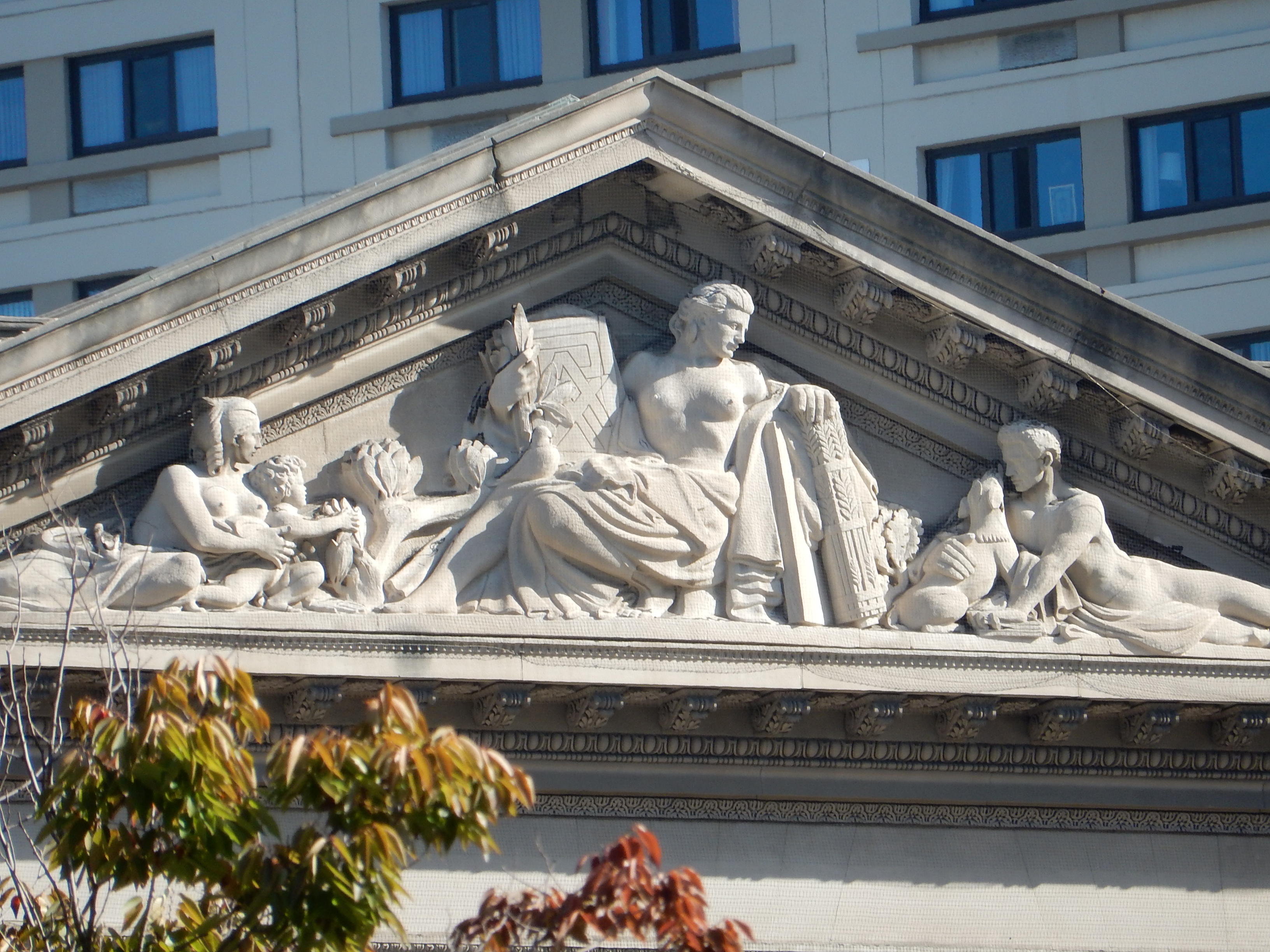
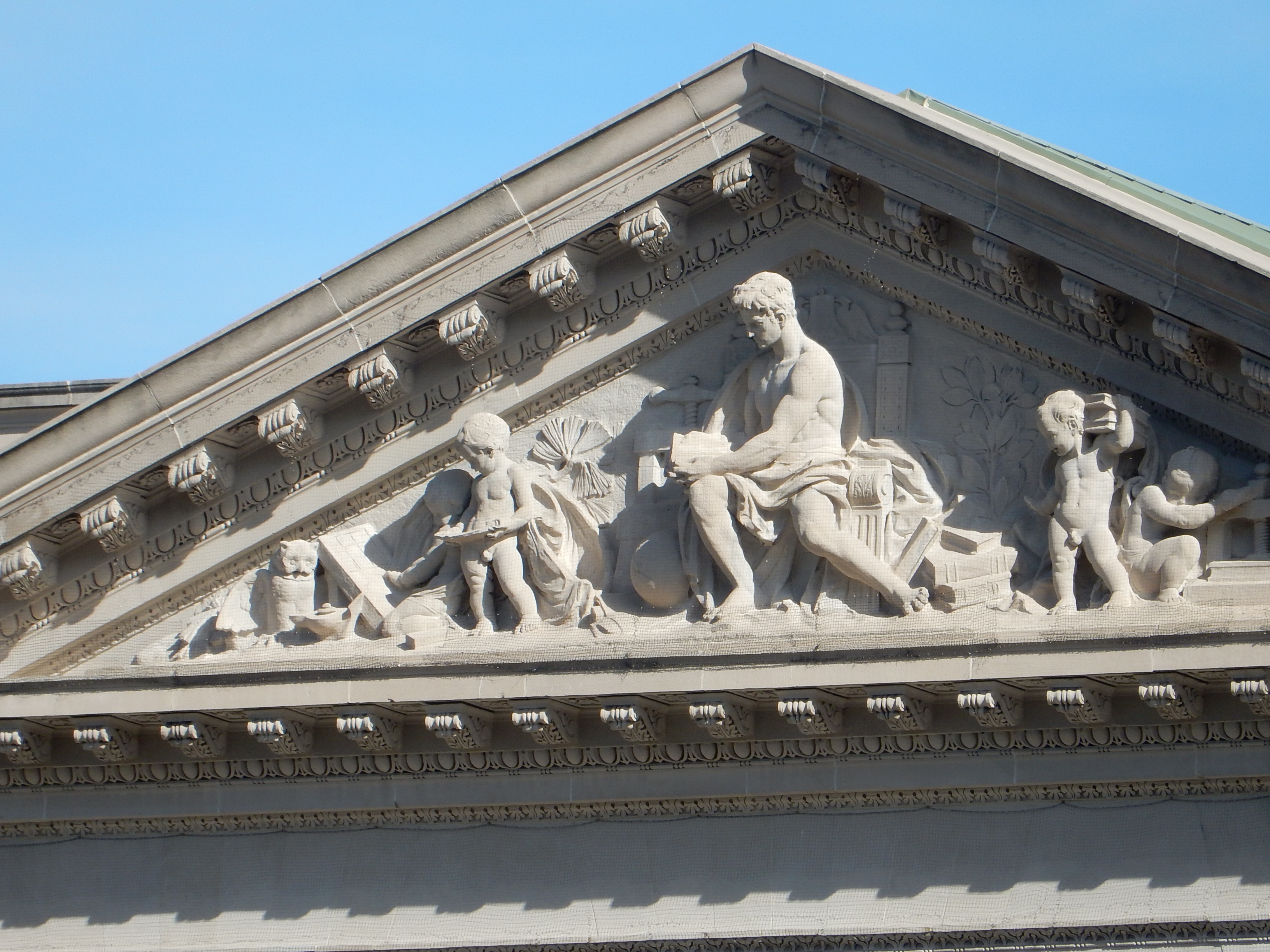
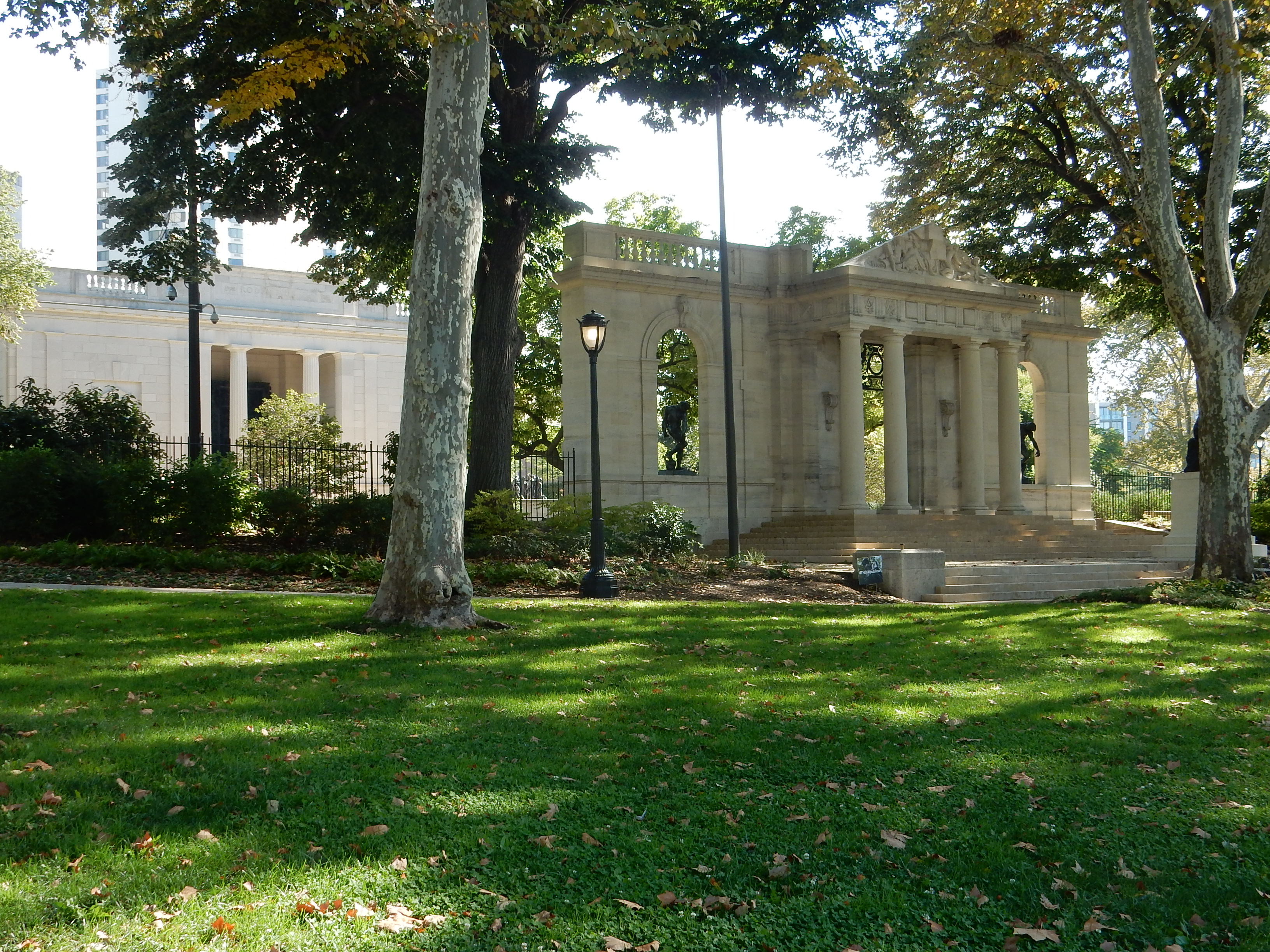
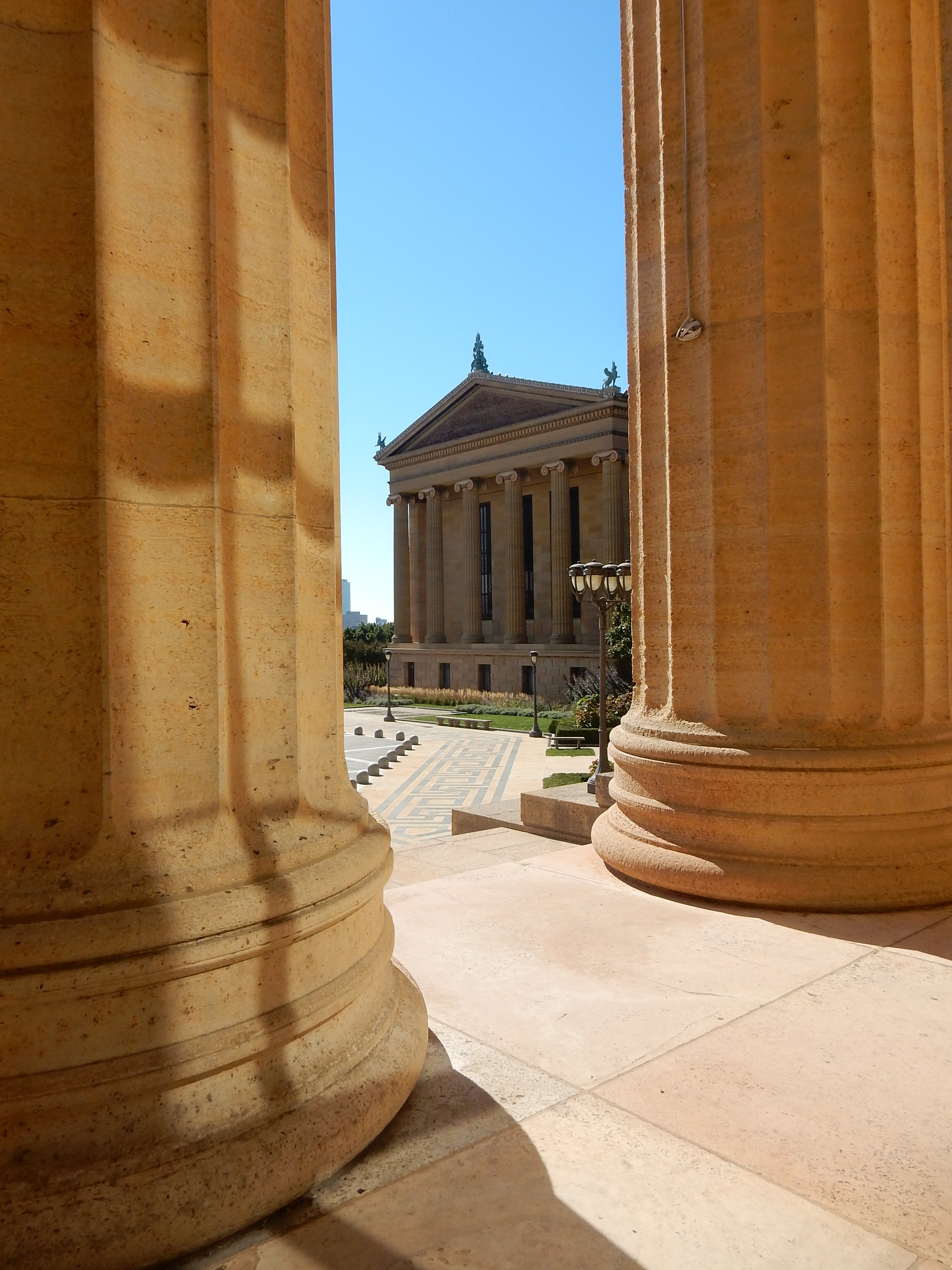
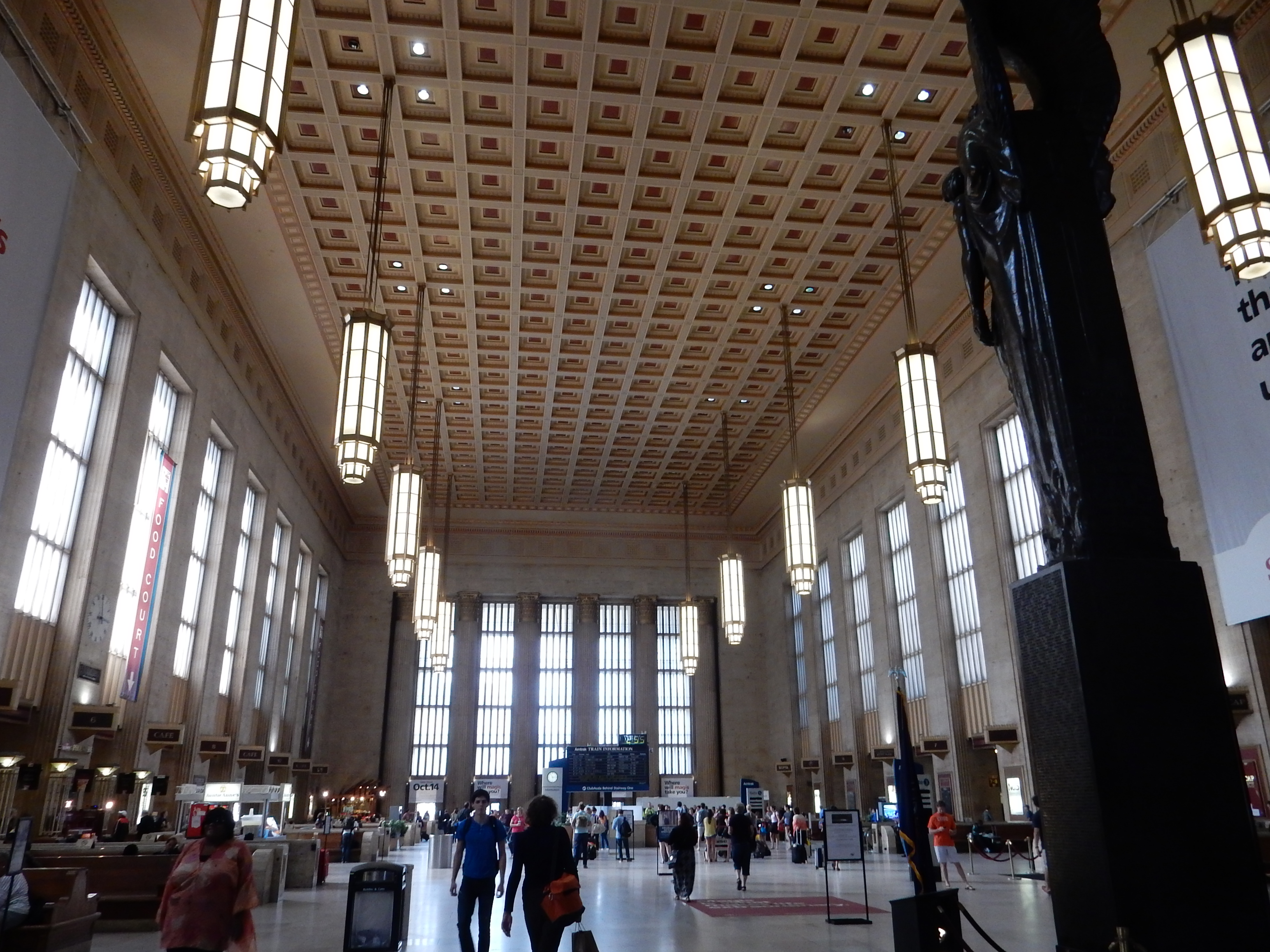
Your far-flung correspondent was in Philadelphia (five-hour train ride) to attend, speak at and report on the Henry Hope Reed legacy symposium sponsored by the city’s chapter of the Institute of Classical Architecture & Art. It was a delightful and provocative event, on which I will have more to say, and held in part to prepare a more ambitious celebration of his centennial next year. I took almost five hundred photos of the City of Brotherly Love, on a day that has rarely been surpassed for shooting pictures. I just walked around taking photos, without doing much to identify the buildings I was unfamiliar with. Some of them will be obvious even to non-Philadelphians. Most of them represent the Philadelphia with which Henry was surely in love. All will be, if I have done my job well in their selection, pleasing to the eye (this is not a coincidence!). Here are a few:

DSCN4037DSCN4431DSCN4424 DSCN4120 DSCN4202 DSCN4146 DSCN4163DSCN4175 DSCN4164 DSCN4195 DSCN4229DSCN4377DSCN4270DSCN4255 DSCN4261 DSCN4263 DSCN4289DSCN4382DSCN4306 DSCN4324DSCN4311DSCN4315DSCN4327DSCN4338 DSCN4357DSCN4354DSCN4343 DSCN4394 DSCN4396DSCN4463


Posted in Architecture, Photography, Urbanism and planning | Tagged , , , | 3 Comments

Henry Reed in Providence

DSCN9370

Henry Hope Reed, circa 2000. (Courtesy of his nephew, Andrew Reed)

Here, as part of this blog’s Blast from the Past feature, is a column from more than a decade ago when Henry Hope Reed visited Providence. The tourmaster got a tour from yours truly. Tomorrow, Philadelphia will host a symposium on the late HHR’s legacy.

Henry Hope Reed – Meet classicism personified
Thursday, May 24, 2001

LAST WEEK, I received a call from Henry Hope Reed, of New York City, the venerable founder of Classical America and notable historian of architecture. He said that he would be in Providence to see the State House, an icon among classicists. Could I give him a tour of the city?


Could I? You bet!

Henry Hope Reed is a sort of H.L. Mencken in the realm of architecture, an indefatigable iconoclast and student of beauty. He has made a grand career of attacking modernism. His The Golden City (1959) juxtaposed photographs of demolished Manhattan buildings with the modernist monstrosities that replaced them. That is, it is a bible of mine, and Henry Hope Reed is one of my heroes.

I would not miss the opportunity to meet Henry Hope Reed for a balcony full of balusters.


The visitor stayed with his friend Norman Catir (a retired Episcopal priest) and his wife, in the Cyrus Ellis House (1806), on College Hill. I walked over on Saturday afternoon. Every inch the classicist, Henry Hope Reed had garbed his tall, spare frame, on this sunny day, in a tweed suit and rep tie. After a pleasant chat, he donned a cap, declined Father Catir’s offer of a walking stick, and off we went.


What a joy to unveil the marvels of Benefit Street for someone so perfectly attuned to their appreciation. Henry Hope Reed was on the staff of New York’s Municipal Art Society when it adopted historic preservation as a defense against the invasion of modern architecture about the same time the late Antoinette Forrester Downing was pushing a similar agenda here in Providence. Henry Hope Reed battled Ada Louise Huxtable over the inclusion of modern architecture on the society’s tours before Huxtable got her critic’s post at The New York Times, where she later advocated the strange bedfellows of modernism and preservation.


In short, we walked quite slowly. Every so often, Henry Hope Reed would stop, turn to me, and issue a cantankerous pronunciamento about the nature of art, or a blast of fulmination at the modernists, stabbing the air with his index finger.


Heading north on Benefit, we passed the Nightingale-Brown House (1790). Henry Hope Reed asked me a series of questions about the Brown family, which had owned the mansion and with whose lineage he seemed intimately familiar. He wanted to know how recently the Browns had lived in the house, and seemed enchanted to learn that J. Carter Brown had actually grown up in it.


After seeing the Athenaeum (1838), we turned up College Street, held our noses as we passed by List Art Center and Rockefeller Library, and entered the Brown campus, whose College Green pleased Henry Hope Reed. He hated its blob “sculpture” on the main quad but loved Marcus Aurelius and his horse on the next quad over. To my surprise, he was not enamored, as am I, by the 1991 classical addition to the classical John Carter Brown Library. It was not ornamental enough, did not live up to his expectations. I agreed, but insisted that it was extraordinarily good, far better than we have come to expect even from new buildings whose architects refuse to wallow in downright modernism.


The next day, I showed Henry Hope Reed downtown and its ornate buildings, of which, aside from the State House, he adored the Union Trust Building (1901) most, especially its urns on high. “Providence is a city of urns,” he said. As for even the best of the new buildings, I figured I’d have to repeat my “better than it could’ve been” incantation ad nauseam. I expected him to tut-tut such examples of compromised classicism as Providence Place, the Westin Hotel, and the Johnson & Wales campus.


But I was wrong. He thought they were fine, and particularly liked the new Marriott Courtyard.


Henry Hope Reed understands the battle over architecture being fought not only around the base of his ivory tower in Manhattan but here in our town, where even the preservationists are in thrall to the modernist hooey. I am encouraged that, in the opinion of Henry Hope Reed, all is not lost.


Posted in Architecture, Architecture History, Blast from past, Providence | Tagged , , | Leave a comment

Column: A Henry Hope Reed chrestomathy

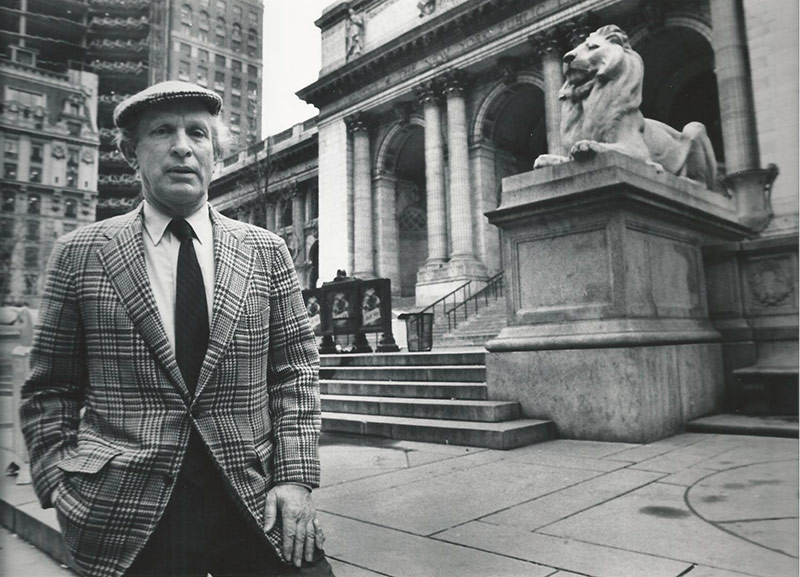
Henry Hope Reed before the New York Public Library, circa 1960. (archpaper.com)

Henry Hope Reed before the New York Public Library, circa 1960. (archpaper.com)

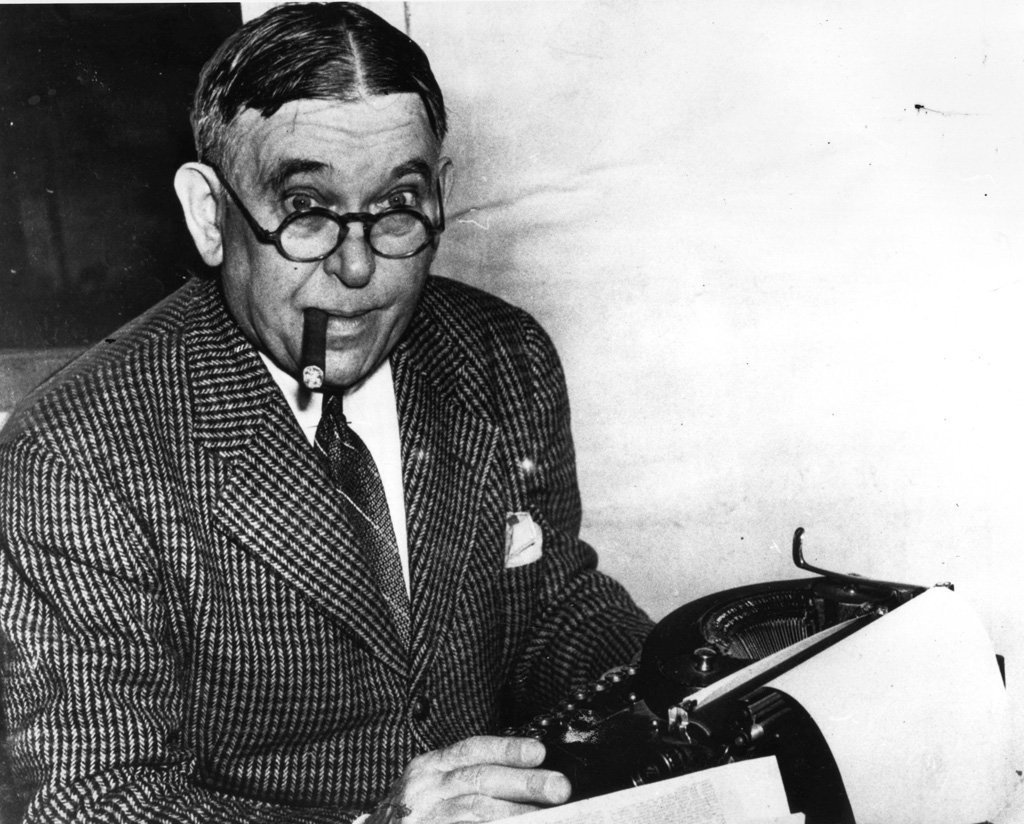
H.L. Mencken. (porterbriggs.com)

H.L. Mencken. (porterbriggs.com)

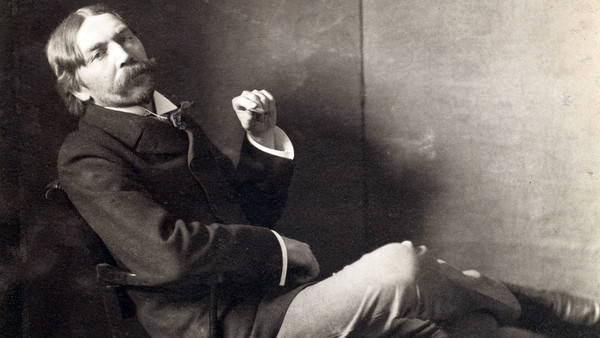
Thorstein Veblen. (oexplorador.com)

Thorstein Veblen. (oexplorador.com)

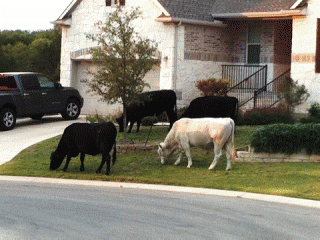
Cows mowing lawn: not "conspicuous consumption." (experispark.com)

Cows mowing lawn: not “conspicuous consumption.” (experispark.com)

From cover of Henry Hope Reed's 1959 classic, The Golden Circle.

From cover of Henry Hope Reed’s 1959 classic, The Golden Circle.

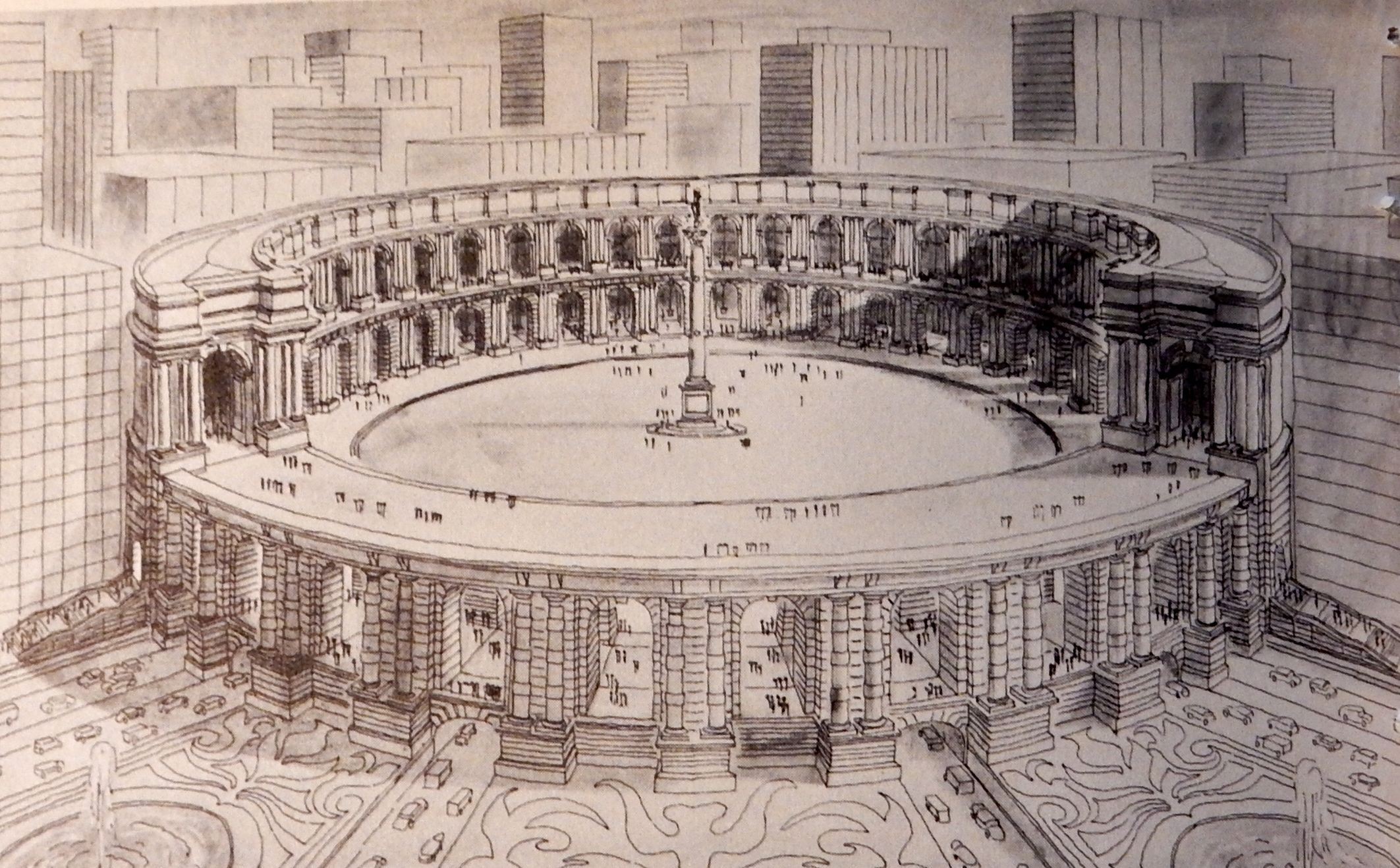
Proposed classical opera house at Columbus Circle, NYC, John Barrington Bayley. (The Golden Circle)

Proposed classical opera house at Columbus Circle, NYC, John Barrington Bayley. (The Golden Circle)

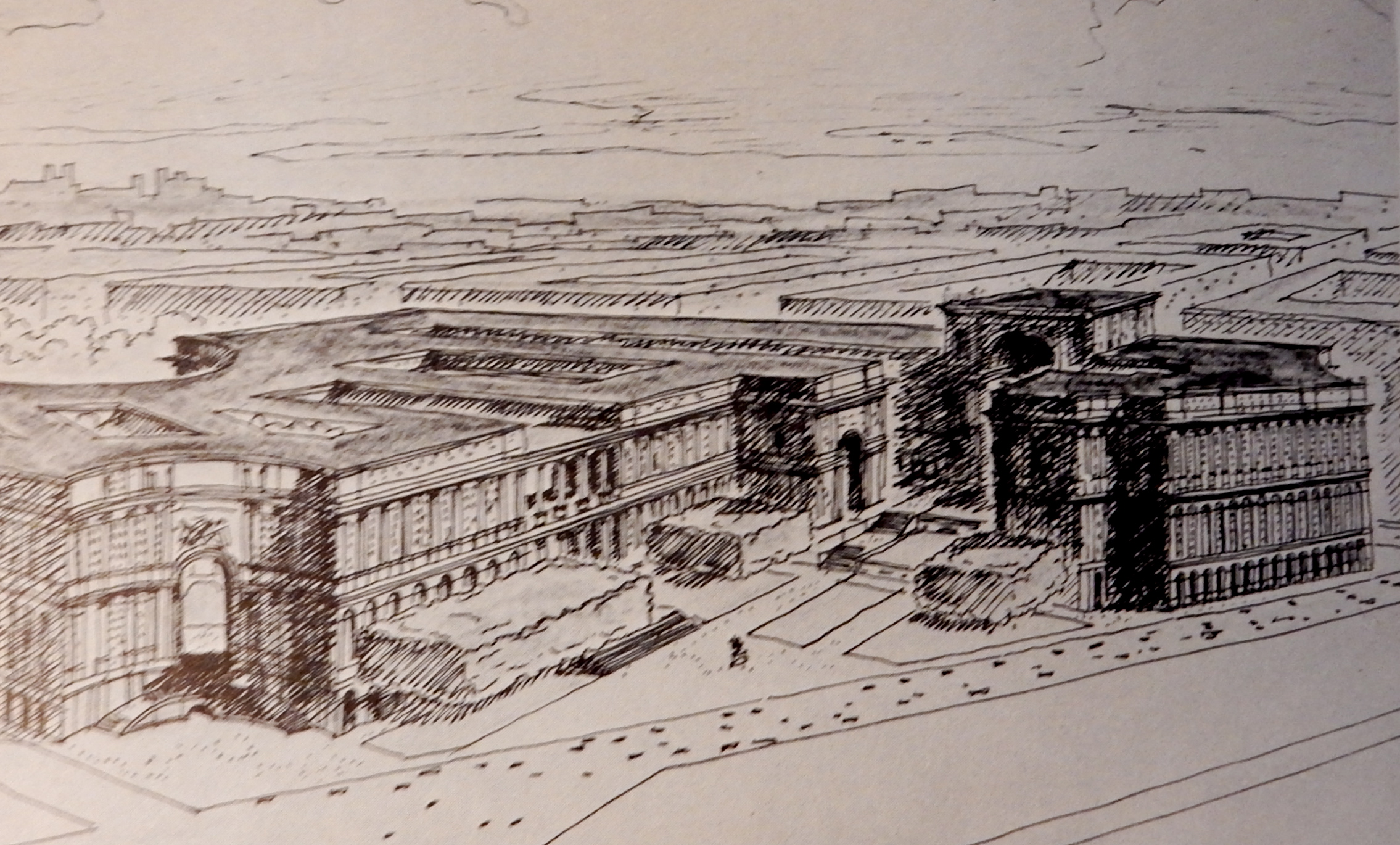
Proposed classical public housing complex, by John Barrington Bayley. (The Golden City)

Proposed classical public housing complex, by John Barrington Bayley. (The Golden City)

Park Avenue modernism, mostly, in NYC. (en.wikipedia.org)

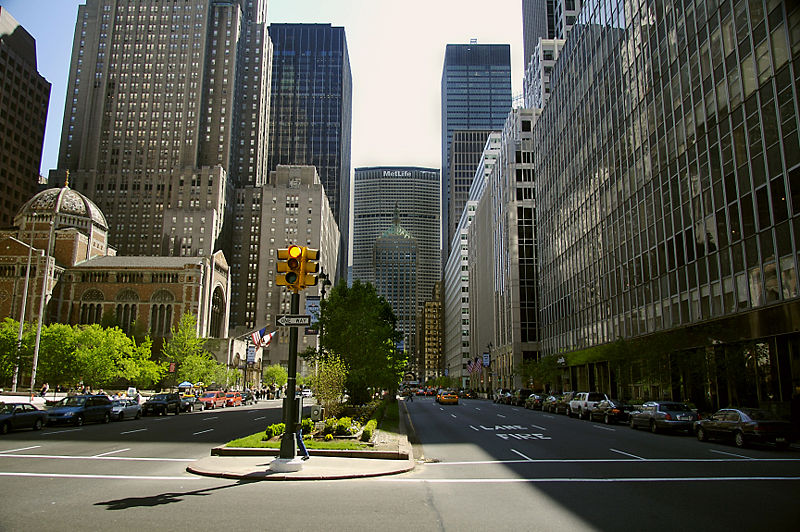
Park Avenue modernism, mostly, in NYC. (en.wikipedia.org)

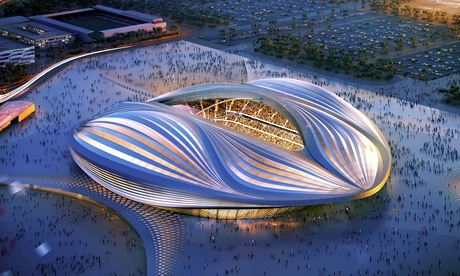
Modernism today: Zaha Hadid's proposed stadium in Qatar. (theguardian.com)

Modernism today: Zaha Hadid’s proposed stadium in Qatar. (theguardian.com)

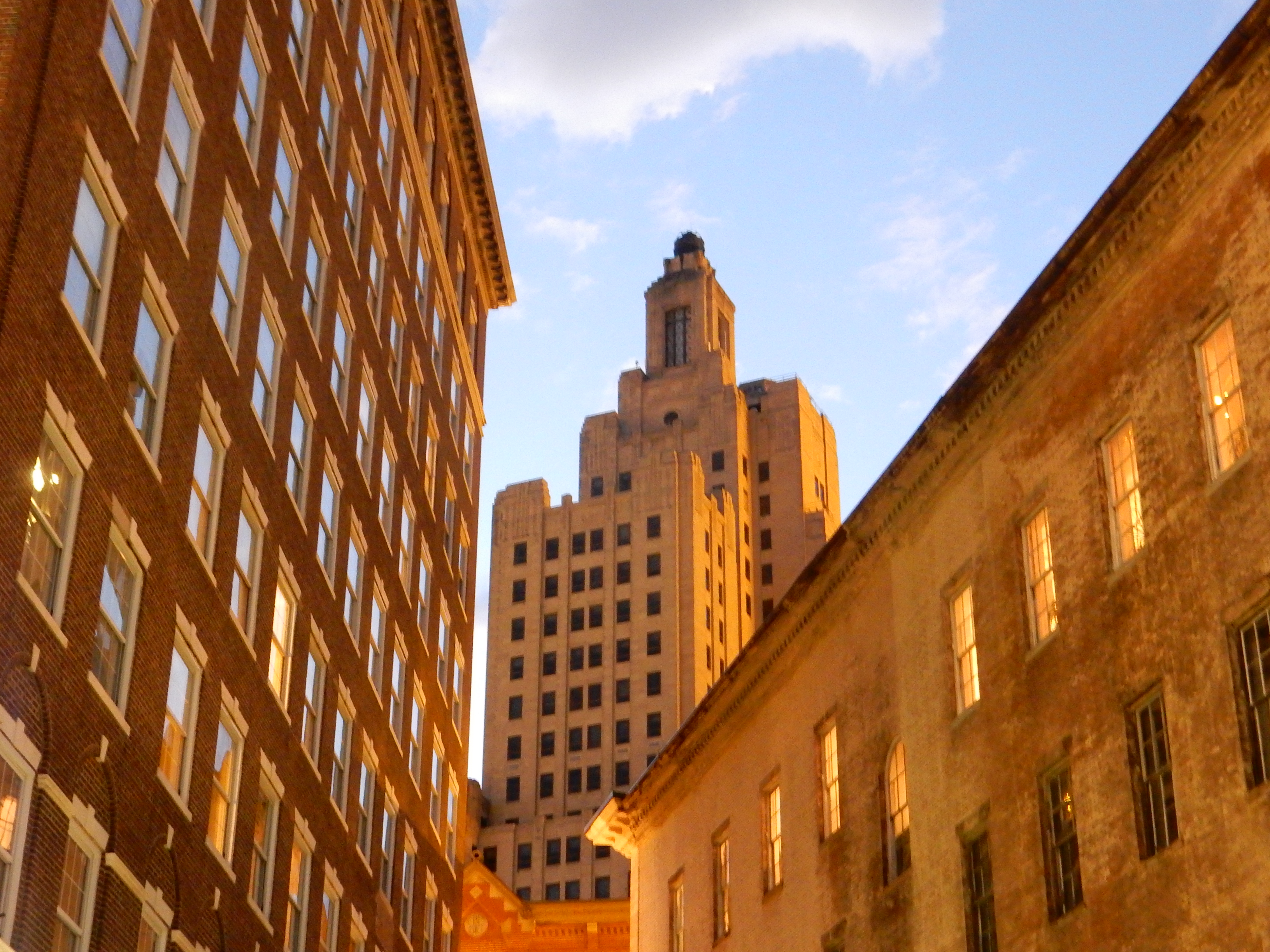
Downtown Providence at dusk. (Photo by David Brussat)

Downtown Providence at dusk. (Photo by David Brussat)

The Franklin Inn, site of Saturday's symposium in Philadelphia. (philadelphia-reflections.com)

The Franklin Inn, site of Saturday’s symposium in Philadelphia. (philadelphia-reflections.com)

One of my favorite books is A Mencken Chrestomathy, H.L. Mencken’s own favorite essays by himself (a chrestomathy being a selection of choice literary passages, often intended to teach a language). Reading Mencken, who wrote for the Baltimore Sun in the first half of the 20th century, is a great way to learn English. A young person wanting to be a journalist should not go to journalism school. No. Instead, wallow daily in the prose of the Sage of Baltimore. Save a lot of money. The ability to call someone like the 19th century sociologist Thorstein Veblen “a geyser of pish-posh” will certainly get them a job.

On Wednesday afternoon I read a 1957 essay in Harper’s by another hero of mine, the late classicist Henry Hope Reed. In it he mentions Veblen, whose Theory of the Leisure Class (1899) discusses “conspicuous consumption” – the idea that people with more money than they need tend to spend it on things they don’t need. Mencken had fun with it in his essay “Professor Veblen,” first published in his Smart Set magazine in 1919 under the title “Prof. Veblen and the Cow”:

If one tunneled under [Veblen’s] great moraines of discordant and raucous polysyllables, blew up the hard, thick shell of his almost theological manner, what one found in his discourse was chiefly a mass of platitudes – the self-evident made horrifying, the obvious in terms of the staggering.

The last line in that essay explains its Smart Set title. In heaping ridicule on Veblen’s supposed astonishment that homeowners hire men to mow the lawn rather than keeping cows to perform the task, Mencken concludes: “Had he ever crossed a pasture inhabited by a cow (Bos taurus)? And had he, making that crossing, ever passed astern of the cow herself? And had he, thus passing astern, ever stepped carelessly, and—-”

Priceless.

I am sure that Henry Reed, ensconced among the pillars and pilasters of Heaven above, will not mind sharing space in this column with Mencken. Reed’s essay “The next step beyond ‘Modern’ ” in the May 1957 issue of Harper’s, in accounting for the rise of modern architecture, also cites Veblen: “His well-known praise for the backs of buildings as against their decorated fronts, which he considered samples of ‘conspicuous consumption,’ carried weight with a people caught in a depression.”

On Saturday, Reed and his legacy – including his pathbreaking defenestration of modern architecture, The Golden City (1959) – will be the subject of a symposium addressing “The Future of the Golden City” at the Franklin Inn Club in Philadelphia. The symposium on Reed, who died in 2013, is sponsored by the city’s chapter of the Institute of Classical Architecture & Art. The ICAA arose from what may have been the first organization of its kind, Classical America, founded by Reed in the 1968.

As a young man, Reed went mano a mano with Ada Louise Huxtable, later the New York Times’s first architecture critic, over what buildings to feature on walking tours by the Municipal Art Society. The tours were a big hit, but Reed’s vigorous animadversions against modern architecture raised eyebrows even at the society, which eventually started sending spies to “monitor” his “rants.” A Talk of the Town by The New Yorker’s Brendan Gill accompanied Reed on a tour of Lower Manhattan and poked relatively gentle fun at Reed’s crusade against modern architecture, but readers with an ounce of good taste no doubt stood with Reed against Gill.

Around this time, an introduction by the editor at Harper’s (who styles himself “Mr. Harper”) to a piece by Reed in the March 1958 issue shows what he was up against in those days. Citing Reed’s “position that classical architecture is the only kind worth a damn,” the editor assumes “that readers who reject his views will at least enjoy his enthusiasm” – as if readers’ preference for “the Modern” was to be taken for granted.

In spite of this evidence that the deck was stacked against classical architecture, Reed embraced a Micawberesque optimism, displayed in the opening line of his 1957 Harper’s piece, that the sunset of modernism was just over the horizon: “The architecture we know as ‘Modern’ – the scrubbed and unadorned structures of glass and steel – has, I believe, run its course. Its triumph has never been as complete as its devotees would have us believe. Large sections of the public have never been won over to it, and now its novelty and shock value, despite the arguments of its protagonists about function, utility, and economy, have begun to wear thin.”

Mencken made the same mistake almost three decades earlier in an editorial he wrote for the February 1931 issue of his American Mercury: “The New Architecture seems to be making little progress in the United States. … A new suburb built according to the plans of, say, Le Corbusier, would provoke a great deal more mirth than admiration.”

Carrying forward the architectural revival begun more than anyone else by the Lion of the Classical seems just as difficult today as it must have seemed to most people in 1958, if not more so. And yet “the Modern” persists not because it has gained in popularity – Henry Hope Reed was right about that, and remains so – but because for decades it has applied its massive institutional power to quash popular taste with unapologetic brutality.

In spite of this there has indeed been a strong classical revival. The symposium in Philly on Saturday will explore its prospects.

David Brussat, who spent almost 30 years on the editorial board of the Providence Journal, is an architecture critic in Rhode Island.


Posted in Architecture, Architecture History, Art and design, Books and Culture | Tagged , , , , | 1 Comment

Separated at birth?

4567c2f201ded761_large640px-Norman_Foster_dresden_061110Ludwig Mies van der Rohe and Norman Foster, separated at birth! Just look at them. Nose? Check. Eyes? Check? Chin? Check. A pair of suits with a yen to gesticulate. But on the other hand, maybe not. One was old enough to be the idol of the other. Sure, they’re both modernists but they hail from opposite ends of the canon. Still, it’s fun to think about. Two jut jaws thrusting with the arrogance of their tribe. Peas in a pod.

Posted in Architects, Architecture, Humor | Tagged , , , | 1 Comment

Hawthorne and architecture

Salem's fabled House of Seven Gables, in 1915, the year of Henry Hope Reed's birth. (Wikipedia)

Salem’s fabled House of Seven Gables, in 1915, the year of Henry Hope Reed’s birth. (Wikipedia)

In his masterpiece (and my bible) The Golden City (1959), Henry Hope Reed cites a character, Holgrave, from Hawthorne’s House of Seven Gables, in describing early attitudes toward innovation in architecture. He has Holgrave, a daguerrotypist, say to his inamorata, Phoebe:

I doubt whether even our public edifices – our capitols, state-houses, court-houses, city halls, and churches – ought to be built of such permanent materials as stone or brick. It were better that they should crumble to ruin in twenty years, or thereabouts, as a hint to the people to examine into and reform the institutions which they symbolize.

By the end of the novel, Holgrave has changed his mind, now favoring the use of stone in buildings because “the exterior, through the laps of years, might have been adding venerableness to its original beauty and thus giving that impression of permanence which I consider essential to the happiness of any one moment.”

Good for Holgrave! But doesn’t the aging process, even if superior in traditional stone buildings over the glass, concrete and steel of modernist buildings, suggest decay as much as permanence?

Of course, but for our purposes, decay and permanence might as well be not opposites but one and the same. A building well along in the process of decay has aged, and age, with its implicit end in death, gets us as close as human endeavor may aspire to permanence, the eternal (leaving aside ecclesiastical theories).

But the late Henry Reed, whose spirit will be celebrated at a symposium next Saturday in Philadelphia, sponsored by its chapter of the Institute of Classical Architecture & Art, was correct. Classical buildings of natural materials don’t just age better than buildings of what he liked to call “the Modern.” Classical buildings last longer, almost unto eternity if kept in repair, than modernist buildings because the latter are designed to reflect “the era” and hence, rather than being timeless, are pegged to a specific period in history that by definition reaches its end almost instantaneously.

It is hardly surprising that modernism’s love for unnatural materials should result in an unnaturally short lifespan, or that its aging increases its ugliness rather than fostering a venerable look, as in traditional buildings of natural materials.

Given the widespread love for toying with nomenclature, Reed naturally was reluctant to allow modern architecture’s theft of the word modern to go without protest. Yet he always capitalized it, as do many today. Using such an honorific as capitalization is too good for modern architecture, in my opinion, but even worse was Reed’s choice to replace “the Modern” with his own appellation: Picturesque Secessionism. I lack the room to explain its significance here, but the very fact that it requires explanation suggests its lack of utility as a descriptive term, especially in public as opposed to professional discourse. But that’s a topic for another day.

Posted in Architecture, Architecture History, Art and design, Books and Culture | Tagged , , , , | 1 Comment