A city’s steepled horizon

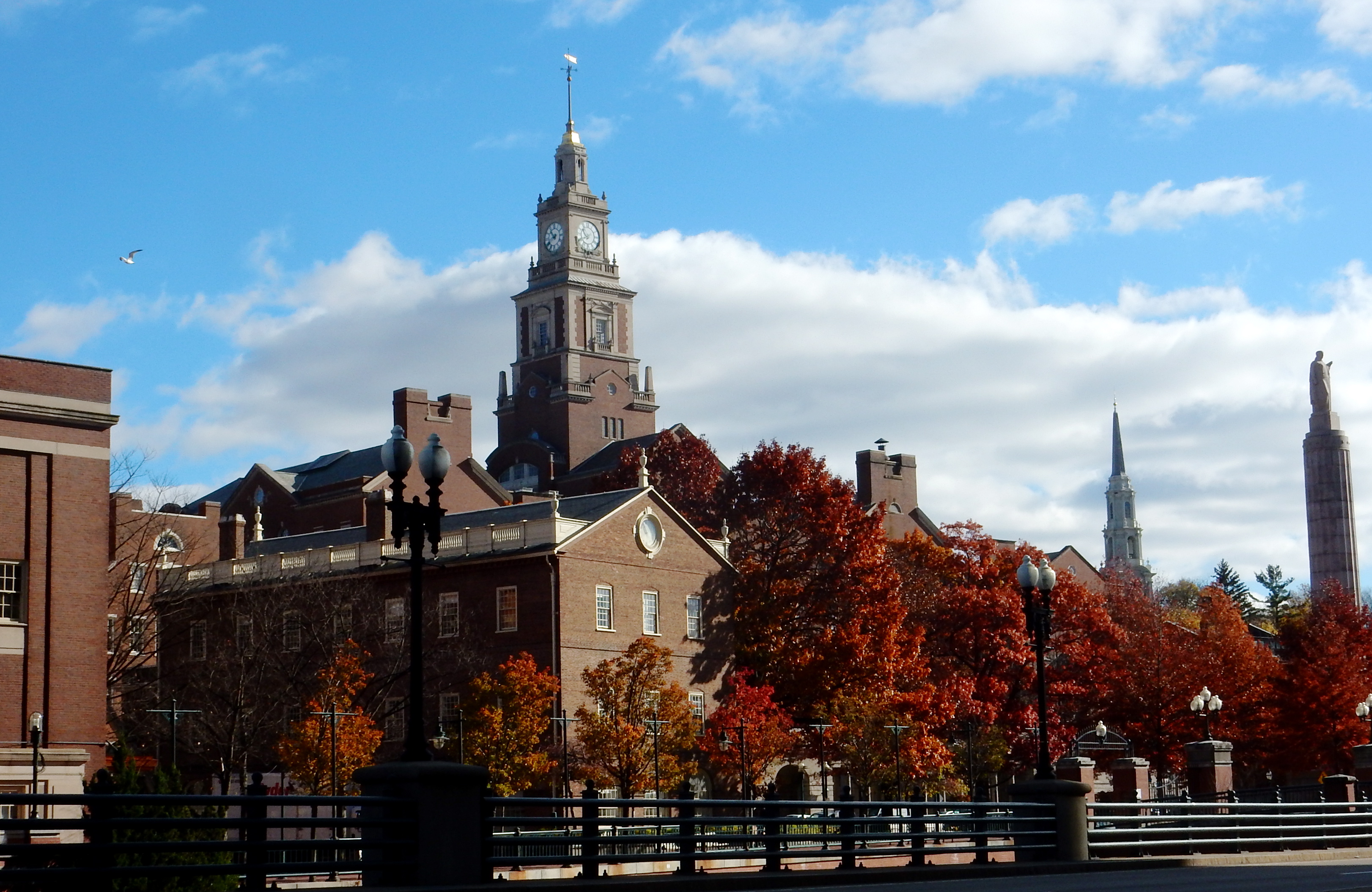
College Hill looking south from across the Providence River.

College Hill looking south from across the Providence River.

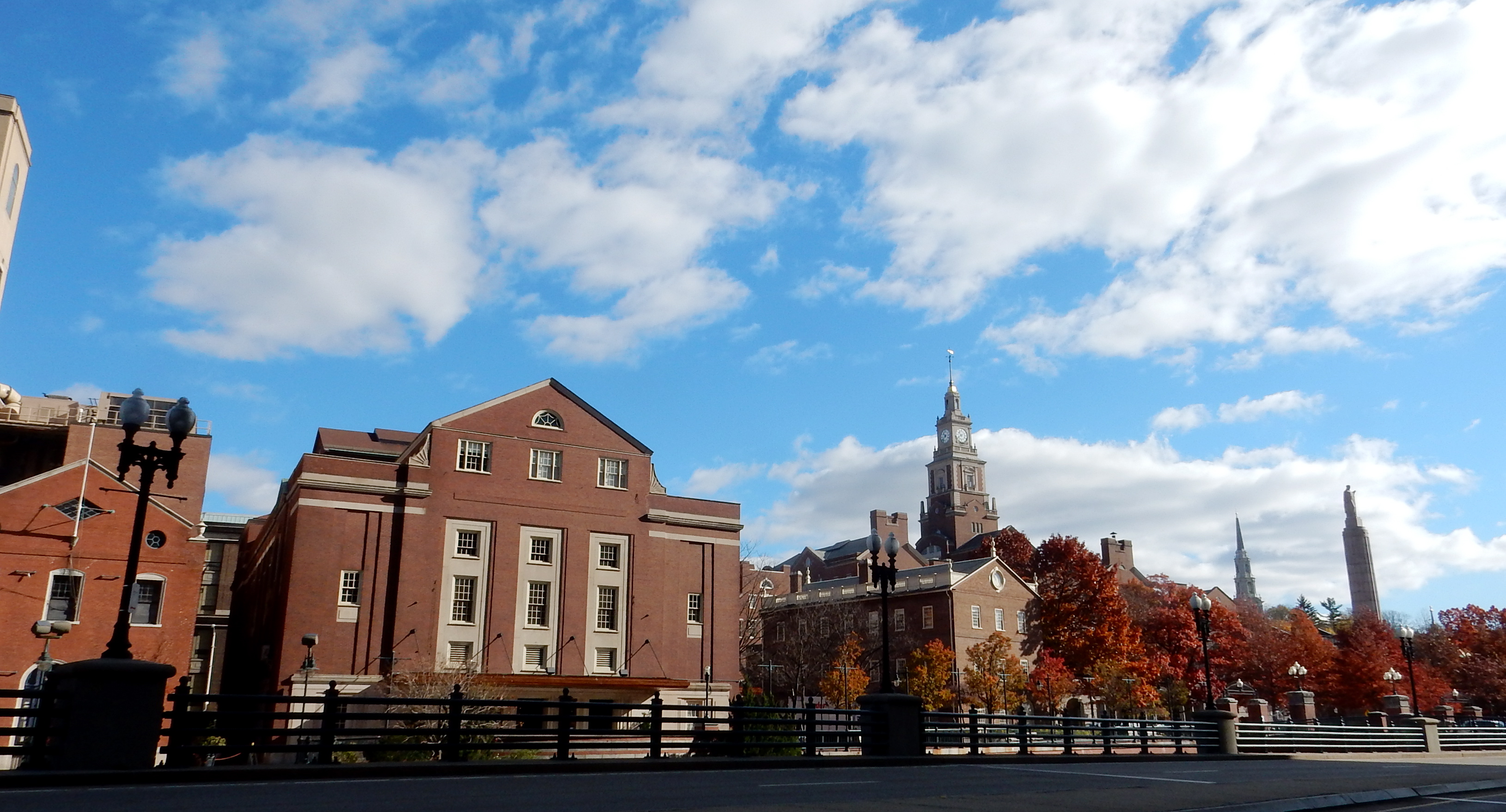
Shot these photos after penning a strategy for the beautification of Providence that ran last Monday, Nov. 10, at GoLocalProv.com (where I now do a weekly column). The basic thrust of the plan requires the demolition of the city’s 10 most obnoxious buildings. These include the Rubik’s Cube and RISD’s Chace Center, which frame with ugliness a cityscape that ranks among the most beautiful in the world.

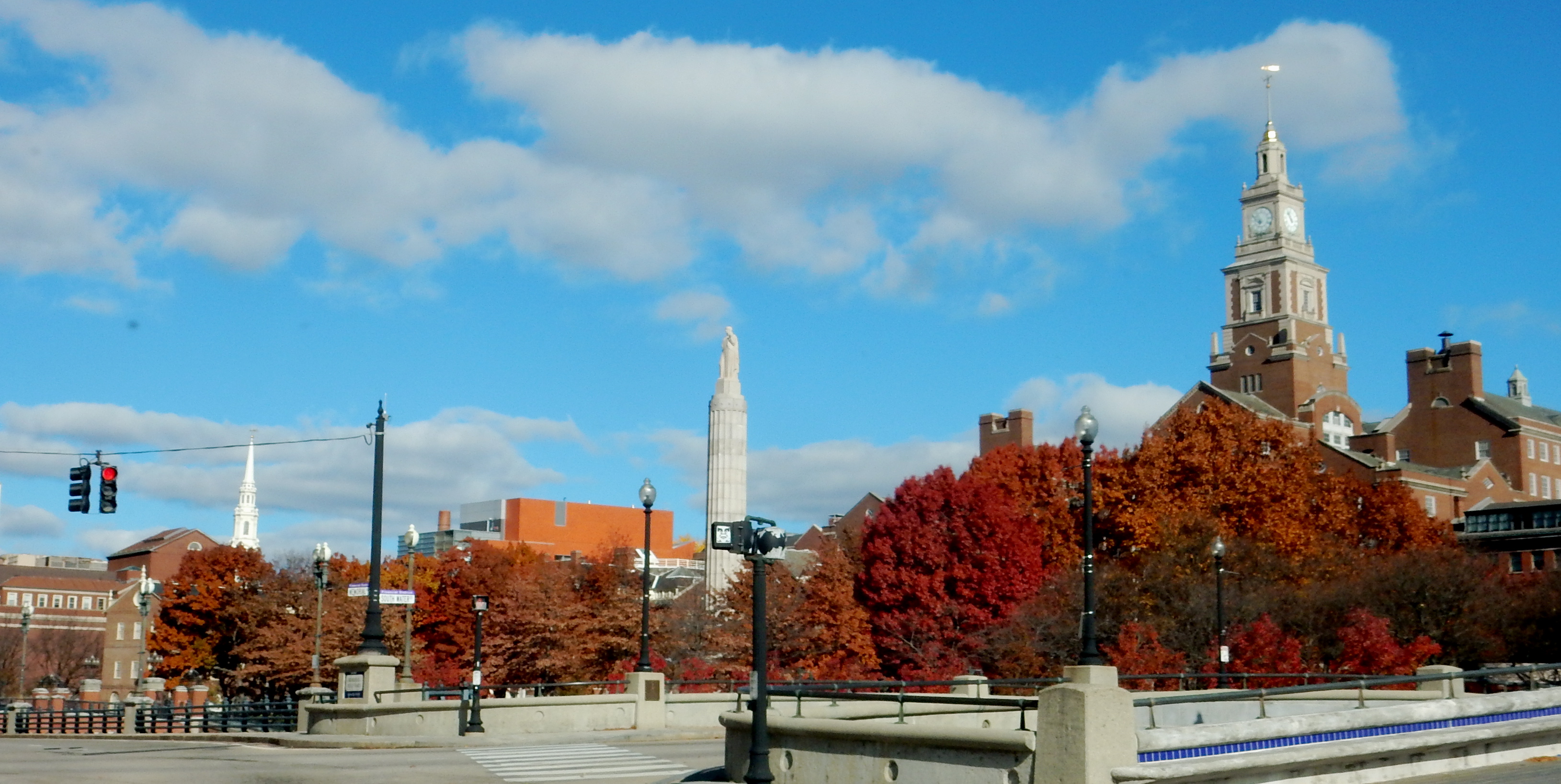
One of the advantages of photography is that by composing a shot in the camera you can edit out things you’d rather not see. Is this dishonest? Well, it depends on whether your goal is beauty or truth. I have edited the Rubik’s Cube (Old Stone Square, 1985) out in all four of these photos. It is off-frame to the right. I have edited the Chace Center (2008) out of all but the last one. In it, the Chace is the orange clunker left of center. Both must go because they degrade one of the world’s most beautiful civic horizons.

Full disclosure: I have informed you that the two uglies exist but I have forced you to look at only one of them. Best of both worlds. Almost.

To the north, way to the left, far outside the frame of these pictures, is the Darth Vader Building (One Citizens Plaza, 1992). It must go because it blocks views of Rhode Island’s State House (McKim, Mead & White, 1900) from downriver. I have left it out of these photos, too. My GoLocal slide show offers views of other buildings I’d demolish to secure the beauty of other parts of downtown. (The assumption is that over time nicer buildings will arise in their places; even if that takes a while, the result would be parking lots beyond which you would be able to see existing lovely buildings in the meantime.)

DSCN4745

DSCN4743

Looking north from across Providence River. Note orangy obtrusion of RISD's Chace Center at left. WWI monument at center is by Phillipe Paul Cret. (Click to enlarge.)

Looking north from across Providence River. Note orangy obtrusion of RISD’s Chace Center at left. WWI monument at center is by Paul Phillipe Cret. (Click to enlarge.)

Posted in Architecture, Development, Photography, Preservation, Providence, Urbanism and planning | Tagged , , , | Leave a comment

Nouvel but not novel

Fondation Cartier, in Paris, by Jean Nouvel. (germanopratines.fr)

Fondation Cartier, in Paris, by Jean Nouvel. (germanopratines.fr)

There is nothing unique, these days, about an architect who loves to throw ugliness in the eye of the world. There is nothing novel, alas, in architecture by those who keen to a sado-masochist ethic. I refer to Jean Nouvel, who is first in line to put up a skyscraper inside the Périphérique, in Paris, and who has committed other crimes against the eye as well. Anthony Daniels, a fellow of the Manhattan Institute, defenestrates Nouvel with max aplomb in “Architect of Himself” in National Review:

No one can be blamed for the fact that nature did not make him handsome, but blame attaches to the insistent pursuit of personal ugliness, and M. Nouvel’s shaven head and adoption practically always of jet-black casual clothes make him look like an informal SS man, or perhaps a villain from a bad remake of a James Bond film who wants to dominate the world by his evil. A man who self-consciously presents himself thus to the world is not to be entrusted with a task, such as architecture, that requires taste; his appearance is a deliberate slap in the face to others, more appropriate to the doorman of a nightclub with a reputation for violence than to a man practicing a public art that, like stuff, refines — or coarsens — you.

Daniels, after spending most of his essay parsing the meaningless and stupidity – and lies – of the Nouvelian aesthetic, turns to the building where Daniels lives in Paris.

What a relief it is to turn from Nouvel to the building in Paris where I have taken a flat! Built not long before World War I, it is neither original nor wholly derivative. It blends perfectly with the urban environment around it. It is graceful and grand without being overweening. It does not scream “Look at me! I am the work of such-and-such a great name, an Ozymandias of architecture!” True, as with other such buildings in Paris, the name of the architect is carved on a small stone plaque, but he was an architect of civilization, not of gimcrack, sixth-rate ideas, or himself. He is forgotten, no one looks at such plaques, but it probably never occurred to him that he should be remembered. For me, he and many others like him are as forgotten heroes, the architects of the kind of urban civilization that we no longer know how to create.

Imagine how beautiful the world would be if architecture had never stopped being this way. It might not mean there’d never again be Hitlers, but at least there’d be an end to Nouvels.

Posted in Architecture, Art and design, Books and Culture | Tagged , , | 8 Comments

Don’t feed the hypotenuse!

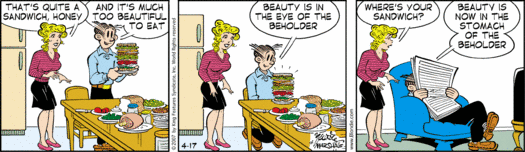
Dagwood_Sandwich_20070417

Dagwood builds sandwich in “Blondie” strip. (en.wickipedia.org)

A Dagwood, the skyscaper of sandwiches, cannot be cut in half, however you slice it. But this intriguing piece, “Rectangles vs. Triangles: The Great Sandwich Debate,” from “All Things Considered” on NPR (with no author listed), slices and dices the assumption on which its headline seems to rest: that there is any debate at all.

The story quotes Kevin Harris, a Baton Rouge architect, who says the diagonal cut exposes more of the interior of the sandwich, “and by exposing the interior, it engages more of your senses before you take the first bite. … It’s more revealing, almost like a burlesque dancer,” he says. “Covered enough to be clothed, but uncovered enough to be very, very appealing.”

It’s hard to argue with that, and the author of the NPR piece does not really try. Indeed, recourse to mathematics pretty much seals the deal. There’s no arguing with the hypotenuse!

If your bread is square, and if each side is 4 inches long, you have 16 inches of crust. Cut that bread down the middle, and you get 8 inches of crust-free surface. Cut that same bread diagonally, [Vermont Technical College emeritus professor of mathematics Paul] Calter calculates, and you end up with almost 11 inches of crustless surface. That’s a substantial increase.

This sounds almost like the sort of calculation an architect makes when he’s figuring out how to reduce the distance a homeowner must travel between the couch and the kitchen.

The author notes that a diagonal cut offers more room for the sandwicher to immediately chomp right down into the middle of the sandwich – something I cannot imagine doing, since I have a beard. NPR intones: “The long, crustless hypotenuse gives you a very ample entrance into the softer, meatier part of the sandwich.” Mmm. It sure does sound delicious. Excuse me. The kitchen awaits.

Posted in Architecture, Art and design, Humor | Tagged , , , , | Leave a comment

Philip in black and white

View from Newbury Street in Boston.

View from Newbury Street in Boston.

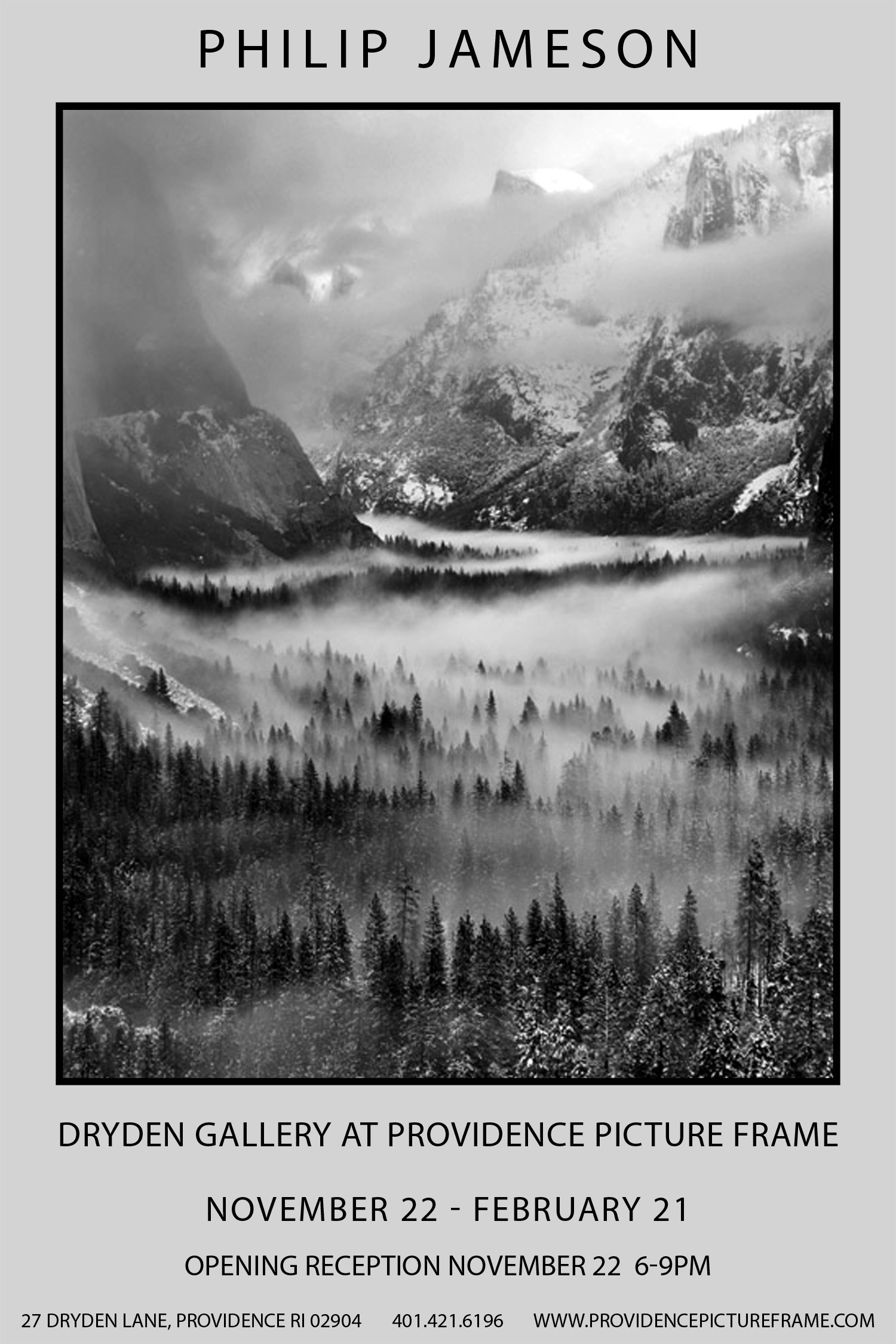
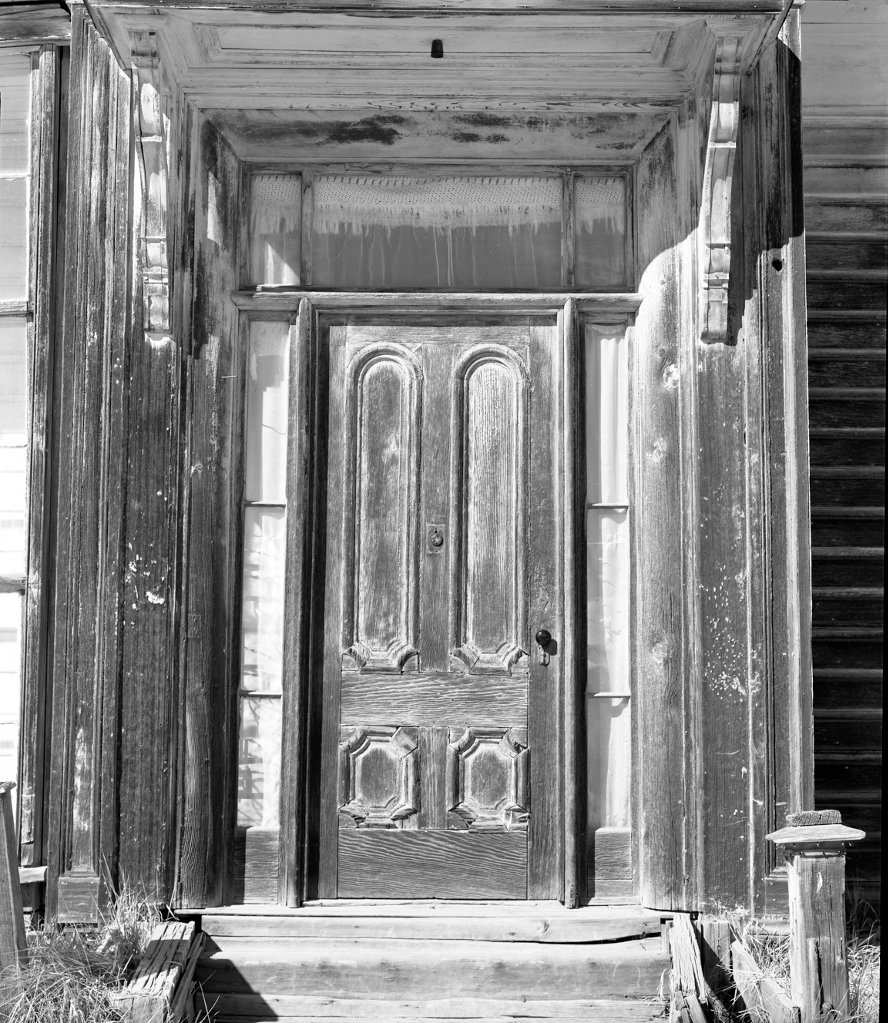
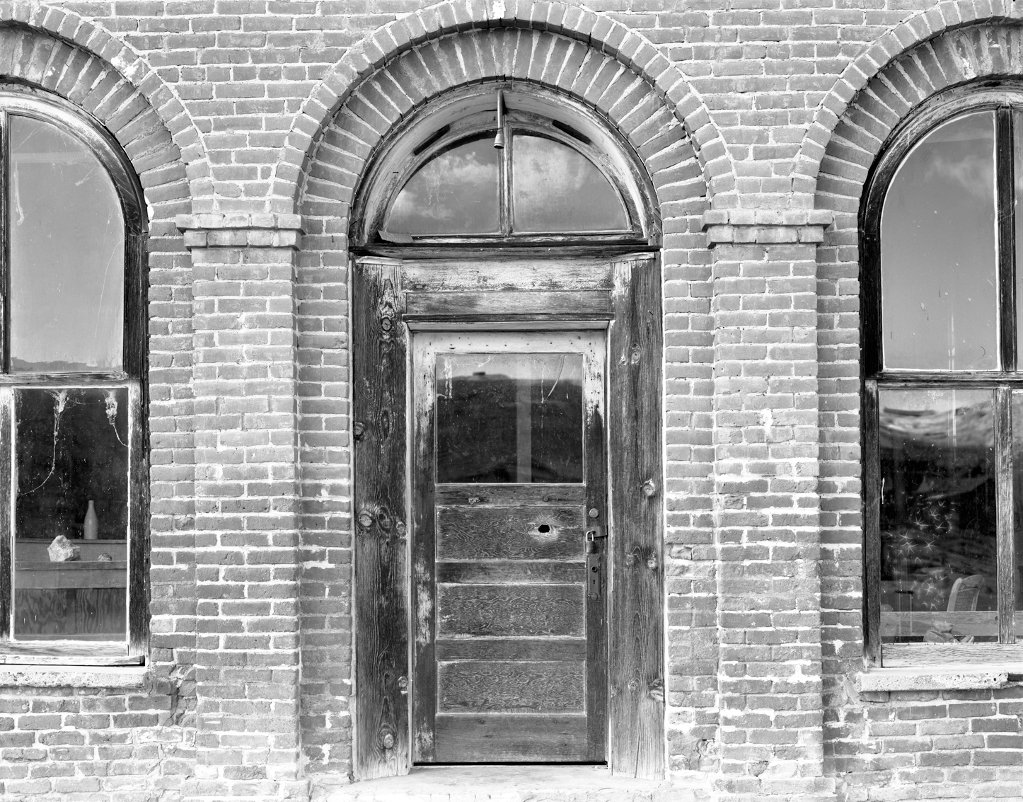
ImagePhilip Jameson, an extraordinary photographer who dabbles in black and white, will have an exhibition of his work at the Dryden Gallery, 27 Dryden Ln. (Providence Picture Frame behind Benny’s off North Main on Branch), opening on Saturday, Nov. 22, 6-9 p.m., and running through Feb. 21. The mountain shot featured on his poster is brilliant but I hope to see more shots of buildings, like those below. There’s something about black and white …

I used to attend concerts of the Solati Trio at the Dryden back in the day – that was closing in on three decades ago. Before the program I’d wander around the framed art, the frames often as encrusted with ornamental and elemental beauty as the art itself. Sometimes the frames were better! Then upstairs, chat a bit, grab a chair, sit down and wait for the music to wash over me. Two sisters of Mother Russia on violin and viola, and Hrant Tatian, of the Rhode Island Philharmonic on cello. His daughter Beth was being squired around in those days by my good friend Steve. Ah! The memories!

I wonder why there are not more places like the Dryden Gallery where art, craftsmanship and music intermingle to such pleasurable effect. No, of course I don’t wonder why. The answer is the same as the one for “Why does society sit still and receive the architecture it gets like a slap in the face?” Does society get what it deserves?

I’m not even sure the Dryden hosts concerts anymore – does the Solati Trio still exist? If you attend Philip Jameson’s opening, you can ask.

Cain House, Bodie Ghost Town, in California.

Cain House, Bodie Ghost Town, in California.

Deschambeau Hotel, Bodie, Calif. (note bullet hole in door).

Deschambeau Hotel, Bodie, Calif. (note bullet hole in door).

Posted in Architecture, Art and design, Photography | Tagged , , , | Leave a comment

God’s eye on Burj Dubai?

Burj Khalifa on skyline of Dubai. (Photographer unknown)

Burj Khalifa (originally Burj Dubai) on skyline of Dubai. (Photographer unknown)

Above is a photograph, unadulterated I assume, from one of those emails with long strings of beautiful, adorable, humorous, salacious or otherwise remarkable photos, usually unattributed to any photographer. At least I can thank Leon “Big Lee” Juskalian for sending the above photograph to me. I am not normally known for posting photos of modern architecture with a “Beautiful!” label anywhere in its vicinity. But this is an exception and it demonstrates perhaps the sole merit of modern architecture: that it can indeed look enchanting – from a distance. Dubai is a city of modernist towers, and if the sun or moon is shining right, or if as in some fine shots they are poking their heads above a large bank of desert fog, they can look lovely. But mostly they look ridiculous.

And if you are standing near one of the towers there, you may be feeling a little queasy, as if something large is about to fall on you. A quirk of human vision causes straight lines to bend as they recede into the distance, upward or toward the horizon. That is why ancient architects introduced entasis – a very slight bending – to the columns of Greek and Roman architecture. Boy, were they picky! But entasis comes down to us in the design of columns to this day, and sometimes it is sufficiently pronounced that a column seems taut with struggle, groaning under the weight it must uphold. There are other ways that classical architecture seems to pick up on human character, but this is my favorite.

Segment (about a fifth) of Adrian Smith design for Providence Place mall. (Brussat archives)

Segment (a tenth of its length) of Adrian Smith design for Providence Place mall. (Brussat archives)

We were discussing this photo of the Dubai skyline, with rays from the sun breaking through clouds to highlight the Burj Khalifa, the tallest building in the world. It may interest some readers to know that its architect, Adrian Smith, long with the big modernist firm of Skidmore Owings & Merrill, designed an earlier version of Providence Place mall that was a lot more traditional, even classical, than the final version by architect Friedrich St. Florian. Smith’s version of the mall would look decidedly out of place in Dubai, but it would have been gorgeous rising up Smith Hill toward the Rhode Island State House by the classical firm of McKim Mead & White. It was shot down by gubernatorial politics when Republican Linc Almond came out against the proposed downtown shopping mall in his race with Myrth York; but when he won he decided he’d actually come out not against the mall itself but against the state’s “tax treaty” with the mall developers, and had to kick the mall somehow, so he forced the developer to throw out a lovely design on the grounds that it was not buildable at an affordable cost. Maybe it was, maybe it was not, but the result is still a rare traditionally styled mall to which Rhode Islanders flock in the thousands to this day. As for Smith, he left SOM, formed his own firm, and went on to, as you might say, greater heights.

I leave this post without addressing the headline’s question, which is above my pay grade.

Posted in Architects, Architecture, Art and design, Other countries, Photography, Providence | Tagged , , , , , | Leave a comment

Mod church or Red crib?

quiz-700x437Hats off to my friend Bill Patenaude for sending this test of architectural erudition courtesy of ChurchPOP.com. Some you will know. Others will knock your block off.


Posted in Architecture, Humor, Other countries | Tagged , , , | 2 Comments

Operable window washing

Window washers hanging from 1 World Trade Center. (express.co.uk)

Window washers hanging from 1 World Trade Center. (express.co.uk)

Window washers hanging from Hearst Tower. (abcnews.go.com)

Window washers hanging from Hearst Tower. (abcnews.go.com)

Another set of window washers almost died on a New York skyscraper, this time at One World Trade Center. The cable broke yesterday and the two window washers hung on, waiting for firemen to cut through two sheets of thick glass on the 69th story. Then they crawled in. The networks did not (at least not CBS) mention the similar drama at the Hearst Tower last year, the first building out of the box after 9/11, by Norman Foster. Engineers spent millions to design a window-washing apparatus suitable for a building whose glass facades mimic a diamond bracelet mating with an accordion. The scaffolding broke, which left its cleaning crew hanging there even more awkwardly than the guys at 1 WTC. Fortunately, there, too, the men were rescued.

I don’t know if anyone has fallen off the Burj Khalifa, in Dubai, or off the Shard in London. Maintenance for such buildings, especially for cleaning the exterior, is almost as much an afterthought as the “art programs” selected by committee for them after all the architects have finished laughing their way to the bank.

Perhaps window cleaning will be the first “extra” to go when conglomerates of skyscraper owners can no longer afford their properties. Maybe then the idea will spring to mind of buildings with masonry ledges from which scaffolds can be more naturally, securely and inexpensively hung. And maybe when the money for that runs low, maintenance workers can open a window, step out on the ledge and use a rag to scrub the window clean. (But watch those bootprints on the paperwork!) Operable windows. Now there’s an idea!

Indeed, that might keep a natural lid on the height of buildings, since, above a certain level, opening a window might tend to suck a person out. I don’t know the physics of that phenomenon, but maybe there’s no grit to cling to glass up that high anyway. Then why would they have been cleaning up there in New York? Well, Manhattan has high-rise buildings, so it must have high-rise filth.

Posted in Architecture, Art and design | Tagged , , , , | 1 Comment

Girding against the Granoffs

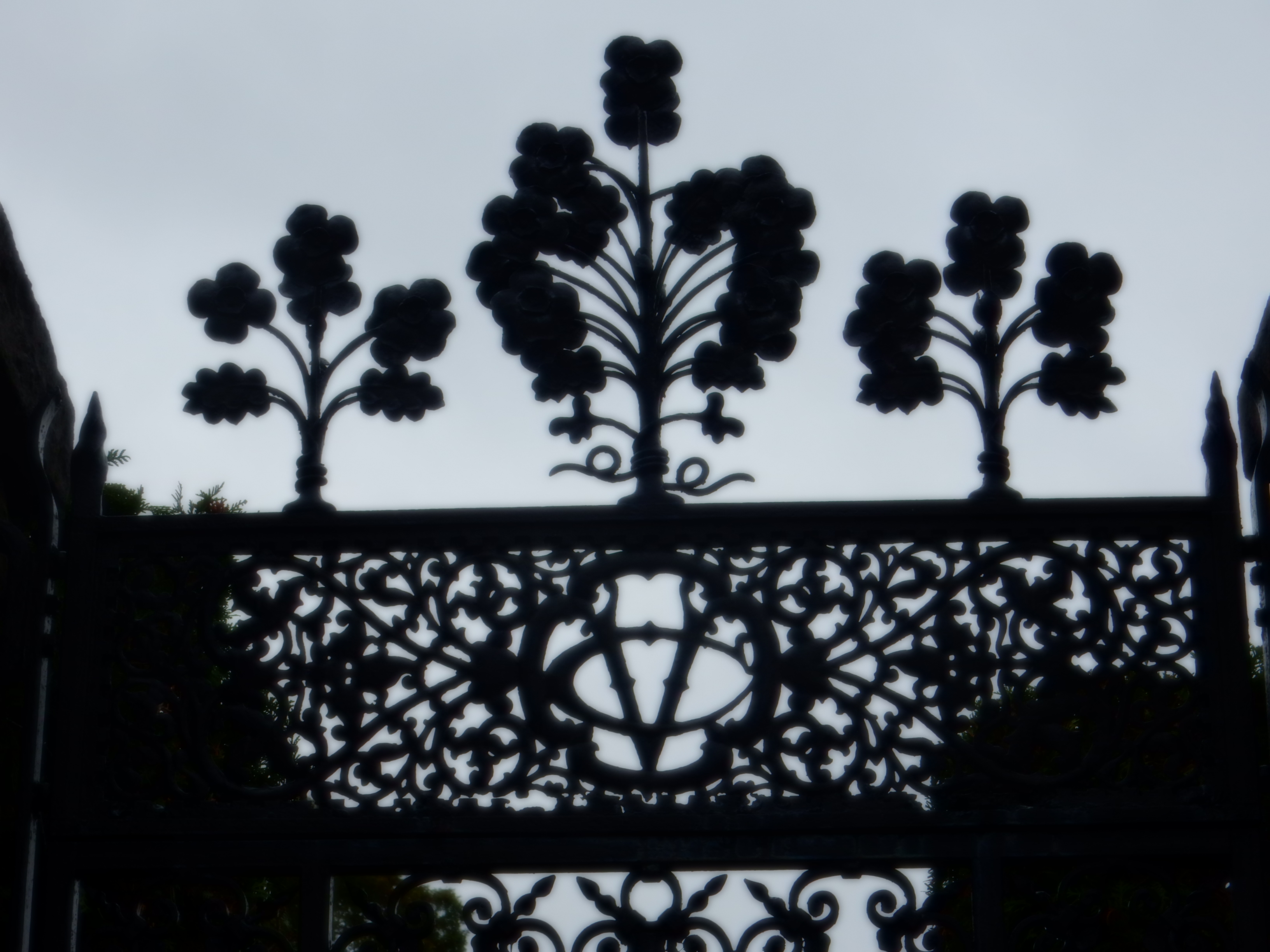
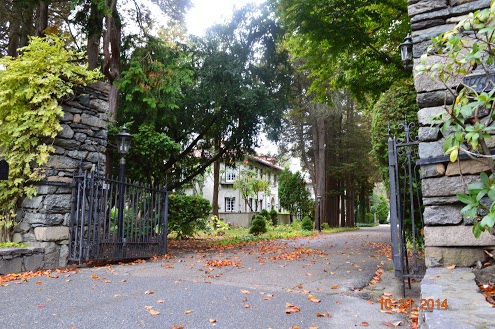
Through gateway at 440-460 Rochambeau, the Granoff estate on Blackstone Boulevard. (Photo by Yisrael Yavner)
Through gateway at 440-460 Rochambeau, the Granoff estate on Blackstone Boulevard. (Photo by Yisrael Yavner)

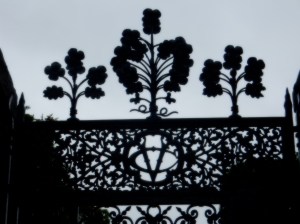
Entry gate ornament at corner of Blackstone and Rochambeau. (Photo by David Brussat)
Entry gate ornament at corner of Blackstone and Rochambeau. (Photo by David Brussat)

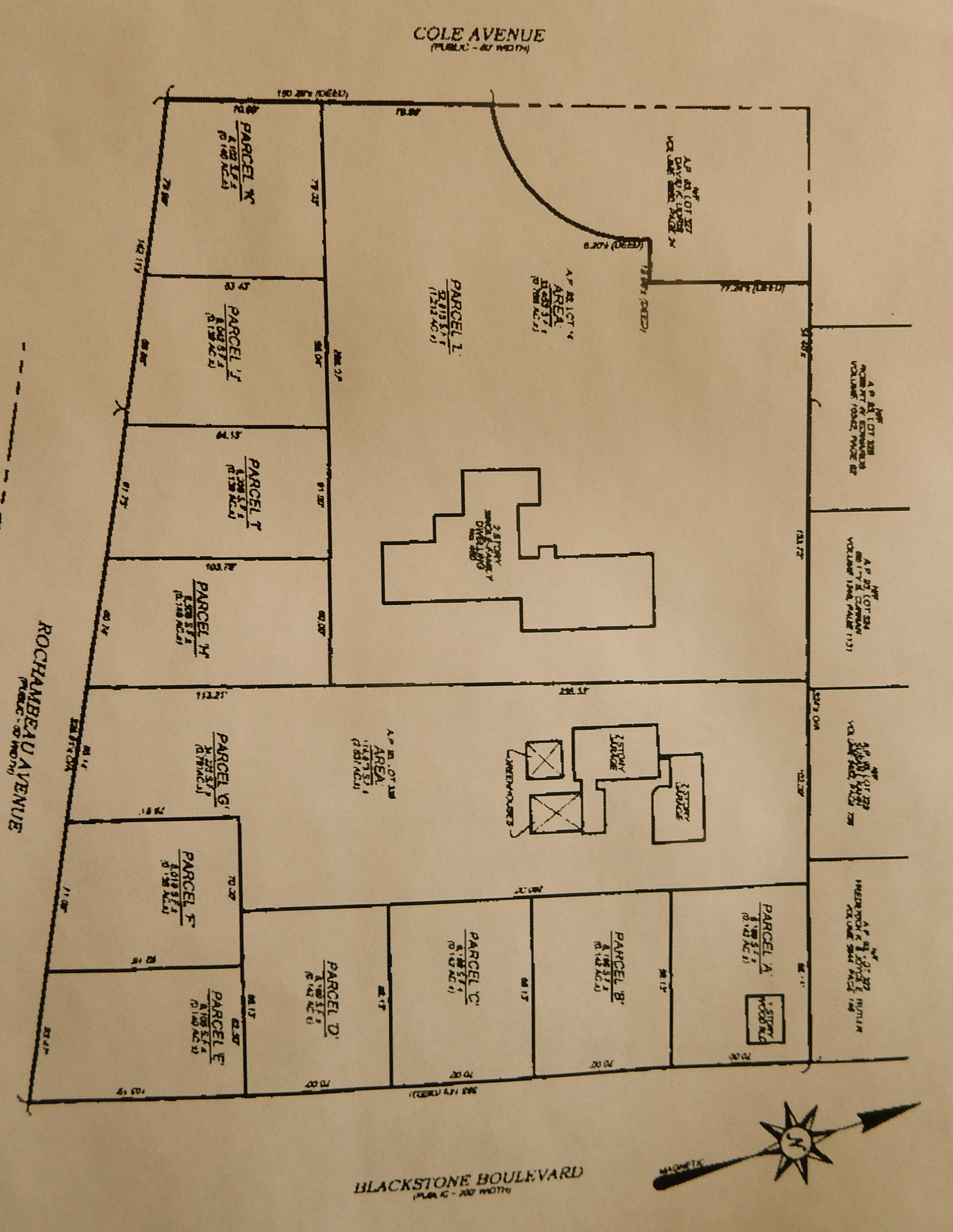
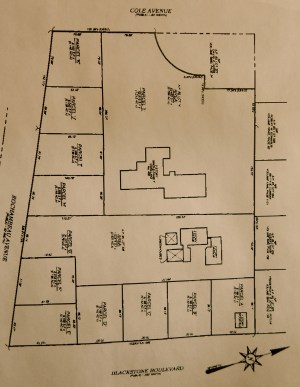
Latest plan for subdivision of Granoff estate. (City Planning)
Latest plan for subdivision of Granoff estate. (City Planning)

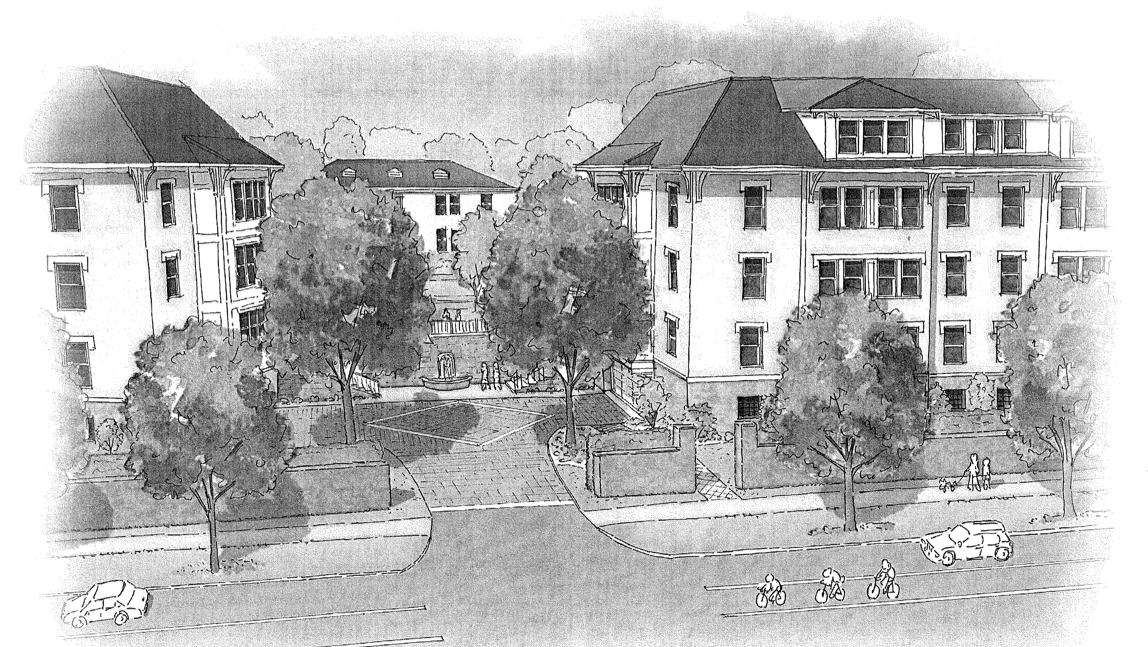
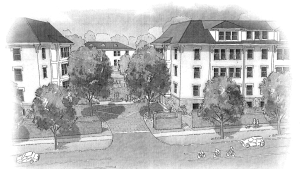
Earlier proposal for apartment complex. (City Planning)
Earlier proposal for apartment complex. (City Planning)

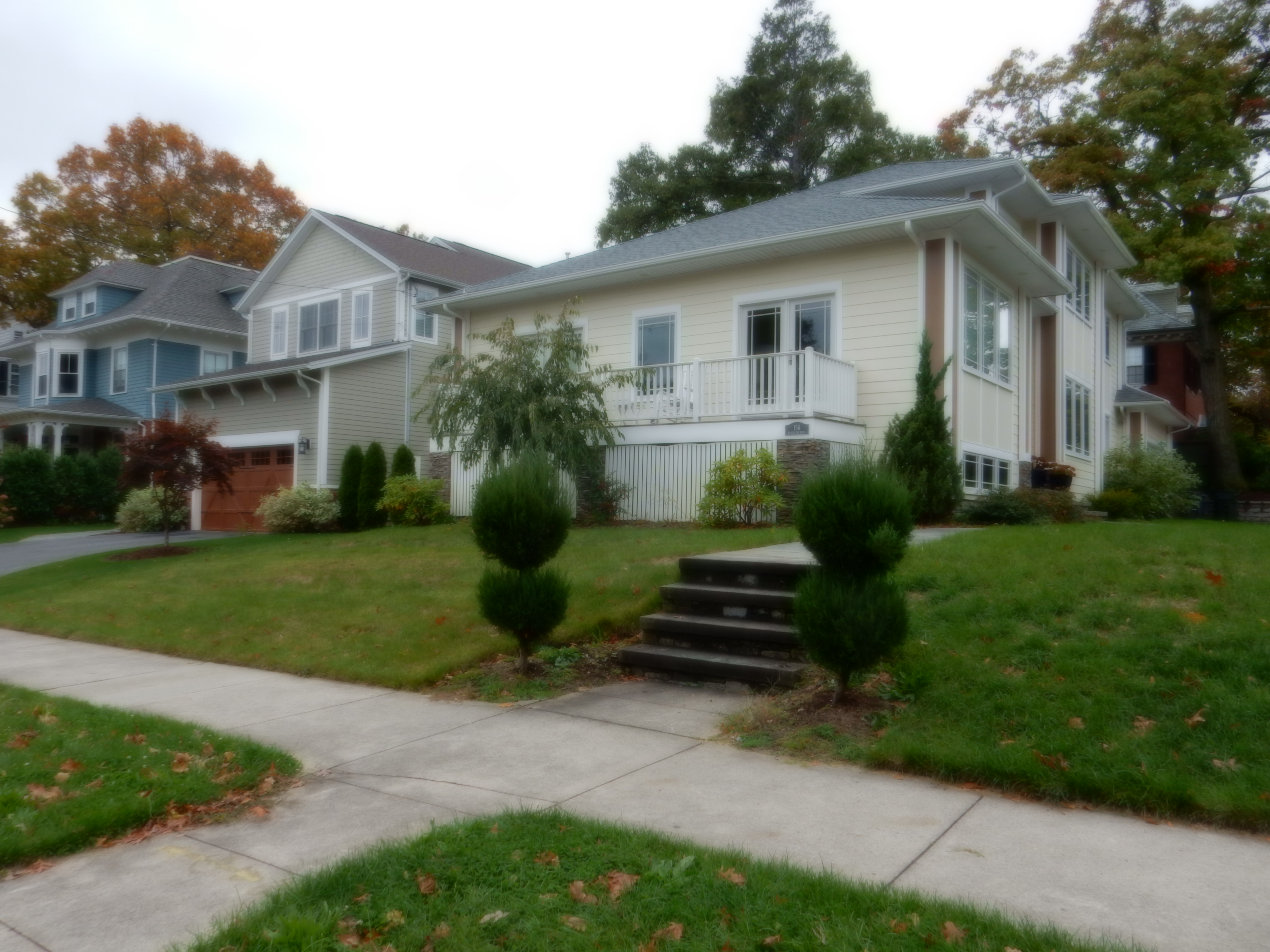
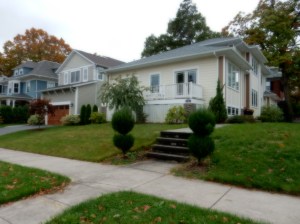
Two new houses on Blackstone south of Laurel. (Photo by David Brussat)

Two new “bad trad”  houses on Blackstone south of Laurel. (Photo by David Brussat)

A neighborhood meeting I had thought might blow up in anger last night instead displayed a steely determination to resist a sneaky subdivision of the Granoff estate behind a stone wall at Blackstone Boulevard and Rochambeau Avenue.

Last week’s meeting at the Rochambeau Library about the proposed Granoff estate’s subdivision was unruly. Last night’s meeting was focused and orderly. At least a hundred neighbors showed a commendable discipline in the face of considerable disappointment. After last week’s meeting, an emissary of the Blackstone Neighborhood Organization met Leonard and Paula Granoff to explain local concern but left without the coveted signal that the couple was willing to work with the neighbors to promote a redevelopment plan acceptable to all – especially in regard to the fate of the 1849 stone wall bordering the estate along Blackstone and Rochambeau.

The mood darkened during the intervening week when it was learned that last winter the Granoffs had proposed an apartment complex with 110 units. The trial balloon popped, but the Granoffs’ willingness to push a high-density plan in an R-1 zone of low residential density, not to mention trying to keep it secret, caused yet more air to seep out of the family’s claim that it would try to make sure that their land is developed with “sensitivity.”

“We’ll take our tone from what’s coming at us,” real-estate mogul Sharon Steele warned at last night’s meeting. Nobody wants this to descend into a zoning brawl, but the Granoffs obviously are not the only family with clout along the boulevard. Zoning regulations have the force of law, but the law is interpreted by bureaucrats hired by elected officials with their fingers in the air. This is not a flaw in the system but a factor that sharpens and refines the subtleties of its democratic character. Zoning is the battleground of politics at its most local.

The city planning department has approved the Granoff’s plan dividing the 3.6 acres into 12 plots, including one retaining their Mediterranean-style house, built by Professor Brigham in 1915. There will be give and take over what kind of houses will rise on the parcels – whether they are designed by the developer or sold by a developer to individuals who hire their own designers, and whether the developer will agree to run a road through the middle of the land so that each house’s driveway lets out on that road rather than onto Blackstone or Rochambeau, which would require breaching the stone wall or eliminating it altogether.

Wendy Drumm, of the BNO steering committee, revealed that the organization has hired a lawyer to help navigate the shoals of the process. “We really do have a shark,” she said, asking the crowd to write checks. Fearing that the Granoffs’ legal team might have extra time to formulate a rebuttal, the steering committee refused to disclose its legal strategy at the meeting, or even the identity of its shark. That the audience took this in stride testifies to their discipline. They will need it a week from today when the Granoff plan goes before the City Plan Commission at a meeting scheduled for 4:45 p.m. on Tuesday, Nov. 18, in the large meeting room on the first floor of the planning department at 444 Westminster St. (across Empire Street from its old offices).

It has been assumed since this imbroglio emerged several weeks ago that it was impossible to stop the planned subdivision, only to influence its character. Maybe. Now the steering committee seems to believe that “slow-walking this process,” as Drumm put it, could turn the subdivision plan into a nonstarter. A taut opposition can slow things down with legal objections and popular disgust with a process if a sufficiently large or influential slice of the public comes to believe, rightly or wrongly, that the process is rigged. With the sale of the property hanging on prospects for its development, time itself, which started out as an ally of the Granoffs, could become an ally of their opponents. This would not be the first time that a proposal fully legal under zoning law died the death of a thousand cuts.

Of course the Granoffs will have little to fear if the neighborhood fails to show up at next Tuesday’s meeting. Last night’s showing suggests otherwise. Indeed, I’ve attended zoning meetings where the solidarity is palpable, meetings that turn into a party (albeit a party with discipline) as confidence swells to gird the public loin. Yes, Virginia, activism can be fun. I don’t think the baby boomers at the meeting last night need to be told that!

My sense of the meeting is that the neighbors still hope the Granoffs will demonstrate their longstanding stewardship, perhaps by agreeing to write covenants into the deed of their land that ensure that its redevelopment abides by historic, aesthetic and other appropriate civic niceties. This would be the easy road for the Granoffs, it seems to me, and the surest way for them to make the most money from their land. Selling it to a developer who sees the correlation of forces shifting against its profitable development will not be easy. Who wants to buy a house whose occupants are defined from the start as the enemy?

The door is swiftly closing on the time the Granoffs have to decide whether to listen to the better angels of their civic nature, or the worse.

Posted in Architecture, Architecture History, Development, Landscape Architecture, Preservation, Providence, Urbanism and planning | Tagged , , , | 1 Comment

Bulfinch awards Wednesday

Adds title of Aaron Helfand’s lecture.

David Brussat's avatarArchitecture Here and There

Charles Bulfinch (1763-1844) Charles Bulfinch (1763-1844)

Coming up Wednesday is the ceremony at the Massachusetts Statehouse for the Fifth Annual Bulfinch Awards. The winners are known. You can may see their entries here. But you may applaud them on that evening from 6 to 9 p.m. by clicking here to buy tickets at a price that speaks volumes to the growing popularity and influence of the Bulfinches and the big party where each winner gets a newly struck Bulfinch Medal.

The award program from the New England chapter of the Institute of Classical Architecture & Art aims to reward and publicize the work of regional designers, this year in 11 categories. The ceremony will again take place at the foot of the Grand Staircase, an addition to the Statehouse as first designed by Charles Bulfinch himself back in the 1790s. Aaron Helfand, an architect at the Boston firm of Albert Righter &…

View original post 259 more words

Posted in Uncategorized | Leave a comment

More Zaha stadium flap

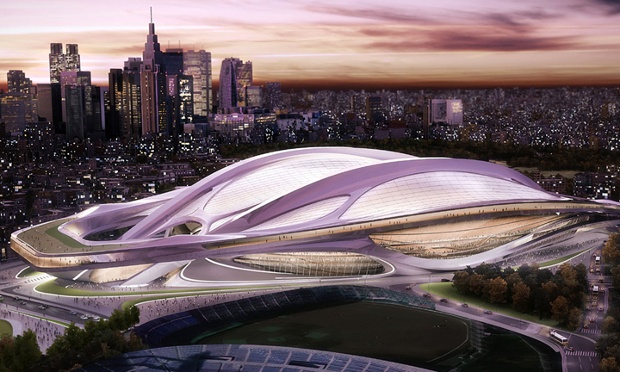
Latest version of proposed Tokyo Olympic stadium by Zaha Hadid. (Guardian)

Latest version of proposed Tokyo Olympic stadium by Zaha Hadid. (Guardian)

Please don’t misinterpret these remarks as in any sense a defense of Zaha Hadid. Her proposed 2020 Olympic stadium in Tokyo has been mired in controversy and budget cuts, and  now one of Japan’s leading architects, Arato Isozaki, has sent a letter to Japanese sports authorities denouncing it as “a turtle waiting for Japan to sink so it can swim away.”

The Guardian critic Oliver Wainwright mulls the situation in this essay.

I’ve looked at Isozaki’s work, on his web site, and he is in no position to criticize Zaha Hadid. While not as ridiculous, his buildings are modernist. Just as a Pritzker jury has no rational grounding in principle to prefer one modernist architect over another, no modernist architect has any rational grounds to criticize another. Isozaki criticizes Hadid’s stadium design as a “turtle,” “a monumental mistake” and “a disgrace to future generations.” Each of those criticisms are in my opinion valid, indeed they are a belaboring of the obvious, but coming from Isozaki they ring simultaneously hollow and arrogant.

What Isozaki is really saying is, why shouldn’t Japan’s Olympic stadium be built by an architect from Japan? A good question, but instead of his fatuous critique he should pose that question to the recipients of his angry letter – the leading Japanese sports authorities. You cannot blame Zaha Hadid for being Zaha Hadid when every motivation in architecture today is for powerful practitioners to seek the invitation of foreign countries to destroy priceless historic treasures. So that’s what they do, all of them, laughing all the way to the bank.

Writes Wainwright: “The London-based, Iraqi-born architect says the scheme is the result of ‘three decades of research into Japanese architecture and urbanism,’ and promises it will be an ‘integral element of Tokyo’s urban fabric, directly engaging with the surrounding cityscape’ ”

God! What total and unadulterated balderdash!

In Japan’s case, as in many other nations, the damage has already been done. The architecture of Zaha Hadid is deplorable in the extreme, but no more a cancer on the culture of every nation than the work of any other modern architect. Far more deplorable are the national and civic leaders who compete to see who can inflict the most pain on their nation’s cultures, and at the highest price.

At least Japan is cutting Zaha’s budget to shreds. Value engineering has indeed turned the latest version of the stadium into something like a turtle – a turtle on qaaludes rather than a turtle on acid as originally proposed. There’s plenty of blame to go around, and all of it would be comical  if it were not so cosmically sad.

Original version of Hadid's stadium in Tokyo. (Guardian)

Original version of Hadid’s stadium in Tokyo. (Guardian)


Posted in Architects, Architecture, Other countries | Tagged , , , , , | 1 Comment