First critique in Pawtucket

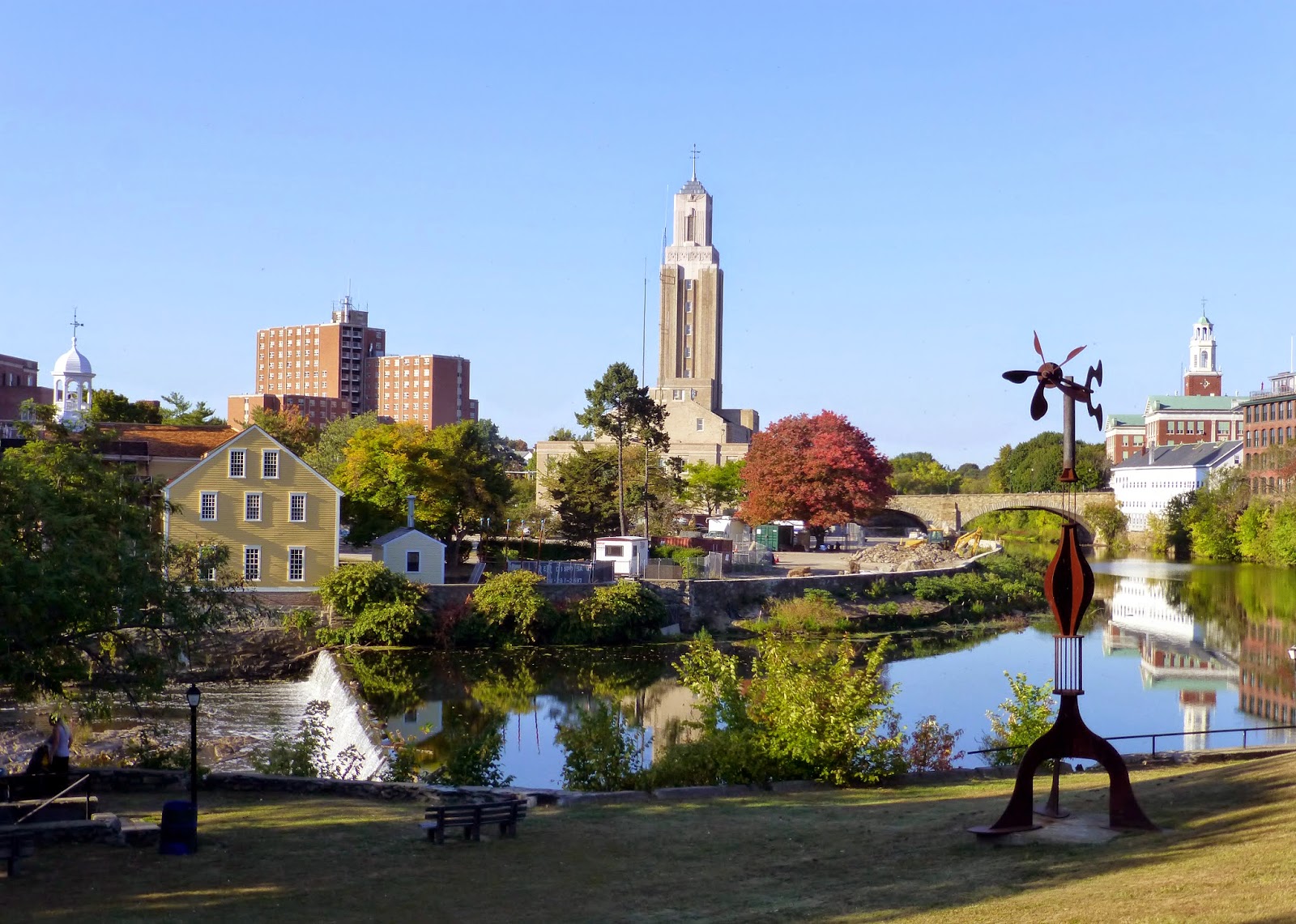
View down Roosevelt Avenue past City Hall's lovely Art Deco tower. One of my first design critiques considered the building renovation at left, Pawtucket's Visitor's Center. (pawtucketfoundation.org)

View down Roosevelt Avenue past City Hall’s lovely Art Deco tower. One of my first design critiques considered the building renovation at left, Pawtucket’s Visitor’s Center. (pawtucketfoundation.org)

Here is one of my earliest columns about a design competition, in this case to renovate an old department store into a visitors center for the City of Pawtucket.

***

Promoting a Peerless Pawtucket
December 4, 1992

IN PAWTUCKET, the Peerless Building is the focus of an architectural battle whose outcome is critical to the city’s economic development. Once a department store, the building will become a visitors’ center for the Blackstone River Valley Heritage Corridor, which begins in Pawtucket. Naturally, city officials want the Peerless to better reflect its new role.

Two designs were chosen last week as finalists in the competition. One attempts to reflect the architecture of Pawtucket’s historic textile mills, the other to reflect the Blackstone River that flows past Slater Mill across the street. “An elegant glass skin on the lower level is rhythmically accentuated with piloti support columns, while above an undulating blue metal panel skin symbolically represents the river,” says the prospectus to the latter design.

Of this rather unusual design, RISD architecture professor Derek Bradford, who moderated the presentation, remarked, “It’s a building that says, ‘Here I am.’ ”

To which the majority of Pawtucket Redevelopment Agency board members at the presentation seemed to say, “Please go away.”

If the other design could speak, it would probably say, “I’ve been here all along.” Maybe few would believe it, but its modest attempt to recapture the architectural flavor of Pawtucket’s famous mills gives the sentiment some plausibility. Of course, it is easier for the design of a building to reflect other buildings than to reflect a river. Yet, a modest success is not necessarily preferable to an ambitious failure.

So, which design should win?

As the redevelopment agency’s deputy director, Tom Willett, said of the contest, “This is an exciting process that will focus on giving the structure a new look that combines its public use with the history of the surrounding area.”

That’s pretty clear, but the city’s design criteria for selecting a winner were, by its own admission, obscure. “The objectives for the actual design of the façade are more difficult to articulate,” says the contest brochure. It suggests that the design should take “historic content” into account, but it also asserts that “there is no desire to make 175 Main Street look like an 18th or 19th century building.”

The entry that says “Here I am” was designed by architects who “felt it was incorrect to use a specific mill vocabulary.” The other entry “continues, and re-establishes, important urban themes” – that is, it reflects the style of the historic mills, mainly by retaining the Peerless’s soft window arches in its ground-floor arcade.

If I had written the design criteria, I would have demanded a building that looked like it was built a century ago, during Pawtucket’s industrial heyday, its years of prosperity and self-confidence. Those buildings which survive from that era are the city’s most memorable. It may be assumed they are more beloved by Pawtucketers than, say, the Apex Building (1969) or the Blackstone Valley Electric Building (1969).

I certainly prefer the design that looks more old-fashioned and less like modern architecture. And I suspect that, were it ever to be completed, the “Here I Am” Building would not cause people to think, “Ah! How nicely the new visitors’ center symbolizes the river.” They are more likely to think, “What’s all that wavy glass and blue metal supposed to be?”

Of course, many who visit Pawtucket today get off Interstate 95, shop at Apex, and leave without noticing the city’s architecture. This is unfortunate, because the city has a rich architectural heritage, much of which is intact. Next time you drive to Pawtucket, exit I-95 at School Street, head past the Apex parking lot and into downtown. You will see a skyline pitched with considerable charm on the hills overlooking the Blackstone River.

The view across the river as you curve onto Main Street is filled with church steeples, the cupolas and mansard roofs of old houses, the tall Art Deco tower of City Hall (1935), the Beaux-Arts dome of the Pawtucket Library (1896), the battlemented towers of the Pawtucket Armory (1894), and the brick articulation of factories such as the Bridge Mill Power Plant (1893), the Wilkinson Mill (1811) and, of course, Slater Mill (1793), birthplace of America’s industrial revolution.

Squat in the middle of this view, its ugliness increasingly dominant as you continue across the Main Street Bridge into downtown proper, is the Peerless Building (1969). (What was it about that year!) It needs a facelift, to say the least. But even its inelegance is not as great a sin as its location, whose centrality puts so much surrounding beauty at risk.

As it happens, urban renewal razed more of downtown Pawtucket than of downtown Providence. Many fine old buildings remain, but the historic fabric of Pawtucket was more brutally ripped by the unfortunate structures erected in the 1960s and ’70s. If the city wants to attract tourists, it faces a greater challenge than does Providence in restoring the built tapestry of its past. Therefore, every stitch toward restoring the historic fabric is important.

Adopting the historically sensitive redesign for the Peerless Building would be an important step in the right direction, perhaps the biggest one that Pawtucket could conceivably take at this time, given the building’s central location.

To adopt the more modern, boldly unhistorical design would be to undo a stitch in the historic fabric. It would confuse the clear direction in which Pawtucket’s economic development strategy must move. To prosper, it should move with, not against, Providence and other cities in Rhode Island and other states in New England that have chosen to emphasize their history. Indeed, why should Pawtucket bother hosting the Blackstone River Valley Heritage Corridor if the city’s effort to promote its future is not to be rooted in its past?

In the end, Pawtucket should say goodbye to the “Here I am” Peerless and hello to the Peerless that respects the city’s architectural heritage.

***
Copyright © 1992. LMG Rhode Island Holdings, Inc. All Rights Reserved.
Posted in Architects, Architecture, Architecture History, Art and design, Blast from past, Development, Preservation, Rhode Island, Urbanism and planning | Tagged , , , , , , | Leave a comment

A day at the dragon races!

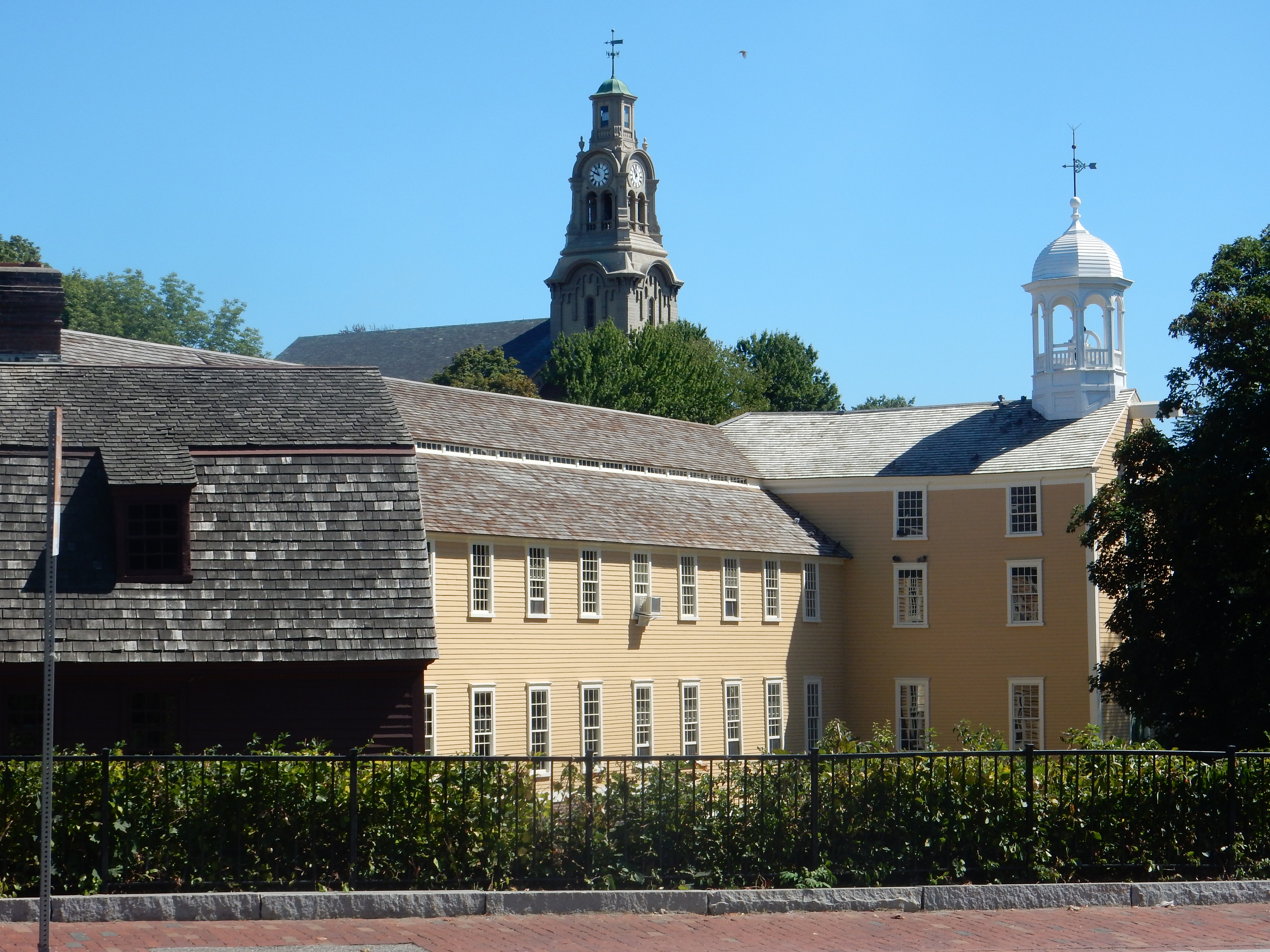
Slater Mill complex seen from shuttle stop across Roosevelt Avenue. (Photo by David Brussat)

Slater Mill complex seen from shuttle stop across Roosevelt Avenue. (Photo by David Brussat)

For three years running we had just missed the dragon-boat races at the annual Pawtucket Arts Festival. This year we made it, and boy did we have fun! We saw contestants slam their cheeks pink in a watermelon-face-splat contest. We saw both dainty and sexy Chinese and Taiwanese dancers glide  and strut their stuff. We saw the 16th annual Dragon Boat Race, and watched the winning crew walk away with $10,000 top prize. (Witness these events yourself, dear reader, in videos I shot and have posted below!)

Pawtucket Mayor Donald Grebian was a rower for the Pawtucket Couch Dragons, which like all 20 entrants had a crew of 23, but his boat finished last. It ran the 1,000-foot course on the Seekonk/Pawtucket/Blackstone River in the longest time: 1 minute 40 seconds. “You have to be first in something,” said Bob Billington, director of the Blackstone Valley Tourism Council, who emceed the awards ceremony.

Perhaps the Couch Dragons represent the spirit of Pawtucket. It is a fine city that tries harder but often flames out and plays second fiddle in many things to its neighbor Providence (the state capital), including the preservation of its historic character, and the slack effort to build upon it in recent decades. It has many great buildings but few great places, the area around Slater Mill, instigator of America’s Industrial Revolution, being an exception. Too few are beautiful. Too much modern architecture. Too much urban renewal. Poor city planning has damped the allure of “the Bucket,” but it is recovering as an artists’ mecca – witness the annual arts festival – and has many excellent live/work loft complexes in the city’s many brick mills, abandoned by industry long ago.

My analysis of Pawtucket’s merits and demerits will be challenged by some who do not see its various shifts in architecture as playing much of a role. Surely tax rates, educational quality, poverty rates, crime rates and business friendliness and other factors play a more significant role. I am not so sure. Providence is just as bad as Pawtucket in those realms but has managed to do so much better in attempting civic revitalization. Maybe that’s partly because it is, after all, the state capital. But maybe not. The availability of beautiful places is a key ingredient in economic development, but it is fashionable to look down one’s nose at beauty – at least among those in charge of programs to improve it locally. And we see the result of that strategy all around us, especially in places like Pawtucket, whose vitality must constantly struggle against the powrful undertow of ugliness.

But leave all that aside for now and enjoy the dragon-boat races that celebrate Chinese and Taiwanese culture and their strong foothold in the Blackstone Valley. First some shots of Pawtucket, past and present, and then videos of the race and festival themselves:

View of Slater Mill complex from other side of the river. (theoccasionalceo.blockspot.com)

View of Slater Mill complex from other side of the river. (theoccasionalceo.blockspot.com)

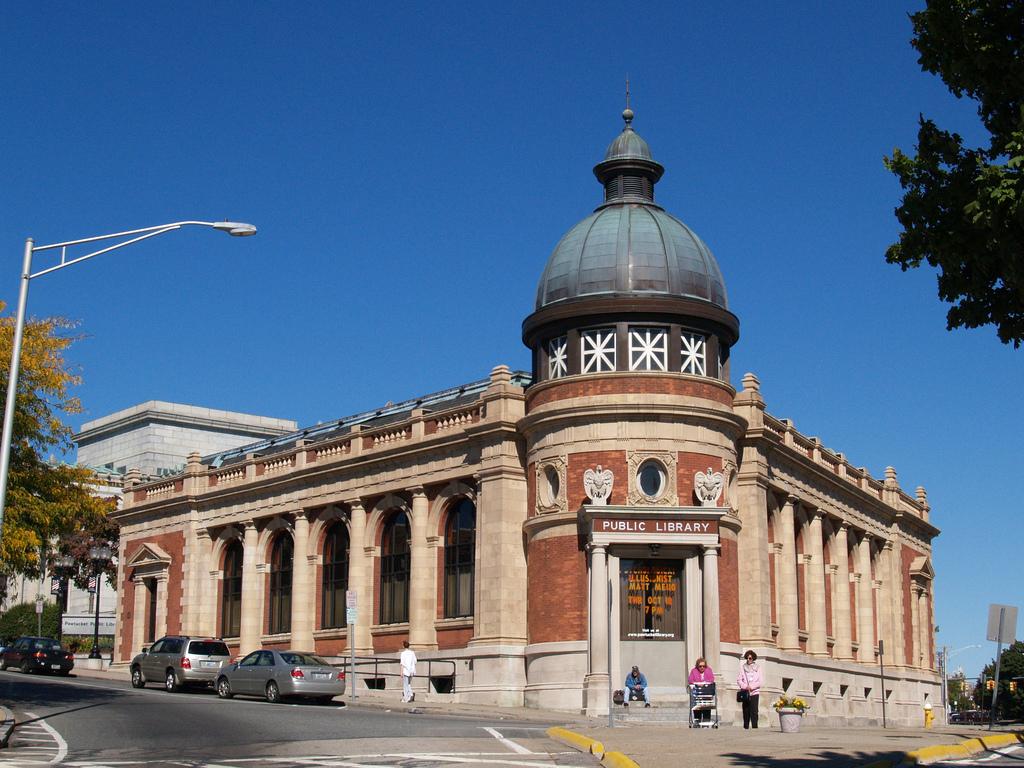
Pawtucket Public Library, among great buildings in downtown Pawtucket. (wikipedia.org)

Pawtucket Public Library, among great buildings in downtown Pawtucket. (wikipedia.org)

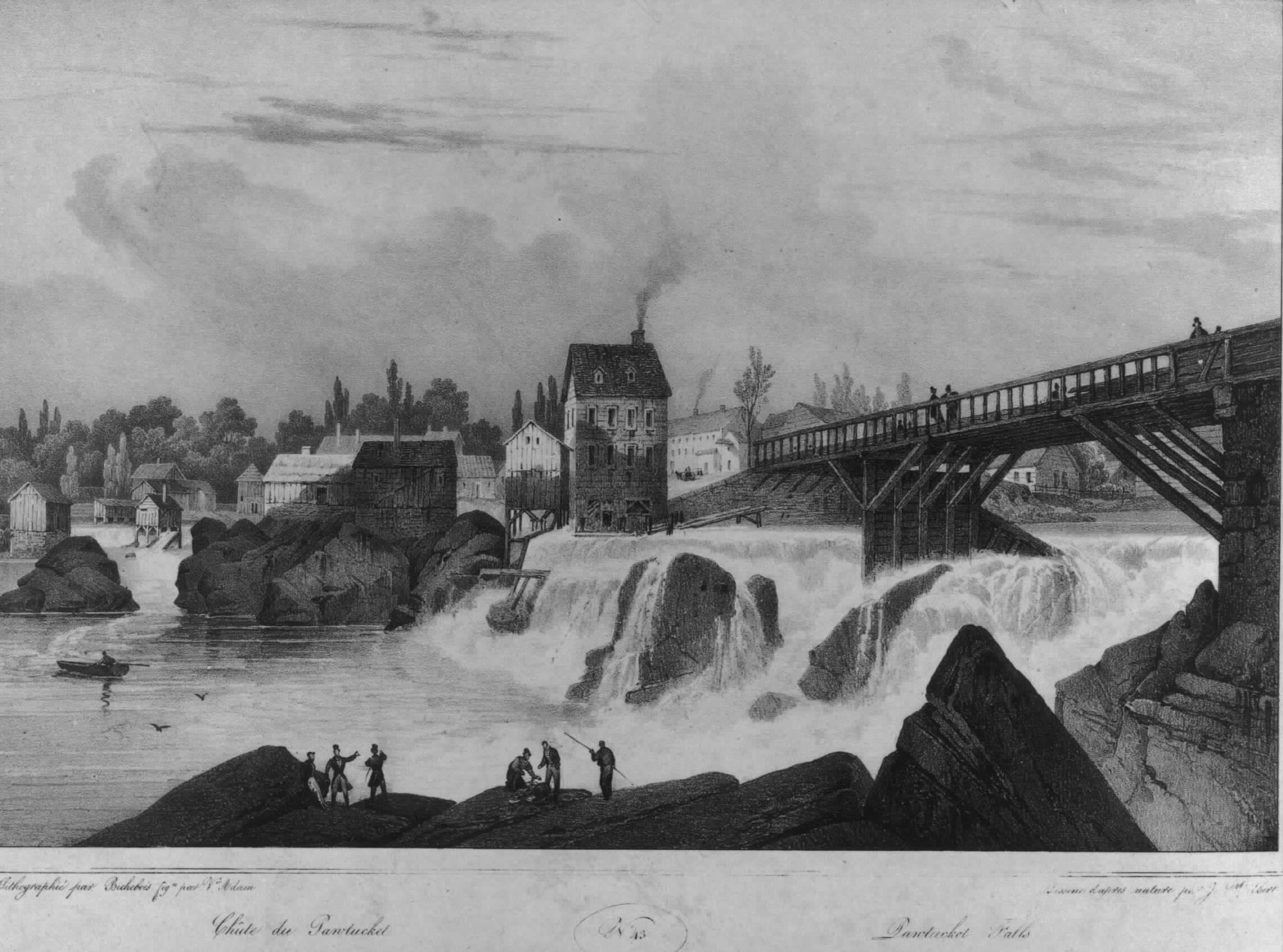
Old lithograph of Pawtucket Falls, still visible under Exchange Street Bridge. (bucklinsociety.net)

Old lithograph of Pawtucket Falls, still visible under Exchange Street Bridge. (bucklinsociety.net)

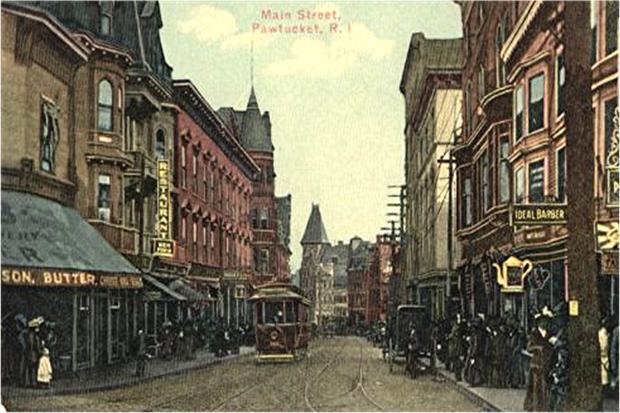
Postcard of Main Street in old downtown Pawtucket. (oldstratforduponavon.com)

Postcard of Main Street in old downtown Pawtucket. (oldstratforduponavon.com)

Postcard of modern Main Street, Pawtucket, largely unchanged since 1970s. (cardcow.com)

Postcard of modern Main Street, Pawtucket, largely unchanged since 1970s. (cardcow.com)

View down Roosevelt Avenue past City Hall's lovely Art Deco tower. One of my first design critiques considered the building renovation at left, Pawtucket's Visitor's Center. (pawtucketfoundation.org)

View down Roosevelt Avenue past City Hall’s lovely Art Deco tower. One of my first design critiques considered the building renovation at left, Pawtucket’s Visitor’s Center. (pawtucketfoundation.org)

Sure hope all those readers who did not make the race and festival enjoyed their video echoes, and that the lessons of Pawtucket will not go unheeded – least of all in Rhode Island.

Posted in Architecture, Architecture History, Art and design, Development, Landscape Architecture, Preservation, Rhode Island, Urbanism and planning, Video | Tagged , , , , , , , , , , , , | 1 Comment

Google belly flops logo test

google3x4_2Andres Duany asked TradArch listers why they “hate” Google’s new logo, assuming that most list members consider it to have been a bad move. I do not hate it. A logo change is not worthy of hatred. I dislike it, though. Here is the answer I sent:

Because it is sans serif. That’s not important in reading the logo itself, but the decision to oust serifs represents a decision inimical to readers and reading, since sans serif test is harder to read, and a symbol of an intent to move away from public taste and toward elite taste, which is often informed by faulty ideological reasoning from a century ago. Entirely regrettable and (as many such logo changes are) entirely unnecessary.

Only then did I notice that Duany had included a link to an article, “A typography expert rips Google’s new logo apart,” by Gerry Leonidas, in Business Insider. He believes that Google is right to want to rebrand itself at this point in its corporate history. I do not know why, but he does make some very good points about typography, such as:

This is a problem for all geometric sans typefaces: Once you reduce modulation to optical compensations and structure strokes on geometric primaries, there is just too little room for any distinctiveness and identity.

Like modern architecture, a sans-serif typeface stripped of the elements available to typographers makes it more difficult to add character to fonts. Granted, Google’s new font has character, but it is minimalist character. It is not flexible. Viewed as text on a page, it lacks the subtle indicators (serifs) that intuitively guide the eye, making it easier to read. Google’s typeface is easy to read only in billboards, posters, chapter headings and logos.

So, like modern architecture, Google’s new logo’s utilitarian appeal actually lacks utility.

As the University of Texas mathematician and design theorist Nikos Salingaros points out, this mistake arose a century ago when modern architecture’s founders decided that the machine age required a machine aesthetic. But instead of coming up with a design for building that was genuinely efficient, they created design principles based on a metaphor for efficiency, not efficiency itself. So modern architecture has played second fiddle to traditional architecture on modernism’s own playing field of utility. It merely pretends to be efficient, adopts the coloration of utility – and has been able, by good P.R. and the application, since the 1950s, of institutional power, to sell it as “progress”: Past = Traditional – Modern = Future.

That equation has a surface plausibility, but it is wrong. The machine age never did require a machine aesthetic. “Efficiency” ≠ Efficiency. That is as true in “modern” typology as in modern architecture. Modern! Another PR coup! It is depressing that, as its logo change suggests, such a huge and beneficial corporation’s intelligence could be so suspect. I would buy stock in Google’s competitor, if it has one.

Posted in Architecture, Architecture Education, Architecture History, Art and design | Tagged , , , , , , , | 13 Comments

Inside Kyla Coburn’s Prov

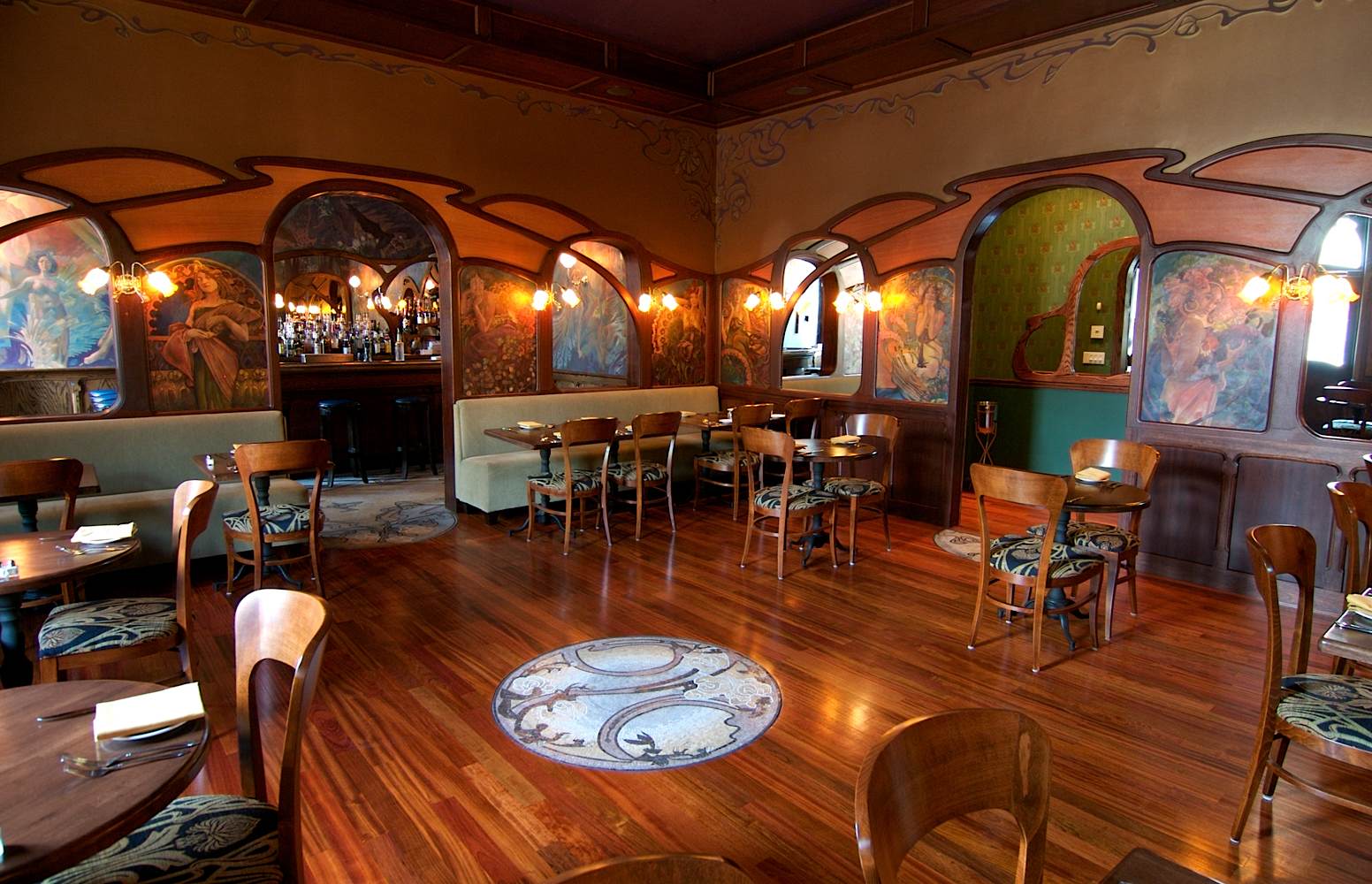
Loie Fuller restaurant, in Providence, designed by Kyla Coburn. (pinterest.com)

Loie Fuller restaurant, in Providence, designed by Kyla Coburn. (pinterest.com)

Anyone who writes for a living regrets that certain topics escape him, that he fails, with no good excuse, to write about them. For me, one is the Central Falls interior designer Kyla Coburn (Kyla Coburn Designs). I’ve been familiar with her retro designs for restaurants and bars ever since slinging back a few before performances at the late Providence Black Repertory Company, in the Wit Building on Westminster Street in downtown Providence.

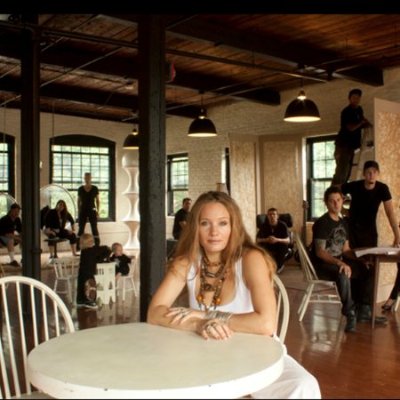
Kyla Coburn. (LinkedIn)

Kyla Coburn. (LinkedIn)

I was reintroduced to her work later at The Avery, at Luongo Square in the city’s West End, and then again at the restaurant Loie Fuller farther out Westminster near the Cranston Street Armory. (A scene from Woody Allen’s Irrational Man was filmed at Loie Fuller’s.) More recently I ate at the Grange, at Broadway and Dean, where her aesthetic presence was unmistakable.

In fact, drinking partners have often heard me pledge to do a piece on her work and pronto, even when I am not “under her influence.”

I never write about the design of the insides of buildings. That is the business of their owners and occupants. I am a tribune of public space, and if I cannot see it from the street I have no reason to praise it or deplore it. That’s true even though interior design and exterior design are based on essentially the same principles. Traditional interiors get it right. Modernist interiors almost always get it wrong. Still, if it is inside, who cares? Only the people who are inside, right? Which makes it important. At least to them.

Anyway, that’s my excuse and I’m sticking to it.

Kyla Coburn is no modernist, generally speaking, but her interiors are certainly the farthest from sedate classicism. Yet, because so much of her work is centered around old stuff that she finds in odd places, and since old stuff forms much of the detail of her work, her interiors have a sort of – well, yes – retro look to them. Art Nouveau. Her more minimalist interiors do not, in my opinion, succeed quite as well in the job of enchantment.

I was reminded of Coburn lately by an email exchange in which Buff Chace, who has done so much to revitalize downtown Providence, was raked over the coals for removing Coburn’s interior at the Black Rep after buying the Wit for an event space called Aurora. It was Roots Café for a while but Roots seems to have kept Coburn’s decor and one of the place’s nicest features, the balcony overlooking the stage, which Buff has removed. Bad move, Buff! Just because a place is new doesn’t mean it has to be redecorated – if you go that way, at least make sure that the change is an improvement. In this case it is anything but. (If I am wrong and Buff did not make these changes, I hope that someone will let me know so I can correct this.)

In “Kyla Coburn: The acclaimed restaurant designer’s interiors are the epitome of good taste,” Andrea McHugh got some really great quotes from Coburn for an article in the Feb. 29, 2012, issue of The Bay. Here is one:

The way a room is designed and feels is tremendously important to experiencing the space. People have a hard time really enjoying good food under florescent lights, or seated near a bathroom door. For me, along with great music and amazing food, beauty in our surroundings is part of what makes people present in their lives.

The city, the state, the nation and indeed the world are made richer and more joyful by Coburn’s vivid, evocative interiors. To be sure, one must go inside … inside a restaurant? Hey, me first! Let’s go!

Some Providence whiz should put together a bottom’s-up evening tour of Kyla Coburn’s local spaces.

Posted in Architecture, Art and design, Providence | Tagged , , , , , , , , , , , | 7 Comments

Betsky bags Times Square

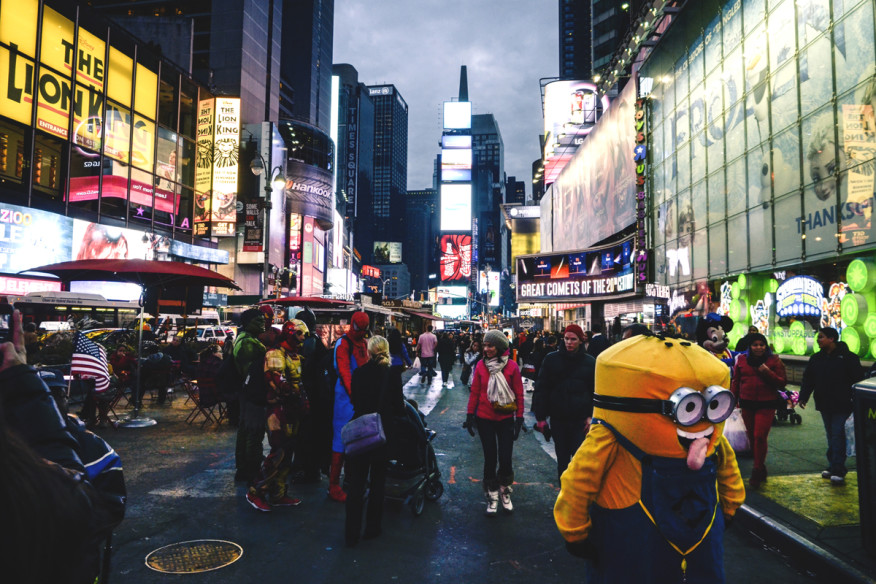
Times Square with its new seating at risk. (Flickr user Javi Sánchez de la Viña)

Times Square with its new seating at risk. (Flickr user Javi Sánchez de la Viña)

New York Mayor Bill de Blasio has stirred a crisis by suggesting that he might remove the seating from Times Square and give it back to automotive traffic. The problem is that ladies with the breasts painted fabulous colors parade around in the buff (or nearly), arranging with tourists to photograph them for a few bucks. Wow!

That doesn’t seem like a big problem to me. The women don’t even really look naked. The ability to sit in Times Square – and in several other plazas where Broadway cuts through, such as Madison Square Park, leaving spaces too large to be just for cars – is a miraculous boon not just for tourists but for the average New Yorker. The city should keep its mitts off Times Square.

Enter Aaron Betsky, official provocateur for AIA’s official magazine, Architect. In “Times Square and the Reality of Public Spaces,” Betsky reveals that he has no idea of what a public space is all about. He thinks it is a place where people should be worried about being attacked by strangers. I kid you not. Here is what he says:

When it works, public space, in other words, has an element of danger. It eats away at your assumptions, confronts you with the possibility of violence or disease, or even more simply to rain, snow, and heat. To use a phrase from our therapeutic culture, it takes you out of your comfort zone.

This is, of course, insane. Betsky apparently has a hard-on for the old Times Square, where one actually did have to worry about violence or being offended. Maybe he would like a one-way ticket to Baghdad! But he is confused about Times Square. He recommends that the de Blasio administration “force visitors to crowd onto sidewalks again, where they cannot avoid panhandlers, pickpockets, or rubbing shoulders with office workers and delivery people going about their business.”

Does Betsky actually live in New York? Has he been to Times Square? I have, staying twice in a year at a Times Square hotel where the above photo was taken. I can testify that the sidewalks are still big-time crowded. The “other” that Betsky yearns for has not been evicted, merely cowed (a good thing). Tables and chairs are used not solely by tourists but also by the average New Yorker taking a break from rambunctious sidewalks.

More broadly, Betsky is mistaken if he really thinks that public space is all about leaving your “comfort zone” behind. That’s called failed public space. Successful public space is about being able to enjoy yourself in public. Public space is where citizens play out their role as citizens, whether individually or collectively. You can watch the pretty girls walk by, or you can stage a protest. Public space is where the human comedy takes its act into the public realm. Good architecture makes public space easier to use by making its tectonics more legible and easier on the eye. And by offering – yes – a “comfort zone.”

That is why advocates of public space often find that focusing on the space itself rather than what surrounds it often backfires, animating it but not ennobling it. The famous global public-space consultant Jan Gehl is an expert at neglecting this crucial distinction.

I have been grazing around the edges of this Times Square crisis waiting for someone like Aaron Betsky to leave it awash in drooling inanity. That’s how I get my ya-yas out. Thank you, Aaron! Of course the city should leave Times Square alone. This was an advance in urbanism of such importance that we might not see its like for the rest of the century.

Totally weird is Police Commissioner William Bratton’s support for the mayor on this. Clearly he has reverted to the NYPD’s 1970s policy of not wanting to go out of their way to do their jobs. Wasn’t he the guy who ended that policy, and made the Big Apple safe to live in again? Go figure.

So yes, hustle the painted ladies outta there if you must, but leave the seats alone.

Posted in Architecture, Art and design, Development, Landscape Architecture, Urbanism and planning | Tagged , , , , , , , , | 6 Comments

Carbuncle Cup antidote

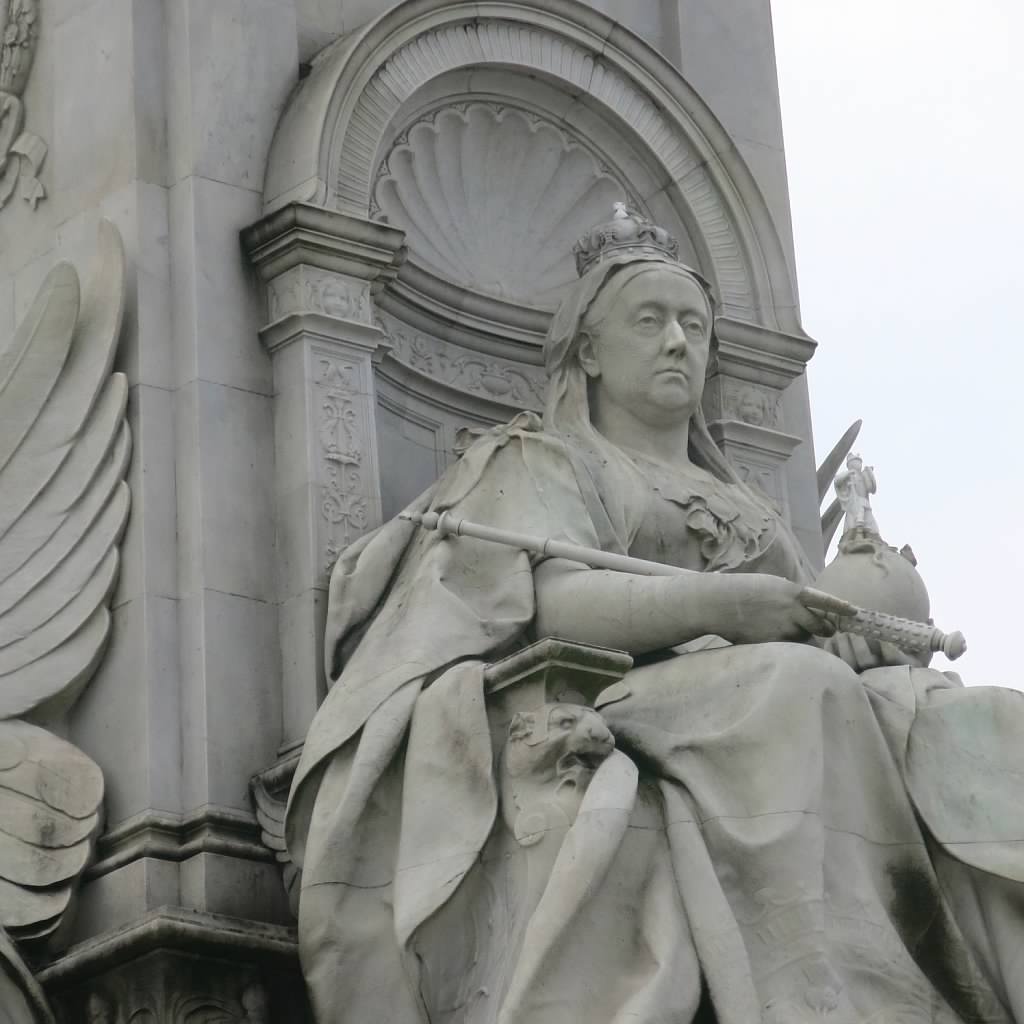
Victoria Memorial near Buckingham Palace. (All photos by Michael Gerhardt)

Victoria Memorial near Buckingham Palace. (All photos by Michael Gerhardt)

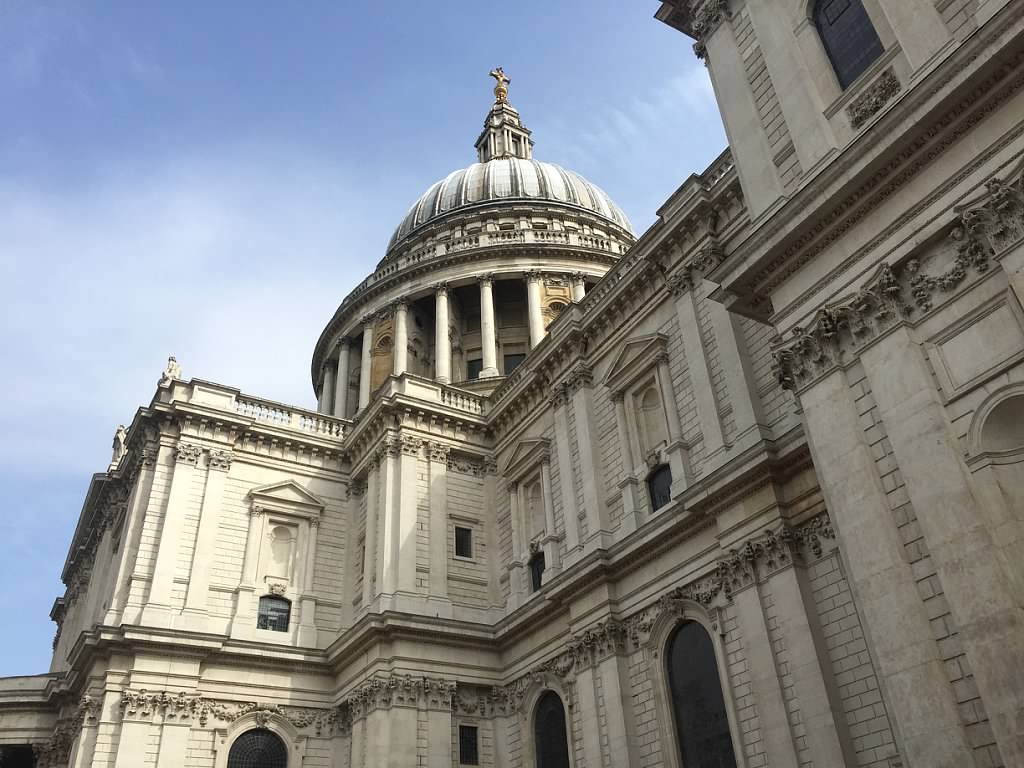
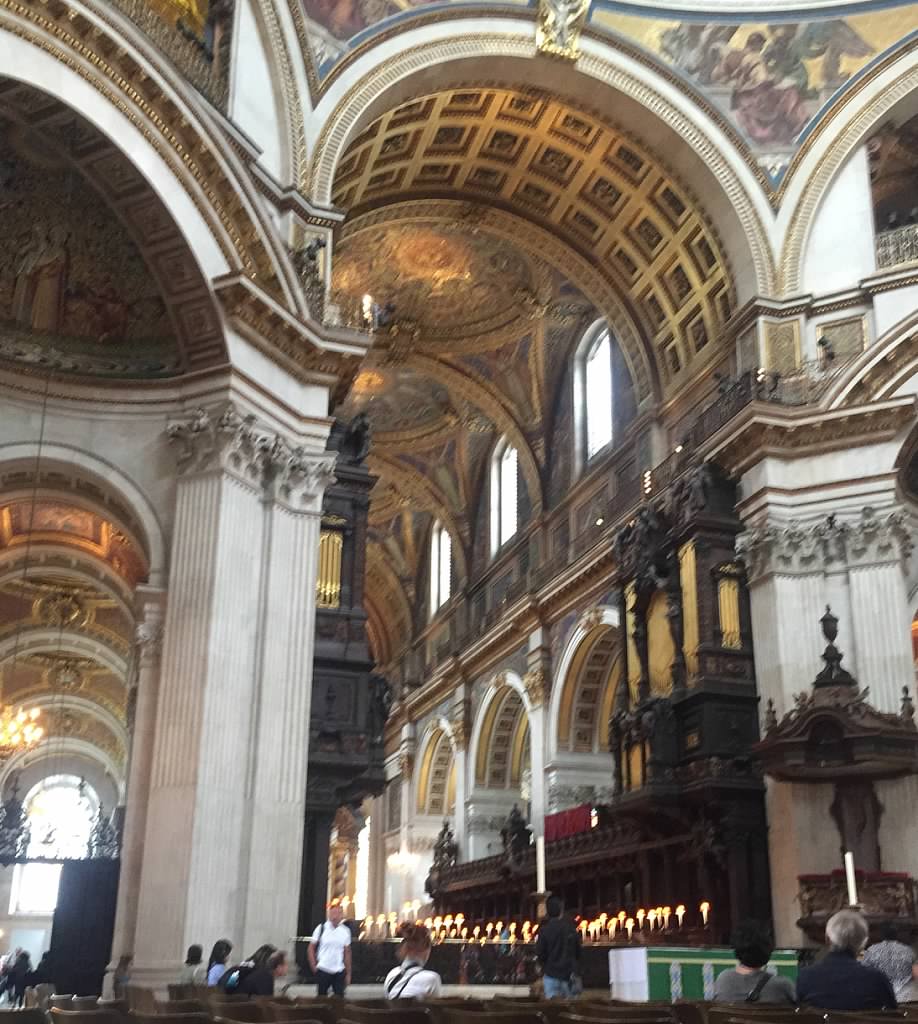
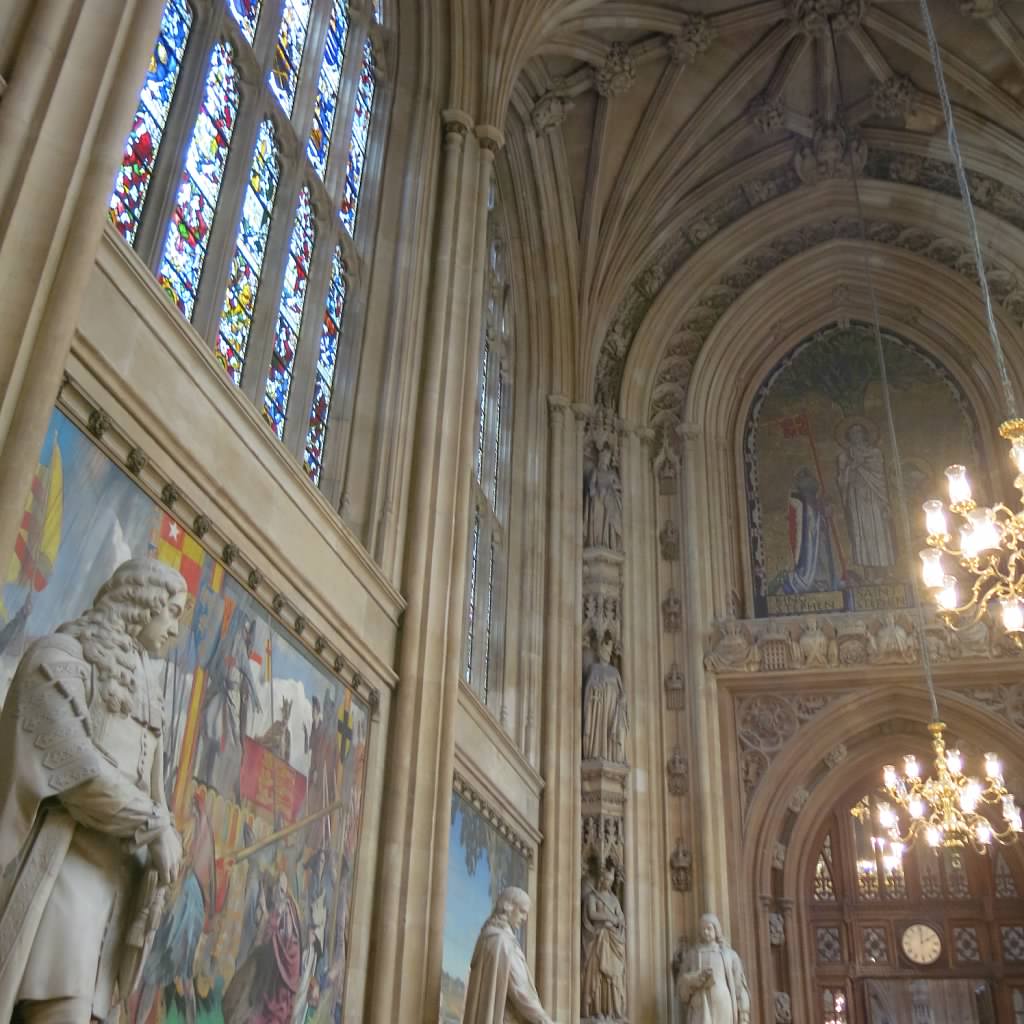
Here are some photos taken just days ago by Michael Gerhardt, former interim director of the Providence Athenaeum and longtime skipper of the Pandion, anchored in Bristol. He and his wife just returned from a holiday in London and sent these photos.

Consider them an antidote to the Carbuncle Cup and its 2015 winner, announced today by Building & Design magazine, of London. That would be the Walkie-Talkie, Walkie-Scorchie, Walkie-Fallie Building, at 20 Fenchurch St. It deserves its Carbuncle because it is one. Although Captain G’s photos are of sights most of us have seen in London, including some that perhaps ought not to have been included (and they know who they are!), I hope you will enjoy this trip to some of the places that make London London.

cwvDm9asA_Lw9YsGTQPy8vWLBk0I-8

cwvDm9asA_Lw9YsGTQPy8vWLBk0I-16

cwvDm9asA_Lw9YsGTQNy8vW7Zxw-1

cwvDm9asA3Lw9csXAfl5esWDJoI

cwvDm9asA_Lw9YsGTQPy8vWLBk0I-3

cwvDm9asA_Lw9YsGTQPy8vWLBk0I-4

cwvDm9asA_Lw9YsGTQPy8vWLBk0I-5

cwvDm9asA_Lw9YsGTQPy8vWLBk0I-2

cwvDm9asA_Lw9YsGTQPy8vWLBk0I-12

cwvDm9asA_Lw9YsGTQPy8vWLBk0I-11

cwvDm9asA_Lw9YsGTQPy8vWLBk0I

cwvDm9asA_Lw9YsGTQPy8vWLBk0I-1

cwvDm9asA_Lw9YsGTQPy8vWLBk0I-9

cwvDm9asA_Lw9YsGTQPy8vWLBk0I-10

cwvDm9asA_Lw9YsGTQPy8vWLBk0I-6

cwvDm9asA_Lw9YsGTQPy8vWLBk0I-7

cwvDm9asA_Lw9YsGTQPy8vWLBk0I-13

cwvDm9asA_Lw9YsGTQNy8vW7Zxw

cwvDm9asA_Lw9YsGTQPy8vWLBk0I-15

cwvDm9asA_Lw9YsGTQPy8vWLBk0I-14

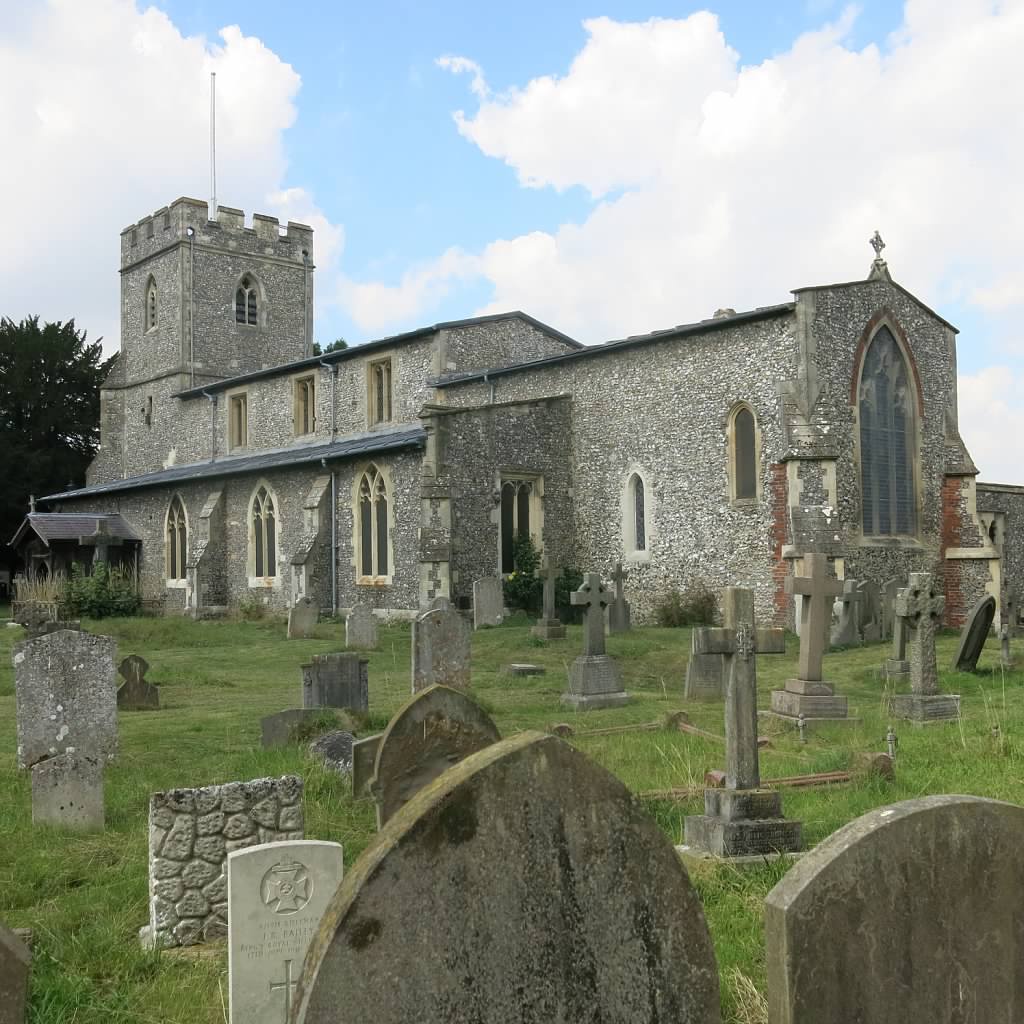
The final pairing is, of course, outside of London. The church is Chalfon St. Giles. I am assuming many readers know most of the sites pictured because they have visited them in person or in books. I am posting them dirty – with no captions – to get them to you before the Carbuncle Cup does you in (as it was so famously put by Eliza Doolittle). Tardy antidotes work poorly!

Posted in Architecture, Architecture History, Other countries, Photography, Preservation, Urbanism and planning | Tagged , , , , , , | Leave a comment

Carbuncle Cup conundrum

20 Fenchurch St., London, is a carbuncle on the face of a beloved friend. (BD)

20 Fenchurch St., London, is a carbuncle on the face of a beloved friend. (BD)

In Britain the Carbuncle Cup goes to the ugliest building of the year. The name recalls Prince Charles’s famous and much-beloved line, “a monstrous carbuncle on the face of a much-beloved and elegant friend,” that he applied to a proposed addition to the National Gallery, on Trafalgar Square.

This year’s winner is 20 Fenchurch St., in London, designed by Rafael Viñoly, who designed the Birdshitcatcher Building in Providence (that’s Brown’s Watson Center for International Studies, whose windows cant outward) before he became a certified (and certifiable) starchitect.

Before it opened, the building’s odd shape, wider at the top, had people calling it the Walkie-Talkie building. Then, after its concave façade focused the sun’s rays so as to burn a Jaguar, concentrating enough heat on nearby sidewalks to fry an egg, it has since been known as the Walkie-Scorchie, and now that it is generating street winds strong enough to topple pedestrians it might as well also be called the Walkie-Fallie building.

Guardian critic Oliver Wainwright’s piece, “Carbuncle Cup: Walkie-Talkie wins prize for worst building of the year,” is filled with deft, disdainful one-liners that make one wonder where he is the rest of the year, when the Carbuncle Cup’s winner is not being announced. Indeed, what is it about the Walkie-Talkie that distinguishes it from every other modernist piece of crap that’s ever been inflicted on Britain or anywhere else? What? Please tell!

The Carbuncle Cup is sponsored annually by Building Design magazine, which also takes the modernist slap in the face without complaint 51 out of 52 weeks a year. The cup, which goes to a modernist building every year, must serve some complex psychological need to address certain issues most architects and builders face day in and day out because they get paid well to inflict ugliness on their communities. But this year is different.

This year one finalist for the cup was an inarguably beautiful building, pictured at the end of this post. The Whittle Building was designed for Cambridge University by John Simpson, who also designed the proposed (and lovely) new architecture school for Notre Dame. Here is what the (unidentified) nominator said in explanation of its nomination for the cup:

Part oil sheik’s palace, part home counties accountancy firm headquarters, wholly tasteless. … What could have been a great opportunity to build an exciting, modern building suited to the needs of students has been squandered on this unimaginative, mock-neo-gothic carbuncle. … It is the architectural equivalent of the car Homer designs in The Simpsons.

Birdwood, Cambridge. (Flickr.com)

Birdwood, Cambridge. (Flickr.com)

No fair! Indeed, ridiculous.

But I know why the Whittle is a finalist: very simple. It replaced a modernist building, the Birdwood (at left), that would have won a Carbuncle itself if the cup had existed when it was built in the 1930s. Go ahead, deny if you must. That’s the reason why the Whittle is a finalist for the Carbuncle. Say it again: The Whittle is a finalist for the Carbuncle. The very statement is a contradiction in terms, an absurdity, an outrage.

But modern architecture and everything that pertains to it – including the Carbuncle Cup – requires a doctorate in stupidity and dishonesty to understand. This cup should at least be sponsored by an organization that understands the difference between beauty and ugliness, and why one is preferable to the other.

Whittle Building, Peterhouse, Cambridge University. (John Simpson Architects)

Whittle Building, Peterhouse, Cambridge University. (John Simpson Architects)

Posted in Architects, Architecture, Architecture Education, Architecture History, Art and design, Urbanism and planning | Tagged , , , , , , , , , , | 4 Comments

Artful restraint in Hartford

The main building of the Wadsworth Atheneum, in Hartford. (drdimes.com)

The main building of the Wadsworth Atheneum, in Hartford. (drdimes.com)

This New York Times headline – “A New Look for the Wadsworth Atheneum” – had my neck hairs leaping to attention when I saw it in Paul Ranogajek’s email to the TradArch list yesterday. (Hats off to him!) A “new look” is usually a bad thing. In fact, however, the headline was more than a trifle overzealous. And it heralded only a slide show, not the main story in the Times, “The Wadsworth Atheneum in Hartford Puts the Final Touches on a Comeback.” The story, which is linked from the slide show, clearly paints a more admirable picture of changes at the 173-year-old institution, the nation’s longest continuously operating art museum.

To top it off, the museum rejected a $100 million proposal to redo the museum by adding a “public atrium” – meaning no doubt an addition composed of sharp and angular glass and steel by a name architect, designed to scream “We don’t care what the public thinks!”

Eventually, the museum embraced a more modest proposal to renovate, reroof and repair its five buildings next to Hartford’s beautiful city hall at a cost of $33 million. The state chipped in $25 million of that, and deserves applause for doing so at a time of belt tightening in almost every state capital. When complete by the middle of this month, the renovation will see the opening of all five buildings for the first time in half a century.

As Ted Loos put it in his Times story:

In its own way, the Wadsworth project was a prime example of old-fashioned New England thrift — improving what’s on hand instead of following the current model of hiring a famous architect to do an expensive new building, which can consume museums that have trouble keeping up their new digs.

The anxiety raised by the Times’s slide show arises from the colorful but childishly unathaneum-like mural, pictured below, on the walls of the main staircase leading from the lobby of the Wadsworth’s Morgan Memorial Building. It was apparently inflicted upon the Morgan back in 2004. The renovated item described in the photo caption is the skylight above the staircase, which should raise not hairs but hosannahs!

It’s hard to say who was the moving force behind the decision to embrace a modest, practical renovation rather than an attention-getting renovation-cum-addition. Museum director Susan L. Talbott, or the Atheneum’s board, or an unnaturally sensible member of its board? Whoever is to be credited with refusing to plop starchitecture on the Wadsworth has my blessing.

Sol LeWitt’s “Wall Drawing #1131, Whirls and Twirls” (2004) (NYT)

Sol LeWitt’s “Wall Drawing #1131, Whirls and Twirls” (2004) (NYT)

Posted in Architecture, Architecture History, Art and design, Books and Culture, Development | Tagged , , , , , , | Leave a comment

Hurricane season thoughts

Shot from TV movie

Shot from TV movie “Condo,” based on John D. MacDonald novel. (jimusnr.com)

As we remember Hurricane Katrina, sigh in relief at Tropical Storm Erika, which took lives in the Caribbean before dissipating south of Florida, worry about Hurricane Fred as it threatens Cape Verde in the Atlantic, and ponder the three hurricanes that briefly churned simultaneously in the Pacific, I am reading about Hurricane Ella.

I am reading John D. MacDonald’s Condominium, published in 1977, which is about a poorly built condominium complex and its deplorable management as its owners scramble to get rich (then avoid legal trouble) during a major downturn in the climate for condos in mid-’70s Florida. Halfway through the long novel, Hurricane Ella rears its ugly head and, well, I’ve not got much farther than that. The novel is supposed to be riveting as Ella bears down on a string of condo complexes along the Gulf Coast.

Of course, the real Ella did not show up until 1978. It glanced off North Carolina’s Outer Banks and then became the biggest hurricane ever to hit Canada (but did little damage by then). Still, a passage from Condominium reminded me of the thinking of University of Texas architectural theorist Nikos Salingaros in regard to the parallels between old architectural practices and the processes of reproduction and development in nature.

Early on, in the book, as Tropical Storm Ella muscles up, human and animal life in the islands on its path are forewarned by nature. MacDonald writes:

Normal cadence of the Atlantic waves breaking on these shores is eight per minute. The great oncoming storms slow that cadence to five and six per minute. This change in the constant, unremarkable sound of the sea is the ancient alert for all living things. … The wind and rain had not yet begun along [the] barrier islands. The radios had not yet broadcast warning to them. But people could see the hurakán bands in the sky and hear the slow sea, and it quickened pulses, created a bowel flutter of queasy anticipation. The more primitive the island area, the more practiced and practical were the preparations, and the more suitable the structures to the great force oncoming.

This is not to argue that, as the climate becomes more dangerous, societies around the world should strive to recapture their inner primitive. But it is to argue that designs for human habitation that arise over centuries are better at coping with what nature throws at us than designs that are conceived as reflecting “our era” – the new! the now! the novel! – designs that reject the long-gathering wisdom of time.

Here, courtesy of YouTube, is the scene from the 1980 television move of Condominium where Ella knocks Golden Sands upside the head:

Posted in Architecture, Architecture Education, Architecture History, Development, Urbanism and planning, Video | Tagged , , , , , , , , , , | Leave a comment

The Salon des Refuses

“Luncheon on the Grass” (1863), by Edouard Manet. (Wikipedia)

The topic has come up of a “Salon des refusés” for the classical entries that did not make it into the first two rounds of the competition for a national memorial to World War I. More than 350 entries were in the first round, from which were selected five finalists. Some fine classical proposals were left on the cutting-room floor and they should be gathered up and exhibited somewhere in downtown Washington.

The idea pays homage to the exhibitions of artists in Paris who, in the last half of the 19th century, were kept out of the official painting salons. The Impressionists were excluded by juries who selected the artists for the Salon. One of these, in 1863, was Édouard Manet, who sought to display Le déjeuner sur l’herbe (Luncheon on the Grass). A few years later, Zola wrote as follows of the scandal caused by the exclusion of Manet’s painting:

The Luncheon on the Grass is the greatest work of Édouard Manet, one in which he realizes the dream of all painters: to place figures of natural grandeur in a landscape. We know the power with which he vanquished this difficulty. There are some leaves, some tree trunks, and, in the background, a river in which a chemise-wearing woman bathes; in the foreground, two young men are seated across from a second woman who has just exited the water and who dries her naked skin in the open air. This nude woman has scandalized the public, who see only her in the canvas. My God! What indecency: a woman without the slightest covering between two clothed men! That has never been seen. And this belief is a gross error, for in the Louvre there are more than fifty paintings in which are found mixes of persons clothed and nude. But no one goes to the Louvre to be scandalized. The crowd has kept itself moreover from judging The Luncheon on the Grass like a veritable work of art should be judged; they see in it only some people who are having a picnic, finishing bathing, and they believed that the artist had placed an obscene intent in the disposition of the subject, while the artist had simply sought to obtain vibrant oppositions and a straightforward audience. Painters, especially Édouard Manet, who is an analytic painter, do not have this preoccupation with the subject which torments the crowd above all; the subject, for them, is merely a pretext to paint, while for the crowd, the subject alone exists. Thus, assuredly, the nude woman of The Luncheon on the Grass is only there to furnish the artist the occasion to paint a bit of flesh. That which must be seen in the painting is not a luncheon on the grass; it is the entire landscape, with its vigors and its finesses, with its foregrounds so large, so solid, and its backgrounds of a light delicateness; it is this firm modeled flesh under great spots of light, these tissues supple and strong, and particularly this delicious silhouette of a woman wearing a chemise who makes, in the background, an adorable dapple of white in the milieu of green leaves. It is, in short, this vast ensemble, full of atmosphere, this corner of nature rendered with a simplicity so just, all of this admirable page in which an artist has placed all the particular and rare elements which are in him.

The Salons des Refusés of that era arose in defense of new painting styles against traditional styles favored by the king, whereas the notion of an exhibition for architectural refusés today is to defend traditional styles of architecture against modernist styles favored by the establishment. Yes, the architects who have taken over the zoo are able to suppress the kind of work that the public has loved for centuries. History is an odd duck. An exhibit of WWI memorial entries deemed insufficiently ridiculous by today’s judges would strike a blow against this absurdist form of sanctioned injustice.

Posted in Architects, Architecture, Architecture Education, Architecture History, Art and design, Books and Culture | Tagged , , , , , | Leave a comment