Architecture and happiness

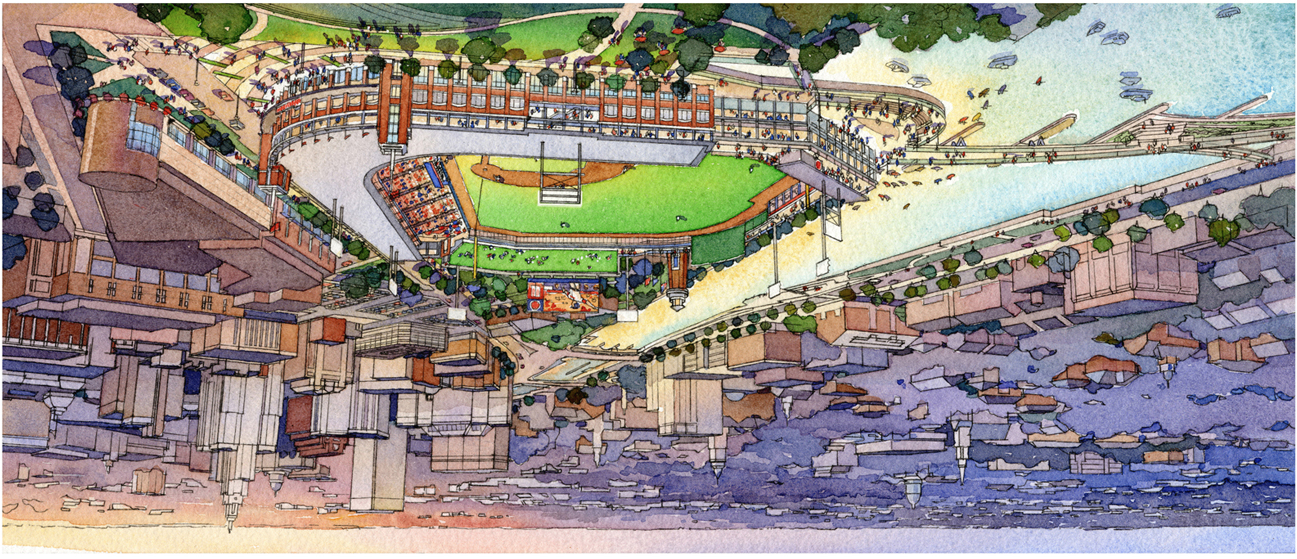
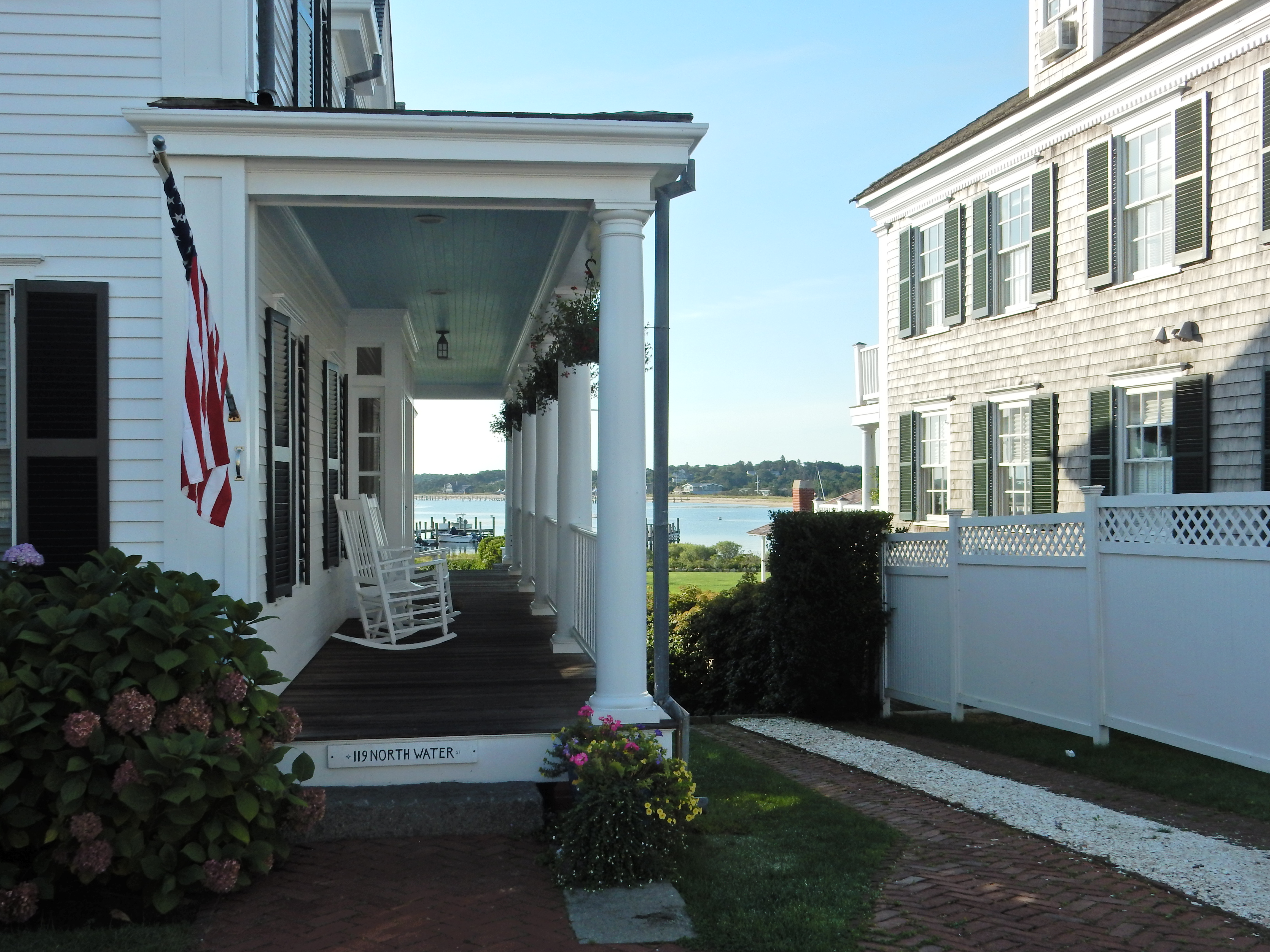
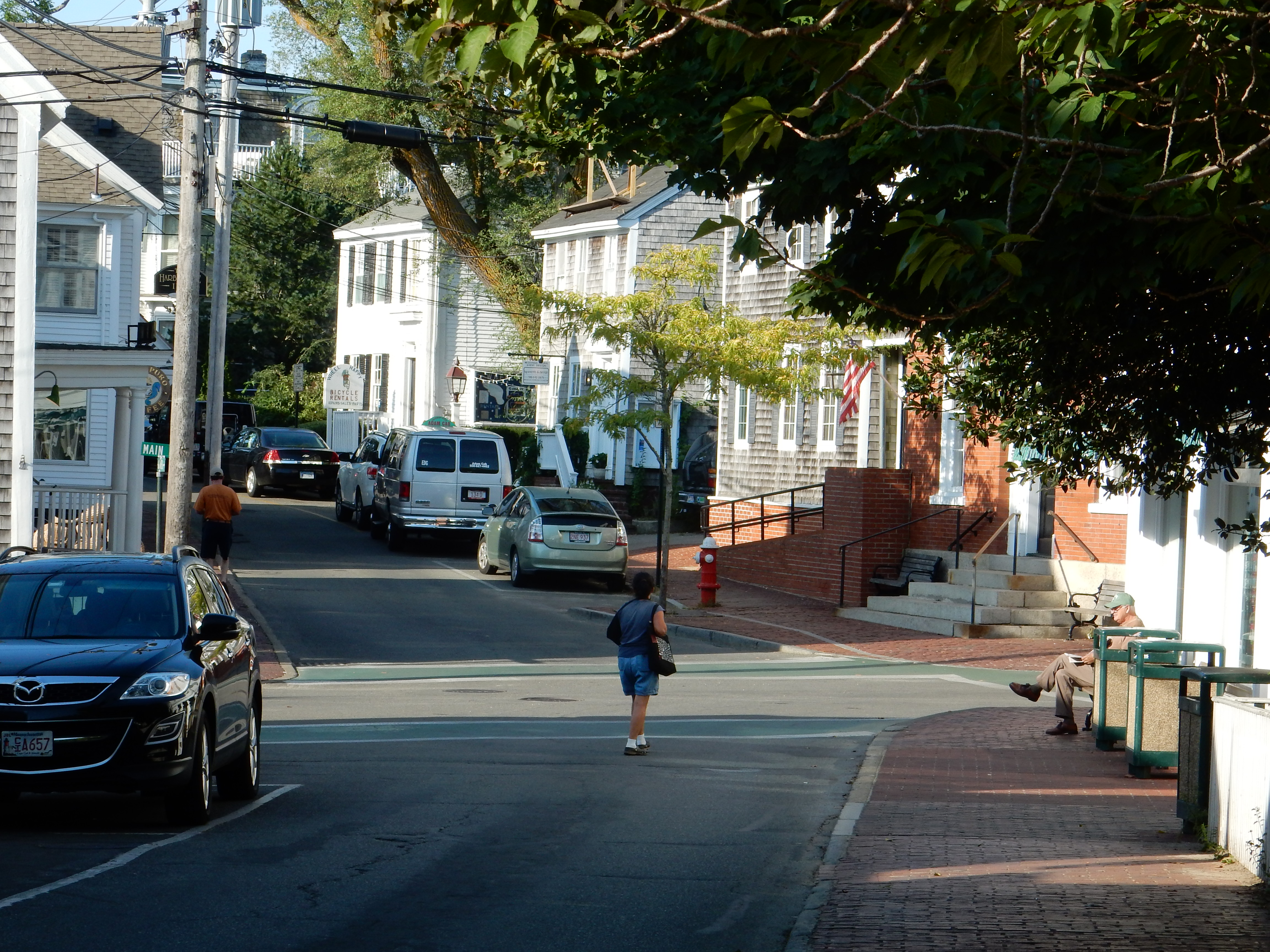
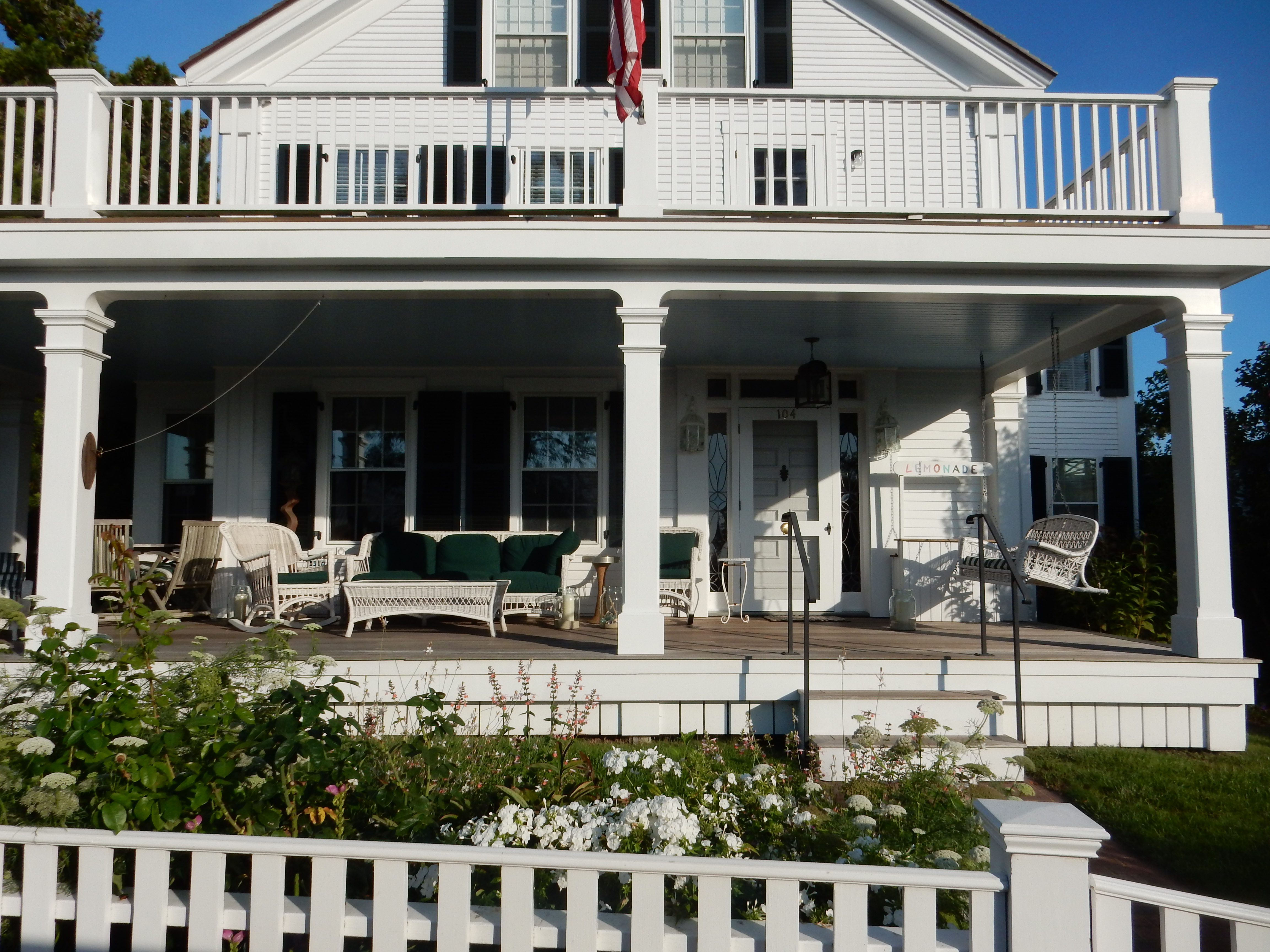
Illustration by Bill Butcher.

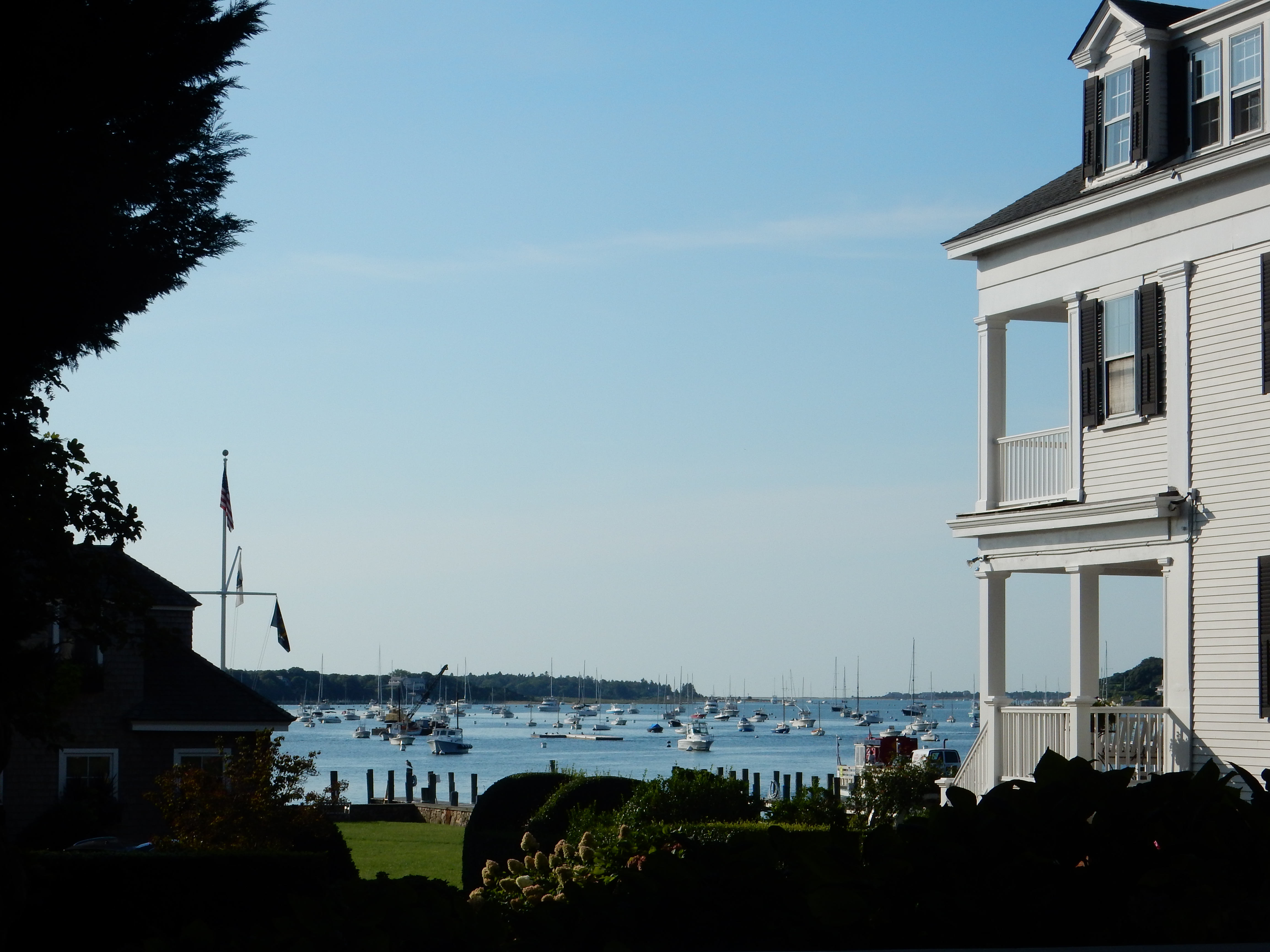
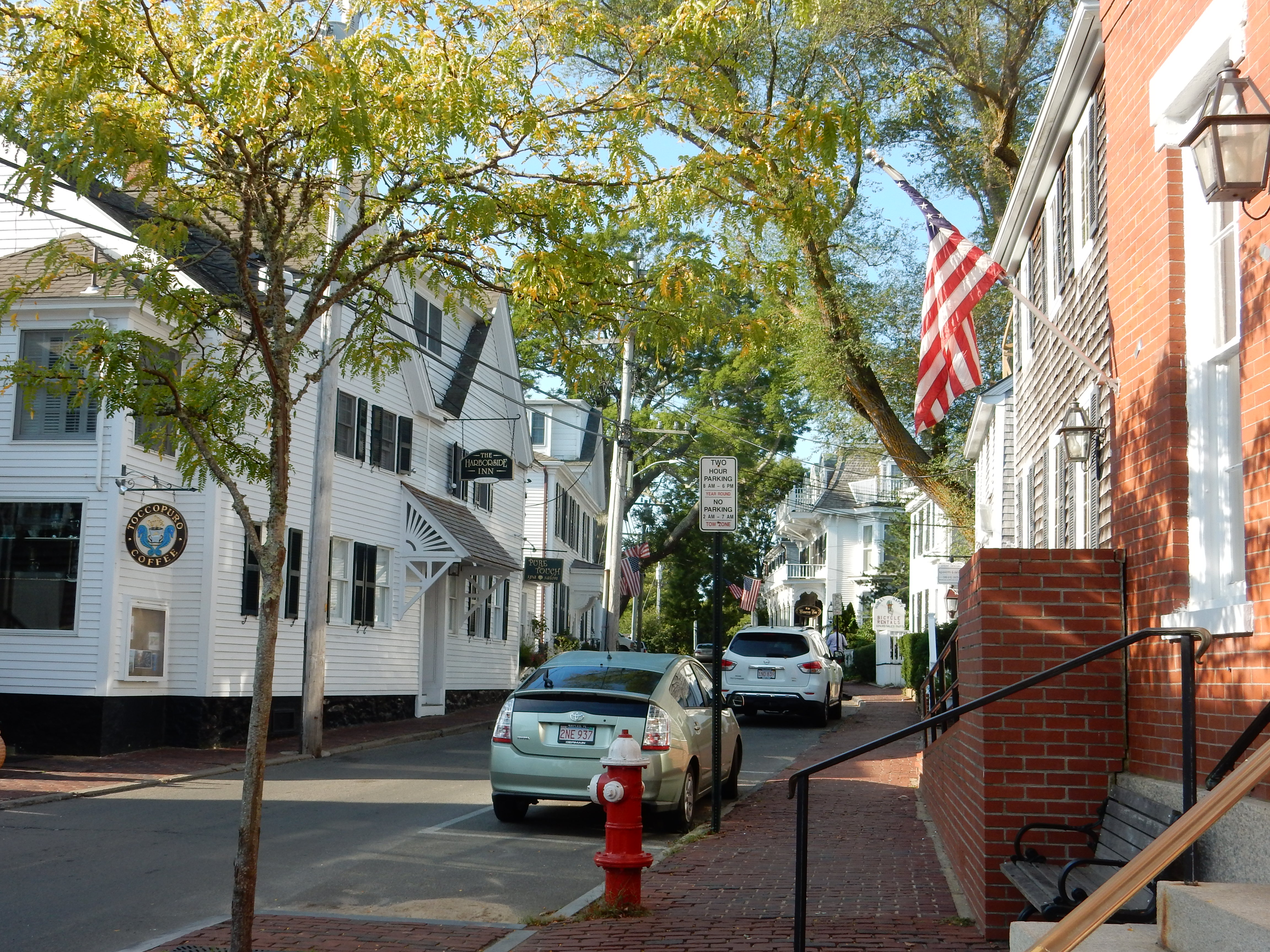
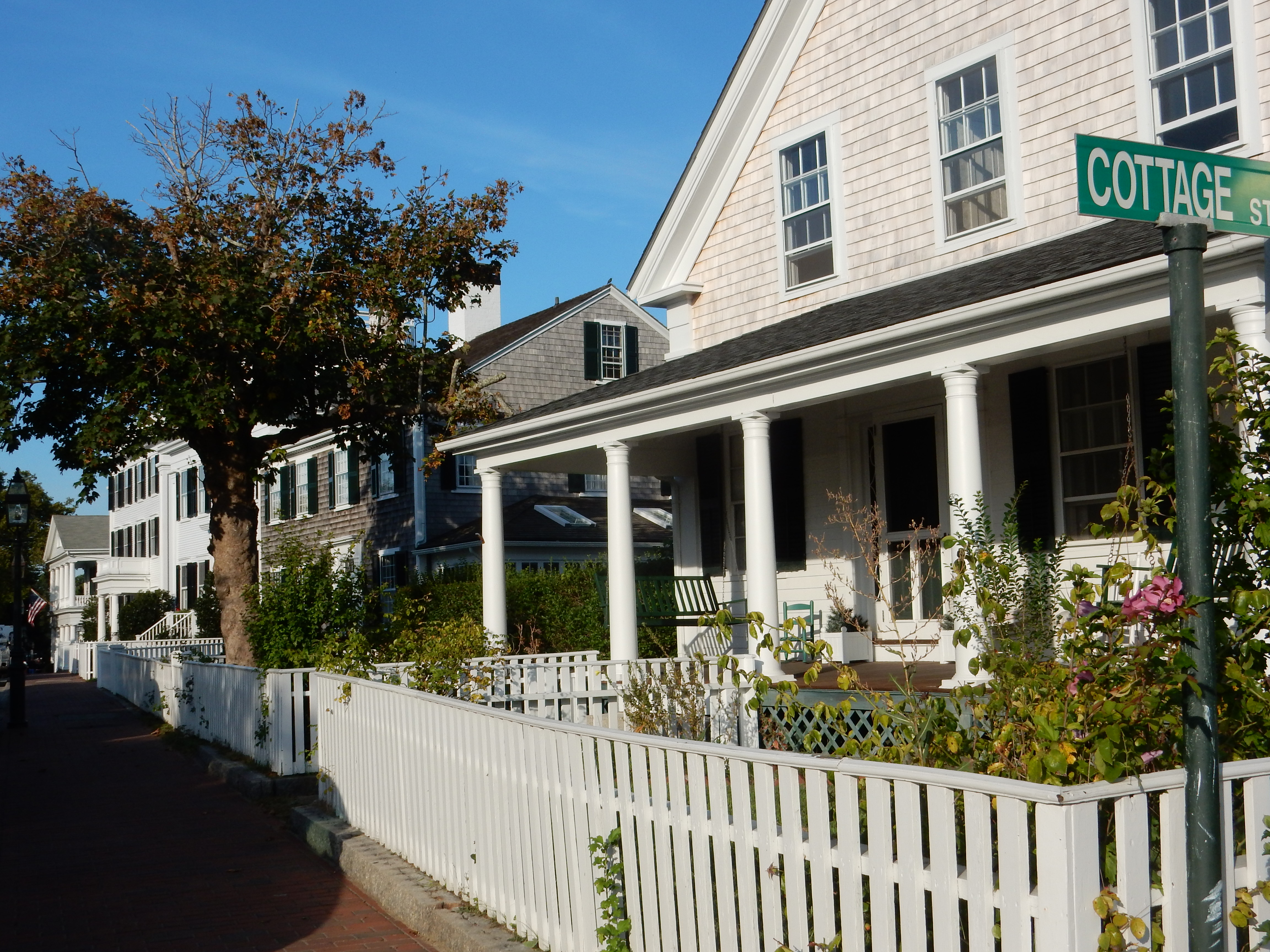
Illustration by Bill Butcher.

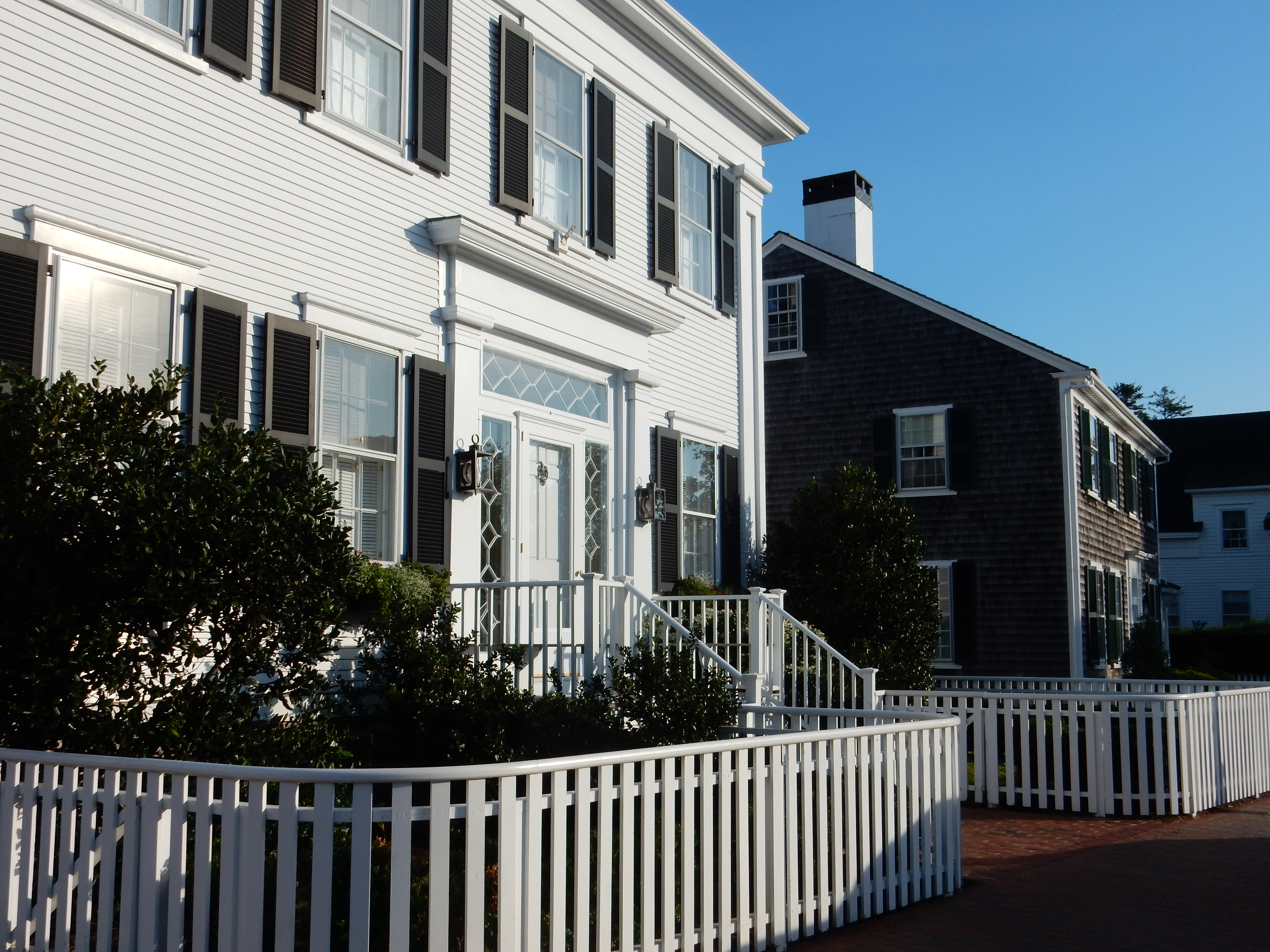
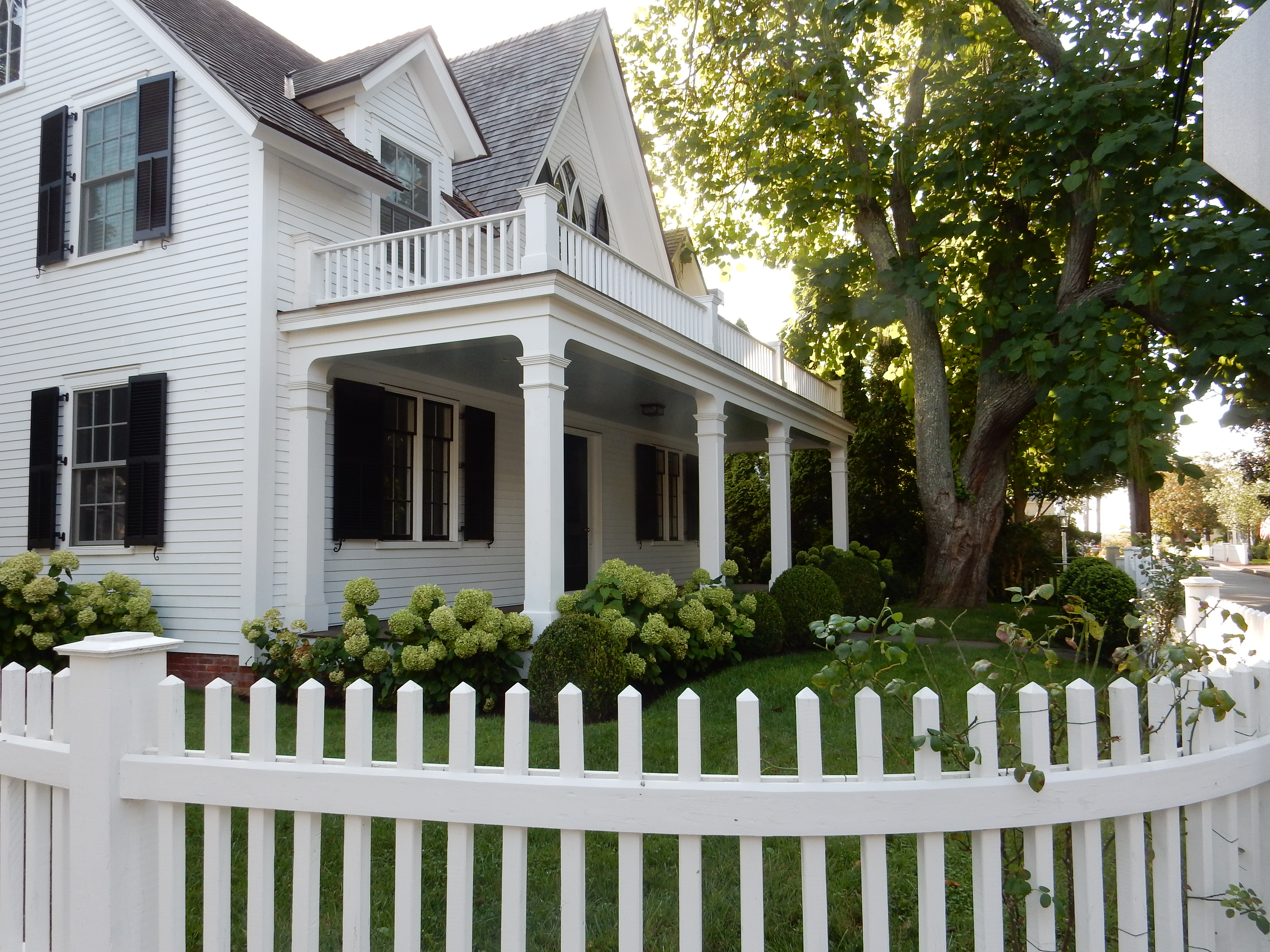
In “Why the ‘happiest’ cities are boring,” John Kay of the Financial Times makes a series of very important distinctions between happy cities and great cities, and in doing so he challenges most of the reigning official definitions of happiness and lists of cities where people are supposedly the happiest. He also traces the rise of happiness in cities to the decline (which has not fully kicked in, to say the least) of modernist architecture and planning.

The entire essay is one insight after another strung out with the greatest logic. Here is a string of passages that, predictably, I most enjoyed:

There is evidently a large difference between a great city and a liveable city. That difference lies behind the rise, and fall, of modernist town planning. … The reaction against modernism began in the 1960s with Jane Jacobs’ great book The Death and Life of Great American Cities (1961). … Jacobs’ book began the backlash that finally ended the power of Robert Moses, the master builder (and demolisher) of New York, and halted the decades of rationalism in town planning. … Life in unhappy countries — Myanmar, Syria, Zimbabwe — is not boring, but much of the population desperately wishes it was. Yet boring is not enough.

This collection of lines leads Kay to what are perhaps his most interesting thoughts about happiness:

The most intriguing studies of the determinants of happiness are those of psychologist Mihaly Csikszentmihalyi. The moments at which people are happiest are when they are in “flow” — when they are engaged in a challenging task and doing it well: the lecture in which you realise the audience is hanging on your ever word, the tennis game in which every shot takes the ball where you want it to go. For many people, bringing up children is a source of endless demands and frustrations, but taken as a whole it is one of the most satisfying experiences of their lives. There is more to the good life than clean water and trains that arrive on time.

So what kinds of cities offer the best opportunities for happiness? It depends. Stability and security bring a more palpable happiness to some, and the frisson of action, sociability and creativity generate a more vivid sense of happiness in others. Lists of the happiest cities take fatuity to the nth degree. Hard as happiness is to define, it is probably even harder to survey.

But one quality of cities is easier to measure and more evident to the senses of all people. Beauty certainly adds to the prospect of happiness of either sort. It also makes it easier to bear unhappiness. That is no small silver lining for the many around the world who live under dark clouds that seem to stretch beyond even the most distant horizons.

[Tip of the top hat to John Massengale for posting John Kay’s essay to the Pro-Urb list, which discusses the practice of New Urbanism.]
Posted in Architecture, Art and design, Books and Culture, Development, Other countries, Preservation, Urbanism and planning | Tagged , , , , , , , , | 1 Comment

Mod dorms bite the dust

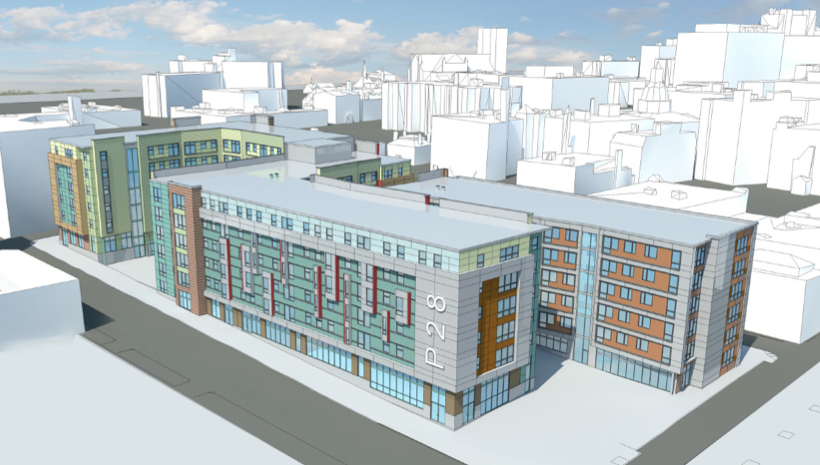
Abandoned dorm project on Parcel 28 of I-195 corridor. (gcpvd.org)

Abandoned dormitory project on Parcel 28 of I-195 corridor. (gcpvd.org)

Perhaps the worst-looking project proposed for the I-195 corridor has been abandoned. It is hard to say whether this is good news or bad news, given Rhode Island’s need to develop the land. How nice it would be to read that the project collapsed under the weight of its sheer ugliness. But here is Kate Bramson’s story in the Providence Journal: “Route 195 development: Student housing dropped.”

No reason is given. Yet the design cannot have helped generate enthusiasm for the twin dormitory project. According to Joseph Azrack, chairman of the I-195 Redevelopment District Commission, another developer has already expressed interest in Parcel 28, possibly with similar plans. Let’s hope it is more attractively designed and does not require demolishing a historic building, as the abandoned project did.

Bramson’s story also had bad news for those hoping that the demise of the PawSox stadium proposal would hasten progress on the public park, whose land the ballpark would have taken, and for the pedestrian bridge long contemplated to connect the two parks planned on either side of the Providence River. Apparently not.

“It has to do with the budgetary situation at the Rhode Island Department of Transportation,” Azrack said. “Until there are more funds available, and from what we’ve been told … they’re not going to start work on the bridge or on the west-side park until there’s more funds available.”

Maybe that’s good news. Both the bridge and the park need further design work before they are ready for a state that calls on people to “Discover Beautiful Rhode Island.”

Posted in Architecture, Art and design, Development, I-195 Redevelopment District, Preservation, Providence, Providence Journal, Urbanism and planning | Tagged , , , , , , | 2 Comments

Understand the Victorian

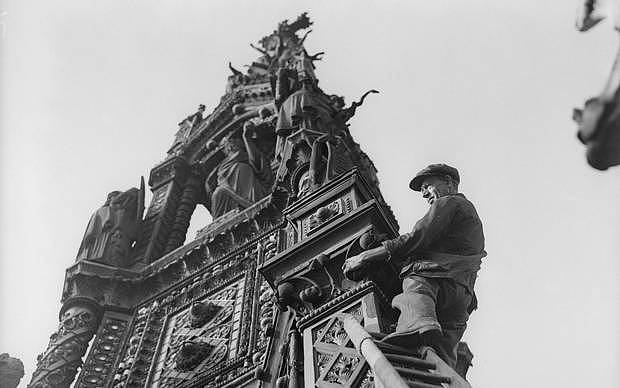
The Albert Memorial on Kensington Gore (in London) gets a scrub. (Hulton/Getty)

The Albert Memorial on Kensington Gore (in London) gets a scrub. (Hulton/Getty)

Stephen Bayley, the architecture critic for the Telegraph, has written “Some Victorian buildings should be left to die.” He is correct, but some is a vague word, to say the least. “All modernist buildings should be left to die” is a far stronger, more precise, statement, with the virtue of being quite true. What Bayley would never admit is that almost all Victorian buildings are far more attractive than almost all modernist buildings. Indeed, the reason we want to save Victorian buildings is not so much that they are beautiful but that every saved Victorian building eliminates the possibility of an ugly new modernist building on its spot. Now that’s progress!

Here are Bayley’s first two ignominious paragraphs:

There was something seriously wrong with the Victorians. Their architecture has an inclination to ugliness that defies explanation by the shifting tides of tastes. So much of it is wilfully challenging, even visually hostile.

After millennia of experience, jobbing builders and, since 1834, professional architects acquired certain rules about proportion and detail that were generally agreed to work well, both practically and artistically. These [rules] so many Victorian buildings contumaciously defied. We look on them now with blank horror.

[Commenter Tony James astutely observes that replacing the word Victorian with the word modernist in the quotes switches them from false to true!]

Unless you define “so many” as “very few,” this is untrue. Victorian architecture may violate certain precepts of classical design (to which I believe Bayley refers), but it does not violate the more important architectural precepts that value organized complexity over a foolish simplicity. Since the advent of modernism and its cult-like collection of slobbering acolytes, it has become common to hear architectural historians intone that generations have disliked Victorian architecture. Generations of architectural historians, perhaps, but generations of the public have never stopped liking Victorian architecture, and if you define “liking Victorian architecture” as “liking it more than modern architecture,” then the assertion gains the factual augmentation of a steel-reinforced concrete bunker.

Likewise for Bayley’s assertion that “tastes change.” Yes, they do, but the widespread preference for Victorian and other traditional buildings buildings is not a matter of taste but of a hard-wired preference for the natural over the unnatural in our brains. “Taste,” so-called, is merely a reflection of what taste-makers assert, which is almost always at odds with the truth as dictated by the preferences of average people, who have not had their sophisticated aesthetic instincts expurgated by a higher degree in art, design, architecture or their (supposed) appreciation. Tastes change largely because taste-makers cannot stand saying what earlier taste-makers have already said.

Bayley’s piece is accompanied by a poll that asks readers whether they think Victorian buildings should be “saved at all costs” or be torn down to make way for “the new.” At the time I voted, the former had got 79 percent approval. No surprise there.

Still, for its amusement value please read Bayley’s entire piece.

Posted in Architecture, Architecture Education, Architecture History, Art and design, Books and Culture, Development, Preservation | Tagged , , , , | 4 Comments

How not to “rebrand” R.I.

Screenshot of the primary image of proposed rebrand campaign. (Atom Media)

Screenshot of the primary image of proposed rebrand campaign. (Atom Media)

Rooting around online in search of a website for the Metamorphosis dance troupe I saw in Pawtucket on Saturday afternoon, I came across what seems to me a perfect example of how not to “brand” Rhode Island. The pitch is called “Whatever you do … Rhode Island.”

Atom Media Group, of West Warwick, presents its proposal to state officials seeking a firm to undertake a rebranding effort as “a radical departure from typical campaigns.” However, a campaign that relies on vagueness is neither new nor, in all likelihood, effective.

Kate Bramson, in her July 7 Providence Journal article, “R.I. pursuing the perfect pitch for new tourism campaign,” cites “Pure Michigan” as one of state officials’ ideal state brands. It strikes me as equally vague and bland, but at least “pure” is a word with high positives. “Whatever you do” seems both difficult to understand and eminently forgettable.

Screenshot from Atom Media campaign.

Screenshot from Atom Media campaign.

Yes, I know, the idea is that people will read into the slogan a meaning that picks up on what they already think about Rhode Island. If so, that only shows how unnecessary that slogan is. It may show that a rebranding campaign is unneeded. If the name of the state already conjures specific ideas that are swimming around in people’s minds, the state should identify those ideas and then base a rebranding campaign on them. But that might be difficult to do with enough specificity to be useful in developing a brand.

My own guess is that Rhode Island’s current slogan, “Discover Beautiful Rhode Island,” is a more effective brand than any P.R. firm is likely to invent. Except that I’d slice off the first word. Make it “Beautiful Rhode Island.” That would make the slogan an assertion rather than a call for action. It is simpler, and conveys a self-evident truth. For Rhode Island’s natural and civic beauty are unimpeachable, at least much more so than most states.

Rhode Island can then get on with the job of helping the state live up to its brand. That means keeping up the beauty of its beaches and other natural attractions, and preserving its beautiful architectural heritage.

Since both primarily require maintaining a generally admirable status quo, effort should be directed at improving that status quo. The state should make sure that new buildings, bridges, parks and other proposed structures strengthen rather than weaken the state’s already highly competitive environment of traditional architectural beauty.

Only a slogan that reinforces the state’s existing reputation will strengthen its brand. And only then can Rhode Island’s brand aspire to benefit from a slogan to attract tourists as effectively as “I ♥ New York” attracted tourists to the Empire State. Meanwhile, state officials should concentrate on improving its business climate, which contributes to the negative brand that the state wants to get rid of, even though it is free.

Until then, the state’s desire to promote Rhode Island as a “place to visit, live, work, and start a business,” as Atom Media expresses it in its campaign, is likely to run up against hardened attitudes that no new slogan or rebranding campaign can be expected to surmount.

By the way, Governor Raimondo recently canceled her predecessor’s clubfooted plan to eliminate the wave from the Rhode Island license plate. The wave is a successful logo. Hopefully, the governor will decide to continue it rather than squandering more money on the unlikely bet that a better logo can be invented by another P.R. firm.

Stefan Pryor, the state’s first secretary of commerce who is in charge of the rebranding campaign, says some 40 firms, in and out of state, are vying for the job. A winner is to be announced in October.

Posted in Architecture, Architecture History, Art and design, Development, I-195 Redevelopment District, Preservation, Providence, Rhode Island, Urbanism and planning | Tagged , , , , , , , , | 9 Comments

Shock dance at Bucket fest

Metamorphosis danced in St. Paul's parish hall. (All photos and videos by David Brussat)

Metamorphosis danced in St. Paul’s parish hall. (Photos and videos by David Brussat)

On Saturday afternoon, Billy, Victoria and I attended a dance performance, part of the ongoing annual Pawtucket Arts Festival. The event was held at the Episcopal Church of St. Paul, which we toured, noting that next year will be its 200th anniversary. We saw a troupe called Metamorphosis perform an extended work for six dancers in the church’s parish hall, pictured above at the beginning of the dance. The troupe is associated with Ten31 Productions, whose WaterFire gargoyles (stationary performers) are among its specialties.  The dancers filled the stage with a fluid and evocative performance, very not scary, not the sort of angular sudden thrombosis of modern dance that we’ve come to expect and, too often, regret. In fact, quite beautiful. Shockingly so. Metamorphosis and its moves were indeed a delightful surprise!

Afterward, the dancers actually took questions from the audience. Then we crossed Park Place to see an art exhibition of artfully drawn butterflies in the Forget-Me-Not Gallery, sponsored by the Samaritans of Rhode Island, whose director, Denise Panichas, a friend of very long standing, seemed to be in charge of the afternoon’s events, including a seminar that we unfortunately missed on gargoylism – the ins and outs of the gargoyles’ constumes and their style of animation – in the grassy meridian along Park Place.

DSCN9132

DSCN9115

Posted in Art and design, Rhode Island, Video | Tagged , , , , , , , | Leave a comment

Pawsox stadium talks dead?

Screen Shot 2015-09-14 at 11.44.43 AMNews flash! State Rep. Aaron Regunberg has sent out an email blast announcing that negotiations between the state and the owners of the PawSox have ended without a deal and that the Providence waterfront ballpark idea is dead. I have no other information than that.

World turned upside down!

[Update: Speaker Mattiello has spoken, confirming the talks’ breakdown.]
If true, I find it disappointing. The stadium, if built in the traditional style proposed, with a deal good for the state (nobody was in favor of the first deal), could have made the Route 195 land more attractive for business and for citizens, at least more so than the public park that has been proposed. The riverfront is already lined with parks, so a ballpark could have provided a civic amenity that Providence lacks.

So if the stadium is dead, maybe officials for the city and state can make sure the park will be better than it has seemed thus far. A goofy pedestrian bridge seems to be on hold, while a goofy pavilion may or may not be in the works. And a private entrepreneur wants to build an outdoor concert and events facility where the park (or stadium) would be.

Let’s hope that if this news is true, something better will emerge. Providence and Rhode Island have a history in recent years of doing really great stuff, moving railroads, moving rivers, moving highways, building a dynamic and attractive downtown shopping mall, not to mention revitalizing the city’s commercial core. Let’s build on that record.

Here is my apparently prescient analysis, “Tidbits of stadium news,” from Sept 14. Long ago, after lead owner James Skeffington’s death last May, in “The Skeffington legacy?” I wrote, “My take is that if they just want to take the money and run, the vision will fade soon enough.”

Posted in Architecture, Development, I-195 Redevelopment District, Landscape Architecture, Providence, Rhode Island, Urbanism and planning | Tagged , , , , , , | 4 Comments

Staff surrounds Eiffel Tower

Movable sidewalk at the Paris world's fair of 1900. (messynessychic.com)

Movable sidewalk at the Paris world’s fair of 1900. (messynessychic.com)

Unforgettable forgotten moments from the past are pictured in this romp called “Unrocognizable Paris: The Monuments that Vanished,” on the blog MessynessyChic.com. The well-illustrated piece recalls when the Champ de Mars was filled with monuments made of “staff,” a mixture of plaster of Paris and other elements. That is the substance used to create one of the earliest and most influential of world’s fairs, the World’s Columbian Exposition in Chicago, which lasted for six months in 1893. It was seen by about a quarter of the U.S. population, which had neither cars nor planes but only trains for transport. It sparked the City Beautiful Movement. Cties around the country redesigned their civic centers in the classical manner based on the White City. Some later critics considered it grandiose but have not come up with anything better. Of course, it no longer exists. Fire took much of it after the fair closed. Too bad it was built of staff!

Many of the buildings and statues of the [Paris] world’s fair were made of staff, a low-cost temporary building material invented in Paris in 1876, which consisted of jute fiber, plaster of Paris, and cement. Often the temporary buildings were built on a framework of wood, and covered with staff, which was formed into columns, statuary, walls, stairs, etc. After the fair was over, the buildings were demolished and and all items and materials that could be salvaged and sold were “recycled.”

This messynessychic.com article, whose authorship is not identified, deals with the Exposition Universelle of 1900, in Paris. It was this world’s fair that gave Paris its famous moniker, the City of Light. The first Olympics outside of Greece took place in Paris at the same time. The fair celebrated advances in the new technology called electricity. The Eiffel Tower was painted yellow for the occasion. A third of the way down is a fascinating film clip of the fair shot by Thomas Edison (or one of his workers). Also note a photo of the movable sidewalk in which a woman is losing her balance. Fascinating stuff!

Hats off to Gary Brewer for sending the link to TradArch.

Exposition universelle de paris.

Posted in Architecture, Architecture History, Art and design, Old Video, Other countries, Photography, Preservation, Urbanism and planning | Tagged , , , , , , , , , , | 1 Comment

Shubow tilts BIG WTC tower

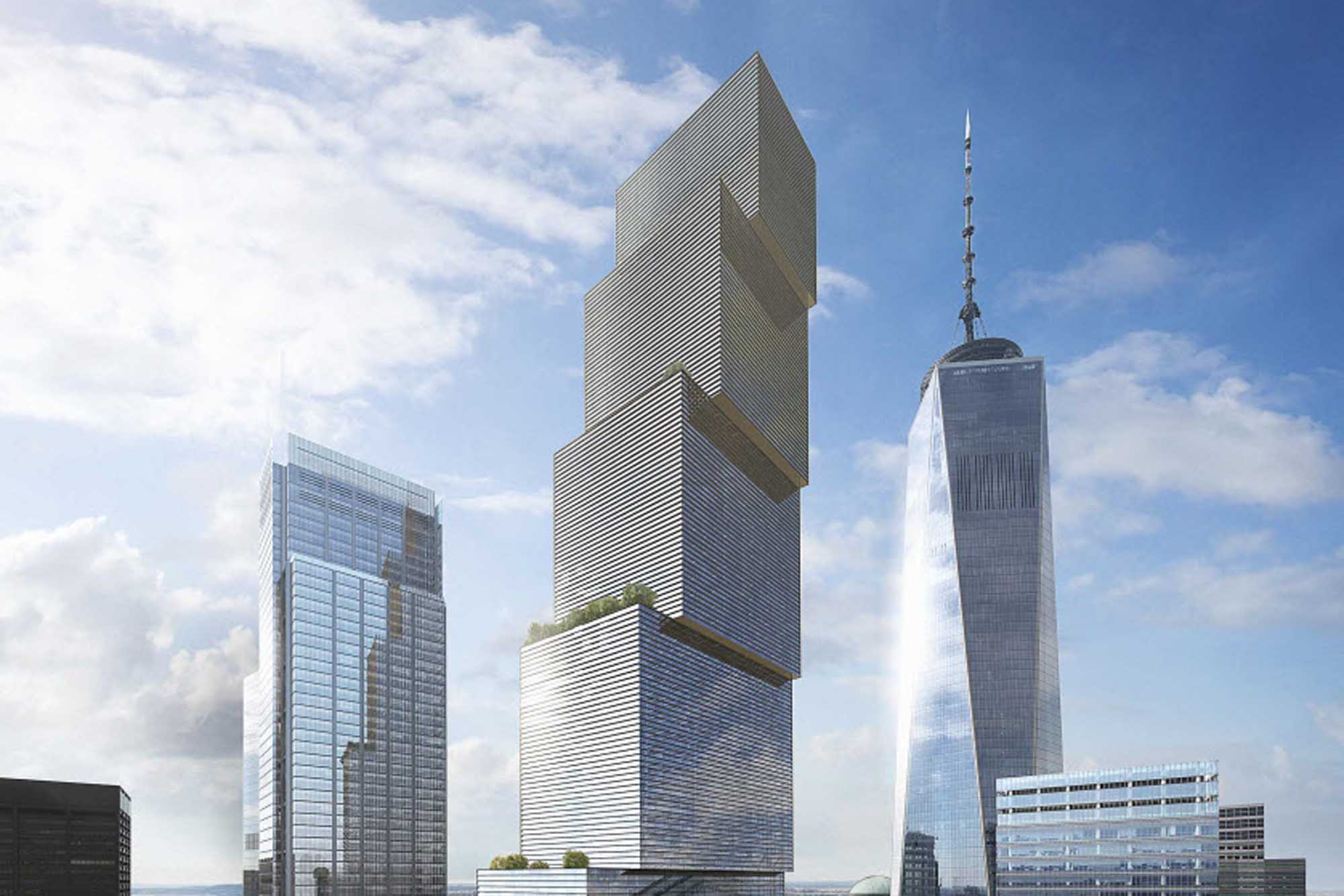
Design for 2 World Trade Center, designed by Bjarke Ingels. (nypost.com)

Design for 2 World Trade Center, designed by Bjarke Ingels. (nypost.com)

Justin Shubow, president of the National Civic Art Society and a monthly contributor of architecture criticism to Forbes.com, has hit his stride. His latest essay, Towering Infernal, written for the Weekly Standard, is about the last building planned at Ground Zero, Two World Trade Center. It is being designed by the Viking-wannabe* Bjarke Ingels, a Dane living in New York City who founded the Bjarke Ingels Group (BIG).

More on him and it soon. First I’d like to quote Shubow on what’s already been built on what may be the “16 most sacred acres” in America:

The well-known design of Freedom Tower (officially One WTC) by David Childs is that of a glass skyscraper that narrows as it ascends, each of its chamfered sides sloping inward. It tops out, anticlimactically, in a flat roof pierced by a scrawny radio pole. The work is reminiscent of a syringe, and is just as inspiring. The other buildings on the site are Three WTC by Sir Richard Rogers and Four WTC by Fumihiko Maki. Both are snoozeworthy generic glass office buildings.

How sad, so odiously and rendingly sad, that the classical proposal for Ground Zero designed in late 2001 by the firm of McCrery, Lohsen & Franck, was never built. It was publicized by the Manhattan Institute’s quarterly, City Journal (“What Should Arise from the Ashes“), but the entry was apparently not accepted into the WTC design competition (won in 2004 by the absurd Daniel Libeskind) because it was considered “not of our time.” Or so I have heard. I have no proof. (Any help out there?)

The tenants for 2 WTC will be 21st Century Fox and News Corp., owned by Rupert Murdoch, whose son James is taking over his pa’s organizations. He was put in charge of the building’s design, it seems, and he gave the boot to Sir Norman Foster (yay!) but then chose the even more egregious Ingles for the job (boo!). What that may say about the future of “tilt” at Fox News, I am in no position to say and have no desire to speculate.

Speaking of evidence, one of the delightful things about Shubow’s essays at Forbes is the mountain of sourced evidence he brings in to buttress his opinion. His Weekly Standard piece on BIG’s 2 WTC proves that he doesn’t always need much research to indite a fully compelling denunciation of his target. Of which, speaking of tilt, he writes:

But Two WTC is a failure for a more important, and simple, reason: It looks like it is about to topple over. It doesn’t take an expert eye to see this; it doesn’t even require conscious judgment. When we see something off-kilter, our intuitive understanding of the forces of physics causes us to worry about its stability. We also know, subconsciously, that cantilevers are sites of mechanical stress, with millions of pounds of weight challenging a building’s structural integrity. That the tower appears to be tilted is not my imagination: Ingels admits that it “feels like it’s a completely straightforward tower, but then there’s something weird going on, that it seems to lean with One World Trade Center.”

To build a weird tower seemingly on the verge of collapse at the site of the former World Trade Center goes beyond bad taste; it constitutes gross negligence.

As the man says, you don’t need expertise, or research, to determine that a building looks like it might fall down. And if it looks like it might fall down, then it’s more likely, other things being equal, to fall down. Isn’t that what it’s all about at Ground Zero? Gross negligence, indeed, I’d say – to say the least. Sometimes the truth is surrounded by a bodyguard of lies, but sometimes it just stares you in the face. No, it does not always take an expert. Sometimes it takes a clown. Not a Viking. A clown. A BIG clown.

Thank you, Justin Shubow, for being on target. Again.

*A Viking-wannabe seeks to lay waste to the built environment.

Posted in Architects, Architecture Education, Development, Urbanism and planning | Tagged , , , , , , , , | 1 Comment

High tech on I-195 corridor

Proposed building by Richard Baccari II in I-195 corridor. (Kite Architects)

Proposed building by Richard Baccari II in I-195 corridor. (Kite Architects)

“Display could light former 195 land”

Find the typo in the headline above. … Give up? The letter b in “blight” was accidentally dropped. The headline should have read “Display could blight former 195 land.”

Seriously, the headline, which appeared on the front page of Tuesday’s print edition of the Providence Journal (though not its digital edition), isn’t really a typo, but the proposed building certainly is.

Developer Richard Baccari II wants to add to his lovely old brick building in Fox Point a light show and what looks like a steel office, retail and residential building of seven stories with random windows, the latest cliché of modern architecture. The new building, which qualifies as a classic pastiche, features a twist on founding modernist Le Corbusier’s window screens or “brise-soleil.” Since it is on the waterfront, maybe it should also be hiked up on Corbusier-style stilts, known as pilotis.

The project, near the Hot Club and Al Forno on land where the Seekonk River merges with the Providence, is only the latest proposal on the Route 195 corridor to embrace a high-tech look.

Well, what’s wrong with that? After all, the idea for this state land is to lure high-tech industry, research and jobs. Won’t entrepreneurs and their employees want to work in buildings that look high-tech?

Actually, no. Research such as that by urbanist Richard Florida shows that tech-industry workers prefer buildings with historical character to work and live in, buildings much like the building Baccari wants to plop his dreck on.

Most people, which probably includes most engineers, computer analysts, medical technicians and other workers in the technology sector, prefer houses that look like houses, banks the look like banks, churches that look like churches, and research centers that look like research centers.

Come again? Well, who knows what research centers are supposed to look like these days? As a building typology, such facilities came into being after architecture was taken over by new thinking that threw out design practices that evolved over centuries and brought in a lot of confusion.

Here is the fundamental error made by the founders of modern architecture: They realized correctly that humans had entered the machine age, but they leaped to the false conclusion that buildings should look like machines.

What they got from the machine aesthetic was not efficiency but a metaphor for efficiency. That would have been fine if “efficiency” generated actual efficiency, but it does not. And it might have been okay even still if people liked their buildings to look like machines. But they do not. “Form follows function” notwithstanding, modern architecture is not efficient and looks bad into the bargain.

However, the American elite embraced modern architecture as its corporate template, and the rest is, sad to say, history. For decades, developers have offered designs based on a false analogy, accepting its ugliness as the price of an efficiency that does not exist. The result? Our built environment is a mess, and people ignore it as best they can.

Scientists like Christopher Alexander and Nikos Salingaros – both mathematicians, architectural theorists and urbanists whose thinking about computer programming has immensely boosted software productivity – believe that architecture and urbanism took a wrong turn almost a century ago. Their research instead promotes design that mimics the processes of biological development and reproductivity, which evolves naturally just as architecture itself once did. They have found that the widespread preference for traditional architecture is not a matter of “taste” but is hardwired into human neurobiology.

A relatively large niche segment of contemporary architects resists the profession’s hidebound establishment by building in traditional styles. Many of these architects may not even realize that their designs reflect not only what people like but nature itself. Here is a list of firms in Rhode Island that do work in traditional styles:

Rhode Island can steal a competitive march on rival states by embracing a return to beauty and tradition in architecture. This would strengthen the state’s brand – beauty – and generate economic development attractive enough to wean citizens away from their 38 Studios cynicism. The first step should be to ask developers like Richard Baccari to build the kind of buildings that they themselves, deep down, really want to build.

Posted in Architects, Architecture Education, Architecture History, Art and design, Development, I-195 Redevelopment District, Preservation, Providence, Rhode Island, Urbanism and planning | Tagged , , , , , , | 3 Comments

Travels to Martha’s Vineyard

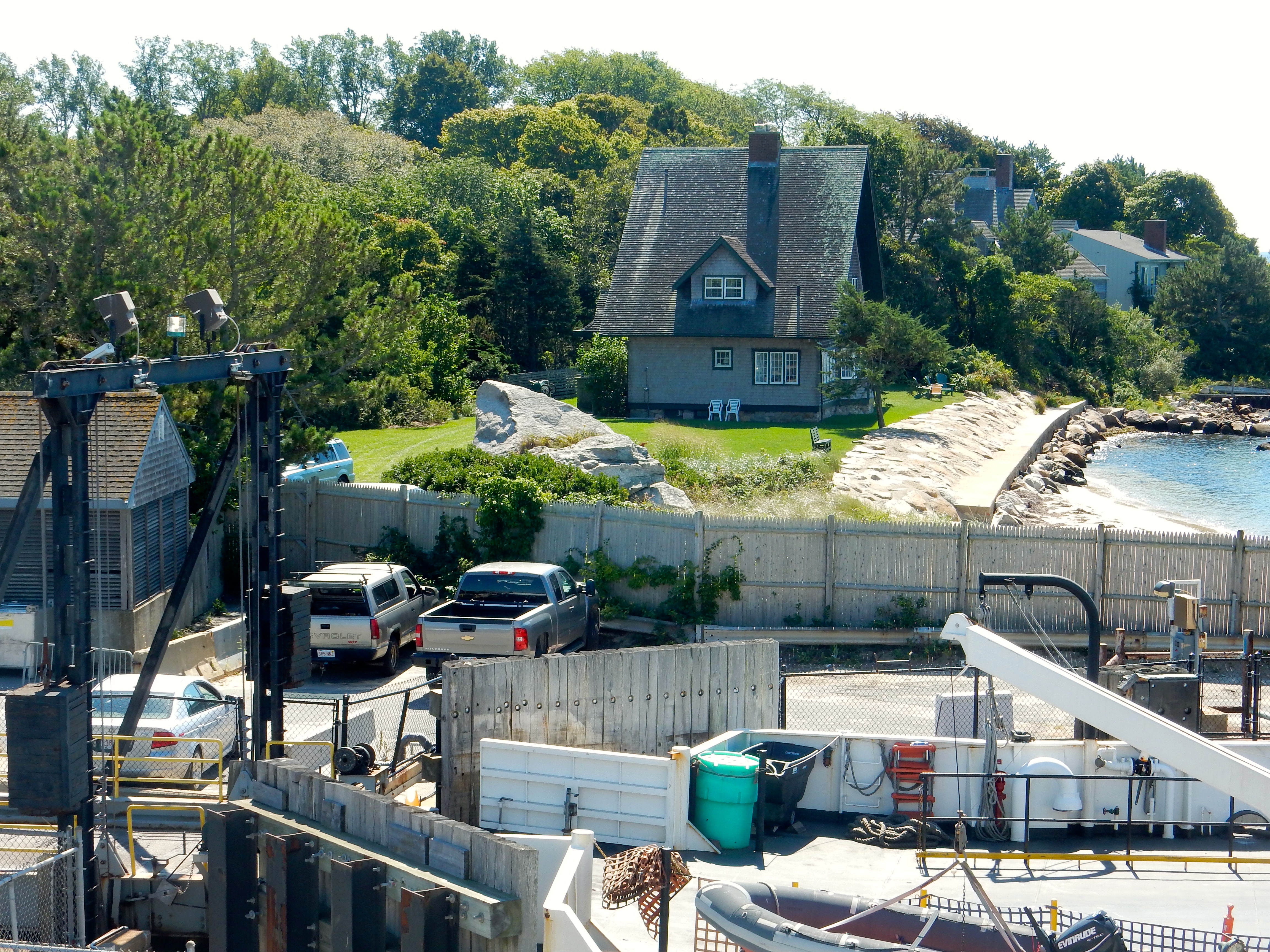
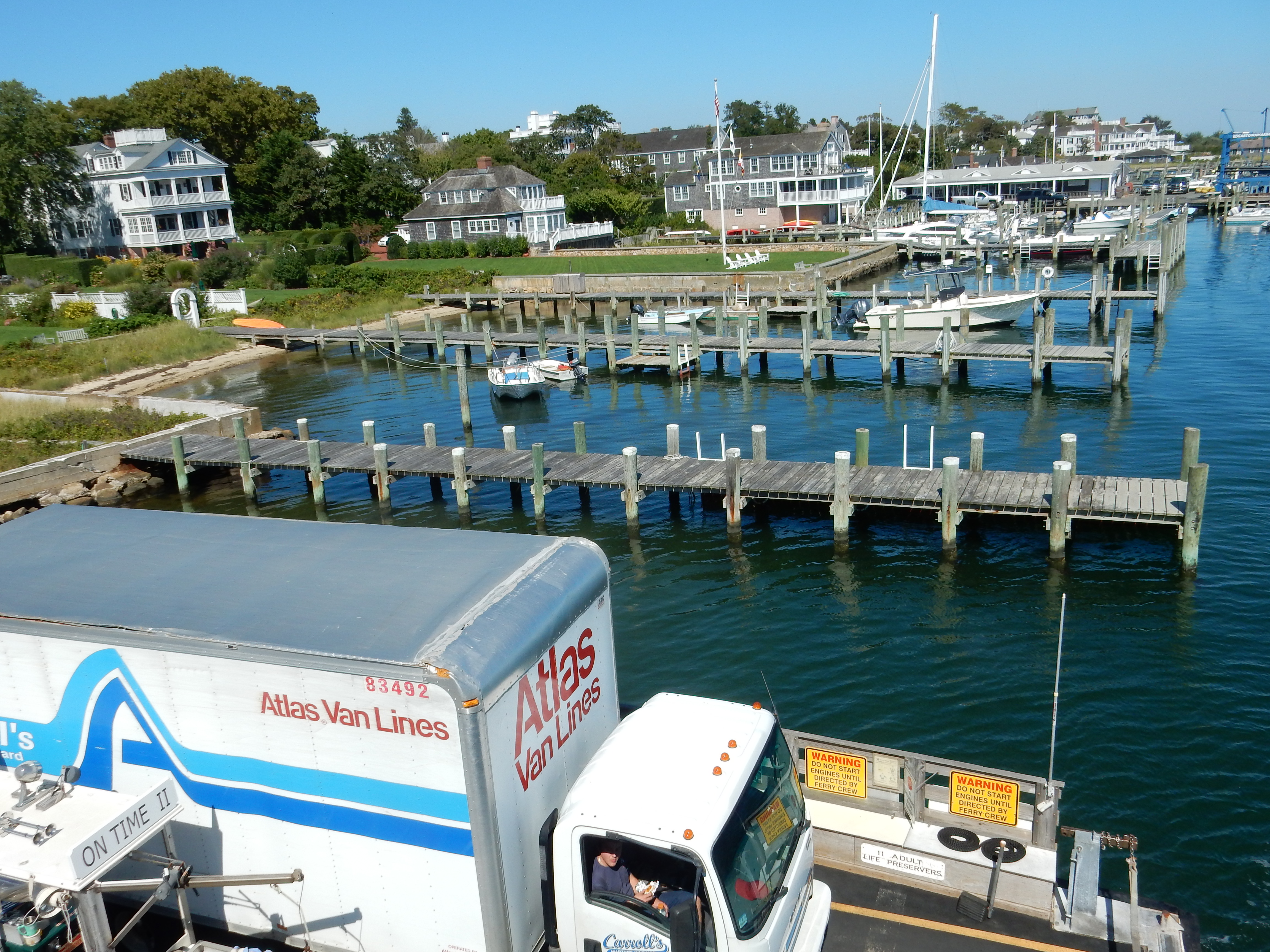
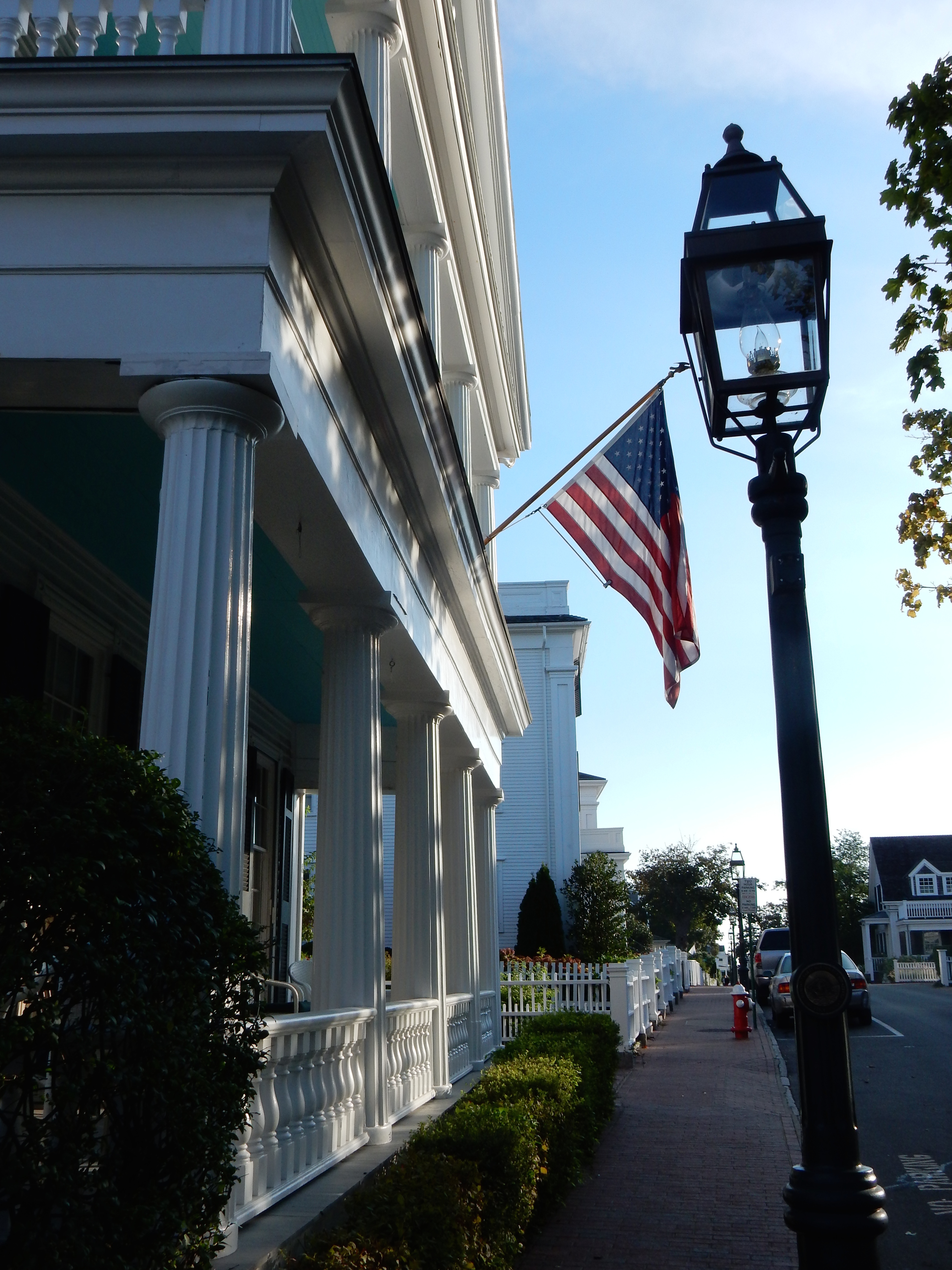
View east from ferry upon debarkation from Woods Hole. (All photos by David Brussat)

View east from ferry upon debarkation from Woods Hole. (All photos by David Brussat)

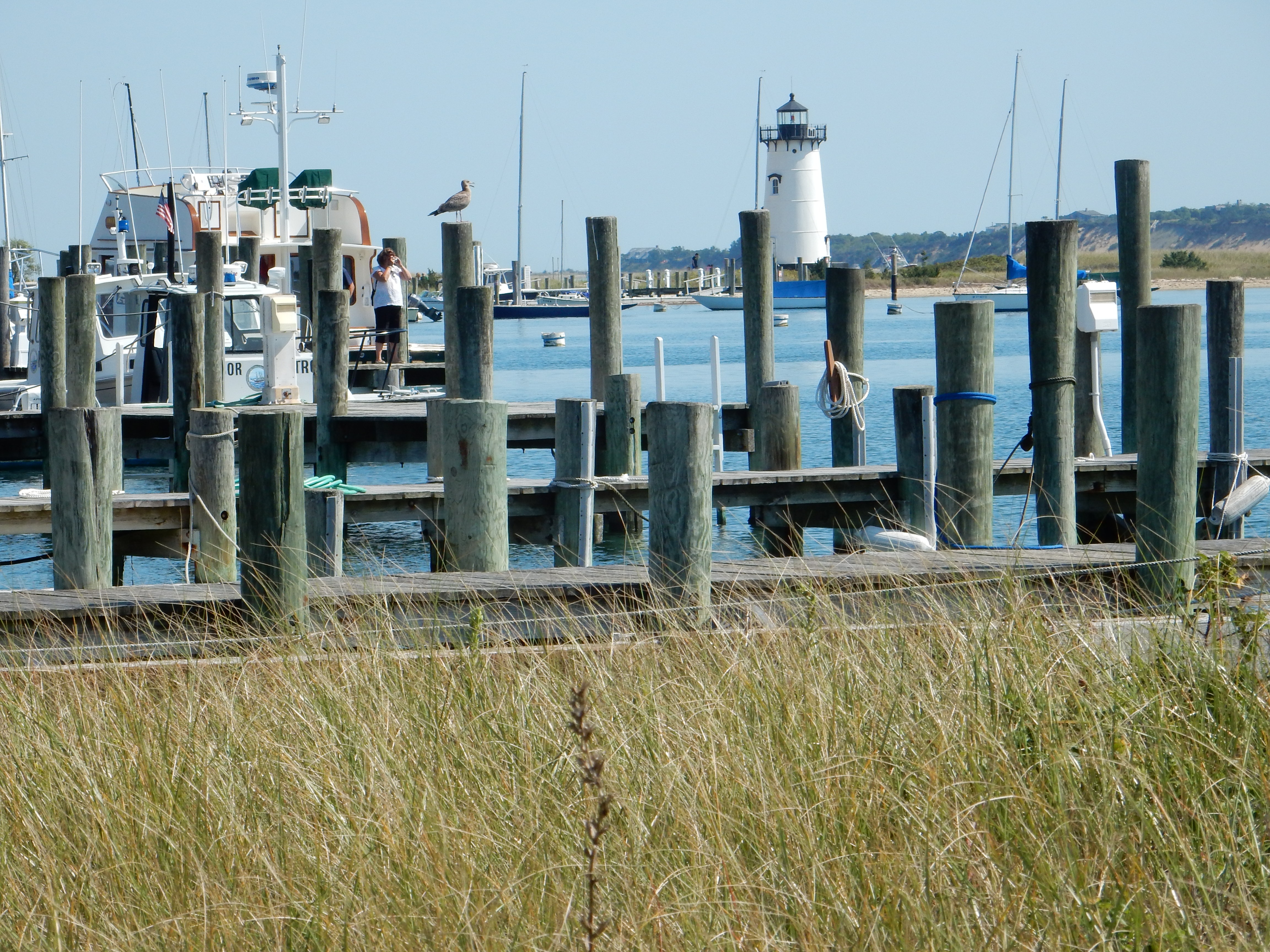
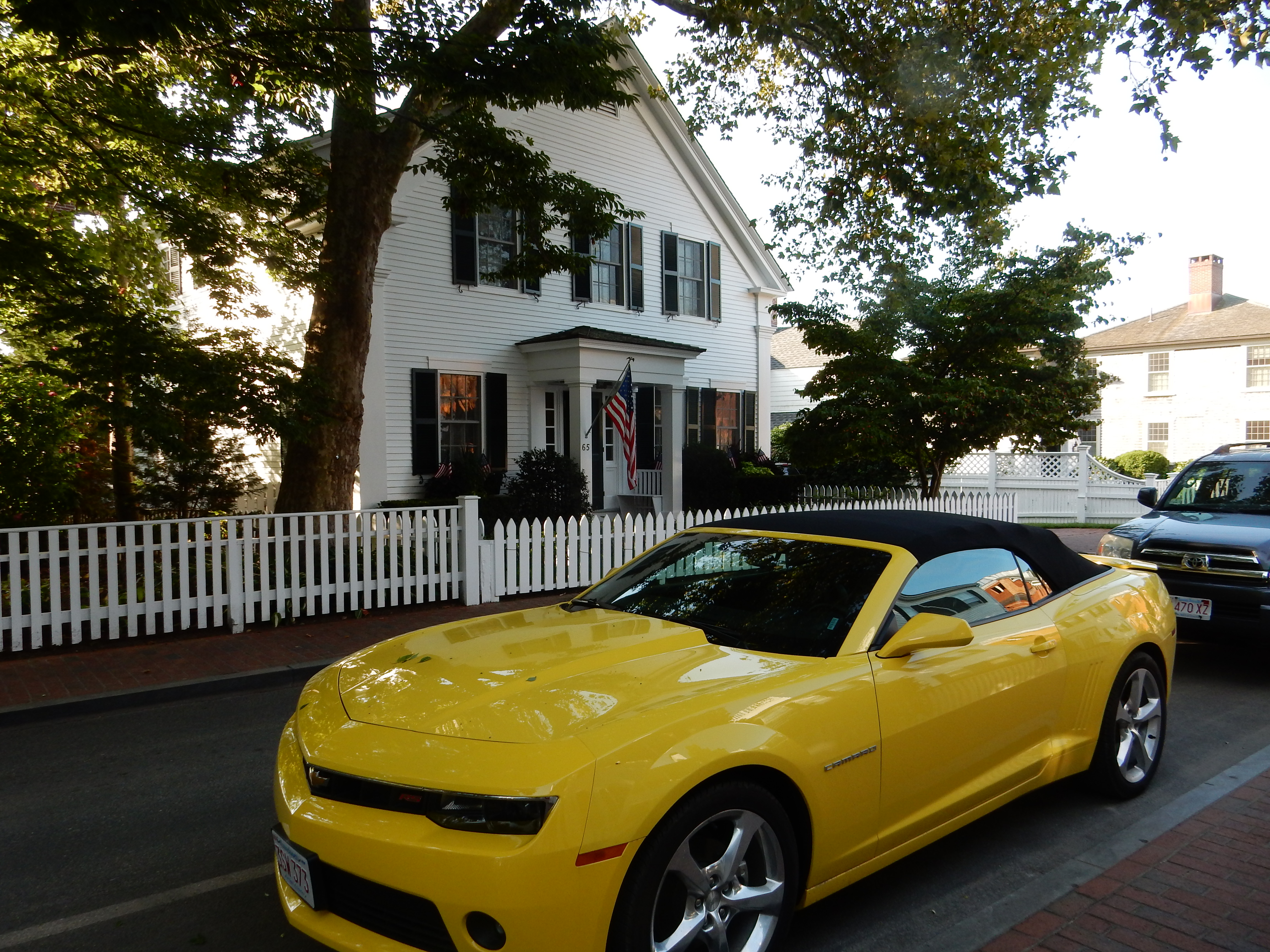
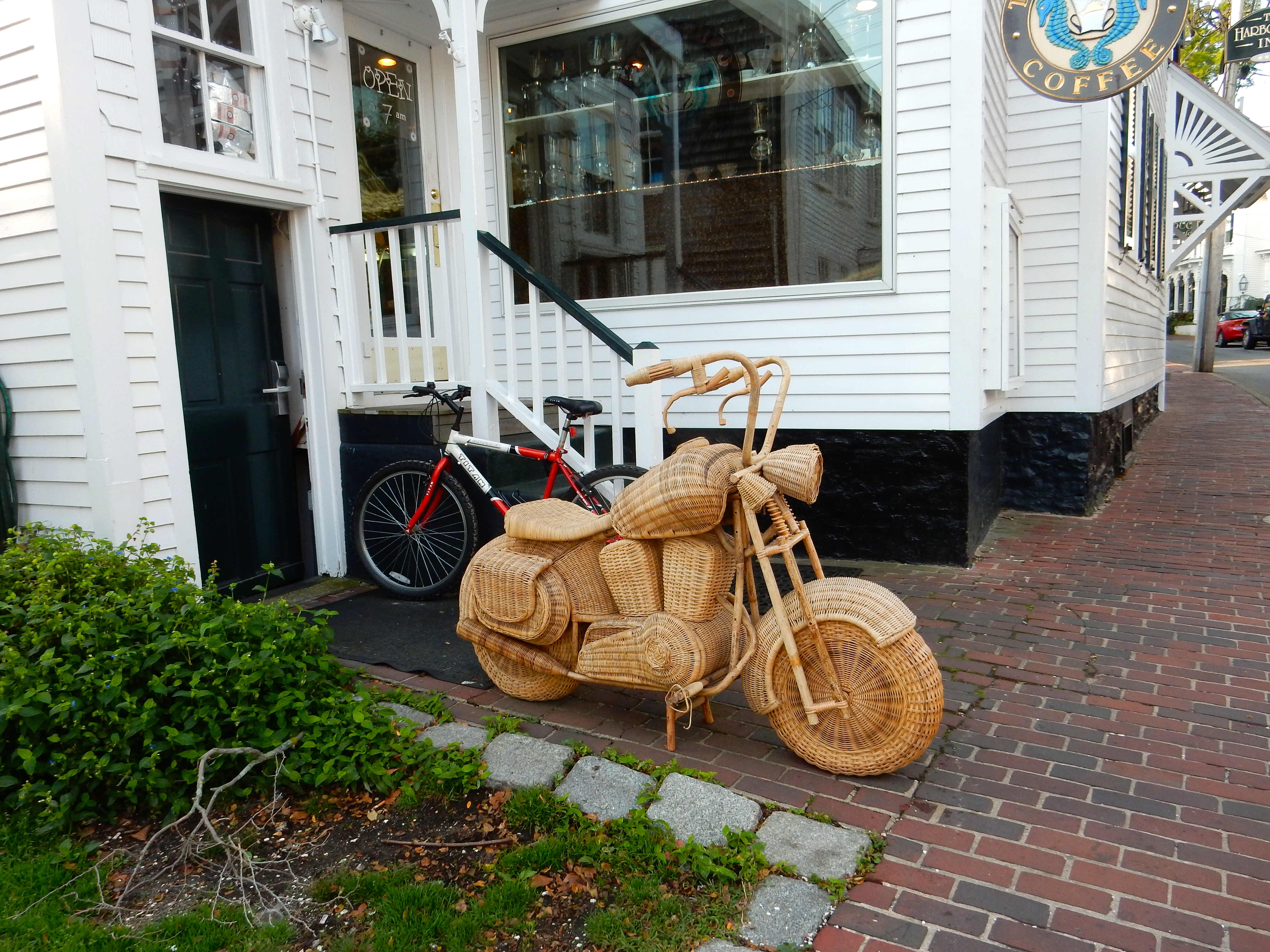
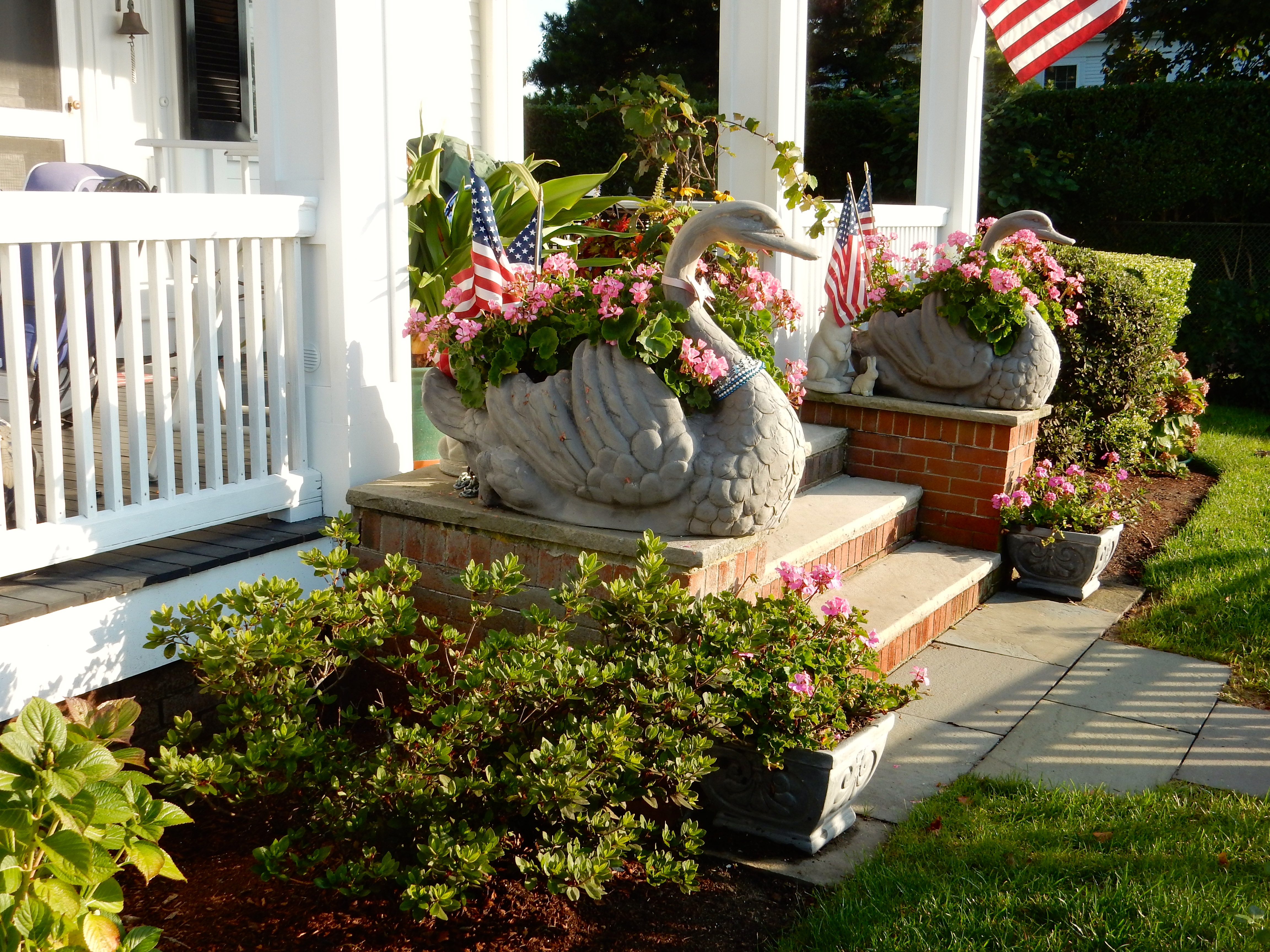
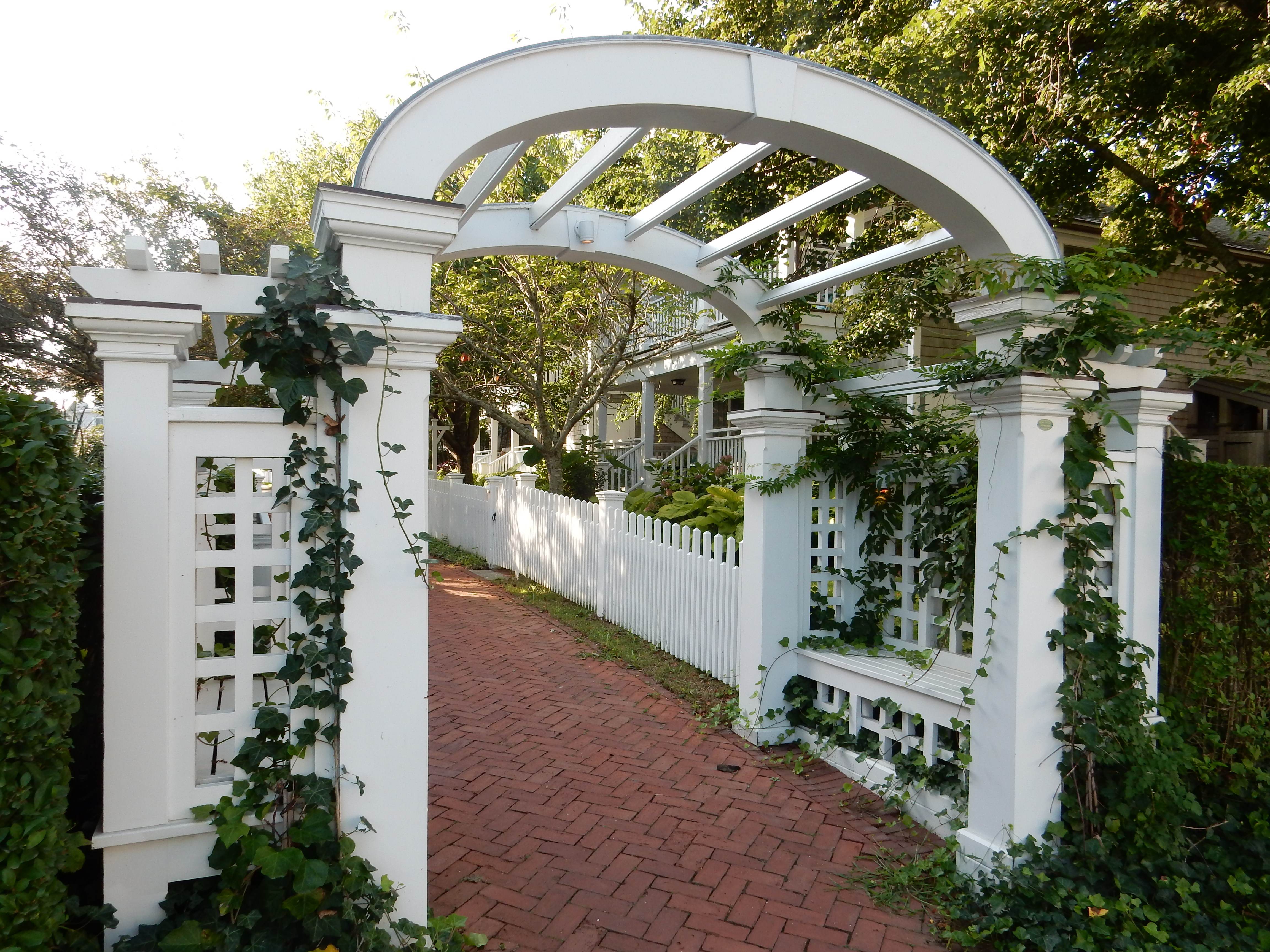
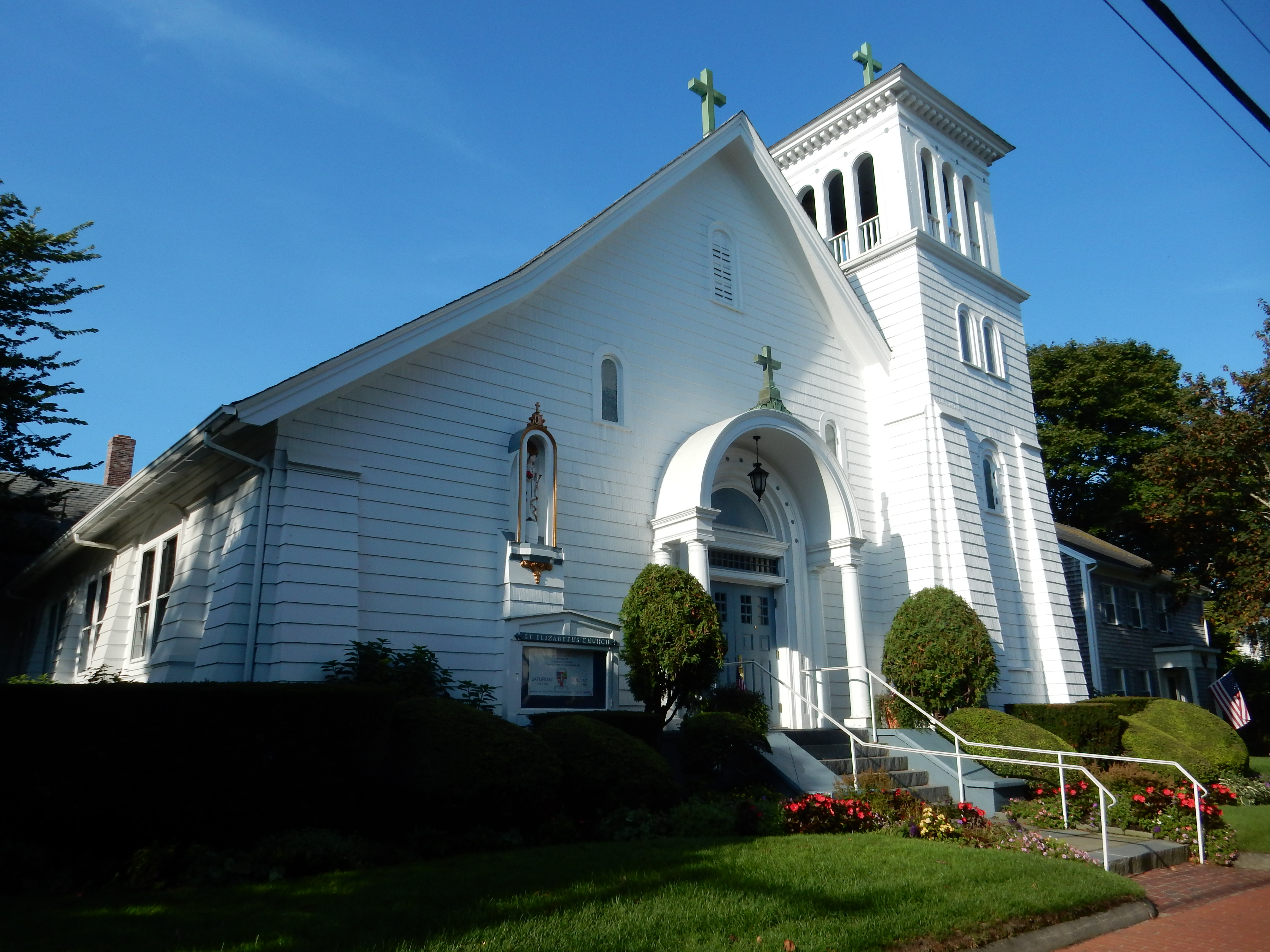
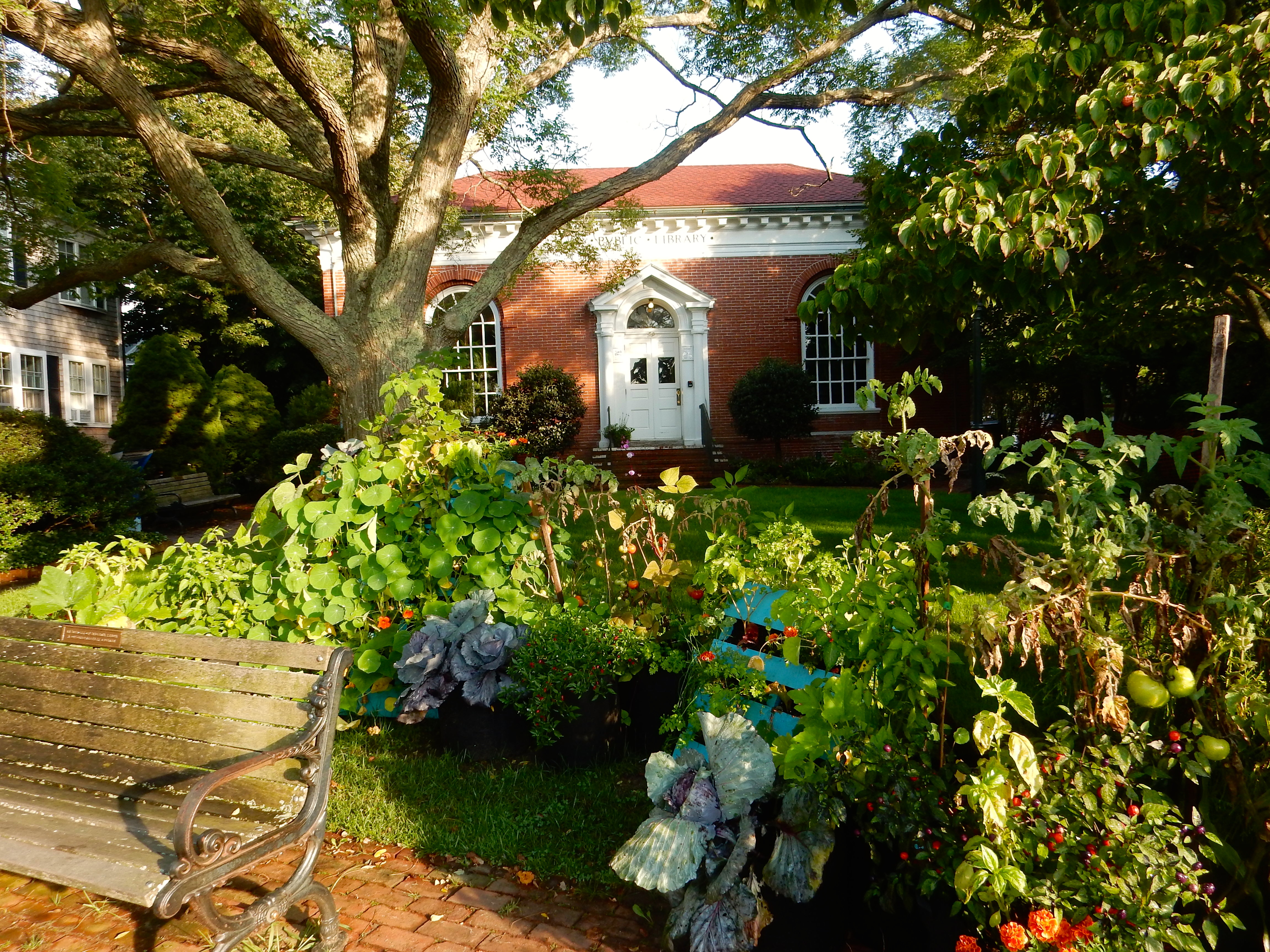
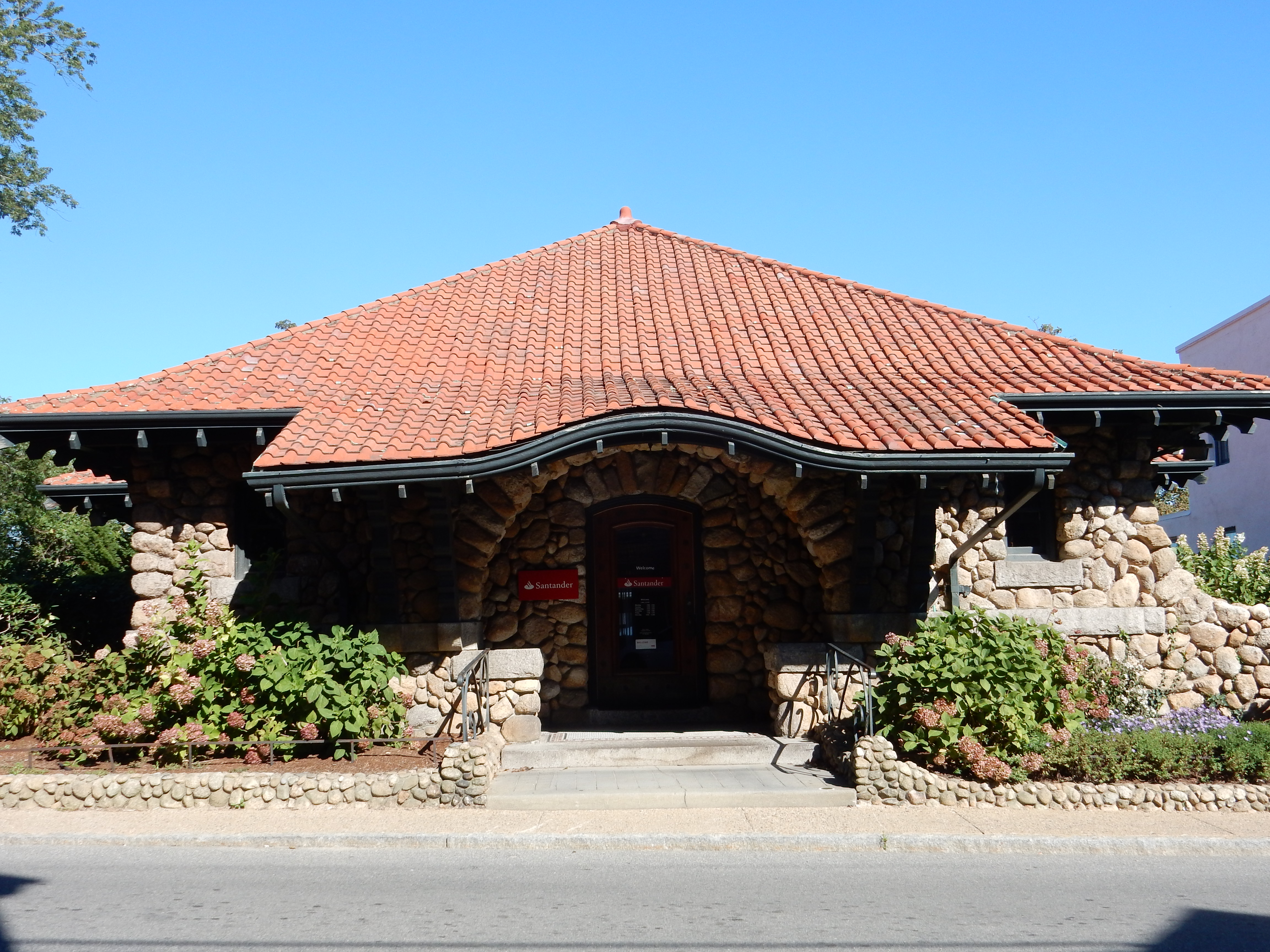
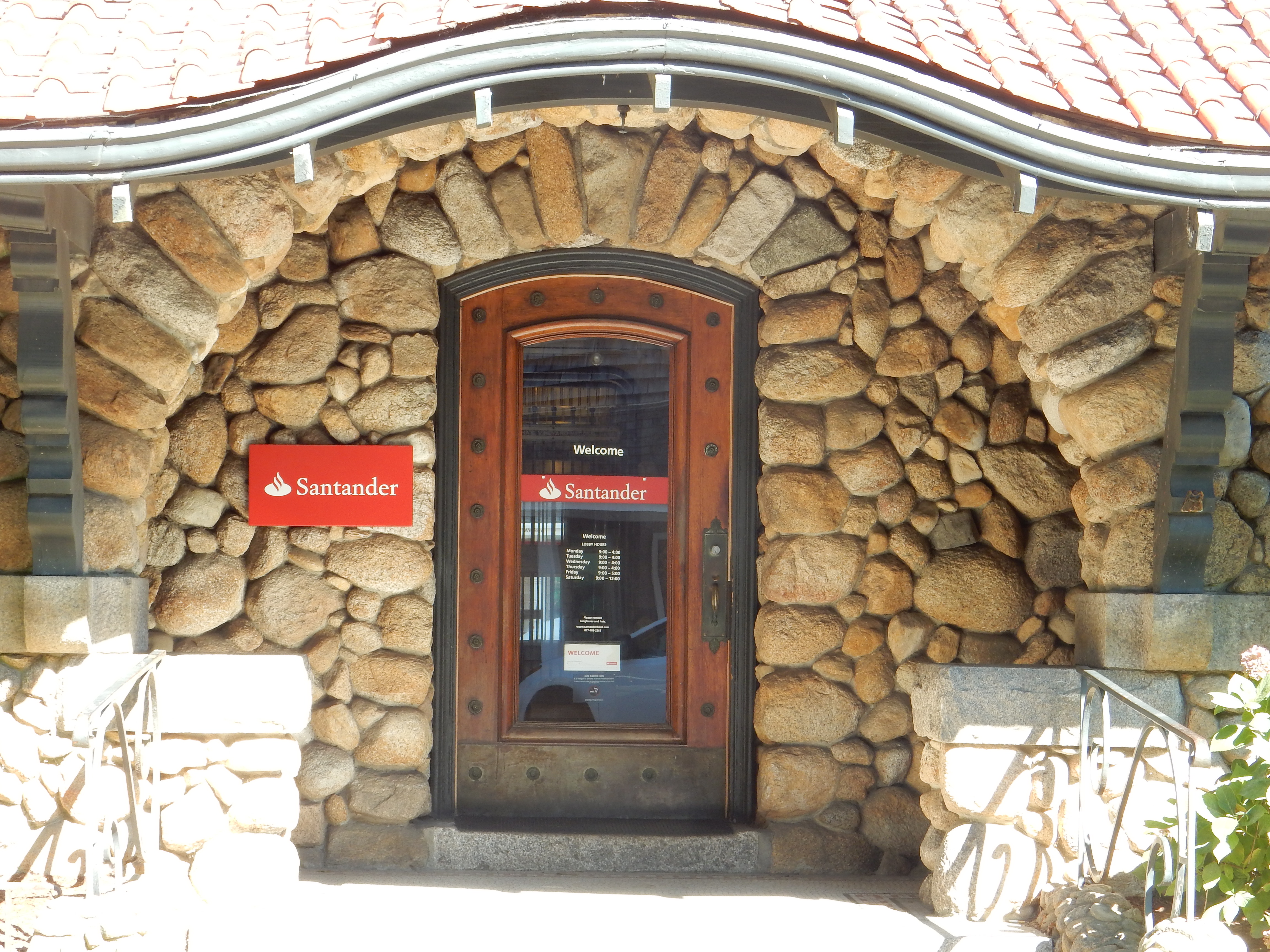
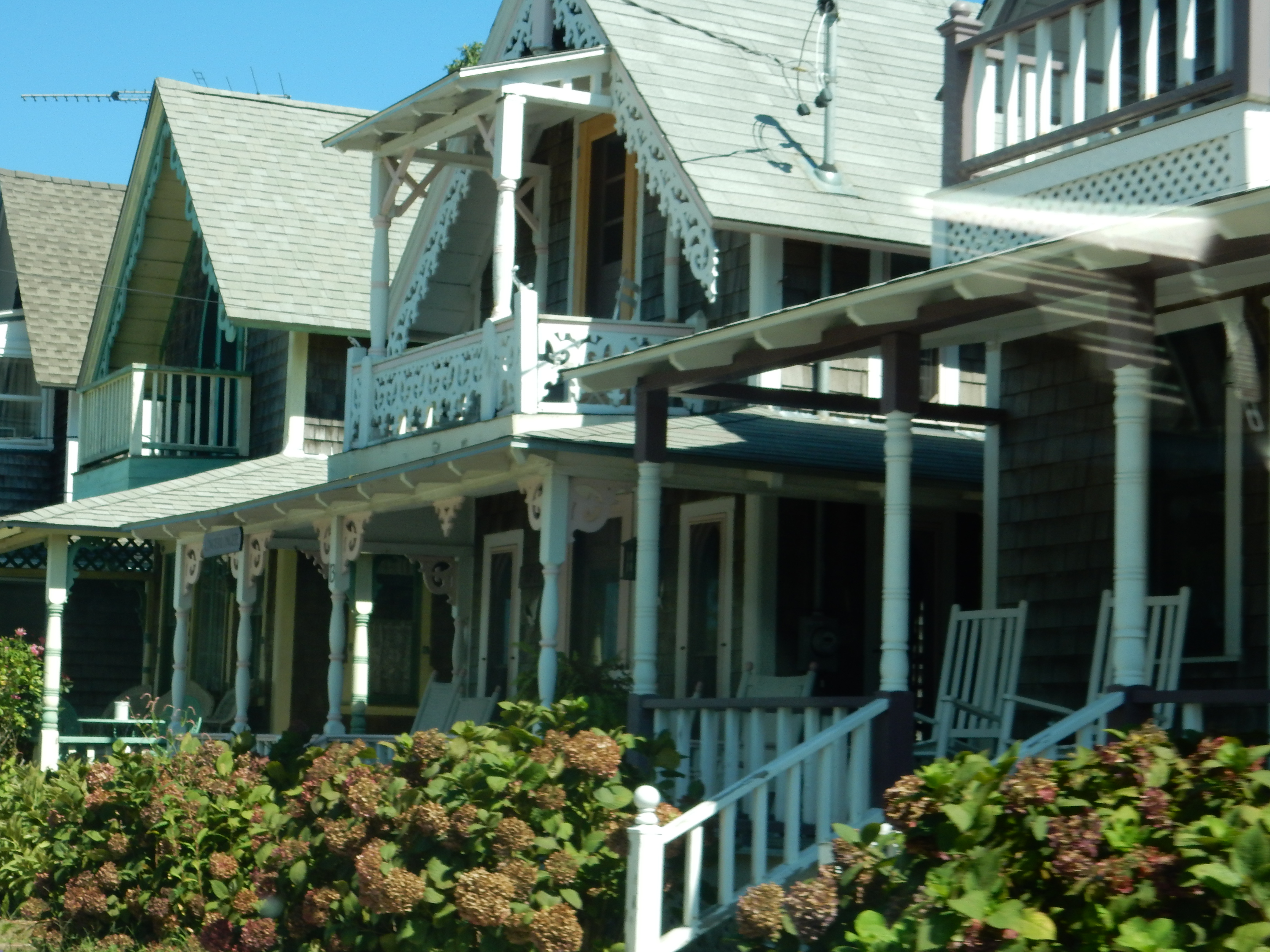
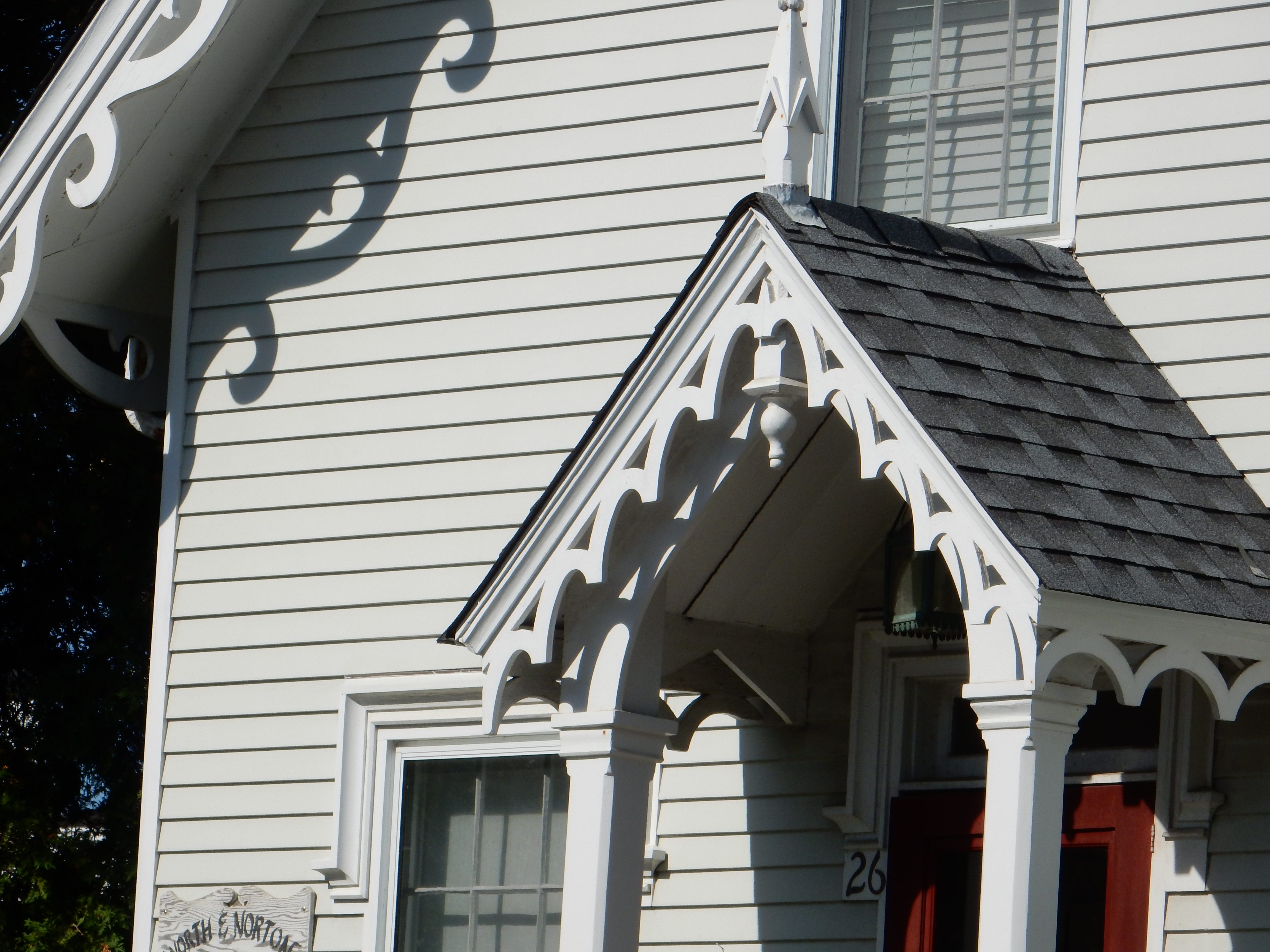
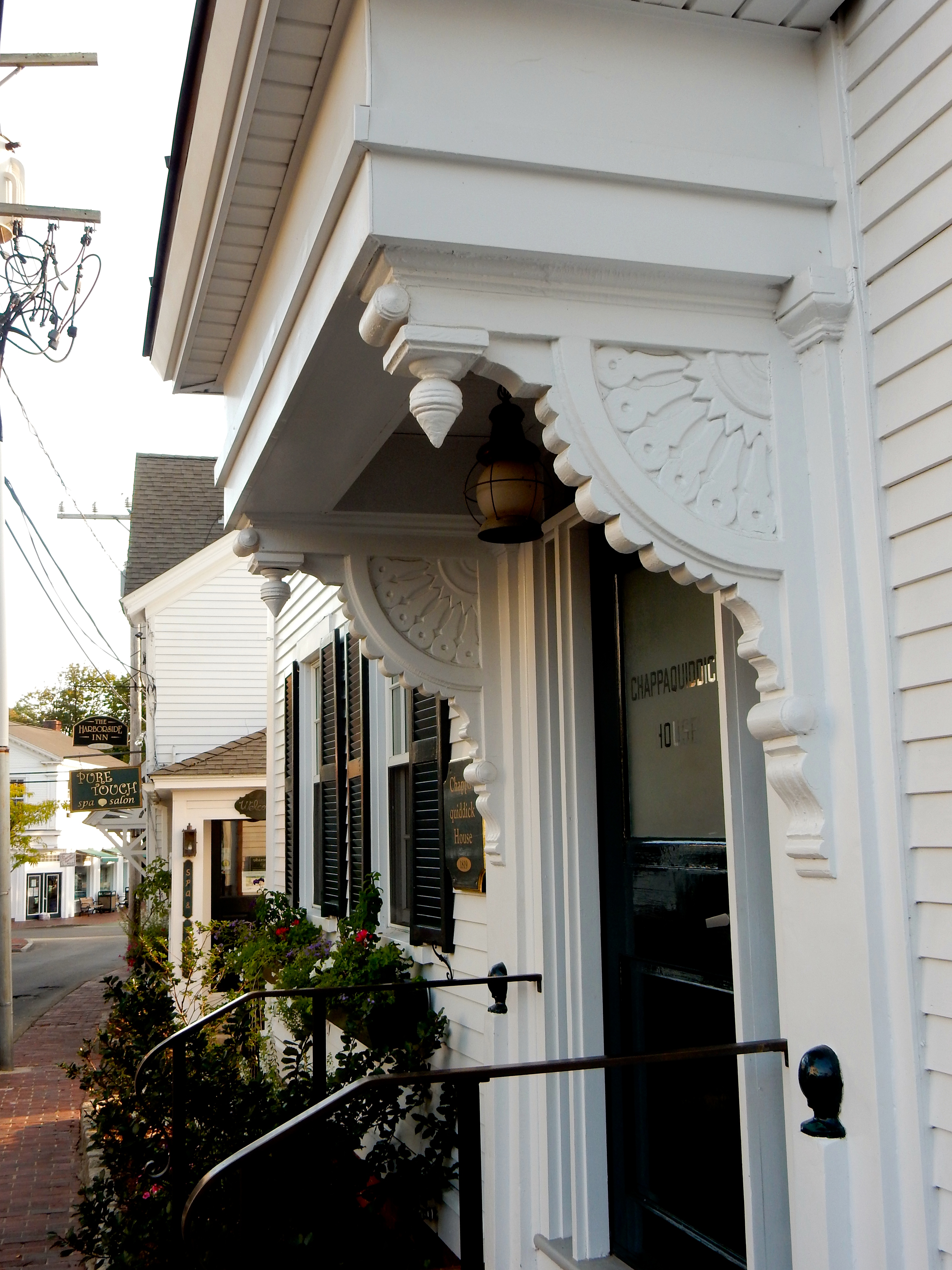
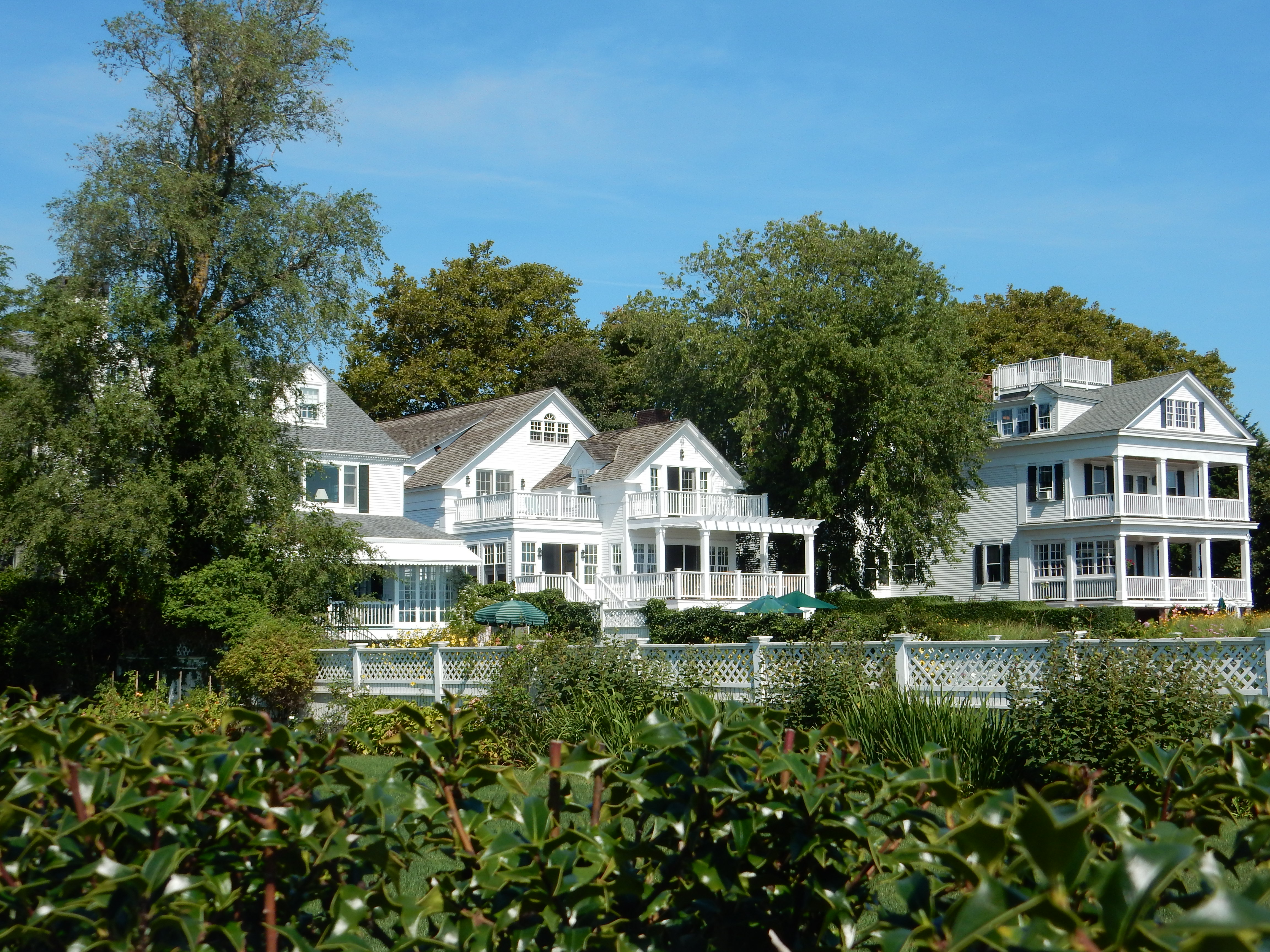
An invitation from my friend Steve O’Rourke to join him “en seminar” at Martha’s Vineyard, where he has lectured every year for the past two decades and more, relieved me of a life omission: I’d never been to the Vineyard. In my three decades here I’d been to Nantucket and Cape Cod, especially Provincetown, but never to that island mecca of artists, presidents, evangelists and fishermen. Tuesday and Wednesday I went.

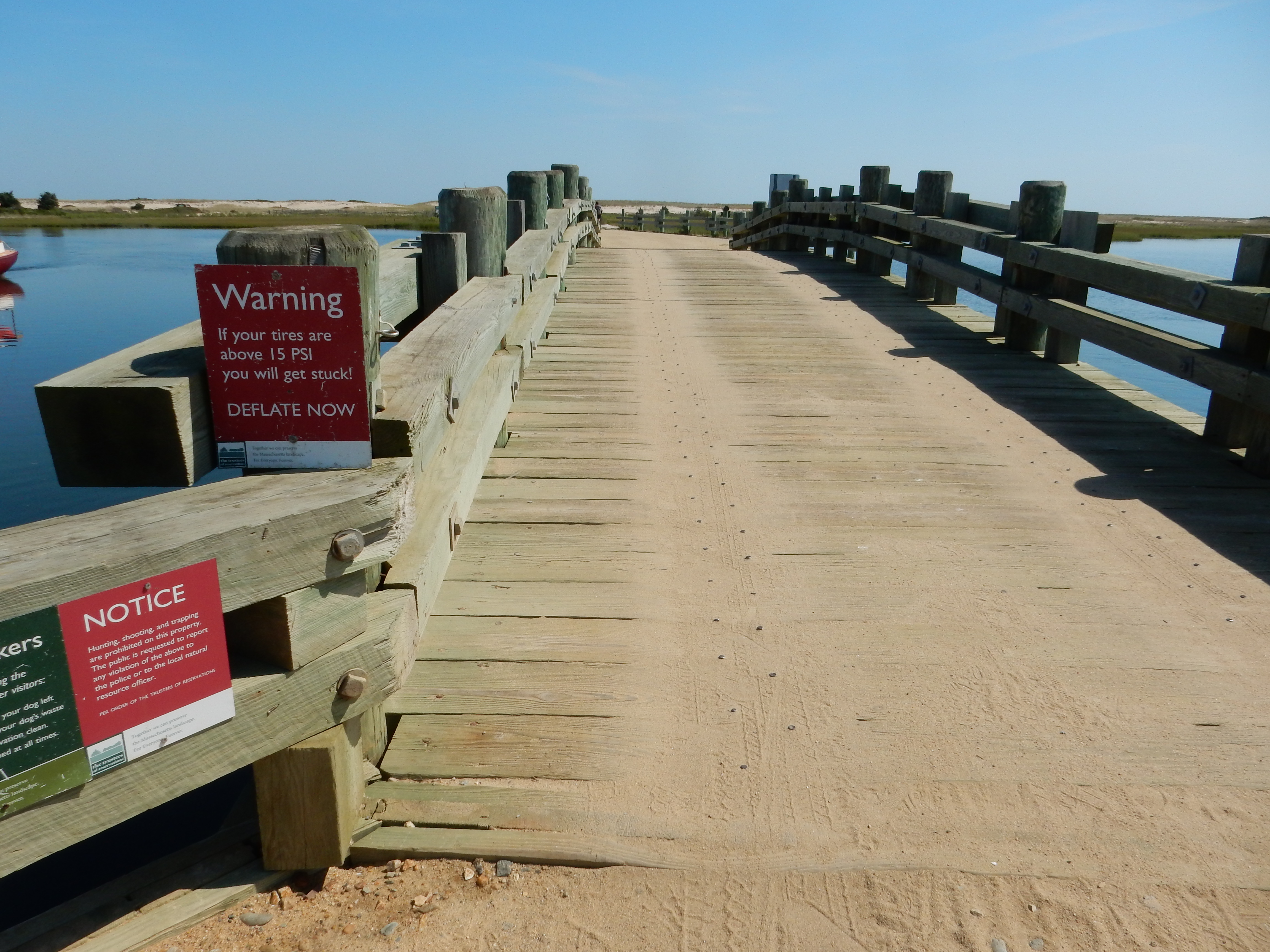
I took the ferry from Woods Hole, drove around with Steve, dined in the lap of luxury (or its bar) at the Atlantic, walked into Edgartown in the morning to have breakfast and take pictures, took the Chappy ferry over to see the sights of Chappaquiddick (including the infamous bridge and the beach where Steve got married, which has gone in and out of existence over the years – storms, erosion, etc.)

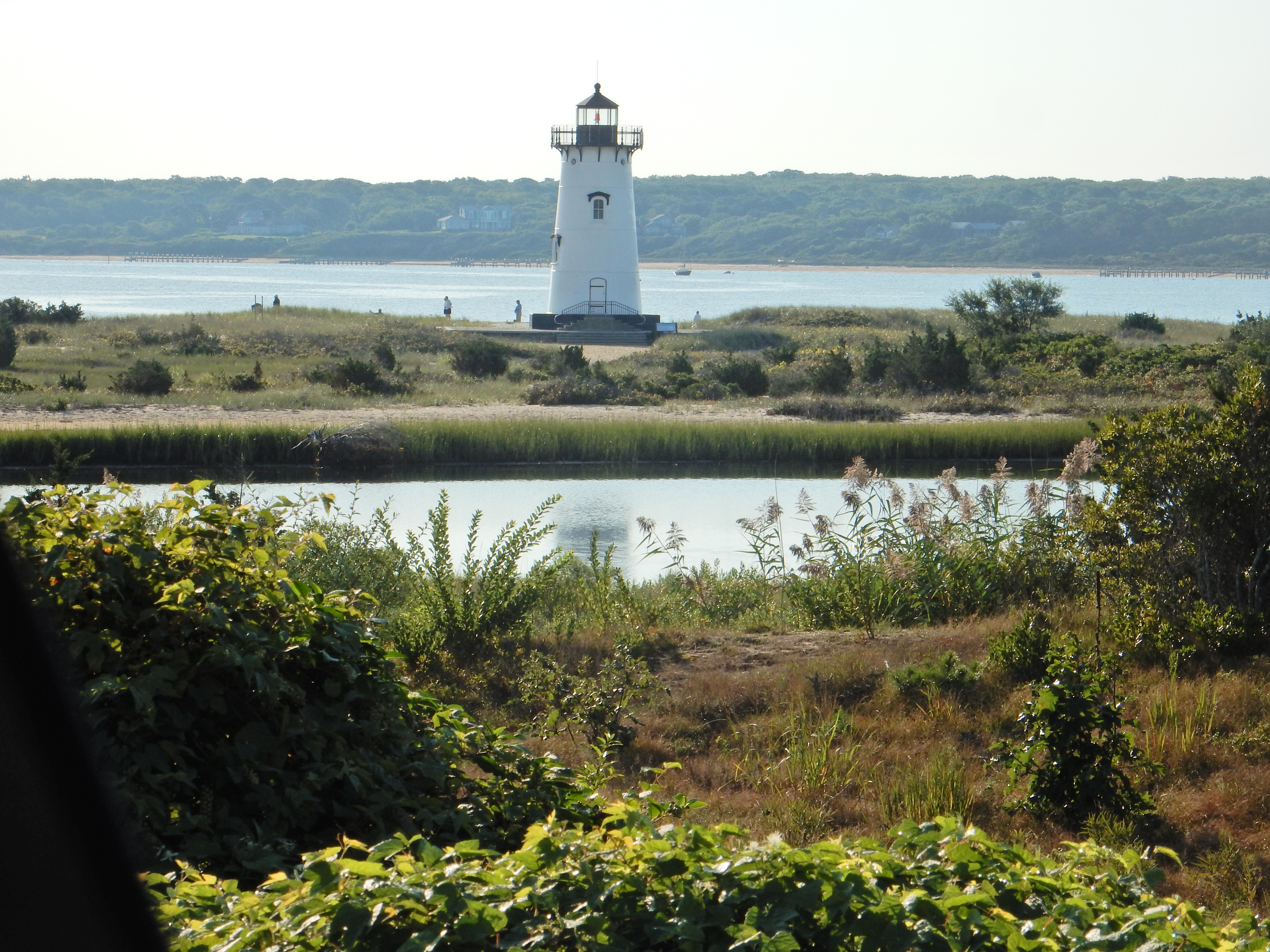
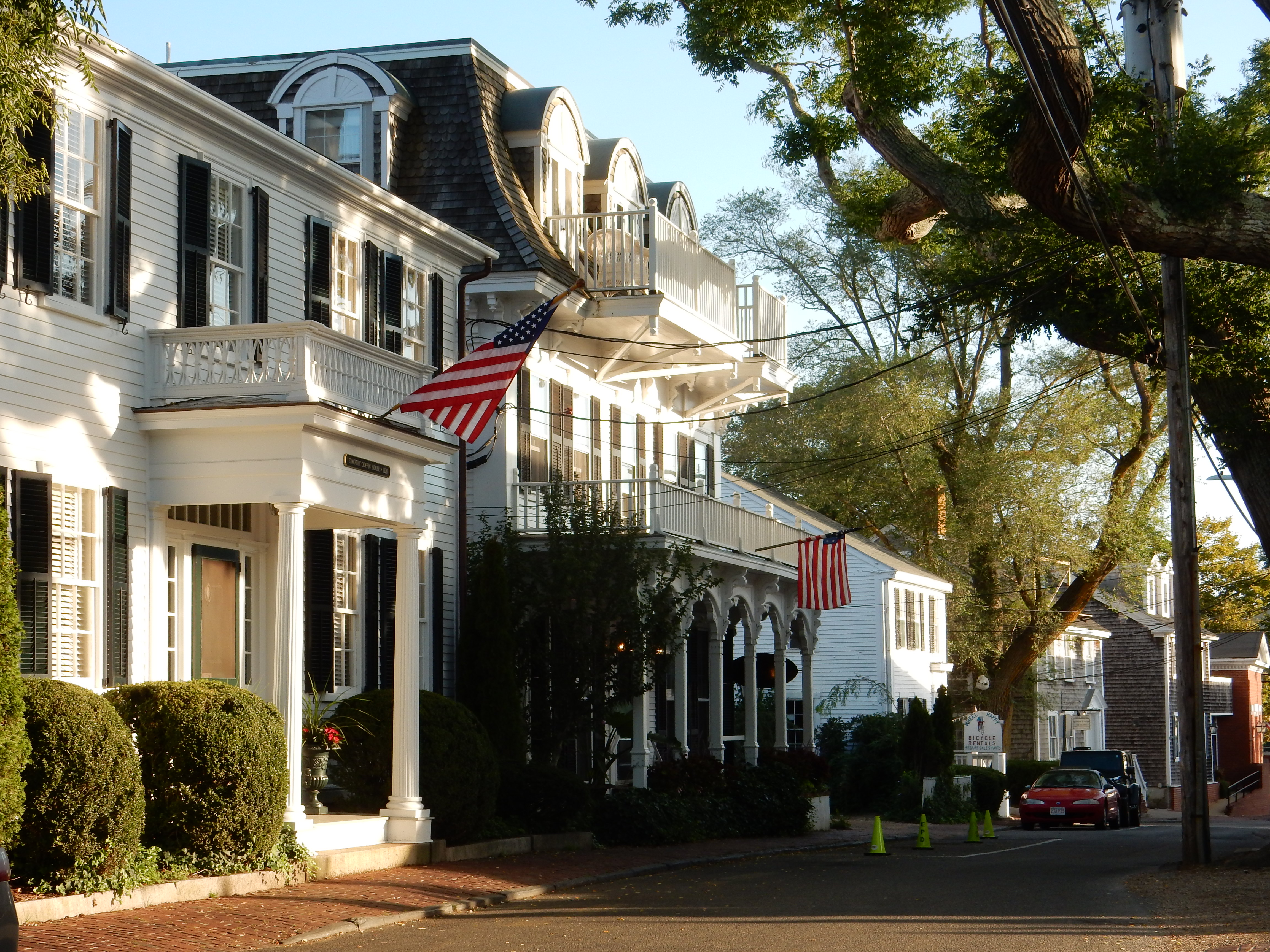
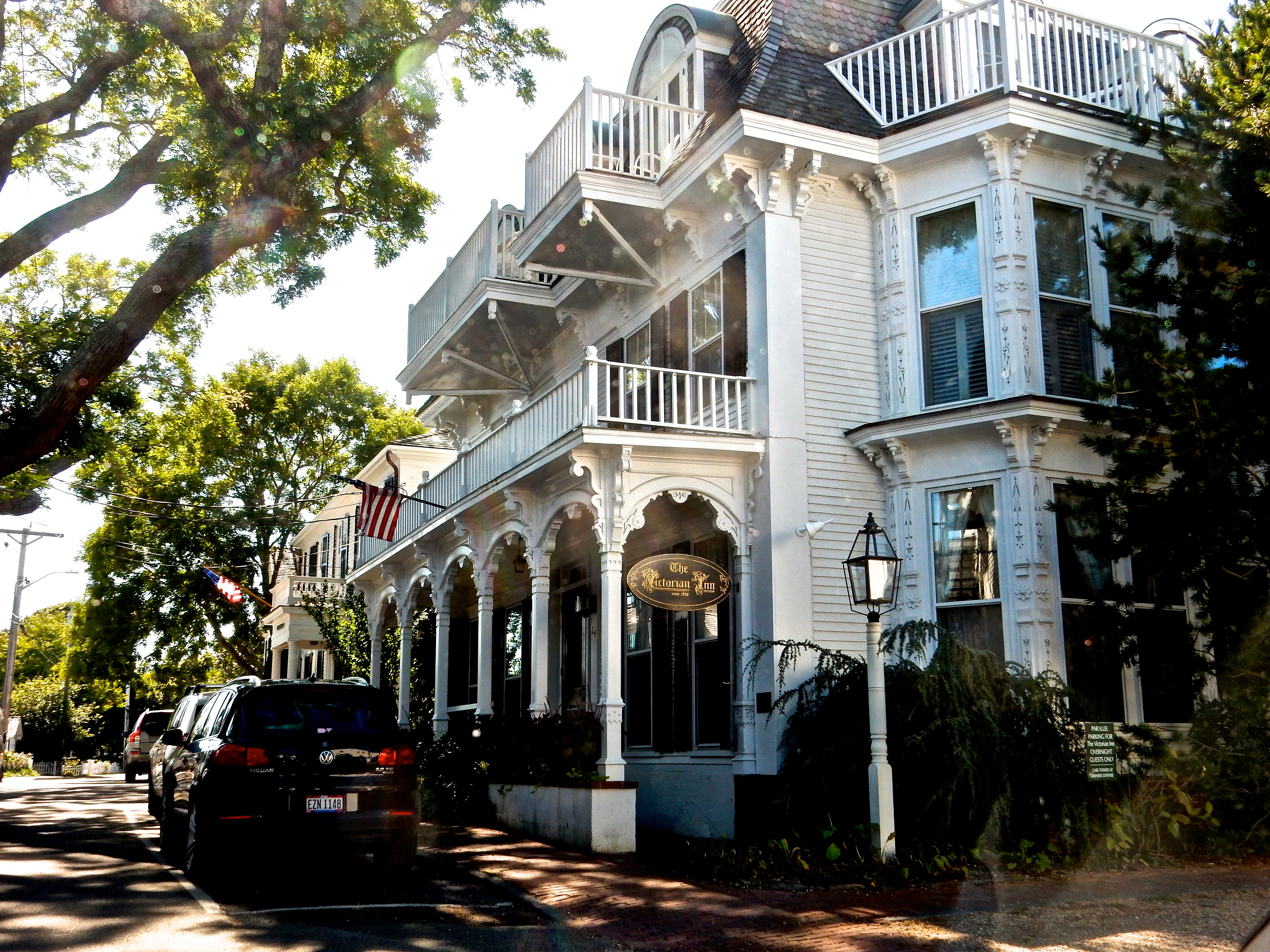
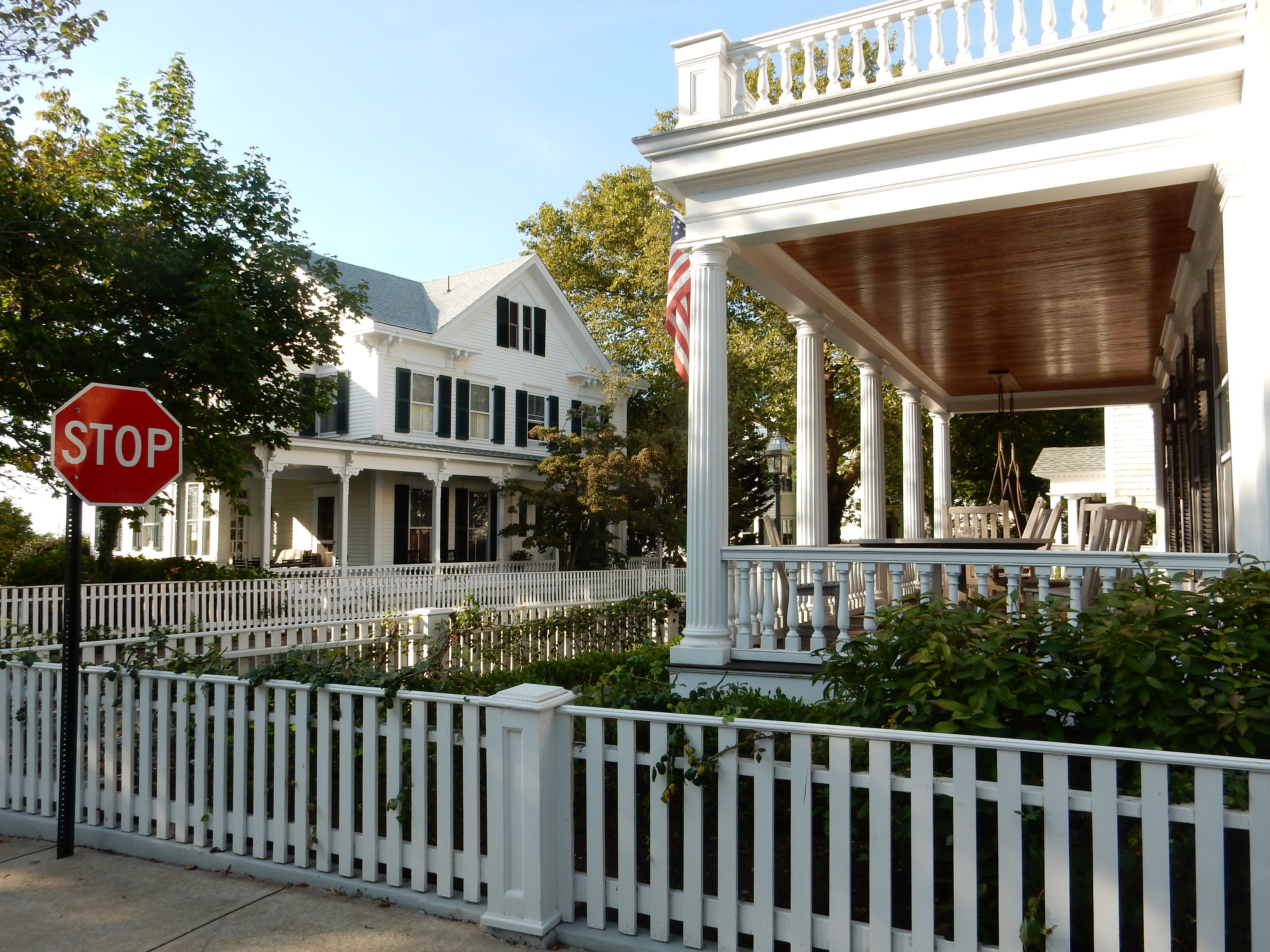
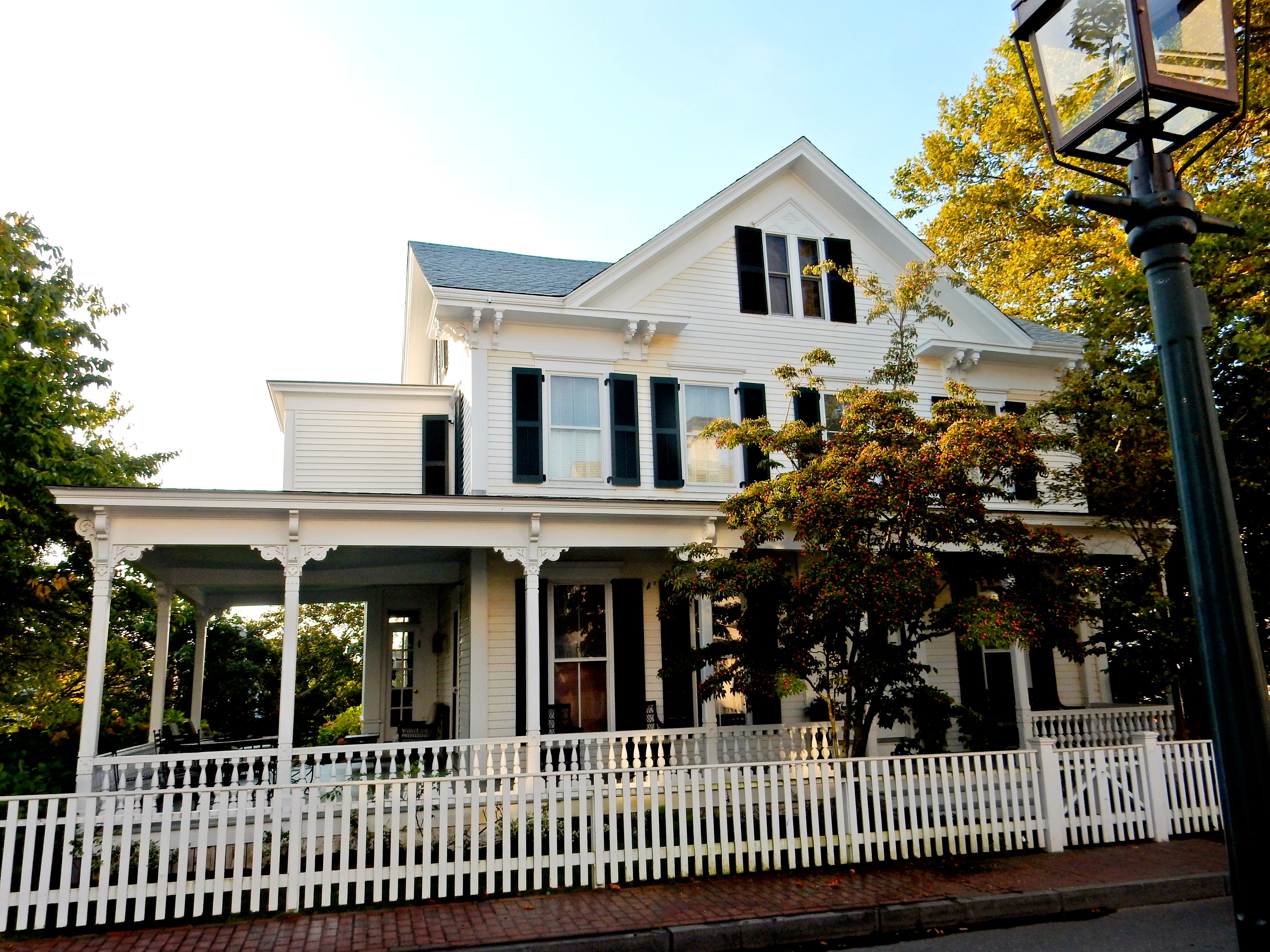
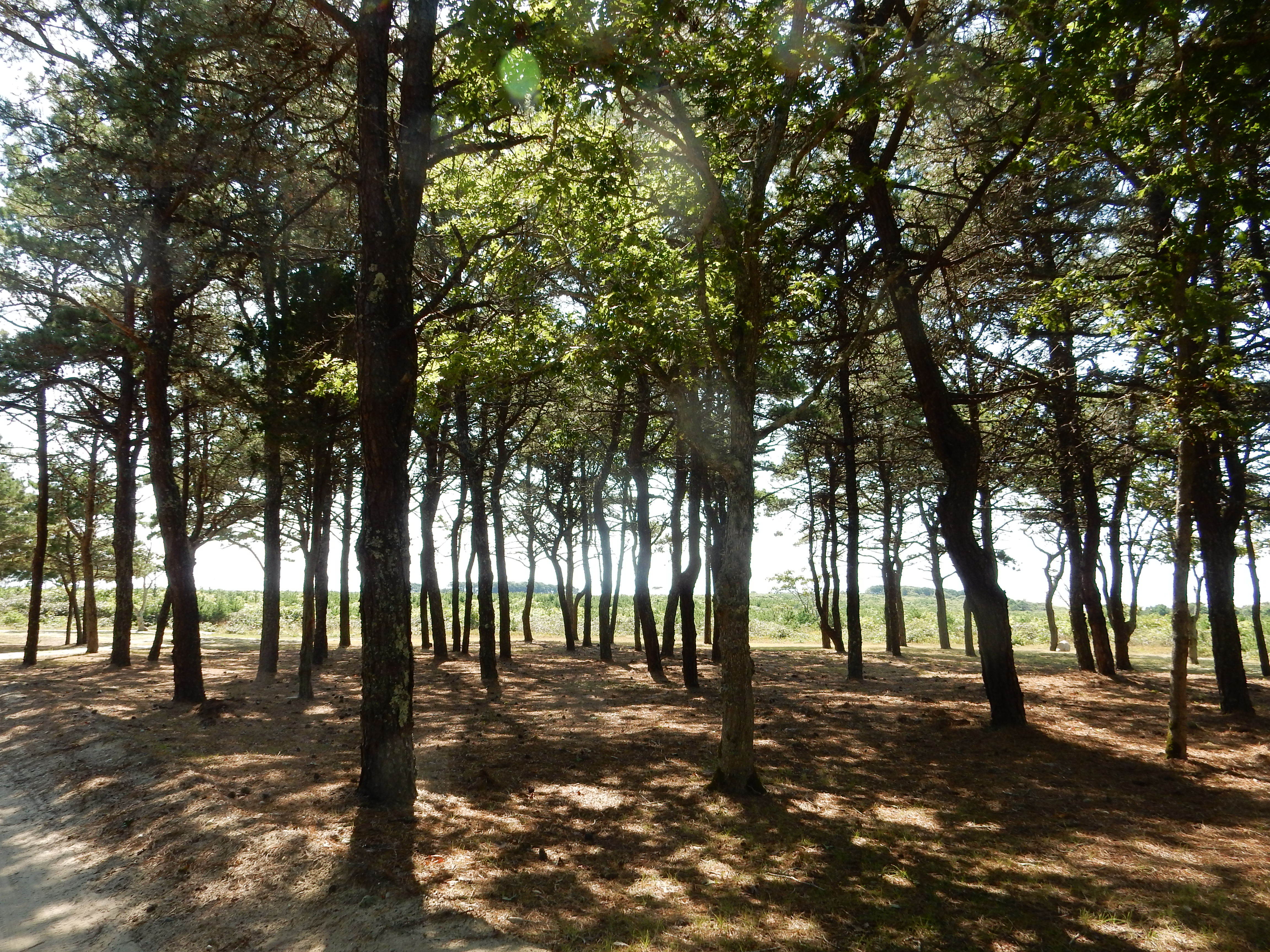
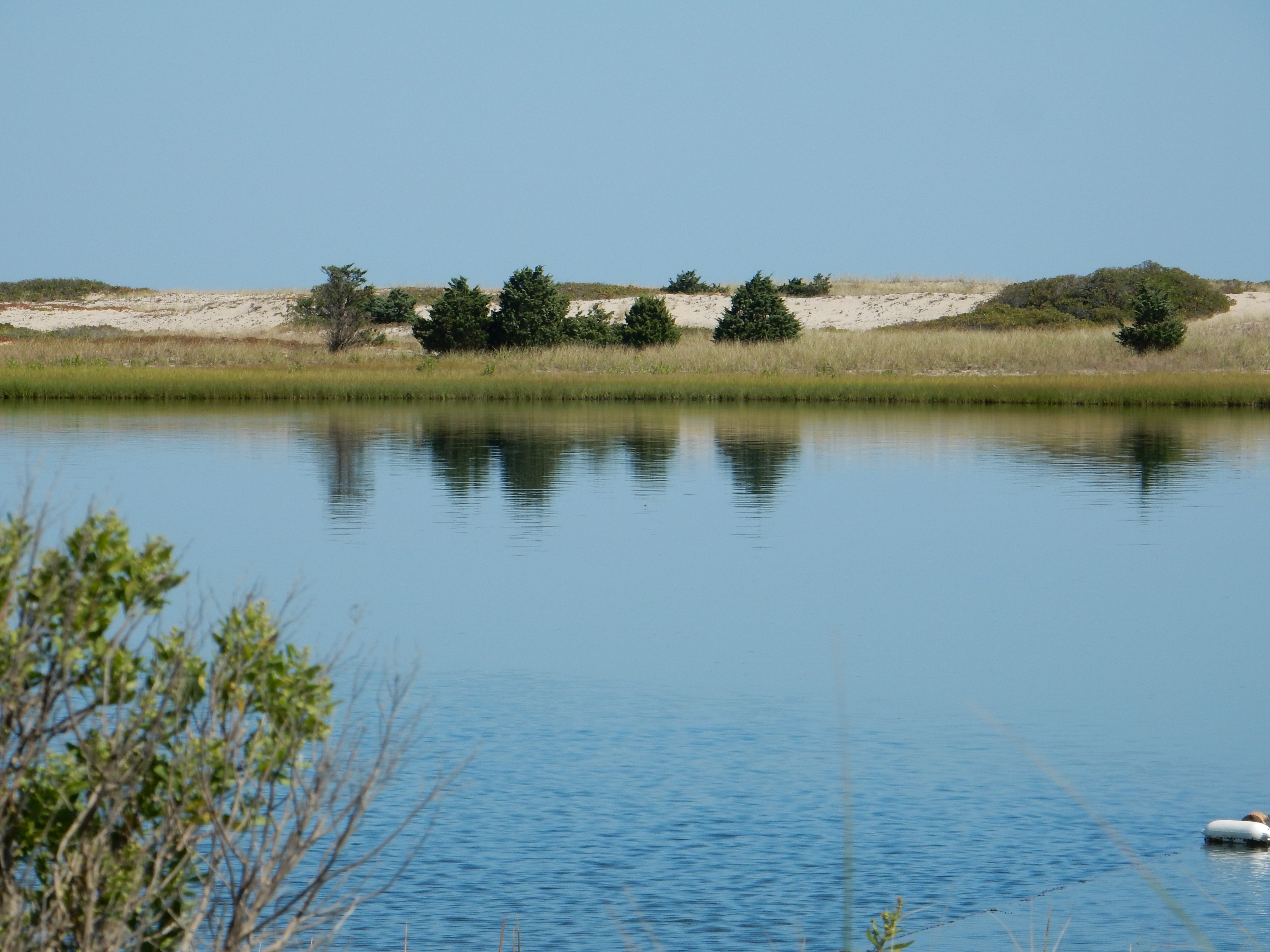
Time limited my excursions mostly to Edgartown. Then I came home. Here are some pix, mostly of Edgartown, a couple from Oak Bluffs, a few from Chappaquiddick, and several videos at the end, including one from the bus leaving Providence.

DSCN9000

DSCN9062

DSCN8941

DSCN9059

DSCN9060

DSCN8997

DSCN9030

DSCN8942

DSCN9064

DSCN9002

DSCN8990

DSCN9042

DSCN9043

DSCN9041

DSCN8985

DSCN9019

DSCN8963

DSCN8946

DSCN9028

DSCN8980

DSCN8993

DSCN8988

DSCN8970

DSCN8978

DSCN8981

DSCN8998

DSCN9033

DSCN8969

DSCN8989

DSCN9010

DSCN9045

DSCN8975

DSCN8951

DSCN8952

DSCN8896

DSCN8892

DSCN9055

DSCN8967

DSCN9065

DSCN9061

DSCN9097

DSCN9088

DSCN9072

DSCN9093

Posted in Architecture, Architecture History, Art and design, Photography, Preservation, Urbanism and planning, Video | Tagged , , , | 7 Comments