More worst buildings of 2017

Screen Shot 2018-01-03 at 8.24.30 PM.png

Maggie Centre Barts, by Steven Holl. (Metropolis)

Metropolis, the magazine dedicated to zany urbanism, has its “Top Buildings of 2017” issue out. The open-mindedness that can occasionally be seen at Metropolis – for example, it publishes essays inimical to modern architecture by Nikos Salingaros and Michael Mehaffy now and then – did not raise its head in judging of this year’s “top” architecture.

None of the buildings are worth discussing specifically, except perhaps to address the reader’s sense of humor (readers of this blog, that is). Steven Holl’s Maggie Centre Barts (at St. Bartholemew’s Hospital) sits atop this post only because of its superior ridiculosity. It looks like a refugee from a child’s toy box. The other selections are just as ridiculous. Again, it is no easier to choose the silliest from a circus of modernist buildings than it is to choose the “best.” No language of modern architecture exists by which to regulate the designs or adjudicate the choices.

Curiously, the choices exposed in my three recent posts about the modernist buildings of 2017 do not seem to overlap. However, many collections of the best of the worst have yet to tickle the funnybone of readers of this blog. Maybe some overlap would be evident if every such list could be captured and collated. Abundant as they may be, they cannot be infinite. But in their test of our patience they resemble a bottomless pit.

Which only goes to show that as optimistic as I and others like to be about the classical revival, it has a long way to go. I had to struggle to assemble a meagre list of traditional buildings for 2017. It’s a lot harder to find lists of good buildings erected in 2017 than lists of bad buildings erected in 2017. Sad but true.

***

The roundup of last year’s completed traditional architecture has been updated. So there are actually more beautiful works of traditional architecture (aka “good buildings”) on the original post. To see, just visit “Best trad buildings of 2017.”

Posted in Architecture, Humor | Tagged , , , , , , | Leave a comment

Salingaros on Millais’ Corbu

Screen Shot 2018-01-02 at 3.24.15 PM.png

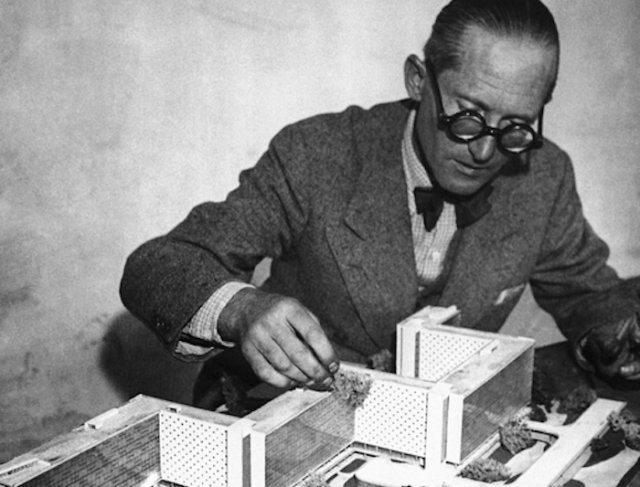
Architect Le Corbusier (1887-1965) with a model of a building. (NPR)

What a pleasure to learn that a friend of mine has reviewed a book written by another friend of mine. Of course, that might not be so great if one friend panned the other. That is not the case here, thankfully. Both pan the subject of the book. Architectural theorist Nikos Salingaros, the reviewer, calls Malcolm Millais’s new book, Le Corbusier, the Dishonest Architect, a “refreshing analysis of a towering figure.” In short, Salingaros loves Millais’s scalding treatment modern architecture’s most influential founder.

In his review, titled “Dimensions of Failure” in this month’s issue of The New English Review, Salingaros writes:

Le Corbusier is supposed to have saved humankind from its retrograde and stubborn habits of building humane settlements. Like other prophets before him, he revealed immutable laws to the ignorant masses, such as the nostalgic folly of ornamenting their houses, and the futility of wishing to raise their children in friendly spaces and gardens.

Dr. Millais instead offers a contrarian opinion: “The truth is [that Le Corbusier] was a sham, a fake, a charlatan whose only gift was for self-publicity.”

Millais uses facts and reasoned arguments to show that Le Corbusier was ignorant of tectonics, as his canonical buildings have been falling apart since their day of completion. Millais exhaustively collects results from many other investigators; some crucial biographical ones from as late as 2015, when Le Corbusier was exposed as an anti-Semitic Nazi-Fascist collaborator.

Most of the goods Millais has on Corbusier are known to scholars but have been suppressed by the architectural establishment. And you can understand why after reading excerpts from the Corbusier file. For example, Here’s how Corbusier described his Philips Pavilion, designed for the 1958 Brussels World’s Fair:

It should appear as though you are about to enter a slaughterhouse. Then once inside, bang, a blow to the head and you’re gone.

Based on Millais’s reporting, the exaggeration here is fairly minimal. Salingaros, reacting, writes:
.

So, Monty Python’s 1987 The Architects Sketch starring John Cleese was spot-on after all.

Salingaros adds from his own files on Corbusier the architect’s reaction to a client’s complaint that her balconies have no railings.

The good woman was afraid that when her sons get married their children would fall off and kill themselves, as if I cared. As if I, Le Corbusier, would compromise with design for the sake of her unborn brats!

Millais piles up evidence like this, kept for decades in dark closets across the architectural establishment.
.

A recurrent theme throughout this biography, like the refrain in a children’s song, is Le Corbusier’s dishonesty: lying, stealing originality from anybody he could, betraying those who helped him, being driven by opportunism, and stepping over cadavers in his monomaniacal quest for glory. Again, these facts are routinely suppressed so that architecture students don’t get frightened. Or maybe it is in order to shield an architectural culture that has made lots of money and achieved immense global power by embracing these same vices.

Considering the power of the cult of Corbu, Salingaros doubts that architects will ever wake up to the sins of the god they worship:

This excellent book by Malcolm Millais should have been around for the last fifty years. It might have saved us from architectural and urban design mistakes, now ingrained in architectural and planning cultures. As Millais says, “This is not a book for architects.” No revelation—no matter how shocking—can tarnish this hero’s reputation among architectural true believers. Yet we need to delete Le Corbusier’s ideas from practice if our world is to become healthy once again.

(My review of Malcolm Millais’s fine book is here.)

Posted in Architecture, Book/Film Reviews | Tagged , , , , | Leave a comment

Best trad buildings of 2017

Screen Shot 2017-12-28 at 5.39.37 PM.png

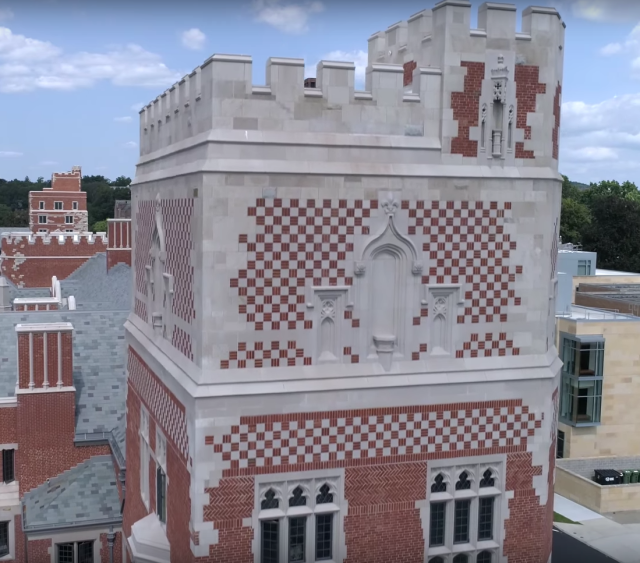
Central image from RAMSA card celebrating two new Yale residential colleges.

It has taken me a couple of days to round up the best traditional buildings of 2017 – not, I hope, because there are so few. Winners of design contests generally anoint selections from entries for buildings completed as many as five years prior to a contest, with entry deadlines often falling the year before the current year. This year, Traditional Building, a reliable source of news, reported on many great restorations but no new buildings. The world is chock-a-block with news of awful modernist buildings completed this year, not least on the National Mall in Washington, D.C. Can there be any doubt that new trad buildings in their numberlessness may be found in reports in the business and development sections of newspapers across America and the world?

***

Screen Shot 2017-12-31 at 7.14.28 PM.png

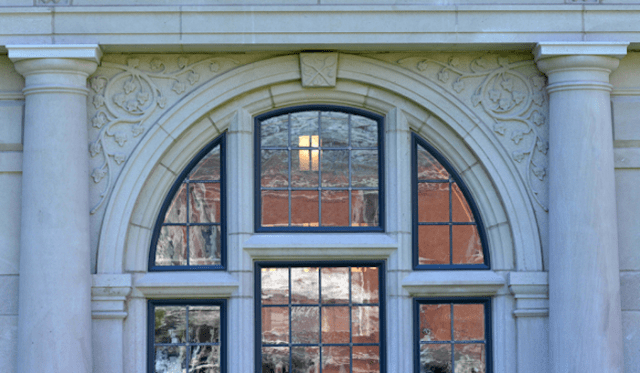
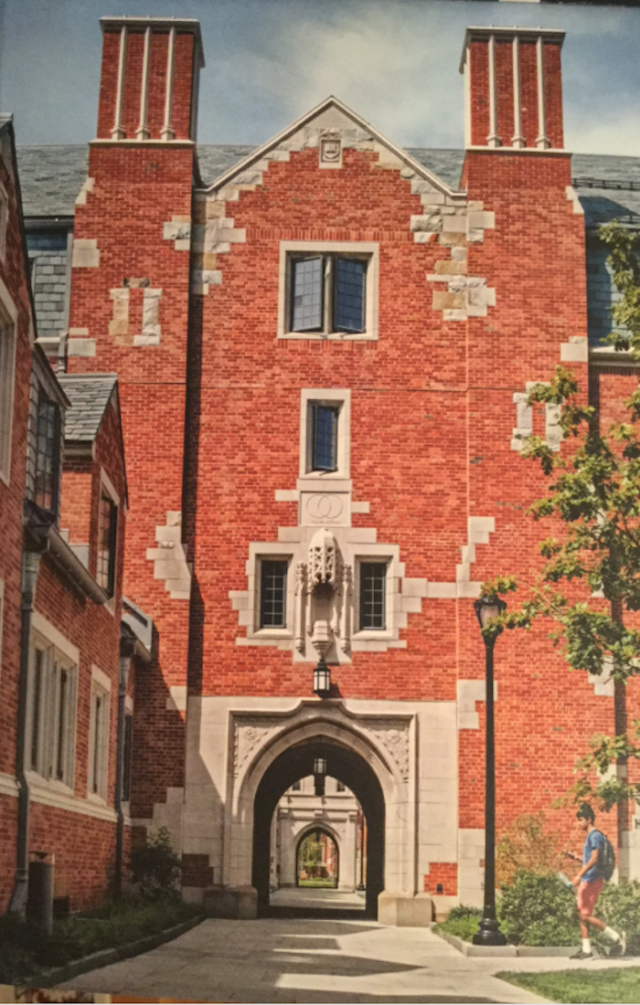
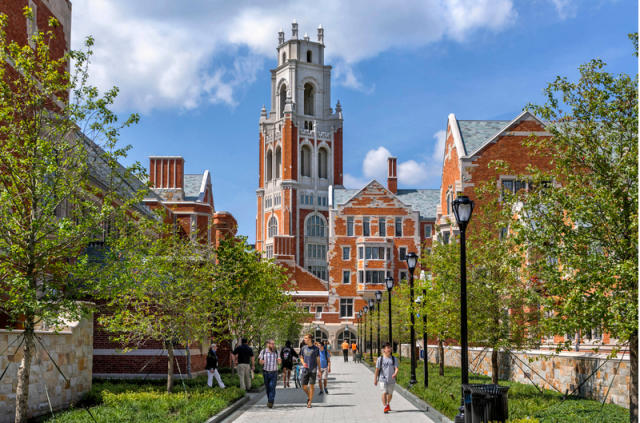
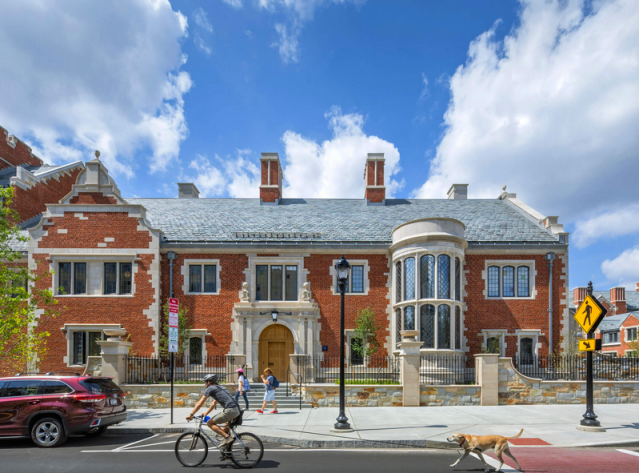
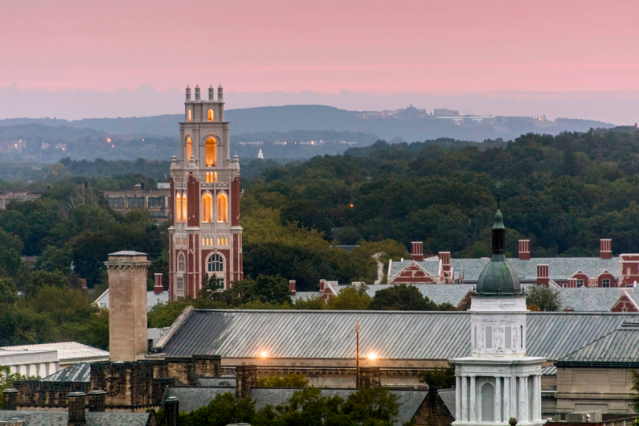
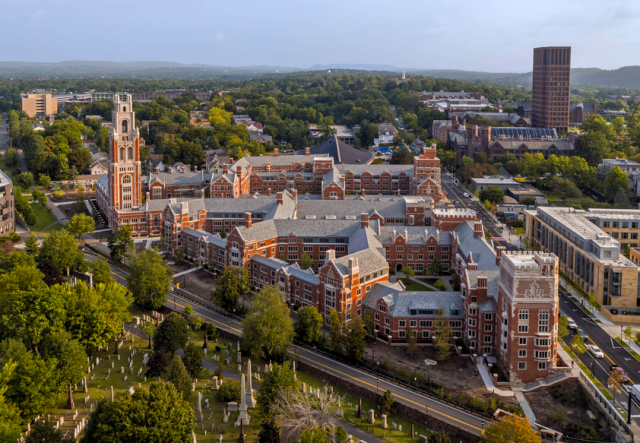
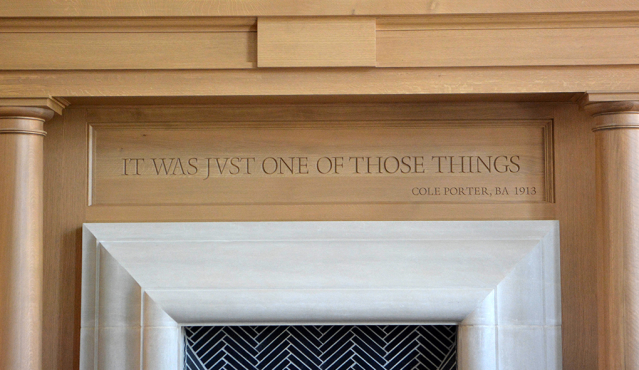
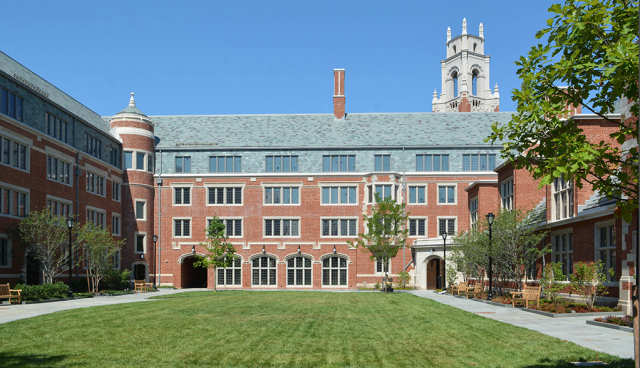
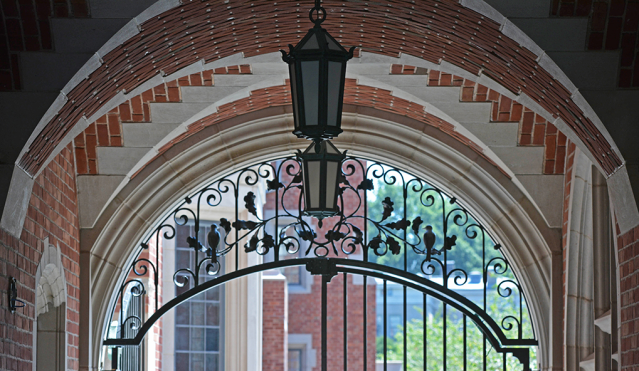
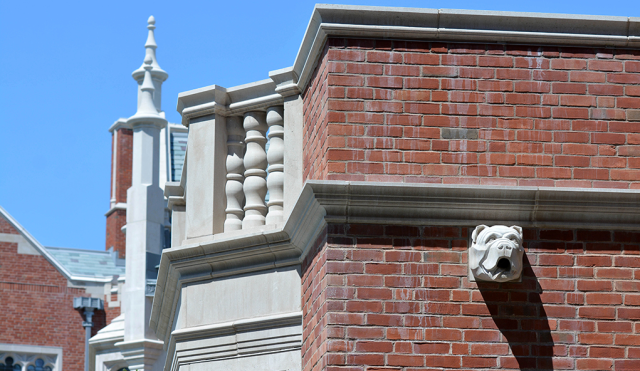
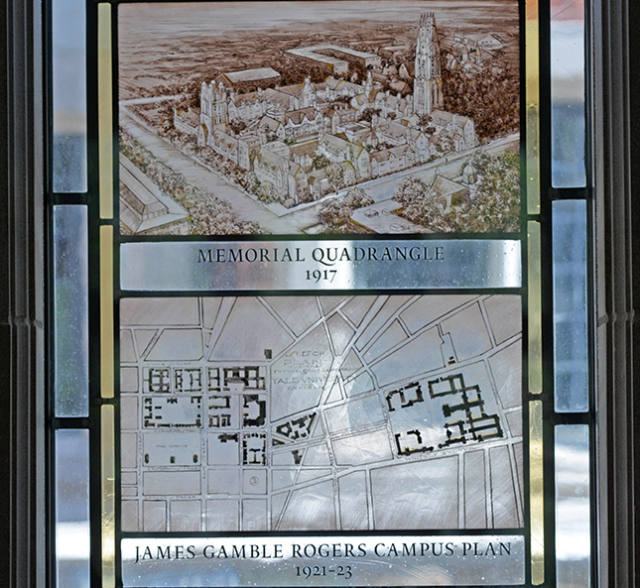
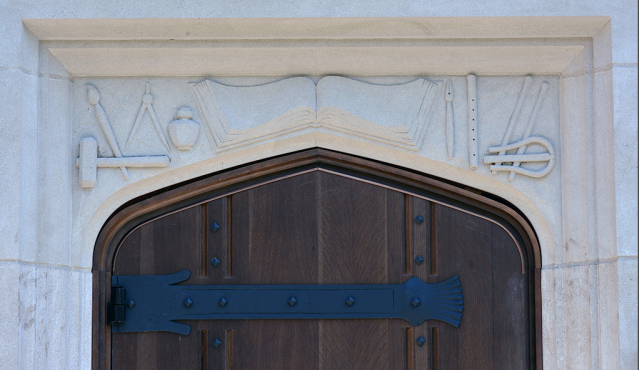
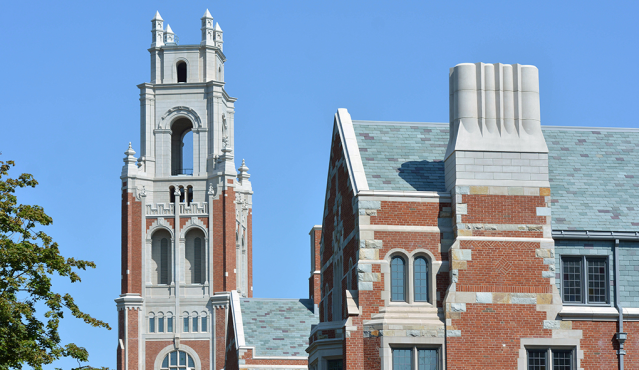
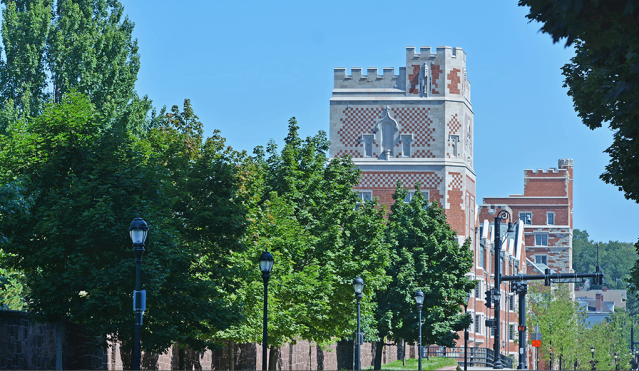
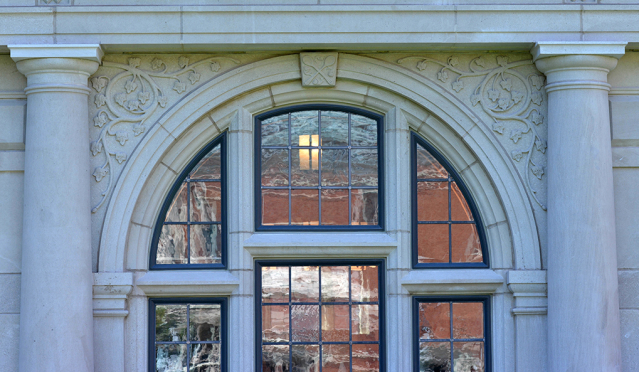
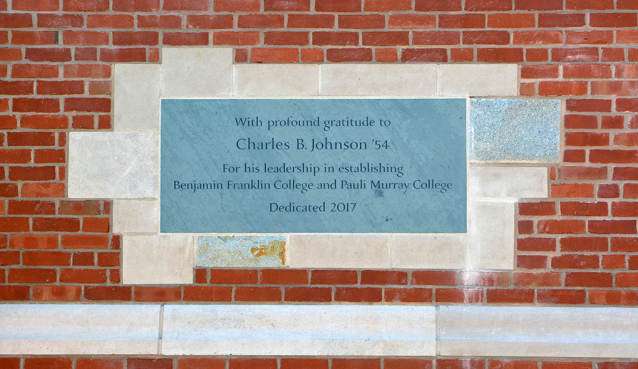
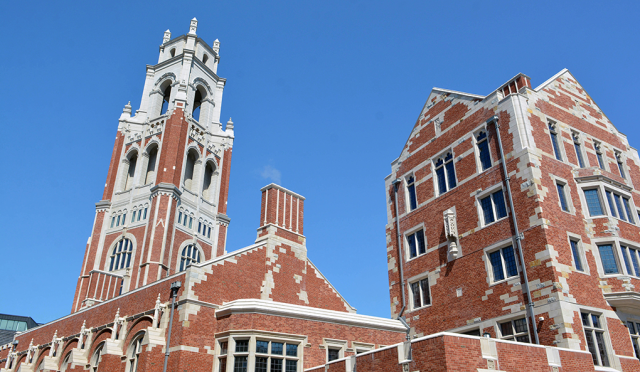
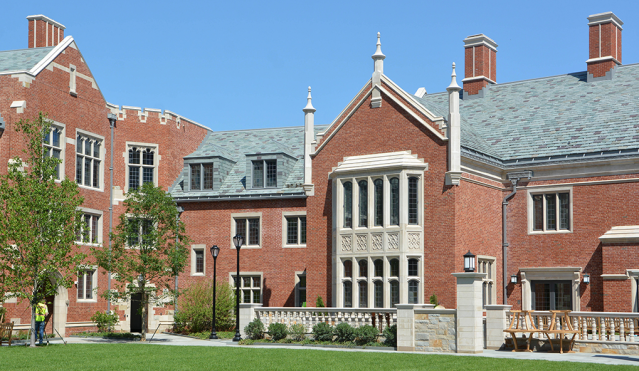
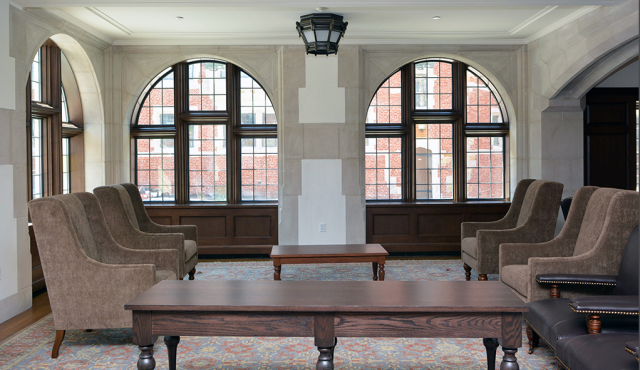
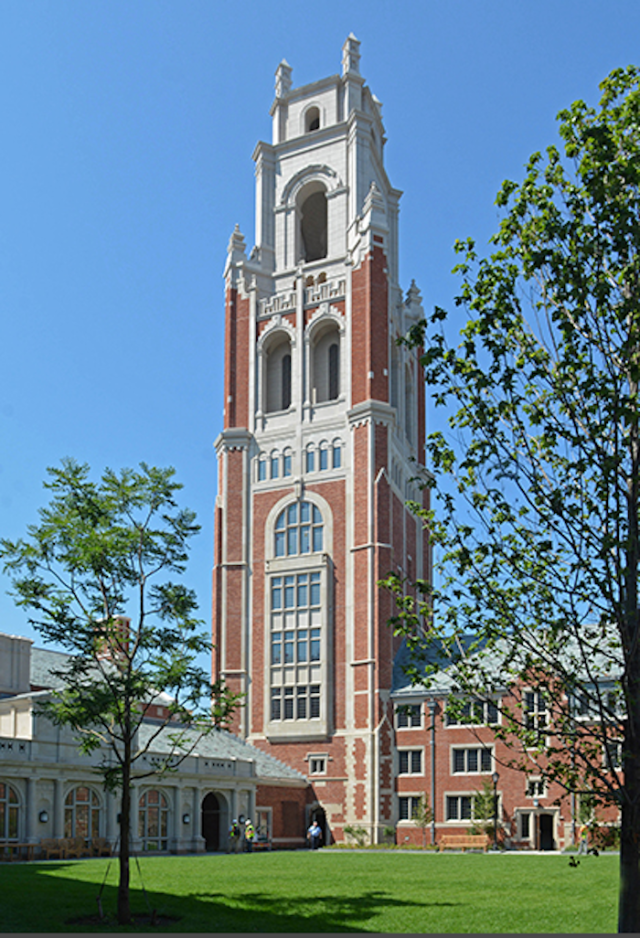
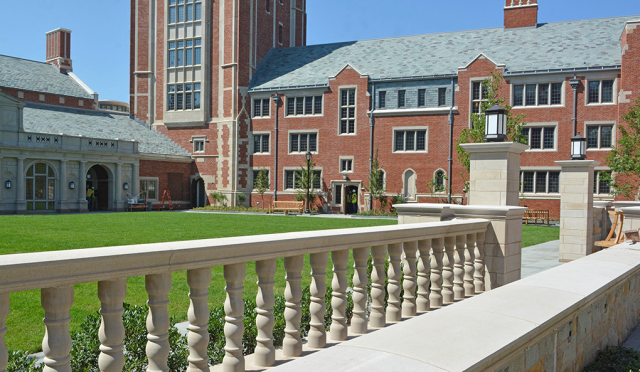
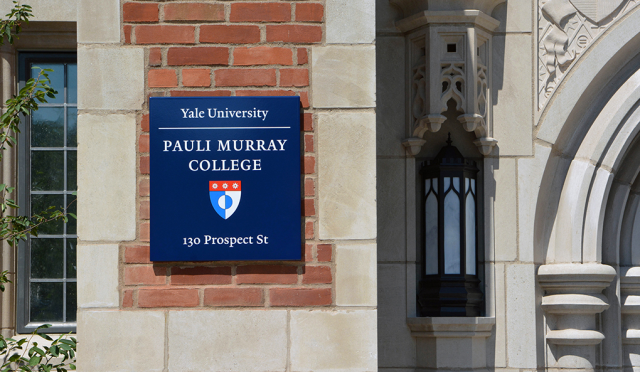
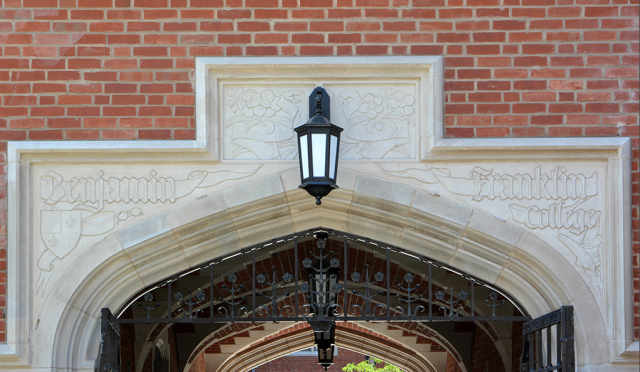
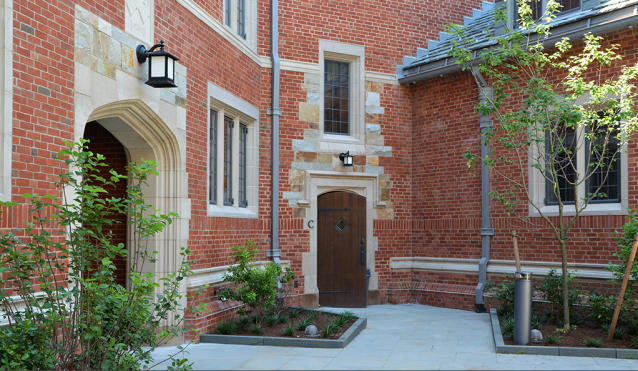
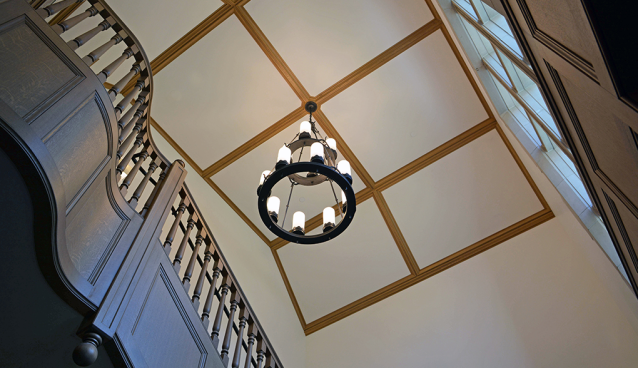
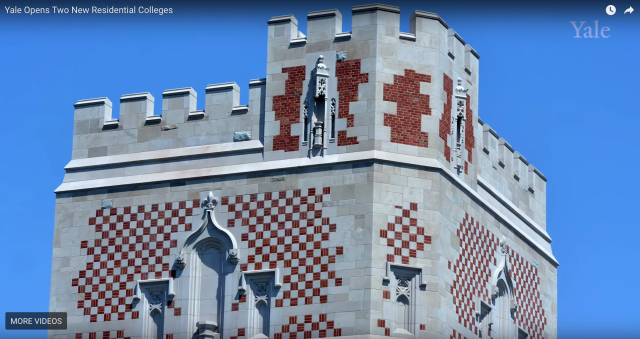
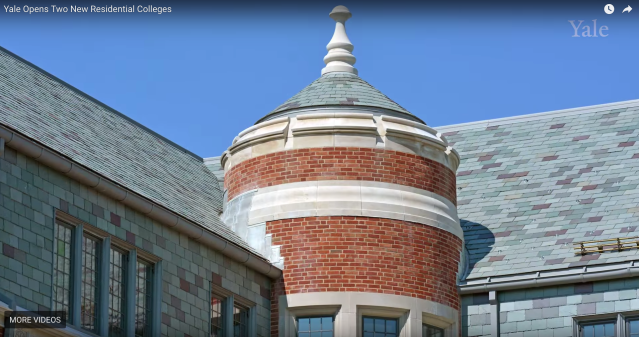
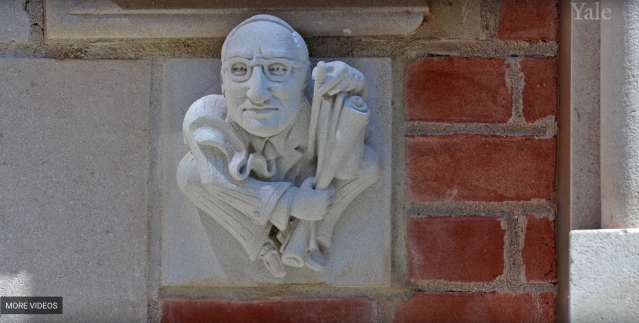
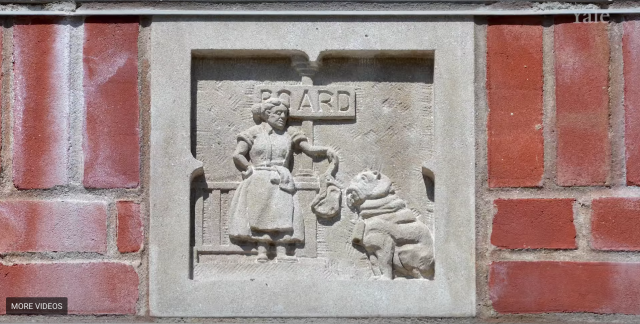
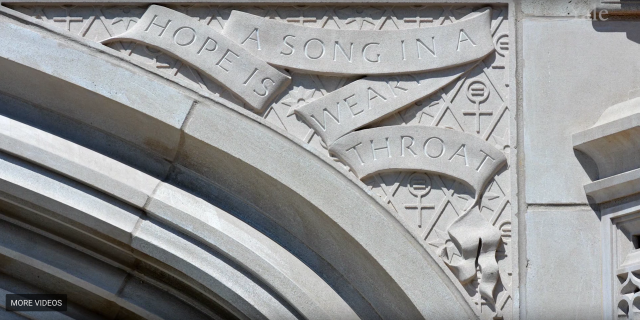
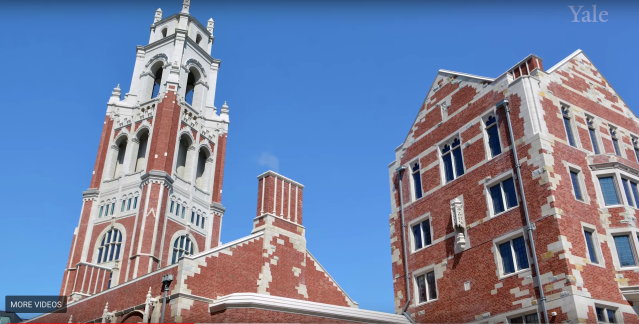
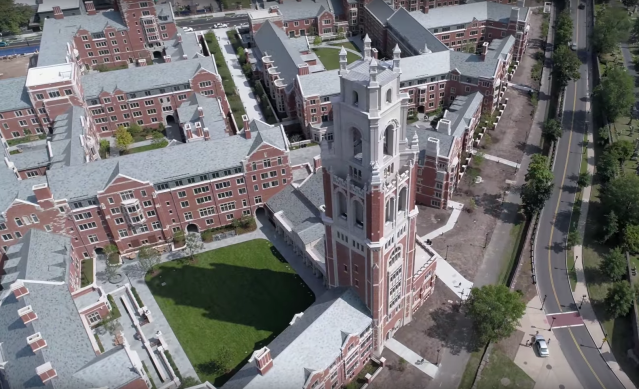
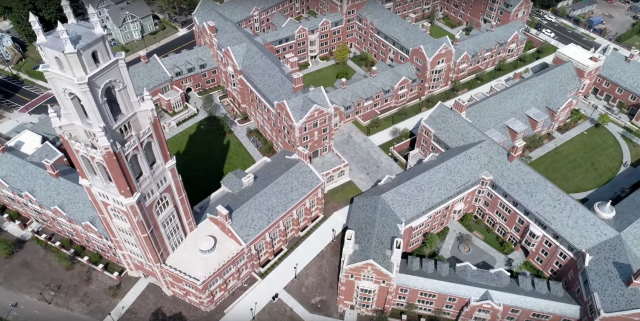
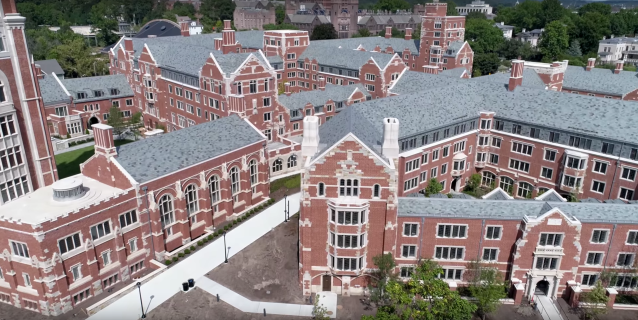
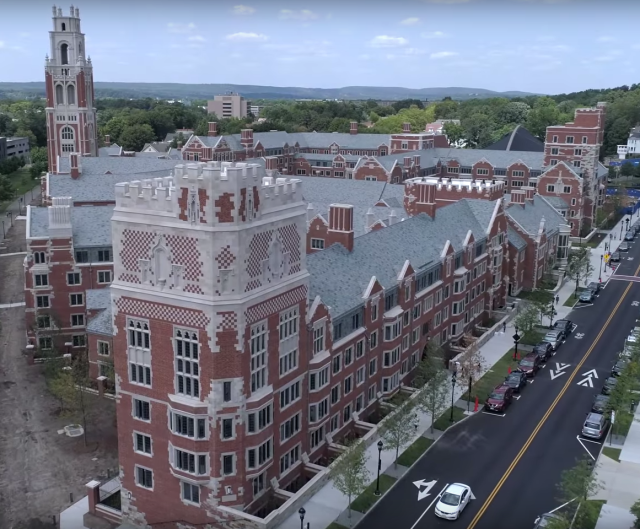
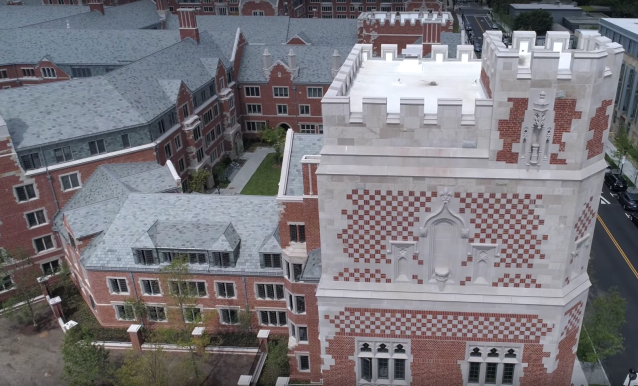
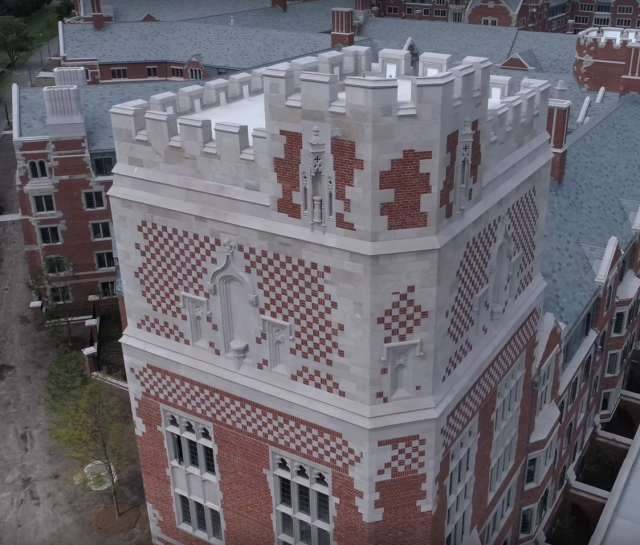
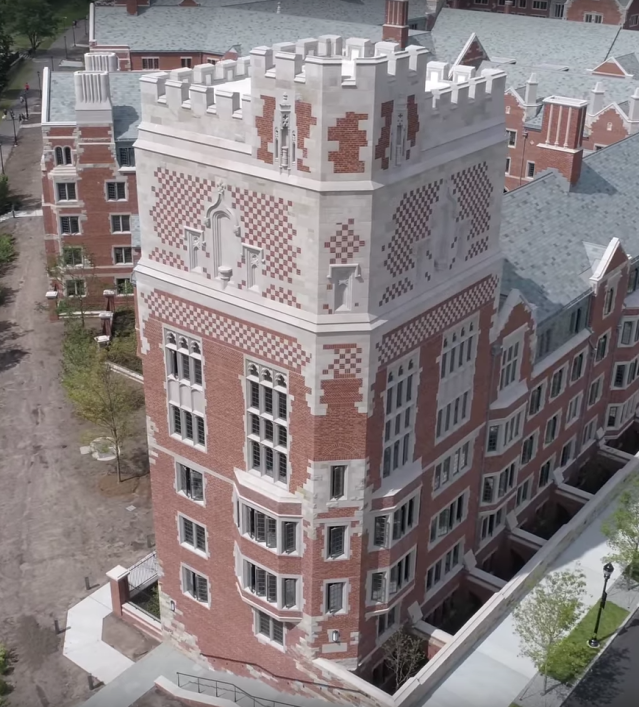
It can hardly be doubted that the most influential new traditional architecture completed this year were Benjamin Franklin College and Pauli Murray College, the two new residential colleges at Yale, designed by Robert A.M. Stern Architects (RAMSA) of New York City. The project (photo atop this post) was inspired by the Collegiate Gothic of James Gamble Rogers’s work at Yale a century ago.

***

Screen Shot 2017-12-31 at 11.03.14 AM.png

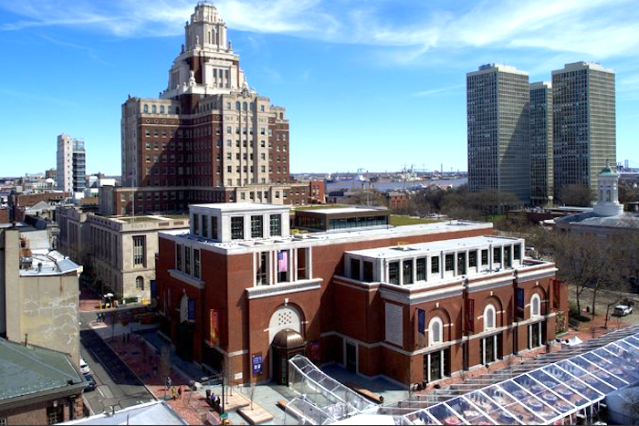
The other major civic building completed this year (which ends today) was the Museum of the American Revolution, in Philadelphia, also designed by RAMSA. Modernist critics condemned it, inanely, as too traditional to be appropriate for a museum dedicated to a revolution. Little credit was given to the architects for bending backward to avoid brickbats from modernist critics. A lovely cupola was eliminated. The brickbats were hurled anyway.

***

Screen Shot 2018-01-01 at 1.13.54 AM.png

This AC Hotel Spartanburg, in South Carolina, which opened on Dec. 12 under Marriott’s Euro-themed brand, was designed by the Washington, D.C., firm of David M. Schwarz Architects. I had heard a while back of this hotel’s development progress but received a timely head’s-up this evening from New Orleans architect Michael Rouchell, in time for me to insert it into this roundup less than two hours after the advent of the new year. Rouchell also mentioned the Hotel Bennett, in Charleston, S.C., designed by RAMSA, which was expected to open up by the end of 2017 but which, it turns out, will open in the summer of 2018.

***

Screen Shot 2018-01-03 at 10.41.01 AM.png

The Philadelphia firm of Voith & Mactavish Architects designed an elegant dining hall for Milbrook School, in Milbrook, N.Y., about 90 miles north of Manhattan. It was dedicated in late 2016 but not truly completed until the addition of landscape features the following spring. Thus it made it onto this roundup by dint of a broad definition of completion. Note the rainbow rising from the leftmost portion of the building

***

Screen Shot 2017-12-31 at 11.22.22 AM.png

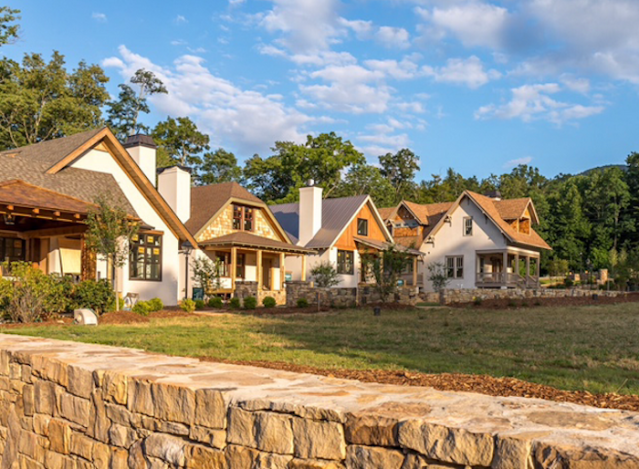
Lovely as they may be, nice houses for the wealthy are the one realm where traditional architecture needs no assistance. People, and especially rich people, are able to choose house designs as they please. Here is a group of more modest homes completed this year, the first phase of a new village near Asheville, N.C., which architect Tom Low calls his Pocket Court Project. I first got wind of it late in 2016, after writing about a village in the Dordogne region of France. “Is this possible anymore?” The answer, says Low, is yes.

***

Screen Shot 2018-01-03 at 1.03.47 PM.png

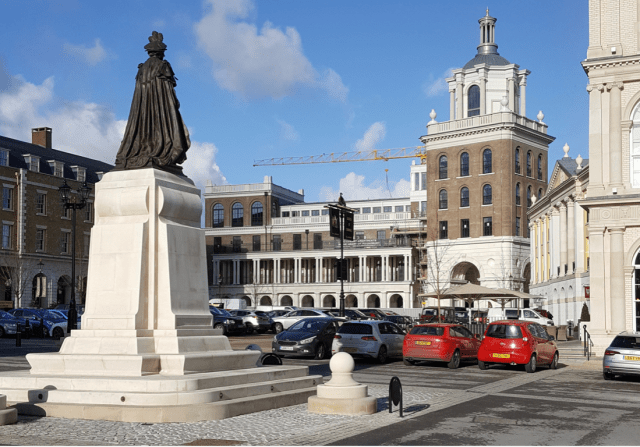
Léon Krier and Andres Duany jointly planned the village of Heulebrug, Knokke-Heist, Belgium, in 2003. It is near Bruge. They recently added a neighborhood of affordable housing. Its has the look of a leafier Poundbury (Prince Charles’s new town in Britain, planned by Krier), in a Belgian vernacular. Poundbury’s Queen Mother Square is well along but won’t qualify for this (hopefully) annual roundup for several more years. But Krier did design the plinth for its statue of Queen Elizabeth, and it was erected in 2017. I add it below as an unofficial bonus feature of this roundup:

Screen Shot 2018-01-03 at 1.48.34 PM.png

***

Even with the extensive and magnificent Yale campuses, and even admitting the loveliness and charm of the examples above, this is a pretty thin collection of new traditional architecture spanning the full year of 2017. I assume that the chief culprit here is my own late start and lame online investigation in tracking down what must be a more expansive output by the growing number of firms that concentrate on traditional work. Maybe they are all out doing houses for the wealthy (which I chose not to include in this summary).

If people reading this know of any I’ve left out, please notify me and I will include it, celebrate the mentioner, and urge readers to click on a link to this post in any later post where I mention that this one has been updated.

In recompense for whatever series of lapses this post may represent, I reprint for readers an essay several months ago in Current Affairs. It is called “Why You Hate Contemporary Architecture.”

Please have a safe New Year’s Eve and a happy new year!

Posted in Architecture | Tagged , , , , , , , , , | 4 Comments

Stuart Little, Gramercy Park

Screen Shot 2017-12-30 at 10.38.19 PM.png

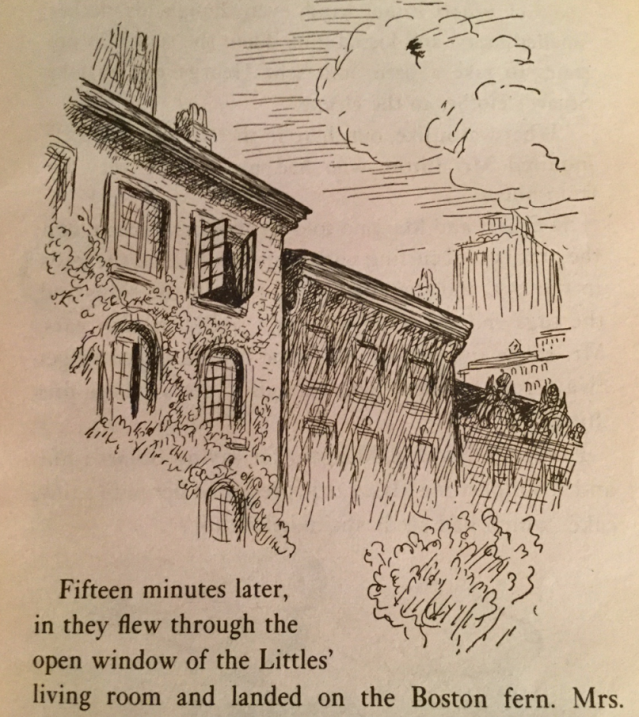
Here is another sketch by Garth Williams from E.B. White’s Stuart Little.  The lovelorn mouse is about to leave the Little residence in search of Margalo, a lady bird who has fled. A pigeon (“the weird pigeon,” my little boy Billy, to whom the book is being read, insists on calling him) has warned her that a neighborhood cat and friend of Snowbell, also of the Little household and who tried to eat Margalo the night before, plans to assault her, without objection from Snowbell. She flies the coop. In the sketch, Stuart says a fond goodbye to the old manse before setting off to seek Margalo.

Although White does not name the neighborhood, I believe, based on the private garden across the street in Williams’s sketch, that it is Gramercy Park, the setting of an old column I wrote for the Providence Journal about the average floor level upon which one lives one’s life. I will run that old column on this blog if I can find (with help from readers, I hope) enough newly built traditional buildings to compose a list of “Best traditional buildings of 2017” – a feat that has daunted me these last several days.

Posted in Architecture | Tagged , , , , , , , | 3 Comments

Stuart Little’s aerie in NYC

Screen Shot 2017-12-29 at 2.27.08 PM.png

Reading E.B. White’s 1945 masterpiece, Stuart Little, to my little boy, Billy, at bedtime brought the illustration above to my attention last night for the first time in, um, shall we say, several decades. The artist, Garth Williams, drew the townhouses before modern architecture had degraded so much of Manhattan. Here you see the sweet bird Margalo flying Stuart back home (see them in the clouds) after rescuing him from a garbage scow in the East River, where he accidentally found himself. The night before, Stuart had rescued Margalo, a guest in the Littles’ apartment, from the cat Snowbell. (It seems that the mouse had fallen in love with the bird.)

Screen Shot 2017-12-29 at 2.25.07 PM.png

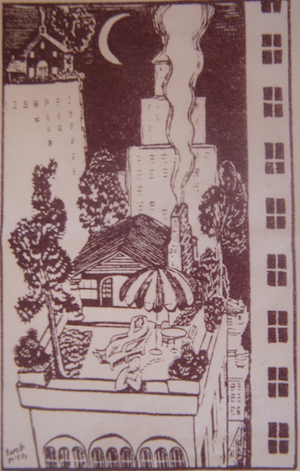
While I was at the Providence Journal one of my chores was to design the edit and oped pages several times a week, and I often ran opeds chosen so I could run favorite images with them. One of these, to the left, was of an urban aerie, a little domicile atop a tall building, doubtless in Manhattan. Such a place may be found frequently atop buildings in reality today. Mostly they are known as penthouses, but this one had a more humble appeal.

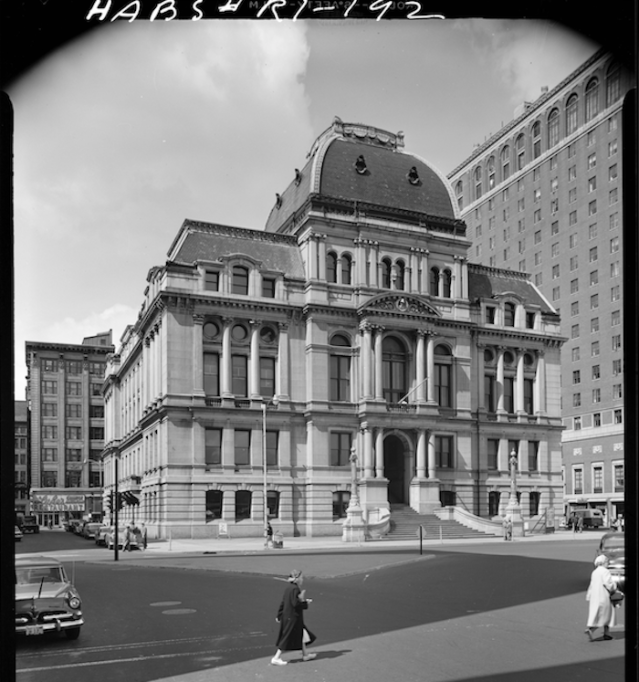
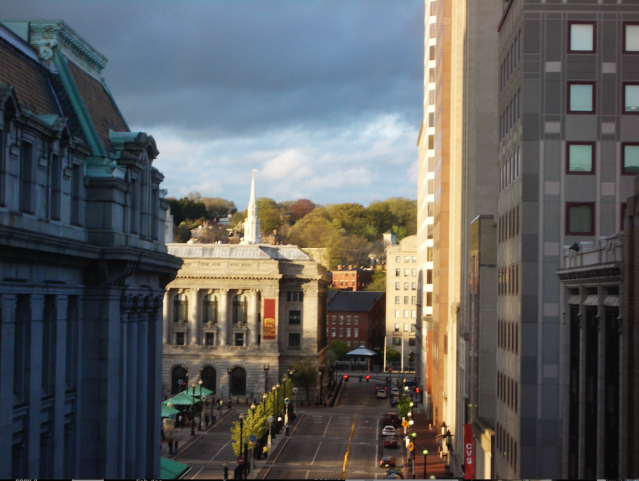
There may be nothing like it in Providence, but not so distant is my old loft, facing to the east from the fifth floor of the Smith Building. The building is pictured to the left of City Hall in the photo just below, taken on a festive holiday in, I would guess from the cars, the late 1950s. Luke’s Chinese-American Restaurant was long gone before I moved in. Pictured below that photo is the view looking east up Fulton between City Hall and the old Journal Building from my loft, where I was joined by Victoria in 2007 and Billy in 2009. In 1999, I chose to occupy the fifth-floor unit instead of the seventh-floor top unit because it was more affordable but had two enchanting cornices framing my view right at eye level, which to me was preferable to a longer view marred by rooftop HVAC machinery. This was my aerie, and I miss it dearly!

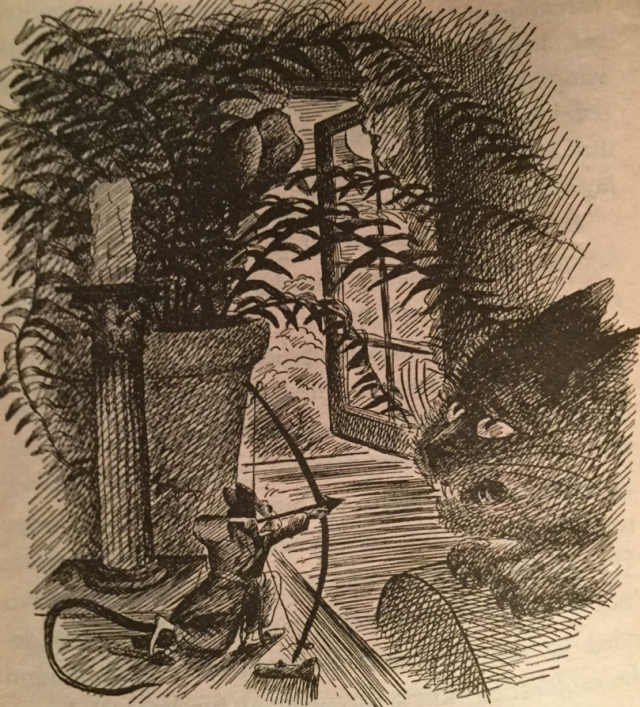
Finally, at bottom, is Garth Williams’s sketch of Stuart shooting Snowbell in the ear as the cat stalked the sleeping bird the night before the adventure of the garbage scow. She was watching him from the window the morning after and, when he was “kidnapped” by a garbage truck, followed him. (She may have felt her heart throb, too, for the little mouse.) The open window near the potted plant, from which Margalo flew, might be the same window that’s open in the view from outside in the sketch atop this post – except that the window on top has ten panes while the one below has eight. Hmm. But we’ll overlook that for now, and pray that readers will hurry up and send examples for the blog post “Best traditional buildings of 2017,” for which this post serves as a placekeeper.

Screen Shot 2017-12-29 at 3.33.31 PM.png

Screen Shot 2017-12-29 at 4.48.10 PM.png

Screen Shot 2017-12-29 at 4.50.11 PM.png

Posted in Architecture | Tagged , , , , , , , , | 2 Comments

More worst buildings of 2017

Screen Shot 2017-12-28 at 7.48.56 PM.png

Recent photo of KieranTimberlake’s new U.S. embassy in London. (Design Week)

While awaiting my promised post “Best traditional buildings of 2017,” here is “From Manila to Manhattan, These New Buildings Will Define Architecture in 2017,” written by Anna Kats for Artsy, a website dedicated to … well, we’ll let that ride. Written exactly a year ago today, it looks forward to the … well, we’ll leave that for the reader to decide. Needless to say, it should sharpen the appetite for what I hope will be my next blog post, “Best traditional buildings of 2017,” which is proving difficult to research. So, enjoy it in a … well, let’s just say a snicker will not be enough. For a taste … the U.S. embassy, London. Believe it or not.

Screen Shot 2017-12-28 at 8.00.30 PM.png

The widely viewed rendering for the embassy design. (Courtesy of KieranTimberlake)

Posted in Architecture | Tagged , , , , | 5 Comments

Best worst buildings of 2017

Screen Shot 2017-12-26 at 3.21.23 PM.png

Tower in Beirut, Lebanon, by Herzog & de Meuron. (ArchDaily.com)

‘Tis the season to wax mirthful about the architecture of the previous year. Here are the favorites of ArchDaily.com, “The Best Architecture of the Year: Most Viewed Projects,” summarized and presumably selected according to popularity among its readership, and then deployed according to the months of the calendar. The one above, by Herzog & de Meuron (though it might equally be the work of Jeanne Gang), is No. 5 (May) on the list. But whether that represents the building the most frequently viewed in the fifth month, or the one placed in the May spot because it was viewed fifth most frequently during the year, is unclear. More clear is its superiority to the even more tedious modernist buildings in this Beirut scene.

Called “Beirut Terraces,” its conceit is that its floors have been stacked with feigned ineptitude. Perhaps it is supposed to represent the stability of Lebanese politics. In any event, this sets it apart from its plain vanilla envelope neighbors. O, sad, sad Beirut! Once queen of the eastern Mediterranean, it remains still the playground of Araby, but with the meaning of play transfigured. It used to be a fun place where the latter-day sheiks went to consume the liquor, cards and dames forbidden by their home societies. Now it is merely a silly place, except for the violence of its modern culture and politics.

In fact, towers are modern architecture at its best, which is none too good but if the cityscape is already marred beyond repair, a skyline of modernist skyscrapers can be interesting. The “wow factor” of Beirut Terraces and its ilk fades pretty fast, of course, and most observers experience towers from street level anyway, where they not only kick up a high wind-tunnel effect that chills the feels-like temperature (not much of a problem in Beirut) but generates a psychic coldness that suits its depressing physical allure – where it probably makes achieving the compromise so elusive in Lebanon even more dodgy.

Of course, what specifically generates the popularity of this building as distinguished from the buildings representing the other months of the year is anyone’s guess. Modern architecture has no real architectural language. It is arguably over a century old, so it has no excuse for this lapse. How would a jury of designers select a winner from among the dozen pieces of architecture on the ArchDaily calendar? Again, hard to say, which is probably why the choice is reduced to a popularity contest.

When you’re done smirking at this purposely wobbly confection, scroll back two months to the March favorite, also my favorite. It is called Colonial House Recovery on 64th Street, by Nauzet Rodriguez, on the Yucatan in Mexico. It seems as if they’ve turned a roofless, about to be demolished house into a restaurant, leaving the walls standing and generally farting up only those parts of the ruin where they decided to put a roof back on after all. Bless them, the architects, for they have sinned against modernist practice by refusing to junk up the streetscape itself. How did this building ever get on this list of “best” buildings?

Between these two is the April favorite, Lascaux IV, by Snøhetta, which seems to be a parody of work by the late Zaha Hadid, a flash of lightening on siesta in Montignac, on the Dordognes region of France. The best I can say of it, beyond the tickle to one’s ribs, is that it does not appear to trash any already existing townscape; instead it seems to lie along the edge of the village.

To inflict on yourself the other ArchDaily selections, click the link above.

As is true of all modern architecture, high quality or low, no imagination whatsoever is required to conjure up a traditional building that would suit the situation better than any modernist “solution.”  A traditional or classical building would do a better job of fitting the location, matching the massing, reaching the height, fulfilling the purpose, utilizing the climate, assuring the sustainability, minimizing the cost and outstripping the beauty of any modernist proposal. That’s because traditional and classical architecture benefit from a language built up by experience in design and construction over centuries of practice. Because of this, it can be judged by a jury more carefully, with actual standards, than the 52-card-pickup methodology forced upon a jury in a contest among modernist structures.

I will try, tomorrow or the day after, to make up for depressing the reader’s spirits with this post by posting a more uplifting collection of best traditional buildings of 2017.

Screen Shot 2017-12-26 at 5.25.36 PM.png

Lascaux IV, by Snohetta, apparently a museum in France. (ArchDaily.com)

Screen Shot 2017-12-26 at 5.27.04 PM.png

Colonial House Recovery on 64sth Street, in Mexico’s Yucatan. (ArchDaily.com)

Posted in Architecture | Tagged , , , , , , , , | 3 Comments

Lost Ro Dyland, annotated

Screen Shot 2017-12-25 at 10.18.56 AM.png

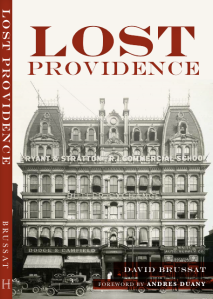
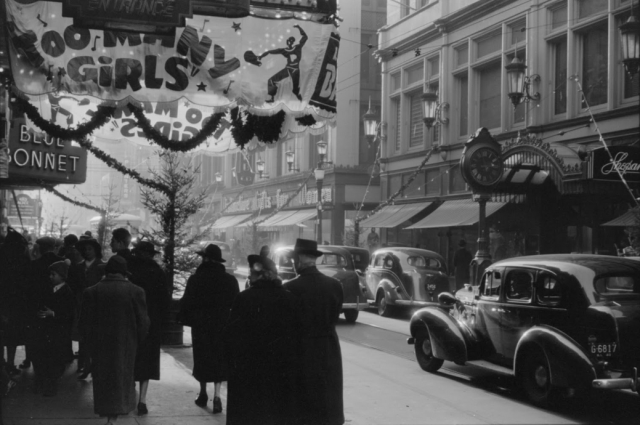
On the front page of yesterday’s Providence Journal, under a delightful illustration by Tom Murphy, was “Saint Nick Sails a Retro Route,” a poem by longtime South County editor (ret.) Gerry Goldstein, typically droll and deft of touch. Read it to the cadence of “‘Twas the Night Before Christmas,” with a “tip of the cap” to Clement C. Moore. Santa’s sleigh hits a time warp, and flies over Rhode Island as it used to be. As the author of Lost Providence, my favorite passages look down from above downtown Providence:

Rudolph, who that night was leading the sled,

Looked down at the landscape and nervously said,

“Santa, I think we are far off our beat —

Can that be the Outlet on Weybosset Street?”

Sure enough, when he looked he saw brilliance and shimmer

As display windows sparkled with Christmas Eve glimmer.

Santa spread out his maps to consult travel records,

When Rudolph exclaimed, “There’s the tea room at Shepard’s!”

They flew over Peerless and Cherry & Webb

And the Loew’s State marquee — ’twas Downtown at high ebb!

Rudolph declared it to be quaint and pretty,

And flatly refused to call it “Downcity.”

In “flatly refus[ing] to call it ‘Downcity,'” Rudolph agrees wholeheartedly with the author of Lost Providence. The words “Let’s go downcity” once meant “Let’s go downtown to shop,” more an activity than a place. The word was selected to brand the old commercial district in the 1990s by planner Andrés Duany, who got the name from preservationist Antoinette Downing. It was widely misused as a synonym for downtown by Mayor Buddy Cianci and eventually many others, at which point it was also being widely misspelled as DownCity. At last, this writer flung it overboard. Good on ya, Rudolph!

The Shepard’s Tea Room was dearly departed by 1975. When I arrived a decade later, the department store had degenerated into a handful of outlets for cheap imported goods. The Peerless was still going (if not going strong) until Buff Chace bought the building, leased the ground floor to Lupo’s Heartbreak Hotel and the Met Café, then gave them the heave-ho (or helped them move to The Strand on Washington), then finally reamed out the building’s core for a glitzy atrium surrounded by some 99 loft apartments.

To read Goldstein’s stanzas reminds me how barely I qualify as a Rhode Islander. So many of the places he mentions are unknown to me, or places I’d heard of but never visited, including places I’d never visited even though they existed in recent memory, though not in my own. These latter must surely include Nyanza and Trifari. What were they? Eateries? Shops? Sears, which I frequented as a bachelor, was demolished not too long ago after a couple decades of vacancy, and replaced by an LA Fitness – a building that, in spite of its wannabe classicism, makes me yearn with nostalgia for the Deco Brutalism of the North Main store.

He sped over Sears, that North Main Street emporium,

And saluted the Reds in the old Auditorium.

He buzzed the Ming Garden, and brimming good will

Waved to the skiers atop Diamond Hill.

Gladding’s, he noted, and the First National Store,

City Hall Hardware, Nyanza, and more:

Trifari and Coro went by in a breeze,

As well as did Mee Hong, and then Luke’s Chinese.

Luke’s has a snug corner in my heart even though I’d never been there. For 11 years I lived in the Smith Building, Buff Chace’s first loft rehab downtown, but quite a while after the ground-floor reign of Luke’s, with its Luau Hut in the basement. The drinks had umbrellas, natch – or so I understand. I once had lunch with Irene Hope, its former owner, who still lives in Paul Rudolph’s Beneficent House (that’s Rudolph the architect, not Rudolph the Red Nosed Reindeer). What I don’t fathom, and what Goldstein did not note, is that (old) downtown is again without a Chinese restaurant, Dragon 2000 having gone under on Mathewson Street some year or two ago.

Don’t blame me! I used to eat at the Dragon all the time, both singly and in a group of us from the Journal editorial board who used to lunch there now and then – this long after an earlier “lunch bunch” would chow down at Ming Garden, where I had lunched with Journal personnel director Paul Reeve, I believe, during my two sets of interviews back in 1984 for the job I held there for the next three decades.

(For that matter, the Turk’s Head Club went missing at least a couple of decades ago. That’s where I had lunch with Journal publisher Michael Metcalf. He pointed out the window toward College Hill at the Rubik’s Cube and said, “We hate that.” (I wrote a chapter under that title in Lost Providence.)

But the Turk’s Head Building remains, as do many of the buildings that hosted the stores, shops, restaurants and other places recollected by Goldstein. Most cities and states can’t make that claim, and it is what makes Providence such a wonderful city and Rhode Island such a wonderful state. Goldstein’s concluding sentiment says it all:

Recalling our yesterdays with their allure,

Locked in our memory, safe and secure.

So from Foster to Newport to the Point Judith Light,

He bids Merry Christmas to all on this night!
Screen Shot 2017-12-25 at 11.04.03 AM.png

Westminster Street at Christmastime, circa 1950. (Library of Congress)

Posted in Architecture, Preservation | Tagged , , , , , , , , , , | 2 Comments

Frank Gehry’s H.M.S. Foggy

Sailboat designed by Frank O. Gehry, called Foggy. (Esquire)

Sailboat designed by Frank O. Gehry, called Foggy. (Esquire)

Not sure why I’ve decided to inflict on readers this old post from October 2015 on the day before the day before Christmas. It came to mind after a reader, intent on humoring me or torturing me, sent me a photo of a yacht supposedly designed by the late Dame Zaha, forcing my native fairness to argue that just because a yacht is designed by a modernist architect doesn’t mean it must be ridiculous. The Foggy, designed by Frank Gehry, is a case in point. The article on it by Esquire is priceless. By the way, I guess Zaha’s boat is a yacht while Gehry’s is a sailboat. The same critical principles apply.

***

Esquire magazine reports that Frank Gehry has designed a sailboat: “Frank Gehry’s First-Ever Yacht Is His Latest Architectural Wonder.” The wonder is that it looks like a sailboat. Water enforces certain constraints on design that land seemingly does not. A secondary wonder, arising from those constraints, is that the boat is lovely. A tertiary wonder is that its Gehryesque facets and ornaments are also alluring, mostly, in their own funny way.

But the article – by Vicky Ward, who is the “significant other” of developer Richard Cohen, who commissioned the vessel – may be more revealing about the process of designing a boat with Gehry than was intended.

Gehry was assisted in the design by Germán Frers, a well-known nautical engineer from Argentina, who no doubt struggled to ensure that the boat would float. Architect Joel Pidel remarked on TradArch that “hopefully it leaks less than his buildings.” Ward quotes Gehry speaking sensibly of the project, and then quotes Frers on the difficulty of working with Gehry:

“Don’t let me go too crazy,” Gehry told Frers. “The boat has to work.” As instructed, Frers pushed back on Gehry’s plan for the vessel to have a flat, cabinless deck, which led to the choice of a curved “crown.”

However, when it came to choosing the material for the hull lining, Gehry and Frers drifted apart. Ever concerned with speed, Frers had proposed carbon fiber, the light, brittle material commonly used for racing boats. But Gehry wanted to line the boat with wood, partly because of “boat lore,” partly because he simply loves wood. Frers got a sinking feeling when he heard this, since wood adds weight without function. “I almost gave up hope the project would get done,” he says.

Yacht of Senator Chapman in “The Final Countdown.” (aircraftresourcecenter.com)

Leaving aside the constraints that context – water – imposes on boat design, Gehry’s desire to coat the boat in wood is responsible for its elegance. I have always been a sucker for wooden boats. I want not a sailboat but the senatorial yacht that the Japs blow out of the water at the beginning of the film The Final Countdown (1980), in which a U.S. aircraft carrier enters a time warp, emerging just before Pearl Harbor. Really, though, all I want is a wooden bateau small enough to cruise along the Providence rivers during WaterFire. But Generalissimo Barnaby Evans scotched that idea when he engineered a ban on most private boats during those marvelous events.

So, returning to Gehry’s boat, the touches that identify the boat as a product of the Gehry mind are quite enchanting, and are no problem on the scale of a boat. Let him design a car, too, if he has not already. (In fact, I wish he’d spend all his time designing boats and cars; the world would be the better for it.) But at the scale of a building Gehry’s tics are tedious in the extreme, and on a smaller scale possibly dangerous. Foggy – the boat’s name, from Gehry’s initials – has a ridiculous wheel that looks as if it might yank Capt. Cohen’s finger off if he sails it in rough seas. A scene with the captain struggling at the wheel in a storm is almost mandatory in films of a nautical theme.

Gehry already has a sailboat moored in California, which he plans to rename Foggy 1 – readers may feel free to chip in for the psychiatrist to plumb that one. I hope Cohen will invite Gehry out on Foggy (the new one, not the old one) a lot, so that FOG can spend a lot of time rubbing shoulders with the Kennedys of Hyannis Port on Cape Cod, where the Esquire article begins.

Gehry must think himself quite a guy. “On a boat like this, it’s about romance and romantic encounters,” the architect says. Here is Ward’s description of the boat’s interior space:

At the heart of that fantasy is the yacht’s saloon, whose soft furnishings include a psychedelically colorful carpet created by Joyce Shin, Gehry’s ­daughter-in-law. It also includes sheepskin coverings for the couches from New Zealand, which turned the space into something between an Austin Powers–style lair and a discotheque.

Go for it, Frank! Here’s where you can plan your next project – according to Esquire – a space ship. That’s rich! Get it out of here! That’s what it’s for! Too bad we can’t blast all of Gehry’s buildings off into outer space!

[Tip of the bicorne to Gary Brewer for sending the Esquire article.]

***

Below is yacht allegedly designed Zaha Hadid or her firm since her death.

Screen Shot 2017-12-23 at 1.59.06 PM.png

Posted in Art and design, Humor, Uncategorized | Tagged , , , , , , | 5 Comments

Unmocking mockup at Yale

Screen Shot 2017-12-22 at 4.14.26 PM.png

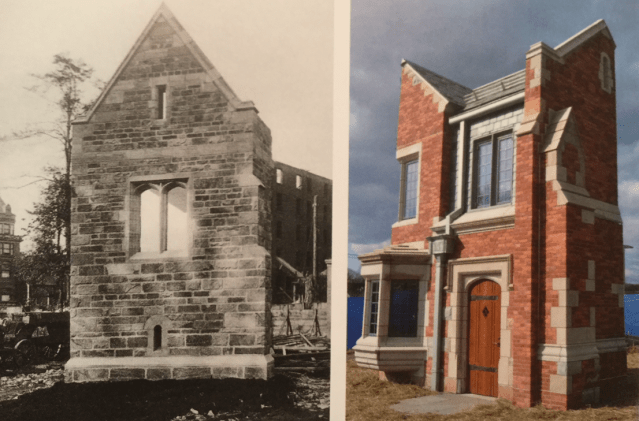
Mockups at Yale by James Gamble Rogers in 1917 (left) and RMASA in 2012 (right) (RAMSA)

The other day the U.S. Mail produced for me a gift from RAMSA – Robert A.M. Stern Architects. The New Residential Colleges at Yale: A Conversation Across Time came with an inscription to me from the great architect himself: “To David Brussat, in appreciation of support. Bob Stern.”) It is a big book, and, looking at it sit there on my coffee table waiting to be opened, I was a fool to think it would be nothing but glorious photographs by Peter Aaron of a project I have indeed praised to the skies.

But in fact there were, page for page, relatively few large-format shots of the two Collegiate Gothic campi, completed just a few months ago. No, this book was more like Stern’s huge volumes on the architectural history of New York City. Yes, this book is filled with photographs, maps, diagrams and extensive text about the history of the campus, especially the Collegiate Gothic work of James Gamble Rogers, and the construction of the current work. Thus the subtitle. Benjamin Franklin College and Pauli Murray College were inspired by Rogers’s buildings erected at Yale starting a century ago and continuing into the ’30s. The names James Gamble Rogers and Collegiate Gothic are virtually synonymous. Bob Stern knows a good thing when he sees one.

The paired photos above encapsulate the book and the sensibility. They are mock-ups erected by Rogers and RAMSA to show off the materials and forms envisioned for the work proposed for Yale in 1917 and 2012, respectively. But a mock-up is more than just a display of materials and forms, as the passage below from Stern’s book, written with Gideon Fink Shapiro, illustrates:

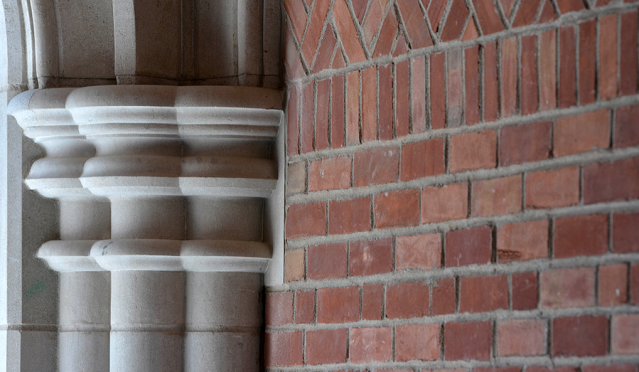
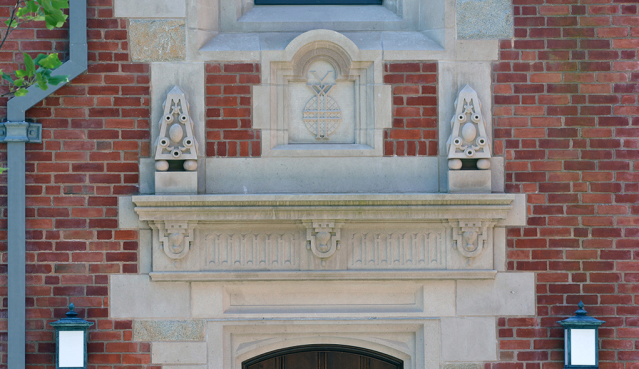
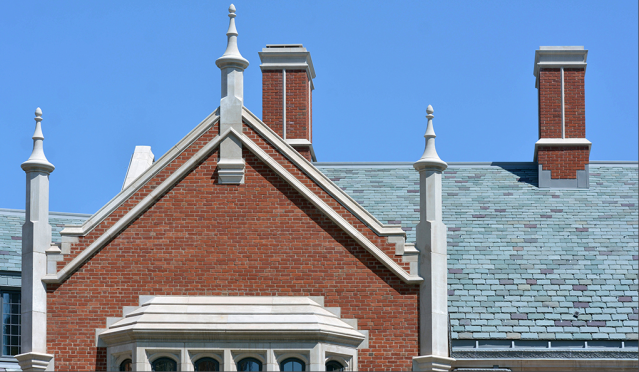
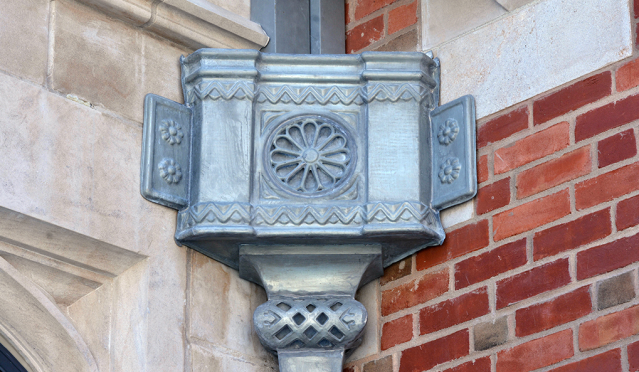
Prior to the start of construction, our research into building techniques and component assemblies culminated in the ultimate in physical study models, a full-scale mockup that helped solidify decisions about the composition and construction of the 1½ miles of façade that would wrap Benjamin Franklin and Pauli Murray Colleges. Erected a few blocks from the site on Winchester Avenue, and 30-foot-tall mockup effectively demonstrated technical and aesthetic qualities of the façade for both the builders and the client, tested assumptions about constructibility and cost, and set quality standards for subcontractors later asked to submit bids. It featured a fragment of a typical elevation of face brick, limestone and granite trim, cast-stone coping and window surrounds, a slate roof, a limestone-capped buttress, zinc gutters and downspouts, and a solid wood door. Its various types of windows, including a bay window, were supplied by five different manufacturers being considered for the job. The mockup also included invisible but equally important technical elements, such as flashing, waterproofing, insulation, and an air cavity.

Fascinating stuff. Many buildings today are built without mockups, and the mockups that are put up are intended, like most architectural renderings performed for clients, to disguise more than to reveal the nature of intended work. But Stern’s mockups are the real McCoy. The next paragraph describes Rogers’s mockups a century ago:

Rogers similarly relied upon demonstration walls, erected first in New York City and then in New Haven, “to get satisfactorily the stone jointing, texture, color, and mortar,” as reported in Architectural Record in February 1918, and he subsequently used mockups to facilitate the detailing and construction of the residential colleges after 1930. Robert Dudley French, writing about Rogers’s use of mockups for the Memorial Quadrangle, observd, “It is always easier to show a man what you want done than it is to tell him.”

Aaiyyyy! (To quote a common expression of frustration in the spirit of Federal Hill, now a restaurant mecca but formerly one of the major Italo neighborhood of Providence.) Mock me with your pictures! Always “worth a thousand words”! Gimme a break! Words are not just potted plants. We writers are not great fans of that bon mot. But I digress.

The New Residential Colleges at Yale has thousands and thousands of words, and many, many pictures. But a visit is important, too. I have no doubt that these tandem living spaces will be tourist attractions as well as educational facilities. To get back to sanity in architecture, people must see that beauty in architecture is not just a thing of the past. Ben Franklin and Pauli Murray will fill that role, too. The classical design of the colleges is a vital step in the history of the classical revival in the 21st century.

Thank you, Yale. And thank you, Robert A.M. Stern – for the excellent book as well as the excellent work at Yale and elsewhere. Merry Christmas and happy holidays to you – and to all of my readers!

Below are some shots from an earlier post on the new campuses. Please go to that post to find out the photographers involved:

Screen Shot 2017-12-04 at 7.42.25 PM.png

Screen Shot 2017-12-04 at 8.14.16 PM.png

Screen Shot 2017-12-04 at 8.08.53 PM.png

Screen Shot 2017-12-04 at 8.09.35 PM.png

Screen Shot 2017-12-04 at 8.09.54 PM.png

Screen Shot 2017-12-04 at 5.17.47 PM.png

Screen Shot 2017-12-04 at 5.20.54 PM.png

Screen Shot 2017-12-04 at 5.21.22 PM.png

Screen Shot 2017-12-04 at 5.21.42 PM.png

Screen Shot 2017-12-04 at 5.22.04 PM.png

Screen Shot 2017-12-04 at 5.22.24 PM.png

Screen Shot 2017-12-04 at 5.22.40 PM.png

Screen Shot 2017-12-04 at 5.22.57 PM.png

Screen Shot 2017-12-04 at 5.23.15 PM.png

Screen Shot 2017-12-04 at 5.23.29 PM.png

Screen Shot 2017-12-04 at 5.23.45 PM.png

Screen Shot 2017-12-04 at 5.24.06 PM.png

Screen Shot 2017-12-04 at 5.24.19 PM.png

Screen Shot 2017-12-04 at 5.24.43 PM.png

Screen Shot 2017-12-04 at 5.25.00 PM.png

Screen Shot 2017-12-04 at 5.25.12 PM.png

Screen Shot 2017-12-04 at 5.25.26 PM.png

Screen Shot 2017-12-04 at 5.25.55 PM.png

Screen Shot 2017-12-04 at 5.26.16 PM.png

Screen Shot 2017-12-04 at 5.26.45 PM.png

Screen Shot 2017-12-04 at 5.27.03 PM.png

Screen Shot 2017-12-04 at 5.27.24 PM.png

Screen Shot 2017-12-04 at 5.27.38 PM.png

Screen Shot 2017-12-04 at 5.28.08 PM.png

Screen Shot 2017-12-04 at 5.28.29 PM.png

Screen Shot 2017-12-04 at 5.28.43 PM.png

Screen Shot 2017-12-04 at 5.28.59 PM.png

Screen Shot 2017-12-04 at 5.29.24 PM.png

Screen Shot 2017-12-04 at 5.29.39 PM.png

Screen Shot 2017-12-04 at 5.30.00 PM.png

Screen Shot 2017-12-04 at 5.31.04 PM.png

Screen Shot 2017-12-04 at 5.34.38 PM.png

Screen Shot 2017-12-04 at 5.35.06 PM.png

Screen Shot 2017-12-04 at 5.35.35 PM.png

Screen Shot 2017-12-04 at 5.36.04 PM.png

Screen Shot 2017-12-04 at 5.36.31 PM.png

Screen Shot 2017-12-04 at 5.37.58 PM.png

Screen Shot 2017-12-04 at 5.49.11 PM.png

Screen Shot 2017-12-04 at 5.49.47 PM.png

Screen Shot 2017-12-04 at 5.51.13 PM.png

Screen Shot 2017-12-04 at 5.52.10 PM.png

Screen Shot 2017-12-04 at 5.52.56 PM.png

Screen Shot 2017-12-04 at 5.54.19 PM.png

Screen Shot 2017-12-04 at 5.55.00 PM.png

Screen Shot 2017-12-04 at 5.55.35 PM.png

Screen Shot 2017-12-04 at 5.57.44 PM.png

Screen Shot 2017-12-04 at 5.56.19 PM.png

Posted in Architecture | Tagged , , , , , , , | Leave a comment