
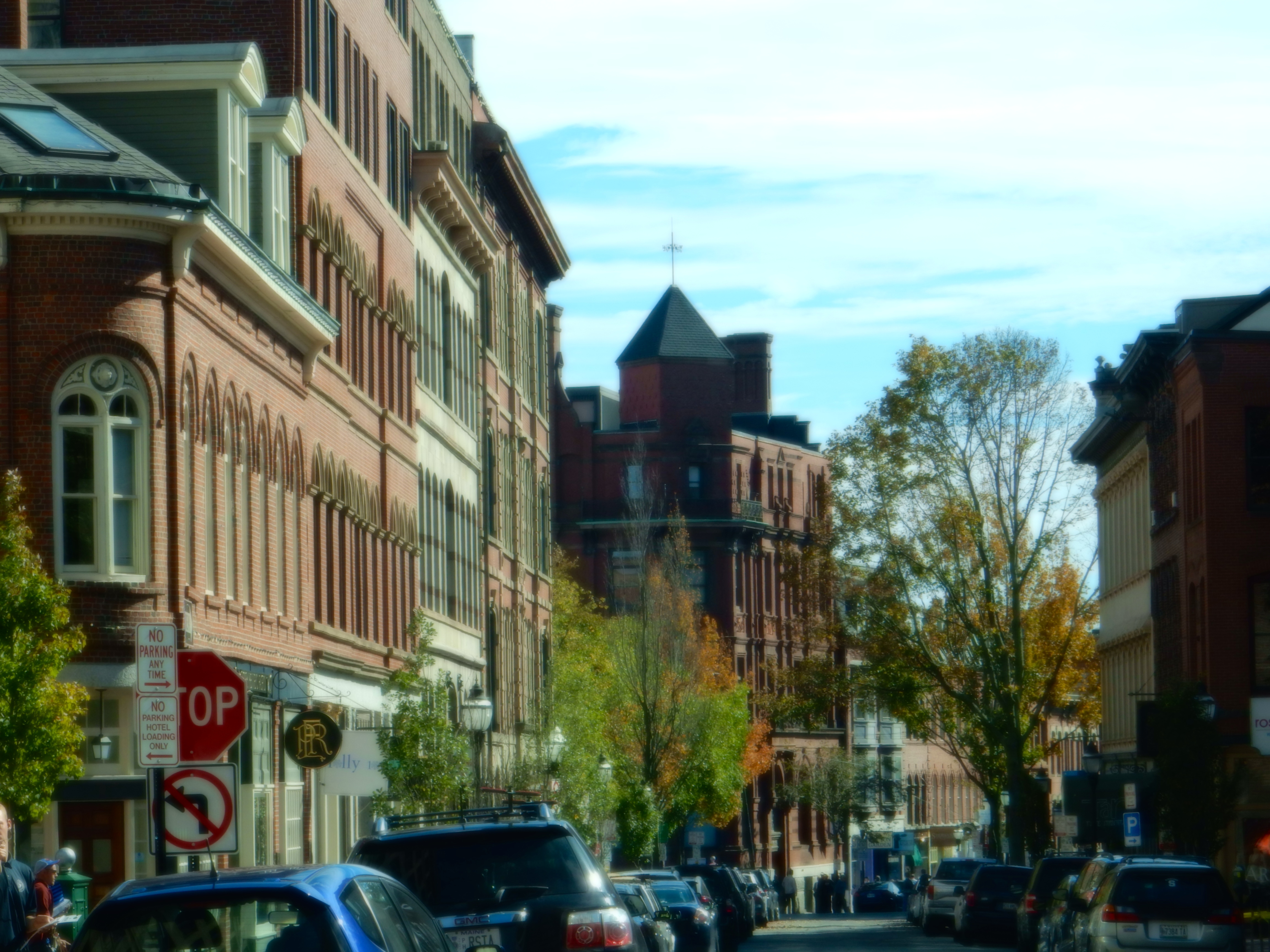
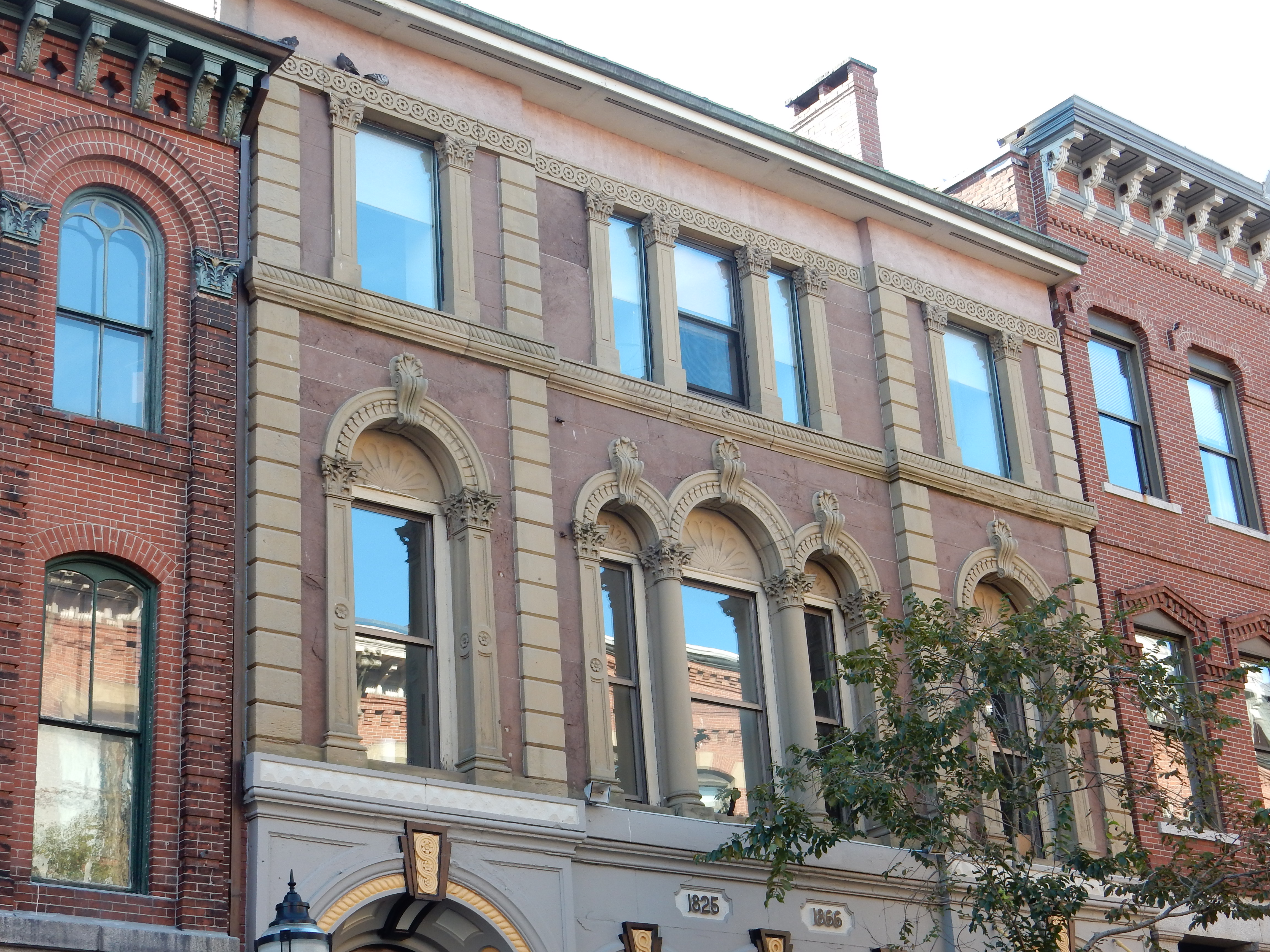
Portland’s Old Port Exchange district, built after huge fire in 1866. (Photos by David Brussat)
Portland’s Old Port Exchange district was bustling with tourists on Sunday morning as Billy and I drove up and down its streets in search of parking. Finding no place, we ended up touring Congress Street on foot instead, taking too long to double back to the Old Port. On the trip home the next day, Columbus Day, we passed through again – this time including Victoria – found parking and set about exploring the many shops.
The place seems much the same, made even more alluring with the switching in of an even more pleasing set of historic street lamps. The shops are more upscale than when I last visited in 1994. Here’s what I wrote in “Portland’s phoenix resurgent” at the time:
Thirty years ago, says Barbara Hager, who directs Portland’s downtown management district, the area consisted of flophouses and old sailors’ haunts. She says that growth was gradual, starting with entrepreneurial “hippies” who opened lunch spots for the employees from banks and other large companies in buildings constructed just north of the Port Exchange during the 1960s, ’70s and ’80s.
The latter buildings mostly avoided the Port Exchange, thankfully, except, it seems, for the dark, groping glass-and-steel behemoth that appears in the before-and-after shots below, beyond the ornate French Second Empire-style Custom House, completed in 1872. Perhaps the new hulk, whose identity eludes me, is not really in the Old Port at all, but in the business district next door. What follows are shots of the Custom House in 1994 and 2015:
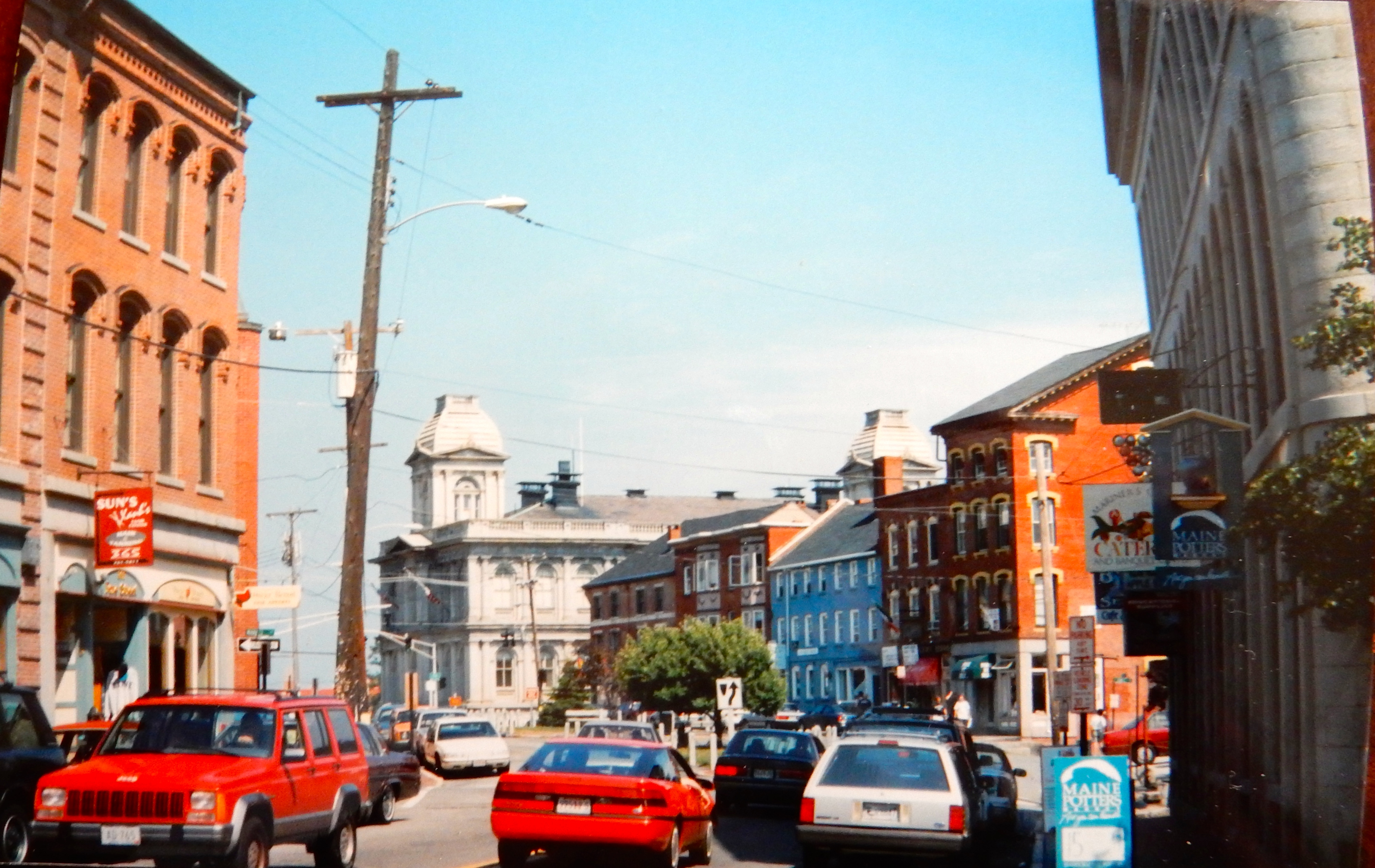
Custom House (center) in 1994.
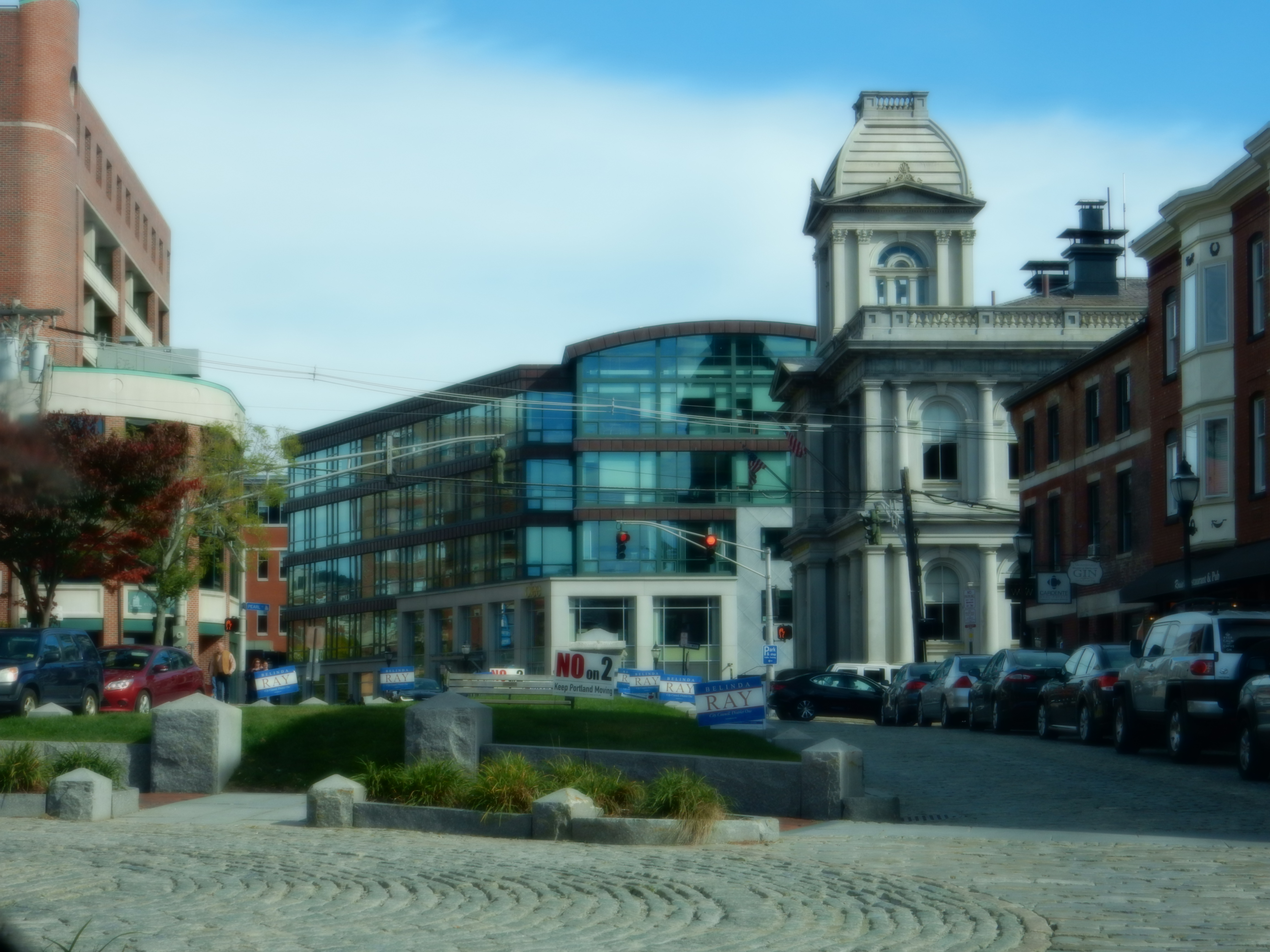
Custom House (right of center) in 2015.
Today, the most successful districts of Portland, especially the Old Port Exchange, are much as they were then – in the 1990s – fine-grained buildings with small shops, and apartments or offices above. There are stretches of that on Congress Street, the city’s arts district, anchored by the Maine College of Art, but the Old Port abounds in it, thrives in it, is sustained by it.
The takeaway for Providence, considering the sluggishness of its Capital Center district, is that its I-195 redevelopment corridor – the so-called Knowledge District – should be recast at a smaller scale. At least some of its large parcels should be downsized to a smaller grain, seeking small business rather than large corporations and institutions in, no doubt, large ugly buildings, as recommended by the I-195 Developers Tool Kit.
Maine’s motto is Resurgem. Rhode Island’s motto is Hope. Portland has been resurgent for at least two decades. Providence has done more, to be sure, than inch forward, but not that much more, and remains hopeful.
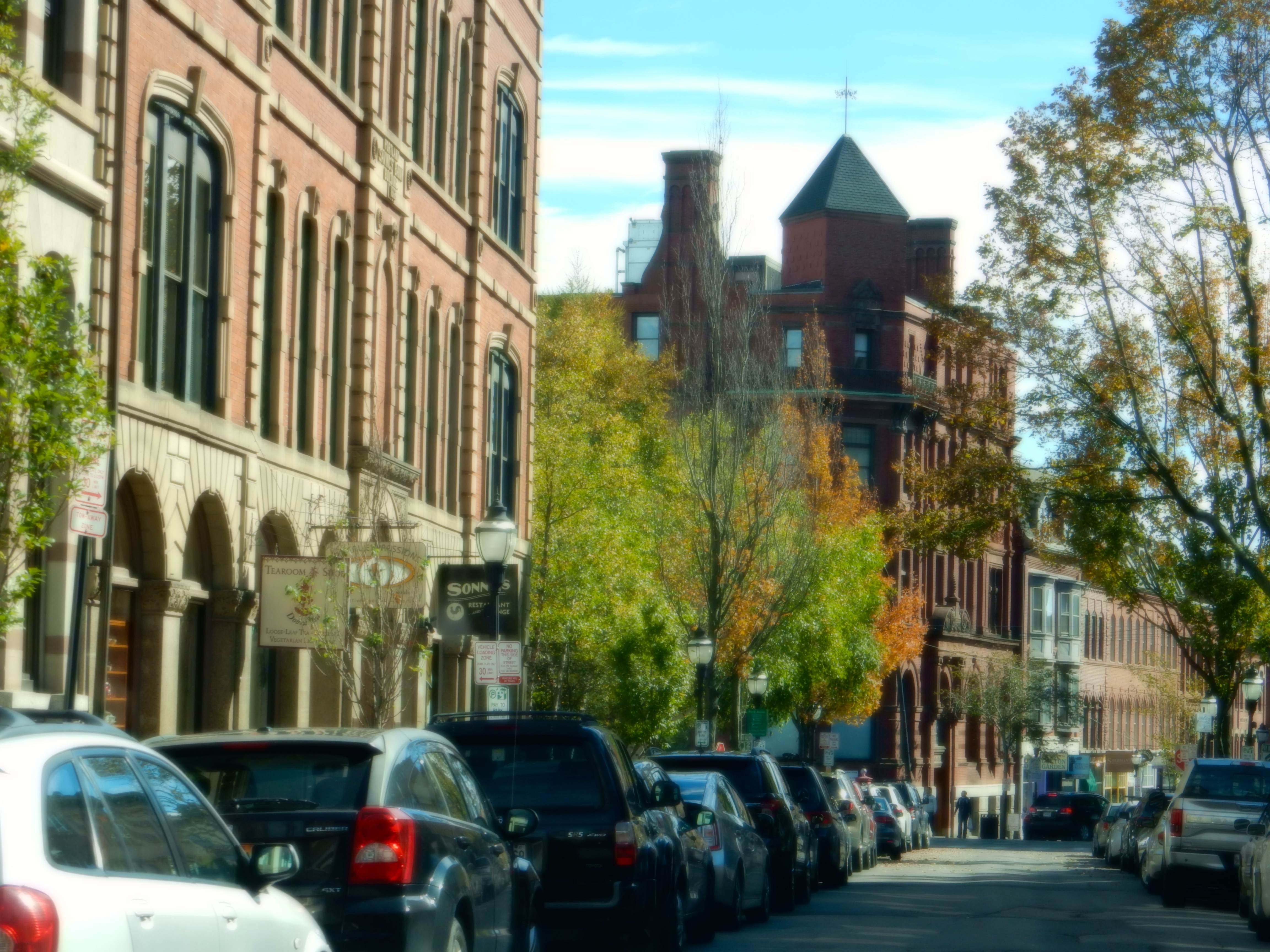
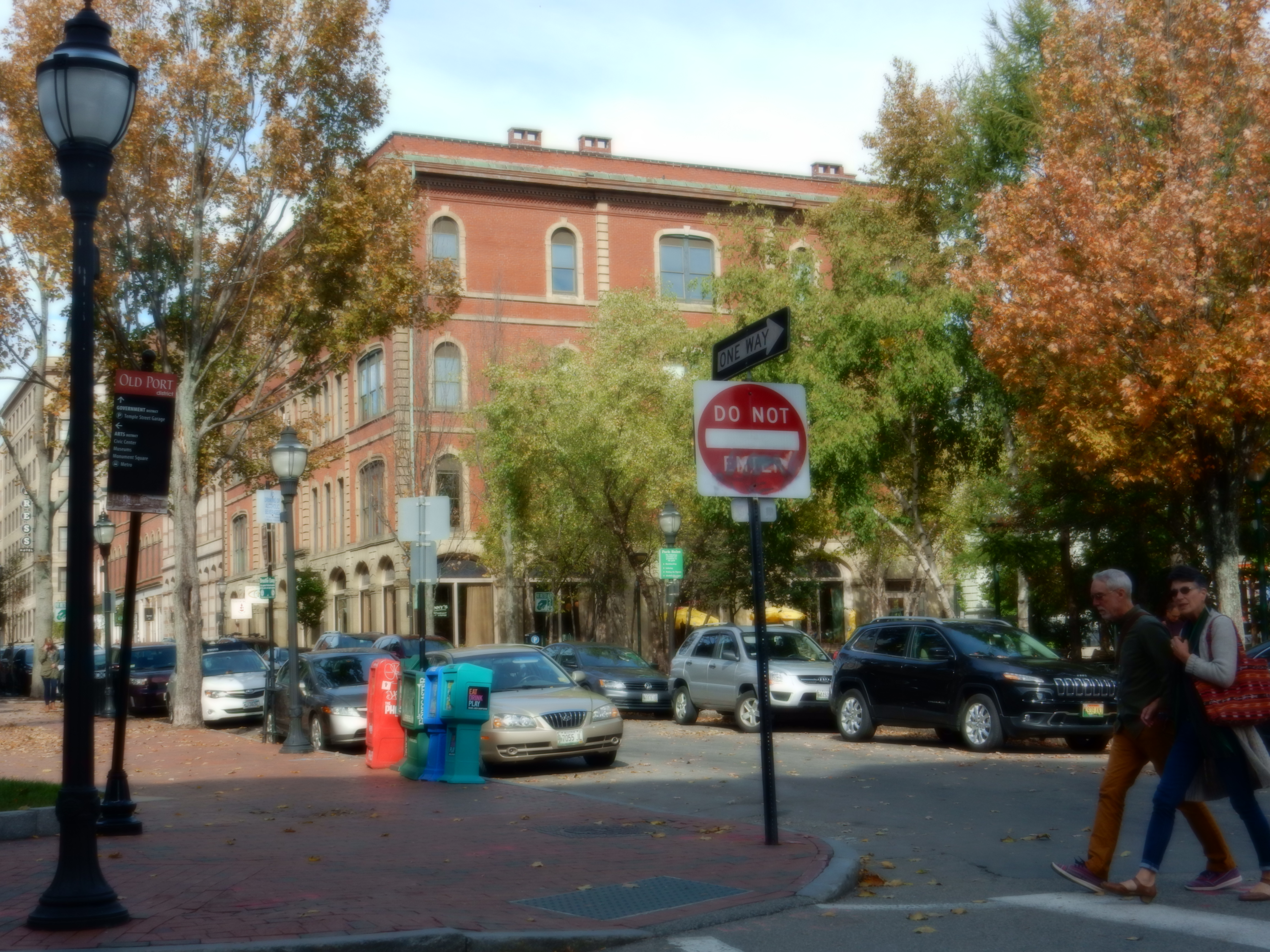
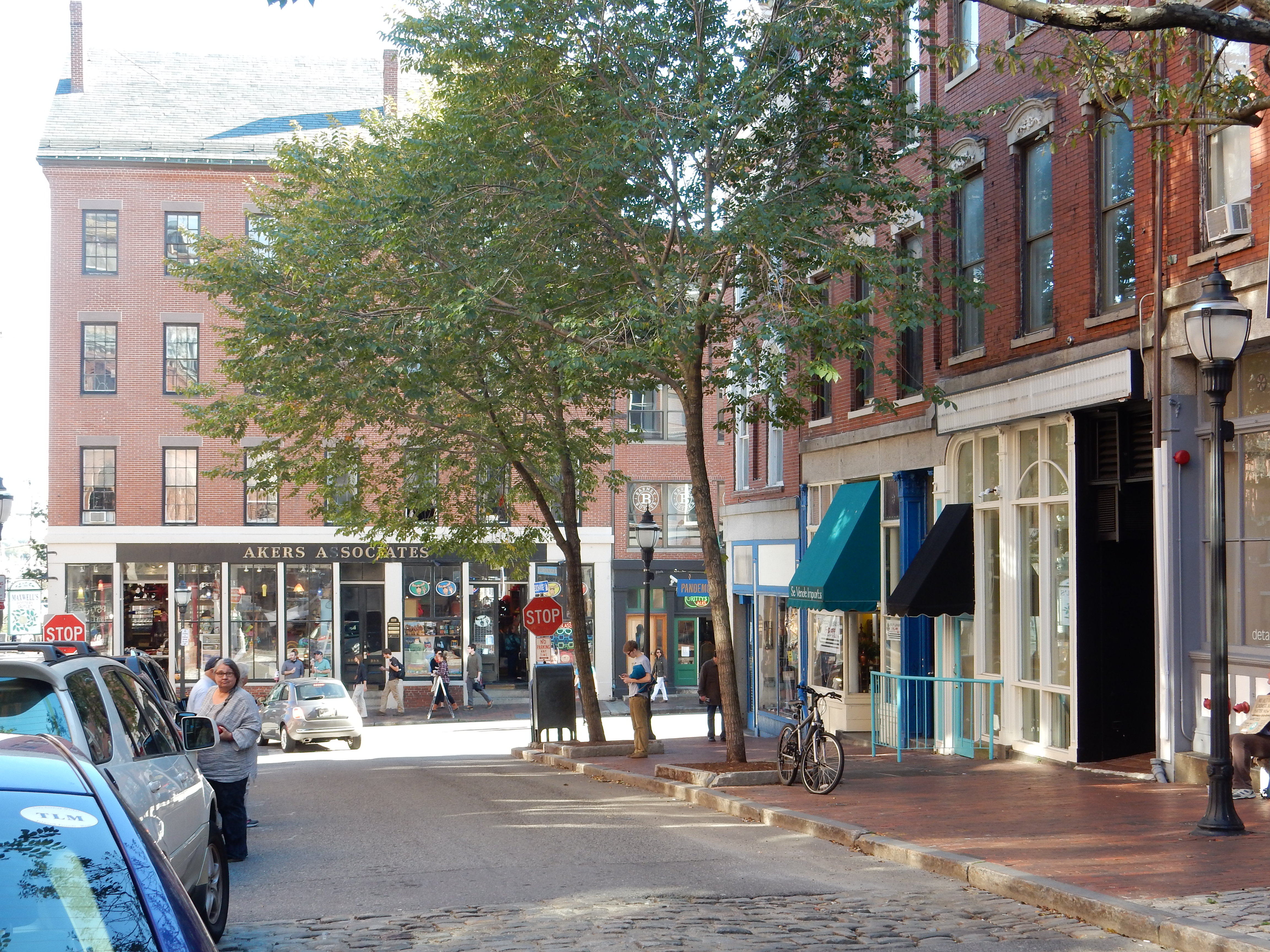
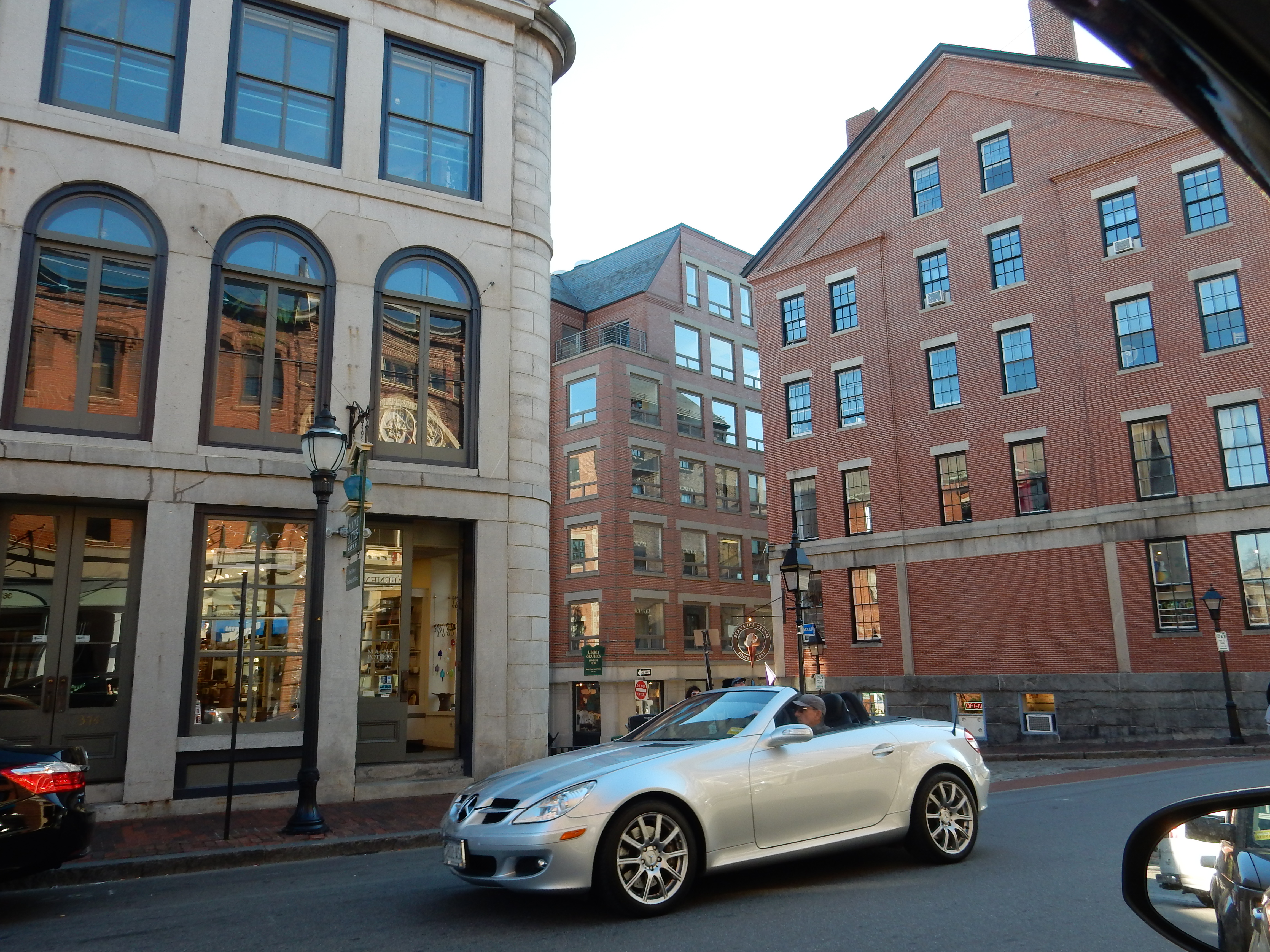
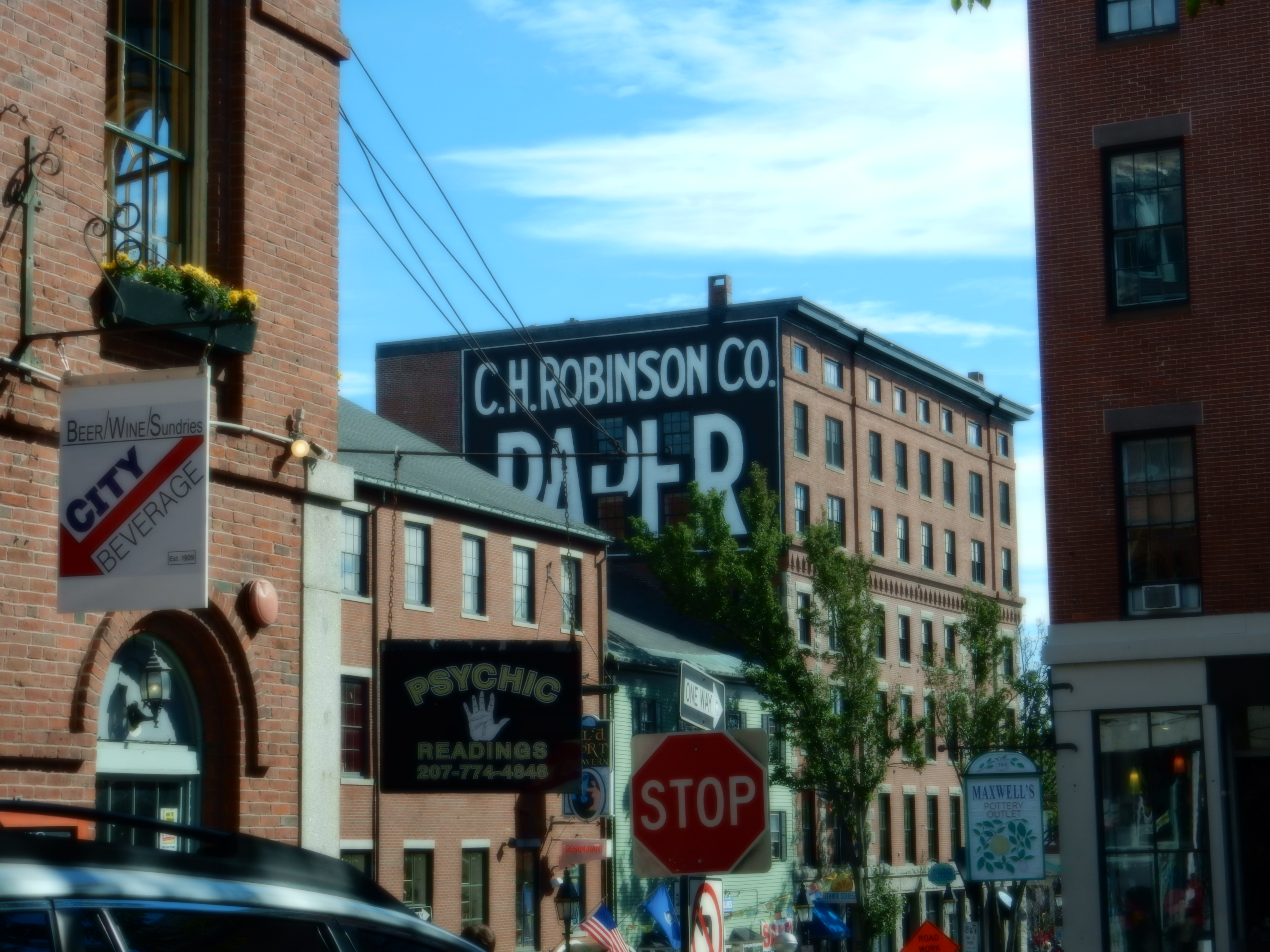
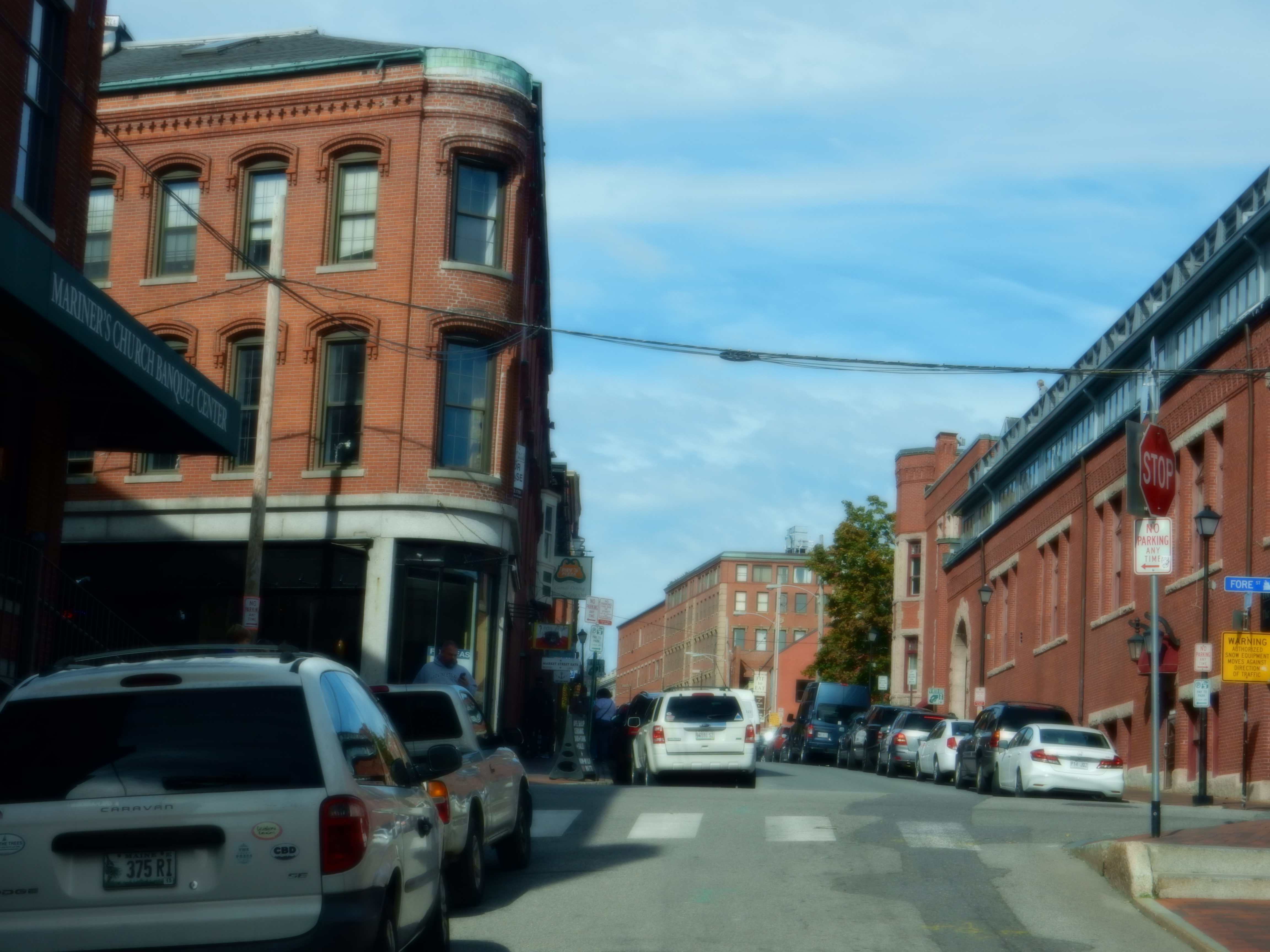
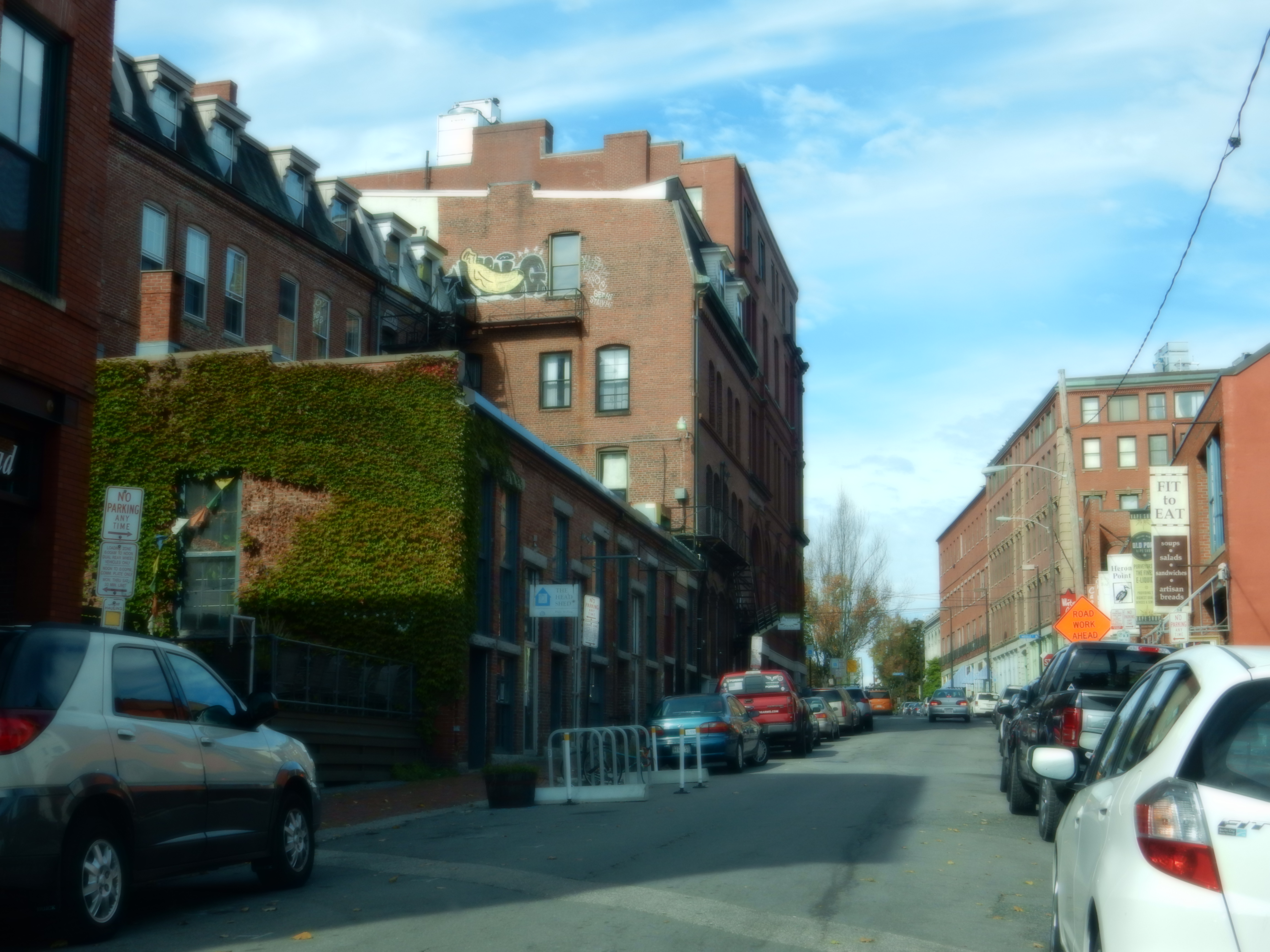
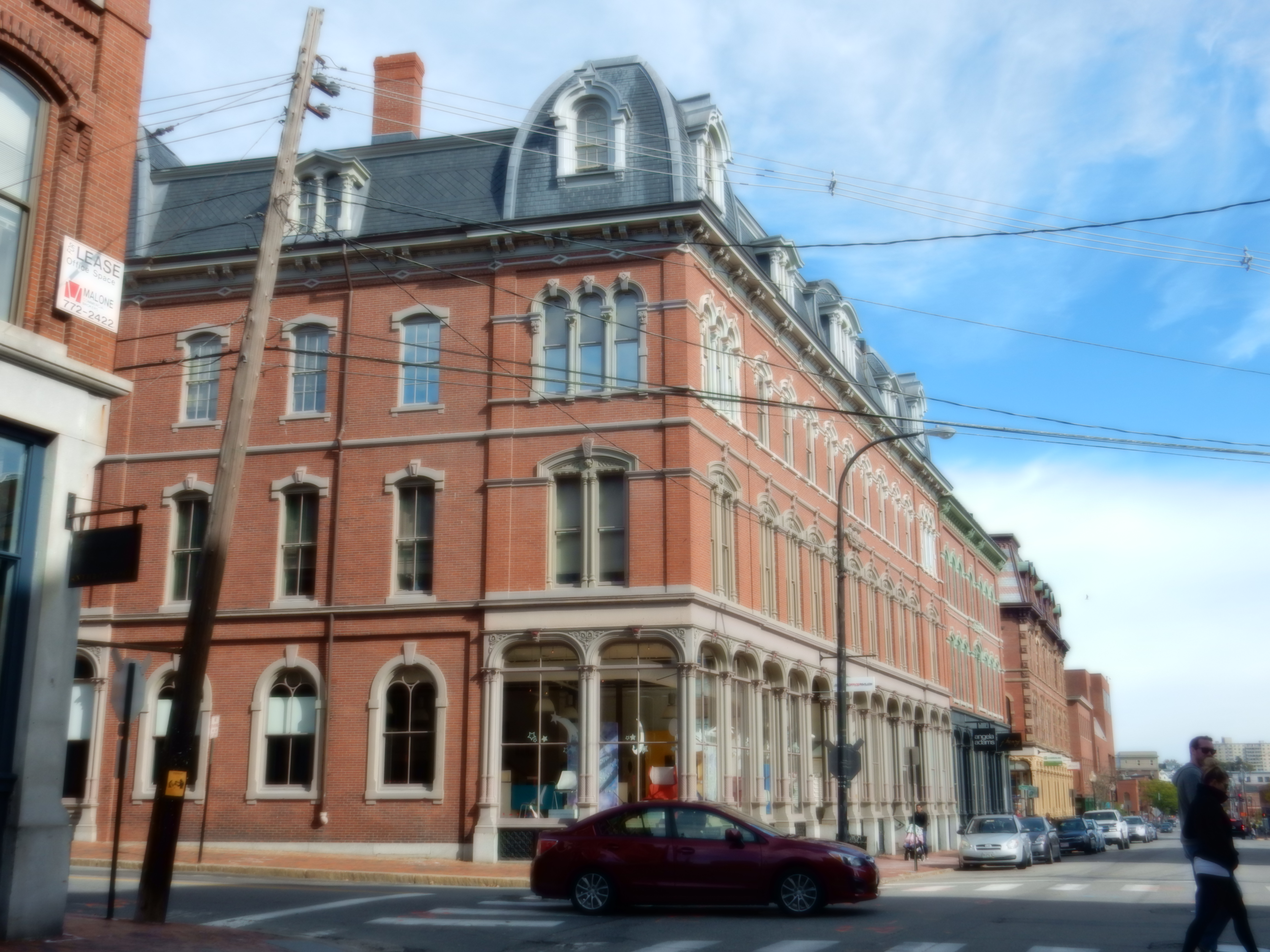
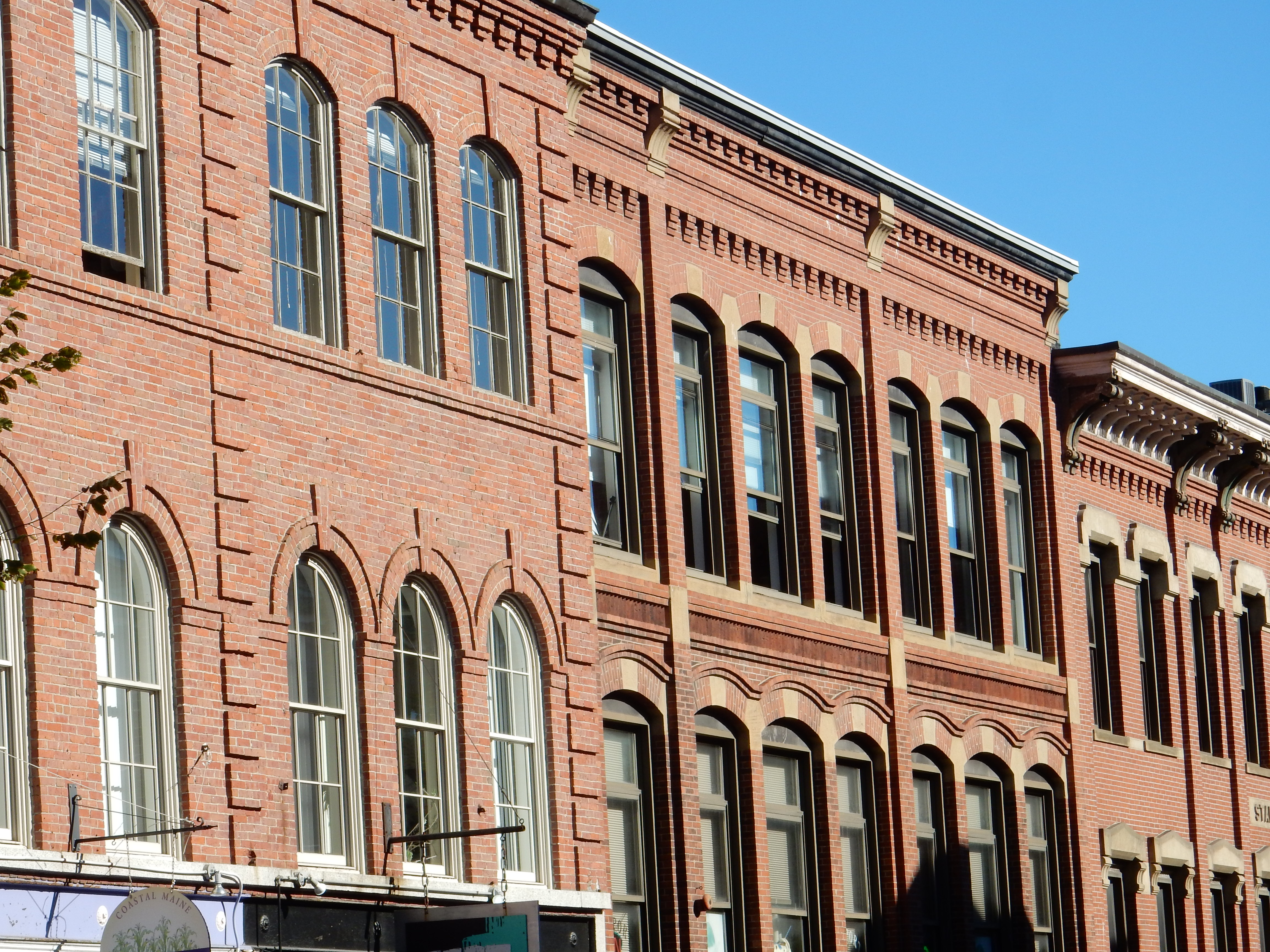
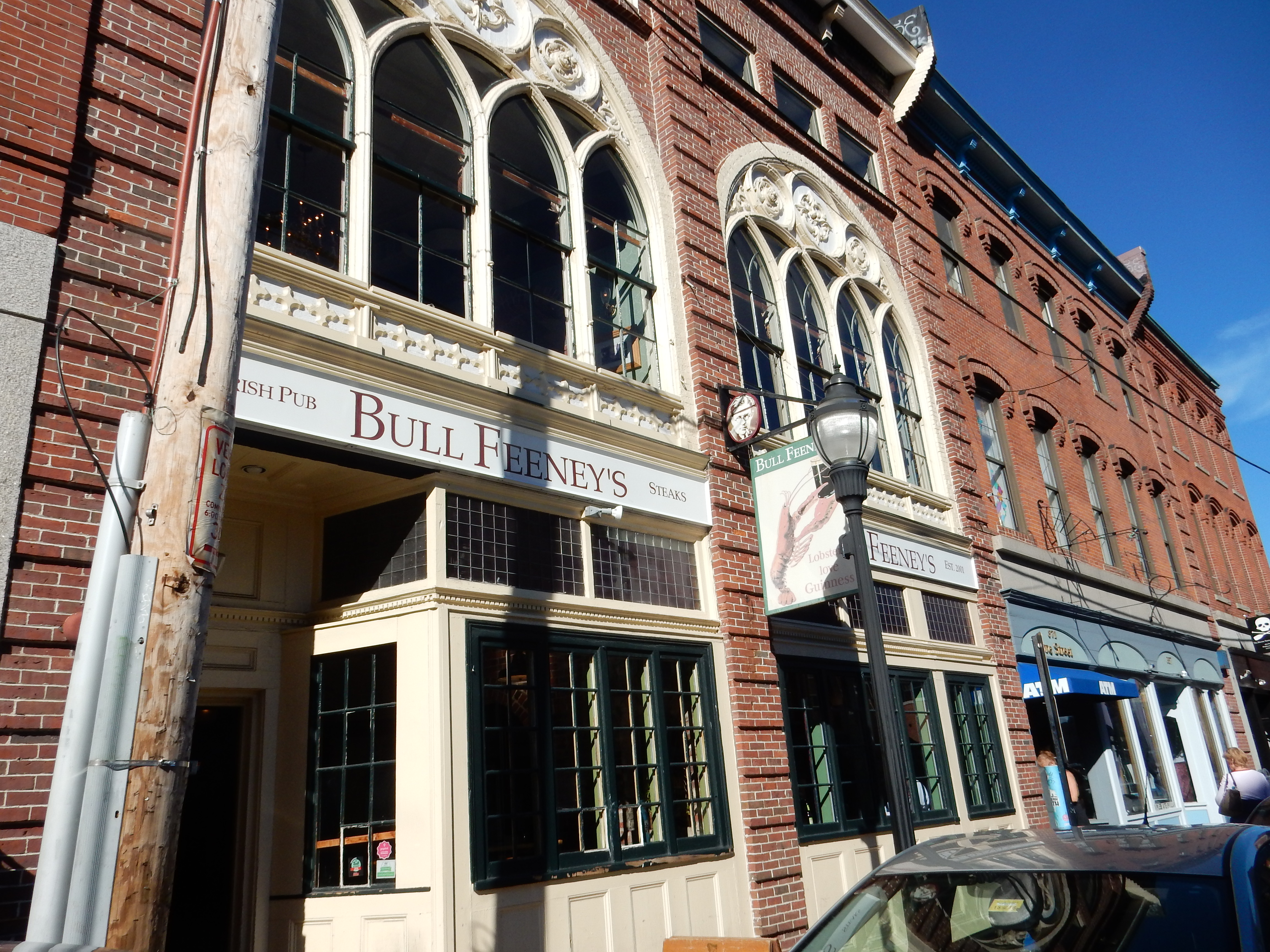
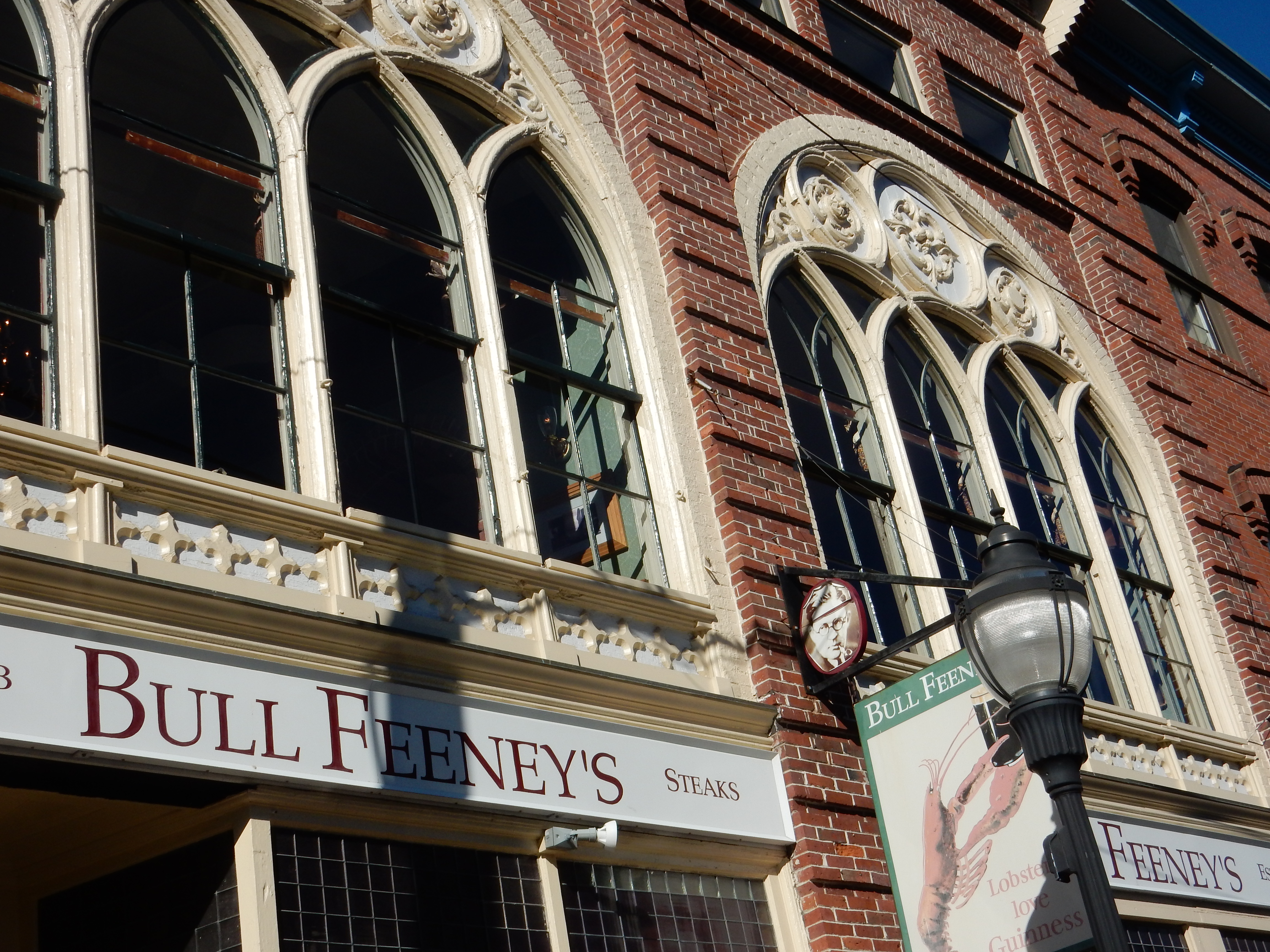
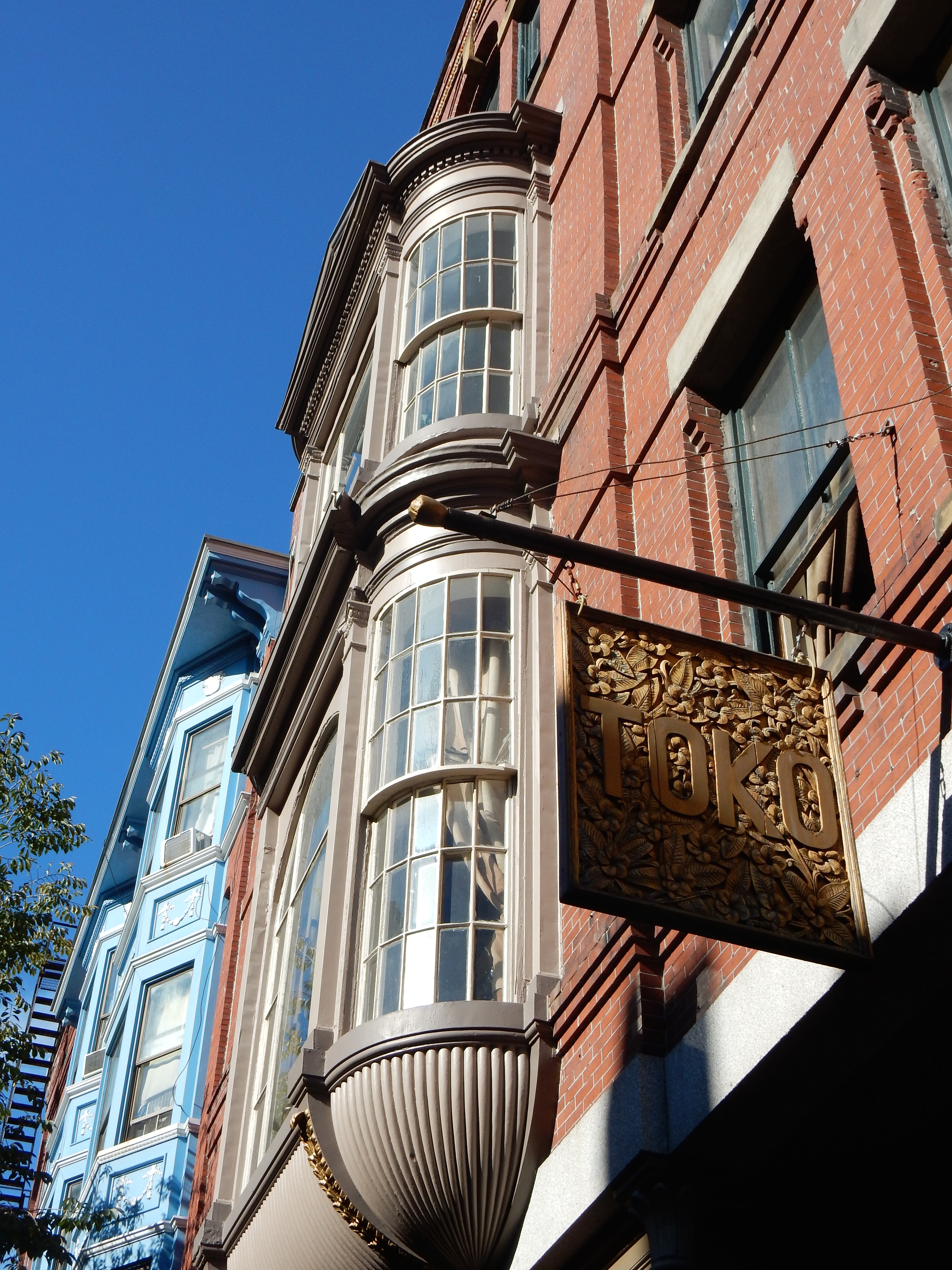
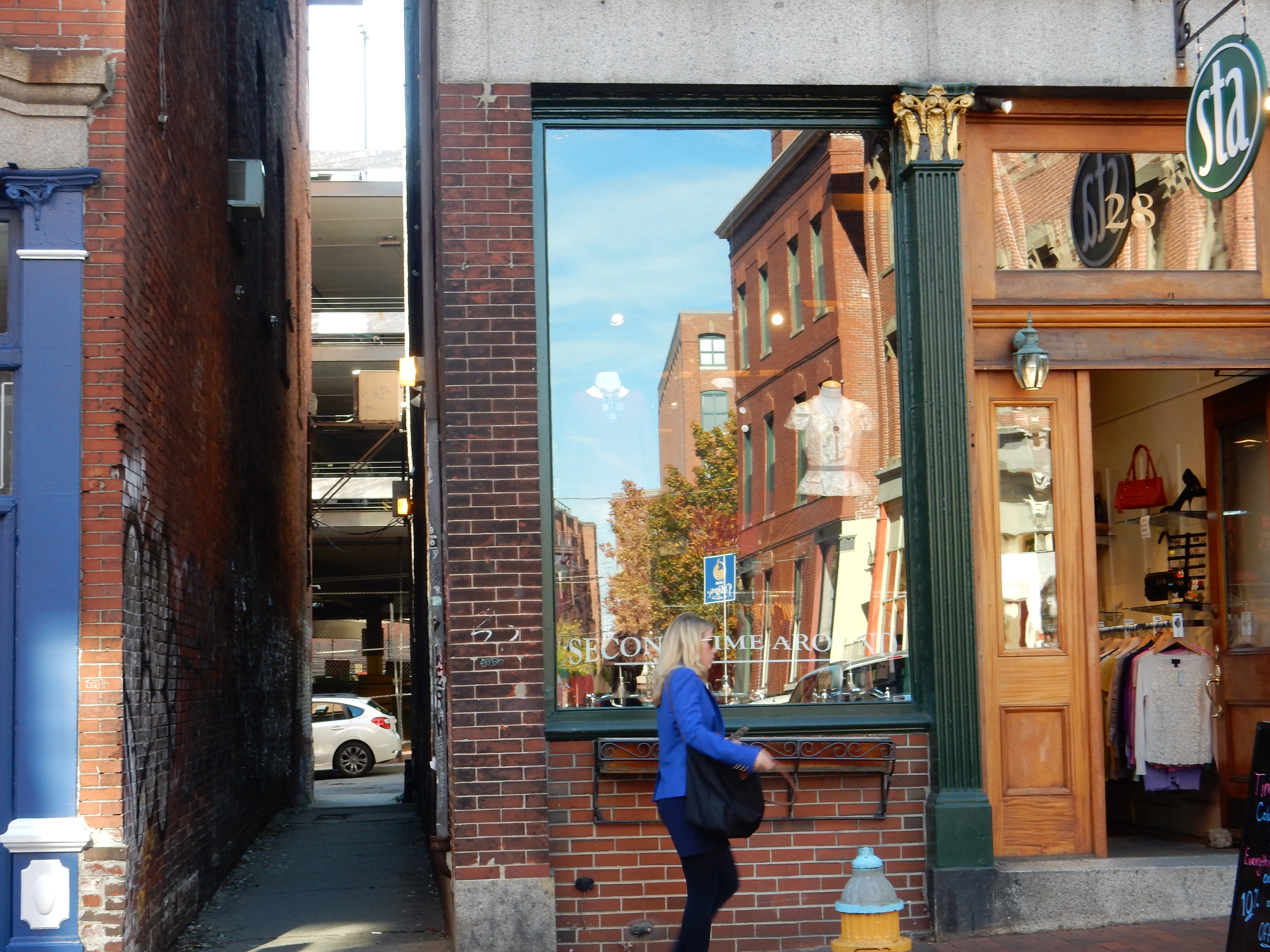
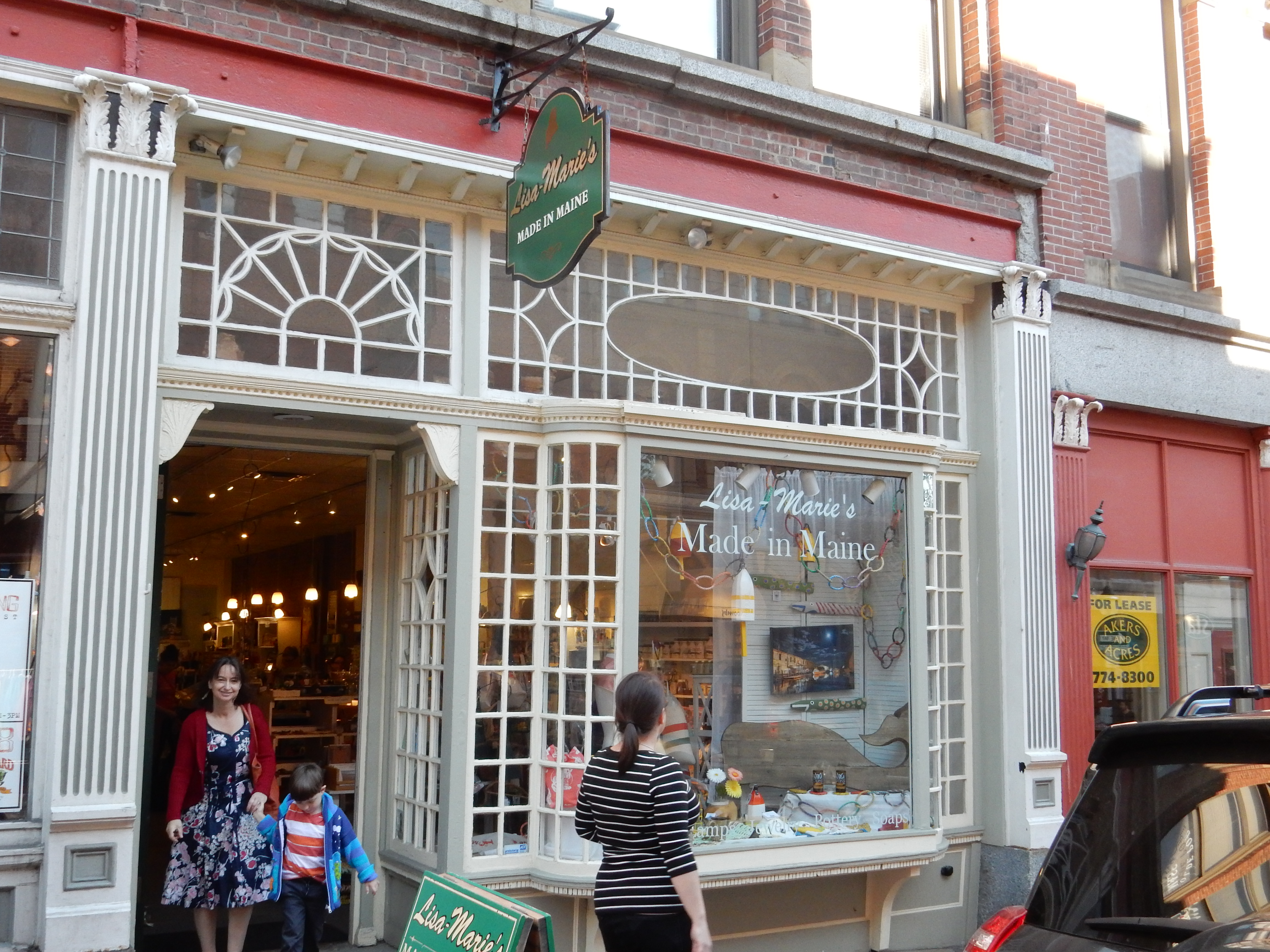
Meanwhile, here are some shots, including a video, of the Old Port:





 Architecture Here and There