
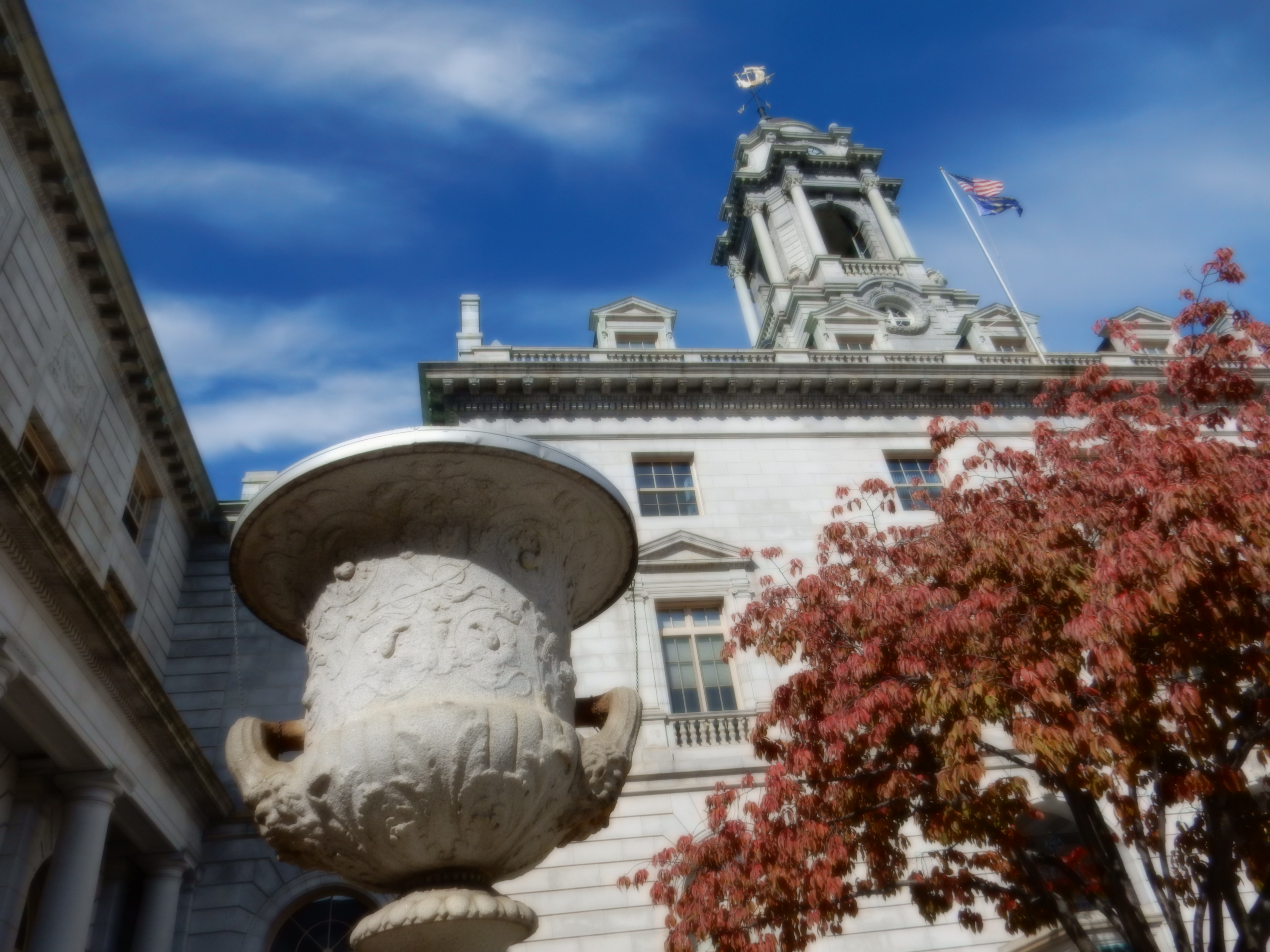
Portland City Hall, by Carrere and Hastings, completed in 1909. (Photos by David Brussat)
Two decades after my first visit to Portland in 1994, its enviable vitality seems to defy comparison with that of Providence. Portland is not its state capital anymore – not since 1832, when, 12 years after achieving statehood, the capital was moved to Augusta. Portland has barely a third of Providence’s population, either as city or metro area. It lacks Providence’s abundance of universities, and lacks the benefit of proximity to Boston and New York.
Moreover, 20 year ago Portland’s revival had been largely accomplished and has since matured, whereas Providence awaited the influence of its new Capital Center, and its yet to be completed new waterfront, with its new urban shopping mall, Providence Place, and the loft rehabs of the following decade still to come. These have now been accomplished and still Providence has not caught up with Portland in many measures of civic revival. Even though Capital Center is moribund, Providence now awaits the outcome on yet another several dozen acres of new downtown land, created by relocating Route 195, using the same sluggish development model as Capital Center – large parcels featuring major corporate and institutional buildings.
Why does Providence lag? Rhode Island’s government is as profligate as that of Maine is penny-pinching. Yet for all its loose fiscal ways, the Ocean State doesn’t roll in money, and the public and private enterprises of Providence seem to suffer no less in the pocketbook than those of Portland. It may be that without a robust economy to sustain it, fiscal profligacy is no more effective an engine of economic growth than is fiscal prudence.
Could it be that Portland’s civic economy thrives because its downtown, at least to judge by Congree Street, has more of these? Take a look:
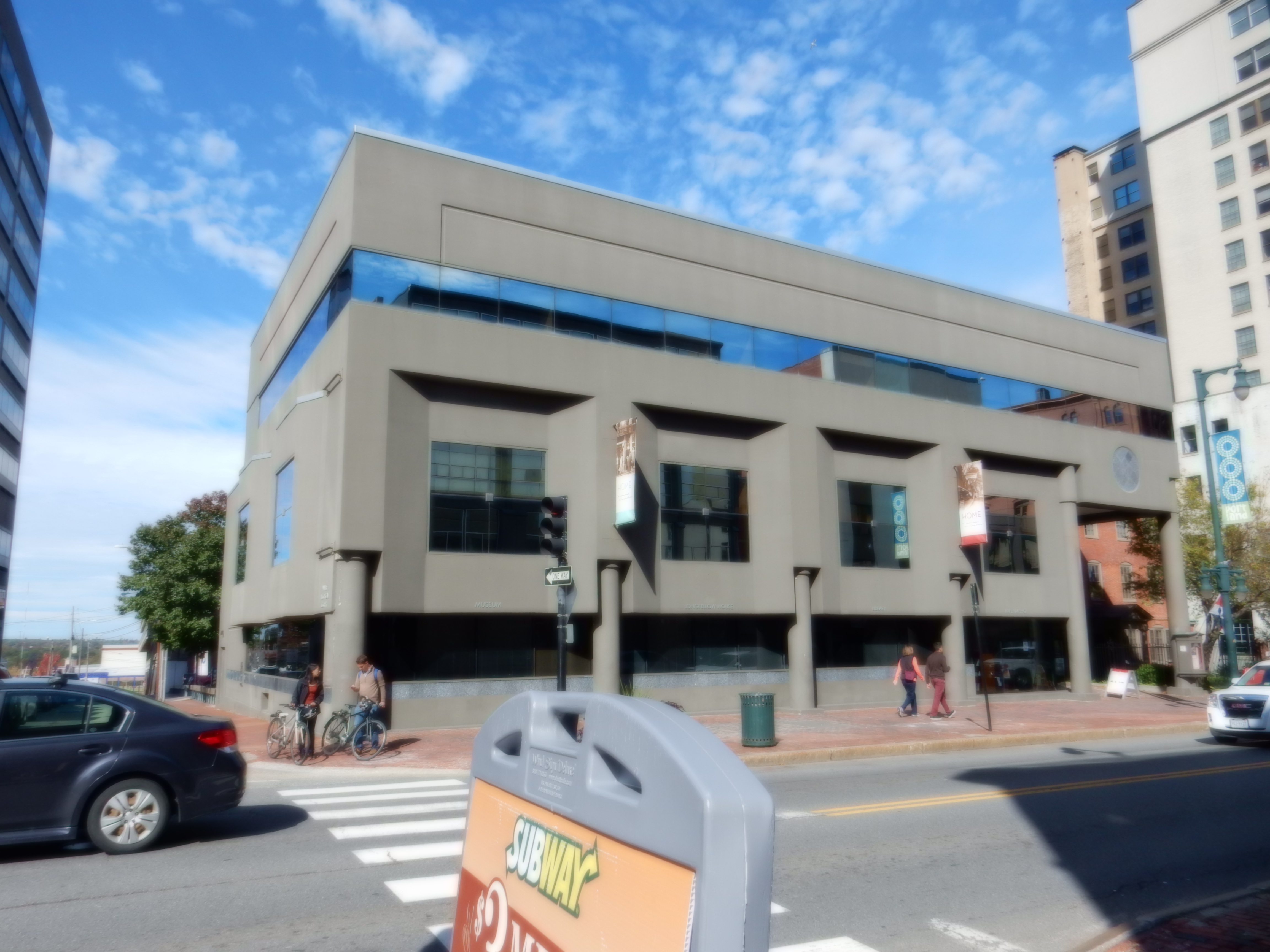
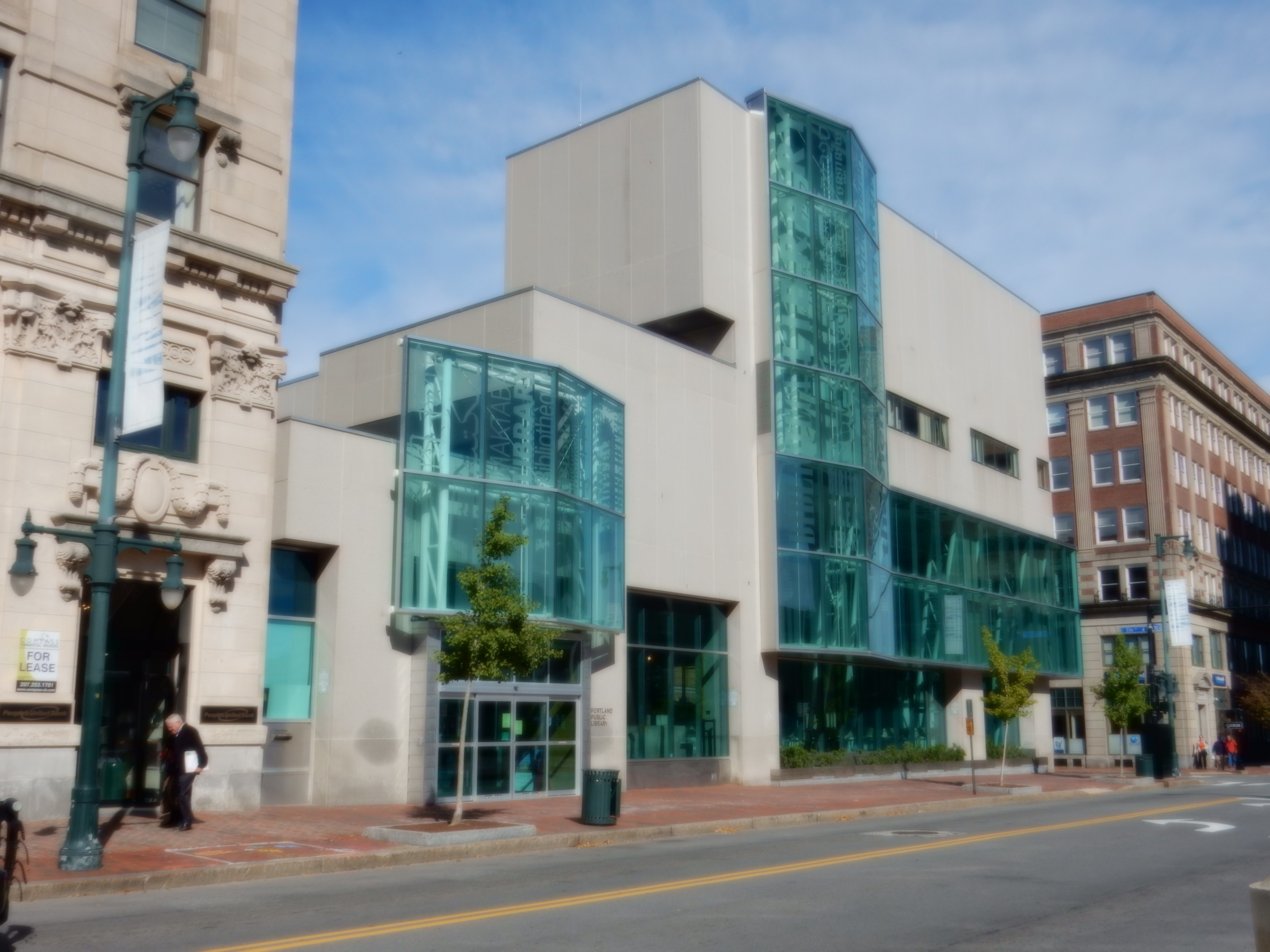

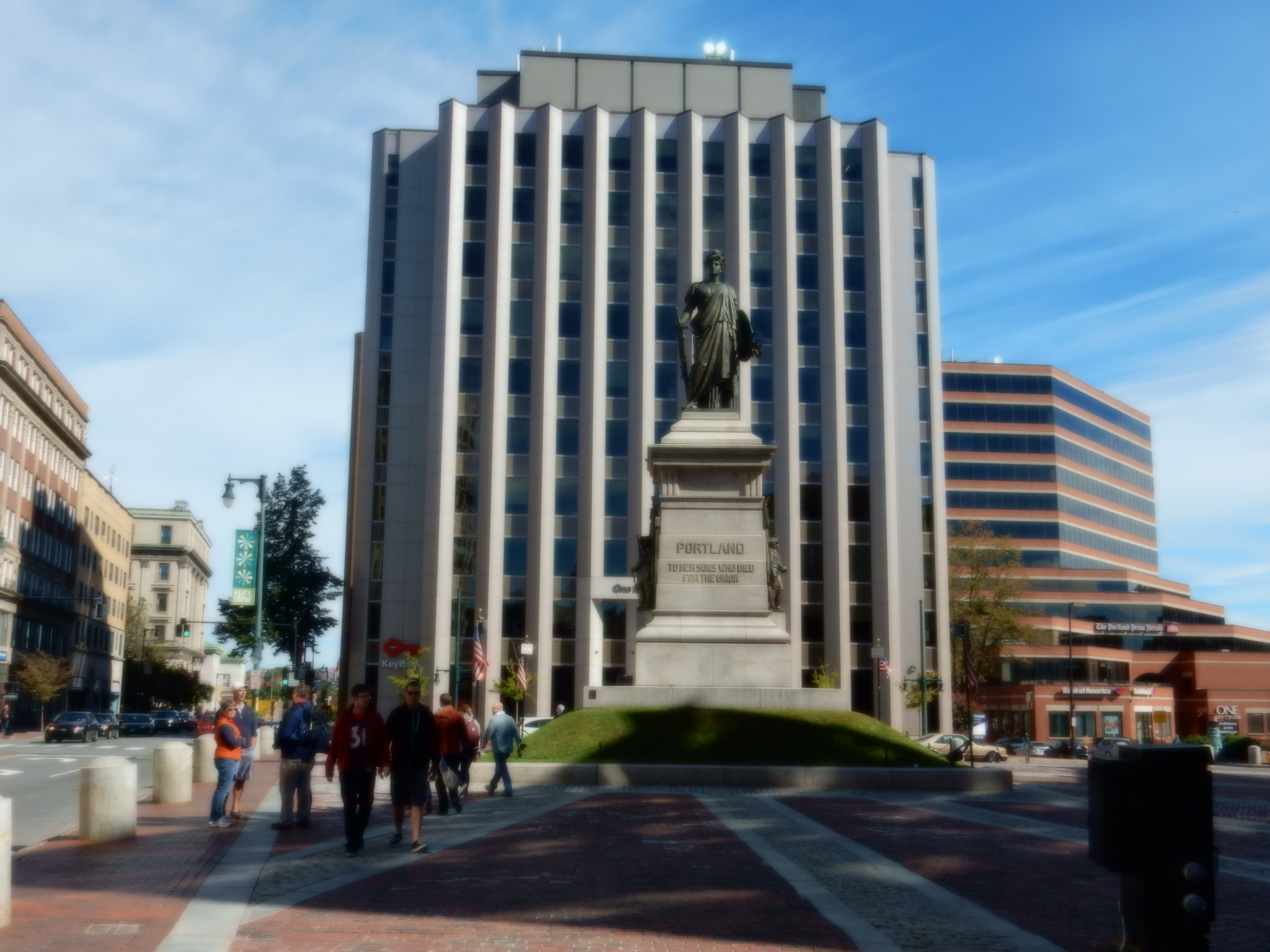
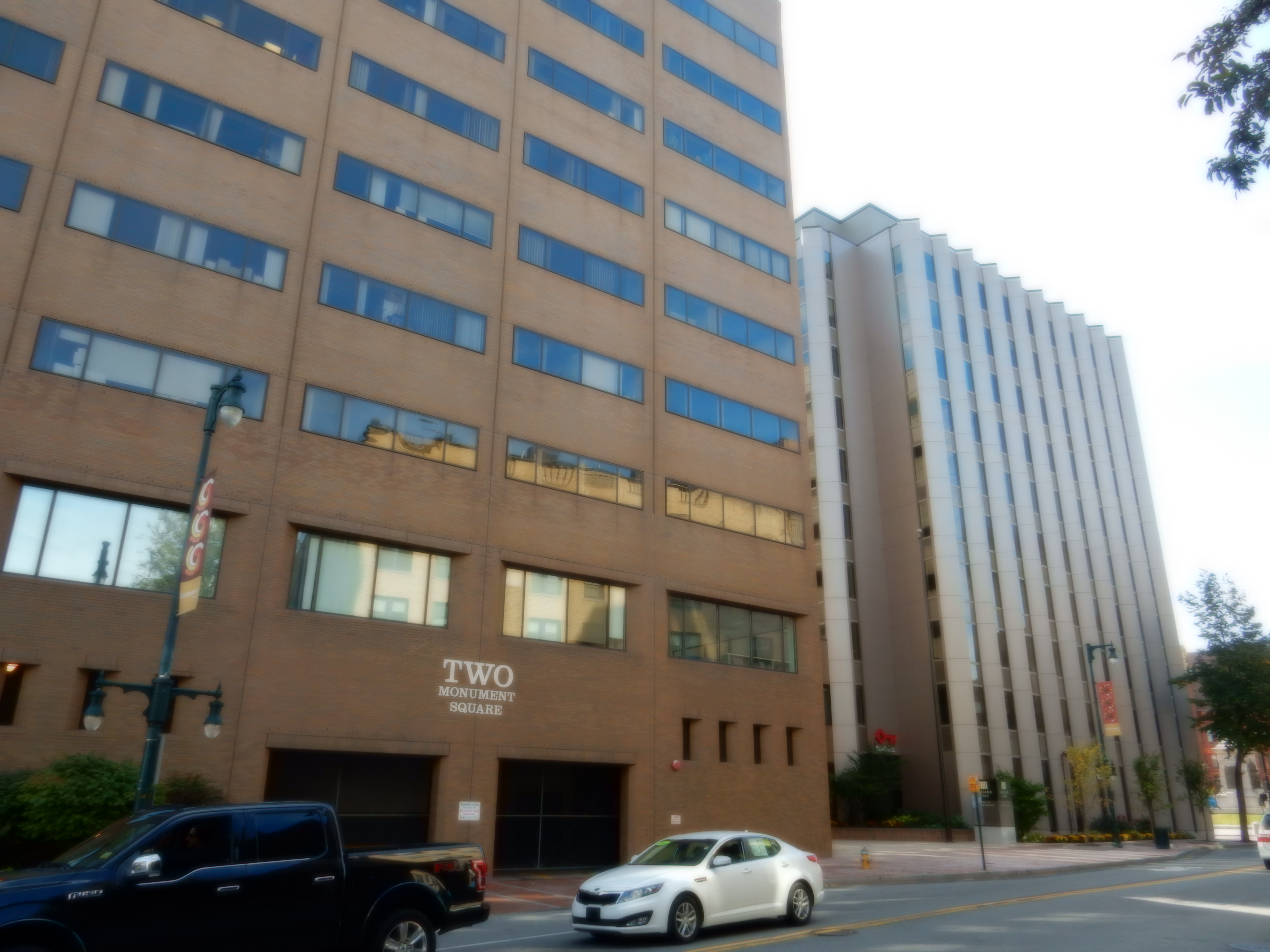
Only kidding! Because Congress Street also has lots of these:
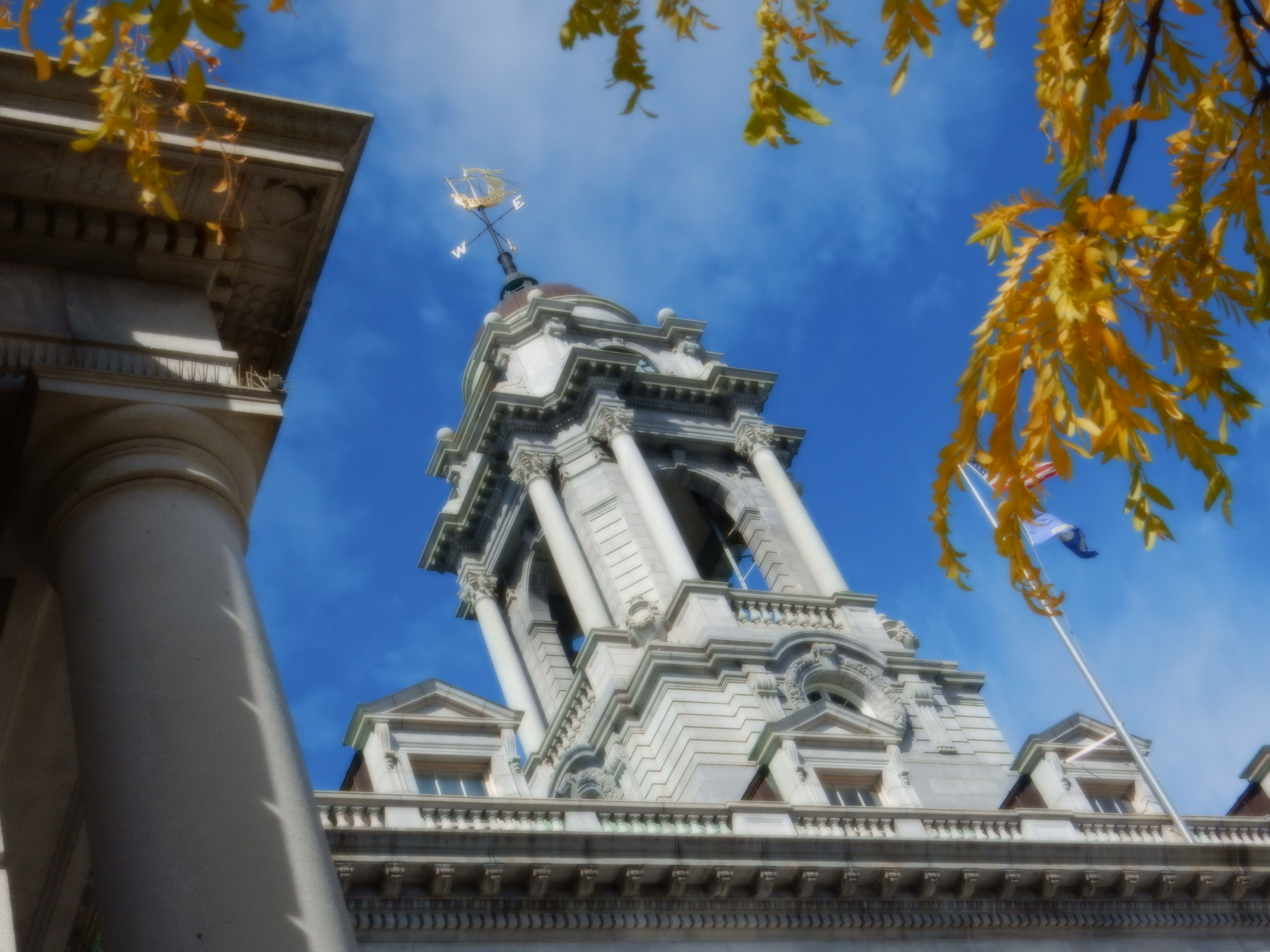


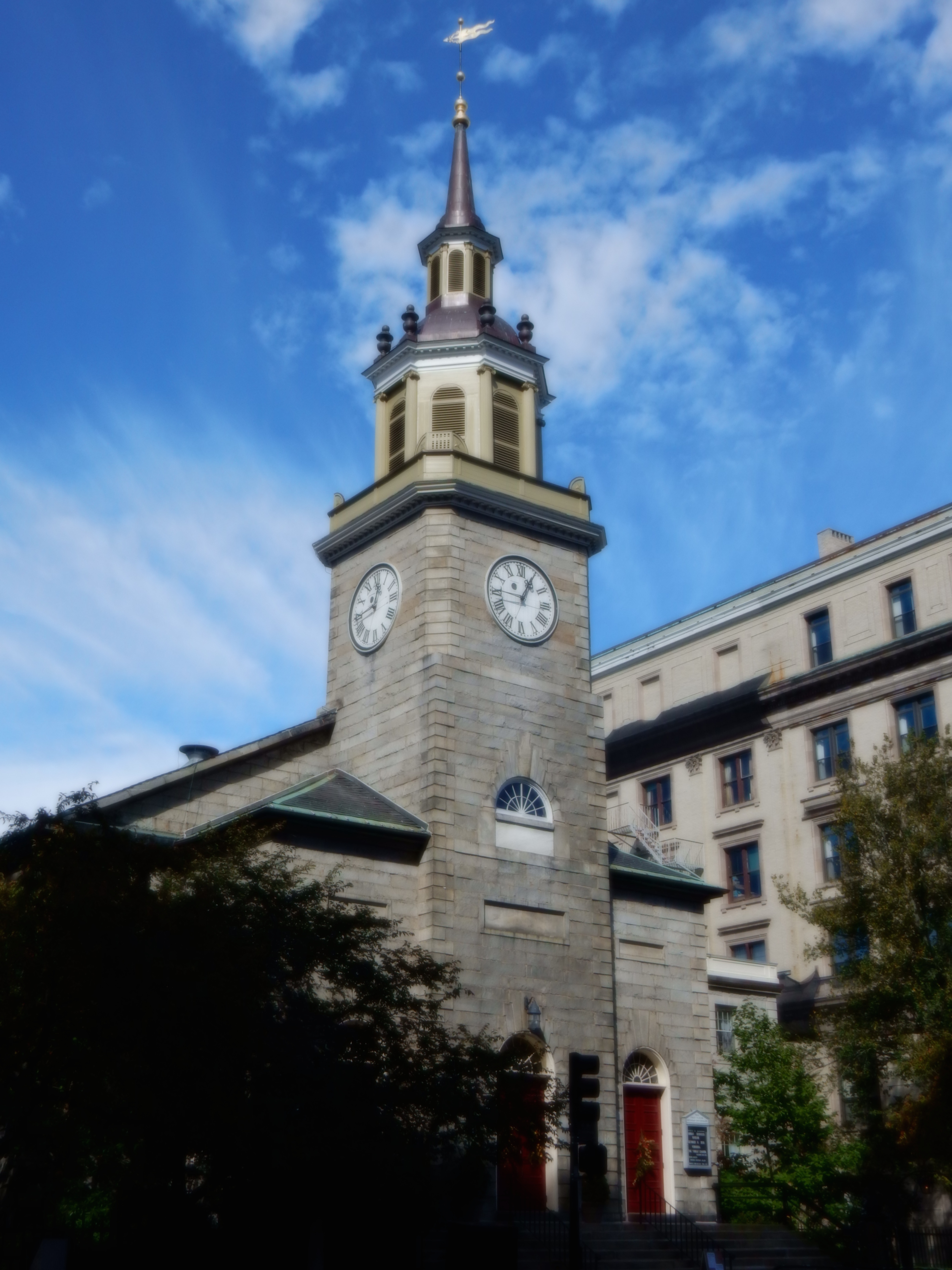
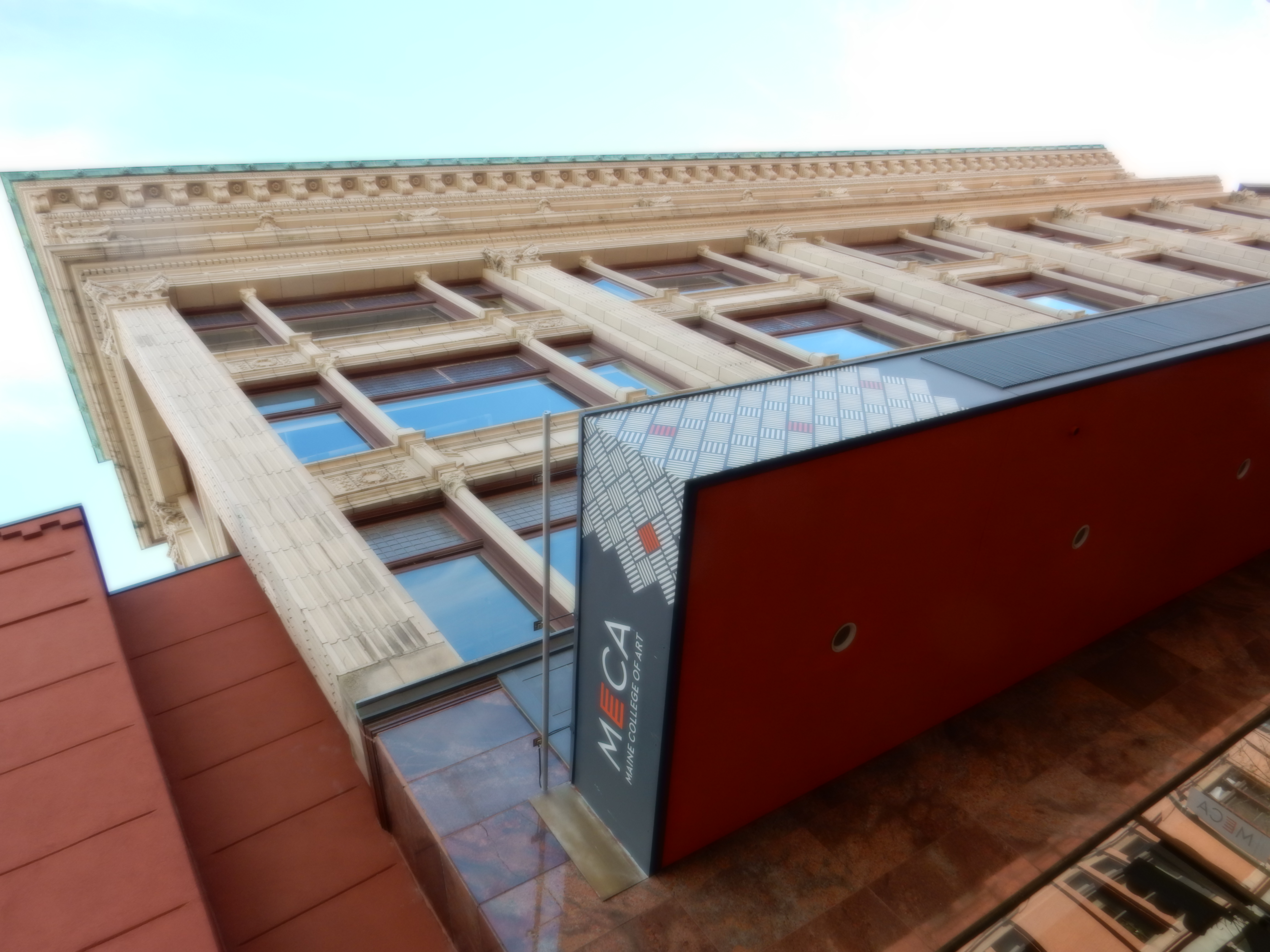
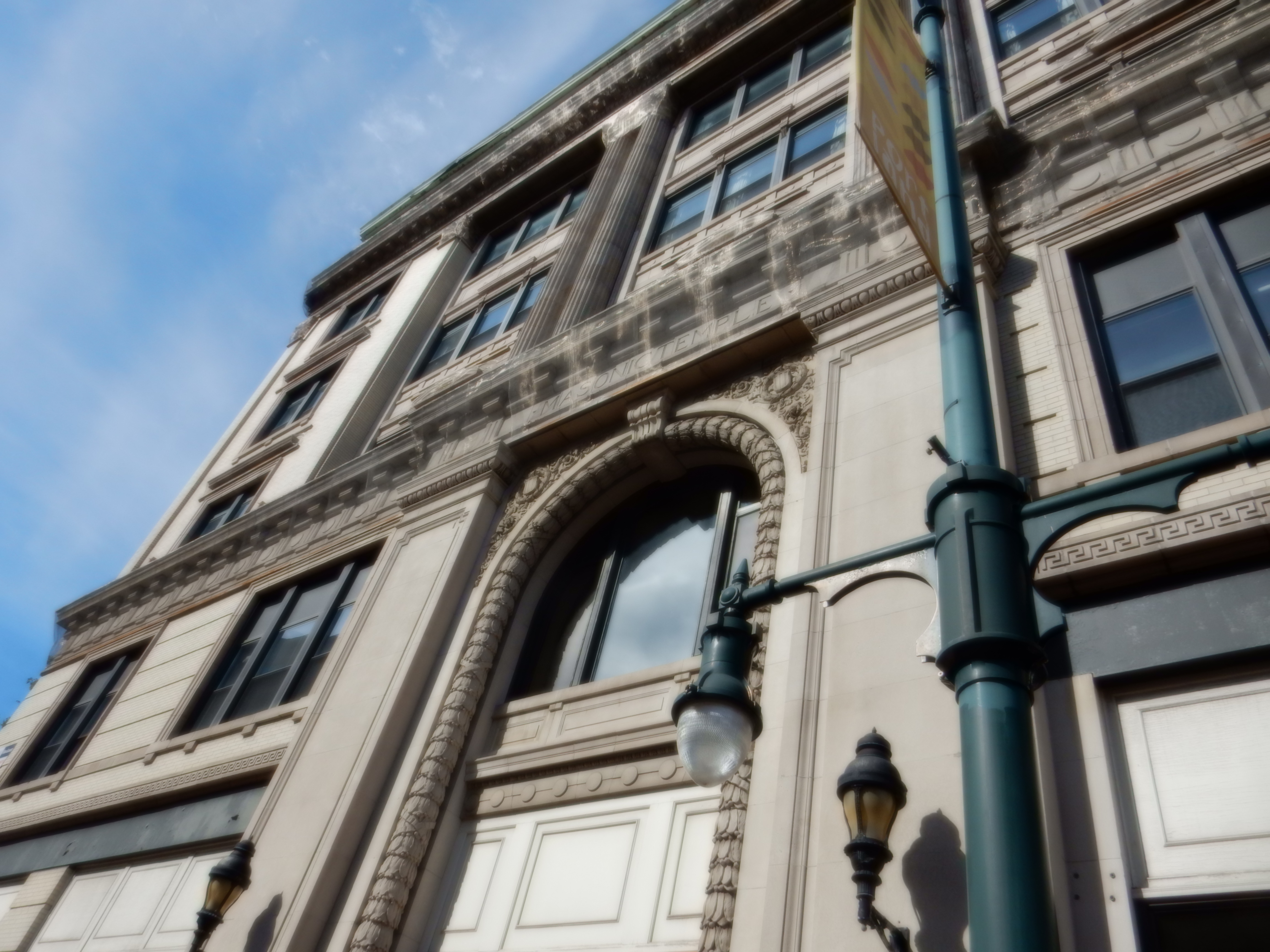
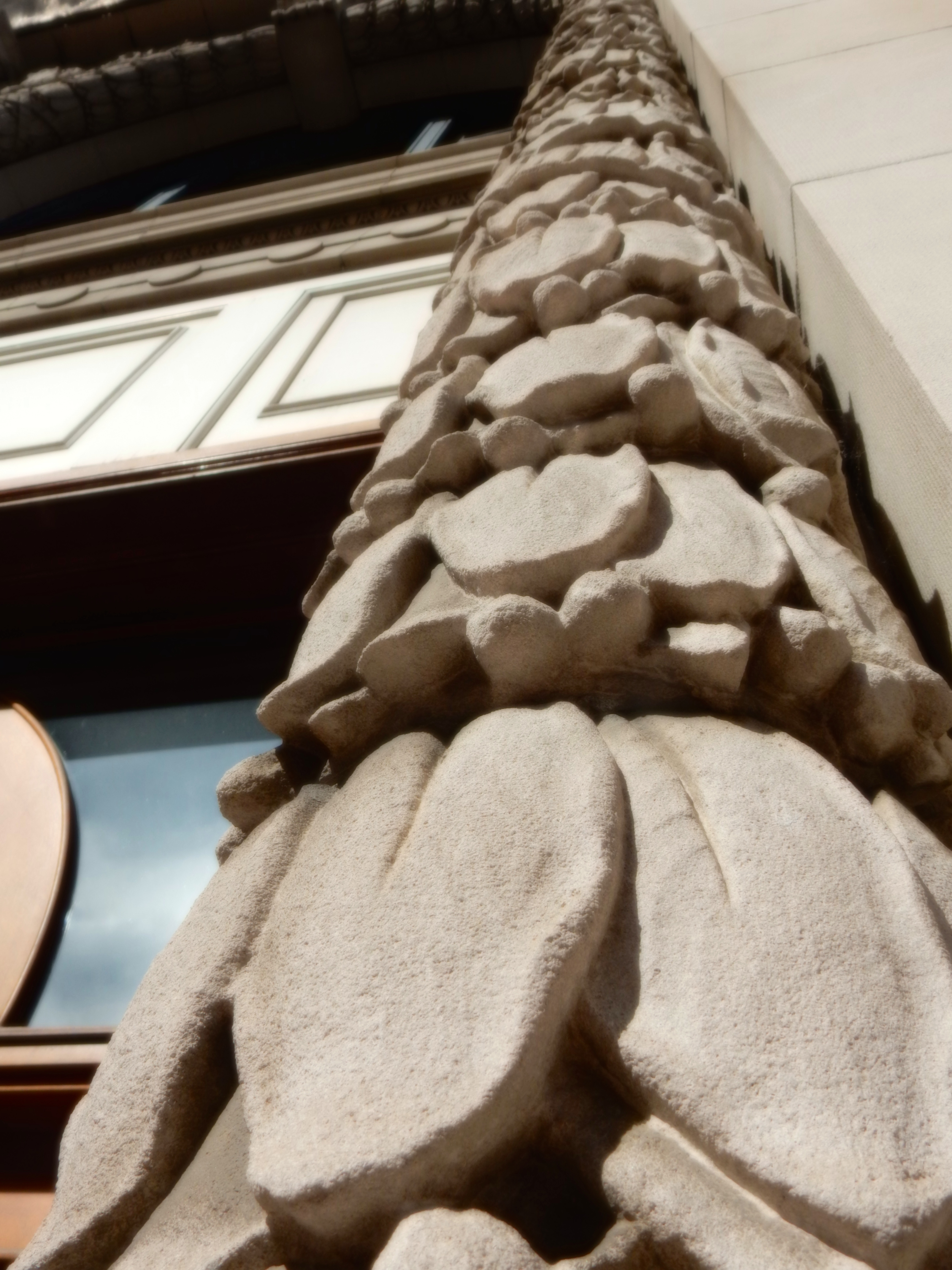


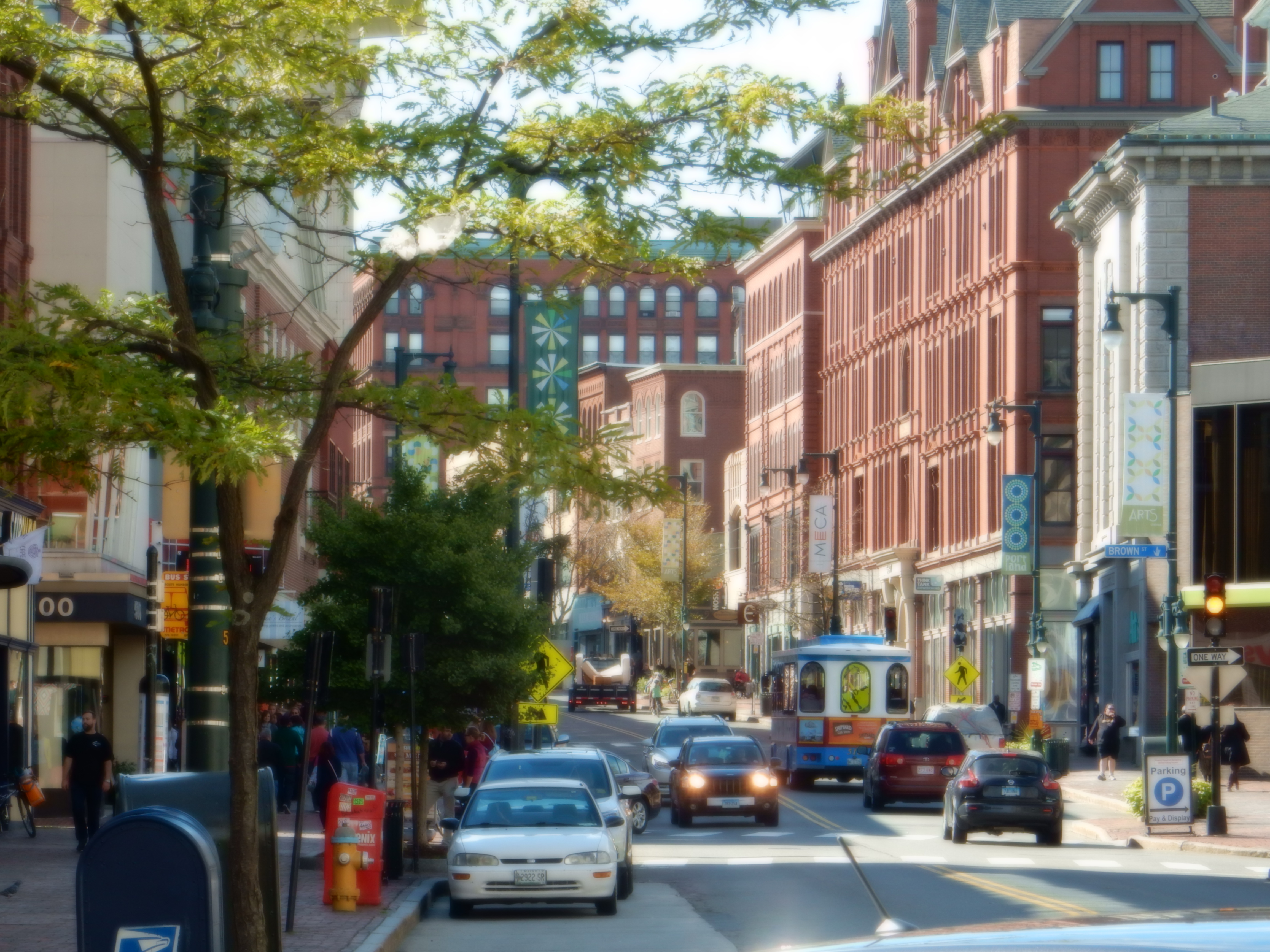
And we have not yet reached the Old Port Exchange.
Portland’s business district has even more ugly buildings than Congress Street, with little relief from the sort of old architecture preserved along Congress. The Old Port Exchange remains largely free of ugly architecture. Whatever their influence on its economy, the ugly buildings of Congress Street merely demonstrate that an abundance of fine buildings cannot easily survive an attack of ugly ones.
It is not hard to suppose, especially in light of the Old Port’s success, that more beautiful buildings and fewer ugly ones can only help. Neither city seems to have learned that lesson, but because of the success of the Old Port, of which Rhode Island’s capital has no parallel, Portland stands less in need of the lesson than Providence.
The Old Port Exchange will have its own post soon.




 Architecture Here and There
Having lived in Central Maine (near Augusta) for 26 years, I can tell you that real Mainers try not to go to Portland, unless we have to. It’s overpriced and full of blue-nosed Boston wannabes! Those of us how truly enjoyed Maine drove North (great woods), West (mountains) and East (the Coast), any direction but south to Portland and it’s ugly concrete jungle.
LikeLike
It did seem that a lot of the crowd there were tourists, but I am a city critter and love the asphalt jungle so long as it has been sufficiently civilized. I make it into the true out of doors only rarely – a rare pleasure, as it were, but not as pleasing me a city.
LikeLike